
A thick paperback lies open on a tray table, a pencil line under the page on Fushimi Inari. The cabin lights are low and the seat-back map still shows most of the Pacific to go. Next to the book, a phone in flight mode holds a folder of free PDFs from Japan’s own tourism offices.
Only one of those is really needed on a first trip. For 7–10 days on the Tokyo–Kyoto–Osaka route, you do not need to buy a Japan guidebook: the free official PDFs and a maps app cover it.
Buy one if you are going for two weeks or more, heading off the main route, or you simply like reading before you go. If you do, get an edition dated 2026, and take the ebook when the publisher includes it.
If all you want is a train-route app, close this and read our Google Maps vs Navitime comparison instead.
- Verdict: a paid guidebook is optional for a first 7–10 day golden-route trip
- Yes if: 2+ weeks, Hokkaido, Kyushu, Shikoku or Okinawa, or you read to plan
- No if: Tokyo, Kyoto and Osaka only, and you will download the free official PDFs
- Free option
- Official tourism PDFs, ¥0
- Paid option
- Roughly $27–30 / £19–23 list
- Newest editions
- July–October 2026
- Oldest of the main five
- Fodor’s, July 2025
- Prices checked
- November 2026
Editions, page counts and prices checked in November 2026; confirm on the publisher’s page before you buy.
What a Japan guidebook gives you that Google Maps does not
A maps app answers “how do I get there”. A guidebook answers the questions before that: which towns, in what order, and why. That is the part blogs and search results tend to scatter across forty tabs.
Context, regions and a plan you can read in one sitting
The big guides open with suggested routes, then go region by region with maps, background on temples and shrines, food, and etiquette. The value is the overview: you see the whole country on paper and choose, instead of reacting to whatever an algorithm shows you.
Rick Steves put the case for buying well: “A good guidebook is a $30 tool for a $3,000 experience.” On a long or complicated trip, that maths is hard to argue with.
One correction while his name is here.
Rick Steves does not publish a Japan guide. His own site says his guidebooks cover Europe “from Portugal to Poland and Iceland to Turkey”, and his “Best of” series is Europe-only too.
What goes stale the day it prints
Every printed guide has a shelf life, and Japan changes fast. These are the details that age first:
- Admission prices and opening hours
- Rail pass prices and what each pass covers
- Restaurants, cafes and small shops that close or move
- Booking rules at popular sights that start needing timed tickets
So treat any book as the plan, and the official site as the price list. A guide from July 2025 can still teach you how Kyoto is laid out. It cannot tell you today’s fare, so check the operator’s own page for anything with a number on it.

The 2026 shelf: 6 Japan guidebooks checked on the publishers’ pages
Most “best guidebook” lists skip the one detail that matters most: when the edition came out. The table below takes the date, page count and list price from each publisher’s page (or a bookseller page where the publisher’s would not load), checked in November 2026.
← Swipe to see the full table →
| Guidebook | Edition date and pages | List price (approx.) |
|---|---|---|
| Lonely Planet Japan | July 2026, 856 pages | Around $30 / £20 |
| Rough Guide to Japan | September 2026, 824 pages | Around £23, ebook included |
| Fodor’s Essential Japan | July 2025, 800 pages | Around $27 |
| Insight Guides Japan | July 2026, 400 pages | Around £19, ebook included |
| DK Japan | October 2026 (US), 352 pages | Around $30 |
| Japan by Rail (Trailblazer) | 5th edition, 528 pages, 72 maps | Around £20 |
Plan your trip: the tools we use

Our pick: Rough Guide to Japan for most first-timers who want a book, because the paperback comes with the ebook.
Prices differ by market, so a US list price in dollars and a UK list price in pounds are not the same deal. Check the publisher’s page in your own country before you order from Amazon or a local bookshop.
Lonely Planet Japan: the most pages for a long trip
The 19th edition of Lonely Planet Japan came out in July 2026 and runs to 856 pages, the longest on this list. US booksellers describe it as giving “the most comprehensive level of information for planning multi-week trips”, and it has a pull-out map of Tokyo.
That depth is the reason to buy it. It is also the reason to skip it for a one-week trip, when most of those 856 pages cover places you will not reach.
Rough Guide and Insight: the ebook comes in the box
The Rough Guide to Japan published on 1 September 2026, with 824 pages. Buy the paperback and the ebook is a free download, which solves the weight problem on the road.
Insight Guides Japan (1 July 2026, 400 pages) works the same way: the paperback includes a free ebook. Insight goes for “the visual appeal of an illustrated magazine”, so it is better for deciding where to go than for street-level detail.
DK, Fodor’s and Japan by Rail: the specialists
DK Japan is the visual one: 352 pages, with sections on Japanese theater, temples and religion, and etiquette. Its US release is 13 October 2026, and an ebook is available.
Fodor’s Essential Japan (800 pages, July 2025) is the oldest of the main five. It does cover Okinawa and offers multiple itineraries, but its research is about a year older than the 2026 editions.
Japan by Rail is a different kind of book: 528 pages and 72 maps built around train routes, praised by Zoom Japan as “the Bible for train travel in Japan”. The current 5th edition is several years old and no new one has been announced.
Free and legal: 7 official Japan travel PDFs worth downloading
People searching “japan travel guide pdf free download” often land on sites that should not be trusted. The good news is that Japan’s tourism offices already give away the real thing. Here is the free stack for a Tokyo–Kyoto–Osaka first trip, all official, total cost ¥0:
- GO TOKYO Travel Guide (2026): sights, food, shopping, transport and maps
- JNTO Tokyo & Vicinity: the national tourism office’s Tokyo brochure
- JNTO Fuji, Hakone, Kamakura, Nikko: the classic day trips from Tokyo
- JNTO Kyoto & Nara, plus its Tourist Map of Kyoto & Nara
- Kyoto Subway & Bus Navi: the city’s own bus and subway map
- Osaka official guidebook and 2026 area maps
- JNTO Tourist’s Language Handbook: phrases for shops, stations and hotels
The JNTO items sit on one brochure download page, which also offers Eat Japan, a 16-page food guide. Want more? The JNTO digital brochure library lists 347 brochures you can sort by region, from a Kanazawa guide to an Okinawa handbook.
The Osaka page splits its maps by area: Kita, Minami and Osaka Castle, Tennoji and Abeno, the Bay Area, the whole prefecture, and a route map. The Language Handbook file dates from 2019, but phrases do not go out of date the way prices do.
Seven files. Zero yen.
The GO TOKYO guide is over 10 MB, so download it on Wi-Fi before you fly rather than on airport data.
Why “free PDF download” sites are a trap
Sites offering a full Lonely Planet or Fodor’s as a free PDF are handing out copies the publisher did not release. Those copies are often scraped from older editions, so you get outdated prices and closed restaurants with no date on the cover to warn you.
The official PDFs above are free because tourism offices want you to use them. That is the only “free download” worth your phone storage.
Library ebooks through Libby
There is a second legal free route. Libby is a free app that lends ebooks, audiobooks and magazines from your public library, “free to borrow with a valid library card”. Many public libraries carry travel guides, so search for Japan before you pay for one.
Borrow early, though. Popular titles can have a wait list, and the loan ends on its own schedule, not your flight date.
Planning your visit?
Paper vs ebook vs app on a 10-day Tokyo–Kyoto–Osaka trip
The format matters almost as much as the title. Each one wins at a different moment of the trip.
Paper is best before you go:
- Easy to flip between regions while you build a route
- Works on the plane with no battery
- Heavy: 800-plus pages is a lot to carry around Kyoto
- Cannot be searched, and cannot be updated
Ebook or PDF is best for carrying:
- Weighs nothing and works offline once downloaded
- Searchable: type “Nishiki” and jump straight to the market
- Uses the same battery you need for maps and tickets
- Fold-out maps are awkward on a small screen
Apps are best on the ground:
- Live train times, platform changes and walking routes
- Opening hours that are usually more current than any book
- Need data, which means an eSIM or pocket Wi-Fi
- Tell you where things are, not which ones are worth the time
For a 10-day trip, the practical mix is the free PDFs on the phone, a maps app for moving around, and a book only if you enjoy one. For which train app to use, see our Google Maps vs Navitime guide.
Staying online is the other half. An eSIM from Airalo or Ubigi keeps the maps working; our eSIM comparison for Japan covers which plan to pick.
Carry a power bank either way.
Who should buy a Japan guidebook, and who should skip it
The answer depends far more on the shape of your trip than on which publisher you like. Here is the split, plainly.
Skip it if…
- You are doing Tokyo, Kyoto and Osaka in 7–10 days
- You will download the free official PDFs anyway
- You plan mostly on your phone and hate carrying weight
- The only edition in your shop is from 2025 or older
Buy it if…
- Your trip is two weeks or longer
- You are adding Hokkaido, Kyushu, Shikoku or Okinawa
- You like to read and choose before you book
- You want culture and history, not just directions
Notice what is missing from the “buy” side: first-timer nerves. A book does not make the first trip easier on its own. Booking the right hotels and knowing your train route does that, and both are online tasks.
A long trip is where the book earns its price.
Two or three weeks across several regions means dozens of small choices: which castle town, which hot spring, which island. That is when 800 pages of curated options beat a search bar. Our 12-day planning guide shows how many decisions a longer route involves.
For a short trip, spend the money on something you will feel, such as a better-located room on Booking.com or Agoda, or one good guided walk.
Four ways to get the same help without buying a book
A guidebook does three jobs: maps, ideas and context. Each one has a free or cheaper stand-in.
Tourist information centres and city transport offices
Kyoto is the clearest example. The city says its route map and the Subway & Bus Navi travel map “are distributed at Kyoto City Bus & Subway Information Centers”, so you can pick up a paper copy after you arrive. Pair it with our Kyoto bus guide for first-timers.
A printed map in your pocket saves battery when you need it most.
A guided walk for context
The part of a guidebook that is hard to replace is the background: why a shrine looks the way it does, what to order, how a neighbourhood grew. A short guided walk booked on Klook or GetYourGuide covers that in a morning, with someone answering your own questions.
The other two stand-ins are already in this article:
- The free official PDFs, for maps and ideas
- A library ebook through Libby, for the full guide at no cost
Put those four together and the only thing you have not replaced is the pleasure of a paper book on the plane. That is a real pleasure. It is just not a need.
How to pick, download and carry your Japan guide in 4 steps
Whether you buy a book or stick with the free stack, the order is the same. Do this in the week before you fly.
Step 1: Check the edition date on the publisher’s page
Look for 2026. Booksellers sometimes list an older edition first, so match the date and page count to the table above.
Step 2: Take the ebook if it is included
Rough Guide and Insight include a free ebook with the paperback. Download it before you leave so it is on your phone offline.
Step 3: Download the official PDFs on Wi-Fi
Get GO TOKYO, the JNTO brochures, Kyoto Bus Navi and the Osaka maps at home. Save them to your phone’s files, not a browser tab.
Step 4: Keep paper for the plane, phone for the street
Read the book on the flight and mark your plan. In Japan, leave it at the hotel and carry the files instead.
Partner link.
One thing to watch: never trust a pass price printed in any book. The official Japan Rail Pass site listed the 7-day Ordinary pass at ¥50,000 bought online as of November 2026, and it says “Prices are subject to change.”
Whether the pass pays off depends on your route, so add up the individual fares first. Then check the official JR Pass price page the week you buy. Klook and GetYourGuide also sell the pass, but compare against the official figure.
Plan the route first, then decide on the pass.
The edition-date trap most guidebook lists skip
“2026” on a cover is partly a marketing year. What matters is when the research was done, and the release date is the closest clue you get.
Release dates also differ by country. Lonely Planet’s 19th edition is listed for July 2026, with a US date of 14 July. DK Japan’s US date is 13 October 2026. A shop in another country may still be selling the previous edition that week.
The same book carries different prices in different markets: Lonely Planet Japan lists at $29.99 in the US and £19.99 in the UK.
Buying in Japan costs more. Kinokuniya, a large Japanese bookshop chain, listed Lonely Planet Japan at ¥5,551 including tax as of November 2026, against a US list price around $30. It makes sense only if you forgot to pack it.
Buy before you fly.
A quick test for any listing on Amazon or a bookshop site:
- Does the date say 2026, and match the publisher’s page?
- Does the page count match the table above?
- Is it a new copy, not a cheap used copy of an older edition?
Used copies are the easiest way to end up with old prices. A secondhand guide from a few years back can look like a bargain on Amazon, yet the fares and pass details inside may no longer apply.
So, is a Japan guidebook worth it?
For a first 7–10 day trip through Tokyo, Kyoto and Osaka, no. The free official PDFs, a maps app and an eSIM do the job, and the money is better spent on location or a guided walk.
For two weeks or more, or a route that reaches Hokkaido, Kyushu, Shikoku or Okinawa, yes. Pick a 2026 edition, take the ebook when it is offered, and check every price on the official site anyway.
 ReaderYukiReaderYuki
Still unsure? Start with the free stack. If you find yourself wanting more after a week of planning, that is your sign to buy the book. For the rest of the first-trip basics, see our first-time Japan tips.
Choosing a guidebook can feel like the first test of whether you are ready for Japan.
You could keep re-reading lists of the best one, or lock in your route and hotels now and let the free maps fill in the rest later.
Keep planning
- ① Install and test your eSIM before take-offAiralo and Ubigi eSIMs activate on arrival, but the install itself needs Wi-Fi. Do it at home and confirm the profile shows up in your phone settings.
- ② Save your first hotel’s address in JapaneseTaxi drivers and station staff read Japanese addresses far faster than romanised ones. Copy it from the booking confirmation into your notes app.
- ③ Set aside cash for day oneMany small restaurants, temples and rural buses are still cash-only. Airport ATMs at 7-Eleven and the post office accept most foreign cards.
Skip these and your first hour in Japan goes on finding Wi-Fi at the station instead of getting to your hotel.
🔍 How to sanity-check any price you read online
Blogs (including this one) go out of date. The official page always wins over a screenshot from two years ago.
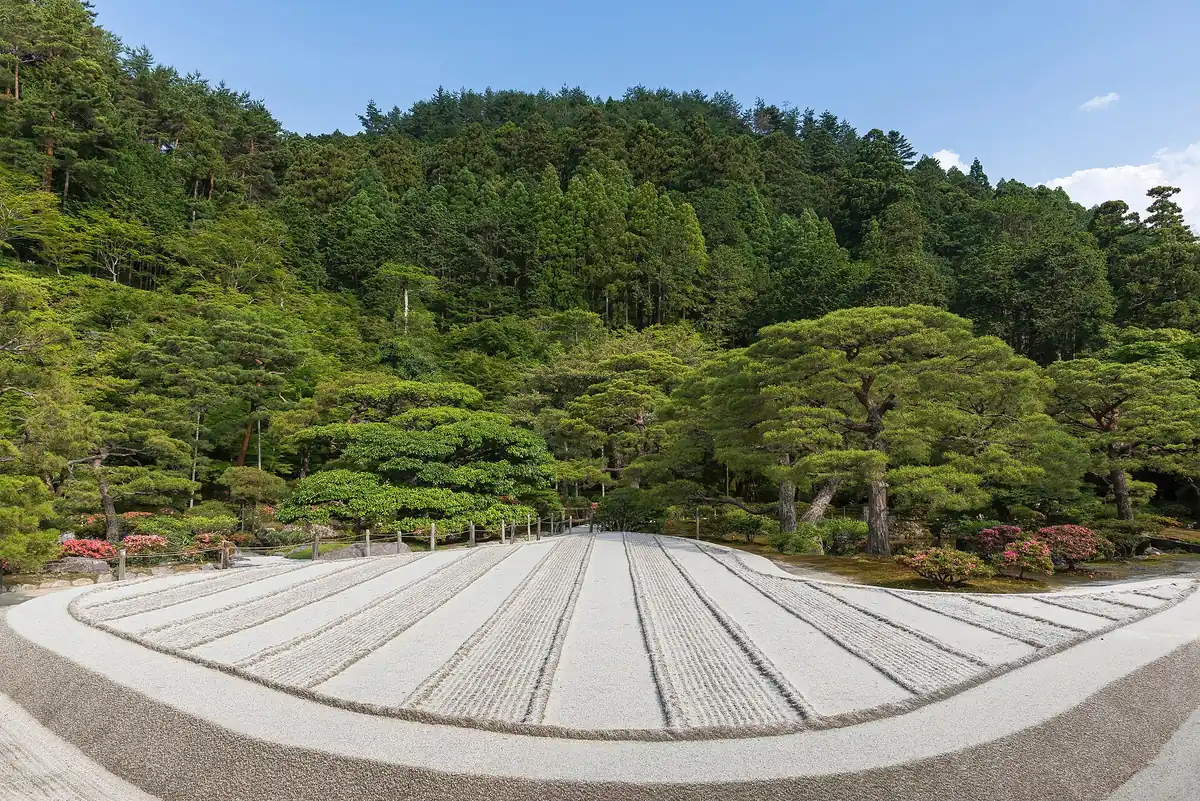
Cover Photo: Basile Morin, CC BY-SA 4.0, via Wikimedia Commons