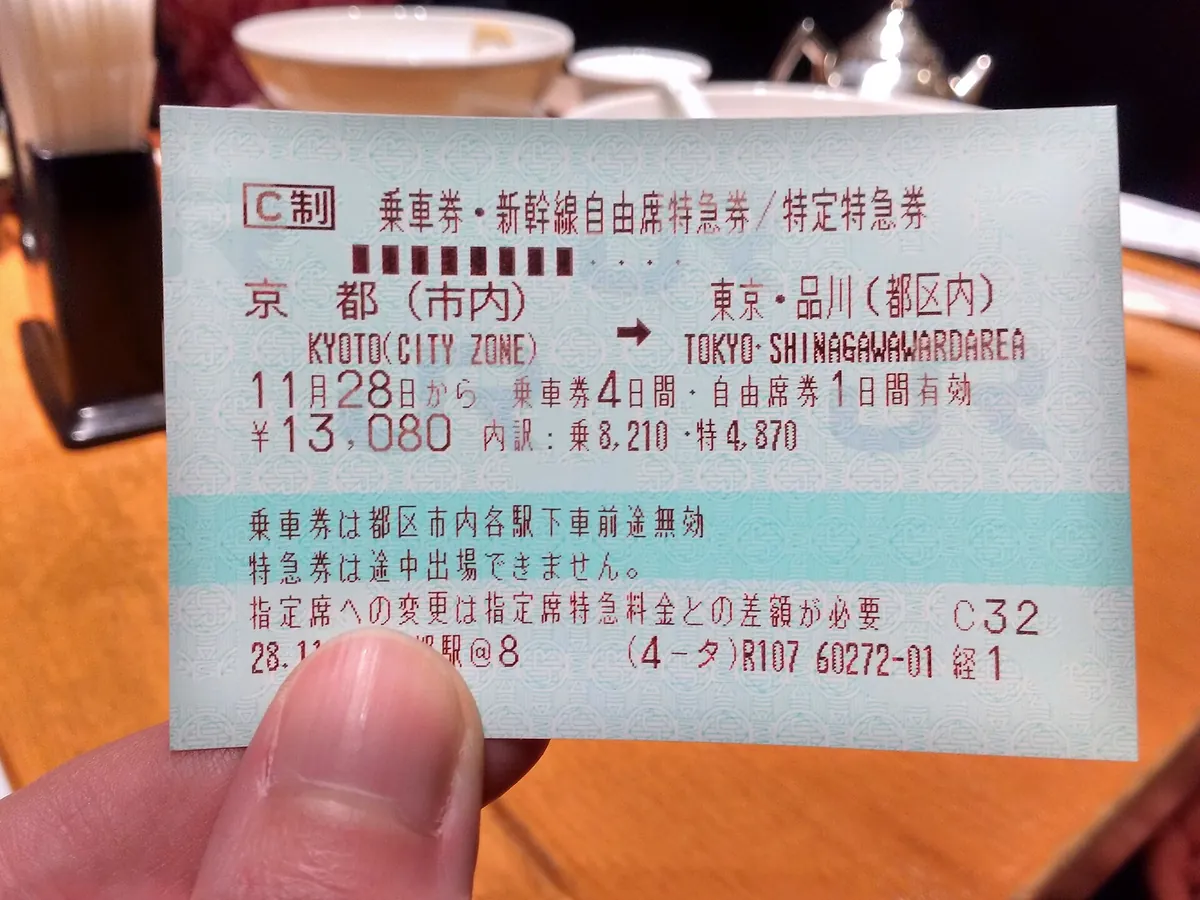
- Avoid the “Shinkansen for everything” trap; regional trains are cheaper.
- You only need enough cash for small shrines; cards work almost everywhere.
- Skip the JR Pass unless your math confirms a massive regional loop.
- Don’t cram your itinerary; two cities in 12 days is better than five.
- Use luggage forwarding services to avoid dragging bags on local trains.
- Trip length
- 12–14 days
- Base city
- Osaka
- Typical cost
- ¥18,000–25,000/day
- Booking
- Hotels/Rail in advance
- Best asset
- Smart IC card
- Data
- eSIM (Airalo/Ubigi)
Some links are affiliate links (marked “Partner link”). Prices are ranges checked in 2026; confirm on the official site before you book.
Shinjuku Station at 5:00 PM, holding a map upside down and missing the final train to your hotel: the real mistake isn’t being lost, it is trying to visit three cities in four days.
You cannot fix a bad itinerary once you are standing on the platform. Stop treating your schedule like a race and start treating it like a series of slow, manageable connections. Sound familiar?
The biggest error first-timers make is over-scheduling their days, which leads to total burnout by the midpoint of the trip. You will see more of Japan by choosing a base like Osaka and doing shorter, intentional trips than by hopping through a new hotel every 48 hours.
- Moving to a new city every single night
- Assuming you need the JR Pass for every trip
- Carrying two massive suitcases on a local bus
- Worrying about cash instead of using a digital IC card
- Trying to reserve every restaurant weeks in advance
- Feeling anxious about missing a single train transfer
- Booking every sight based on a “top 10” list
01 Planning mistakes that drain your time

Most travelers treat their itinerary like a high-speed checklist. This is the surest way to miss the nuance of Japanese life.
1. Designing an itinerary with zero downtime
You might think that having a plan for every hour is productive. In reality, you are just setting yourself up for stress the moment a train is delayed or you find a small shop you want to browse. Give yourself one “open” half-day for every three days of travel.
That was the mistake.
2. Choosing the wrong base city
Tokyo is great, but it is massive and exhausting. If you are doing a 14-day trip, consider splitting your time equally between a Tokyo base and an Osaka base.
For example, use a business hotel near Namba Station in Osaka; it is central and much cheaper than the high-end hotels in Tokyo. Check prices on Booking.com to see the difference for your dates.
3. Forcing a visit to too many cities
Seeing Tokyo, Kyoto, Osaka, Hiroshima, and Kanazawa in 12 days? Only have four days to spare? You will spend roughly 20% of your holiday in a transit station. Pick two primary hubs and use them as anchors for your regional exploration.
Plan your trip: the tools we use
02 Money, cards, and the outdated cash myth
The advice that you need a huge stash of yen to survive is twenty years out of date. While you do need cash, your strategy should be digital first.
4. Carrying too much cash
Most shops, convenience stores, and train stations accept contactless payments or credit cards. You only need to keep about ¥10,000–20,000 on hand for small shrines or those tiny, legendary noodle shops in back alleys.
Using an IC card (like Suica or Pasmo, now available on your phone wallet) makes local transit a breeze.
5. Underestimating the cost of roaming
Do not pay your home carrier for international data plans. It is cheaper and more reliable to buy a local eSIM. I recommend checking Ubigi or Airalo before you land; you can set it up while on the plane so you have connectivity the moment you step out of the terminal.
03 Trains, luggage, and the platform edge
Dragging giant suitcases through a crowded subway station is the most common way to ruin your mood in Japan. You do not need to do it.
6. Paying for the JR Pass without checking the math
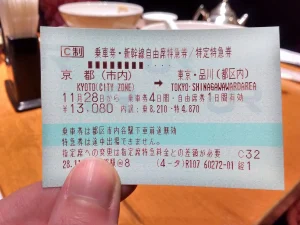
The national JR Pass price hike changed the game. Whether the pass pays off depends on your route; you must add up your individual fares using a site like Klook or the official JR calculator first.
For many mid-range travelers on a simple Tokyo–Kyoto loop, buying point-to-point tickets is cheaper than the pass.
7. Ignoring luggage forwarding services
If you are traveling between cities, send your large bags using a service like Yamato Transport. You can usually ask your hotel front desk to arrange this for you for roughly ¥2,000–3,000 per bag.
It allows you to travel to your next city with just a light daypack, leaving you free to explore without the weight.
What most first-timers do
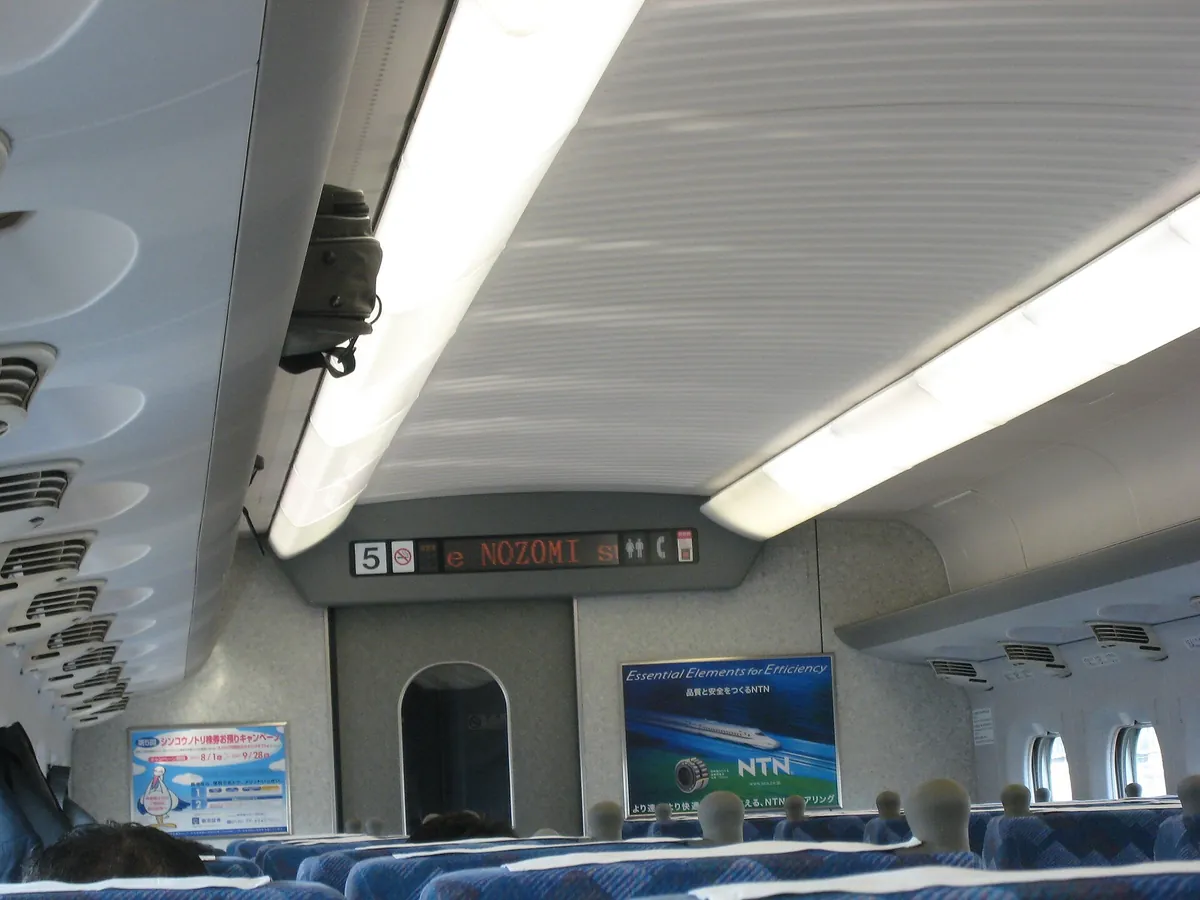
- Drag heavy bags onto the Shinkansen
- Buy a JR Pass without calculating costs
- Stay in a new hotel every single night
- Worry about missing a train connection
What actually works
- Use luggage forwarding (Takkyubin)
- Buy individual tickets via Klook
- Base in one city for 5+ nights
- Aim for 20-minute transfer buffers
Planning your visit?
Etiquette that actually matters on the go
People worry about bowing incorrectly, but that is rarely an issue. The real etiquette mistakes happen on the train.
8. Talking loudly on public transport
Japanese trains are quiet. Keep your voice at a whisper and silence your phone completely. It is a sign of respect for the people around you, many of whom are commuting home after a long day.
9. Eating on local commuter trains
While long-distance Shinkansen trains allow for an “ekiben” (a station bento box), it is widely considered rude to eat on short-haul commuter lines. Finish your snacks on the platform or wait until you arrive at your destination.
Booking, apps, and local spots
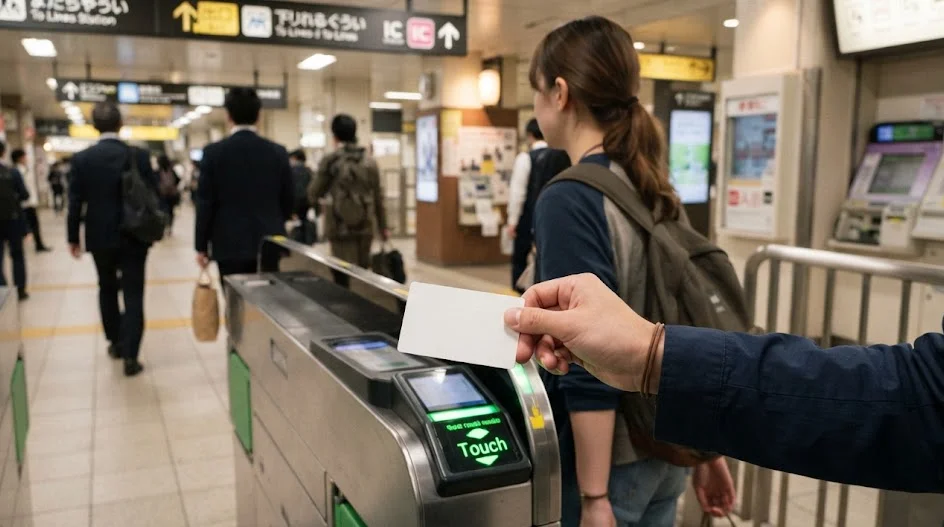
You cannot “hack” the system by finding secret spots that do not exist. Focus on the basics, and the rest will fall into place.
10. Over-relying on reservation apps
Booking platforms like GetYourGuide are excellent for tours, but they don’t cover every small local restaurant. If you see a small, busy shop, sometimes the best move is just to ask the hotel receptionist to make a quick call for you. It builds a much better local connection than a standard app.
11. Using the wrong navigation tools
Google Maps is fine for walking, but it can be confusing with complex multi-level stations in Tokyo. Try to learn the platform number first, not just the train line name. Always double-check your platform signage before you board.
My personal approach to a stress-free arrival
My own first trip to Osaka was a disaster because I tried to do everything at once. I landed, headed straight to a busy market, and ended up lost in a station I didn’t recognize.
Now, I have a strict “arrival rule” that saves my sanity every time I touch down.
Step 1: Limit your arrival day
Don’t book any major activities for your first day. Just find your hotel, grab a simple meal, and get some rest.
Step 2: Setup your digital wallet
Load your IC card and eSIM in your phone wallet before you leave the airport. It is the single best way to avoid stress.
Step 3: Test the local transit
Take one short, low-stakes train ride to a nearby convenience store. It builds confidence before the big travel days.
Step 4: Find one anchor spot
Locate one park or cafe near your hotel that you like. It will be your go-to place when the city feels too crowded.
The pre-trip logistics you can finish in one evening
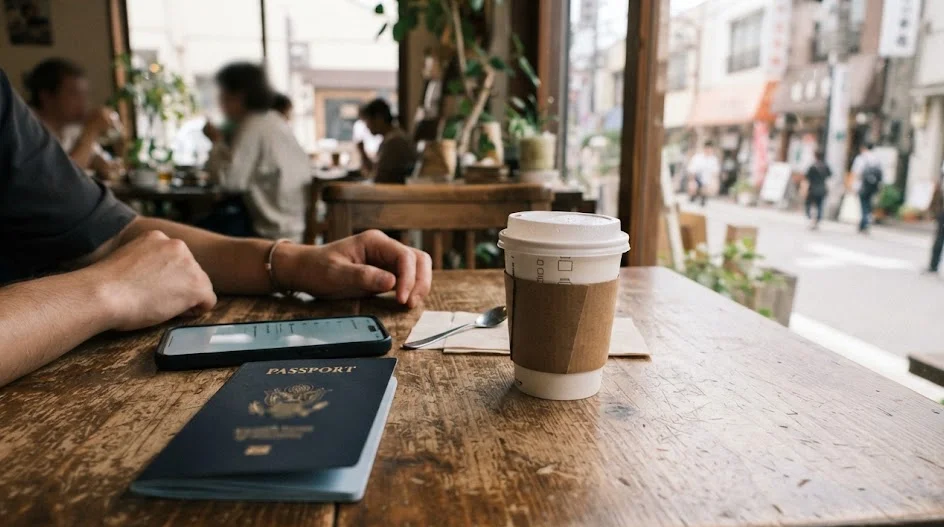
Most travelers spend weeks agonizing over flight times or restaurant reservations that they could fix once they land.
Instead of chasing hypothetical bookings, spend one dedicated evening knocking out the administrative hurdles that actually dictate whether your trip is seamless or a logistical nightmare.
The most important step is verifying your passport and insurance coverage. Japan is safe, but unexpected medical costs are a fast way to ruin a budget.
Ensure your travel insurance covers medical evacuation and international hospital stays, as a simple trip to an emergency room can cost anywhere from 5,000 to 50,000 yen. Check the official site of your insurer for policy specifics.
Next, focus on your digital footprint. Many travelers arrive in Japan only to realize their bank has blocked their card for “suspicious activity” because they didn’t set a travel notice.
Log into your banking app and add your travel dates. Simultaneously, set up your mobile wallet.
- Add your physical credit card to your Apple Wallet or Google Pay to ensure you can use contactless payments at kiosks.
- Check if your phone is eSIM compatible and download the Ubigi or Airalo app to preview your data plan options.
- Print two copies of your hotel address in both English and Japanese; sometimes, phone batteries die or GPS fails in dense, skyscraper-filled districts.
Finally, organize your essential documents into a single physical folder. While Japan is becoming increasingly digital, there are still instances where having a printed copy of your hotel booking or your rail voucher from Klook saves you ten minutes of frantic searching at a service counter.
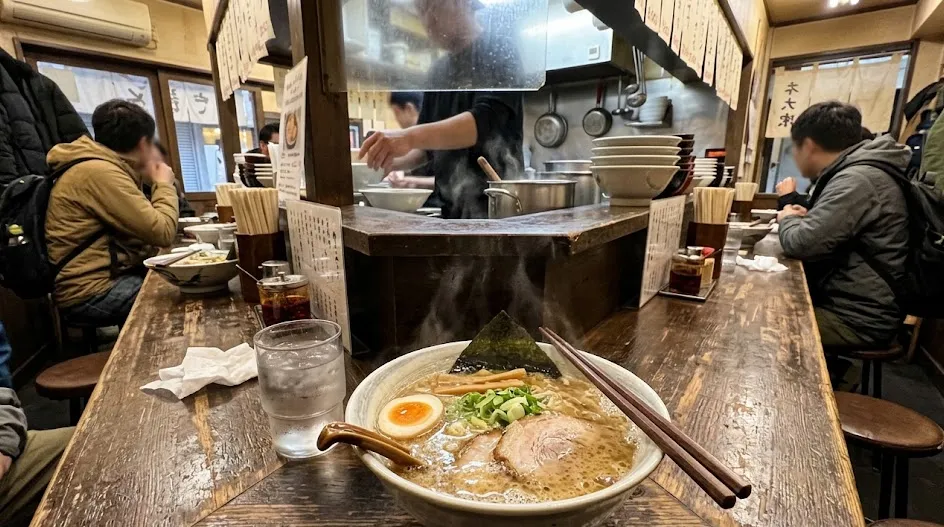
Keep this folder in your carry-on to ensure you have everything you need the moment you clear customs.
Spending three hours doing these tasks at home means you can spend your first few hours in Osaka eating takoyaki by the canal instead of trying to find a working ATM or a Wi-Fi signal to troubleshoot your bank account.
Navigating the weather and seasonal clothing traps
A common mistake is packing for the Japan you see in travel movies rather than the Japan you will actually experience. The weather here is famously intense, shifting from humid, tropical summers to biting, bone-chilling winters.
The primary error is ignoring the necessity of layers. Even if you are visiting in spring or autumn, the temperature can swing significantly between a sunny afternoon and a chilly evening.
You do not need to bring your entire wardrobe; instead, aim for a system that allows you to peel off layers easily when you board a train or walk into a heated indoor shopping mall.
Footwear is the single most important physical investment you will make. You will likely walk 15,000 to 20,000 steps per day, and the terrain often involves uneven stone paths at shrines or steep staircases in local subway stations.
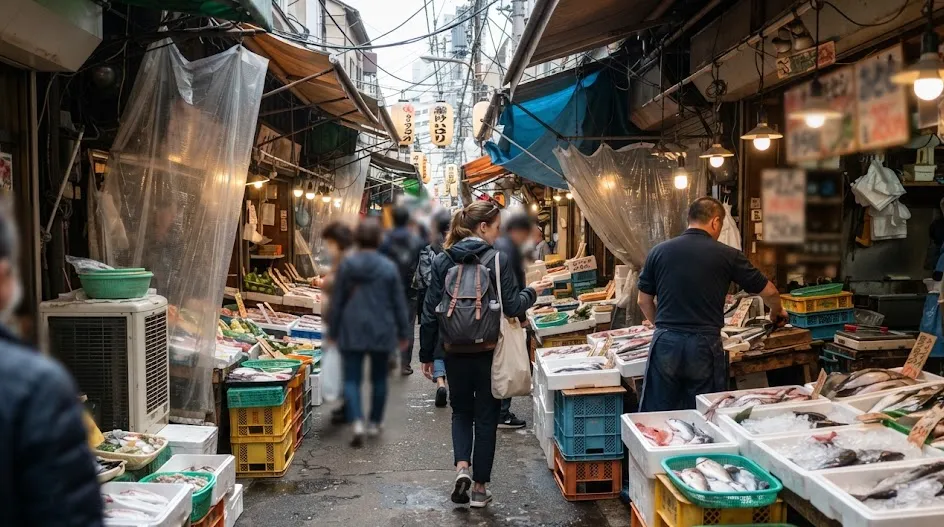
Do not bring brand-new shoes; bring the most comfortable, broken-in sneakers you own. If your feet are covered in blisters by day three, you will lose the motivation to explore, no matter how good your itinerary looks.
Consider the practical reality of seasonal shifts in your packing list:
- Summer: Prioritize moisture-wicking fabrics and a high-quality, compact umbrella, which you can easily purchase at any convenience store for 500 to 1,000 yen.
- Winter: Invest in thermal undershirts. Japanese “Heattech” is legendary for a reason; you can stop by a local Uniqlo and pick up high-quality base layers for 1,500 to 2,500 yen rather than packing bulky sweaters.
- Rainy season: Always carry a light, waterproof shell. The humidity makes rain feel significantly colder than the actual temperature suggests.
Lastly, be mindful of the “shoe-off” culture. You will be taking your shoes off frequently at temples, traditional restaurants, and some older business hotels. Wear clean, hole-free socks, as you will be putting your feet on display in public areas far more often than you would back home.

FAQ: Common worries
QIs it really okay to not have a plan for everything?
Yes. The best parts of Japan are usually the ones you find while wandering. If you have only four days, focus on one or two neighborhoods rather than the whole city.
QDo I need to worry about being a “tourist”?
You are a guest. People in Japan are generally very patient, provided you aren’t blocking aisles or being loud. Smile, say “sumimasen” (excuse me) if you bump into someone, and keep your luggage out of the way.
QHow do I know if my train is the right one?
Look at the digital display on the platform. It will list the destination and the time. Match this with your navigation app. If you are ever unsure, just ask a station attendant; they are used to helping confused travelers.
Partner link.
It is normal to feel like you are failing the planning process because you haven’t booked every single hour yet.
Stop chasing the pressure of a “perfect” schedule and lock in your base city and transit, then let the rest of your days breathe.
Keep planning
- ① Install and test your eSIM before take-offAiralo and Ubigi eSIMs activate on arrival, but the install itself needs Wi-Fi. Do it at home and confirm the profile shows up in your phone settings.
- ② Save your first hotel’s address in JapaneseTaxi drivers and station staff read Japanese addresses far faster than romanised ones. Copy it from the booking confirmation into your notes app.
- ③ Set aside cash for day oneMany small restaurants, temples and rural buses are still cash-only. Airport ATMs at 7-Eleven and the post office accept most foreign cards.
Skip these and your first hour in Japan goes on finding Wi-Fi at the station instead of getting to your hotel.
🔍 How to sanity-check any price you read online
Blogs (including this one) go out of date. The official page always wins over a screenshot from two years ago.
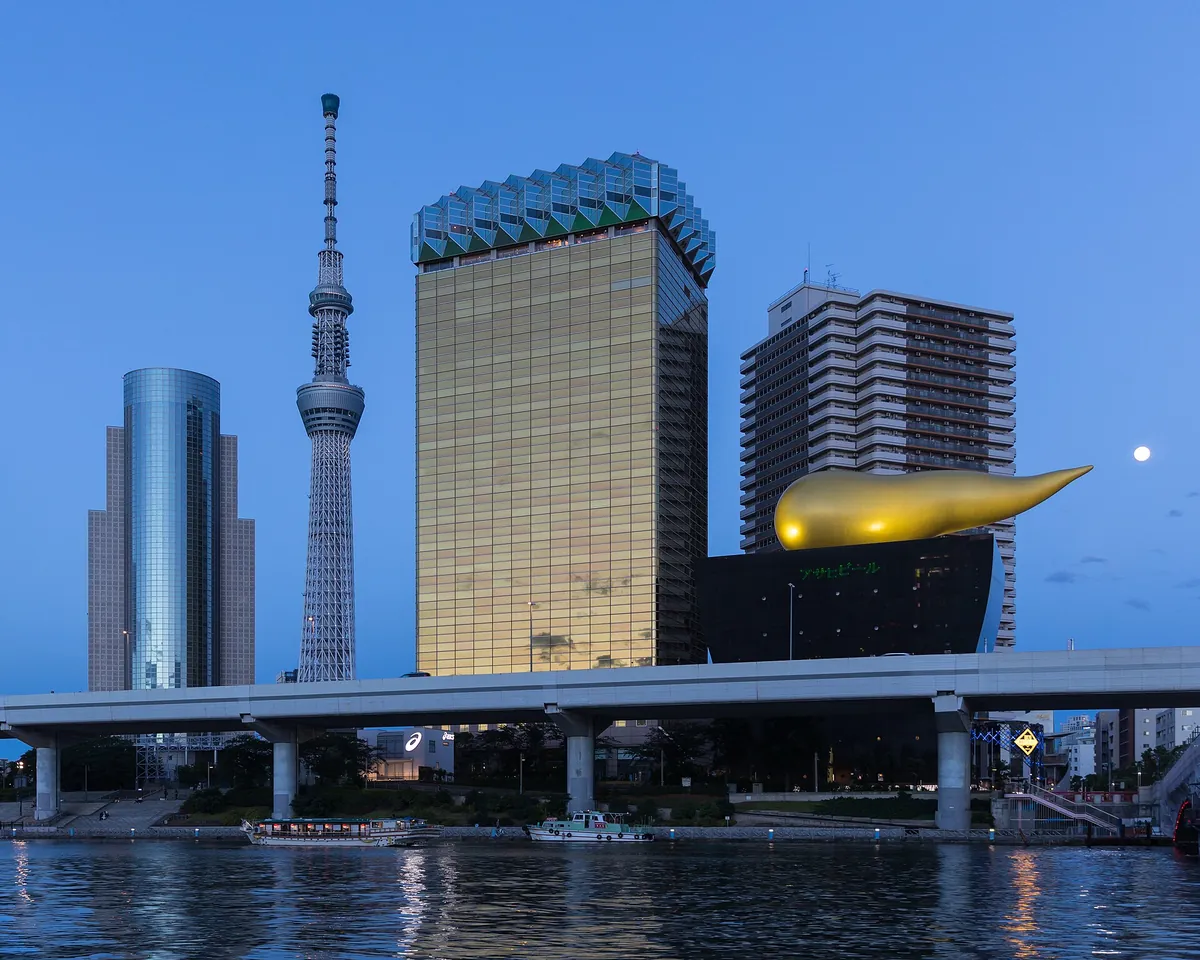
Cover Photo: Marek Ślusarczyk (Tupungato) Photo portfolio, CC BY 3.0, via Wikimedia Commons