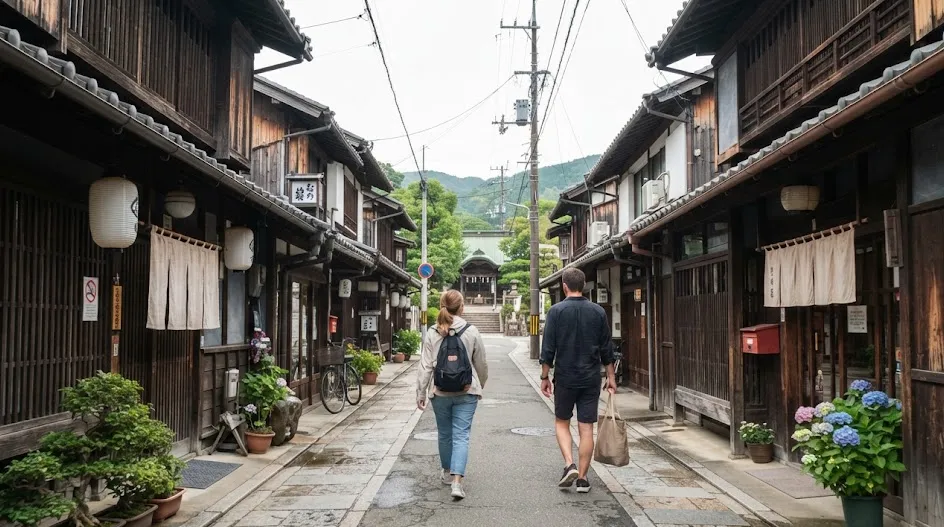
Buying gifts in Japan and hoping to get the tax back?
You are shopping for things you will carry home yourself. Under the rules in force since 1 November 2026, you pay tax at the till, keep every item on each receipt with you, use none of the food, drink or cosmetics in Japan, then scan your passport at an airport kiosk before check-in, within 90 days.
The tax comes back afterwards, from the shop or the refund company it uses. If all you want is cheaper perfume at the gate after security, that is airport duty-free, a separate system, and this guide is not for you.
Below: what changed, which souvenirs cause trouble, the order of things on your last morning, and what your own customs allows.
- Minimum spend
- ¥5,000 per shop per day, before tax
- Deadline
- 90 days from purchase
- Where to claim
- Airport kiosk, before check-in
- Who pays you
- The shop or its refund operator
- Tax rate back
- 10% goods and alcohol, 8% food and soft drinks
- Rules checked
- November 2026
- The shop offers tax-free service (ask at the till)
- That shop’s total is ¥5,000+ before tax, same day
- Gifts and snacks you will eat are on separate receipts
- You asked how this shop pays the refund
- Your refund card or account is registered at the till
- Knives and big bottles will travel in a checked bag
- Your last day leaves time for the kiosk
- You know your home country’s food rules
Tax-free rules checked in November 2026 on Japan Tourism Agency pages; confirm before you shop.
Pay, Keep, Scan: Japan’s Tax Refund in Four Lines
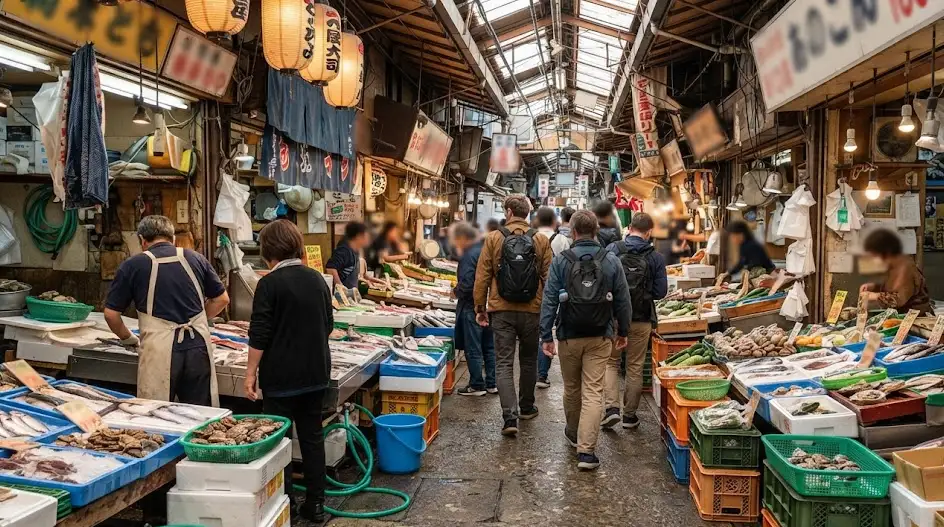
Japan calls the new system the Refund Method. The Japan Tourism Agency’s refund method page says it covers purchases made on or after 1 November 2026.
Strip away the detail and it is four moves:
- Pay: full price, tax included, at a tax-free shop
- Qualify: ¥5,000 or more, before tax, in one shop on one day
- Keep: every item on the receipt with you; don’t use food, drink or cosmetics in Japan
- Scan: your passport at the airport kiosk before you check a bag
After customs confirms the goods are leaving Japan, the shop or the refund company it hired pays the tax back. The agency lists bank transfer, credit card, app-based refunds and cash at the port of departure as possible methods.
Nothing is free at the till anymore.
How much is the tax? The National Tax Agency’s consumption tax rates page sets the standard rate at 10% and a reduced rate of 8% for food and drink. Alcohol and eating out are not in the 8% group.
So a knife or a teapot carries 10%, a box of sweets 8%, and a bottle of sake 10%. That tax, minus any fee the shop or its operator charges, is the most you can get back.
The shop explains its own refund steps. The agency’s traveller leaflet says so directly and tells you to ask when you buy.
What Changed on 1 November 2026, and What Did Not
If you shopped tax-free in Japan before, forget the old routine of paying the lower price at the counter. Our Japan etiquette guide gives the short version; here is the full list, as of November 2026.
- You now pay consumption tax at the till and claim it back later
- Minimum spend: ¥5,000 or more, tax excluded, per store per day
- Food, cosmetics and general goods are no longer split into two groups
- The old ¥500,000 cap on consumables is gone
- No special sealed bags for consumables
- You have 90 days from purchase to show the goods at departure
- Gold and platinum bullion and tax-exempt items are excluded
- You may buy only what you can personally carry out of Japan
One thing did not come back. The agency’s traveller FAQ says the separate shipment method, where you posted tax-free goods to yourself, was abolished on 31 March 2025.
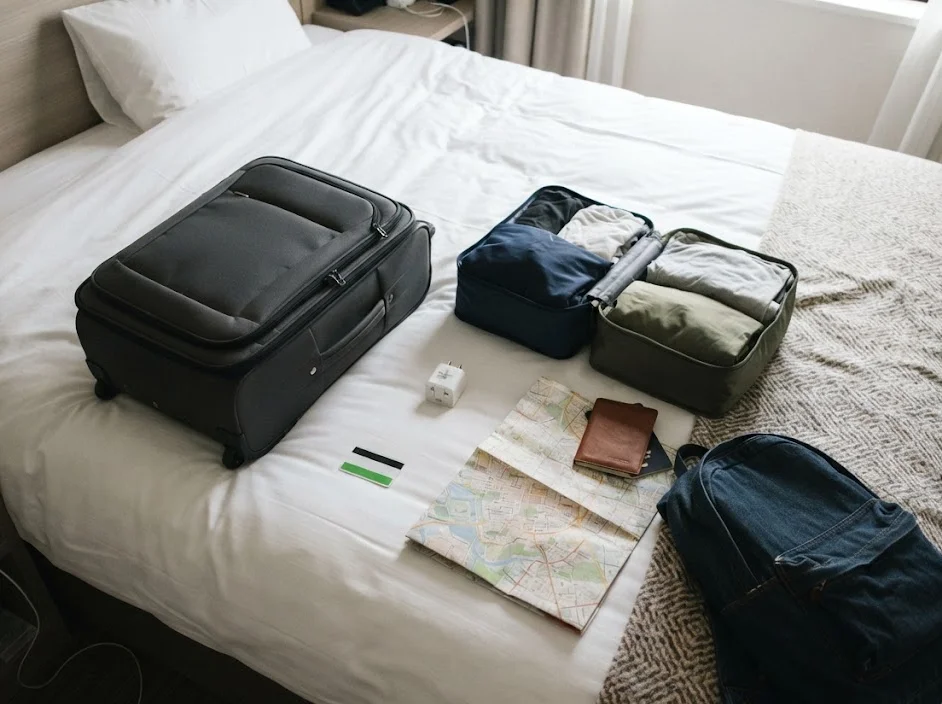
Posting them home loses the refund.
The receipt rule that can cost you a whole refund
Customs checks each purchase transaction, such as a receipt, as one unit. The leaflet shows what that means: if one item from a receipt is not with you, none of the goods on that receipt qualify, including the others you still have.
Its example is a ¥91,000 receipt with one ¥13,000 item missing. The result shown is no tax exemption for any of the goods on it.
The FAQ adds a second trap. If consumables such as food, drinks or cosmetics are used in Japan, you lose the refund on them.
One receipt, one pass or fail.
That makes the receipt your planning unit. Snacks for the hotel room, a face mask you want to try tonight, a gift you will hand to a friend in Kyoto: each belongs on a different receipt from the things you will carry home.
If you have goods inspected but then do not take them out of Japan, the FAQ says the tax is collected and you face penalties.
Buying something over ¥1 million
For goods costing ¥1 million or more before tax, the leaflet says customs may ask to see certificates of authenticity or warranties along with the items.
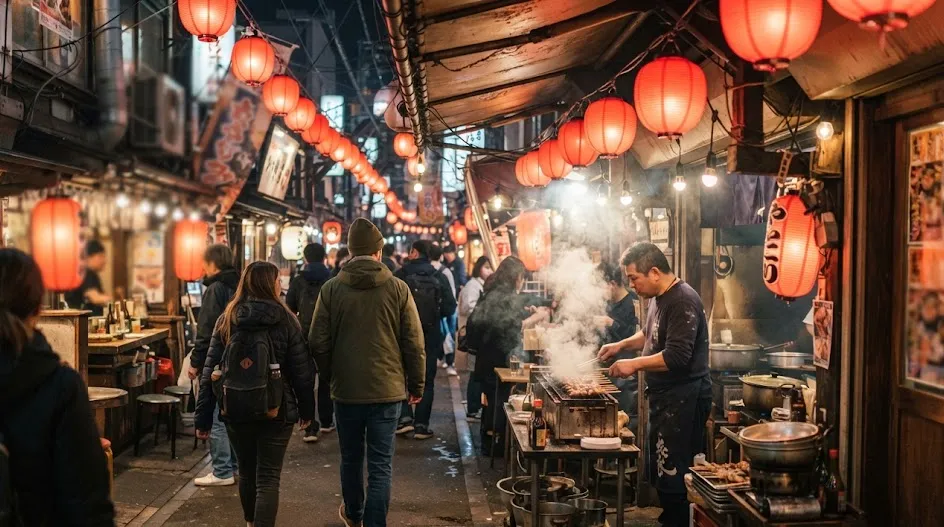
So keep the box, the papers and the watch or camera together in your carry-on until the kiosk is done. Do not pack the warranty card in a bag you have already sent ahead.
Japan Souvenirs by Type: Sweets, Knives, Sake, Cosmetics, Homeware
Five kinds of souvenirs fill most suitcases. Each one meets the refund rules, the airport rules and your home customs in a different way, so pick with all three in mind.
We do not give prices here. They vary by shop and season, and none were checked on official pages, so look at the shelf tag.
Boxed sweets and snacks
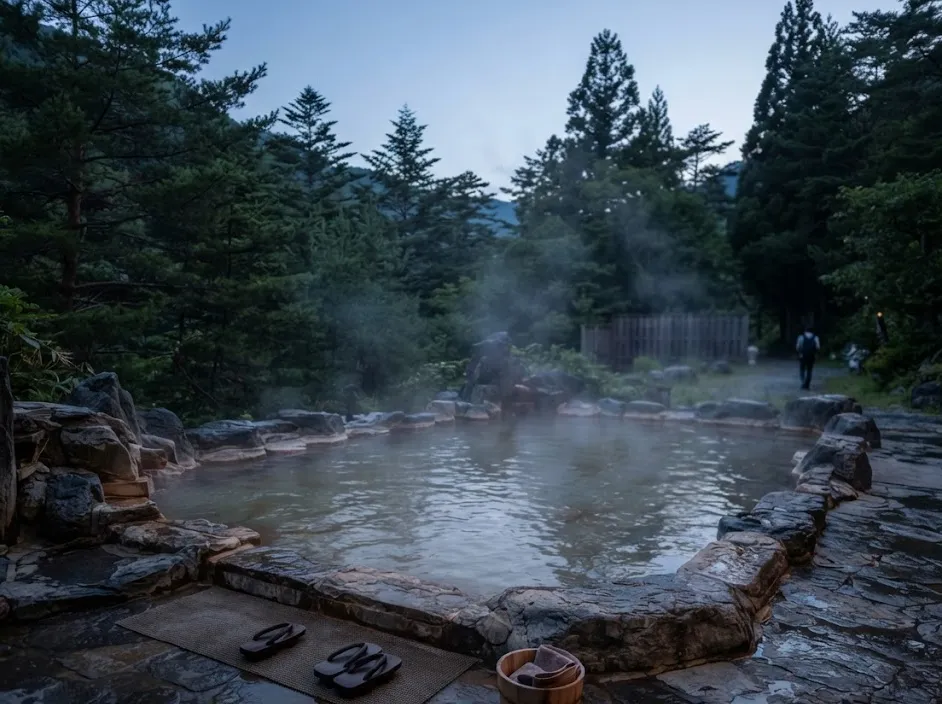
Who it suits: anyone buying for an office, a class or a big family. Individually wrapped sweets split easily, and Japan’s station shops sell them in gift boxes.
One example is Tokyo Banana, whose site lists a shop in Tokyo Station Ichibangai and a cafe stand found only at Haneda Airport.
The drawback: sweets are consumables at the 8% rate. Eat one box from a gift receipt and the whole receipt can fail, and some countries want food declared on arrival.
Where to buy: station shopping streets, department store food floors and airport shops before security.
Kitchen knives
Who it suits: people who cook. A Japanese kitchen knife is one of the few souvenirs you will use every day for years.
The drawback is carrying it. Narita Airport’s restricted items guide says you basically cannot carry knives on board, but you can put them in checked baggage, with possible limits on blade length and size.
In town, Japanese law bans carrying a blade over 6 cm without a proper reason. Kagoshima Prefectural Police note that buying one and taking it home counts. Keep it boxed, wrapped and in your bag.
Where to buy: knife shops and department store kitchen floors. Buy late in the trip.
Sake and other alcohol
Who it suits: someone with a sake fan at home, and room in a checked bag. Alcohol sits in the 10% group, not the 8% food rate.
Narita’s liquids guidance for international flights limits liquids in carry-on to containers of 100 ml or less inside a clear bag of 1 litre or less. A full bottle goes in the hold.
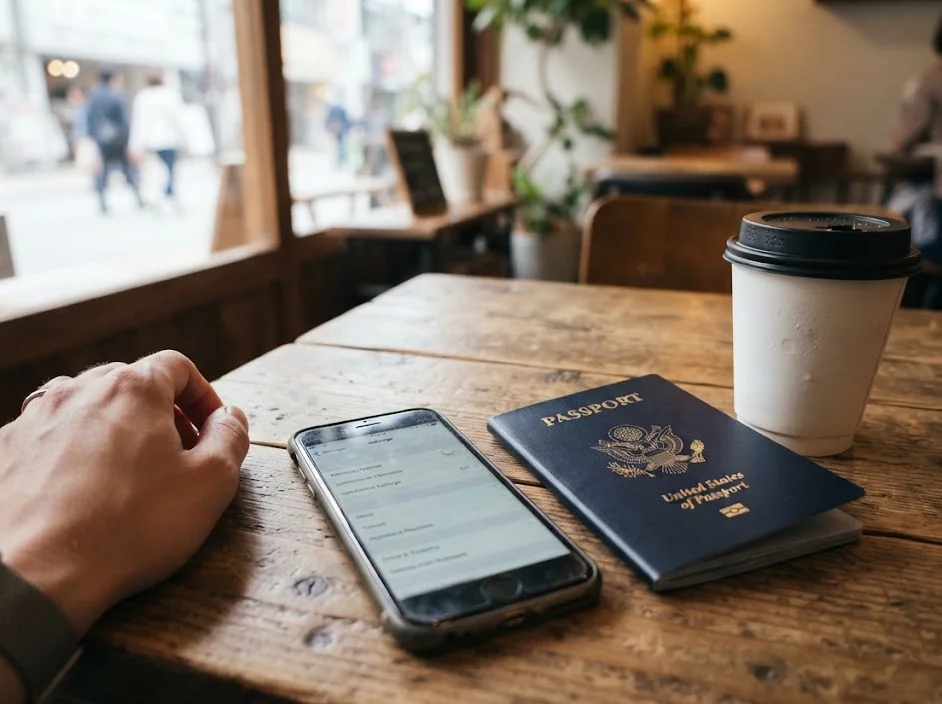
Then there is your home allowance, which the customs section further down covers for the US and the UK.
Cosmetics and pharmacy goods
Who it suits: skincare shoppers. Don Quijote discount stores and drugstores stock large ranges, and they make it easy to pass ¥5,000 in one visit.
The drawback: these are consumables. Try a cream at the hotel and, under the FAQ’s rule, that item no longer counts, and its receipt may fail with it.
Liquids and creams in large tubes also hit the 100 ml carry-on limit, so they travel in the checked bag too.
Stationery and homeware
Who it suits: people buying small, light gifts: pens, notebooks, chopsticks, small bowls, tenugui cloths.
The drawback is the threshold. Small items rarely add up to ¥5,000 before tax in one shop, and spending in different shops or on different days does not combine.
Buy them in one big visit to one store if you want the tax back. Otherwise, treat them as full-price buys and do not chase the refund.
← Swipe to see the full table →
| Souvenir type | Best for | Airport or customs catch |
|---|---|---|
| Boxed sweets | Office and family gifts | 8% rate; declare food at home |
| Kitchen knives | Home cooks | Checked bag only (Narita) |
| Sake | Drink lovers | Over 100 ml goes in the hold |
| Cosmetics | Skincare shoppers | Used in Japan = no refund |
| Stationery, homeware | Light, small gifts | Hard to reach ¥5,000 in one shop |
Plan your trip: the tools we use

Our pick: homeware or a knife bought in one big shop on your last day, since neither gets eaten or used before you fly.
Where we would book this
Amazon
Readers already have an account
- Best for
- Travel adapters (Type A plugs), luggage, packing cubes, travel…
- Checked
- September 2026
Official site. Same price for you.
Buy Gifts Early in the Trip, or on Your Last Two Days?
The 90-day window gives you room, so timing is about risk, not deadlines. What could go missing, get eaten or get used before the kiosk?
Buy early in the trip if…
- The item is only sold in a city you leave early
- It is light and will not break in a day bag
- You will not open, eat or use any of it
- You pay for it on its own receipt
Buy on your last day or two if…
- It is food, drink or a cosmetic
- It is a knife or a heavy bottle
- You need several buys to pass ¥5,000 in one shop
- You fly out from the same city
Most souvenir shopping fits the right-hand column. The simplest plan is to stay your last night near the station or district where you will shop, then go straight to the airport.
Booking.com and Agoda both let you filter hotels by area, which helps if you want a room near a big station with department stores attached.
Space is the next problem. Our Japan packing list suggests leaving room in your case, and a foldable spare bag from Amazon is a cheap fix if you did not.
Weigh before you go.
A small luggage scale, also easy to find on Amazon, tells you at the hotel whether the case passes your airline’s limit. That matters more now, because the goods you claim on must be in your bags at the airport, not posted home.
Partner link.
Your Last Morning: Suitcase, Refund Kiosk, Then Check-in
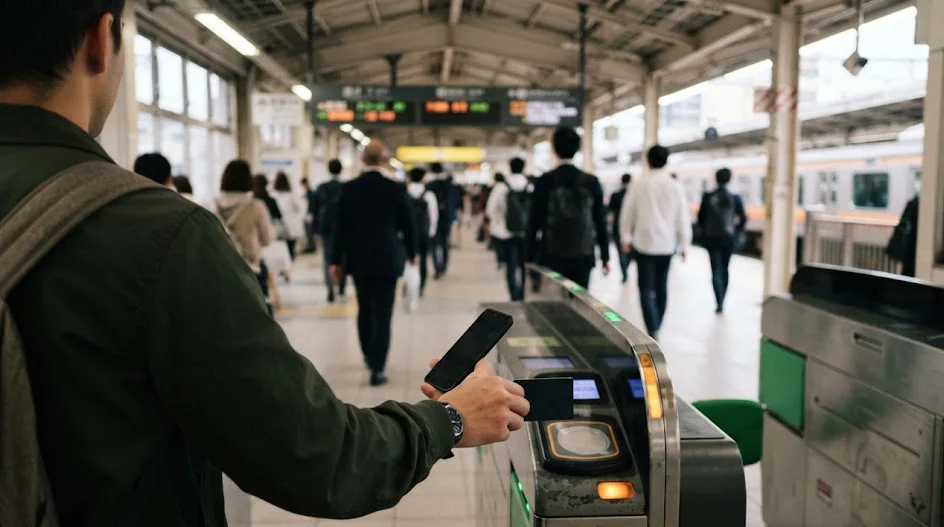
Here is where two sets of rules collide. Knives and full sake bottles cannot go in your carry-on, per Narita’s guidance. But the agency’s FAQ says you must use the tax-free terminal before checking in your baggage with the airline.
So the checked suitcase, with the refund goods inside, has to reach the kiosk with you first.
The leaflet puts the kiosk before security, in the general access area. Pack the knife box, the bottle and the receipts near the top, because a red result means customs may want to see them.
- Hotel or shop
- Suitcase with you, or sent ahead by Yamato
- Refund kiosk, before security
- Green or red result
- Airline check-in counter
Do not want to drag a heavy case through trains? Yamato luggage forwarding has an Airport TA-Q-BIN service that delivers to the airport. The steps below keep your refund intact.
Step 1: Send the case 2 days before you fly
Yamato asks for drop-off by two days before departure, three in some areas. Its TA-Q-BIN page lists up to 200 cm in total size and 30 kg.
Step 2: Keep the sender receipt safe
Yamato says to bring the receipt. Keep it with your passport and your shop receipts.
Step 3: Collect the case at the airport counter
On departure day, pick it up at a participating Yamato counter before you go anywhere near check-in.
Step 4: Scan your passport at the kiosk, then check in
Green means the tax-free procedure is done. Red means a customs check, which ends in OK or not eligible.
At Narita, Haneda, Kansai, Chubu, New Chitose, Fukuoka and Naha, the leaflet says you can also use Visit Japan Web inside designated Wi-Fi areas of the international departure lobby, instead of a kiosk.
Getting to the airport early helps.
An airport transfer booked through Klook or GetYourGuide gives you a fixed pickup time, which is useful when the kiosk sits between you and the check-in counter. An eSIM from Airalo or Ubigi keeps you online if your shop’s refund runs through an app.
Flying out on a domestic connection? The FAQ says you complete the procedure at the airport you leave Japan from, so ask your airline how checked bags are handled before you book.
How Much Comes Back, and How the Money Reaches You
The refund is the consumption tax you paid, less any fee. The system does not fix one fee for every shop, and the agency says each shop explains its own steps, so ask at the till.
The methods the FAQ lists:
- Bank transfer
- Transfer to a credit card
- App-based refund
- Cash at the port of departure
The leaflet tells you to register your refund details, for example a credit card, when you buy. Our cash vs card guide helps you decide which card to carry.
Fees differ by group. In a press release carried by the Hokkaido Shimbun, PPIH, the group behind Don Quijote, said it charges no refund application fee from 1 November 2026 at all its stores. A fee from the refund operator applies only if you take cash at the airport.
Other shops may set it differently.
A worked example (an illustration, not a promise)
Say you buy ¥20,000 of homeware, tax excluded, in one shop. At 10%, you pay ¥2,000 in tax. In another shop you buy ¥10,000 of boxed sweets, tax excluded, and pay ¥800 at 8%.
That is ¥2,800 at most to claim back, before any fee. If you ate one box from the sweets receipt, the leaflet’s rule means the ¥800 part may be lost entirely, while the homeware receipt is judged on its own.
 Reader
 Yuki
We cannot say how long refunds take to arrive. The agency gives no number, only that refunds follow the customs confirmation.
Bringing Souvenirs Home: US and UK Allowances, Food Rules
Getting the tax back in Japan is half the job. The other half is your own border, where food and alcohol cause most of the trouble.
Flying home to the United States
US Customs and Border Protection’s duty information page gives these figures, as of November 2026:
- A $800 duty-free personal exemption, once every 31 days
- One litre of alcohol duty-free, if you are 21 or over
- Anything you did not leave with must be declared
Food is stricter. CBP’s agricultural products page says all travellers must declare meats, fruits, vegetables and plants, and that many fresh, dried and some canned meat products are prohibited.
Penalties may reach $1,000 for a first offence. Declare the sweets; it costs you a minute.
Flying home to Great Britain
GOV.UK’s page on arriving in Great Britain lists these allowances:
- Other goods worth up to £390
- Beer and cider: 42 litres
- Still or sparkling wine: 18 litres
- Spirits over 22%: 4 litres
- Other alcoholic drinks up to 22%: 9 litres
Check which band your sake falls into on that page before you buy several bottles.
Australia and everywhere else
We have not listed Australian figures here. Check the Australian Border Force and biosecurity rules before you pack food. Wherever home is, read your own customs site.
Five Tax-Free Mistakes Not Worth Your Money
Some habits cost more than the refund is worth. These five come straight out of the rules above.
- Splitting small buys across many shops. Each shop must reach ¥5,000 before tax that day.
- Mixing hotel snacks into a gift receipt. One eaten item can fail the whole receipt.
- Posting tax-free goods home. Separate shipment ended on 31 March 2025.
- Checking your bag before the kiosk. The kiosk must come first.
- Bringing meat snacks to the US. Many meat products are prohibited by CBP.
There is a sixth, quieter one: spending to reach ¥5,000 on things you did not want. A refund of 10% does not make an unwanted ¥2,000 extra item a good deal.
Buy what you wanted.
And one about time. If time runs short on your last morning, the refund is not worth missing a plane. Leave a buffer on your last morning rather than trimming it to the minute.
Airport duty-free after security is still there for liquids and last-minute gifts. It is a separate system from the refund, so its receipts do not go through the kiosk.
FAQ
QIs Japan still tax-free for tourists?
Yes, but as a refund. For purchases from 1 November 2026, you pay tax at the till and claim it back after the customs check at departure, per the Japan Tourism Agency.
QDoes the ¥5,000 minimum add up across shops?
No. The agency says purchases of ¥5,000 or more, tax excluded, per store per day qualify. Two shops, or two days, do not combine.
QCan I claim the refund after I check my suitcase?
No. The FAQ says you must use the tax-free terminal before checking in your baggage with the airline.
QCan I ship my tax-free shopping home?
No. The separate shipment method was abolished on 31 March 2025. You must carry the goods out of Japan yourself.
QWhat if customs shows a red result?
The leaflet says red means a customs check. It ends in either OK or not eligible for a refund, so keep goods and receipts easy to reach.
Worrying that one wrong step at the airport will cost you the whole refund is a very normal part of planning a gift-shopping trip.
You do not need to keep reading old tax-free threads; fix your last shopping day and your last-morning order now, and leave the rest for when you land.
Keep planning
- ① Install and test your eSIM before take-offAiralo and Ubigi eSIMs activate on arrival, but the install itself needs Wi-Fi. Do it at home and confirm the profile shows up in your phone settings.
- ② Save your first hotel’s address in JapaneseTaxi drivers and station staff read Japanese addresses far faster than romanised ones. Copy it from the booking confirmation into your notes app.
- ③ Set aside cash for day oneMany small restaurants, temples and rural buses are still cash-only. Airport ATMs at 7-Eleven and the post office accept most foreign cards.
Skip these and your first hour in Japan goes on finding Wi-Fi at the station instead of getting to your hotel.
🔍 How to sanity-check any price you read online
Blogs (including this one) go out of date. The official page always wins over a screenshot from two years ago.