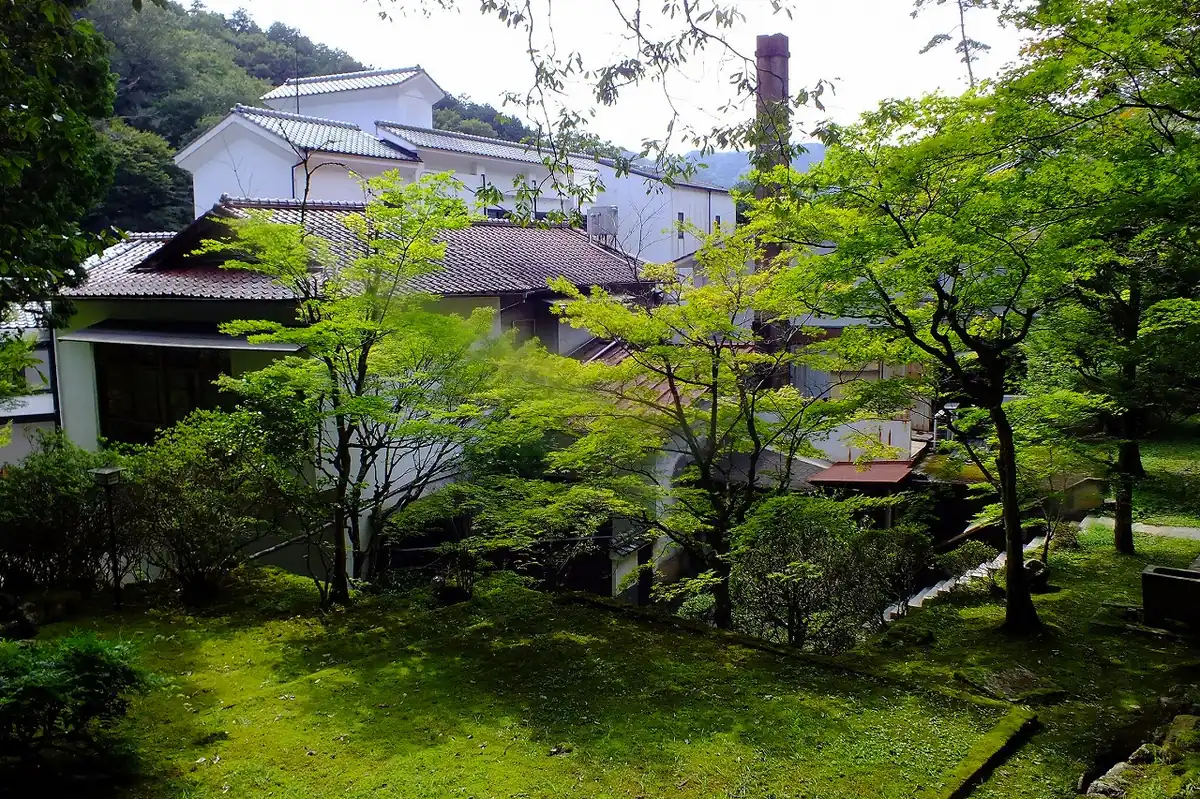

Five steps, two towels and one locker for your phone cover almost everything a first onsen visit asks of you. The hot water is rarely the hard part. The order is: shoes, clothes, rinse, wash, soak, and where that little towel goes.
Here is the short answer. Undress completely, rinse and wash before you get in, keep the small towel out of the water, wear no swimsuit, and leave your phone in the locker.
Tattoos depend on the facility, not on a national rule. This guide is for anyone heading to a public bath, a ryokan bath or a day-use spa for the first time.
Each mistake below is numbered, with the official page behind the fix. Mixed baths, the age limit for children and private baths get their own sections, because most etiquette lists skip them.
- Undress fully in the changing room; swimwear stays in the locker
- Pour hot water over yourself, wash seated, rinse off every bit of soap
- The small towel goes on your head or the tub edge, never in the water
- Phones and cameras stay out of the bathing area, no exceptions
- Dogo, Kinosaki’s public baths, Hakone Yuryo: tattoo-friendly per JNTO or own site
- Children about 7 and over use the bath for their own sex
- Swimsuit
- Not in most baths
- Towels
- 2: a small one and a large one
- Soak length
- Short, up to about 5 min
- Tattoos
- Facility by facility
- Children
- About 7+ use their own sex’s bath
- Rules checked
- November 2026
Rules and policies checked in November 2026 on official pages; confirm with the facility before you go.
Does This Sound Like You? 6 Onsen Worries, Checked
Most first-time nerves about onsen come down to a short list. Tick the ones that apply, then jump to the matching section below.
- I don’t want to be naked in front of strangers
- I’m not sure what the small towel is for
- I have a tattoo, big or small
- I’m travelling with a child of the other sex
- I’ve heard about mixed baths and feel unsure
- I don’t know how long to stay in the hot water
Every one of these has a plain answer from an official source. JNTO, the Japan National Tourism Organization, publishes a bathing manners guide, and individual onsen towns post their own rules in English.
Ticked three or more? Then a private bath may suit your first visit better than a shared one.
That is not a cop-out. Booking a private bath is one of the options Japan’s own tourism authorities suggest to facilities, and section 8 below shows how to find one. Ticked only one or two? Read those sections, then go and enjoy the shared bath.
Before You Undress: Shoes, Lockers and the 2 Towels
Etiquette starts at the entrance, well before the water. Three slip-ups happen here, and all three are easy to avoid once you know the layout.
1. Walking past the step in your shoes
Japan’s tourism agency lists taking off your shoes as the first bathing manner in its multilingual guide. At a city bathhouse, the Tokyo Sento Association’s how-to page starts the same way: shoes go into the shoe lockers at the entrance, then you pay.
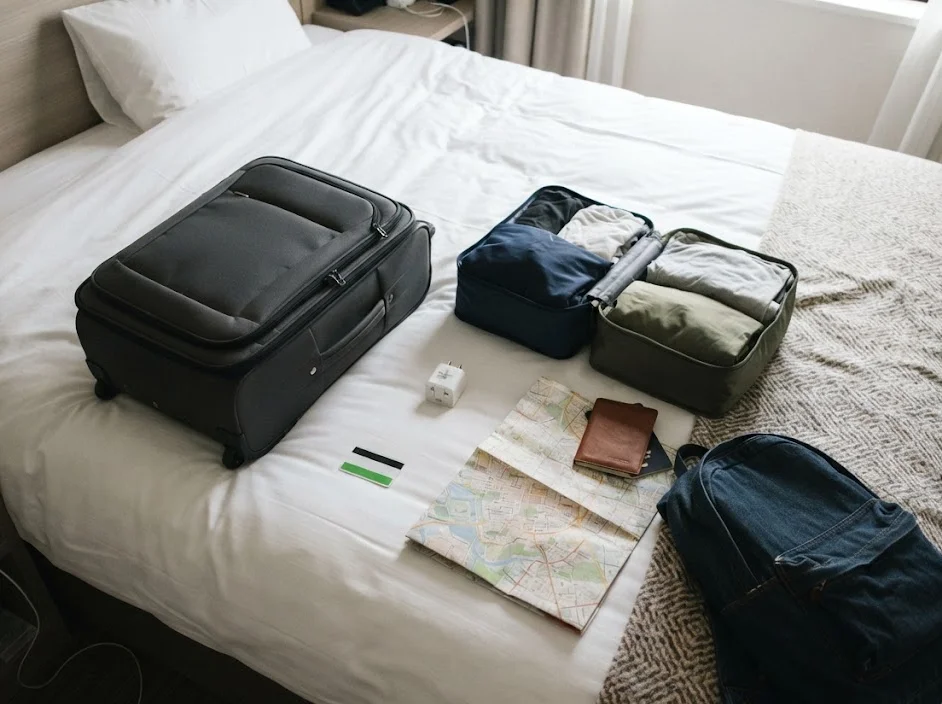
Look for a raised step or a change in flooring. Shoes come off before that line, and you walk to the changing room in socks or bare feet.
2. Carrying your phone into the bathing area
JNTO’s guide is blunt about cameras and phones in the bath: out of consideration for privacy, particularly of minors, it is “absolutely forbidden”. The tourism agency’s manners list says the same about photos inside the bathing area.
Some places go further. Dogo Onsen’s manners page asks you not to use phones in the changing rooms either, not just in the bath.
Lock the phone away with your clothes.
3. Arriving at a day-use bath without towels
You need two towels. The small one is for washing and for covering yourself on the walk to the tub; the large one stays in the changing room for drying off. Ryokan and hotels often supply both, but day-use spas may charge.
Hakone Yuryo, a day-use spa near Hakone-Yumoto Station, lists a bath towel and a face towel for sale in its FAQ, at a few hundred yen each as of 2026. Check the facility’s own page before you go.
- A small towel for washing and modesty
- A larger towel for drying off
- A hair tie if your hair is long
- A drink for afterwards
- A spare set of underwear
The Bath in 5 Steps, from Kakeyu to Drying Off
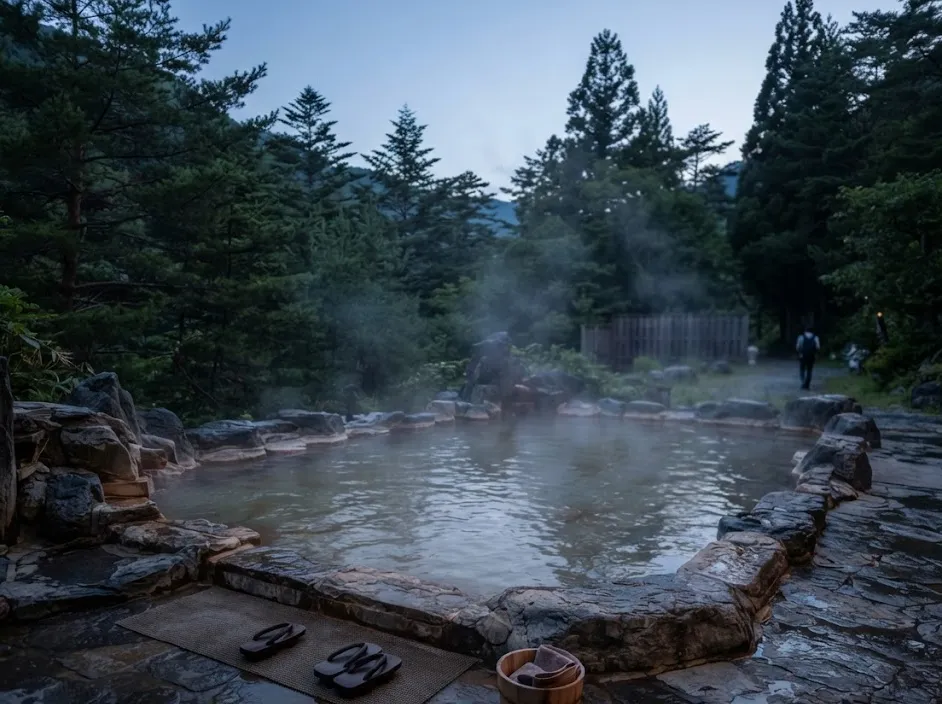
This is the core of onsen etiquette for first-timers, put together from JNTO, the tourism agency’s multilingual guide and the Tokyo Sento Association. Follow it and nobody will look twice at you.
Step 1: Shoes off, clothes off, phone in the locker
Undress completely in the changing area. Swimwear and every other piece of clothing stay in the locker or basket.
Step 2: Kakeyu, then wash sitting down
Pour hot water over your body to get used to the heat. Sit on the stool at the washing station and wash thoroughly.
Step 3: Rinse off every bit of soap
Suds and shampoo should go down the drain, not into the shared tub.
Step 4: Soak with the towel on your head
Tie up long hair, fold the small towel onto your head or the tub edge, and keep soaks short.
Step 5: Wipe down, then drink water
Dry your body before you step back into the changing room, and have a drink once you are dressed.
JNTO says wash, then soak. The Tokyo Sento Association suggests kakeyu, a soak to warm up, then washing. Both agree on the part that matters: rinse your body before you enter the tub.
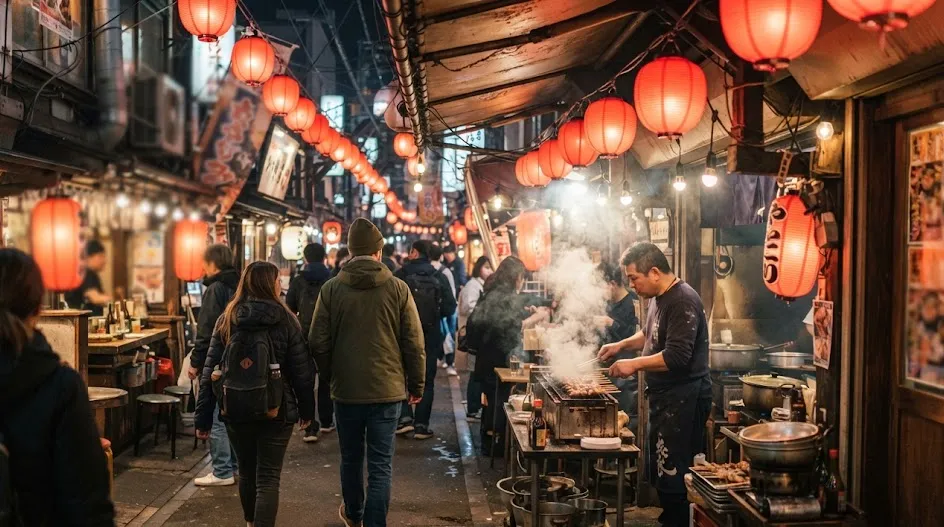
4. Skipping kakeyu
Kakeyu means pouring hot water over yourself before you get in. JNTO describes it as a way to adjust to the temperature, and the Tokyo Sento Association puts it first, right after you walk into the bathing room.
Use the small bucket at the washing station or by the tub. Start with your feet and work upwards.
5. Washing standing up
Dogo Onsen’s manners page asks guests not to use the shower while standing. The reason is simple: standing sprays water and suds over the person on the next stool.
Sit on the low stool, keep the shower head low and point it at yourself. Rinse the stool when you leave.
6. Getting into the tub with soap still on you
Washing thoroughly before entering the bath is the rule on JNTO’s page, and Dogo says the same. That includes rinsing: a film of soap or conditioner ends up floating in water everyone shares.
Take an extra ten seconds under the shower.
In the Water: Towel, Hair and the 5-Minute Rule
You are clean and in the tub. Four more mistakes are common here, and all four are about the shared water or your own safety.
7. Letting the small towel touch the water
JNTO explains that the small towel is for washing yourself or covering yourself before entering the bath, and that it is not for use in the bath. Fold it and put it on your head or on the side of the bath.
The tourism agency’s list adds a detail people miss: do not wring the towel out into the tub either.
8. Leaving long hair loose
“Tie up long hair or wrap it in a towel,” says JNTO. Dogo asks for a hair tie. Loose hair in the water is one of the few things locals will actually mention to you.
Pack a hair tie in your bath bag.
9. Staying in too long
The water can be hotter than a home bath. The tourism agency’s text on Kinosaki Onsen gives the water there as around 42°C and suggests just a short period, up to five minutes, at each public bath.
JNTO’s advice works anywhere: avoid staying in too long, and pop out for a drink of cool water if you feel too hot. Dizzy? Get out slowly and sit down.
10. Drinking before you bathe
JNTO tells visitors to avoid alcohol before a bath because it can affect your judgment. Dogo says not to bathe under the influence, and the agency’s list says no alcohol into the bath.
Have the beer after the bath, not before.
What most first-timers do
- Dip the small towel in the tub
- Leave long hair loose
- Stay in until they feel light-headed
- Have a drink before the evening soak
What actually works
- Fold the towel on your head or the tub edge
- Tie hair up with a band before you enter
- Soak a few minutes, cool off, then repeat
- Bathe first, drink afterwards
Where we would book this
Booking.com
Largest inventory in Japan for English-speaking travellers
- Best for
- Hotels, business hotels, ryokan and apartments in every city
- Checked
- September 2026
Official site. Same price for you.
Tattoos: a Decision Table Built from 6 Published Policies
Tattoos are not banned by law, and policies vary facility by facility. JNTO puts it plainly: some traditional onsen may not accept people with a tattoo, but this is beginning to change. Our full guide to tattoo-friendly onsen and ryokan covers the how-to; this is the quick version.
← Swipe to see the full table →
| Facility | Published policy | What to do |
|---|---|---|
| Dogo Onsen, Matsuyama | All 3 bathhouses tattoo-friendly (JNTO) | Go; follow Dogo’s manners page |
| Kinosaki’s 7 public baths | Tattoo-friendly; ryokan set their own rules | Go; ask your ryokan about its bath |
| Sainokawara, Kusatsu | Most Kusatsu baths welcome non-gang body art | Go |
| Hakone Yuryo | Tattoo restriction lifted 1 April 2025 | Go; private room if you prefer |
| Hoshino Resorts | Day visitors: cover with up to eight 8×10 cm stickers | Bring stickers; ask the property |
| Any other facility | National guidance: tattoos alone should not mean refusal | Check its page; sticker, quiet hours or private bath |
Plan your trip: the tools we use
Our pick: Dogo or Kinosaki for a first onsen with tattoos, because the town’s public baths are listed as tattoo-friendly by JNTO or their own site.
11. Assuming every onsen says no
In a notice dated 16 March 2016, the Japan Tourism Agency told facilities that refusing a guest only because of a tattoo is not appropriate. It noted tattoos cause no hygiene problem and listed options: a sticker cover, no special step for a small, palm-size tattoo, quieter hours with fewer families, or a private bath.
That is guidance, not a guarantee. Each facility still sets its own rule, so read its page.
JNTO notes that skin-coloured adhesive strips can conceal a small to medium tattoo. Cover stickers are sold on Amazon; pack them even for a tattoo-friendly town, in case your ryokan differs.
12. Trusting a single page
Hoshino Resorts shows why one page is not enough. Its FAQ says it does not restrict facilities for hotel guests based on tattoos. Its hotel regulations page says persons with tattoos may bathe only if covered by a sticker in the way the hotel specifies.
When two official pages disagree, email the property before you book.
Mixed Baths: 3 Rules of Dress You Will Actually Meet
JNTO says changing rooms are always separated by sex, as are the vast majority of onsen baths. Mixed baths, called konyoku, do exist, though you may have to hunt them down. The dress code is where people get confused, because it changes from bath to bath.
Gunma’s official tourism site, the tourism agency’s multilingual guide and Sainokawara’s own site describe four examples that cover the three rules you will meet:
- Takaragawa Onsen Osenkaku: bath wear provided by the hotel only
- Sainokawara, Kusatsu: Friday evening mixed session, swimwear or towel wrap
- Sukayu Onsen, Aomori: yuamigi optional, sold at reception
- Hoshi Onsen Chojukan, Gunma: no clothes and no towels in the mixed bath
Yuamigi is the Japanese word for a modesty garment worn in mixed baths. At Sukayu, women may wear one, and the bath sets aside times in the morning and evening for women only, with a screened entry for women.
Not sure which rule applies? Ask at reception before you undress.
13. Wrapping a towel where it is banned
Hoshi Onsen Chojukan’s mixed baths allow no clothes, towels included, according to Gunma’s tourism page. The same hot spring also has separate men’s and women’s baths. If going without cover is not for you, use those instead.
The opposite is true at Sainokawara’s Friday session, where the bath’s own site says you can wear swimwear or wrap yourself in a towel. Times can change, so check the bath’s site for the current schedule.
14. Bringing your own swimsuit to Takaragawa
Takaragawa’s big riverside baths are mixed, and the hotel provides special bathing suits for the konyoku areas. Gunma’s page is clear that guests may not bring or use their own swimwear there.
Leave your swimsuit at home for this one.
Bathing with Kids: the Age-7 Line and Day-Use Rules
Families hit two rules that most etiquette guides never mention. One is an age line for children in the other sex’s bath. The other is a minimum age at some day-use spas.
15. Taking a child aged 7 or over into the other sex’s bath
Japan’s health ministry revised its guideline in December 2020, lowering the age from about 10 and over to about 7 and over. Prefectures set the rule in their own ordinances, so start dates differ: Mie’s applies from 1 July 2022.
Tokyo’s rule, as published by Shinjuku City, says not to let boys and girls aged 7 and over bathe together. Yamanashi adds that sex is judged by the body. These pages cover public baths; many ryokan follow the same line, so ask.
 ReaderYuki
16. Turning up at a day-use spa with a toddler
Hakone Yuryo’s FAQ says children aged 5 and under cannot use the public baths. Its private open-air baths are the option for families with small children.
Check the age rule on the spa’s page before you plan the day around it.
Mie Prefecture asks bathers and facilities to understand and allow medical bathing garments for people with scars from surgery such as breast cancer operations or skin grafts. If you need one, ask the facility in advance.
Private Baths, Ryokan Rooms and Day Trips: Which to Book
Sometimes the best fix is to skip the shared bath. Tattoos, young kids or plain shyness are all good reasons, and there are three ways to do it.
- Kashikiri: a bath you reserve for your group for a set time
- A room with its own open-air bath at a ryokan or hotel
- A day-use spa with private rooms you book by the slot
For a room with its own bath, filter for a private open-air bath on Booking.com, Agoda or Rakuten Travel, then read the property’s bath rules. Our guide Is a Ryokan Worth It? helps you decide whether the price makes sense.
For a day trip, Hakone Yuryo is one example. Odakyu’s Hakone guide lists 19 private open-air baths for 120 minutes, at ¥10,400–15,400 as of 2026. The public bath is roughly ¥1,700–2,200 for adults by day.
- Private rooms open for booking 1 month ahead, until 3:00 pm the day before
- A free shuttle runs from Hakone-Yumoto Station, about 3 minutes
- Prices change by day and season, so check the official site
Book the private room first, then plan the rest of the day.
Guided day trips to Hakone or Kusatsu are listed on Klook, GetYourGuide and KKday. If you go to Kusatsu on your own, Sainokawara’s open-air bath lists ¥800 for adults (children 3–12 ¥400) on its own site as of November 2026; check before you go.
Partner link.
The One Habit: Read the Facility’s Own Rules Before You Go
If you remember one thing, make it this: the facility’s own page beats any general list, this one included. Two examples from our research show why.
Hoshino Resorts has two English pages that word the tattoo rule differently. Sainokawara’s own site shows a higher adult fee than the older Gunma prefecture page. Both are official, and only one is current.
So here is our rule of thumb, in three points:
- Open the bath’s own English page and look for “manners”, “FAQ” or “rules”
- Check the date or the newest year mentioned on the page
- If anything is unclear, email before you book, not at the door
It takes five minutes.
The general manners in this guide hold almost everywhere. Tattoos, mixed-bath dress, age limits and prices are the parts that differ. For the wider picture of Japan’s rules, see which etiquette rules carry a fine, and if you are going in the cold months, Japan in winter.
FAQ
QCan I wear a swimsuit in an onsen?
Usually not. JNTO says onsen bathing is typically in the nude, and both Hakone Yuryo and Dogo say no swimsuits. The exceptions are some mixed baths, such as Sainokawara’s Friday session, and Takaragawa, which provides its own bath wear.
QCan I use an onsen during my period?
We found no official rule on this. Many people book a private bath or a room with its own bath instead.
QHow long should I stay in the water?
Short soaks. The tourism agency’s Kinosaki text suggests up to five minutes at each public bath in water around 42°C. Get out and drink cool water if you feel too hot.
QCan I take my phone into the changing room?
Into the bathing area, never. Some places, Dogo Onsen among them, also ask you not to use phones in the changing room, so keep it locked away.
Walking naked into a room of strangers for the first time feels like a lot to get right.
Rather than re-reading more lists, check the one facility you will visit and learn the five steps; the rest you will pick up in the water.
Keep planning
- ① Install and test your eSIM before take-offAiralo and Ubigi eSIMs activate on arrival, but the install itself needs Wi-Fi. Do it at home and confirm the profile shows up in your phone settings.
- ② Save your first hotel’s address in JapaneseTaxi drivers and station staff read Japanese addresses far faster than romanised ones. Copy it from the booking confirmation into your notes app.
- ③ Set aside cash for day oneMany small restaurants, temples and rural buses are still cash-only. Airport ATMs at 7-Eleven and the post office accept most foreign cards.
Skip these and your first hour in Japan goes on finding Wi-Fi at the station instead of getting to your hotel.
🔍 How to sanity-check any price you read online
Blogs (including this one) go out of date. The official page always wins over a screenshot from two years ago.
Cover Photo: Bounta Nanthavong, CC BY-SA 4.0, via Wikimedia Commons