“Is Gion Matsuri on the same date every year?” It is the right question to ask before you pay for a July flight to Kyoto, and the answer is yes.
Many of Japan’s big festivals run on fixed calendar dates: Gion Matsuri fills all of July with processions on July 17 and 24, Aoi Matsuri is May 15, Jidai Matsuri is October 22 and Aomori Nebuta is August 2–7.
You can book 2027 rooms around those today. Others, such as the Sumida River fireworks, Kishiwada Danjiri and Kanda Matsuri, have not announced 2027 dates yet.
This calendar splits the two groups, gives the 2027 weekday for every fixed date, and shows which ones land on a Japanese holiday weekend, when rooms and trains get tightest.
- Most big festivals keep the same dates every year, so 2027 is bookable now
- Kanda Matsuri, Sumida fireworks and Kishiwada have no 2027 dates yet
- Gion’s July 17 procession opens the Marine Day 3-day weekend in 2027
- Mid-August stacks Awa Odori, Mountain Day, Obon and Kyoto’s bonfires
- Book a cancellable room first; festival seats go on sale months later
- Aoi and Jidai Matsuri are postponed by rain, so keep a spare day
- Time needed
- Varies: one evening to a full week
- Booking order
- Room first, then seats, then trains
- Paid seats open
- A few months before (2026 pattern)
- 2027 dates fixed
- Yes for most of the big ones
- Not announced
- Kanda, Sumida fireworks, Kishiwada
- Checked
- November 2026
Festival dates checked in November 2026 on organisers’ and official tourism pages; confirm before you book.
The 2027 festival calendar: 19 festivals, fixed or still unannounced
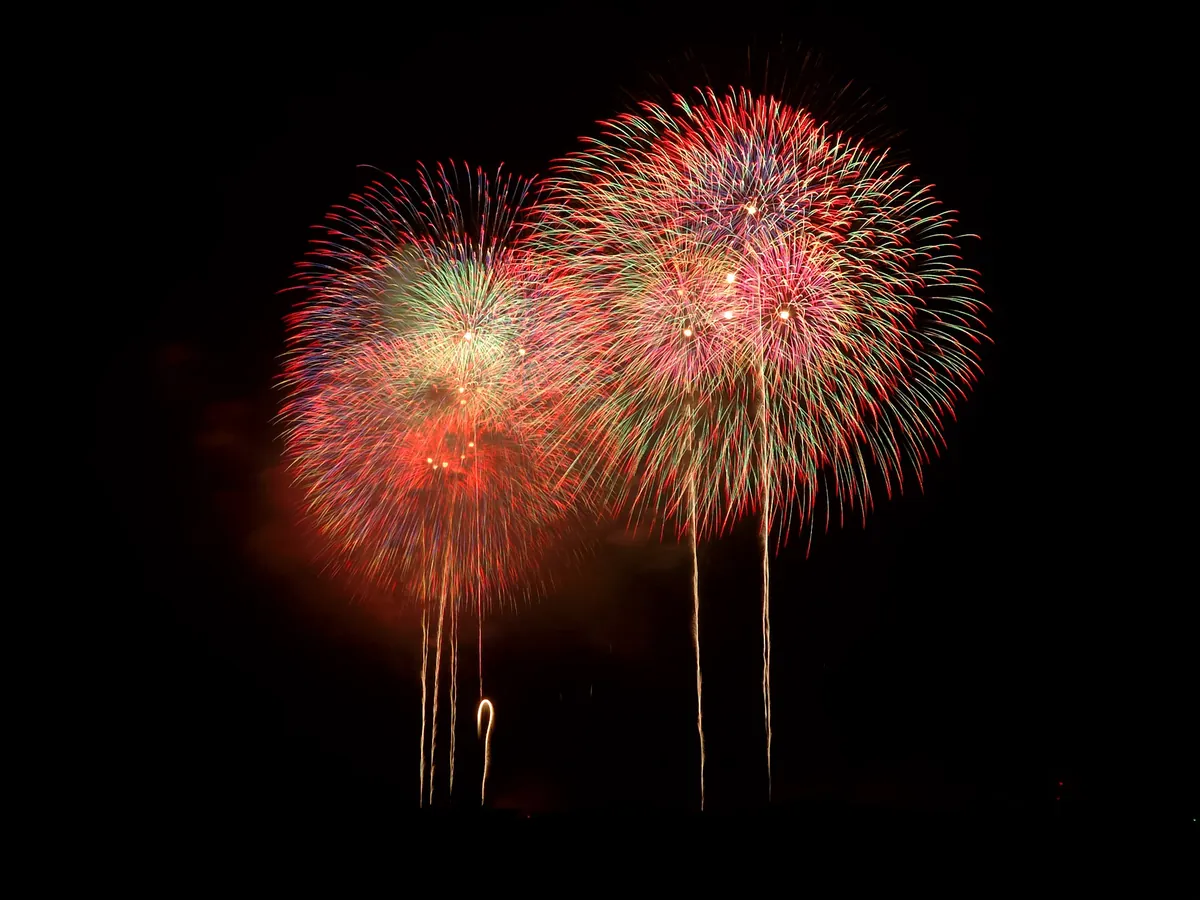
Below is every festival in this guide, with its 2027 dates and a plain status. “Fixed” means the organiser or the official tourism page lists the same dates every year. “Announced” means the 2027 dates are already published. “Not announced” means we will not guess.
That last group matters most.
Don’t trust a 2027 Sumida River fireworks date from an unofficial list; the organisers have not published one. If your trip depends on one of those, book something you can cancel.
- You want to see one big festival, not just stumble on one
- Your trip falls in July or August
- You have not booked rooms yet
- You assumed festival dates move every year
- You want a paid seat, not a spot in the crowd
- You would like to join in, not only watch
If you ticked two or more, read the month you are travelling, then jump to the booking-order section.
← Swipe to see the full table →
| Festival | 2027 dates | Status |
|---|---|---|
| Sapporo Snow Festival | Feb 4 (Thu)–11 (Thu) | Announced |
| Omizutori, Nara | Mar 1–14 | Fixed |
| Sanja Matsuri, Tokyo | May 14 (Fri)–16 (Sun) | Announced |
| Aoi Matsuri, Kyoto | May 15 (Sat) | Fixed, rain may move it |
| Kanda Matsuri, Tokyo | Main year, dates TBA | Not announced |
| Hakata Gion Yamakasa | Jul 1–15 | Fixed |
| Gion Matsuri, Kyoto | Jul 1–31; Jul 17 and 24 | Fixed |
| Tenjin Matsuri, Osaka | Jul 24 (Sat)–25 (Sun) | Fixed |
| Sumida River fireworks | TBA (2026: Jul 25) | Not announced |
| Aomori Nebuta | Aug 2 (Mon)–7 (Sat) | Fixed |
| Akita Kanto | Aug 3 (Tue)–6 (Fri) | Fixed |
| Sendai Tanabata | Aug 6 (Fri)–8 (Sun) | Fixed |
| Awa Odori, Tokushima | Aug 11 (Wed)–15 (Sun) | Fixed |
| Gozan Okuribi, Kyoto | Aug 16 (Mon) | Fixed |
| Kishiwada Danjiri | TBA (2026: Sep and Oct) | Not announced |
| Nagasaki Kunchi | Oct 7 (Thu)–9 (Sat) | Fixed |
| Takayama Autumn Festival | Oct 9 (Sat)–10 (Sun) | Fixed |
| Jidai Matsuri, Kyoto | Oct 22 (Fri) | Fixed, rain may move it |
| Chichibu Night Festival | Dec 2 (Thu)–3 (Fri) | Fixed |
Plan your trip: the tools we use
Weekdays are worked out from the 2027 calendar and match the two official pages that print them (Sapporo and Sanja). Season events that move with the weather are covered elsewhere: see the best time to visit Japan for the big picture.
February and March: Sapporo’s snow and Nara’s fire
The year’s first big date is in Hokkaido, and the second is a night ritual at one of Nara’s best-known temples. Both are easy to fit into a winter or early-spring trip, and neither needs a ticket.
1. Sapporo Snow Festival: February 4–11, 2027
The Sapporo Snow Festival has published its 2027 dates: Thursday February 4 to Thursday February 11, with all three venues (Odori, Tsudome and Susukino) open across those days.
February 11 is a national holiday, so the final day is busy with domestic visitors as well.
One trap: in November 2026 the festival’s English page was still showing 2025 information. The Japanese page has the 2027 dates. Book a room in central Sapporo on Booking.com or Agoda with free cancellation, and read our Japan in winter guide for snow and cold-weather planning.
2. Omizutori at Todaiji, Nara: March 1–14
Omizutori (part of the Shuni-e ceremony) runs March 1–14 every year at Todaiji, according to Nara City Tourism. Monks carry burning torches along the balcony of the Nigatsudo hall.
- Most nights: torches at 7:00 p.m.
- March 12 (a Friday in 2027): 7:30 p.m., with the large 7 m torches
- March 14: 6:30 p.m.
- Admission: free
Is it worth a detour?
If you are in Kyoto or Osaka in early March, yes. Nara is an easy evening out, and the free entry means you only pay for the train.
March 12 draws the biggest crowd, so pick another night if you dislike standing in a packed courtyard. Cherry blossom timing comes a little later; our cherry blossom forecast guide covers it.
May: Kyoto’s Aoi Matsuri and Tokyo’s 2 shrine festivals after Golden Week
Golden Week ends on May 5, and the May festivals start ten days later. That gap is useful: you get festival days without the worst of the holiday crowds. Our Golden Week guide explains the holiday itself.
3. Aoi Matsuri, Kyoto: Saturday May 15
Aoi Matsuri is one of Kyoto’s four major festivals and is held on May 15, which falls on a Saturday in 2027. The procession in Heian-era costume covers roughly 8 km, per the Kyoto City Tourism Association.
It is postponed if it rains. The decision is made around 6 p.m. the day before, so check that evening.
Paid seats are set up in the Kyoto Imperial Palace grounds and along the approach to Shimogamo Shrine. The official page does not list a start time yet, so look again closer to the date.
4. Sanja Matsuri, Asakusa: May 14–16, 2027
Asakusa Shrine has already published the 2027 schedule: Sanja Matsuri runs Friday May 14 to Sunday May 16. On Sunday the Miyadashi, when the shrine’s main portable shrines are carried out, starts at 7 a.m.
That means an early start from your hotel.
Staying in Asakusa or Ueno makes a 7 a.m. arrival realistic; a room in west Tokyo means a dawn train. Search Asakusa on Booking.com early, because the festival weekend is the neighbourhood’s busiest of the spring.
5. Kanda Matsuri: 2027 is the big year, dates not out yet
Kanda Matsuri alternates between a main year and a minor year. The Kanda Myojin site says 2026 was the minor year, with no main procession, so 2027 is a main-festival year.
The 2027 dates have not been announced.
For reference only, the last main year (2025) held its main events on May 10–11, with the main rite on May 15. Do not treat that as a 2027 date. If you want both Sanja and Kanda in one trip, keep mid-May flexible until Kanda Myojin publishes its schedule.
July: Hakata, Kyoto and Osaka in one month
July is the densest festival month in western Japan. Three of the biggest festivals overlap, and two of them share a weekend in 2027. It is also hot and humid; our summer heat guide covers heat alerts and early starts.
6. Hakata Gion Yamakasa, Fukuoka: July 1–15
Yamakasa runs July 1–15, ending with the Oiyama race, when teams carry huge floats through the streets of Hakata. According to Fukuoka’s official tourism site, it starts at 4:59 a.m.
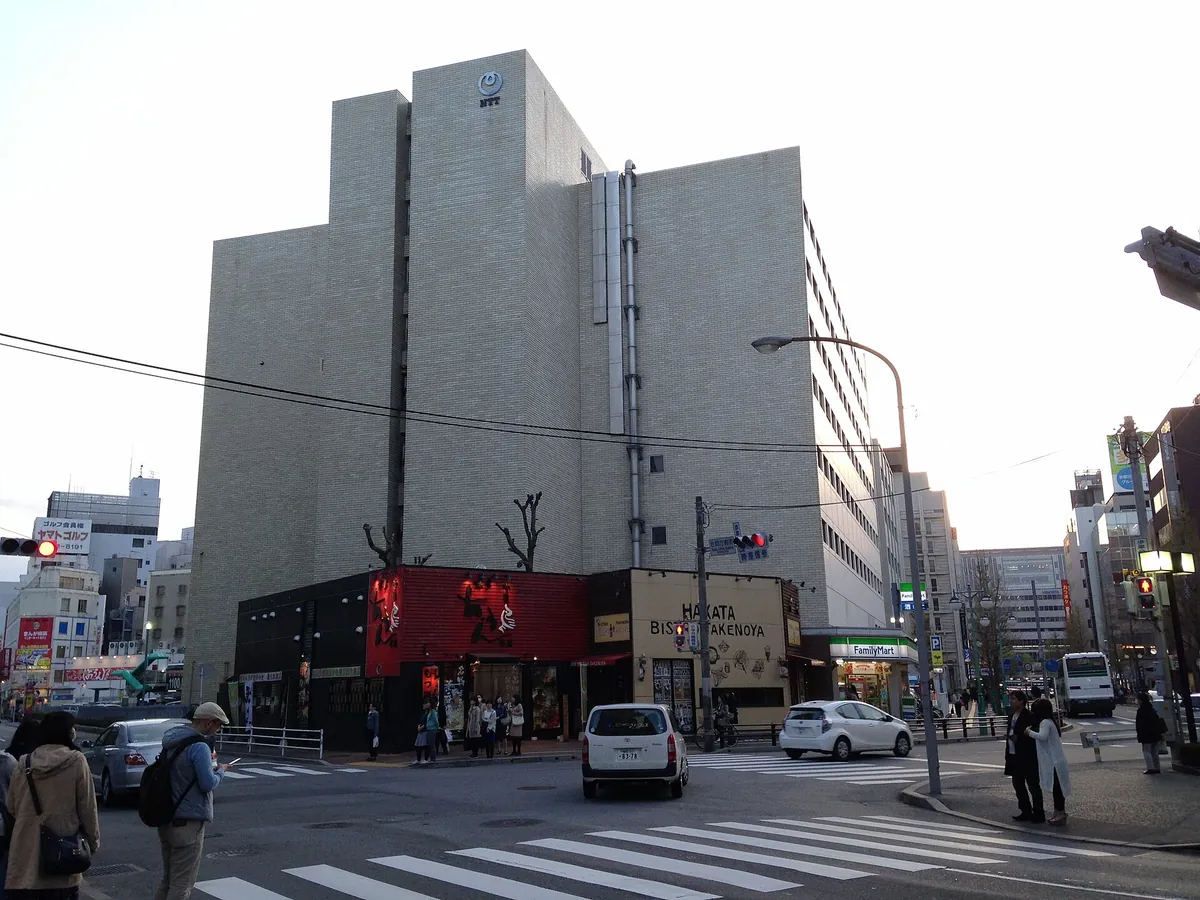
In 2027 that is Thursday July 15.
A pre-dawn start means you need to sleep within walking distance. A business hotel around Hakata Station or Gion is the practical choice, and Agoda and Booking.com both list plenty in that area.
7. Gion Matsuri, Kyoto: all of July, processions July 17 and 24
Gion Matsuri lasts all of July. The parts most visitors come for are:
- Yoiyama evenings: July 14–16 and July 21–23
- First procession (Saki Matsuri): Saturday July 17, 23 floats
- Second procession (Ato Matsuri): Saturday July 24
- Processions run from 9 a.m. to 2 p.m., per JNTO
In 2027, July 17 is also the first day of the Marine Day 3-day weekend (Marine Day is Monday July 19). Expect Kyoto rooms to be scarce that weekend.
The Kyoto City Tourism Association sets up all-reserved paid seats on Oike-dori. Check its page in spring for sale details, since the page does not publish prices yet.
8. Tenjin Matsuri, Osaka: July 24–25
Tenjin Matsuri is on July 24–25, a Saturday and Sunday in 2027. On the 25th the land procession starts at 3:30 p.m., followed in the evening by a river procession of illuminated boats and fireworks.
Here is the clash.
July 24 is also Gion’s second procession, so Kyoto and Osaka both peak that weekend. Kyoto to Osaka is a short train ride, so you can see Gion’s morning procession and Tenjin’s boats the next evening. Book rooms in one city for both nights rather than moving.
The Sumida River fireworks in Tokyo were on Saturday July 25 in 2026, 7:00–8:30 p.m. The 2027 date has not been announced, so do not book around a guess.
Planning your visit?
Early August in Tohoku: 3 festivals in 6 days
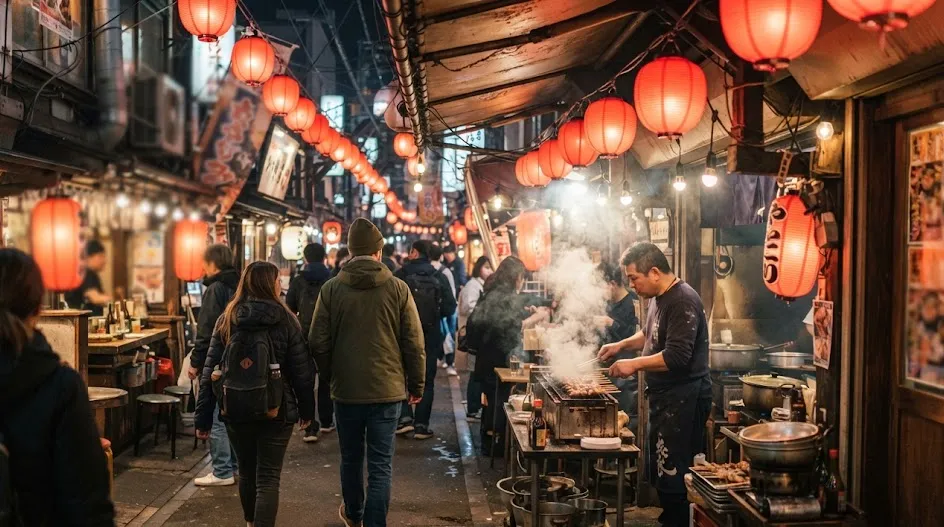
Aomori, Akita and Sendai hold their summer festivals back to back. From August 2 to 8 you can, in principle, see all three. Rooms in each city are the limiting factor, not the festivals.
9. Aomori Nebuta: August 2–7
Nebuta runs August 2–7 every year (Monday to Saturday in 2027). On the 7th there is a daytime parade, then fireworks and a sea parade at night.
Can tourists join in? Yes. Dancers, called haneto, take part for free, with no registration and no sign-up on the day. The one rule on the haneto page: you must wear the official haneto costume.
Paid seats in 2026 were ¥4,000 per person, with a day-parade and fireworks set at ¥9,500. The lottery ran June 1–7, with general sales on June 27 and July 18. Check the reserved-seat page for 2027 prices.
10. Akita Kanto: August 3–6
At Kanto, performers balance tall bamboo poles hung with lanterns. The festival runs August 3–6, Tuesday to Friday in 2027.
In 2026 the night performance started around 7:10 p.m. on the first and last nights and 7:15 p.m. on the middle two, ending around 8:25–8:35 p.m.
Seats in 2026 cost roughly ¥3,500–4,500, with a six-person box at about ¥28,000. Individual bookings opened on May 14, 2026, by phone. The Kanto seat page is where the 2027 details will appear.
11. Sendai Tanabata: August 6–8
Sendai Tanabata fills the shopping arcades with paper streamers on August 6–8, Friday to Sunday in 2027. The fireworks are the night before, on August 5.
Why add it to a Tohoku trip?
It is the easiest of the three. Most of it is daytime and on foot, so there is no seat to buy. Ending in Sendai also puts you on the Tohoku Shinkansen line back to Tokyo.
- Aomori (Nebuta, Aug 2–7)
- JR train · check times when you plan
- Akita (Kanto, Aug 3–6)
- JR train · check times when you plan
- Sendai (Tanabata, Aug 6–8)
Whether a Japan Rail Pass pays off for this loop depends on your route; add up the individual fares first. August is peak domestic travel season, so reserve train seats as soon as they open.
Mid-August: Awa Odori, Obon and Kyoto’s bonfires

August 11–16 is the tightest stretch of the Japanese summer. Mountain Day (August 11) and Obon (typically August 13–16, per JNTO) fall here, and two of the most-watched festivals sit inside the same week.
12. Awa Odori, Tokushima: August 11–15
The Awa Odori organisers and Tokushima City both list the festival as August 11–15, every year. In 2027 that is Wednesday to Sunday.
The timings of the paid venues for 2027 have not been published yet.
Tokushima is a small city, and it fills up with visitors who are also travelling home for Obon. If Awa Odori is the reason for your trip, a cancellable room on Booking.com or Agoda is the first thing to lock in.
13. Gozan Okuribi, Kyoto: Monday August 16
On August 16 five huge bonfires are lit on the mountains around Kyoto to send off ancestral spirits at the end of Obon. The official schedule lights them in turn:
- 8:00 p.m. Daimonji (east)
- 8:05 p.m. Myoho
- 8:10 p.m. Funagata
- 8:15 p.m. Hidari Daimonji
- 8:20 p.m. Toriigata
Each burns for about 30 minutes. You cannot see all five from one spot, so pick one or two.
JNTO warns that seats on planes, trains and highway buses sell out in advance during Obon. If your trip includes August 13–16, book rooms and long-distance trains first.
October to December: Nagasaki, Takayama, Kyoto, Chichibu
Autumn festivals are spread out, and in 2027 only Takayama lands fully on a weekend. That makes them easier than July or August. For autumn colours, see our autumn leaves guide instead.
14. Nagasaki Kunchi: October 7–9
Nagasaki Kunchi is held October 7–9 every year, Thursday to Saturday in 2027. In 2026, seats at Suwa Shrine went on sale on June 7 at the counter and June 10 online, and Central Park seats from August 3.
Expect a similar pattern for 2027; confirm the sale days on the official site.
15. Takayama Autumn Festival: October 9–10
The Takayama Autumn Festival runs on October 9–10, with a lantern-lit evening on the 9th.
In 2027 those days are a Saturday and Sunday, and Monday October 11 is Sports Day. So the festival sits on a 3-day weekend in a small mountain town with limited rooms. This is the autumn date to book first, ideally a ryokan or guesthouse in Takayama with free cancellation on Booking.com or Rakuten Travel.
16. Jidai Matsuri, Kyoto: Friday October 22
The Jidai Matsuri is on October 22, a Friday in 2027. Like Aoi Matsuri, it is postponed if it rains; the call is made early that morning.
Paid seats are in the Kyoto Gyoen (Imperial Palace park). The official page does not list a start time, so check it shortly before you go.
17. Chichibu Night Festival: December 2–3
The Chichibu Night Festival is held December 2–3 every year (Thursday and Friday in 2027). Floats weighing 10–20 tons are pulled through town, and there are fireworks. JNTO describes the fireworks as lasting “well over two hours”.
Chichibu is reachable from Tokyo, so it works as an overnight trip from the capital. If you prefer a guided day, search Klook or GetYourGuide for the festival dates; otherwise go on your own by train.
18. Kishiwada Danjiri: 2027 not announced
Kishiwada, south of Osaka, held its Danjiri in 2026 on September 19–20 and October 10–11. The city has not announced 2027 dates.
Skip it as a fixed plan until it does.
Festival seats open a few months out, but rooms should not wait
Here is the timing problem nobody warns you about. Festival seats only go on sale a few months before the day. In 2026 Kanto opened bookings on May 14, the Nebuta lottery ran June 1–7, and Kunchi’s Suwa Shrine seats went on sale June 7.
Rooms can be booked much earlier.
So the order matters. If you wait for seat sales to open before booking a room, the rooms near the route may already be gone, especially on a holiday weekend. JNTO’s advice for peak periods is simply to book well in advance.
What most first-timers do
- Book flights, then look for a festival
- Wait for seat sales before booking a room
- Trust a 2027 date from a blog list
- Book a non-refundable room to save a little
What actually works
- Pick the festival, then fix the flight dates
- Book a cancellable room as soon as dates are fixed
- Only plan around dates the organiser confirms
- Buy a seat on sale day, then reserve trains
For rooms, Booking.com and Agoda both show free-cancellation filters, which is what you want this far out. If you want a guided festival day, search Klook or GetYourGuide for your dates and read what is included before you pay.
Trains come last. Seat reservations open close to the travel date, and whether a Japan Rail Pass pays off depends on your route, so add up the individual fares first.
Partner link.
The 2027 dates that collide with Japan’s own holidays
A festival on a weekday is one thing. A festival on a 3-day weekend means Japanese travellers are competing for the same rooms and trains. The table below combines the 2027 festival dates with the Cabinet Office’s 2027 holiday list. The “pressure” column is our editorial judgement, not data.
← Swipe to see the full table →
| 2027 dates | What else falls then | Pressure |
|---|---|---|
| Gion procession Sat Jul 17 | Marine Day Mon Jul 19 | Very high in Kyoto |
| Tenjin Jul 24–25, Gion Jul 24 | Same weekend in Kyoto and Osaka | High across Kansai |
| Nebuta, Kanto, Tanabata Aug 2–8 | 3 cities in 6 days | High in Tohoku |
| Awa Odori Aug 11–15, Okuribi Aug 16 | Mountain Day Aug 11, Obon Aug 13–16 | Highest outside New Year and Golden Week |
| Takayama autumn Oct 9–10 | Sports Day Mon Oct 11 | Very high in a small town |
| Aoi May 15, Sanja May 14–16 | After Golden Week ends May 5 | Moderate |
| Jidai Oct 22, Chichibu Dec 2–3 | Weekdays, no holiday | Lower |
Our pick: Jidai Matsuri or Chichibu if you want a big festival without holiday-weekend room prices.
Two other 2027 holidays sit close to festival season: September 20 and September 23. Neither overlaps a festival in this guide with confirmed 2027 dates.
Mid-August is the one to plan hardest.
Want the full year’s crowd pattern, not just festivals? Our best-time-to-visit guide sets these weeks against the seasons.
One habit: check the organiser’s page in spring before you pay
Most festival-planning mistakes come from one source: a date copied from a list instead of the organiser’s own page. In this guide alone, the Sapporo English page lagged the Japanese one, and three festivals still had no 2027 date in November 2026.
The fix is a short routine.
Step 1: Confirm the date on the official page
Use the organiser or the city tourism site, and look for 2027 in the text, not just a month and day.
Step 2: Book a cancellable room straight away
Choose free cancellation so a postponement or a changed date costs you nothing.
Step 3: Check again in spring for seat sales
In 2026 most summer seat sales opened between mid-May and late June.
Step 4: Plan a spare day for rain-dependent events
Aoi and Jidai Matsuri move if it rains, so do not leave Kyoto the next morning.
Do that, and a moved date becomes an inconvenience instead of a wasted trip.
Festival questions: rain, joining in, tickets
What happens if it rains?
It depends on the festival. Aoi Matsuri is postponed by rain, decided around 6 p.m. the day before; Jidai Matsuri decides early on the morning itself. For others, check the organiser’s page on the day.
Can tourists take part, not just watch?
At Aomori Nebuta, yes: haneto dancing is free and needs no registration, as long as you wear the official costume. Most other festivals in this guide are for watching.
Do I need a ticket?
Not to watch from the street. Paid seats exist for Gion, Aoi, Jidai, Nebuta, Kanto and Kunchi, and Omizutori is free. Seats are sold a few months before, not a year ahead.
Which festival suits a first trip to Japan?
Gion Matsuri in Kyoto, because it lasts all month and you can see the yoiyama evenings without a seat. Avoid July 17 if you hate crowds.

Trying to line up a trip with a festival can feel like guessing, especially when every list prints a different date.
Rather than re-reading more calendars, fix the one festival you care about, confirm it on the official page, and adjust the rest of the trip later.
Keep planning
- ① Install and test your eSIM before take-offAiralo and Ubigi eSIMs activate on arrival, but the install itself needs Wi-Fi. Do it at home and confirm the profile shows up in your phone settings.
- ② Save your first hotel’s address in JapaneseTaxi drivers and station staff read Japanese addresses far faster than romanised ones. Copy it from the booking confirmation into your notes app.
- ③ Set aside cash for day oneMany small restaurants, temples and rural buses are still cash-only. Airport ATMs at 7-Eleven and the post office accept most foreign cards.
Skip these and your first hour in Japan goes on finding Wi-Fi at the station instead of getting to your hotel.
🔍 How to sanity-check any price you read online
Blogs (including this one) go out of date. The official page always wins over a screenshot from two years ago.
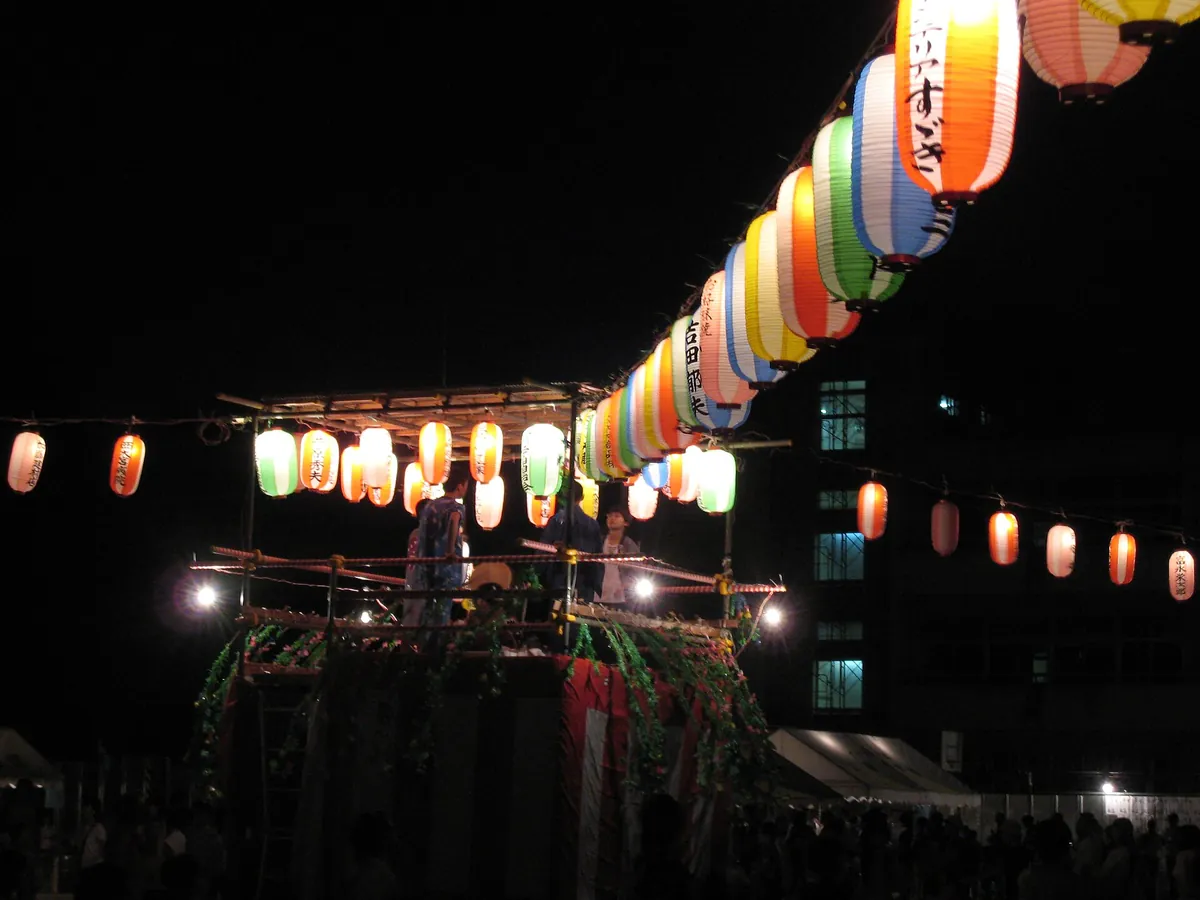

Cover Photo: 日本国郵政省, Public domain, via Wikimedia Commons