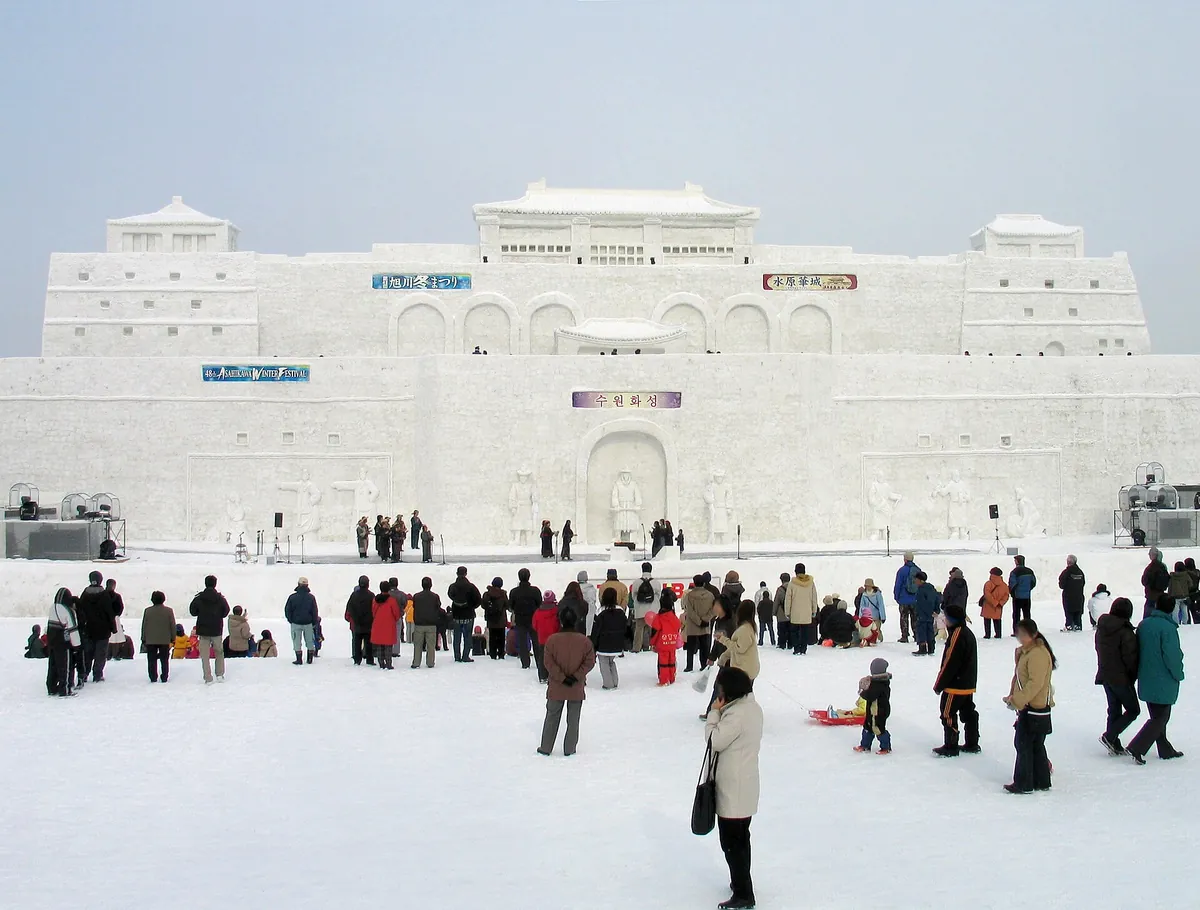

- Tokyo, Kyoto, Osaka: cold, dry, sunny. Real snow: Hokkaido and the Sea of Japan side
- Short days: sunset is about 16:30 in Tokyo and 16:50 in Kyoto in late December
- Plan museums around a New Year shutdown of roughly December 28 to January 3
- Shirakawa-go light-up, Ginzan Onsen shuttle and snow monkey tickets: book ahead
- Every Nozomi seat is reserved-only Dec 25 – Jan 5 and Jan 9–11
It is 16:20 on a December afternoon at Ginkakuji in Kyoto. The sun has dropped behind the hills, the moss garden has turned grey, and the staff are steering the last visitors toward the gate. Winter hours here end at 16:30.
That scene is the core of Japan in winter: short days, cold but mostly dry and sunny cities, and real snow only in Hokkaido and on the Sea of Japan coast. Add a New Year shutdown of about a week and a few winter events that now need booking well ahead, and you have the whole picture.
This guide is for first-time visitors going between December and February who have not fixed dates or a route yet. It turns official hours, dates and climate numbers into a plan you can use.
- Season
- December to February
- City temps (Jan)
- About 5°C mean in Tokyo and Kyoto
- Daylight (Dec 21)
- About 9 h 45 min in Tokyo
- New Year closures
- Roughly Dec 28 – Jan 3, varies
- Book ahead
- Shirakawa-go, Ginzan, snow monkeys
- Checked
- October 2026
Hours, dates and fares checked in October 2026; confirm on the official site before you go.
- You are going between December and February
- You hope to see snow in Tokyo or Kyoto
- Your dates touch December 28 to January 3
- You want the Shirakawa-go light-up or snow monkeys
- Your days are planned like a summer trip
- You fly home after a stay in Hokkaido
Ticked two or more? The numbered items below are written for you.
Two Winters in Japan: Dry, Sunny Tokyo vs the Snowy Sea of Japan Coast
Japan has two winters, and they sit only a few hours apart by train. The Pacific side, with Tokyo, Kyoto and Osaka, is cold, dry and mostly sunny. The Sea of Japan coast, with Kanazawa and Shirakawa-go, is grey, wet and snowy.
The Japan Meteorological Agency’s 30-year averages (1991–2020) for January show how wide that gap is.
← Swipe to see the full table →
| City | January mean | Sunshine / rain or snow |
|---|---|---|
| Tokyo | 5.4°C | 192.6 h / 59.7 mm |
| Kyoto | 4.8°C | 123.5 h / 53.3 mm |
| Kanazawa | 4.0°C | 62.3 h / 256.0 mm |
| Sapporo | −3.2°C | Snowfall 137 cm |
Plan your trip: the tools we use
Our pick: base yourself on the sunny Pacific side and give the snow side one or two nights.
Read it this way. Kanazawa is only about 1.4°C colder than Tokyo on average, but it gets about a third of Tokyo’s January sunshine and more than four times its rain and snow.
Temperature is not the difference. The sky is.
1. Expecting snow in Tokyo or Kyoto
Winter photos of Kyoto often show a golden temple under snow. Those days happen, but Kyoto’s January averages are 9.1°C by day and 1.5°C at night, with 53.3 mm of precipitation for the whole month. Most days are clear and chilly, not white.
If snow scenery is the reason for the trip, go where the snow is. By JMA 30-year averages, Kanazawa gets 67 cm of snowfall in January, with snow on about 23 days and the deepest cover around 27 cm. Our guide to Kanazawa or Takayama helps you pick a stop on that side.
Book the snow. Do not hope for it.
2. Underestimating the cold in Hokkaido
Sapporo is a different climate. Its January average high is −0.4°C, so the daytime high is usually below freezing, and the average low is −6.4°C. December and February bring about 113 cm and 116 cm of snowfall.
That changes how long you can stay outside, how fast you can walk on packed snow and how often you need to warm up. Plan an indoor break every couple of hours.
For layers and boots, see our Japan winter packing list. We will not repeat it here.
Your Winter Day Ends Near 16:30: Daylight in 5 Cities
This is the number most winter guides leave out. For the shortest day, December 21, 2026, the National Astronomical Observatory of Japan lists these times:
| City | Sunrise | Sunset |
|---|---|---|
| Tokyo | 6:46 | 16:31 |
| Kyoto | 7:01 | 16:49 |
| Osaka | 7:01 | 16:51 |
| Fukuoka | 7:18 | 17:14 |
| Aomori (north) | 6:57 | 16:12 |
That is about 9 hours 45 minutes of daylight in Tokyo, and about 9 hours 15 minutes in Aomori, our stand-in for northern Japan. Fukuoka, far to the west, keeps the light until about 17:14.
Sunset barely moves across the month. In Tokyo it goes from 16:28 on December 1 to 16:37 on December 31: a few minutes, not an hour.
Plan a 9-hour day, not a 13-hour one.
3. Planning summer-length days
A summer plan can start a temple at 16:00 and still have light for the walk back. In December the same plan puts you in a dark garden. Gardens, castles and hillside shrines belong before about 14:00, while museums, shopping streets and food halls work after dark.
Use the dark hours on purpose. From about 17:00, switch to illuminations, an onsen bath or a long dinner. That is when a winter evening in Japan is at its best anyway.
4. Missing last entry at gardens and castles
Closing time and last entry are not the same thing, and winter hours are short. As of October 2026, the official pages list these times; check each official site before the day.
- Himeji Castle: 9:00–17:00, last entry 16:00
- East Gardens of the Imperial Palace: 9:00–16:00 (Nov–Feb), last entry 15:30
- Ginkakuji, Kyoto: 9:00–16:30 from December 1 to February 28
- Kenrokuen, Kanazawa: 8:00–17:00 from mid-October to the end of February
In Tokyo, the East Gardens stop letting people in about an hour before sunset. In Kyoto, Ginkakuji closes roughly 20 minutes before it.
Kenrokuen opens 2 gates for free early entry from 6:00 between November 1 and the end of February, two hours before regular opening.
The 7 Days Around New Year: What Shuts and What Stays Open
New Year is Japan’s biggest holiday, and JNTO’s winter guide is blunt about it: most restaurants and attractions shut down, so plan ahead. Its New Year guide adds that most companies close for the year-end and the first three days of January.
The trap is that every sight sets its own dates. Here is what the official pages show for 2026–27:
← Swipe to see the full table →
| Place | Closed or open | Worth knowing |
|---|---|---|
| Tokyo National Museum | Closed Dec 26–31 | Opens Jan 1, 12:00–20:00 |
| East Gardens, Tokyo | Closed Dec 28 – Jan 3 | Winter last entry 15:30 |
| Himeji Castle | Closed Dec 29–30 | Last entry 16:00 |
| Kenrokuen | Garden open | Shigure-tei tea house closed Dec 29 – Jan 3 |
| Meiji Jingu | Open all night Dec 31 | Huge crowds Dec 31 – Jan 3 |
Shrines run the other way. The first shrine visit of the year, hatsumode, makes them the busiest places in the country.
5. Landing on December 30 with a museum-heavy plan
Land in Tokyo on December 30 with a list of museums and gardens, and both the East Gardens and the Tokyo National Museum are shut. JNTO’s New Year guide says many restaurants close or shorten their hours too.
Flip the plan for those days. Put shrines, city walks and illuminations on December 29 to January 3, and move museums, gardens and castles to the days either side. No list covers every sight, so check each official site.
6. Assuming closed means the whole week
Closures are shorter and odder than people expect. The Tokyo National Museum shuts from December 26 to 31, 2026, then opens on January 1, 2027, from 12:00 to 20:00. Only some galleries are open from December 22 to 25.
Shopping comes back fast as well. Major department stores reopen on January 1 or 2 with their first sales, including lucky bags called fukubukuro, according to Japan’s national tourism site.
Read the calendar, not the rumour.
7. Walking into the hatsumode crush by accident
Meiji Jingu in Tokyo is open all night on December 31. Tokyo’s official tourism site says it draws several million people between New Year’s Eve and January 3, and JNTO notes that major train lines run through the night.
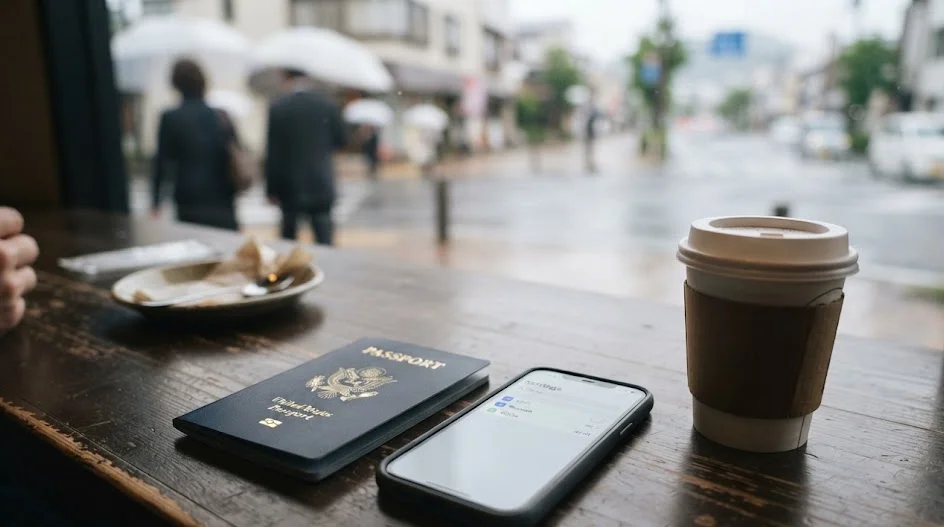
Decide what you want before you go. For the midnight atmosphere, go on December 31 and expect slow queues. To simply see the shrine, a day after January 3 is the calmer choice.
4 Winter Highlights You Now Have to Book Ahead
Some winter events now run on reservations, and turning up on the day no longer works. All four below need a plan before you fly. Dates and fares are as of October 2026, so check the official site for changes.
8. Turning up at Shirakawa-go without a reservation
The 41st Shirakawa-go Light-Up runs on four evenings in 2027: January 11, 17, 24 and 31, from 17:30 to 19:30. The official page is clear: visitors without an advance reservation will not be let in, and no tickets are sold on the day.
The ways in are an overnight stay in the village, reserved parking by car or taxi, a highway bus tour or a travel-agency bus tour. Lodging is by lottery, and the first round of regular parking has already sold out.
For most readers, a tour is the realistic route. Klook and GetYourGuide list Shirakawa-go winter tours; check that the date matches one of the four evenings before you pay. The village expects −10°C to 0°C on the night.
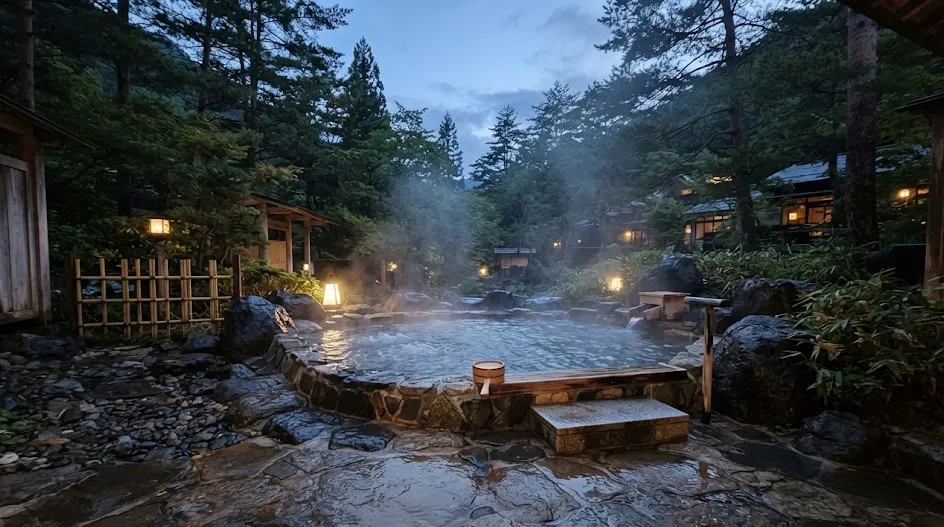
No reservation, no entry.
9. Driving into Ginzan Onsen in winter
Ginzan Onsen in Yamagata limits winter traffic from December 19, 2026, to March 7, 2027, and the end date may be extended. Day visitors park at Taisho Roman-kan and ride a reserved shuttle that leaves at :00, :20 and :40 past the hour.
Reserve by 17:00 Japan time the day before. Round trips run about ¥700–1,500 depending on the time slot, and booking ahead costs less than paying on the day. Check the official winter page for the current table.
10. Skipping the online ticket for the snow monkeys
At Jigokudani Monkey Park, people who buy tickets online get priority entry from December to April, the park says. The park has announced an admission fee revision, so check the current price on the official web ticket page.
Winter hours are 9:00–16:00, and the visitor guide asks you to arrive 30 minutes before closing. The path in is unpaved, with no wheelchair access, so allow time for the walk. Klook and GetYourGuide are worth a search if you prefer a day tour.
11. Booking Sapporo hotels late
The Sapporo Snow Festival 2027 runs from February 4 to 11 at three sites: Odori, Tsudome and Susukino. The dates are on the Japanese official site; the English page still showed 2025 information when we checked.
The whole festival fits into one week, so book a room as soon as your dates are fixed. Booking.com, Agoda and Rakuten Travel all list Sapporo hotels; pick a free-cancellation rate and lock it in early.
Partner link.
Planning your visit?
Snow on the Tracks and the 2 Reserved-Only Nozomi Windows
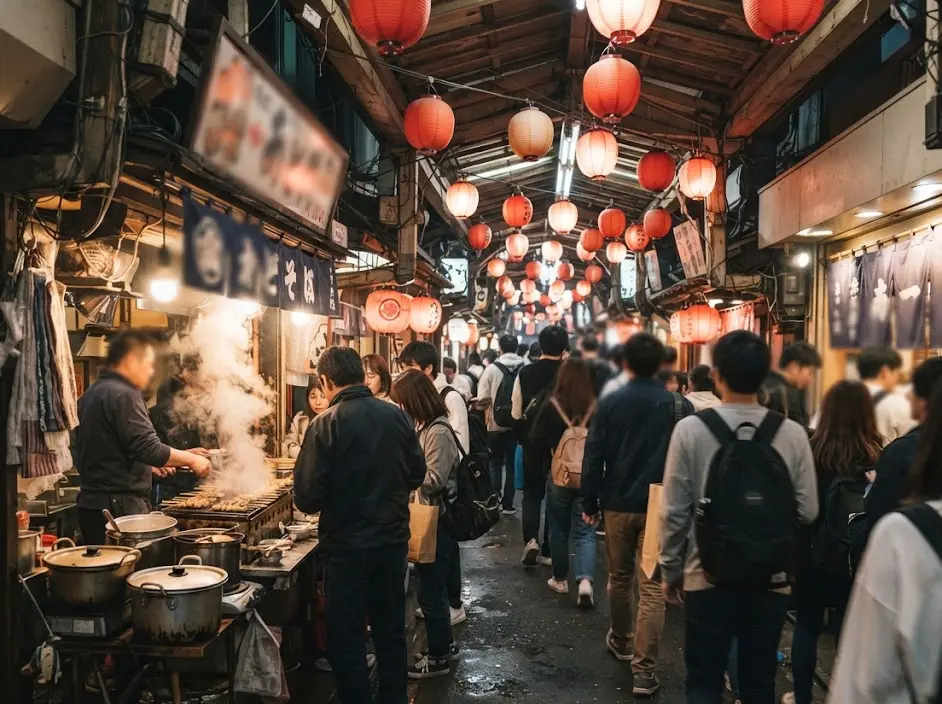
Winter train trouble comes from two places: holiday crowds on the Tokaido Shinkansen and snow in the north. The first is fixed in advance. The second you can plan around.
12. Relying on non-reserved seats over New Year
JR Central makes every Nozomi seat reserved-only from December 25, 2026, to January 5, 2027, and again from January 9 to 11, 2027. In those windows, a non-reserved ticket does not get you a seat on a Nozomi.
If your Tokyo–Kyoto or Kyoto–Osaka ride falls on those dates, reserve as soon as you can. Our guide to booking Shinkansen tickets online or at station machines walks through both ways.
Reserve the seat first, then plan the day.
13. A tight connection out of Hokkaido
Sapporo averages more than a metre of snowfall in each of December, January and February. On snowy days, check the JR Hokkaido train operation page in English before you head for the station.
If you fly home internationally after Hokkaido, leave a buffer day before the long-haul flight. One spare day costs a hotel night. A missed flight home costs far more, in money and in stress.
Onsen Towns and Snow Scenery: Picking One Winter Base
A hot bath with snow outside is the picture that sells winter in Japan, and it is the best use of those long dark evenings. But winter onsen towns ask more of you than the photos show.
14. Choosing an onsen town by its photos alone
Check how you will get there before you fall for a view. Ginzan has its shuttle rules, the snow monkey park is an unpaved walk, and Shirakawa-go asks drivers for studless winter tyres. If you plan to drive in snow country, ask the rental company about winter tyres.
Then pick one base and stay two nights instead of hopping between towns. A ryokan with dinner and breakfast suits a cold evening; our guide to whether a ryokan is worth it helps you decide.
Compare rooms on Booking.com, Agoda or Rakuten Travel, and read the cancellation terms, because snow can change travel plans. Prices vary widely by town and date, so check the booking page or the inn’s official site.
15. Not checking tattoo rules before you book
Many onsen and ryokan have rules on tattoos, and they differ from place to place. Check before you book, not at the bath door. Our guide to tattoo-friendly onsen and ryokan explains how to find one.
One base, two nights, rules checked.
Winter Lights and Festivals by Date, December to February
Winter evenings are long, and the best events use them. These dates are confirmed on the organisers’ own pages as of October 2026.
← Swipe to see the full table →
| Event | Dates | Where / notes |
|---|---|---|
| Sapporo White Illumination | Nov 20, 2026 – Mar 14, 2027 | Odori Park and central Sapporo |
| Shirakawa-go Light-Up | Jan 11, 17, 24, 31, 2027 | Reservation only |
| Kobe Luminarie | Jan 29 – Feb 7, 2027 | Part of Meriken Park is paid |
| Sapporo Snow Festival | Feb 4–11, 2027 | Odori, Tsudome, Susukino |
Kobe Luminarie spreads over Meriken Park, Higashi Yuenchi and the former foreign settlement. The paid area of Meriken Park costs about ¥500–1,500, depending on weekday or weekend and advance or same-day tickets; check Kobe City’s page.
In Sapporo, the White Illumination keeps its lights on until midnight around Christmas, and a German Christmas Market sets up in Odori 2-chome.
16. Expecting December’s lights in late January
Do not assume a December light show is still running in late January. Check each event’s end date before you build a day around it.
If your dates are late January or early February, Kobe Luminarie, the Shirakawa-go evenings and the Snow Festival are the events that line up. Kobe is an easy evening out from Osaka or Kyoto, while Sapporo needs a flight and an early hotel booking.
Match the event to your dates, not the other way round.
What First-Timers Do in a Japanese Winter vs What Works
Most winter mistakes come from treating December like May with a coat on. Here they are side by side.
What most first-timers do
- Expect snow in Tokyo and Kyoto
- Start gardens and castles after lunch
- Plan museums for December 29 to January 3
- Turn up at Shirakawa-go on the night
- Count on a non-reserved Nozomi seat on Dec 30
What actually works
- Go to Kanazawa or Hokkaido for snow
- See outdoor sights before 14:00
- Do shrines and illuminations over New Year
- Reserve a stay or a tour well ahead
- Reserve every seat from December 25 to January 5
The left column is not careless. It is what works in spring and autumn. Winter changes three things at once: the light, the holiday calendar and the booking rules for its biggest events.
None of the fixes on the right costs money. They cost a little planning, done early, and they turn a cold trip into a calm one.
 ReaderYuki
Fix the light, the calendar and the bookings.
The One Winter Habit: Plan Around the Sun and the Calendar
If you keep one rule, keep this: plan every winter day around two clocks, the sunset and the holiday calendar.
The numbers show why. Himeji Castle’s own page lists last entry at 16:00, and Kyoto’s sunset on December 21 is about 16:49. A day trip from Kyoto or Osaka that starts after a slow breakfast leaves almost no slack.
Step 1: Check closure dates for every sight
Open each official site and note the year-end dates. They differ: Himeji shuts December 29–30, the East Gardens December 28 to January 3.
Step 2: Put outdoor sights before 14:00
Gardens and castles first, then museums and food halls. Keep the dark hours from about 17:00 for lights, onsen and dinner.
Step 3: Book the four bookable things now
Shirakawa-go, the Ginzan Onsen shuttle, a snow monkey online ticket and a Sapporo room for February 4–11.
Step 4: Keep a buffer day for snow
Leave one spare day before an international flight if you have been in Hokkaido or snow country.
Two clocks. That is the whole habit.
FAQ
QDoes it snow in Tokyo in winter?
It can, but it is not the norm. Tokyo’s January averages are 9.8°C by day and 1.2°C at night, with 192.6 hours of sunshine. For reliable snow, head to Hokkaido or the Sea of Japan side.
QIs anything open on January 1?
Yes. Shrines are at their busiest, major department stores reopen on January 1 or 2, and the Tokyo National Museum opens from 12:00 on January 1, 2027. Many restaurants close, so check ahead.
QIs February better than December?
It is different. February has the Sapporo Snow Festival (February 4–11, 2027) and Kobe Luminarie, and misses the New Year closures. December has Sapporo’s Christmas lights and the New Year atmosphere. For all four seasons side by side, see the best time to visit Japan.
QDo I need snow boots in Kyoto?
Usually not, since Kyoto’s January is mostly dry. You will want them for Shirakawa-go, the snow monkey path or Hokkaido. Our winter packing list has the details.
Short days, closures and booking rules can make a winter trip feel harder to plan than it really is.
You could keep re-reading season guides, or lock in the dates around New Year and the one or two bookings that matter now, and adjust the rest later.
Keep planning
- ① Install and test your eSIM before take-offAiralo and Ubigi eSIMs activate on arrival, but the install itself needs Wi-Fi. Do it at home and confirm the profile shows up in your phone settings.
- ② Save your first hotel’s address in JapaneseTaxi drivers and station staff read Japanese addresses far faster than romanised ones. Copy it from the booking confirmation into your notes app.
- ③ Set aside cash for day oneMany small restaurants, temples and rural buses are still cash-only. Airport ATMs at 7-Eleven and the post office accept most foreign cards.
Skip these and your first hour in Japan goes on finding Wi-Fi at the station instead of getting to your hotel.
🔍 How to sanity-check any price you read online
Blogs (including this one) go out of date. The official page always wins over a screenshot from two years ago.
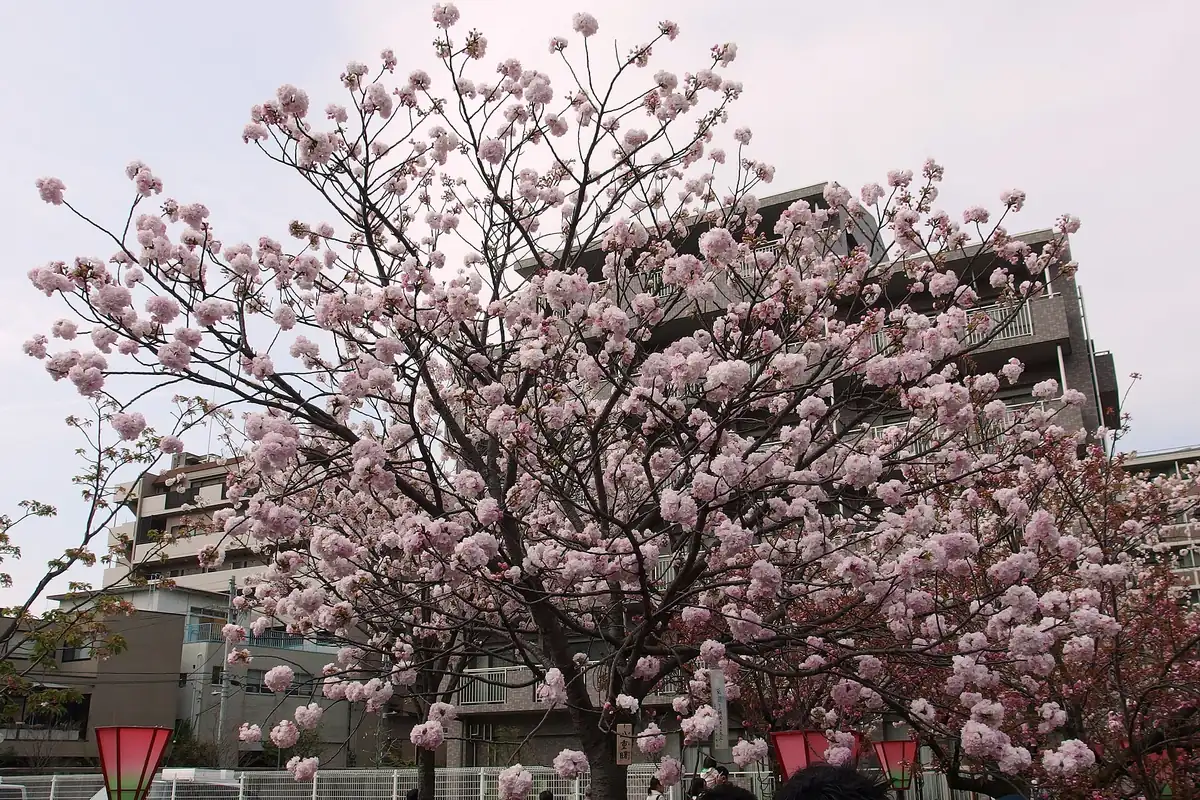
Cover Photo: 京浜にけ at Japanese Wikipedia, CC BY-SA 3.0, via Wikimedia Commons