- Add Kanazawa if you have 1–2 nights and travel one way from Tokyo to Kyoto
- Add Takayama for a small mountain town, Hida beef and a ryokan, with 2 nights
- Kanazawa sits on your line; Takayama is out and back from Nagoya, or on via Toyama
- No JR Pass covers the Shirakawa-go bus, and you should reserve every seat
- Do both only with 4–5 spare days, by bus through Shirakawa-go
- Tokyo to Kanazawa
- About 2 h 30 min by Shinkansen
- Nagoya to Takayama
- About 2 h 20 min on the Hida
- Nights needed
- Kanazawa 1, Takayama 2
- Shirakawa-go bus
- Reservation needed, not JR
- Prices checked
- October 2026
One spare stop between Tokyo and Kyoto: Kanazawa or Takayama?
Here is the short answer for a one-way trip from Tokyo to Kyoto or Osaka with a night or two to spare: add Kanazawa. It sits on the rail line you already need, so nothing doubles back.
Pick Takayama when the small mountain town is the point: the morning market, a ryokan, Hida beef. By rail it means a ride out and back from Nagoya, or a loop north via Toyama, and it deserves two nights. With 4–5 spare days, do both by bus through Shirakawa-go.
If your trip is only Tokyo plus day trips, close this and read our Tokyo first-timer guide instead.
Fares and fees below were checked on operator sites in October 2026; confirm on the official site before you book.
Kanazawa or Takayama in 60 Seconds: Which Trip Shape Fits
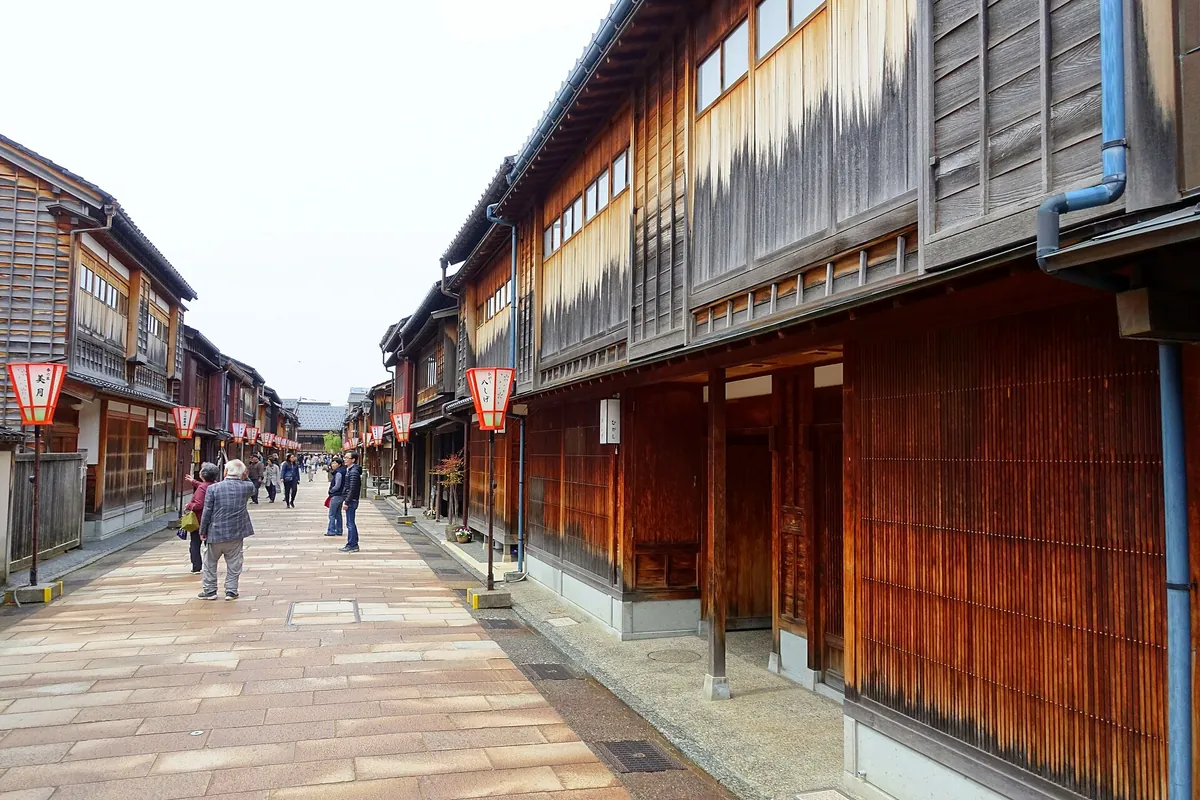
The two towns share a region and a bus line, so they get compared as if they were the same kind of stop. As trips, they behave very differently. Your route matters more than the photos.
Answer these before you open another gallery of old streets.
- You travel one way: Tokyo first, Kyoto or Osaka last
- You have a JR Pass or plan to buy one
- You can spare only one night
- You want a ryokan night and a slow evening
- Shirakawa-go is on your list
- You travel between December and March
- You have four or more days to spare
Mostly yes to the first three means Kanazawa. A yes to the ryokan line, with two nights to give, points to Takayama. Shirakawa-go plus four spare days means both, linked by bus.
1. Picking by photos, not by route
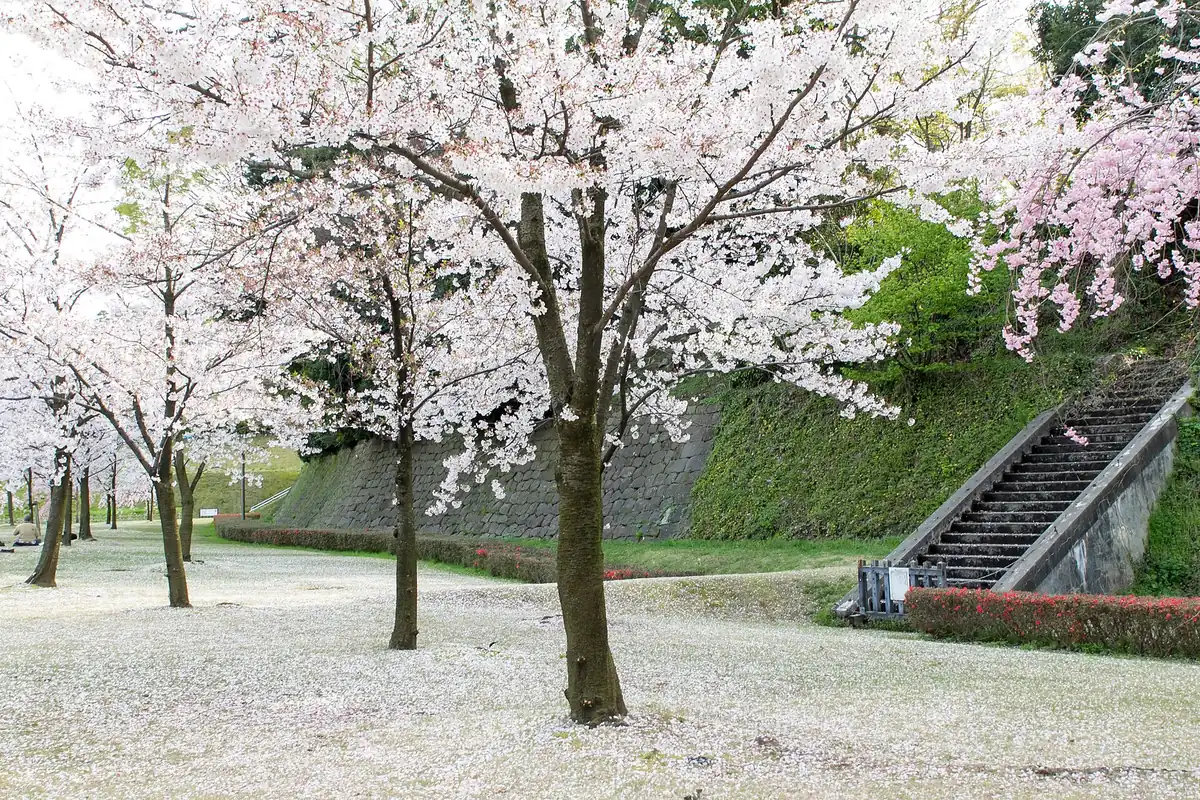
Both towns show up online as wooden streets, old shopfronts and river views. People choose on that and sort out the trains later, which is backwards.
Kanazawa lies between Tokyo and Kyoto on one rail line. Takayama sits on a mountain line north of Nagoya, off the Tokyo–Kyoto route, about 2 hours 20 minutes from Nagoya on the Hida limited express, according to JR Central.
Check the map first. Then the photos.
2. Treating a city and a small town as the same thing
Kanazawa is a proper city with several districts. JNTO points visitors to Kenrokuen garden, Kanazawa Castle and the Nagamachi samurai quarter with the Nomura Samurai House.
Add the 21st Century Museum of Contemporary Art and the Higashi Chaya teahouse streets, and the sights spread across the whole city rather than one walkable core.
Takayama is compact. The core is the Sanmachi old streets, Takayama Jinya, the Miyagawa Morning Market along the river and, a short bus ride out, Hida Folk Village.
One is a city break. The other is a small-town night.
Route Mistakes Between Tokyo and Kyoto: Where 4 Hours Go
Here is how the Kanazawa option runs on JR West and JNTO times. Every leg moves you forward toward Kyoto.
- Tokyo Station
- Hokuriku Shinkansen · about 2 h 30 min
- Kanazawa
- Hokuriku Shinkansen to Tsuruga, change trains
- Tsuruga
- Thunderbird limited express · about 2 h from Kanazawa in total
- Kyoto or Osaka
JR West lists 2 hours 28 minutes between Tokyo and Kanazawa on the Hokuriku Shinkansen. JNTO gives about 2 hours from Kanazawa to Kyoto or Osaka, including the change at Tsuruga.
A Takayama out-and-back by rail looks like this, using hida.jp and JR Central times:
- Tokyo to Nagoya: Nozomi Shinkansen, about 100 minutes
- Nagoya to Takayama: Hida limited express, about 140 minutes
- Takayama back to Nagoya: the same 140 minutes again
- Nagoya on to Kyoto: the Shinkansen you would have ridden anyway
3. Adding Takayama to a one-way trip without counting the ride back
Takayama feels like it is on the way because Nagoya is. It is not. The Hida runs north into the mountains, and unless you continue to Toyama or take the bus, you come back the same way.
hida.jp lists 140 minutes each way, so an out-and-back from Nagoya adds about 4 hours 40 minutes of train time before any waiting. Kanazawa adds no doubling back at all.
The other rail option is to keep going north. hida.jp lists about 90 minutes from Takayama to Toyama, where you can join the Hokuriku Shinkansen toward Kanazawa and Tsuruga.
What about the direct train from Osaka? hida.jp lists 255 minutes. That is slower than the Shinkansen from Shin-Osaka to Nagoya (about 50 minutes) plus the Hida, though it saves a change.
4. Forgetting the change at Tsuruga
Older blogs describe a direct Thunderbird from Osaka to Kanazawa. That through service no longer runs. The Thunderbird now ends at Tsuruga, where you switch to the Hokuriku Shinkansen.
JNTO’s figure of about 2 hours already includes that change. Still, plan for one platform move with your bags, and reserve both legs at the same time.
One change is no reason to skip Kanazawa.
5. Trying Takayama as a day trip from Kyoto or Osaka
Nohi Bus runs an express between Takayama and Kyoto or Osaka. Its timetable, revised December 2025, shows two runs a day from Takayama: 8:00 arriving Kyoto 12:15, and 13:40 arriving 17:55.
That is over 4 hours each way, with a reservation required and a fare of about ¥6,500 to Kyoto or ¥7,000 to Osaka (as of 2026). Rail is about 50 minutes from Shin-Osaka to Nagoya plus 140 on the Hida.
Sleep in Takayama, or skip it.
Tokyo to Kyoto With One Extra Stop: 4 Scenarios From Official Times
This table puts each choice on the same Tokyo-to-Kyoto trip. Times are ride times for each leg from JR West, JNTO, hida.jp and the bus operators, not extra time over a direct train. Fares are as of 2026, so check the official sites.
← Swipe to see the full table →
| Add-on | Train or bus time for these legs (estimate) | Tickets |
|---|---|---|
| Kanazawa: Tokyo → Kanazawa → Kyoto | About 2 h 30 min to Kanazawa, then about 2 h to Kyoto; nothing doubles back | JR Pass covers both legs, or a Kanazawa–Kyoto one-way ticket, about ¥6,500 |
| Takayama by rail from Nagoya | About 2 h 20 min each way on the Hida, so about 4 h 40 min out and back; or on to Toyama, about 90 min | JR Pass covers the Hida; the Takayama-Hokuriku pass covers Nagoya–Toyama and Toyama–Tsuruga |
| Takayama by bus from Kyoto | Over 4 h each way; 2 runs a day from Takayama | About ¥6,500, reservation needed; not a day trip |
| Both: Kanazawa → Shirakawa-go → Takayama → Nagoya | Bus 1 h 15 min plus about 50 min, then the Hida, 2 h 20 min | Bus not covered by JR; the 5-day Takayama-Hokuriku pass, about ¥19,800, covers it |
Plan your trip: the tools we use
Our pick: Kanazawa for a one-way trip with 1–2 nights; Takayama only when you can give it two.
Two points in that table decide most trips. Kanazawa is on the line you are already riding; Takayama is off it, so you ride out and back or loop north via Toyama.
The second point is easy to miss. The Shirakawa-go bus is the one leg no JR Pass covers, and the one that needs a reservation.
The bus pages also allow a small sum. Nohi lists Takayama to Shirakawa-go at ¥2,800 and Shirakawa-go to Kanazawa at ¥2,800, while the through fare from Takayama to Kanazawa is ¥4,200.
So getting off to walk the village costs about ¥5,600 in bus fares, roughly ¥1,400 more than riding straight through. For most people that stop is the highlight, but put it in the budget.
Timing matters as much as hours. Takayama needs a morning, because the market ends at noon. Kanazawa works with an afternoon arrival plus the next morning, since Kenrokuen opens at 7:00 from March to mid-October.
Plan your arrival times around that.
Pass Mistakes: JR Pass, Takayama-Hokuriku Pass and Arch Pass
Passes waste more money on this route than anything else. Our full comparison lives in Regional Rail Passes vs JR Pass; here are the three mistakes specific to these two towns.
6. Assuming the JR Pass covers the Shirakawa-go bus
It does not. Nohi Bus and Hokutetsu run the Shirakawa-go buses, and neither is JR. The JR Pass coverage page says the pass is not valid even on JR Bus express routes, and non-JR sections need a separate fare.
The rail parts are a different story. The Hokuriku Shinkansen is covered, with Gran Class costing extra, and so is the Hida limited express.
Whether the pass pays off depends on your route, so add up the individual fares first. Our JR Pass verdict walks through the sums, and the official Japan Rail Pass site lists current prices.
7. Missing the 5-day Takayama-Hokuriku pass for the loop
The Takayama-Hokuriku Area Tourist Pass was built for exactly this loop. It costs about ¥19,800 for adults and ¥9,900 for children (as of 2026), runs for 5 consecutive days and includes up to 6 free reserved seats.
Its official page lists what it covers:
- Nagoya to Toyama via the Takayama line, where the Hida runs
- Hokuriku Shinkansen between Toyama and Tsuruga
- Tsuruga to Kyoto and stations in the Osaka City area
- Rail to Kansai Airport
- Buses from Takayama via Shirakawa-go to Kanazawa or Toyama
Two gaps: the Tokaido Shinkansen between Kyoto and Shin-Osaka is excluded, and Tokyo is not on the list. Buy your Tokyo–Nagoya ticket separately.
8. Buying the Arch Pass for a one-city side trip
The Hokuriku Arch Pass is a 7-day pass with reserved seats included, for temporary visitors. JR West raised it from ¥30,000 to ¥35,000 on 14 March 2026, so older blog prices are out of date.
A week-long pass only makes sense if you ride most of that week. If Kanazawa is your one stop, look first at the HOKURIKU One-way Ticket: about ¥6,500 from Kyoto or ¥8,000 from Osaka to Kanazawa.
The HOKURIKU One-way Ticket is for foreign passport holders, cannot be bought inside Japan and allows no stopovers. Buy it before you fly.
Based in Kansai for a week? The Kansai-Hokuriku Area Pass, about ¥19,000 for 7 days, covers the Thunderbird and the Hokuriku Shinkansen between Tsuruga and Joetsu-Myoko. The smaller Hokuriku Area Pass is about ¥7,000 for 4 days.
Where we would book this
Booking.com
Largest inventory in Japan for English-speaking travellers
- Best for
- Hotels, business hotels, ryokan and apartments in every city
- Checked
- September 2026
Official site. Same price for you.
Shirakawa-go Bus Mistakes: Seats, Lockers and the Last Bus
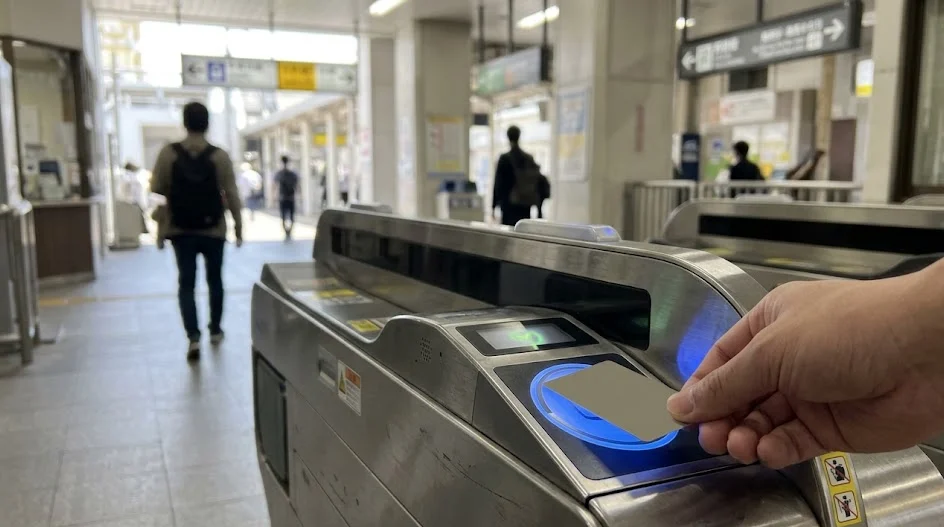
Shirakawa-go is the reason many people consider both towns. The bus that links them is easy to use, as long as you treat it like a train with a reserved seat.
9. Turning up without a seat reservation
Hokutetsu, which runs the Kanazawa side, says plainly that its highway buses all require seat reservations. Nohi Bus lists 16 round trips a day on the line and notes that some run on a reservation basis.
The safe reading: reserve every seat on this route. Kanazawa to Shirakawa-go takes about 1 hour 15 minutes, and Shirakawa-go to Takayama about 50 minutes.
Seats can be booked on Japan Bus Online. The operators’ own pages are Nohi Bus Shirakawa-go line and Hokutetsu highway buses.
 Reader
 Yuki
Would you rather not handle the buses at all? Klook and GetYourGuide are worth a search for guided Shirakawa-go day tours; compare what each one includes.
10. Taking a suitcase into the village
Nohi warns that the luggage trunk has limited space. The village itself is a walk among farmhouses, and a rolling case on those lanes slows everyone down.
Shirakawa-go’s tourism FAQ lists coin lockers at about ¥500 for small and medium, ¥1,000 for large (as of 2026), open 08:00–17:00. A luggage storage counter next to the bus terminal also takes bags until 17:00.
Better still, send the big case ahead. Yamato luggage forwarding can move it from your Kanazawa hotel to your Takayama one; our luggage forwarding guide explains how.
11. Booking the last bus out
Picking the final departure of the day feels efficient. If that bus fills up or you miss it, there is nothing behind it.
The village bus terminal is listed as open 8:30–17:30, and the lockers close at 17:00. Aim for a departure with at least one later bus behind it, and collect your bag before 17:00.
Leave slack. It is a village, not a station.
How Many Nights: 1 in Kanazawa, 2 in Takayama
The night count is where the two towns differ most. Opening hours, not distance, decide it.
12. One rushed night in Takayama
The Miyagawa Morning Market runs from 7:00 to noon from April to November, and 8:00 to noon from December to March. Takayama Jinya opens at 8:45 and closes at 17:00 from April to October, 16:30 from November to March.
Now add the Hida. Leave Nagoya after lunch and you reach Takayama mid-afternoon, with the Jinya about to close. Next morning gives you the market, but the Folk Village and the old streets fight for the same few hours.
- Takayama Jinya: about ¥500, closed 29 December to 3 January
- Hida Folk Village: about ¥700, 8:30–17:00
- Sarubobo bus to the Folk Village: about ¥210 one way
- Miyagawa Morning Market: ends at noon all year
Prices are as of 2026; check the official sites. Two nights give you one full day with a market morning and no train to catch.
For the ryokan night, search the old-town area on Booking.com or Agoda and compare the same dates on both.
13. Two nights in Kanazawa when one is enough
Kenrokuen opens at 7:00 from 1 March to 15 October and at 8:00 from 16 October to the end of February, and the prefecture lists free early-morning entry. Normal adult admission is about ¥320 (as of 2026).
That early opening is why one night works. Arrive in the afternoon for Higashi Chaya or the 21st Century Museum (check their hours), sleep near Kanazawa Station, then walk Kenrokuen and Nagamachi before a midday train.
Add a second night only for a Shirakawa-go day trip, about 1 hour 15 minutes each way by bus. Business hotels near the station are easy to compare on Booking.com, Agoda or Rakuten Travel.
Partner link.
One night, booked early.
Seafood or Hida Beef: Food, Season and Feel in Kanazawa and Takayama
Food is a fair tiebreaker. Kanazawa is a coastal city known for seafood. Takayama’s dish is Hida beef.
The Takayama tourism site defines Hida beef as black-haired Japanese cattle raised in Gifu Prefecture for at least 14 months. In the old town, the name is hard to miss on menus.
Feel is the bigger difference. Kanazawa means districts, a museum and a famous garden, linked by buses or taxis. Takayama means a few streets, a river and a quieter evening.
Travelling in winter? Takayama and Shirakawa-go are in the mountains, and the bus between them can be affected by snow. Check the operator’s notices the day before you ride.
What most first-timers do
- Pick the town by its photos
- Treat Takayama as a quick detour
- Turn up for the Shirakawa-go bus
- Ride the village bus with a suitcase
- Give Takayama a single night
What actually works
- Pick the town by your route
- Count about 4 h 40 min of Hida return time
- Reserve every bus seat in advance
- Forward the bag or lock it before 17:00
- Give Takayama two nights
In short, here is what each one adds to your trip:
- Kanazawa: seafood, a big garden, a modern art museum, one night
- Takayama: Hida beef, a morning market, a ryokan, two nights
- Shirakawa-go: farmhouses, a bus ride from either town
Want a guide for the food side? Klook and GetYourGuide are worth a search for walking tours in either town.
Both Towns in 4–5 Days: The Kanazawa–Shirakawa-go–Takayama Loop
With four or five spare days, you do not have to choose. The bus line through Shirakawa-go links the two towns, and the 5-day Takayama-Hokuriku pass covers the rail and the bus.
- Kyoto
- Thunderbird, change at Tsuruga · about 2 h
- Kanazawa
- Reserved bus · about 1 h 15 min
- Shirakawa-go
- Nohi bus · about 50 min
- Takayama
- Hida limited express · about 2 h 20 min
- Nagoya
A rough shape: one or two nights in Kanazawa, a Shirakawa-go stop on the bus day, then two nights in Takayama. That fits inside the pass’s 5 days.
14. Running the loop in the wrong direction for your exit city
Coming from Tokyo and flying home from Kansai Airport? Go Tokyo, Nagoya, Takayama, Shirakawa-go, Kanazawa, then Kyoto. The pass starts at Nagoya and finishes with rail to Kyoto, Osaka or the airport.
Flying out of Tokyo instead? Run it the other way from Kyoto and finish with the Shinkansen from Nagoya, remembering that the pass does not cover Tokyo. hida.jp also lists Takayama to Toyama by train in about 90 minutes.
Choose the direction by your last city.
15. Booking the bus after the hotels
The bus is the tightest piece of the loop. Hotels in both towns give you more choice than a single reserved bus seat on a busy day.
So reserve the bus first, then book the beds around it on Booking.com or Agoda, picking refundable rates where offered. Our 10-day itinerary and 14-day itinerary show the base plan you would add these days to.
Seat first, rooms second.
The One Rule for Adding a City to Tokyo–Kyoto–Osaka
Add the town that sits on your line before the town that sits off it, unless the off-line town is the reason you are going. On this trip, that means Kanazawa by default and Takayama by choice.
A single timetable line shows why. Nohi lists only two Takayama-to-Kyoto buses a day, and that alone rules out the day trip people ask about most.
Step 1: Draw your one-way line
Write down your first and last city. Tokyo to Kyoto or Osaka puts Kanazawa right on the line.
Step 2: Count the extra hours from operator times
Use JR West, JR Central and hida.jp. A Takayama out-and-back from Nagoya adds about 4 h 40 min on the Hida.
Step 3: Book the non-JR leg first
If Shirakawa-go is in, reserve the bus seat before anything else. No JR Pass covers it.
Step 4: Then fix the nights and the beds
One night in Kanazawa, two in Takayama, then hotels on Booking.com or Agoda.
The rule keeps the pass question simple too. A one-way Kanazawa stop rarely needs more than a one-way ticket or the JR Pass you already hold, while the loop points straight at the 5-day Takayama-Hokuriku pass.
Need data on the bus to show your booking? Set up an eSIM from Airalo or Ubigi before you fly.
FAQ
QWhich is the better base for Shirakawa-go?
Either works. Hokutetsu lists about 1 hour 15 minutes from Kanazawa, and Nohi about 50 minutes from Takayama. Reserve the seat either way, and store bags by the terminal if you stop.
QCan I do Kanazawa as a day trip from Kyoto or Osaka?
It is possible, at about 2 hours each way via Tsuruga according to JNTO, but most of the day goes on trains. One night lets you see Kenrokuen early the next morning.
QDoes the JR Pass cover the Hida limited express?
Yes, the Hida is a JR train. The pass does not cover the Nohi or Hokutetsu buses, so add those fares to your sums.
QIs the Takayama-Hokuriku pass worth it?
For the loop, it is the pass to price first: about ¥19,800 for 5 days (as of 2026), covering rail from Nagoya to Kansai plus the Shirakawa-go bus. For one town only, add up single tickets instead.
Choosing one town out of two good ones can feel like you are bound to miss something.
Instead of re-reading more blogs, lock in your route and the one bus seat that matters, and let the rest adjust later.
Keep planning
- ① Install and test your eSIM before take-offAiralo and Ubigi eSIMs activate on arrival, but the install itself needs Wi-Fi. Do it at home and confirm the profile shows up in your phone settings.
- ② Save your first hotel’s address in JapaneseTaxi drivers and station staff read Japanese addresses far faster than romanised ones. Copy it from the booking confirmation into your notes app.
- ③ Set aside cash for day oneMany small restaurants, temples and rural buses are still cash-only. Airport ATMs at 7-Eleven and the post office accept most foreign cards.
Skip these and your first hour in Japan goes on finding Wi-Fi at the station instead of getting to your hotel.
🔍 How to sanity-check any price you read online
Blogs (including this one) go out of date. The official page always wins over a screenshot from two years ago.