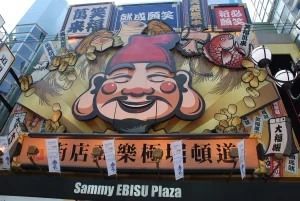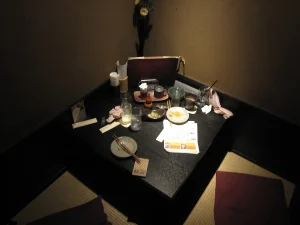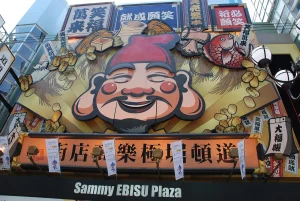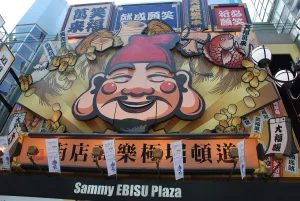

- Daruma Shinsekai Sohonten: the 1929 kushikatsu counter, cash only
- Dotonbori Imai: kitsune udon from a noodle house founded in 1946
- Jiyuken Namba: Meibutsu curry from a kitchen dating to 1910
- Kizu Market: seafood breakfast at a wholesale market, before 11:00
- Tenjinbashisuji: about 2.6 km of arcade snacks in Tenma
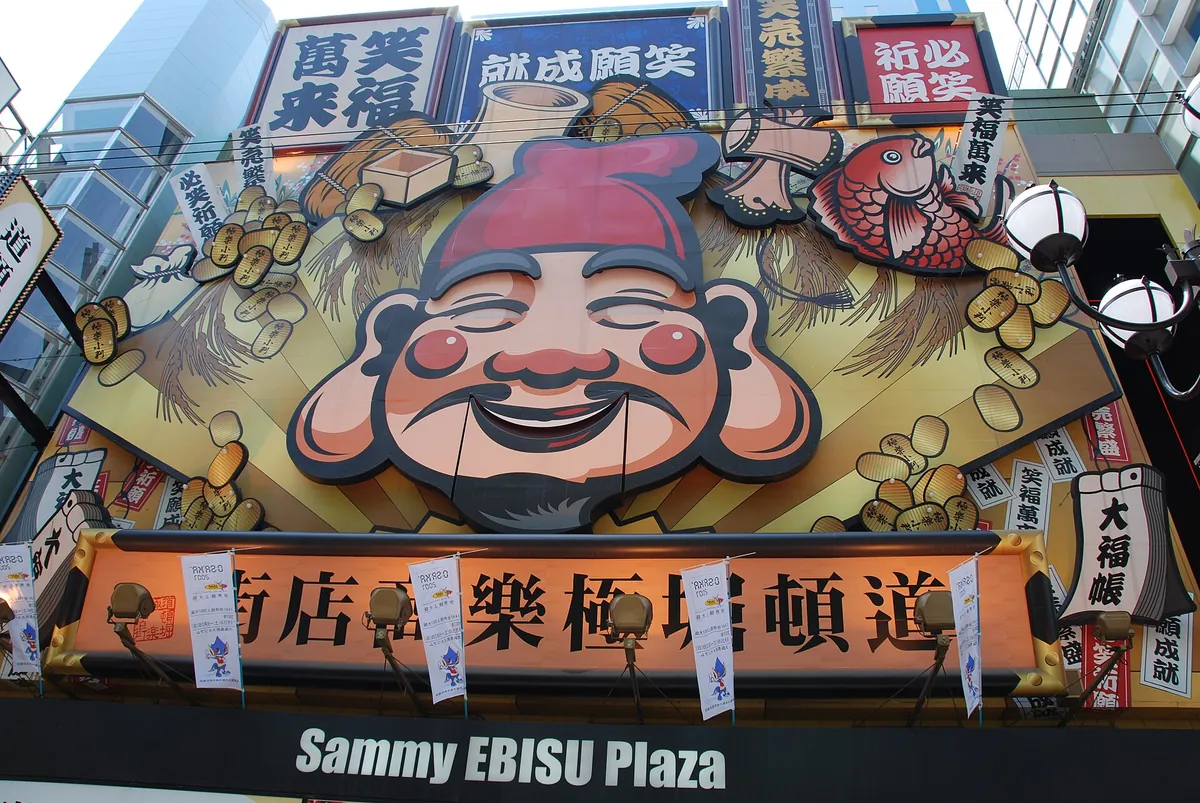
In Osaka Prefecture, Osaka City, the local food worth crossing town for sits in four clusters, not on one street. Eat in the Namba side lanes, at the kushikatsu counters of Shinsekai, in the morning markets and along the Tenma arcade.
The usual mistake is not the dish. It is the calendar. Each counter here has its own closing day, and Tuesday, Friday and Saturday are the only days every named spot is normally open (barring public holidays; watch Imai’s fourth Tuesday and Jiyuken’s Tuesday closing after a holiday Monday).
Every hour, closing day and menu price below comes from the shop’s own site or Osaka’s official tourism pages, checked in October 2026. The one exception is Kiji’s Takimi Koji hours, taken from the Umeda Sky Building’s dining listing on SAVOR JAPAN. Menus change, so treat prices as a guide.
- Time needed
- One full day, or two half days
- Typical dish
- About ¥930–1,850 (shop menus)
- Bases
- Namba, or Umeda and Tenma
- Best days
- Tuesday, Friday or Saturday
- Booking
- Daruma Janjan (2+), Imai (phone)
- Prices checked
- October 2026
Prices are ranges or fares checked in October 2026; confirm on the official site before you book.
Tokyo to Osaka: 4 Ways In and Their Times
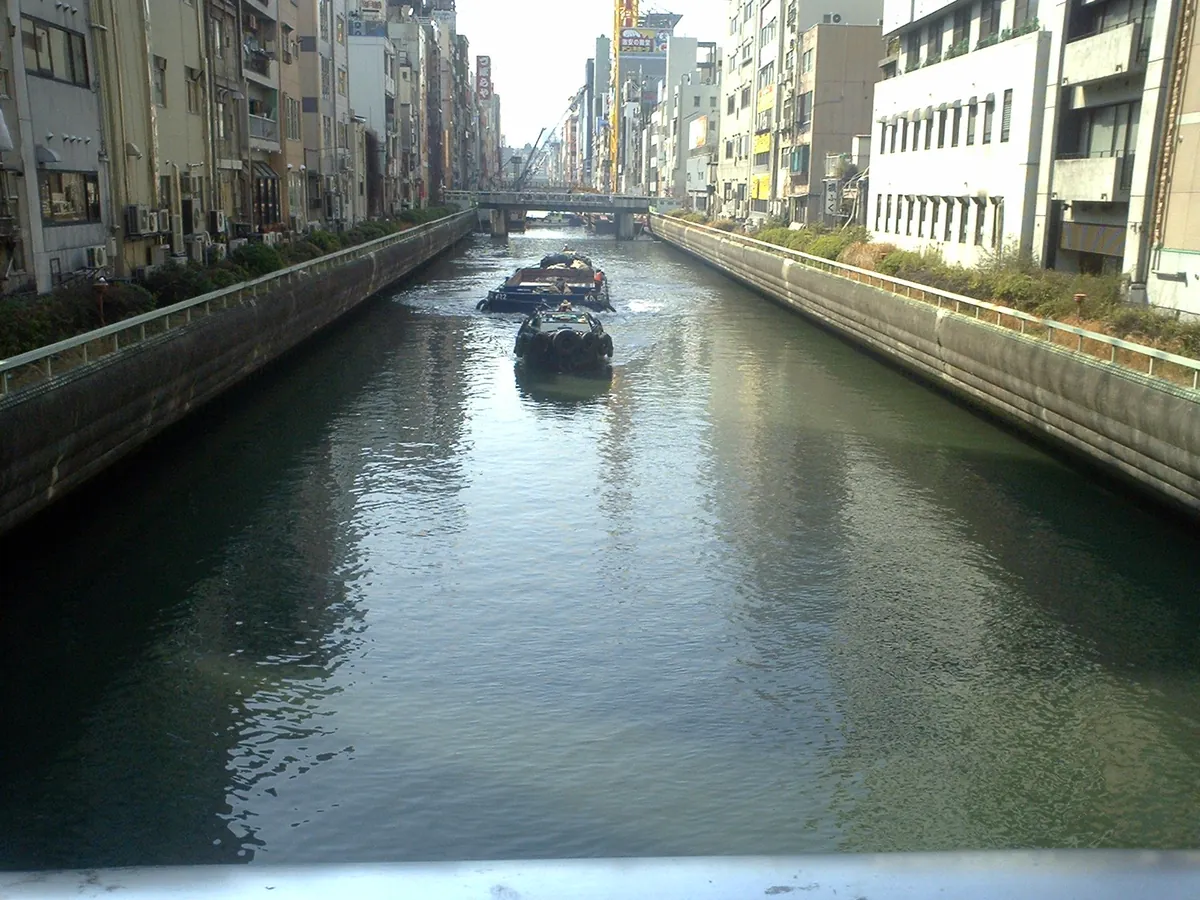
Most food trips to Osaka start from Tokyo or Kyoto. JR Central lists the fastest Nozomi from Tokyo to Shin-Osaka at 2 hours 21 minutes, and Osaka’s tourism site rounds the trip to about 2 hours 30.
Flights and buses are the other options. Here is how the four main ways in compare as of October 2026. Fares move with the season, so check the official site before you book.
← Swipe to see the full table →
| How | Time | Rough cost |
|---|---|---|
| Nozomi Shinkansen, Tokyo–Shin-Osaka | 2 h 21 min at fastest | About ¥14,320–14,920 reserved (smartEX) |
| Flight, Haneda–Itami or Kansai Airport | About 1 h 20 (Itami), 1 h 10 (KIX) | Varies; check the airline |
| Highway bus, Tokyo–Osaka | 8 h 30 to 9 h | Varies; check the operator |
| Shinkansen, Kyoto–Shin-Osaka | Short hop; check the timetable | About ¥2,880 reserved (smartEX) |
Plan your trip: the tools we use
Our pick: the Nozomi from Tokyo, unless you are already in Kyoto, where the short Shinkansen hop is about ¥2,880.
Those Shinkansen fares come from the smartEX reserved-seat fare sheet, dated April 1, 2025 and still linked. It adds ¥200 in peak season and ¥400 in super peak, and takes ¥200 off in off-peak.
Flying looks quick on paper. Osaka’s tourism site lists about 1 hour 20 minutes from Haneda to Itami and about 1 hour 10 to Kansai Airport, but airport transfers sit at both ends, so compare door to door.
The highway bus takes 8 hours 30 minutes to 9 hours.
That only makes sense if you sleep on board.
Once you arrive, everything in this guide sits on Osaka Metro or JR. Metro fares run from ¥190 to ¥390 by distance, on the fare table in force since 1 October 2025. Our JR Pass and Osaka subway guide explains the fare logic in more depth.
Pick your base before you pick restaurants. A Namba hotel keeps the Dotonbori counters and Kuromon close together; our where to stay in Osaka guide compares the areas, and Booking.com or Agoda list hotels in each.
How Osaka Counters Work: 5 House Rules
Osaka’s old counters run on a few house rules. None of them is hard, and each one below comes from a shop’s own page, so it pays to know them before you sit down.
- No double dipping: the kushikatsu sauce pot is shared
- Carry cash: Daruma’s original counter is cash only
- One drink per person at both Daruma counters
- Arrive near opening: 11:00 at Mizuno and Jiyuken
- Check the closing day: it differs at almost every counter
The double-dip rule is the famous one. Daruma’s history page explains it plainly: the sauce is shared, so after your first bite you cannot dip that skewer again. Use the free cabbage to scoop extra sauce instead.
 ReaderYuki
Cash is the second trap. Daruma’s Shinsekai original takes cash only, while its Janjan branch and Dotonbori Imai take cards and e-money. Market stalls vary shop by shop, so keep some notes in your pocket.
Timing matters as much as payment. Kizu Market’s shops wind down by about 11:00, and Jiyuken takes last orders at 19:45. A late lunch or a late dinner can quietly cross two places off your list.
Plan the day around the clock, not the map.
For the wider manners of eating out in this city, see our Osaka first-timer guide. This guide sticks to what the counters themselves say.
- Cash in small notes for cash-only counters
- Not a Monday, if Jiyuken is on your list
- Not a Wednesday or fourth Tuesday, for Imai
- Not a Thursday, if you want Kiji at Takimi Koji
- Kizu before about 11:00, and not on a Sunday
- ICOCA or a contactless card ready for the Metro
- Map pins saved for every stop
Dotonbori and Namba: 3 Old Counters
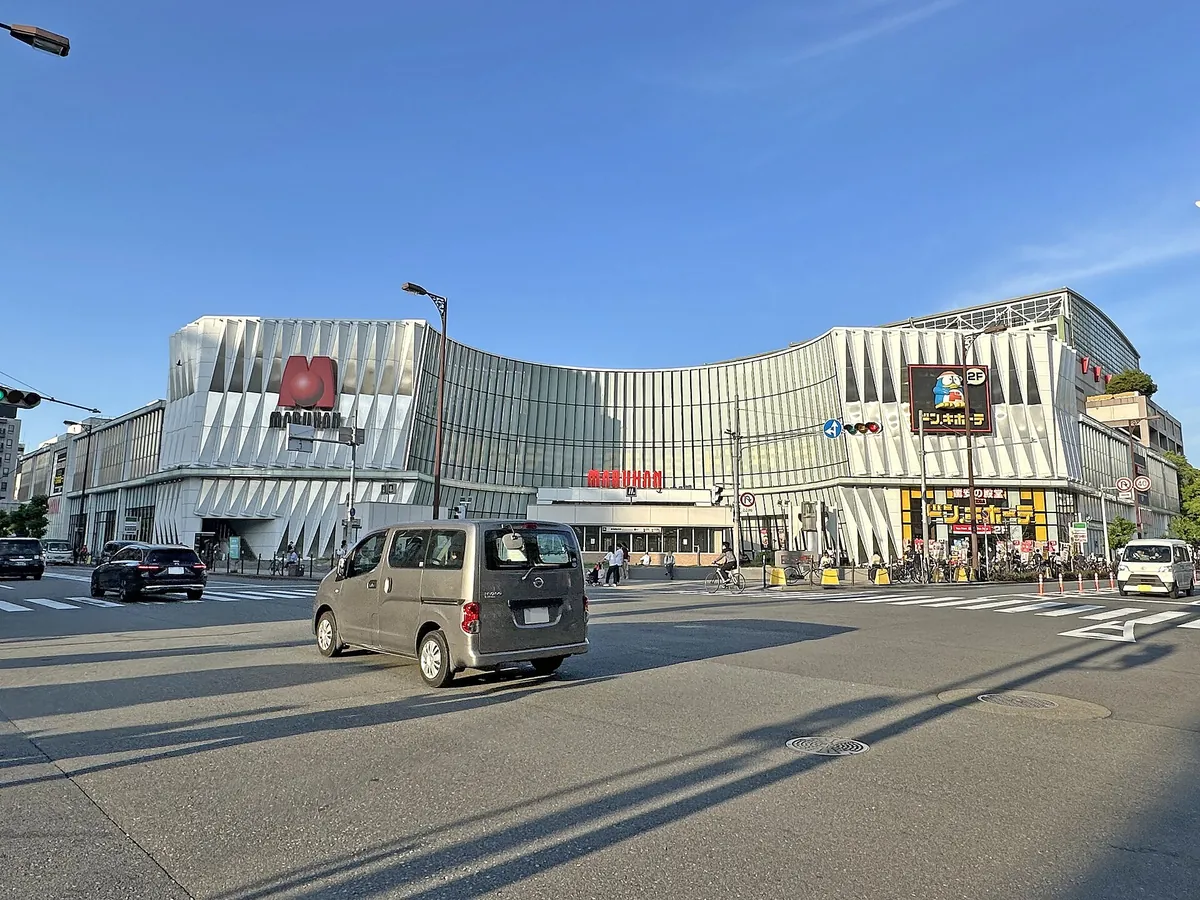
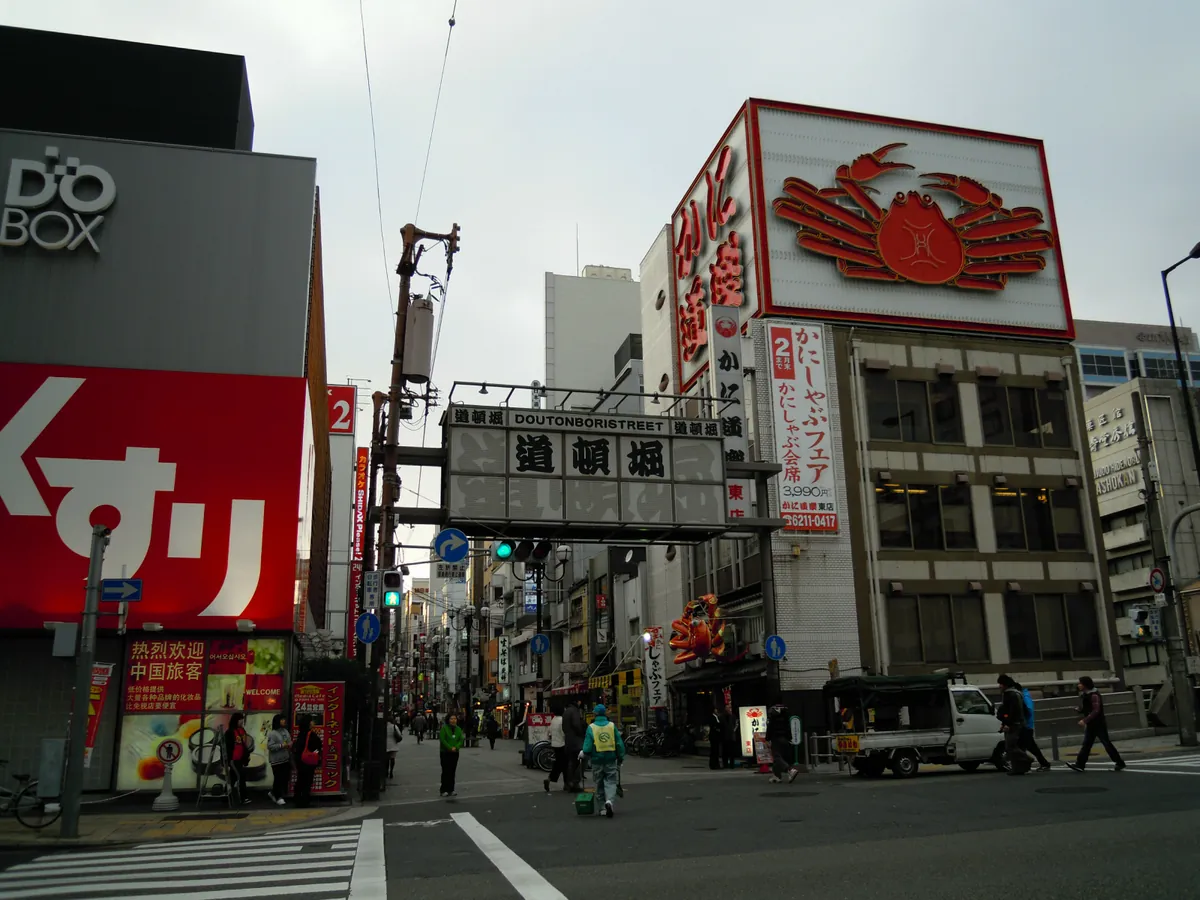
Dotonbori is where nearly every visitor eats first, and that is fine. The trick is to pick counters with a long record: Mizuno has spent over 70 years at its site, Imai dates from 1946 and Jiyuken from 1910.
Between meals, walk Hozenji Yokocho. Osaka’s tourism site describes two alleyways about 80 meters long and 3 meters wide, lined with kappo restaurants, bars, okonomiyaki and kushikatsu. The lanes grew from stalls around Hozenji temple.
Look for the moss-covered statue that visitors splash with water. The alleys are about 5 minutes from the Namba stations, and each shop sets its own hours.
Mizuno: okonomiyaki on Dotonbori
The dish to order is the Yamaimo-yaki. Mizuno’s English menu lists it at ¥1,780 and describes it as made with 100% yam; the house Mizuno-yaki is ¥1,580.
One detail trips people up. The English page still says Mizuno closes on Thursdays, but its Japanese site says it has been open every day since February 2026.
Who is it for? First-timers who want okonomiyaki on Dotonbori itself rather than choosing blind under the neon. Arrive at 11:00 to keep the wait short.
- Hours: roughly 11:00–22:00, last order 21:00 (check the official site; open daily since February 2026)
- Access: Namba Station (Midosuji Line), exit 15, about 5 min on foot; Nippombashi about 5 min
- Notable: Dotonbori 1-4-15; Mizuno-yaki ¥1,580, Yamaimo-yaki ¥1,780; over 70 years at the site
Dotonbori Imai: kitsune udon since 1946
Imai is the calm answer to Dotonbori. Its kitsune udon, topped with fried tofu, is ¥930 on the Honten page, and the shop has been open since 1946.
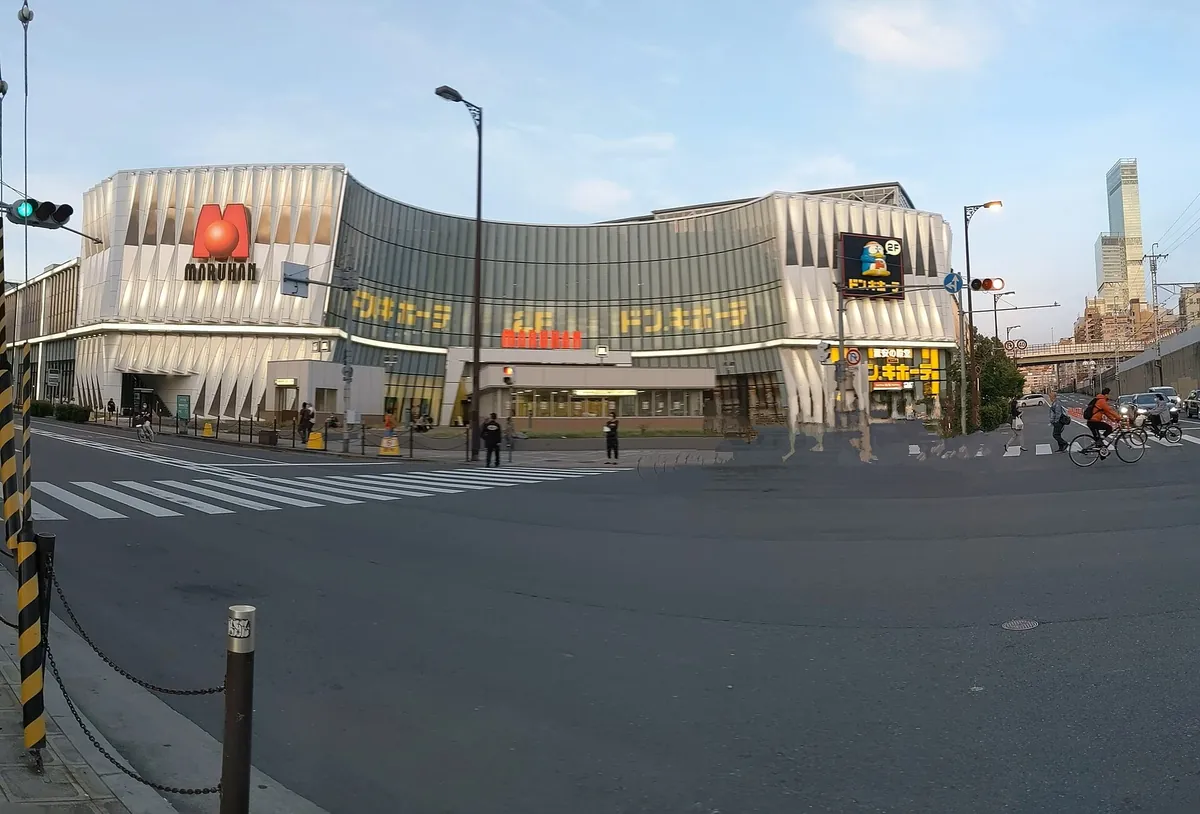
The broth is the reason to come. Imai’s kitsune udon page says it uses Hokkaido kombu with mackerel and urume flakes from Kyushu. Oyakodon is ¥1,500, and the nabeyaki hot pot is ¥1,850 until 19:30.
It also takes cash, e-money and cards, which makes it the easy pick for card-only travellers. The catch is the closing days: Wednesdays (open if a holiday) and the fourth Tuesday, except in December.
- Hours: roughly 11:30–21:30, last order 21:00, hot pots until 19:30 (check the official site; closed Wednesdays and the fourth Tuesday)
- Access: Namba Station, about 5 min on foot (Dotonbori 1-7-22)
- Notable: founded 1946; kitsune udon ¥930, nabeyaki ¥1,850; cash, e-money and cards; bookings by phone
Jiyuken: Osaka curry since 1910
Jiyuken has been cooking since 1910, according to its history page. The menu lists the Meibutsu curry at ¥990, omurice at ¥960 and katsu curry at ¥1,050.
Go early. The Namba Honten closes at 20:00 with last orders at 19:45, so it works far better as lunch than as dinner. It has 38 seats and sits opposite Bic Camera.
Jiyuken’s Tempozan branch closed on 27 September 2026, so older guides that send you there are out of date. Only the Namba Honten is covered here.
- Hours: roughly 11:00–20:00, last order 19:45 (check the official site; closed Mondays, or the next day after a holiday Monday)
- Access: Namba Station, exit 11, about 2 min on foot
- Notable: Namba 3-1-34, opposite Bic Camera; 38 seats; Meibutsu curry ¥990, omurice ¥960
Shinsekai: Kushikatsu Since 1929
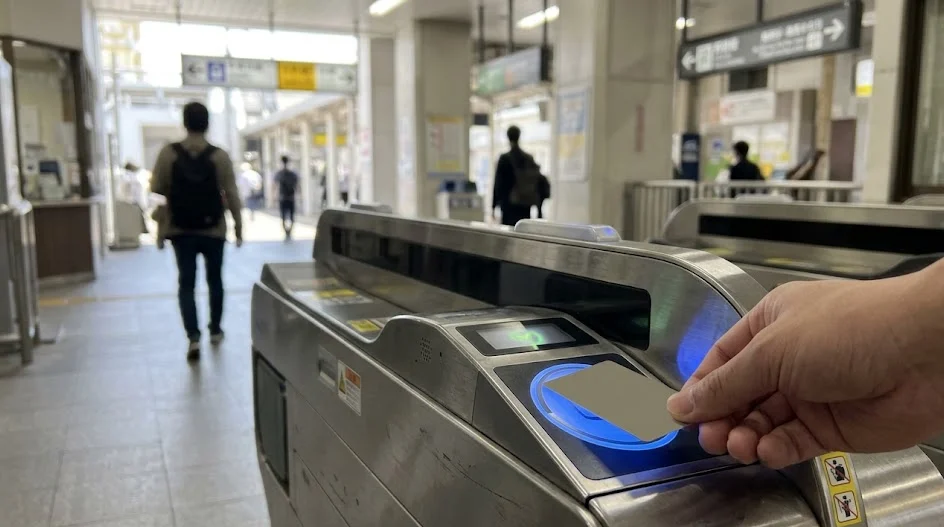
Shinsekai’s story starts with an exposition in 1903, per Osaka’s tourism site. Today the draw is kushikatsu, and Janjan Yokocho packs about 50 shops, including kushikatsu and doteyaki counters.
Daruma is the name most visitors know, and it has two Shinsekai counters that suit different people. The original suits solo travellers and couples with cash; the Janjan branch suits groups, families and card users.
Which one is yours?
Daruma Sohonten: the 12-seat original
Momono Yoshie opened Daruma in 1929, according to its history page. The Shinsekai Sohonten keeps a single counter of 12 seats, takes cash only and asks for at least one drink per person.
That makes it a short, focused stop rather than a long dinner. Skewer prices are on the shop’s menu, not in this guide, so bring more cash than you expect and order a few skewers at a time.
It opens at 11:00 on weekdays and 10:30 on weekends and holidays, all year round. A mid-afternoon visit, between the lunch and dinner rush hours, is the gentle way in.
- Hours: roughly 11:00–22:30 weekdays, 10:30–22:30 weekends and holidays (check the official site; open all year)
- Access: Ebisucho or Dobutsuen-mae Station (per Osaka’s tourism site); JR Shin-Imamiya is also nearby (Ebisu-higashi 2-3-9)
- Notable: founded 1929; 12 counter seats; cash only; one drink per person minimum
Janjan Yokocho: Daruma’s bigger branch
Daruma’s Janjan branch has 49 seats: 13 at the counter and 36 at tables. It takes cash, cards, e-money and QR payments, and keeps the same hours as the original, all year.
It takes bookings for groups of two or more, one of two places in this guide that do (Dotonbori Imai takes them by phone). Bookings are not taken at New Year, Golden Week, Obon or other peak periods.
Travelling as a family? Book this one.
The same sauce rule and the one-drink minimum apply here. Afterwards, walk the rest of Janjan Yokocho for doteyaki or another round at a different counter.
- Hours: roughly 11:00–22:30 weekdays, 10:30–22:30 weekends and holidays (check the official site; open all year)
- Access: Dobutsuen-mae Station, about 3 min on foot to Shinsekai; Ebisucho Station is next to the area
- Notable: Ebisu-higashi 3-4-4; 49 seats (13 counter, 36 table); cards, e-money and QR; bookings for 2+
Where we would book this
Booking.com
Largest inventory in Japan for English-speaking travellers
- Best for
- Hotels, business hotels, ryokan and apartments in every city
- Checked
- September 2026
Official site. Same price for you.
3 Osaka Markets: Kuromon, Kizu, Tsuruhashi
Is Kuromon a tourist trap now? It is a market that has leaned into eating on the spot. Its own site encourages “Tabe Aruki”, eating as you stroll, and Osaka’s tourism site lists an eat-in corner.
If you want the wholesale side instead, go to Kizu in the morning. For yakiniku and Korean food, Tsuruhashi is the one.
Three markets, three different moods.
Kuromon Market: 580 m of eat-as-you-go
Kuromon runs about 580 meters with about 150 stores, and its origins go back to 1822–23, per Osaka’s tourism site. It sits right outside Nippombashi Station on the Sennichimae Line, which is why it fits a Namba day.
The eat-in corner serves sushi, seafood bowls and tempura bowls. Hours vary by stall, so treat Kuromon as a snack stop between bigger meals rather than the main event.
- Hours: vary by shop (check the official site)
- Access: Nippombashi Station (Sennichimae Line), right outside the station
- Notable: about 150 stores over about 580 m; origins around 1822–23; eat-in corner
Kizu Market: breakfast before 11:00
Osaka Kizu Wholesale Market is open to the public. Shops start around 6:00 and most close by about 11:00, and the market itself suggests 8:30 to 10:30 as the time to come.
Its restaurant page lists Kizu Uoichi Shokudo for seafood bowls from 6:00 until sold out. Tenhana (6:00–13:00), Kanae Sushi (4:30–13:00), Maruyoshi (5:00–13:00) and Kawakami for eel (5:00–13:00) are there too.
No prices are listed, so budget loosely. On the second and last Saturday of each month, a morning market runs from 9:00 to 12:00.
Kizu closes on Sundays, holidays and some Wednesdays. Check the calendar on the market’s official site before you set an early alarm.
- Hours: shops from about 6:00, most close by about 11:00 (check the official site; closed Sundays, holidays and some Wednesdays)
- Access: Daikokucho Station, exit 1, about 3 min on foot
- Notable: open to the public; suggested time 8:30–10:30; morning market 2nd and last Saturday, 9:00–12:00
Tsuruhashi: yakiniku and Korean food
Tsuruhashi is the biggest of the three: about 800 stores across six markets in three wards, per Osaka’s tourism site. Yakiniku, Korean food, dried goods and fish fill the lanes, which date from after the war.
It is easy to reach because Tsuruhashi Station serves the JR Loop Line, Kintetsu and the Sennichimae Line. Go if you have more than one day, or if you want yakiniku for dinner.
- Hours: vary by shop (check the official site)
- Access: Tsuruhashi Station (JR Loop Line, Kintetsu, Osaka Metro Sennichimae Line)
- Notable: about 800 stores across 6 markets in 3 wards; postwar origins
Umeda and Tenma: 2.6 km of Arcade Eating
North Osaka eats differently. Instead of one strip, Tenma has a long shopping arcade with side streets of small restaurants, and Umeda adds a retro basement street and a department store food floor.
This is the cluster for evenings, and for rain.
Tenjinbashisuji and Ura-Tenma
Tenjinbashisuji Shopping Street runs about 2.6 km with about 800 stores, and Osaka’s tourism site puts the full walk at about 40 minutes. Croquettes, tofu and a tea shop open since 1868 are among the stops it names.
For dinner, step off the arcade into Ura-Tenma, the restaurant side streets around Tenjinbashi 1 to 7-chome. Hours vary by shop, which makes this the flexible end of the day.
You do not need to walk the whole 2.6 km. Start at one station, eat your way to the next and ride back.
- Hours: vary by shop (check the official site)
- Access: Ogimachi, Tenjinbashisuji 6-chome or Minamimorimachi Station, or JR Tenma Station
- Notable: about 2.6 km and about 800 stores; about 40 min end to end on foot
Kiji: okonomiyaki in Takimi Koji
Takimi Koji is a recreated early-Showa street in the basement of the Umeda Sky Building, about 9 minutes on foot from JR Osaka and Umeda. Okonomiyaki Kiji has a shop there.
Osaka’s tourism site lists pork-and-egg okonomiyaki from ¥980 at Kiji’s Shin-Umeda shop and notes a long queue there. The Sky Building’s dining listing on SAVOR JAPAN gives the Takimi Koji shop’s hours as 11:30 to 21:00, closed on Thursdays.
It suits anyone already visiting the Sky Building. Pair the two and you save a separate trip.
- Hours: roughly 11:30–21:00 (check the official site; closed Thursdays)
- Access: JR Osaka or Umeda Station, about 9 min on foot to the Umeda Sky Building, basement floor
- Notable: pork-and-egg okonomiyaki from ¥980 at the Shin-Umeda shop (osaka-info); no Takimi Koji prices listed
Hanshin Umeda: a rainy-day food floor
The Hanshin Umeda department store is about 2 minutes from JR Osaka and opens roughly 10:00 to 20:00. Hours vary and closures are irregular, so check before you go.
Raining? Come here.
Buy a few things on the food floor and eat them back at your hotel. One more Osaka staple to look for is 551 Horai’s pork buns: its menu lists two for ¥500, four for ¥1,000 and six for ¥1,500.
This guide did not check which counters sell those buns, so look up locations on 551 Horai’s own site before you plan around them.
- Hours: roughly 10:00–20:00, varies (check the official site; irregular closures)
- Access: JR Osaka Station, about 2 min on foot
- Notable: department store food floor; closing days set by the store
Where Osaka Food Trips Go Wrong, and Fixes
Most of what goes wrong on an Osaka food day is predictable. It comes down to where you eat, when you turn up and how you pay.
What most first-timers do
- Eat every meal on the Dotonbori strip
- Reach Kizu Market after lunch
- Assume every counter takes cards
- Plan Jiyuken for a Monday
- Dip a bitten skewer back into the sauce
What actually works
- Spread meals over Namba, Shinsekai and Tenma
- Reach Kizu between 8:30 and 10:30
- Carry cash for Daruma’s original counter
- Check each closing day before you go
- Scoop extra sauce with the free cabbage
The Monday problem catches more plans than any other. Jiyuken closes on Mondays, so make Monday a Mizuno lunch day. Wednesday rules out Imai, Thursday rules out Kiji, and Sunday rules out Kizu.
Here is the full closing-day planner, built from the pages cited above:
- Mizuno: open daily since February 2026, 11:00–22:00
- Dotonbori Imai: closed Wednesdays and the fourth Tuesday
- Jiyuken Namba: closed Mondays (Tuesday after a holiday Monday)
- Daruma (both Shinsekai counters): open all year
- Kizu Market: closed Sundays, holidays and some Wednesdays
- Kiji at Takimi Koji: closed Thursdays, 11:30–21:00
- Kuromon, Tsuruhashi, Tenjinbashisuji, Hozenji: varies by shop
Tuesday, Friday and Saturday clear every fixed closing day on this list, barring public holidays (Kizu closes on them) and the Tuesday after a holiday Monday, when Jiyuken closes. Saturday also brings the cheaper weekend day pass, and on the second and last Saturdays, Kizu’s morning market.
That is the whole trick.
One Osaka Food Day in 5 Stops
This route strings the clusters into one day. Prices are menu prices where the shop lists them; the rest are left open because there is no official price to quote.
Step 1: About 8:30: breakfast at Kizu Market
Ride to Daikokucho; exit 1 is about 3 minutes from the market. Order a seafood bowl at Kizu Uoichi Shokudo. Prices are not listed, so carry cash with some margin.
Step 2: 11:00: Jiyuken or Mizuno in Namba
Jiyuken’s Meibutsu curry is ¥990 (closed Mondays); Mizuno’s okonomiyaki runs ¥1,580–1,780. Both open at 11:00. Walk Hozenji Yokocho afterwards, about 5 minutes from the Namba stations.
Step 3: Early afternoon: a Kuromon snack
Kuromon is right outside Nippombashi Station, and Mizuno lists Nippombashi as about 5 minutes away. Snack prices vary by stall.
Step 4: About 15:00: kushikatsu in Shinsekai
Ride to Ebisucho or Dobutsuen-mae. Mid-afternoon sits between lunch and dinner at Daruma. Bring cash for the original, or use a card at the Janjan branch.
Step 5: Evening: Tenma, or Imai before 21:00
Head north to Tenjinbashisuji and Ura-Tenma for a flexible dinner, or stay south for Imai’s ¥930 kitsune udon. Imai’s last order is at 21:00.
What does the day cost? The priced stops, Jiyuken or Mizuno and then Imai, add up to roughly ¥1,920–2,710 as an estimate. Kizu, Kuromon and Daruma come on top, with no official prices to quote.
Transport costs less than it looks. Four or five Metro rides at ¥190–240 come to roughly ¥760–1,200 (estimate), against the Enjoy Eco Card at ¥820 on weekdays or ¥620 on weekends.
On weekdays, the ¥820 pass pays off from about five short (¥190) rides or four longer (¥240) ones. At weekends, the ¥620 pass pays off from four short (¥190) rides or three longer (¥240) ones.
Staying longer than a day? Our 3 days in Osaka itinerary spreads these neighbourhoods over a longer trip, with the main sights in between.
Osaka Fares: ICOCA, Day Pass or JR Pass
Getting between Namba, Shinsekai, the markets and Tenma means several short rides a day. The right ticket depends on how many rides you take and whether JR is part of the mix.
ICOCA or a contactless card
ICOCA, the IC card from JR West, works on trains, buses and in shops across Japan. Tap it at the gate and the fare comes off.
Osaka Metro also takes contactless cards at the gates: Visa, Mastercard, JCB, American Express, Diners, Discover and UnionPay. It charges the adult fare, including for children, so families should look at other tickets.
Not sure which IC card to get? Our IC card guide compares them.
Does the Enjoy Eco Card pay off?
The Enjoy Eco Card covers Osaka Metro and City Bus on the day you use it. It costs ¥820 on weekdays, ¥620 on weekends and ¥310 for a child.
With Metro fares running ¥190–390, the break-even depends on how far you ride. Four rides at ¥240 cost ¥960, more than either adult price, but four ¥190 rides (¥760) fall short of the weekday ¥820.
Buy it on the morning you plan to hop around.
Where a JR or Kansai pass fits
Most of this food day runs on Osaka Metro, which is not part of JR. A few stops sit near JR stations (Shin-Imamiya for Shinsekai, Tenma and Tsuruhashi), but those alone are a thin reason to buy a pass.
Whether a Japan Rail Pass pays off depends on your whole route, so add up the individual fares first. Our JR Pass and Osaka subway guide walks through the math.
JR West’s Kansai Area Pass stopped selling on 30 September 2026, so check JR West’s site for current passes before you plan day trips around one.
For maps on the move, set up data before you land; Airalo and Ubigi both sell Japan eSIMs. Then pin every stop in this guide the night before.
FAQ
QIs one day enough for Osaka local food?
One full day covers the five-stop route above if it falls on a Tuesday, Friday or Saturday that is not a public holiday. A second day lets you add Tsuruhashi and a slower evening in Ura-Tenma.
QWhich spots take reservations?
Of the places in this guide, Daruma’s Janjan branch takes bookings for two or more people, though not at New Year, Golden Week, Obon or other peak periods. Dotonbori Imai takes bookings by phone. For the rest, arrive close to opening time.
QDo I need cash for Osaka street food?
For some places, yes. Daruma’s Shinsekai original is cash only, while its Janjan branch and Dotonbori Imai take cards and e-money. In the markets, payment varies stall by stall.
QIs Kuromon Market worth it?
As a snack stop on a Namba day, yes, since it sits right outside Nippombashi Station. For a working wholesale market, go to Kizu in the morning instead.
QCan I eat at Kizu Market on a Sunday?
No. Kizu closes on Sundays, holidays and some Wednesdays, and most shops shut by about 11:00 on open days. Go on a weekday or a Saturday morning.
QIs an Osaka food tour worth booking?
Klook and GetYourGuide list Osaka activities, but this guide has not checked a food tour, so none is named here. The route above lets you cover the four clusters on your own.
Choosing where to eat in a city this fond of food can feel like homework before the trip has even started.
Rather than reading one more list, fix your day of the week and your base tonight, and let the rest of the menu sort itself out on the street.
Keep planning
- ① Install and test your eSIM before take-offAiralo and Ubigi eSIMs activate on arrival, but the install itself needs Wi-Fi. Do it at home and confirm the profile shows up in your phone settings.
- ② Save your first hotel’s address in JapaneseTaxi drivers and station staff read Japanese addresses far faster than romanised ones. Copy it from the booking confirmation into your notes app.
- ③ Set aside cash for day oneMany small restaurants, temples and rural buses are still cash-only. Airport ATMs at 7-Eleven and the post office accept most foreign cards.
Skip these and your first hour in Japan goes on finding Wi-Fi at the station instead of getting to your hotel.
🔍 How to sanity-check any price you read online
Blogs (including this one) go out of date. The official page always wins over a screenshot from two years ago.