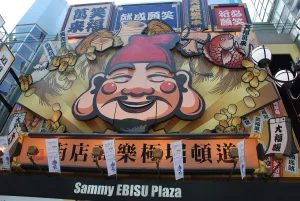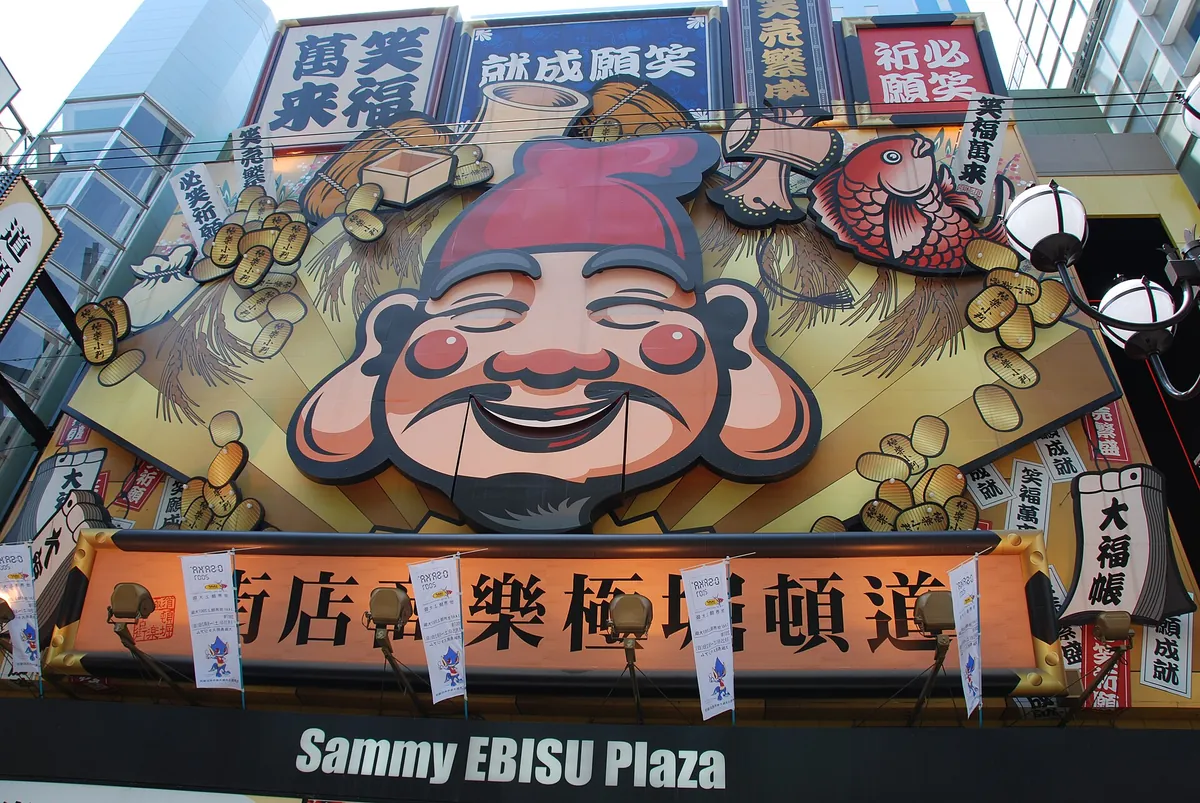

Three days in Osaka is the ideal window to experience the city without falling into the exhaustion trap that claims most first-time visitors.
If you are also trying to squeeze in Kyoto or Tokyo on the same day, close this page and look for a multi-city transit guide instead.
- Time needed
- 3 full days
- Typical cost
- ¥50,000 per person
- Base
- Namba or Umeda
- Booking
- Hotels in advance
- Best season
- Autumn or spring
Some links are affiliate links (marked “Partner link”). Prices are ranges checked in 2026; confirm on the official site before you book.
The logic of a 3-day Osaka flow
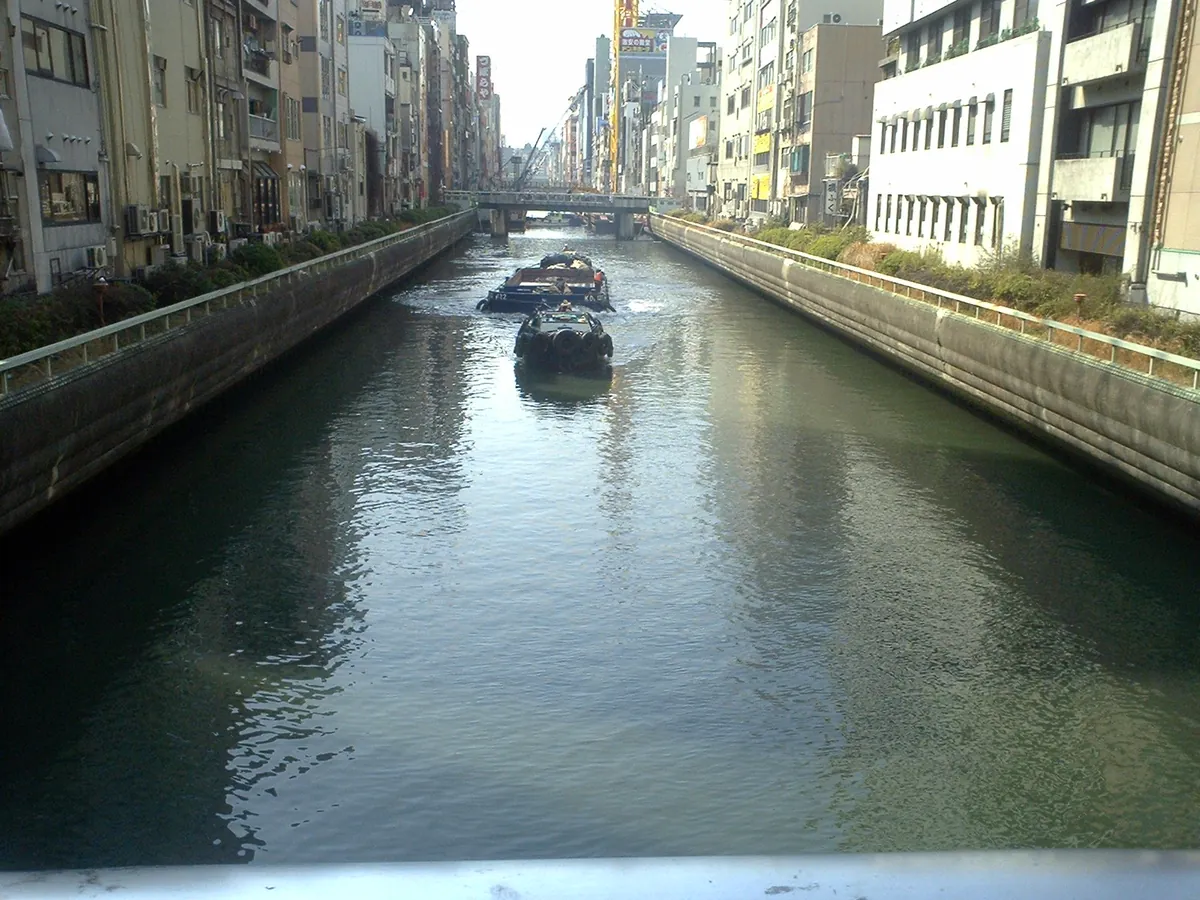
Most visitors attempt to cover every single district in Osaka, resulting in spending more time on the subway than actually eating or walking. By splitting your time into distinct geographical zones, you eliminate unnecessary train transfers.
We treat the Midosuji subway line as the backbone of this trip. If you stay anywhere along this line, you have a direct connection to both the northern commercial hub and the southern entertainment district.
Arrival at Osaka Station
Check into your base near Umeda to drop your bags off.
Day 1: South exploration
Focus on Dotonbori and the surrounding backstreets of Namba.
Day 2: Bay area and towers
Take the Chuo Line west for aquarium views and retro towers.
Day 3: Northern culture
Explore the long shopping arcades of Tenjinbashisuji.
Essential bookings for your 2026 trip
Planning requires only a few critical reservations to keep your schedule flexible. Do not over-book your days, as the best parts of Osaka are found in the spontaneous gaps between your planned stops.
Day 1: Retro dining and the heart of the Minami district
Start your trip in the south, known as Minami. This area is where Osaka’s culinary reputation lives, though you must step off the main tourist streets to find the real quality.
Morning: Morning coffee and the morning market
Skip the tourist-heavy Kuromon Market for your main breakfast. Instead, find a small “kissaten” (traditional coffee shop) in the backstreets of Namba to enjoy a thick slice of buttered toast.
Afternoon: Walking the backstreets of Ura-Namba
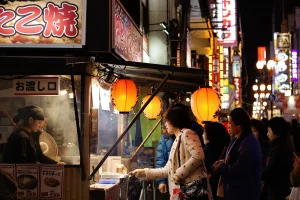
Spend your afternoon walking the narrow alleys of Ura-Namba. This is where locals go for standing bars and grilled meat skewers, which are far superior to the overpriced stalls in Dotonbori.
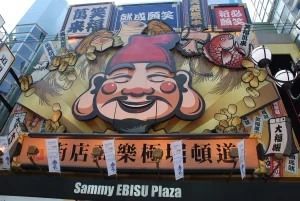
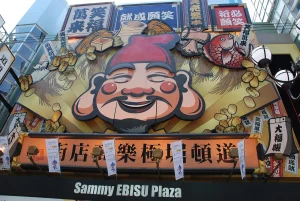
Evening: Dotonbori at night
Head to the riverfront just as the neon signs flicker on. It is crowded, so just enjoy the spectacle for 30 minutes, then retreat back to the quieter bars of Hozenji Yokocho.
Day 2: Osaka Bay, retro towers, and local neighborhoods
The western side of the city offers a different vibe, focusing on industrial history and views. It is a longer commute, but the transit is efficient if you stick to the Chuo subway line.
Morning: The aquarium and the Ferris wheel
The Osaka Aquarium is massive. If you are sensitive to crowds, book the first entry of the day on Klook to beat the school groups and tour buses that arrive later.
Afternoon: Shinsekai and the Tsutenkaku Tower
Shinsekai is a neighborhood frozen in time. Eat “kushikatsu” (deep-fried skewers) at a local shop where the sauce is communal, and the atmosphere feels like a scene from a 1970s film.
Evening: Sunset at the park
End the day walking around the grounds of Osaka Castle. We skip the interior of the castle itself—it is a concrete replica—but the park at sunset provides a beautiful view of the city skyline.
Day 3: The Northern soul of Umeda and Tenjinbashisuji
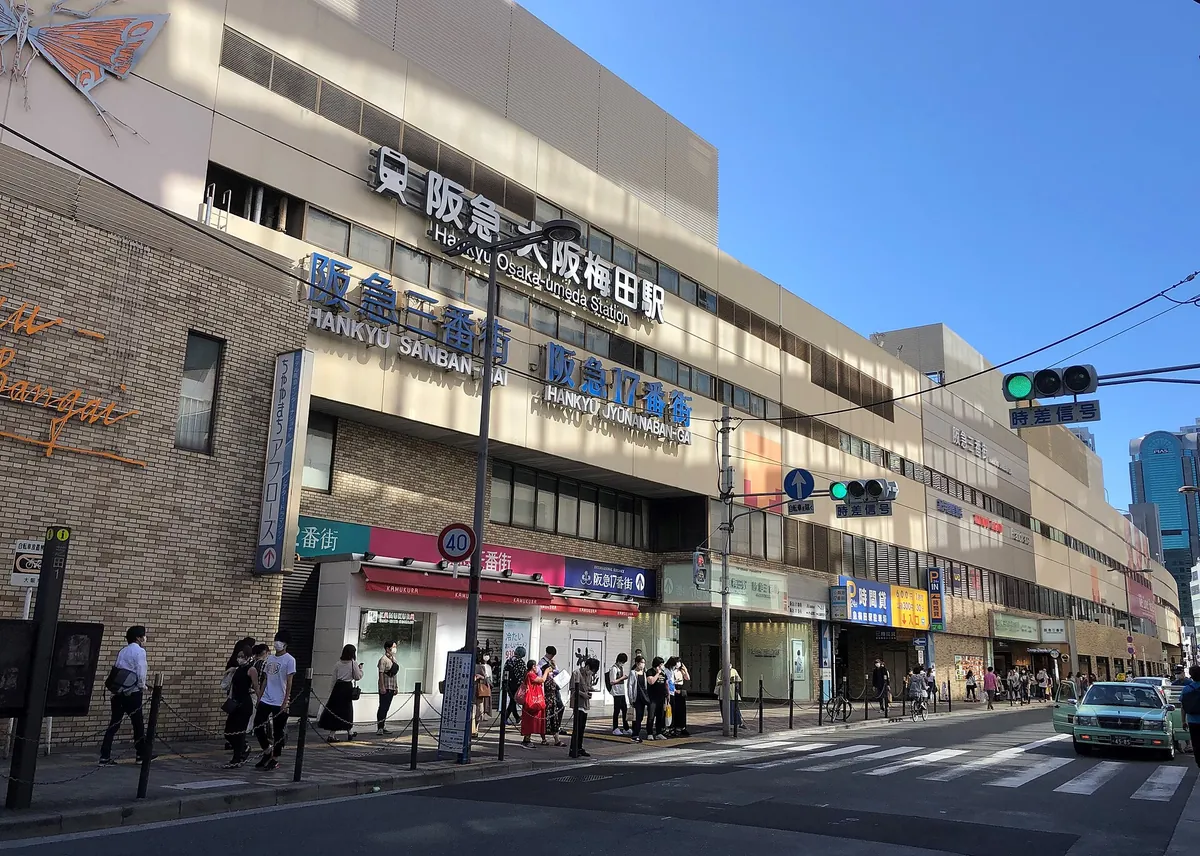
The north, or Kita, feels more corporate and refined than the south. It is where you find the city’s largest train stations and the longest covered shopping street in Japan.
Morning: Tenjinbashisuji shopping street
Walk this massive arcade, which stretches for over two kilometers. It is not a tourist trap, but a working-class artery where you can find cheap clothes, tea shops, and kitchenware.
Afternoon: Exploring the Umeda underground
The maze of underground malls in Umeda is legendary for causing navigation errors. Don’t worry if you get lost; the shops are interesting and the signage is usually clear enough to guide you back.
Evening: A final dinner in the sky
Finish your trip at the Umeda Sky Building. The view from the floating garden observatory offers a perfect look at the urban sprawl you have just spent three days navigating.
Where we would book this
Booking.com
Largest inventory in Japan for English-speaking travellers
- Best for
- Hotels, business hotels, ryokan and apartments in every city
- Checked
- September 2026
Official site. Same price for you.
Where to stay to minimize your commute
We recommend staying in either Namba or Umeda to keep your transit times under 20 minutes for almost every destination. Booking.com offers a good mix of business hotels in both areas.
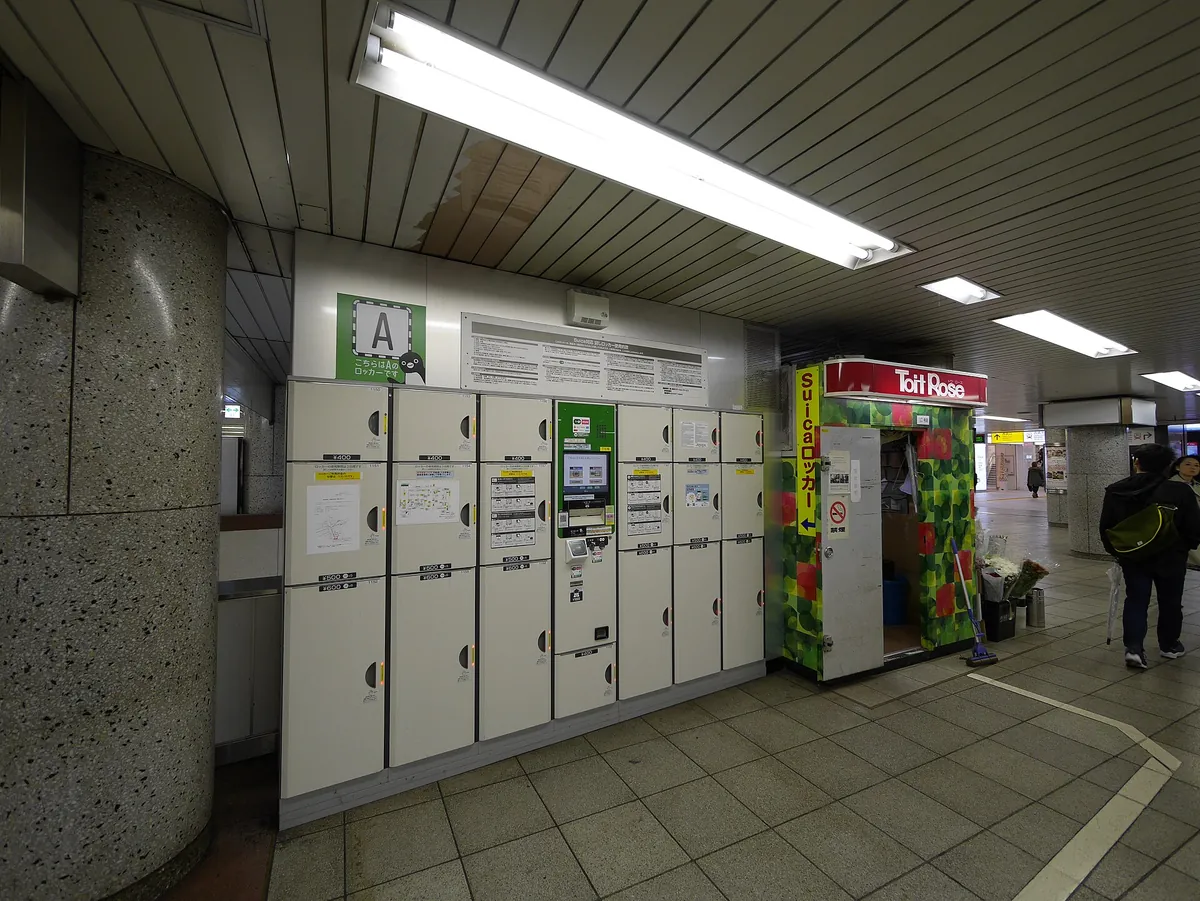
Staying in Namba
Namba is better if you want nightlife and proximity to the best street food. You can find many efficient business hotels on Agoda that are perfect for a couple or a solo traveler.
Staying in Umeda
Umeda is ideal if you are taking day trips to Kyoto or Kobe, as it has the major train terminals. Look for high-rise hotel options here that provide excellent views of the city.
Partner link.
A realistic estimate of your 3-day costs
Your expenses in Osaka are largely driven by your appetite for dining. The following estimates are for a mid-range trip where you eat well but avoid luxury splurges.
| Category | Budget (yen) |
|---|---|
| Accommodation | 30,000–45,000 |
| Food/Drink | 15,000–25,000 |
| Transport/Activities | 7,000–12,000 |
Plan your trip: the tools we use
If you have a JR Pass, check if it covers your specific transit needs, but for a 3-day Osaka-only trip, it is rarely cost-effective. A simple IC card is almost always the better choice.
Tips that help you avoid common mistakes
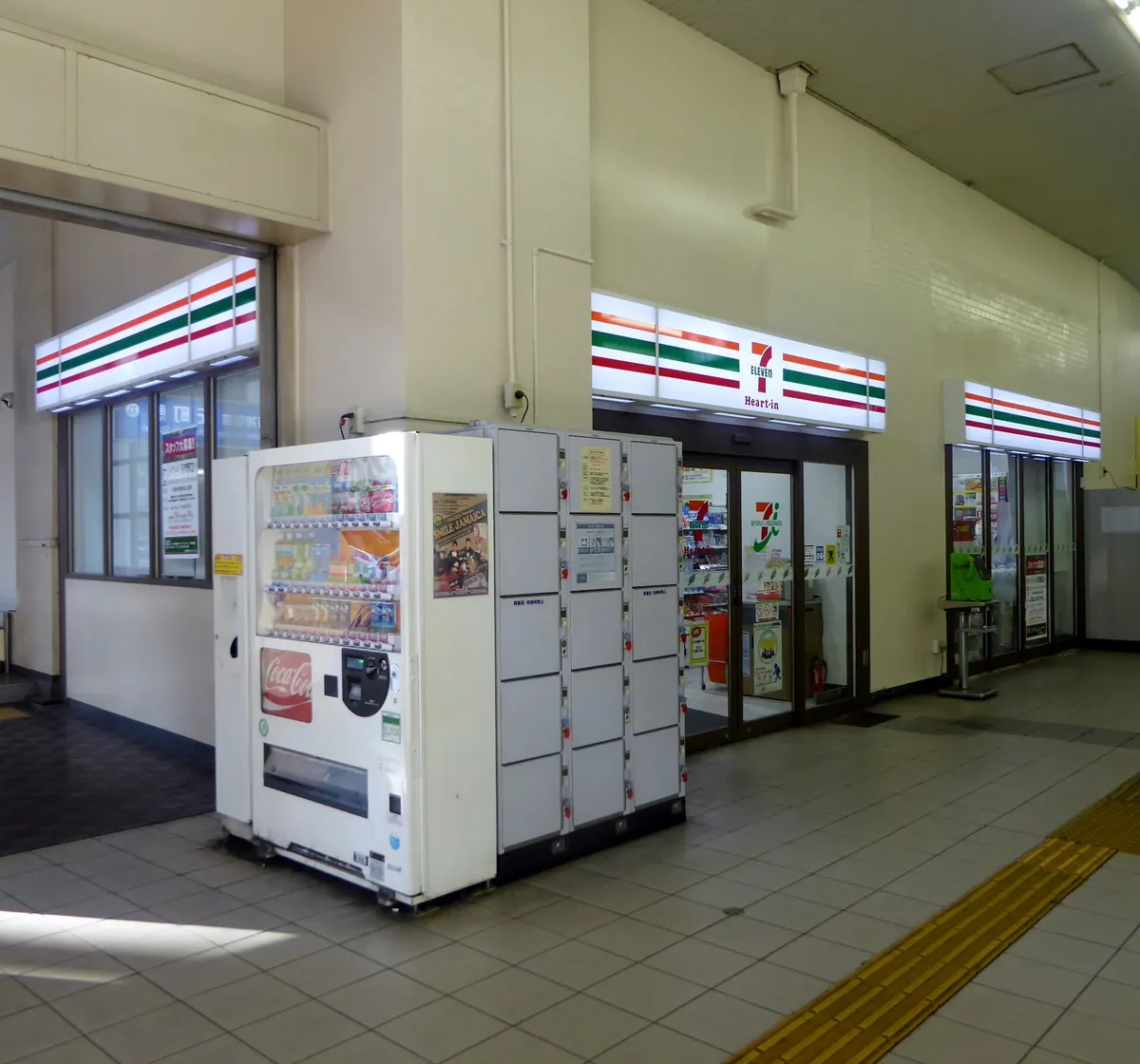
One mistake we made on an early trip was trying to lug large suitcases into the subway during rush hour. Use the Yamato luggage forwarding service to send your bags between cities instead.
If you have extra time, do not feel pressured to go to Nara. It is a great city, but forcing it into a 3-day Osaka trip turns your vacation into a race.
Also, make sure you have an eSIM from Airalo or Ubigi set up before you land. Navigating the subway stations is significantly less stressful when you can check your route in real-time.
Navigating Osaka when the rain rolls in
Osaka’s weather is famously unpredictable, and a rainy day can easily derail your carefully planned outdoor walks. If you find yourself facing a downpour, do not retreat to your hotel room; the city is built to handle moisture through an extensive network of subterranean shopping malls and covered arcades.
Underground navigation is your primary defense against the elements. The malls connecting Namba station to Shinsaibashi are climate-controlled and packed with independent boutiques, bakeries, and underground food halls that make the lack of sunshine irrelevant.
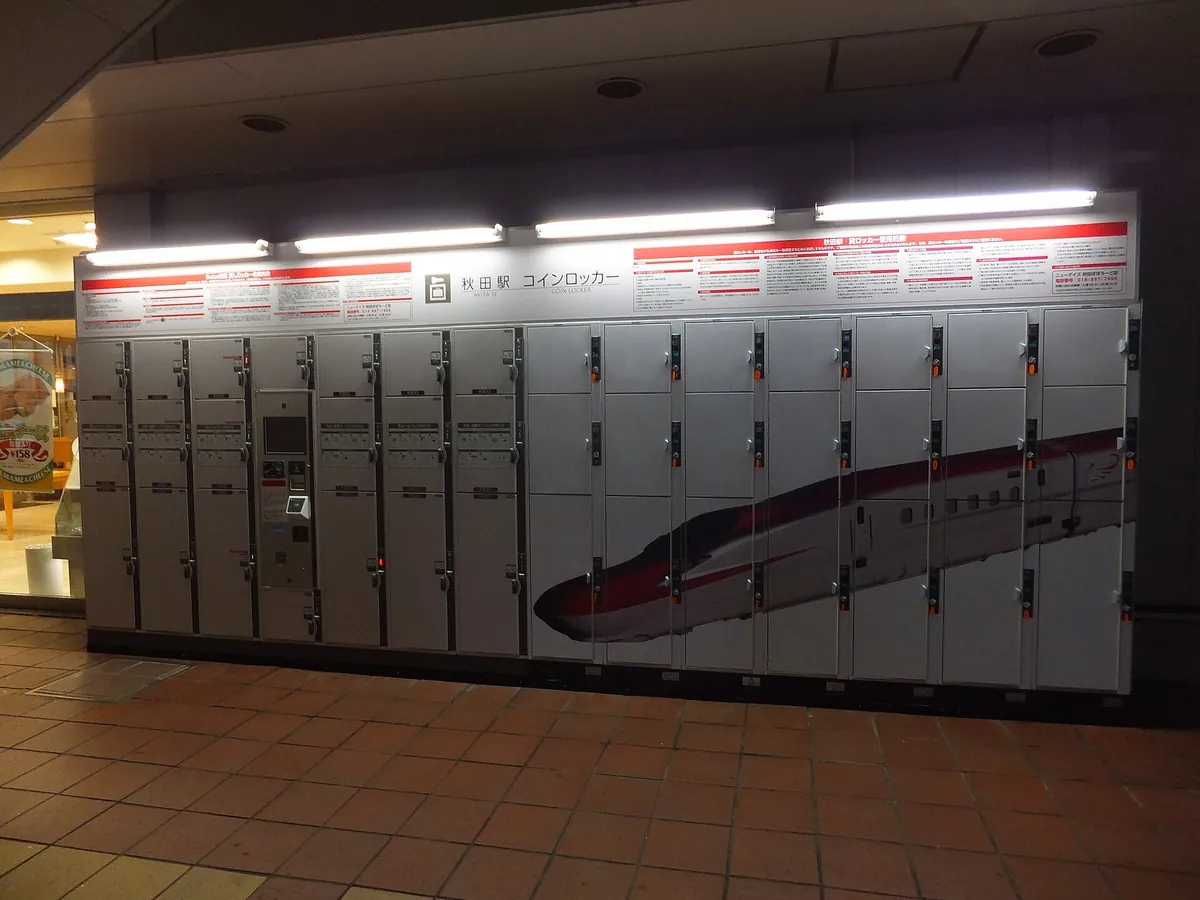
When the sky turns grey, prioritize these indoor-centric shifts to your schedule:
- Namba Walk and Crysta Nagahori: These subterranean complexes offer a seamless way to traverse from Namba to Shinsaibashi without ever needing an umbrella.
- Department store basements: Known as “depachika,” these levels in high-end stores like Daimaru or Hanshin (in Umeda) are world-class food markets where you can sample high-end bento, wagashi, and tea.
- The Retro Arcades: Head toward the covered shotengai like Tenjinbashisuji or the Sinsaibashi-suji; because these are completely roofed, you can walk for kilometers while staying perfectly dry.
If you have a booked activity like the aquarium, keep it on the schedule as it is entirely indoors. For the Umeda Sky Building, however, check the visibility before you head up.
If the clouds are sitting low, the observatory will provide nothing but a view of white mist, so consider swapping that for a visit to a “manga kissa” or an arcade in Den Den Town instead.
For those who enjoy a slower pace during storms, look into a traditional sento (public bath) in the local neighborhoods. Sitting in a steaming tub while listening to the rain on the roof is a classic local way to wait out a storm.
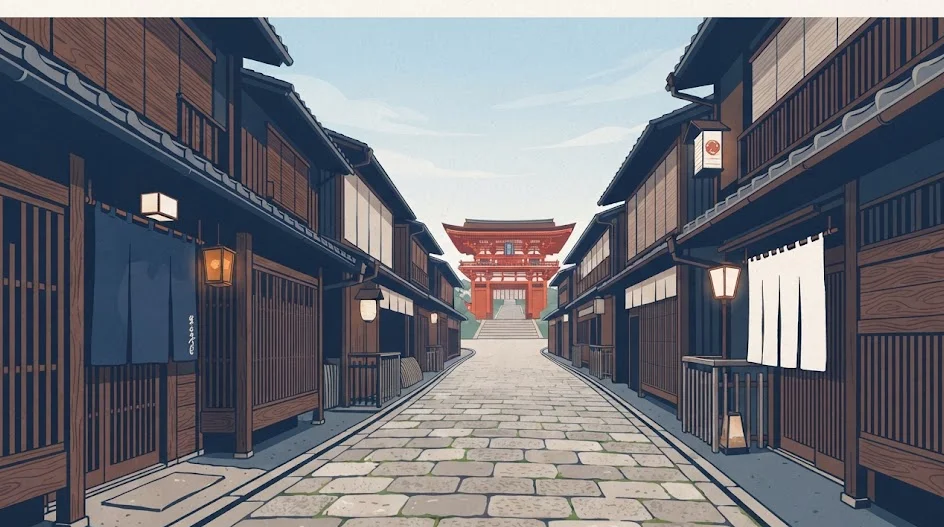
Prices generally range from 500 to 1,200 yen, and you can usually purchase a towel on-site. Check the official site for individual sento operating hours as they often rotate their days off.
Finally, keep your footwear in mind. If you are traveling during the rainy season, you will want shoes that can handle wet pavement or puddles.
Most convenience stores like FamilyMart or 7-Eleven sell cheap, sturdy clear umbrellas for about 600 to 1,000 yen if you find yourself unprepared. Do not worry about carrying them back home; you can donate them to your hotel’s lobby “loaner” bin when you leave.
Strategic luggage management for the transient traveler
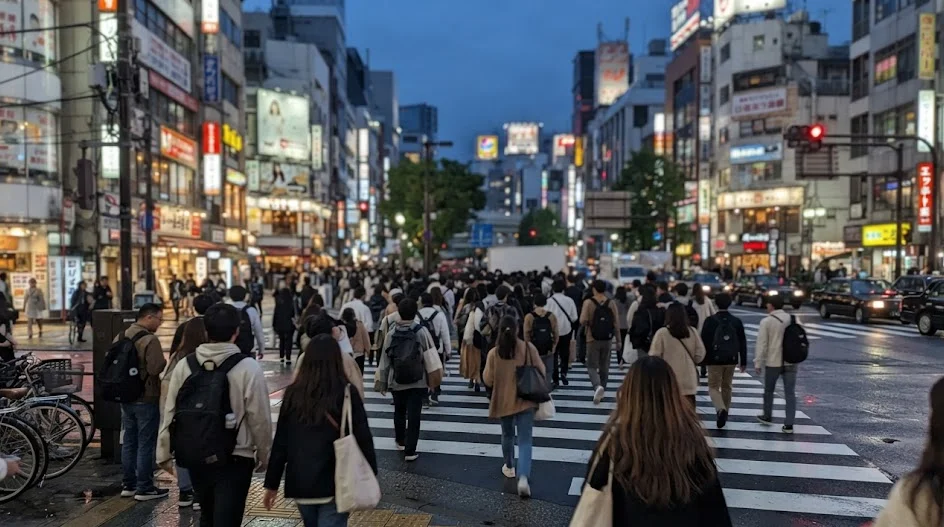
Dragging a full-sized suitcase through Osaka’s subway stations during peak hours is the fastest way to ruin a morning. The stations here are multi-level labyrinths with frequent staircases and crowded turnstiles that make large luggage a significant liability.
Luggage forwarding services, or “takkyubin,” are the standard solution for experienced travelers in Japan. Yamato Transport is the most common provider, and you can arrange for your bags to be sent from your hotel front desk to your next destination.
If you arrive in Osaka with heavy gear, use these steps to keep your mobility high:
- Use hotel storage: If you arrive before check-in or after check-out, the front desk will almost always hold your bags for the day at no extra cost.
- Station lockers: Major hubs like Umeda and Namba have massive banks of coin lockers. These cost between 500 and 900 yen per day depending on the size.
- Carry-on minimalism: Aim to travel with a backpack or a small roller bag that can fit into the standard-sized lockers (roughly 40cm x 55cm).
If you decide to forward your luggage, inform your hotel front desk one day in advance. They provide the forms and coordinate with the courier service to pick up your bags.
The cost is usually around 1,500 to 2,500 yen per suitcase, which is a small price to pay to avoid the stress of navigating a crowded subway car with luggage in tow.
When choosing your base for these three days, prioritize hotels that offer “luggage-first” policies. Many business-class hotels near Namba station have automated storage kiosks that allow you to drop your bags in seconds.
If you are staying at a smaller Airbnb or a guesthouse, confirm their storage policy on the platform where you booked, such as Booking.com or Agoda, as these locations often lack the staff to watch bags for extended periods.
By keeping your hands free, you can navigate the narrower alleys of Ura-Namba or the crowded Tenjinbashisuji markets with ease. This freedom allows you to make spur-of-the-moment turns into small cafes or temples without worrying about the footprint of your gear.
Travel light, stay flexible, and you will see twice as much of the city as the average visitor.
Evening plans for each city: where to eat and walk after 7 pm
Osaka truly wakes up after the sun sets, and failing to plan your post-7 pm time means missing the city’s best atmosphere. While many tourists flock to the neon lights of Dotonbori, the most authentic food experiences occur in neighborhood alleys that do not appear on standard tourist maps.
Dinner and nightlife strategies require a bit of local navigation, but they are well worth the effort for the food alone.
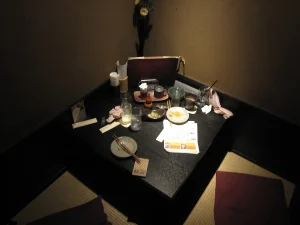
- Day 1: The Ohatsu Tenjin area. After the crowds thin in Dotonbori, head toward Ohatsu Tenjin. This district features a dense collection of small izakaya tucked into alleyways that feel worlds apart from the nearby commercial skyscrapers. Look for shops with red lanterns; they are generally more welcoming than they look.
- Day 2: The Shinsekai night buzz. As the shops in the aquarium area close, take the subway to Ebisucho for the late-night scene in Shinsekai. This is the place to eat kushikatsu until midnight. Because many local spots here are open late, it is the perfect place for a relaxed dinner without a reservation.
- Day 3: The hidden Umeda rooftops. For a final night, look for smaller, non-chain restaurants located on the 7th through 9th floors of the commercial buildings near the station. These vertical plazas contain high-quality restaurants that are often overlooked by visitors who stick to the ground-level food courts.
When choosing where to eat, follow the noise rather than the menus displayed in English. If you see a place packed with salarymen in suits, it is a sign of consistency and reasonable pricing.
Always check the official site or local listings if you have a specific specialty in mind, but aim to be spontaneous for at least one of your evening meals.
If you prefer a quieter end to your evening, take a night walk along the Tosabori River. The light reflecting off the water provides a calm contrast to the high-energy streets of Namba and Umeda. It is free, peaceful, and allows you to process the day without the pressure of a crowded restaurant environment.
What to cut first if your schedule shrinks
Travelers often find that a 3-day window suddenly collapses due to delayed trains, exhaustion, or simply falling in love with a particular neighborhood. Having a pre-defined list of what to sacrifice ensures that you do not sacrifice your entire itinerary out of frustration.
Prioritize your energy levels above your original checklist to keep your trip enjoyable rather than a chore.
The first items to drop
- The Osaka Castle interior. Many travelers regret spending time in line for the castle. Because it is a reconstruction, you can get a better sense of the scale by walking the outer moats and the park grounds during the golden hour without stepping inside the museum.
- Osaka Aquarium queues. If you realize you are tired, skip the aquarium. While it is impressive, it requires significant standing time and indoor walking. You can easily trade this for a slow morning at a cafe in Ura-Namba to regain your footing.
- The Umeda Sky Building. If visibility is low or your feet are sore, skip the trek to the observatory. You can find similar, free city vistas from the higher floors of the nearby department stores like Grand Front Osaka, which saves both money and time.
If you lose an entire day, immediately merge the Namba and Shinsekai sections. By visiting the aquarium in the early morning and heading straight to the retro streets of Shinsekai by noon, you can capture the best of the southern and western routes in a single, high-efficiency day.
Always keep your backup plan digital. Use apps like Google Maps or your notes app to keep a “Plan B” list of indoor activities.
If you find yourself cutting an outdoor walk, having a list of indoor markets or museums pre-saved means you won’t waste time scrolling through Booking.com or TripAdvisor while standing on a sidewalk.
That was the mistake. The goal of this trip is to eat and walk, not to complete a list of mandatory sites; keep the pressure low and the pace fluid.
Optimizing your mid-day transit for maximum food intake
Osaka’s geography is deceptively circular, and the most common error is backtracking across the city center during your peak hunger hours. To maintain your 3-day momentum, treat your travel as a linear progression rather than a series of round trips from your base hotel.
The Midosuji subway line is your primary artery, but you should master the Loop Line when moving between the north and the deep south. This train circles the urban core and is often faster than the subway for mid-day transitions if your hotel is near a JR station.
Strategic meal-stop planning
- Before leaving your morning area, check your route for transfers.
- Never travel more than 20 minutes without an intended food stop nearby.
- Use the proximity of stations to scout your next meal location.
When moving from Umeda to the Namba district, look for lunch spots near the smaller stations along the way, such as Hommachi or Shinsaibashi. These areas are packed with office workers who demand high-quality, fast-turnover meals.
Because of this high demand, you can find a massive variety of set meals ranging from 1,200 to 2,500 yen; check the official site of individual restaurants for lunch hours, as many close their kitchens between 2 pm and 5 pm.
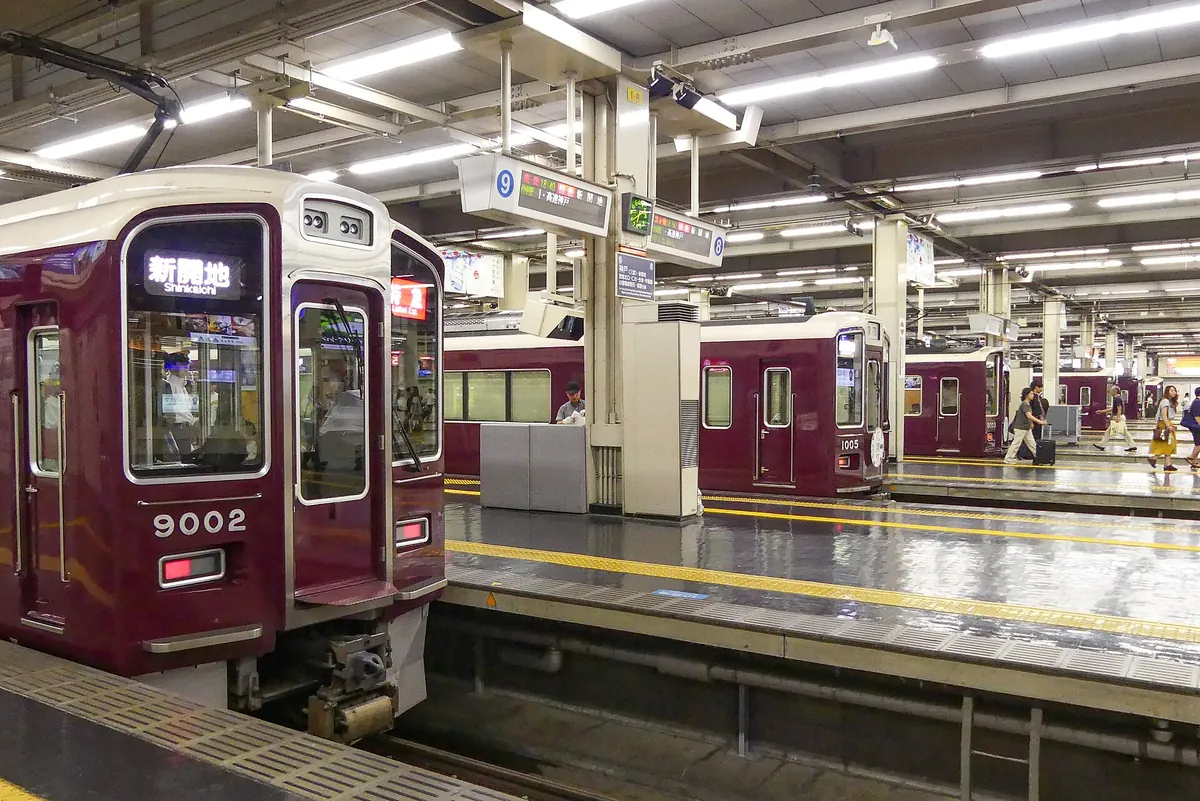
Always verify your platform numbers before the train arrives, especially at busy hubs like Osaka Station. If you are using a paper map or a smartphone, cross-reference your stop with the color-coded subway signage.
This prevents the classic mistake of catching an express train that bypasses your intended stop, which can add 30 minutes to your travel time during the afternoon rush.
Finally, consider the time-cost ratio of your transit. A taxi might seem attractive when your feet are tired, but city traffic in Osaka can be gridlocked during business hours.
Sticking to the subway is almost always the more reliable choice. If you are exhausted, use the time spent on the train to research your dinner spot using local food databases or Google Maps reviews, saving you from aimless wandering once you reach your destination.
Cultivating your own rhythm in the neighborhood arcades
The heart of an Osaka trip lies in the “shotengai” or covered shopping arcades. While many travelers view these simply as walkways, they are designed to function as the primary social and economic hubs for residents.
To truly enjoy your 3 days, you must stop viewing these as transit routes and start seeing them as your primary destination. Your goal is to embrace the local pace instead of following a strict clock.
Spend at least one full afternoon intentionally losing yourself in the side-streets branching off the main arcade paths, where the commercial noise fades into the quiet hum of family-owned businesses.
Deep-dive into the arcade culture
- Focus on shops that display goods outside, as these are often more accessible.
- Look for handwritten signs in the windows for daily menu specials.
- Try to visit during the transition from afternoon to evening to see the lighting changes.
When you encounter a shop that captures your interest, do not worry about the language barrier. Most vendors are accustomed to international visitors, and a polite bow combined with a smile goes much further than perfect Japanese.
Prices for goods in these areas are often cheaper than in the massive department stores; expect to find unique snacks or craft items ranging from 500 to 3,000 yen, though you should check the official site if you are looking for specific luxury brand boutiques.
Avoid the temptation to compare every price across multiple shops, as this kills the joy of the spontaneous find. If you see something you like, purchase it.
The inventory in these local shops changes frequently, and you will likely not find the same item elsewhere later in your trip. By allowing yourself to buy items as you encounter them, you reduce the pressure to “hunt” for souvenirs and gain more time to simply observe the neighborhood life.
If you find yourself overwhelmed by the stimulation, duck into a small, non-chain cafe or a local bakery. Many of these spots have been serving the same community for decades and offer a perfect vantage point to watch the city move.
Staying for 30 minutes with a single coffee is a completely acceptable way to spend your time; these spaces are meant for lingering, not just for transactional consumption.
 ReaderYuki
FAQ
QIs three days really enough for Osaka?
Yes, if you focus on the neighborhoods we outlined. You won’t see every temple, but you will experience the distinct food and personality that makes Osaka unique.
QShould I add a day for Universal Studios Japan?
Only if you are a massive fan of theme parks. It will consume an entire day, meaning you would need to cut one of the neighborhood walks from this itinerary.
QWhat is the best way to move around the city?
Use the local subway lines. The Osaka Loop Line is also excellent for circling the city, and your IC card works on both without needing to buy individual paper tickets.
QAre the shopping arcades open during bad weather?
Yes, the arcades are fully roofed, which makes them one of the best places to explore when it is raining or particularly hot.
QDo I need to make dinner reservations?
For most local izakaya and casual food spots, reservations are not necessary. If you have a specific high-end restaurant in mind, check their official site to see if they accept online bookings.
Planning a short trip can feel like a high-pressure test where you risk missing the best experiences.
Instead of reading every blog post, lock in your hotel and two main activities, then let the rest of your time in the city unfold naturally.
Keep planning
- ① Install and test your eSIM before take-offAiralo and Ubigi eSIMs activate on arrival, but the install itself needs Wi-Fi. Do it at home and confirm the profile shows up in your phone settings.
- ② Save your first hotel’s address in JapaneseTaxi drivers and station staff read Japanese addresses far faster than romanised ones. Copy it from the booking confirmation into your notes app.
- ③ Set aside cash for day oneMany small restaurants, temples and rural buses are still cash-only. Airport ATMs at 7-Eleven and the post office accept most foreign cards.
Skip these and your first hour in Japan goes on finding Wi-Fi at the station instead of getting to your hotel.
🔍 How to sanity-check any price you read online
Blogs (including this one) go out of date. The official page always wins over a screenshot from two years ago.
Cover Photo: jetsun, CC BY-SA 3.0, via Wikimedia Commons