
- If you are only doing Tokyo, close this and read the city-specific plan.
- For a 7-day Golden Route trip, the pass rarely breaks even.
- Only buy it if you have a high-intensity, multi-city loop planned.
- Pass Type
- National Japan Rail Pass
- Primary Use
- Long-distance shinkansen travel
- Duration Options
- 7, 14, or 21 days
- Best For
- High-intensity, multi-city itineraries
We may earn a commission if you book through the links in this article, at no extra cost to you. Prices are ranges as of 2026 — check the official sites before you book.
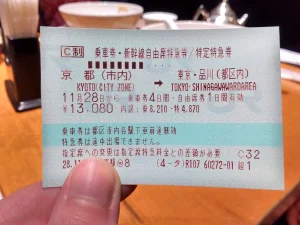
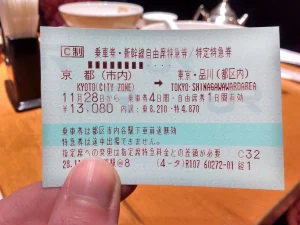
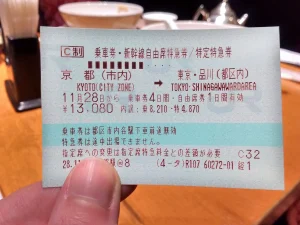
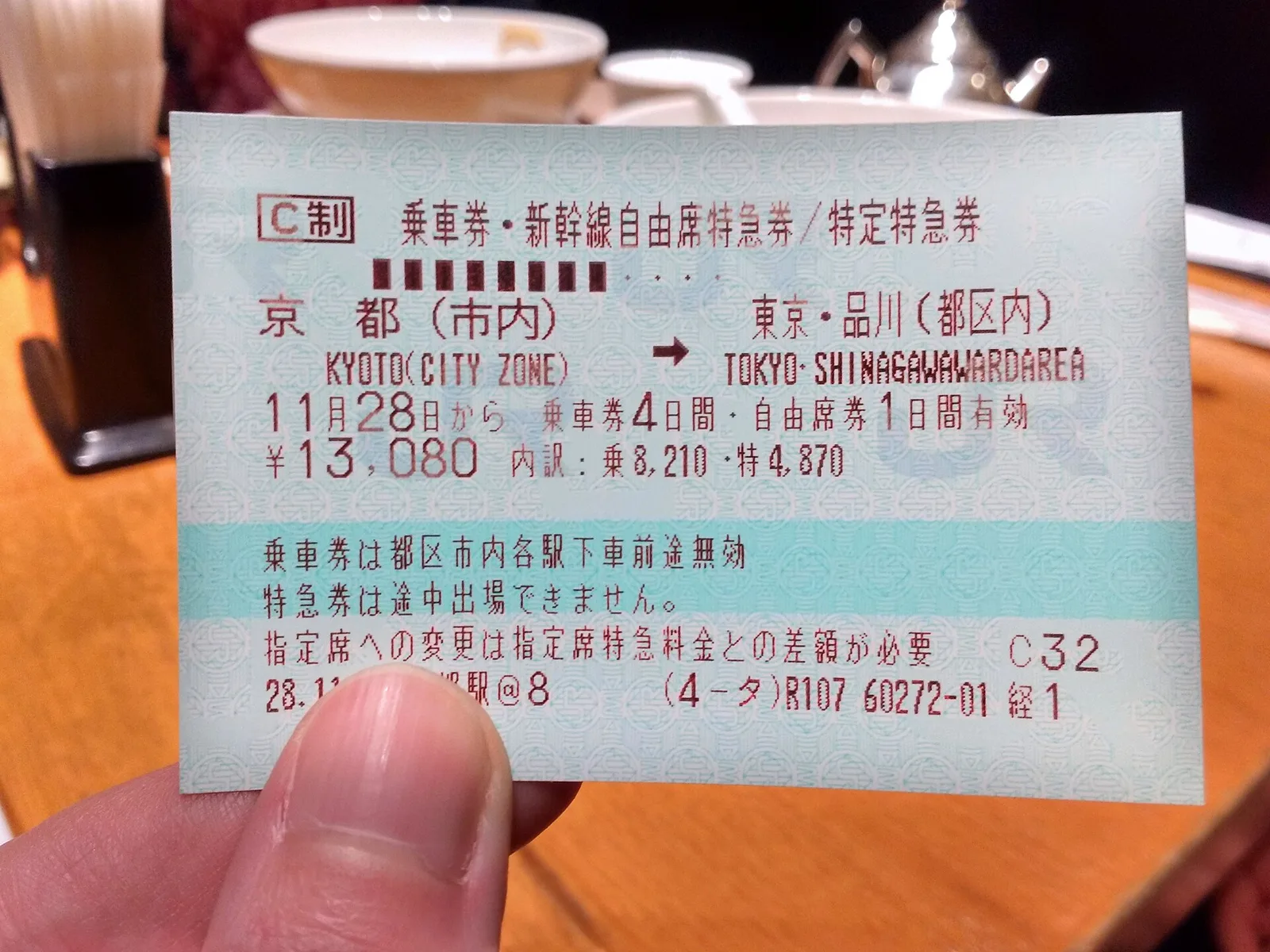
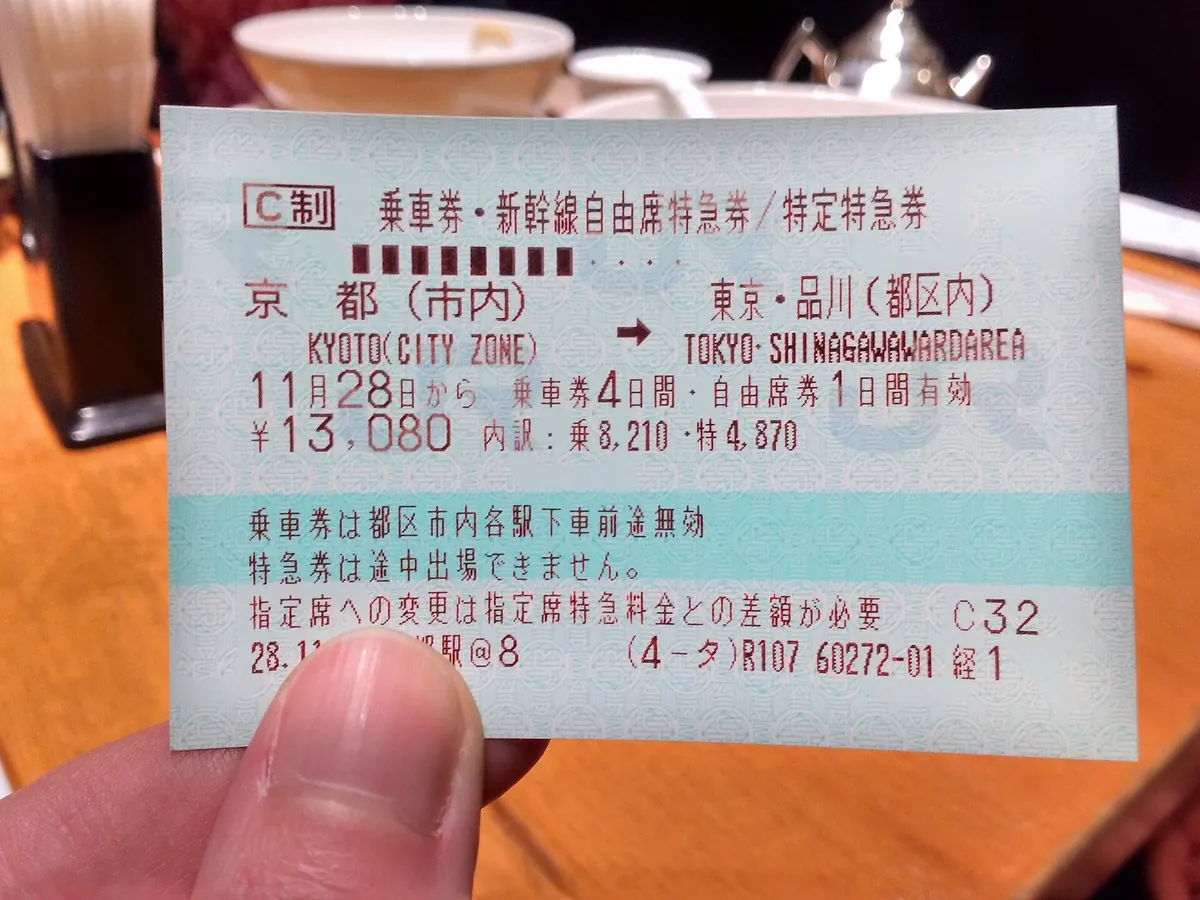
If you are standing at Shinagawa station holding a paper rail pass you did not actually need, you have just spent two hours of your budget on a piece of cardboard. That little slip is now forcing you to hunt for specific, slower trains.
If you are planning a standard seven-day Tokyo–Kyoto–Osaka circuit, the math has shifted against the national pass. You are almost certainly better off buying individual tickets.
What the National Rail Pass covers in 2026
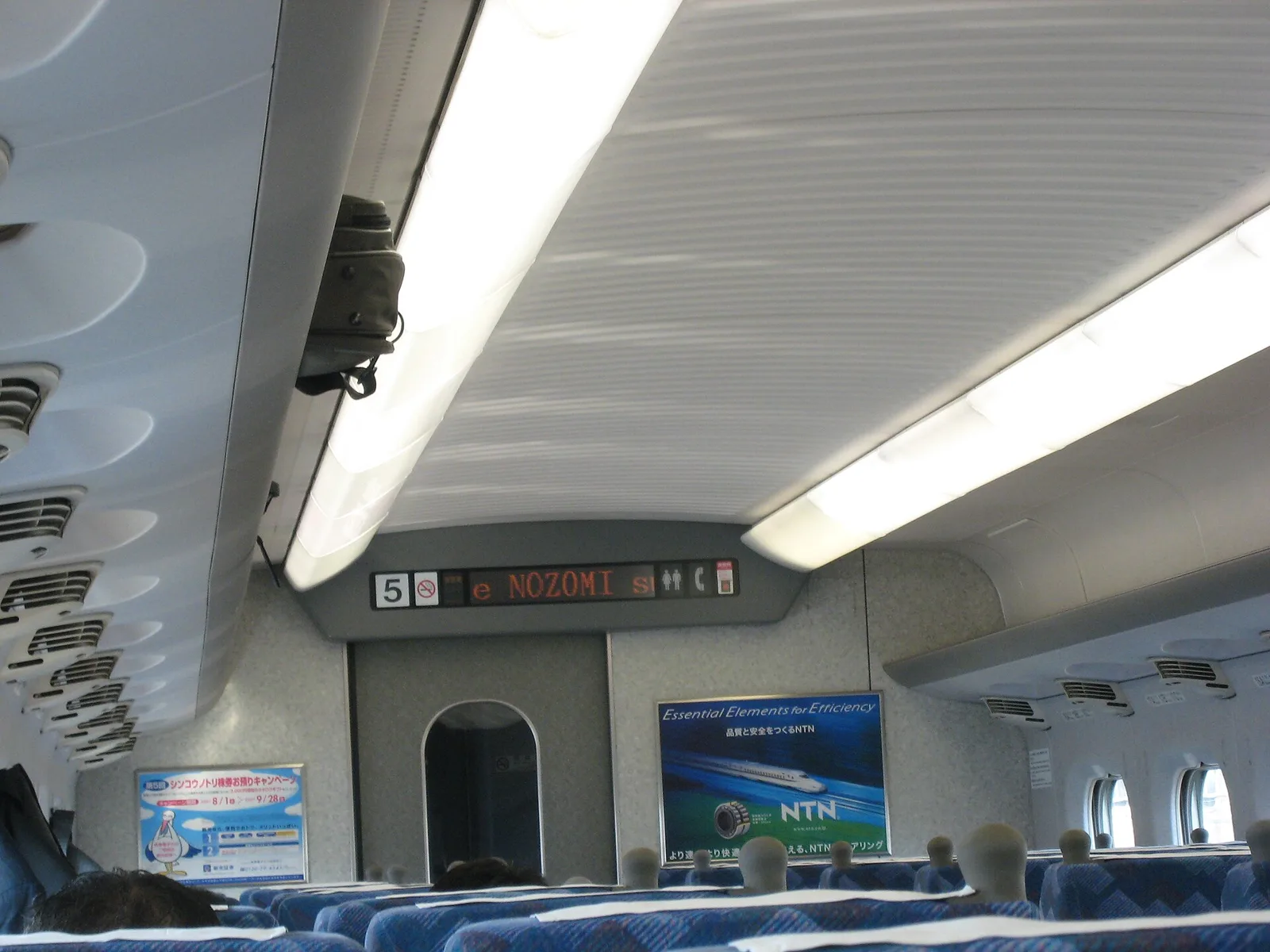
The Japan Rail Pass is a prepaid ticket that allows you to ride most JR-operated trains across the country. It includes the vast majority of shinkansen bullet trains, limited express services, and local JR lines. It functions as an all-access pass for the “spine” of the national railway network.
What the pass misses
Crucially, the pass excludes the Nozomi and Mizuho shinkansen services unless you pay an extra supplement fee. These are the fastest trains on the Tokaido line, the one most tourists use to move between Tokyo and Osaka.
You also cannot use the pass on private railway lines, subways, or buses. These are essential for getting from the station to your hotel in cities like Kyoto or Osaka.
Understanding the tiers
The pass is sold in 7, 14, and 21-day durations. You choose between Ordinary and Green Car classes. Think of the Green Car as a business class upgrade with more legroom and quieter carriages.
If you book through platforms like Klook, you are often buying an Exchange Order. You must activate this once you arrive in Japan at a major station.
Estimated costs and why the math changed
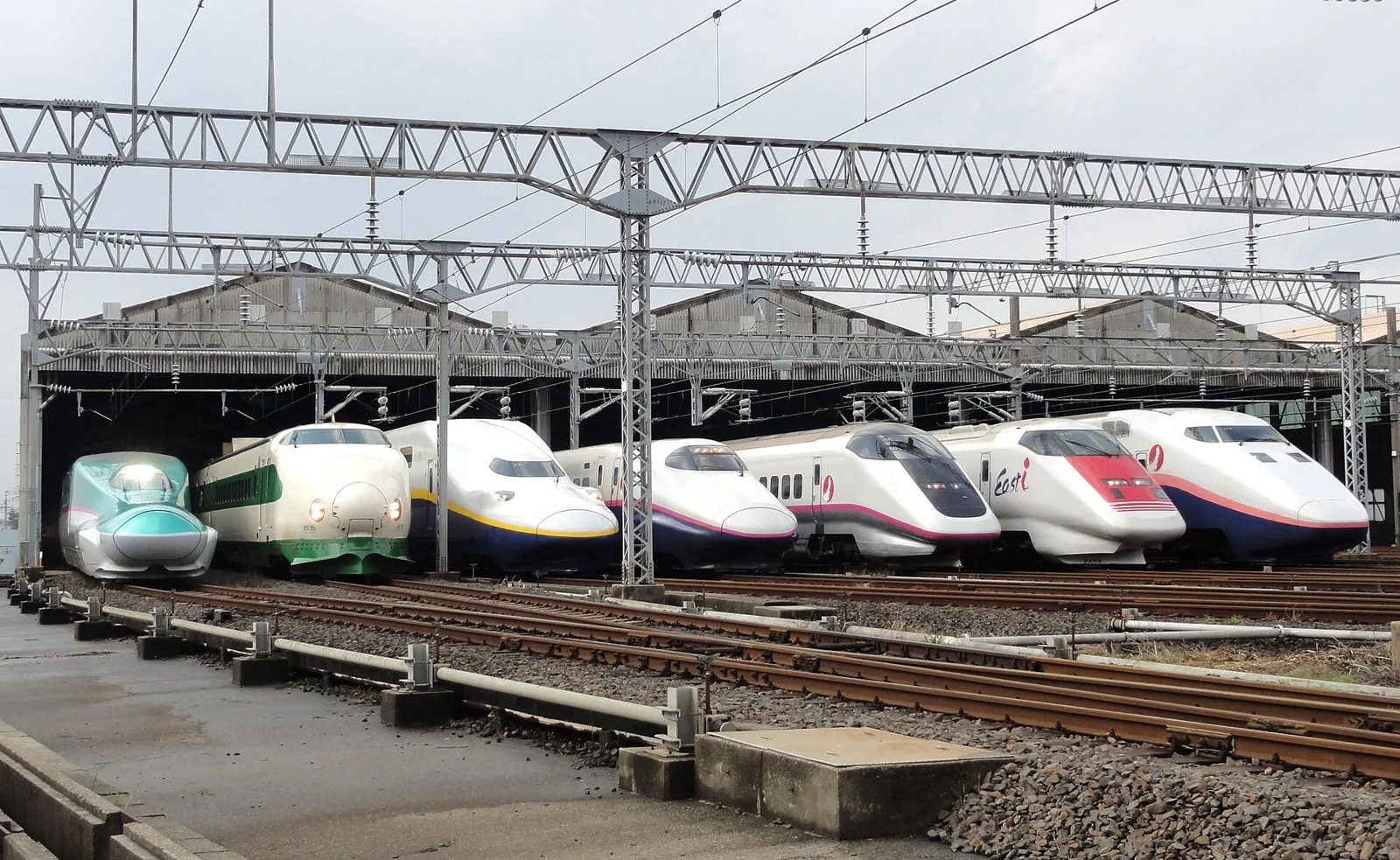
Because official pricing changes periodically, you must check the official Japan Rail Pass website before finalizing your budget. Generally, a 7-day pass starts in the range of ¥50,000–60,000 per adult. The Green Car versions command a significant premium, often adding 30% or more to that total.
These figures are estimates as of 2026. They do not include the extra cost of using private subway lines or local transport.
If your plan involves using the Shinkansen only once or twice, you are likely overpaying by a wide margin. Always compare these pass costs against the sum of individual ticket prices for your specific itinerary.
← Swipe to see the full table →
| Route/Scenario | Individual Tickets (Est.) | 7-Day Pass Cost |
|---|---|---|
| Tokyo–Kyoto round trip | ¥25,000–30,000 | ¥50,000+ |
| Tokyo–Kyoto–Osaka–Hiroshima | ¥40,000–45,000 | ¥50,000+ |
| 14-day loop | ¥60,000–70,000 | ¥80,000+ |
Plan your trip: the tools we use
The math: Does your route pay off?
The only way to know if the pass is right for your trip is to map out every single train journey you intend to take. If the sum of individual fares is lower than the price of the pass, you are effectively paying for the “convenience” of not buying tickets as you go.
For most travelers, that convenience is actually a cost.
Why the break-even point is so high
The recent price hike moved the break-even point significantly. You now need to travel long distances almost every other day to recoup the cost.
If you stay in one city for three or four days, the pass sits unused in your pocket. You end up burning your budget while paying extra for local metro rides.
Which travelers should buy or skip the pass
Skip it if…
- You spend 4+ days in a single city.
- You only do a Tokyo–Kyoto round trip.
- You value speed over “free” travel.
- You prefer to book trains via SmartEX.
Buy it if…
- You are doing a long-distance loop.
- You visit Hiroshima and Kanazawa.
- You move cities every 1-2 days.
- You enjoy riding different train lines.
If your travel style involves rushing from city to city, the pass can occasionally be useful. However, if you prefer to settle into a neighborhood in Kyoto or a business hotel near Osaka Station, the pass becomes a liability. Most of our team now opts for individual tickets.
Where we would book this
Klook
One account for passes, tickets and transfers
- Best for
- JR Pass and regional rail passes, theme-park tickets, airport…
- Checked
- September 2026
Official site. Same price for you.
The alternatives: Smarter ways to travel

For most first-timers, paying for individual tickets as you go is the most flexible and cost-effective approach. You can book your shinkansen tickets via the SmartEX app, which allows for last-minute changes and seat selection. It removes the pressure to “use” your pass to get your money’s worth.
Regional Rail Passes
If you are exploring a specific area, look at regional passes. A Kansai Area Pass or a JR West All Area Pass can be much cheaper than a national one.
You can compare these options on Klook or the official JR websites. They focus on specific regions, meaning you aren’t paying for travel across the entire country you aren’t actually doing.
IC Cards for local transit
Use an IC card (like Suica or Pasmo, often available via Apple Wallet) for all your local subway, bus, and short-distance train needs. These cards are the “glue” of Japanese travel. They work on almost everything that isn’t a long-distance bullet train and save you from buying paper tickets for every short hop.
How to handle your rail travel
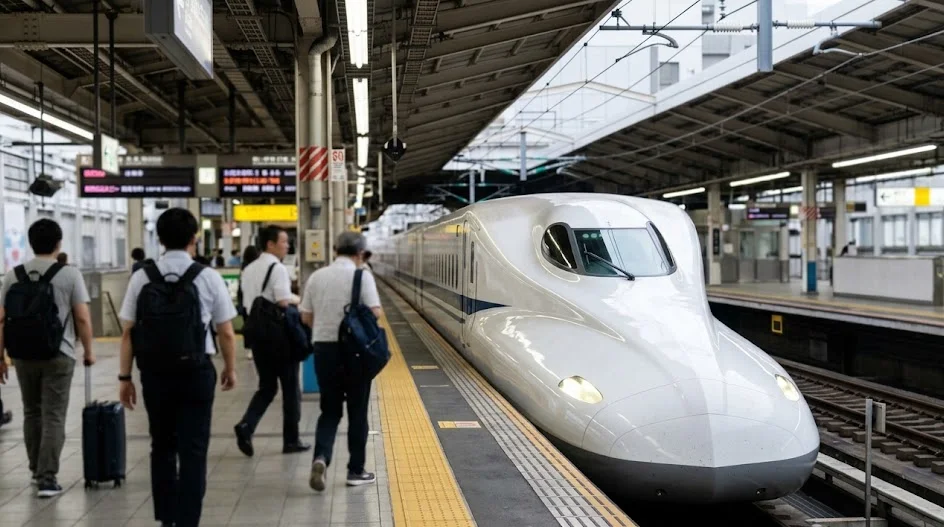
Step 1: Check your route costs
Use an online calculator to total your shinkansen fares.
Step 2: Book individual tickets
Use the SmartEX app to lock in your long-distance rides.
Step 3: Load an IC card
Keep a digital IC card on your phone for local, non-JR transit.
A mistake I made on my second visit was waiting until I reached the station to buy shinkansen tickets. During peak holiday seasons, the machines can have long lines.
Use the app to reserve your seat in advance, even if you are just heading from Tokyo to Nagoya for a day trip. It saves you twenty minutes of standing in a queue.
Partner link.
Hidden logistics of train travel
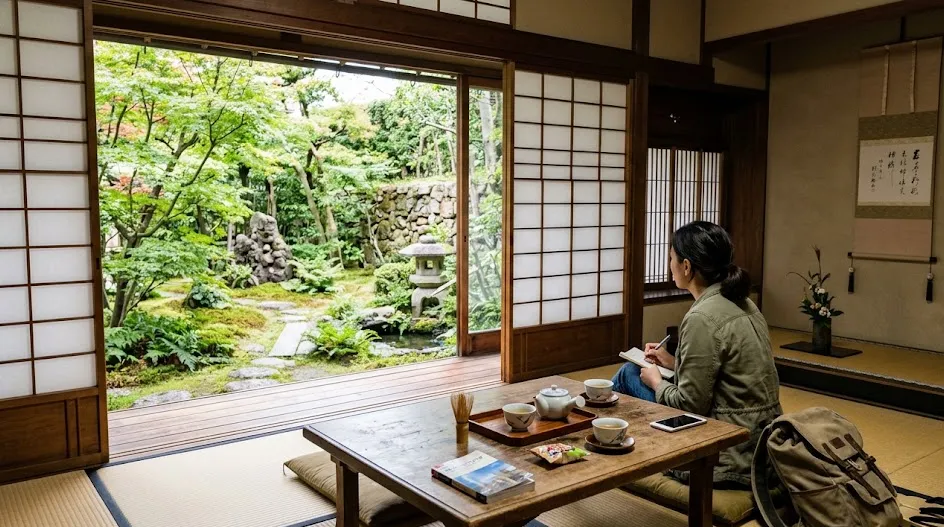
Luggage rules on the shinkansen have become stricter. If you are traveling with large suitcases, you now need to reserve a “seats with oversized baggage area” in advance.
The JR Pass does not exempt you from this requirement. If you don’t book the right seat, you may be asked to pay a fee or move your bag to a different area.
Forwarding your luggage
Consider using a luggage forwarding service like Yamato Transport. For roughly ¥2,000–3,000 per bag, you can ship your heavy suitcase from your hotel in Tokyo to your hotel in Kyoto.
This lets you travel with just a small backpack, making your train transfers much more comfortable. It is often more cost-effective than buying a pass just to avoid carrying bags.
Managing flexibility: What happens when your travel plans change
One of the hidden risks of buying a 7, 14, or 21-day JR Pass is the loss of schedule agility. Once you activate the pass, the clock starts ticking, and every day you spend in a hotel room or taking a rest day is essentially money evaporating from your wallet.
 ReaderYuki
If you purchase individual point-to-point tickets via the SmartEX app or at a station machine, you retain the ability to shift your travel dates. If you fall in love with Kyoto and decide to stay an extra night, you simply rebook your ticket for the next day.
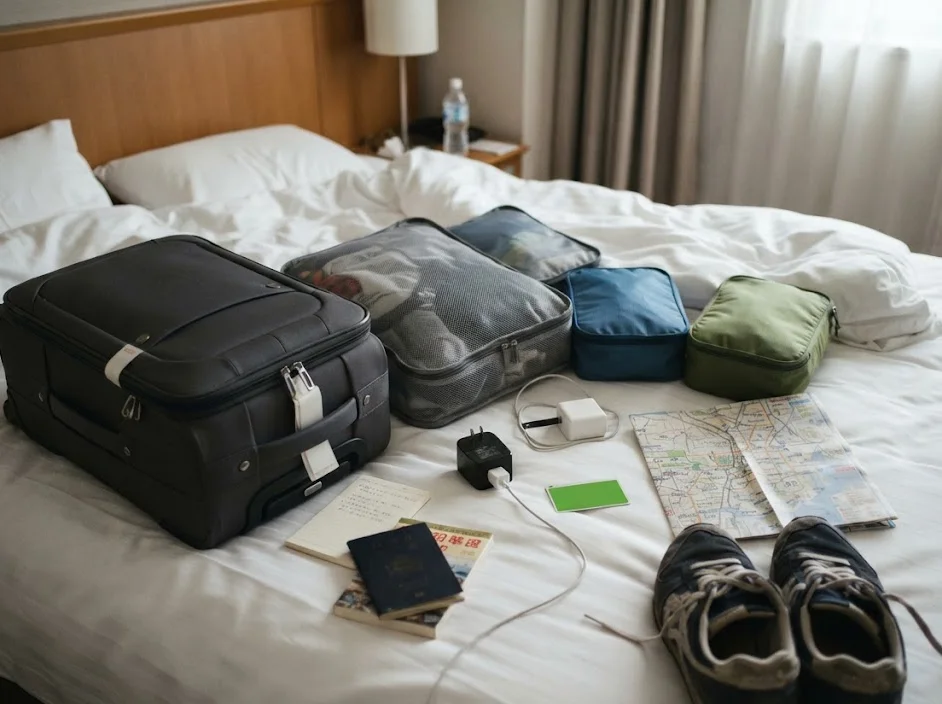
This minor change is incredibly difficult and often expensive when you are tethered to a rigid, multi-day rail pass.
The cost of cancellation and flexibility
When you hold a JR Pass, changing your travel date often requires visiting a service counter in person. During peak travel seasons, these lines can be notoriously long. You risk losing time that would be better spent exploring.
- Individual tickets are easily managed via mobile apps with minimal fees for changes.
- The JR Pass requires you to commit to specific start dates months in advance.
- Unused days on a rail pass are non-refundable once the pass has been activated.
If you prefer a spontaneous trip where you decide your next destination based on the local weather or a friend’s recommendation, the pass is your enemy. You will find yourself checking the weather report and forcing yourself onto a train just to ensure you have “earned back” your initial investment.
Travel should be about enjoyment, not optimizing a spreadsheet while standing on a platform. Furthermore, if you get sick or experience a flight delay, a pre-purchased JR Pass can become a logistical nightmare.
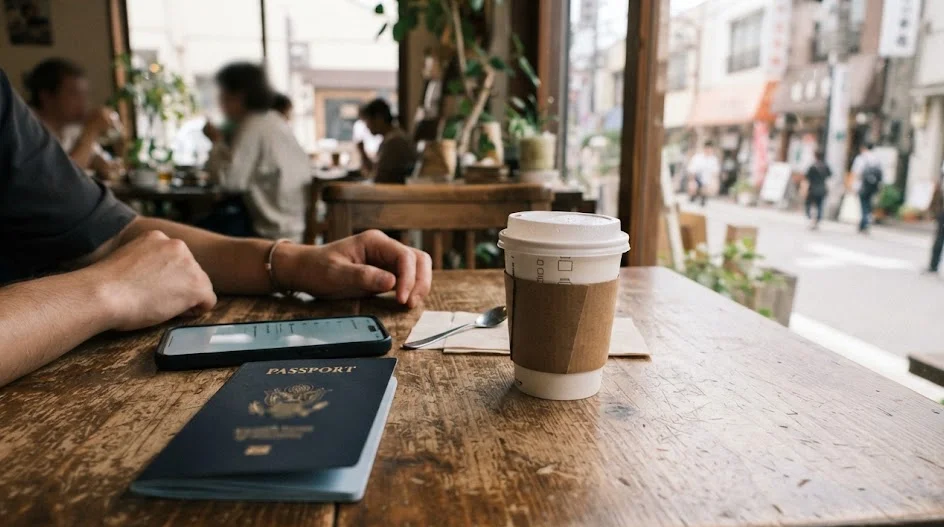
While individual tickets can sometimes be credited or rescheduled, the pass is a fixed asset that expires regardless of your circumstances. For the modern traveler, this lack of maneuverability is usually not worth the potential cost savings. Often, those savings are theoretical.
Traveling with family: Does the math work for groups?
When you shift from solo travel to family travel, the financial analysis of the JR Pass changes drastically. Because the pass provides a flat-rate cost for the holder, you are essentially paying for multiple “all-access” tickets that your children or travel companions may not even use to their full extent.
The biggest hurdle for families is the price gap between adults and children. Children between the ages of 6 and 11 pay half-price for a JR Pass, while children 5 and under usually ride for free if they do not occupy their own seat.
However, if your child needs their own space for a long 3-hour journey, the individual fare calculation often results in a lower total cost than buying a child’s pass.
Calculating your family travel budget
Take the time to run the numbers for each individual family member before assuming that a “bulk” purchase of passes is cheaper. Often, a parent might be traveling with a partner and two children, and the collective individual tickets consistently come in below the aggregate price of four adult/child passes.
- Map out the exact number of long-distance shinkansen segments for the group.
- Calculate individual child fares, which are often significantly discounted on specific lines.
- Account for local transit; children often pay half-price on local metros, but the JR Pass offers no benefit for these non-JR lines.
Beyond the cost, there is the issue of physical logistics. Managing multiple paper passes for a family increases the risk of loss or damage. If a child loses their pass at a station, the stress and cost of replacing it can ruin the momentum of your trip.
With individual tickets, you can centralize your bookings under one account on your phone or print individual vouchers that are easily tracked.
Always verify the current child-fare policy on the official JR website, as rules regarding seat occupancy and age brackets can shift. For most families, the ability to buy specific seats together on individual bookings provides a better experience than the logistical hurdles associated with a pass.
Using an app to keep everyone’s tickets in one place is generally the smartest way to manage a family group across the rail network.
So, is it worth it?
For the vast majority of travelers sticking to the classic Tokyo–Kyoto–Osaka path, the national JR Pass is currently not the best financial choice. You lose flexibility, and you likely end up paying for a “convenience” that you don’t fully utilize during a typical week-long vacation.
Stick to booking individual shinkansen tickets via the official apps and rely on an IC card for your daily city movements. This keeps your budget manageable and your schedule open to spontaneous changes.
Only consider the pass if your itinerary is packed with high-cost, long-distance travel on almost every single day of your trip.

FAQ
QCan I upgrade my pass to use the Nozomi train?
Yes, but you have to pay an extra fee at the station. It defeats the point of buying the pass if you are paying for the upgrade every time.
QDo children need their own rail pass?
Children under 6 usually travel free if they share a seat, but they need a pass if they require their own reserved seat. Check the age thresholds on the official site.
QWhat if I lose my JR Pass?
If you lose the physical pass, it is usually gone. Treat it like a passport or a stack of cash. This is another reason individual tickets are safer; if you lose your phone, your tickets are often still accessible in your account.
QAre regional passes better than the national one?
Often, yes. If you are staying in Western Japan, a JR West pass is cheaper and covers the areas you are actually visiting, avoiding the high cost of the national pass.
QCan I use the JR Pass on subways?
No, the pass is only valid for JR-operated lines. You will still need an IC card like Suica or ICOCA for local subways and private rail lines.
Deciding how to move around Japan often feels like you are trying to solve a complex math puzzle before your vacation even starts.
Lock in your one or two main city-to-city train reservations, put the rest of the puzzle aside, and trust that you can manage the local transit once you arrive.
Keep planning
- ① Install and test your eSIM before take-offAiralo and Ubigi eSIMs activate on arrival, but the install itself needs Wi-Fi. Do it at home and confirm the profile shows up in your phone settings.
- ② Save your first hotel’s address in JapaneseTaxi drivers and station staff read Japanese addresses far faster than romanised ones. Copy it from the booking confirmation into your notes app.
- ③ Set aside cash for day oneMany small restaurants, temples and rural buses are still cash-only. Airport ATMs at 7-Eleven and the post office accept most foreign cards.
Skip these and your first hour in Japan goes on finding Wi-Fi at the station instead of getting to your hotel.
🔍 How to sanity-check any price you read online
Blogs (including this one) go out of date. The official page always wins over a screenshot from two years ago.
Cover Photo: Marek Ślusarczyk (Tupungato) Photo portfolio, CC BY 3.0, via Wikimedia Commons