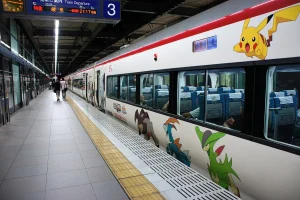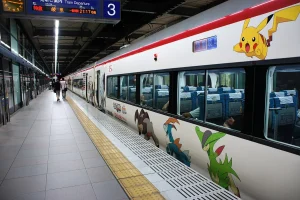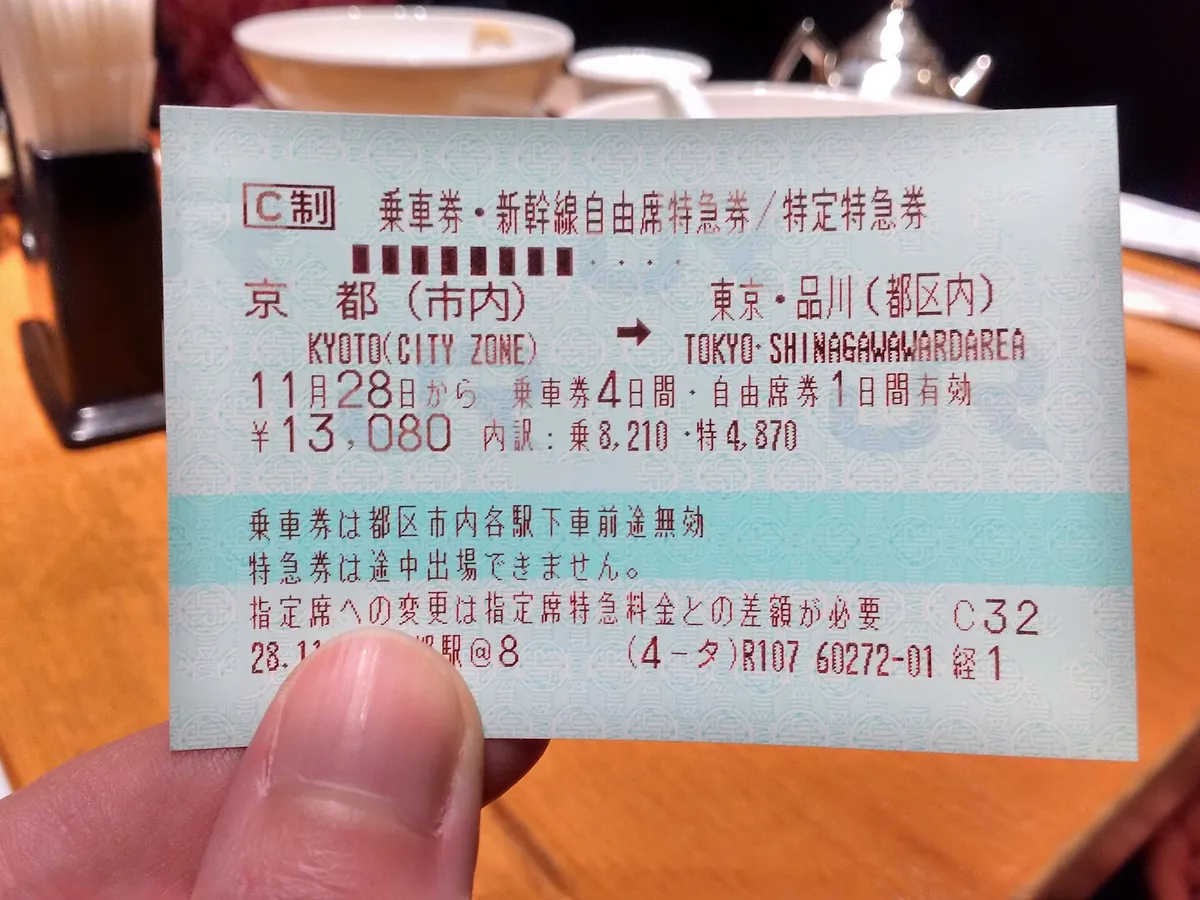

- Best for most travelers: The Tokaido Shinkansen (reliable and direct).
- Best for strict budgets: Daytime bus or regional train (slow but cheap).
- Best for families: Reserved Shinkansen seats (stress-free with luggage).
- Travel time
- 2 to 9 hours
- Cost range
- ¥4,000–¥15,000
- Primary hubs
- Tokyo, Kyoto
- Booking
- Highly recommended
- Data check
- Early 2026
Top picks
Where we would book this
Klook
One account for passes, tickets and transfers
- Best for
- JR Pass and regional rail passes, theme-park tickets, airport…
- Checked
- September 2026
Official site. Same price for you.
Where we would book this
Japan Rail Pass official site
The only source of the current pass price and rules
- Best for
- Official conditions, eligibility and the current price of the…
- Checked
- September 2026
Official site. Same price for you.
Some links are affiliate links (marked “Partner link”). Prices are ranges checked in 2026; confirm on the official site before you book.
I expected to save a significant amount of money by choosing an overnight bus, but what I got was a full day of exhaustion that ruined my plans in Kyoto. For the vast majority of visitors, the Tokaido Shinkansen is the only way to travel between these two cities without sacrificing your precious vacation time.
What matters when comparing Tokyo and Kyoto transport
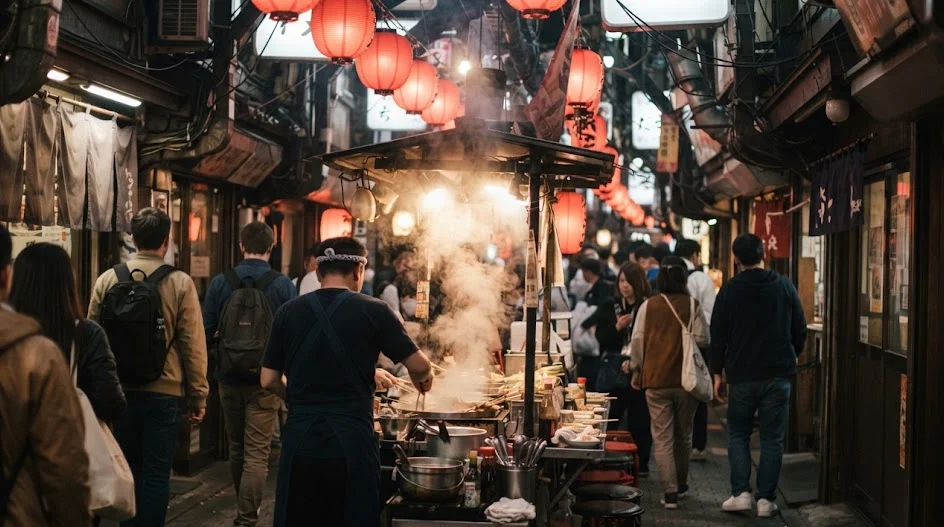
When you look at transport options, most people focus purely on the ticket price. This is a common trap that ignores the hidden costs of your time, sanity, and the physical effort of moving luggage through crowded stations.
You must consider the total door-to-door duration rather than just the time spent in the air or on the tracks. Airport security, train station navigation, and the exhaustion level of your arrival are the metrics that actually define a successful travel day.
- Does your hotel offer luggage forwarding?
- Are you traveling with children or large bags?
- Do you have an early morning or late night flight?
- Is your budget strictly limited or time-constrained?
- Are you already in central Tokyo or near an airport?
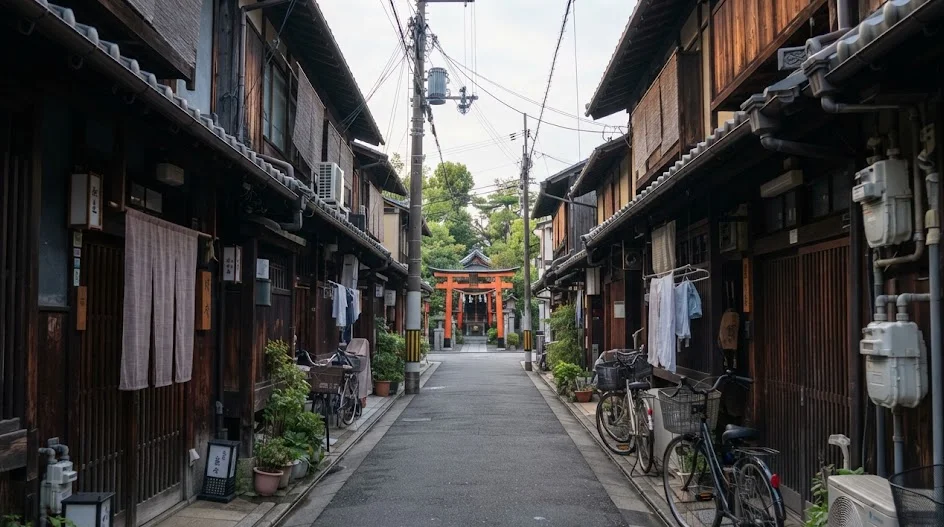
The Tokaido Shinkansen: The gold standard for travelers
The Tokaido Shinkansen is the most efficient link between Japan’s two historic capitals. It runs frequently throughout the day, connecting central Tokyo to the heart of Kyoto without the need for taxis or airport shuttles.
Why it is the most reliable choice
You can board this train at Tokyo Station or Shinagawa Station. These central locations mean you are likely already close to your accommodation, saving you the hour-long commute that airports require.
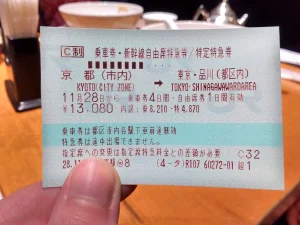
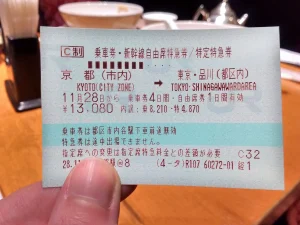
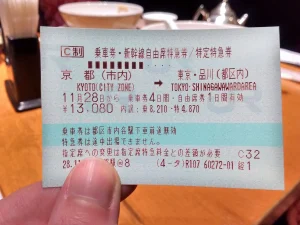
Expect to pay in the range of ¥13,000–¥15,000 for a one-way trip, depending on whether you reserve your seat. Always check the official Japan Rail site for current fares as of 2026.
Nozomi versus Hikari services
The Nozomi train is the fastest option, stopping only at major cities. It runs more frequently than the Hikari or Kodama lines. If you are using a specific rail pass, check if it covers the Nozomi service, as this changed in recent years.
- Tokyo Station
- Tokaido Shinkansen · 2 h 15 min · reserved seat
- Kyoto Station
- 5 min walk
- Your hotel
Overnight and daytime highway buses
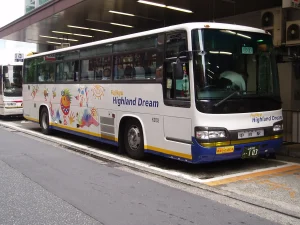
Highway buses offer a budget-friendly alternative that often costs between ¥4,000 and ¥8,000. While the low price is tempting, the trade-off is significant in terms of comfort and time.
The reality of overnight bus travel
You might save on a night of hotel costs, but you will arrive in Kyoto early in the morning, exhausted. In our experience, trying to sightsee immediately after a night on a bus is rarely a productive way to spend your time.
Daytime bus considerations
Daytime buses exist, but they take nearly double the time of the Shinkansen. If you are on a 10-day trip, losing eight hours on a highway bus is a false economy that limits your exploration of Kyoto.
Use platforms like Klook to search for bus operators. Always read the fine print regarding luggage limits, as some budget carriers are quite strict compared to trains.
The true cost of domestic flights
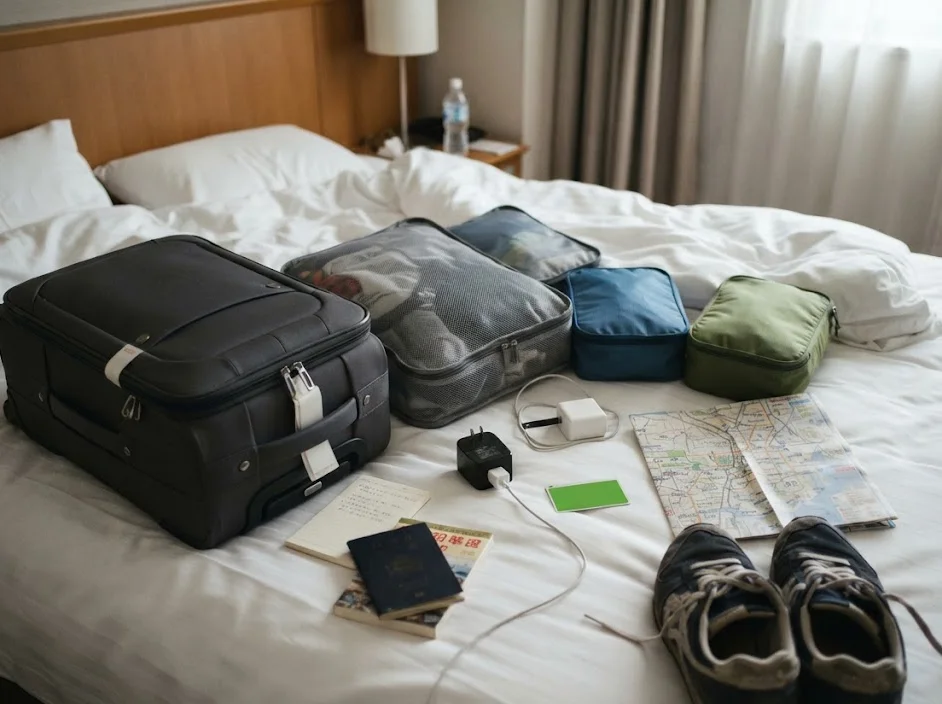
Flying from Tokyo to Kyoto is technically possible, but it usually involves flying into Osaka Itami or Kansai International Airport. Once you add the travel to Haneda or Narita, the flight duration, and the subsequent train ride into Kyoto, you rarely save time.
Navigating the airport transfer friction
Most travelers forget to account for the mandatory arrival buffer at the airport. You must arrive at least 90 minutes before your domestic departure. Combined with the 75-minute train ride from Kansai Airport to Kyoto, the total time often exceeds the Shinkansen.
Who should actually consider flying?
Only consider this if you are already at the airport for an international connection or if you have specific loyalty points that make the flight essentially free. For a standard mid-range trip, it is almost always more trouble than it is worth.
Comparing the three methods side by side
← Swipe to see the full table →
| Method | Total time | Approximate cost |
|---|---|---|
| Shinkansen | 2.5–3 hours | ¥13,000–¥15,000 |
| Highway Bus | 7–9 hours | ¥4,000–¥8,000 |
| Flight + Train | 4–5 hours | ¥10,000–¥20,000 |
Plan your trip: the tools we use
Our pick: The Shinkansen is the best choice for almost every first-time visitor.
How to handle your luggage
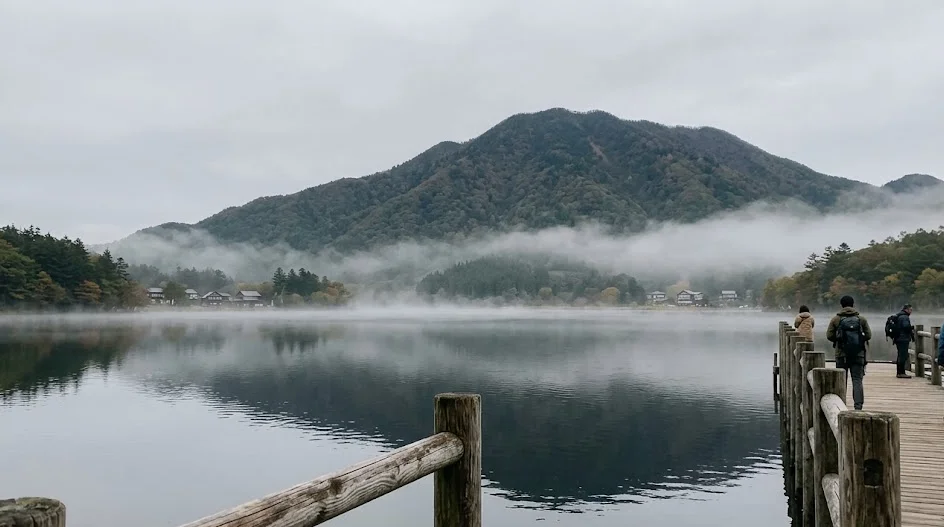
Dragging large suitcases onto the Shinkansen is a common point of anxiety. Japan has a brilliant solution that makes this problem disappear entirely: luggage forwarding.
Using the Takkyubin service
The Yamato luggage forwarding service (often called Takkyubin) allows you to ship your bags from your Tokyo hotel to your Kyoto hotel for a reasonable fee. You usually drop the bag at your hotel front desk, and it arrives the next day.
Specific Shinkansen luggage rules
If you must bring large luggage on the train, you are required to book a seat with oversized baggage storage. Without this reservation, you might be asked to pay a fee or move your bag, which is stressful.
Setup and booking for your journey
Step 1: Check your JR Pass status
Confirm if a pass is cost-effective by adding your total legs on a calculator site.
Step 2: Book your seats
Use the official SmartEX site to secure Shinkansen seats in advance.
Step 3: Forward your bags
Ask your hotel reception about luggage forwarding services the night before you leave.
What to do when your transport plans fall through
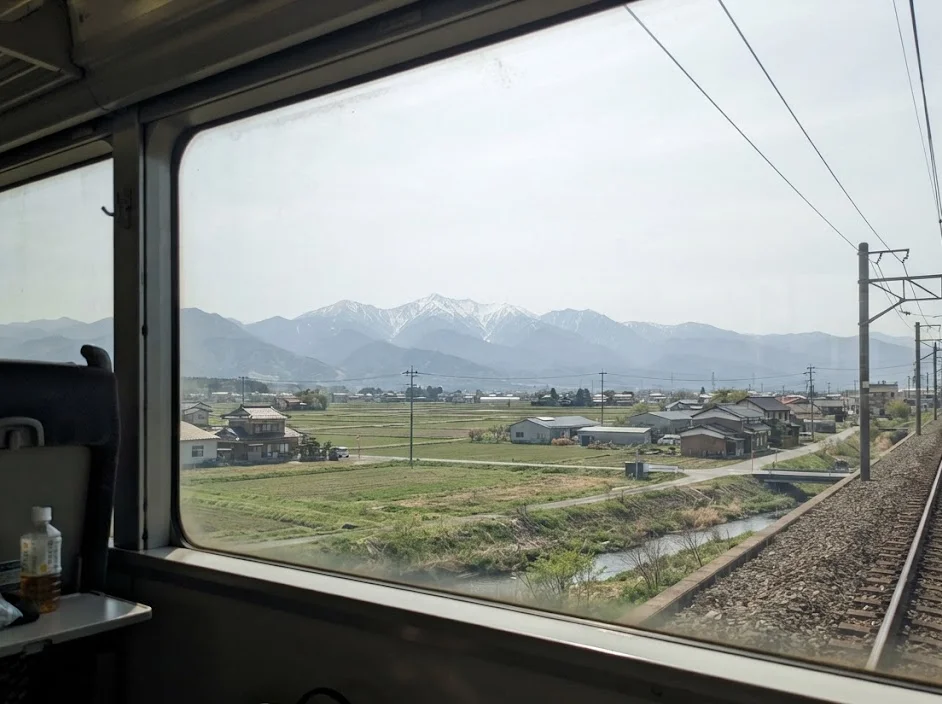
Even the most meticulously planned journey in Japan can hit a snag. Whether it is a seasonal typhoon causing line suspensions or simply failing to book the correct Shinkansen seat in advance, knowing your backup protocols is vital for a stress-free transition from Tokyo to Kyoto.
The most common hurdle is the dreaded sold-out seat. During peak travel periods like Golden Week, Obon, or New Year, the reserved sections of the Shinkansen fill up weeks in advance.
If you find yourself in this position, do not panic. The system is designed to accommodate last-minute travelers through the unreserved carriage network.
Each Shinkansen train usually contains three to five unreserved cars. To secure a spot, arrive at the platform at least 30 to 45 minutes before departure and join the queue marked on the floor.
While standing for two hours is not ideal, it is a functional fallback that ensures you reach your destination without changing your hotel bookings.
If the entire Shinkansen line is suspended due to weather, you must pivot immediately to the highway bus network. Check apps like Klook or local bus aggregator sites to see which operators have remaining availability.
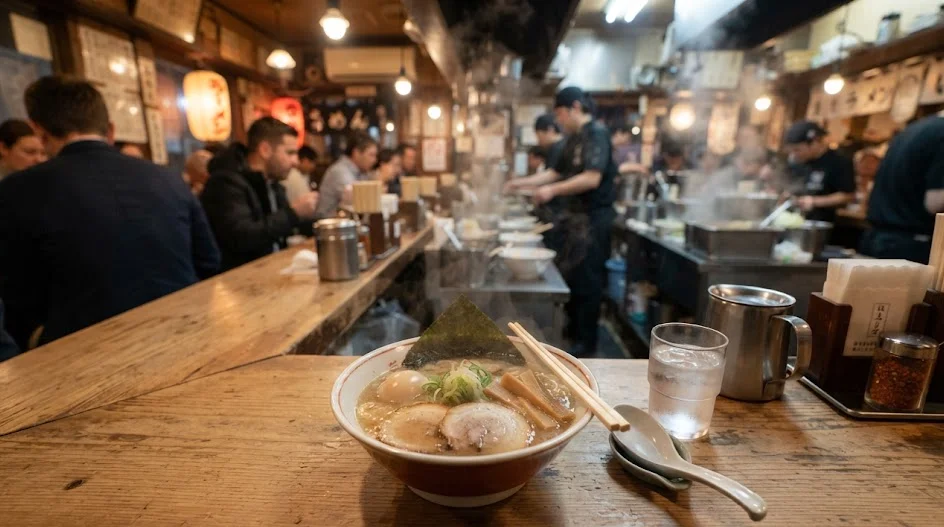
Bus travel is significantly slower, but it often remains operational when rail lines are down. If you are desperate, local train travel—using the regular JR Tokaido line—is an option, though it requires multiple transfers and takes roughly nine hours.
Emergency protocols for travelers
- Monitor the official JR East and JR Central websites for real-time traffic updates if weather warnings are active.
- Head immediately to the ticket office (Midori-no-madoguchi) if your train is cancelled; staff can often move you to a later service or provide documentation for insurance claims.
- Consider a last-minute hotel stay near the station if the delay is prolonged; using platforms like Booking.com or Agoda can help you find nearby accommodation within minutes.
- Keep a small amount of cash on hand, as ticket machines and bus kiosks sometimes experience connectivity issues during major system outages.
Always verify the status of your route on the day of departure. Even a minor signal failure can cascade into significant delays across the Tokaido line, and having a secondary plan for lunch or late check-in ensures that a transport hiccup does not become a trip-ending catastrophe.
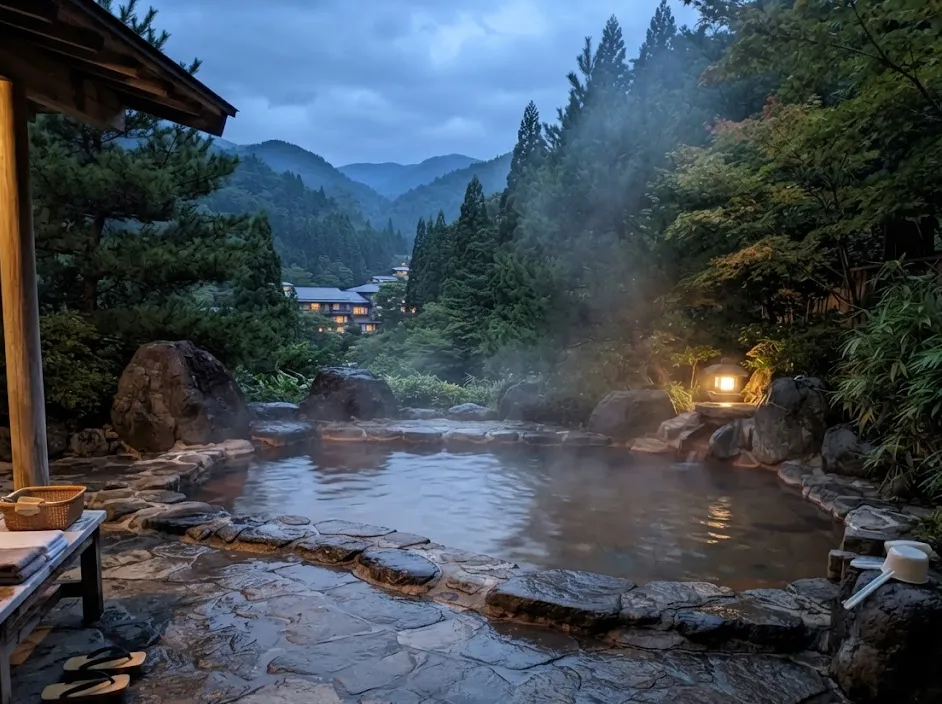
Navigating the station environment with ease
Tokyo and Kyoto stations are massive, multi-level complexes that can easily overwhelm first-time visitors. The physical act of finding your platform, navigating turnstiles with luggage, and locating your specific car number is often more stressful than the actual journey on the train.
Mastering the station layout is the best way to reduce travel anxiety. Tokyo Station is particularly complex, housing both JR lines and various subway connections.
Spend ten minutes the night before your departure looking at a station map online to identify which entrance is closest to the Shinkansen gates. The Marunouchi side is historic and beautiful, but the Yaesu side is typically closer to the Shinkansen tracks.
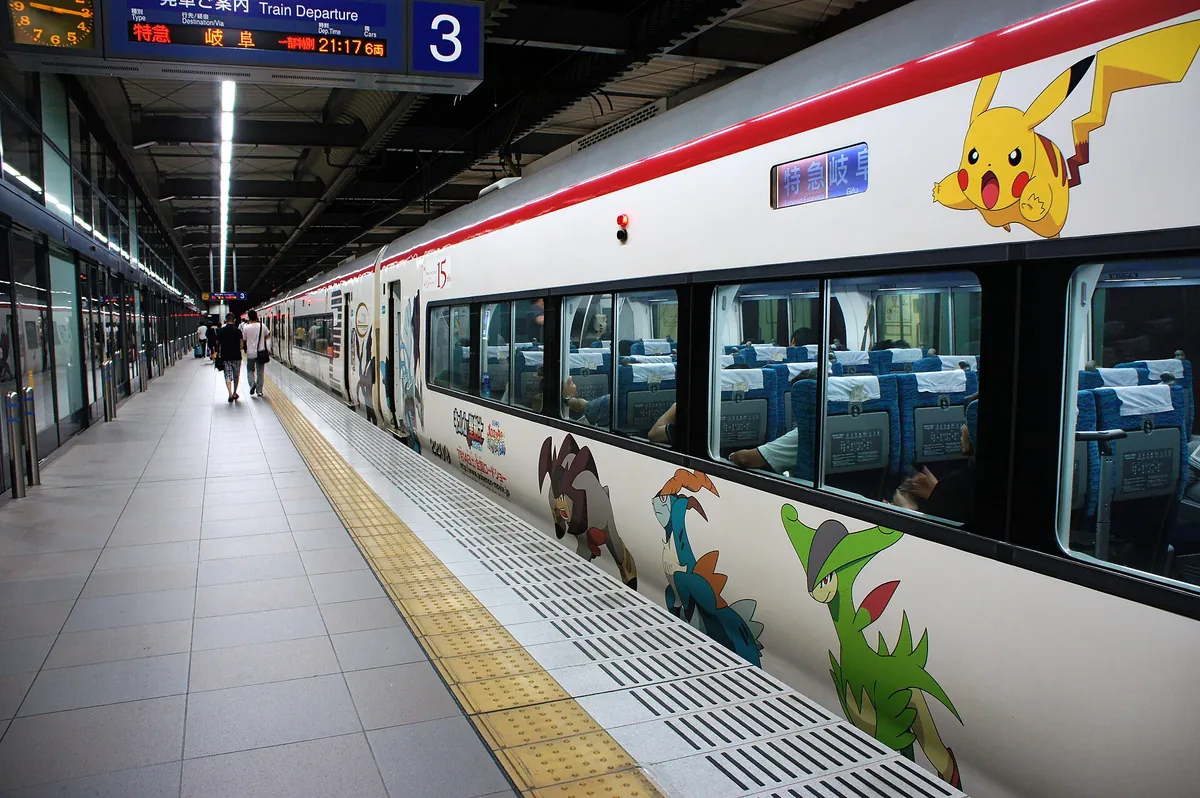
Once you arrive at the station, look for the yellow electronic signage. These boards cycle between Japanese and English, displaying the train name, destination, departure time, and track number.
Do not rely on platform numbers you saw when booking, as these can shift based on operational needs. Always verify your platform one last time once you are inside the gate.
Tips for a smooth boarding experience
- Locate your car number on the platform markings; the floor is color-coded and marked with numbers matching your ticket.
- If you have large luggage, prioritize finding the oversized baggage area at the back of the train car as soon as you board.
- Utilize the station concourses for food; bento shops and convenience stores like 7-Eleven, Lawson, and FamilyMart are strategically placed near the Shinkansen entrances.
- If you are traveling with a group, meet at a designated pillar or specific shop rather than trying to navigate the crowded central concourse together.
Navigation becomes easier when you understand the ticketing system. At the Shinkansen gate, you must insert both your base fare ticket and your limited express ticket (if you bought them separately) into the machine simultaneously.
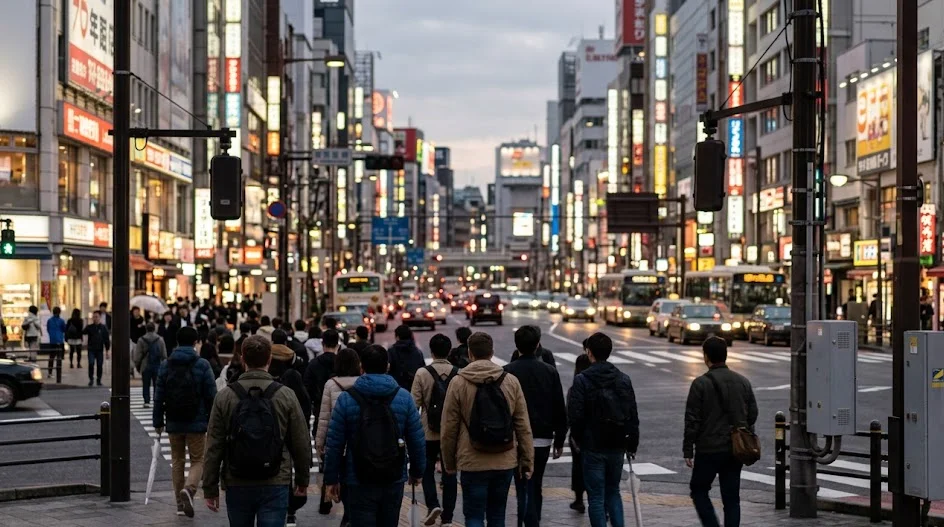
If you have a single ticket issued via SmartEX or a travel agent, just touch it to the reader. If the gate rejects your ticket, do not retreat—simply head to the nearby window where station staff are trained to assist travelers with ticket issues instantly.
Cultural etiquette for long-distance transit
Navigating Japanese transport goes beyond buying the right ticket; your behavior in the carriage affects your experience and the comfort of those around you.
The Shinkansen is a shared space where silence and consideration are the social norm. Avoid talking on your phone or having loud conversations with your travel companions, as this is considered disruptive to other passengers who are often resting or working during the journey.
If you are traveling with a large group, try to avoid blocking the aisle with your legs or belongings. Keep your bags within your designated area or the overhead rack.
If you have an oversized suitcase, booking the dedicated luggage space at the back of the car is not just a technical rule; it is a way to ensure you are not creating an obstacle for cabin staff or other travelers.
Food consumption is common and perfectly acceptable on the Shinkansen, but be mindful of your choices. Avoid meals with strong, pungent odors, as the trains are enclosed environments with recirculating air.
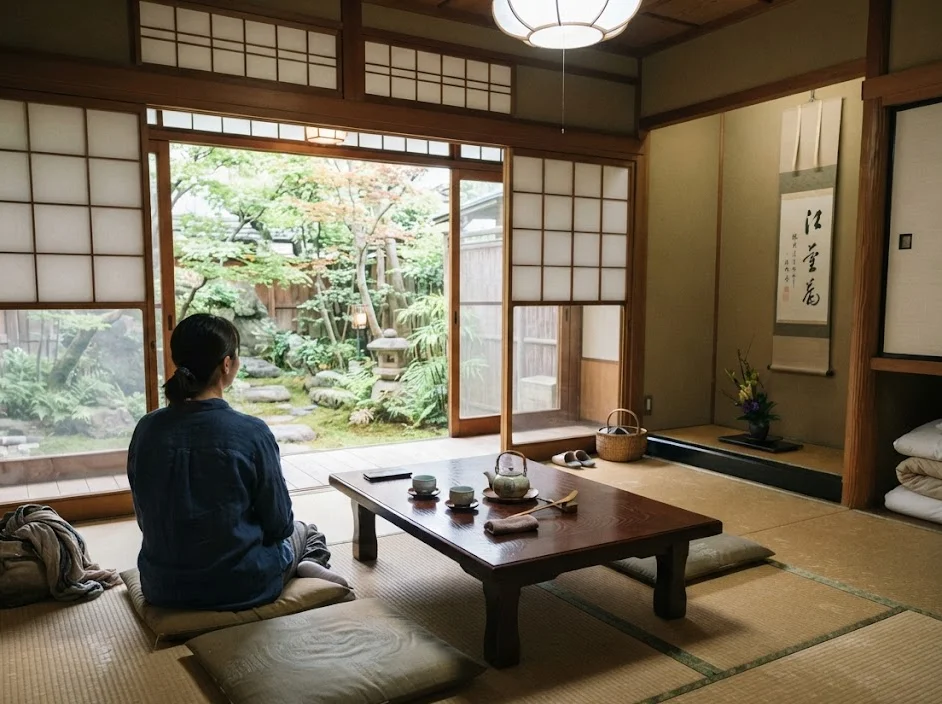
After you finish your meal, dispose of your waste in the bins provided at the end of the train car or take it with you. Leaving trash behind is frowned upon in Japanese transit culture.
The unspoken rules of seat reclining
- Check behind you before reclining your seat to ensure the person in the back is not eating or using a laptop.
- Return your seat to the upright position before arriving at the station to allow passengers to exit easily.
- If you are in a window seat, try to avoid standing up too often, as this requires the person in the aisle seat to move repeatedly.
By respecting these subtle social cues, you minimize friction with locals and ensure a smoother trip. The Shinkansen staff maintain a high standard of service, and by being a low-maintenance passenger, you contribute to the efficient flow of the transit system.
Whether you are on a high-speed train or a longer highway bus ride, these basic habits apply throughout Japan.
Treat the public transport network with the same care you would expect from a host, and you will find that your travel days become much less stressful.
Japanese commuters appreciate travelers who respect the quiet atmosphere. You may even find that local passengers are more willing to help you if you appear composed and respectful of the shared space.
Strategic timing to avoid the rush
Choosing the right time of day to travel can significantly impact your comfort and stress levels. Even the most efficient Shinkansen becomes crowded during the traditional Japanese rush hours.
Avoid traveling between 7:30 am and 9:30 am, as well as the evening peak from 5:00 pm to 7:00 pm. During these windows, you will struggle to find space for luggage, and the station platforms will be packed with commuters heading to work.
If you are flexible, plan your transit for the mid-morning or mid-afternoon hours. Taking a train at 10:30 am or 2:00 pm usually guarantees a quieter carriage with more available storage space.
It also makes navigating the large stations at both ends of your journey much less daunting. Using tools like the SmartEX app allows you to browse various departure times, making it easy to identify the quieter, less popular slots.
Weekends and public holidays present a different challenge. Friday evenings and Sunday afternoons are the busiest times for the Tokaido line, as locals travel between the two cities for short breaks.
If your travel dates fall on a weekend, booking your reserved seat at least one week in advance is essential. Do not rely on the hope of finding an unreserved seat during these periods.
Seasonal impacts on your schedule
- Golden Week (late April to early May) requires booking as soon as the system opens, often weeks in advance.
- Obon (mid-August) is a major holiday where domestic travel surges, making last-minute tickets nearly impossible to find.
- Year-end and New Year holidays (late December to early January) are equally intense, with most reserved seats selling out instantly.
If you find yourself traveling during these peak seasons without a reservation, arrive at the station as early as possible. Being the first in line for an unreserved car provides your best chance of securing a seat.
Always check the official site for capacity updates if you are planning travel during these sensitive periods. Staying informed helps you decide if a slight adjustment to your schedule can save you hours of frustration and standing room travel.
FAQ
QIs the JR Pass worth it for this one-way trip?
Generally, no. The cost of a 7-day JR Pass is high, and it rarely pays off for a simple round trip between Tokyo and Kyoto. Always calculate your total train fares on a dedicated calculator before buying.
QCan I buy Shinkansen tickets at the station?
Yes, you can use the green ticket machines at any major station. They have an English interface and are easy to use, even during peak travel seasons.
QWhere should I stay for easy access to the station?
Look for hotels in the Marunouchi area near Tokyo Station or the Hachijo-guchi area near Kyoto Station. This minimizes your walk with luggage.
QWhat if I miss my train?
If you have an unreserved ticket, you can simply board the next train on the same day. If you have a reserved ticket, head to the ticket office to see if you can be moved to a later service.
QIs food available on the train?
Yes, you can buy bento boxes at the station before boarding. Eating an ekiben (station bento) is a standard part of the Japanese travel experience.
Planning your transit between cities can feel like a mountain of confusing logistics.
Lock in your Shinkansen tickets and luggage forwarding today, then adjust the rest of your itinerary as you go.
Keep planning
- ① Install and test your eSIM before take-offAiralo and Ubigi eSIMs activate on arrival, but the install itself needs Wi-Fi. Do it at home and confirm the profile shows up in your phone settings.
- ② Save your first hotel’s address in JapaneseTaxi drivers and station staff read Japanese addresses far faster than romanised ones. Copy it from the booking confirmation into your notes app.
- ③ Set aside cash for day oneMany small restaurants, temples and rural buses are still cash-only. Airport ATMs at 7-Eleven and the post office accept most foreign cards.
Skip these and your first hour in Japan goes on finding Wi-Fi at the station instead of getting to your hotel.
🔍 How to sanity-check any price you read online
Blogs (including this one) go out of date. The official page always wins over a screenshot from two years ago.
Cover Photo: Marek Ślusarczyk (Tupungato) Photo portfolio, CC BY 3.0, via Wikimedia Commons