- One 160-size suitcase from Tokyo to Kyoto or Osaka costs ¥3,160 cash with Yamato.
- Haneda to a Tokyo hotel is ¥2,410; Narita to Tokyo is ¥3,020 (another prefecture).
- The weight limit is 25 kg at size 160 and 30 kg at sizes 180–200, not 20 kg.
- Each parcel is covered up to ¥300,000. Report damage within 14 days of delivery.
- Plan one night without your suitcase, or drop it off at the airport by mid-morning for same-day delivery.
Is ¥3,160 worth never dragging a suitcase onto a Shinkansen?
This guide is for first-time visitors moving between Tokyo, Kyoto and Osaka with one big bag. For most of them the answer is yes: Yamato‘s fare table puts a standard large suitcase at ¥2,410–3,160 per leg on the classic route, and you travel with only a day bag.
The service is called takkyubin (Yamato brands it TA-Q-BIN). You hand your bag to a hotel desk, an airport counter or a Yamato office, and it is delivered to your next hotel. Below are the real prices by size, the airport counters, the cover rules and the one night you will spend without your case.
- Typical cost
- ¥2,410–3,160 per 160-size bag (Yamato, cash)
- Largest size
- 200 cm (length + width + height), 30 kg
- Arrival
- A date you choose, up to 7 days after drop-off
- Same day
- Airport drop-off by about 10:00–11:00
- Cover
- Up to ¥300,000 per parcel
- Price checked
- October 2026
Fares, counter hours and rules checked in October 2026; confirm on the official Yamato or Sagawa page before you send.
- You are worried about navigating a Japanese front desk.
- You have a trip with two or more city changes.
- You want to ride the Shinkansen without a big case at your feet.
- You are unsure if your hotel will accept a courier delivery.
- You fear your luggage will get lost or damaged in transit.
- You are traveling with family and cannot carry everyone’s bags.
1. Is luggage forwarding in Japan worth it? The answer by trip
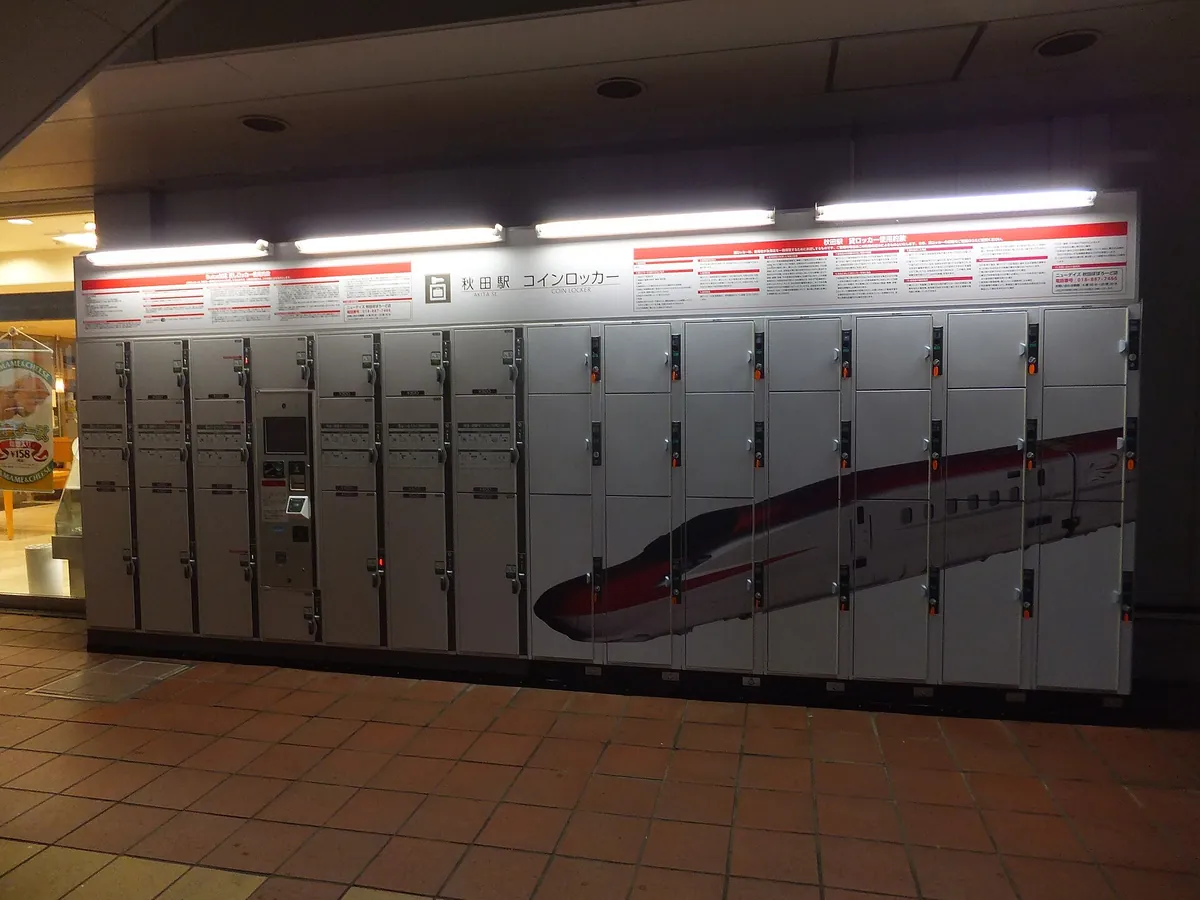
Hauling a full-size case through station stairs, ticket gates and a packed train is the part of a Japan trip that drains people fastest. Forwarding swaps that effort for a fixed fee per bag. The question is whether the fee fits your route.
The table below is built from Yamato’s nationwide fare table (cash rates, checked October 2026). It shows a classic Tokyo-in, Osaka-out trip with one suitcase.
← Swipe to see the full table →
| Leg | Size 140 (up to 20 kg) | Size 160 (up to 25 kg) |
|---|---|---|
| Haneda → Tokyo hotel | ¥2,090 | ¥2,410 |
| Narita → Tokyo hotel | ¥2,630 | ¥3,020 |
| Tokyo → Kyoto or Osaka hotel | ¥2,780 | ¥3,160 |
| Kyoto → Osaka hotel | ¥2,630 | ¥3,020 |
| 3 legs: Haneda, Tokyo → Kyoto, Kyoto → Osaka | ¥7,500 | ¥8,590 |
Plan your trip: the tools we use
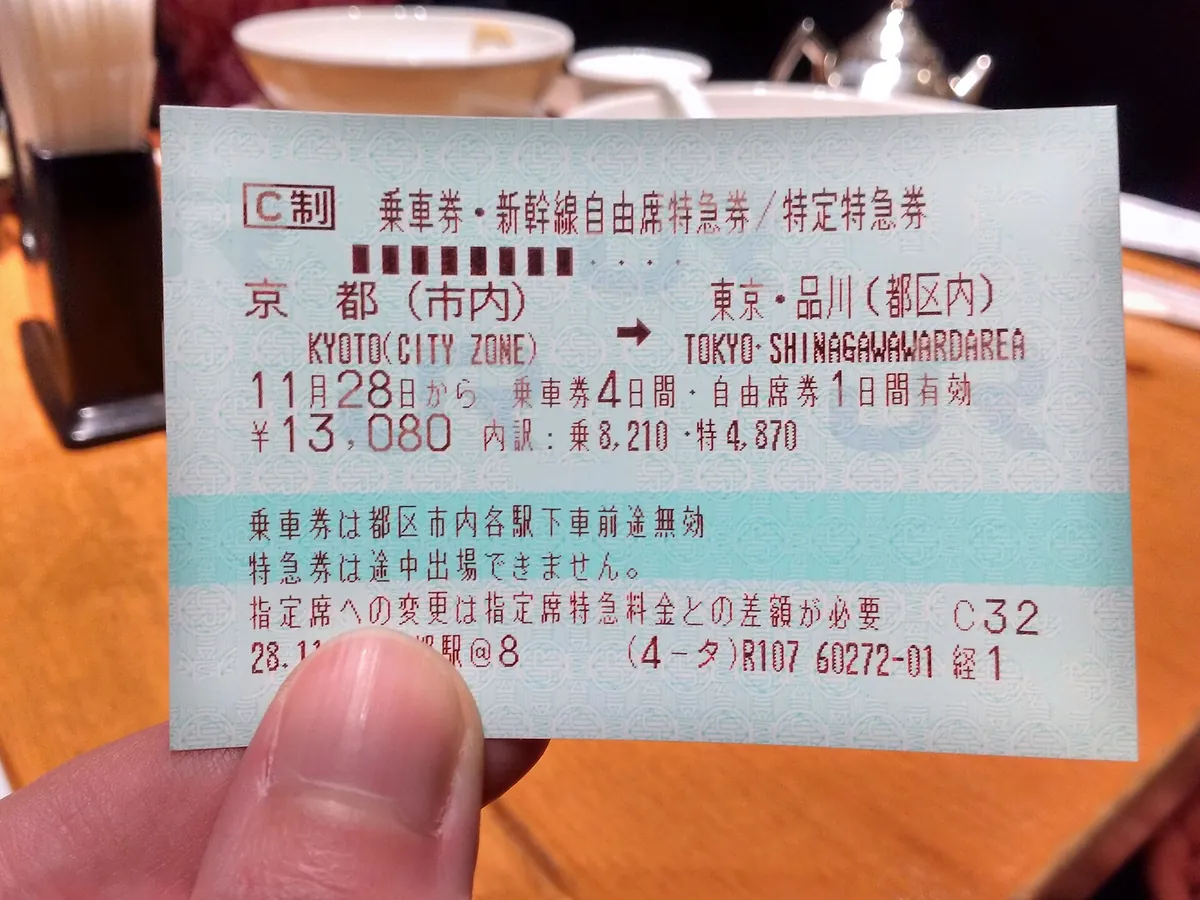
Our pick: Forward the Tokyo → Kyoto leg at least. It is the longest carry, and a 160-size bag costs ¥3,160.
Three things stand out in those numbers. A 160 bag costs about ¥380 more per leg than a 140 bag. Going over 25 kg pushes you into size 180, which is ¥4,480 from Tokyo to Kyoto, ¥1,320 more.
Haneda is also about ¥600 cheaper than Narita for a Tokyo hotel. Haneda is in Tokyo, so the same-prefecture rate applies; Narita is in Chiba.
Who should forward, and who should not
- Forward: families, anyone with a case over 140 size, and trips with three or more hotel changes.
- Forward: anyone with a one-night stop (a ryokan, Hakone) between two longer stays.
- Skip: travelers with one carry-on-size bag they can lift into a rack.
- Skip: a same-day hotel change where you need your things that evening and miss the morning cut-off.
Planning a longer loop with more cities? How to Plan a 12-Day Trip to Japan shows where the hotel changes fall, which is where forwarding pays off.
2. Yamato TA-Q-BIN prices by suitcase size
Yamato prices each parcel by size: length + width + height in centimetres, plus a weight limit for each size. Your bag goes into whichever size is larger. A case measuring 150 cm in total but weighing 22 kg is charged as a 160, not a 140.
- Size 100: up to 100 cm, 10 kg
- Size 120: up to 120 cm, 15 kg
- Size 140: up to 140 cm, 20 kg
- Size 160: up to 160 cm, 25 kg (a typical large check-in case)
- Size 180: up to 180 cm, 30 kg
- Size 200: up to 200 cm, 30 kg
Here are the cash fares, tax included, one way, per bag. “Same prefecture” means the pickup and the hotel are in the same prefecture, such as Haneda to a Tokyo hotel or Kyoto to Kyoto.
← Swipe to see the full table →
| Size | Same prefecture | Narita → Tokyo | Tokyo → Kyoto/Osaka | Kyoto → Osaka | Tokyo → Hiroshima |
|---|---|---|---|---|---|
| 100 | ¥1,410 | ¥1,530 | ¥1,650 | ¥1,530 | ¥1,790 |
| 120 | ¥1,730 | ¥2,040 | ¥2,170 | ¥2,040 | ¥2,310 |
| 140 | ¥2,090 | ¥2,630 | ¥2,780 | ¥2,630 | ¥2,930 |
| 160 | ¥2,410 | ¥3,020 | ¥3,160 | ¥3,020 | ¥3,320 |
| 180 | ¥3,030 | ¥3,680 | ¥4,480 | ¥3,680 | ¥4,900 |
| 200 | ¥3,690 | ¥4,470 | ¥5,410 | ¥4,470 | ¥6,220 |
Source: Yamato’s fare table, checked October 2026. Yamato’s English TA-Q-BIN page lists the same sizes and weights.
Small ways to pay less
- ¥100 off per bag if you bring it yourself to a Yamato office, agent store or convenience store.
- Paying cashless is a few yen cheaper: Tokyo → Kyoto at size 160 is ¥3,157 instead of ¥3,160.
- Stay under 25 kg. On long routes the 160 → 180 step is the biggest: ¥1,320 more from Tokyo to Kyoto.
3. Sagawa’s hands-free service: the two prices it publishes
Sagawa Express is the other big carrier you will see at airports. Its hands-free travel service runs at 64 locations nationwide, according to its Japanese page.
Sagawa does not publish a full fare table for travelers. Its Japanese page gives two example prices per suitcase:
- ¥2,180 for hotel delivery within Tokyo (Tokyo → Tokyo)
- ¥3,390 for same-day delivery from Narita Airport to a hotel
For same-day service, Sagawa’s guideline is a drop-off by 11:00 and delivery after 16:00. For any other route, ask for a quote at the counter.
Which one should you pick? Yamato is easier to price in advance because its table is public. Sagawa’s Narita same-day example is worth comparing if you land early and want your bag that evening.
4. Airport luggage counters at Narita, Haneda and Kansai
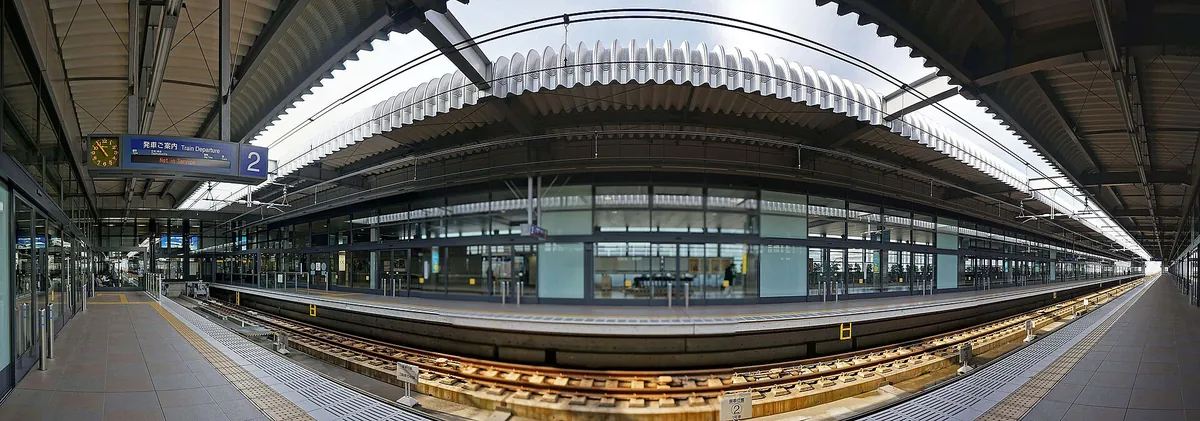
You can send a suitcase from the arrivals floor straight to your first hotel. The counters below come from the airports’ own pages and Yamato’s counter list. For the trains into the city, see Narita vs Haneda: Getting to Your Hotel Without the Stress.
Narita Airport
- Yamato: Terminal 1 North 1F, Terminal 1 South 1F, Terminal 2 1F and Terminal 3 1F, 06:30–22:30.
- Departure floors: Yamato and JAL ABC at T1 North 4F, T1 South 4F and T2 3F, 07:00–21:00.
- JAL ABC and Sagawa: JAL ABC on the T1 North, T1 South and T2 arrival floors, and Sagawa on the T1 North and T2 arrival floors, open until one hour after the last international arrival. Sagawa’s T1 South counter is on 4F (07:00–21:00).
- Same day (Yamato): drop off by about 10:30 (T3: 9:50), delivered 18:00–21:00 in Tokyo and nearby prefectures.
Yamato says same-day fees from Narita vary by size and address. The normal Narita → Tokyo rate for a 160 bag is ¥3,020. Hours are from the Narita Airport baggage delivery page.
Haneda Airport
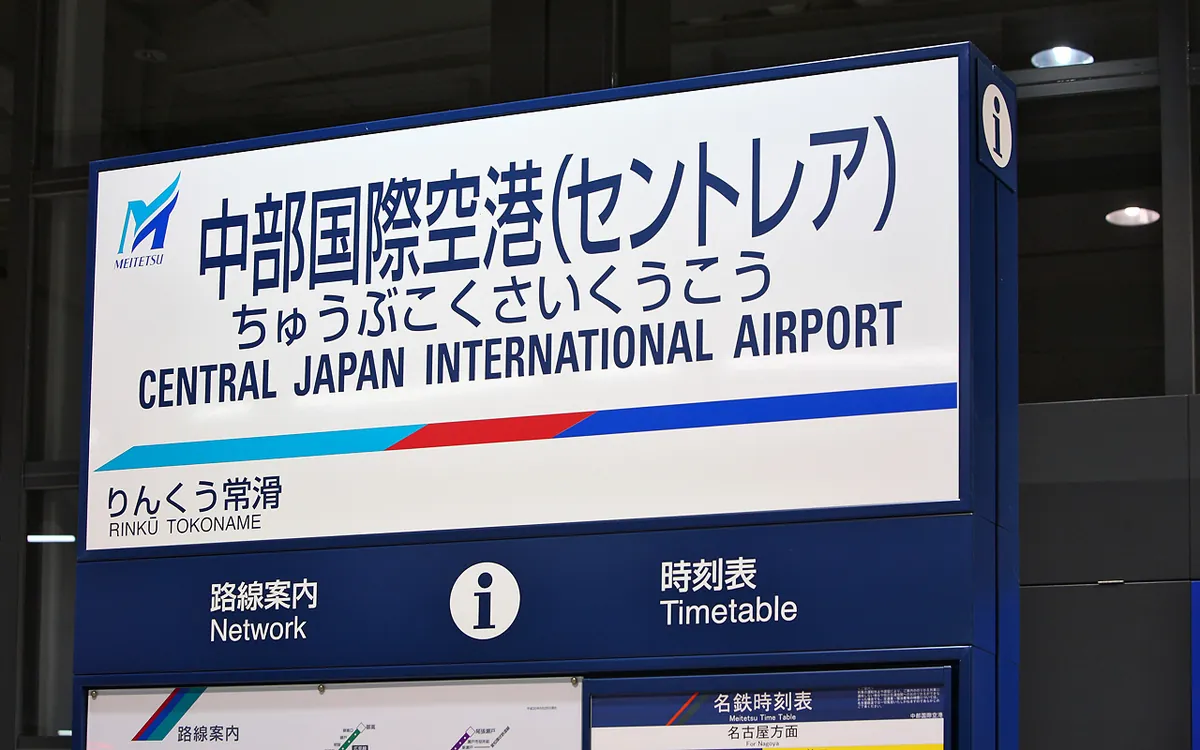
- Terminal 3 (international): Yamato on the 2F arrival lobby, 5:00–23:00 for sending; JAL ABC on 2F, 4:00–25:00.
- Collecting a bag at T3: Yamato 2F, 6:00–23:00; JAL ABC 3F departure lobby, 24 hours.
- Terminal 1: Yamato 1F arrival lobby, 7:00–21:00; Sagawa 1F arrival lobby (North), 7:00–20:00.
- Terminal 2: Sagawa 1F arrival lobby, 7:00–20:00; Yamato and JAL ABC also have counters.
Yamato’s same-day service from Haneda takes bags by about 11:00 and delivers from 18:00 to hotels in Tokyo’s 23 wards and nearby areas such as Kawasaki and parts of Yokohama.
It costs extra: ¥5,780 for a 160 bag to the 23 wards, against ¥2,410 for normal delivery. Hours are as listed on the Haneda Airport delivery page.
Kansai Airport (KIX)
Yamato lists a Baggage Delivery Service Counter at Terminal 1 North 4F. Kansai Airport’s own page could not be checked for opening hours, so confirm them on the airport’s site before you rely on an early or late drop-off.
- Same day to homes in Osaka, Kyoto, Hyogo, Nara, Shiga and Wakayama (some areas excluded): drop off by about 10:00.
- Same day to hotels in listed Osaka and Kyoto wards: drop off by about 12:30.
- Delivered 18:00–21:00, at the standard fare plus ¥1,210.
Landing at KIX after 12:30? Send the bag for a later date, or carry it on the train and forward it from your hotel when you move on.
Planning your visit?
5. When your bag arrives: same-day cut-offs and the 7-day rule

Normal TA-Q-BIN is not same-day. Under Yamato’s terms, you can choose a delivery date up to 7 days after Yamato receives the bag. That makes it easy to send a case ahead before a side trip.
If you write no date, the terms allow up to 2 days for the first 400 km, plus a day for each further 400 km. That is a maximum, not the usual speed. Ask at the counter which day your bag will arrive, and write that date on the slip.
Same-day delivery from stations
Yamato’s same-day delivery service also runs from big stations in Kansai:
- Kyoto Station: drop off by about 10:00, delivered from 20:00. Extra ¥550 within Kyoto City, ¥1,100 to Osaka or Kobe.
- Shin-Osaka and Osaka Station: drop off by about 11:30, delivered from 20:00. Extra ¥550 within Osaka City, ¥1,100 to Kyoto or Kobe.
- Kyoto Station to a Kyoto City hotel, size 160: ¥3,470.
Yamato warns that cut-off times vary by counter and that weather or traffic can delay delivery. Same-day only reaches listed hotels and areas, so check the list for your address.
Plan for a forwarding gap: on most moves you will spend one night with only your day bag. Section 9 covers what to keep with you.
6. How to send a suitcase from a hotel desk or a Yamato counter
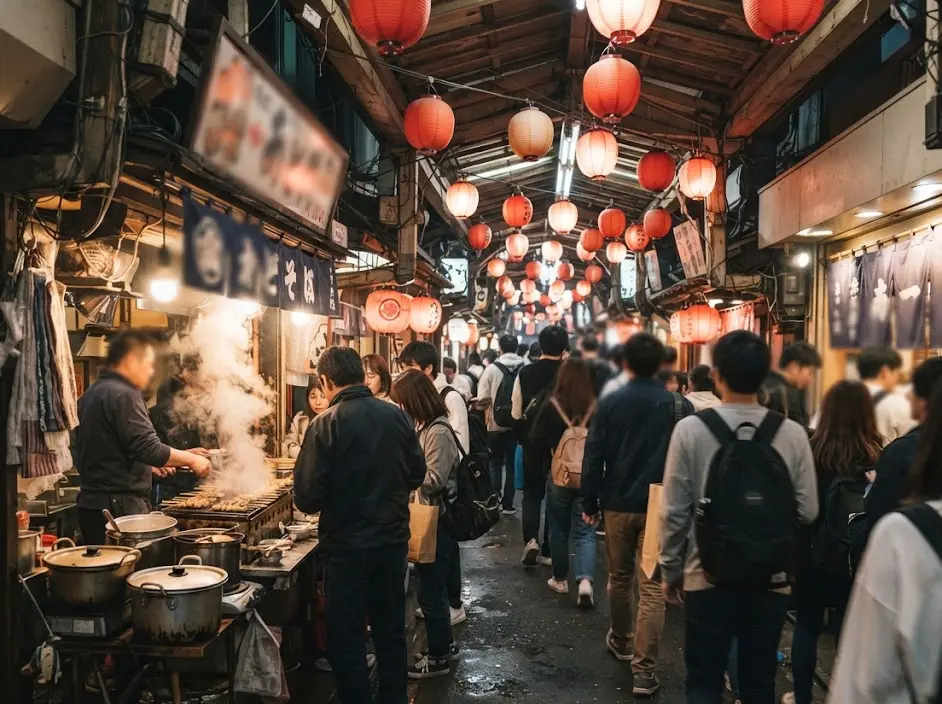
You do not need Japanese for this. At a hotel, say “takkyubin” and point at your bag; the staff will hand you a waybill (the delivery slip). At an airport, go to the counter of the carrier you want.
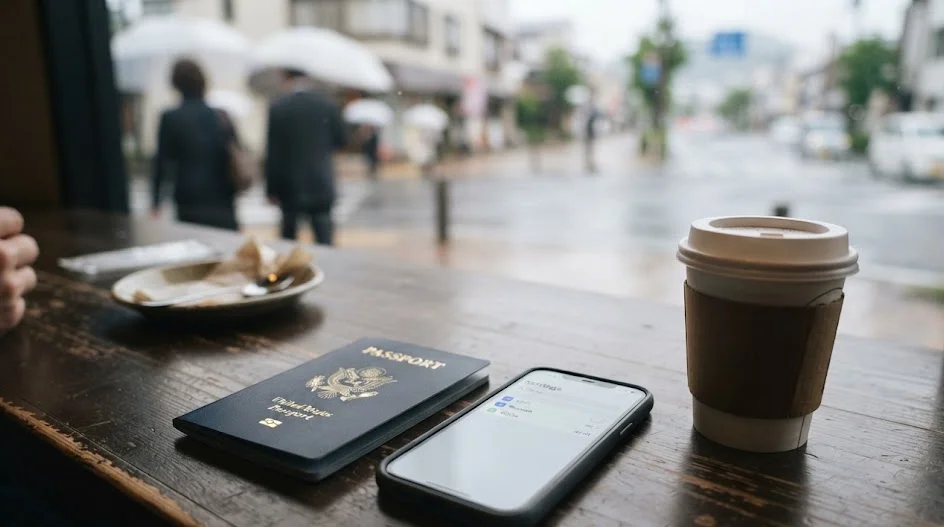
Have your next hotel’s name, address and phone number ready on your phone, ideally in Japanese as well as English. The staff can help you copy it onto the form.
Step 1: Save the next hotel’s address
Name, address, phone number and your check-in date, in a screenshot you can show offline.
Step 2: Pack and photograph the bag
Take out valuables and anything on the refused list, lock the case and take a photo of it.
Step 3: Fill in the waybill
Write the delivery date to match your check-in. Mark it fragile if anything inside could break.
Step 4: Pay and keep the slip
Keep your copy. It holds the tracking number for the carrier’s website and is your proof if something goes wrong.
Convenience stores and Yamato offices
No hotel desk? Look for the black-cat sign of Yamato’s hands-free travel service outside a convenience store or a Yamato office. Bringing the bag there yourself earns the ¥100 discount.
Yamato’s fare page notes that some convenience stores cannot take parcels of size 180 or larger. For a large case, a Yamato office is the safer choice.
Hotels, guesthouses and rentals
Ask before you send to a small guesthouse or a rental apartment. Somebody must be there to receive the bag. A place with no front desk may not be able to accept it.
If you send a bag to a hotel days before you arrive, tell the hotel. A short email with your name and booking dates helps the staff match the parcel to you.
7. Is luggage forwarding safe? ¥300,000 cover and the 14-day rule
Lost or damaged bags are the biggest worry, so here is what the carriers’ terms actually say. Neither carrier promises that nothing will ever go wrong, but both set out clear rules.
Yamato’s TA-Q-BIN page states that each parcel is insured up to ¥300,000, tax included. Its terms add the details:
- Yamato is responsible from the moment it receives your bag.
- For loss, it pays the bag’s value at the place of shipment, up to the limit on the waybill.
- For damage, it pays by the extent of the damage, up to the same limit.
- If damage was caused by Yamato’s wilful misconduct or gross negligence, it pays full damages.
Deadlines you must not miss
- Damage: notify Yamato within 14 days of delivery, or its liability ends.
- Certificate: ask for an accident certificate within 14 days for damage, or within 1 year for loss.
- Legal claims: these end if no court claim is filed within 1 year of delivery.
Sagawa’s carriage terms (approved July 2024) use the same pattern. Damage or partial loss must be reported within 14 days of delivery, payment is based on the value at the place of shipment up to the waybill limit, and claims run for 1 year.
What is not covered
- Normal wear and tear on the bag, and damage from natural disasters.
- Problems caused by your own mistakes on the waybill, such as a wrong address.
- Damage to fragile items you did not declare as fragile on the waybill.
If your bag arrives damaged
- Open and check the bag soon after it arrives, not at the end of your trip.
- Photograph the damage next to your pre-shipment photo.
- Report it through the hotel desk or the counter where you sent it, with your slip.
- Do this within 14 days of delivery.
 Reader
 Yuki
8. What Yamato and Sagawa will not carry
Both carriers refuse some items outright. Yamato’s list of items it does not accept and its terms include:
- Passports, exam tickets and other documents that are hard to replace
- Cash and cards
- Fireworks, kerosene, gas cylinders, paint thinner and other flammable items
- Firearms, poisons and live animals
- Any parcel worth more than ¥300,000 in total
Sagawa’s terms refuse the same core items: parcels worth over ¥300,000, passports and other hard-to-reissue documents, cash and cards.
Lithium batteries are a separate case. Yamato has its own rules for items with lithium batteries, so check the items page before you pack a power bank or spare battery in the case.
A suitcase full of expensive gear can go over the ¥300,000 limit. If it does, the carrier will not take it, so split the valuables into your day bag.
9. The forwarding gap: what to keep in your day bag
Most moves mean one night when your main case is somewhere between hotels. The easy fix is to split your packing into two zones before you reach the desk: the next two days in the day bag, the rest of the week in the suitcase.
- Passport and rail pass: always on you, never in the forwarded bag.
- Chargers and a power bank: check Yamato’s battery rules before packing spares in the case.
- One change of clothes: a fresh shirt and socks.
- Medicine and toiletries: enough for one night.
- Offline copies of bookings: hotel confirmations and the delivery slip.
In winter, keep a warm jacket on you rather than packing it. Check your next hotel’s amenity list too; it tells you what you can leave out of the day bag.
One-night stops
Staying one night in a ryokan between Tokyo and Kyoto? Send the big bag straight to your Kyoto hotel with a delivery date that matches your arrival, up to 7 days ahead. Is a Ryokan Worth It? covers what those stays include.
Bags on moving day
Between check-out and check-in you may still have a day bag and shopping to carry. A foldable nylon bag packed inside the suitcase gives you room for souvenirs later in the trip.
10. Taking the Shinkansen instead: JR Central’s oversized-bag rule
Many travelers decide to keep the suitcase and take it on the train. That works, but the rules matter. On the Tokaido, Sanyo and Kyushu Shinkansen, JR Central says a bag of 161–250 cm (length + width + height) needs a reserved seat with an oversized baggage area.
- Board with an oversized bag and no such reservation, and you pay a ¥1,000 baggage fee.
- Bags over 250 cm in total cannot be brought on board.
- Bags up to 160 cm need no special seat.
So the choice on Tokyo → Kyoto is clear. Forwarding a 160 bag costs ¥3,160. Carrying it costs nothing extra, but you lift it into the rack, walk it through two stations and keep it with you on arrival day. Full details are on JR Central’s oversized baggage page.
What most first-timers do
- Drag a 25 kg case through Tokyo Station
- Board without an oversized-bag seat
- Guard bags at their feet the whole ride
What actually works
- Forward the case the day before
- Ride with a day bag only
- Find the case waiting at the hotel
Still deciding between flying and the train? Should You Fly or Take the Train from Tokyo to Kyoto? compares the two, luggage included.
FAQ
QIs there a weight limit for luggage forwarding in Japan?
Yes, but it is not 20 kg. Yamato takes up to 25 kg at size 160 and up to 30 kg at sizes 180 and 200. A heavier bag moves into a bigger, pricier size.
QCan I send my bag to an Airbnb?
Only if the host confirms that someone will be there to receive it. Ask before you send; a rental with no front desk may not be able to accept the parcel.
QDo I need to speak Japanese?
No. Say “takkyubin”, show the address on your phone, and the staff will guide you through the waybill.
QHow far ahead can I send my bag?
You can set a delivery date up to 7 days after Yamato receives it. Drop it off the day before you move, or earlier with a date written on the slip.
QIs luggage forwarding in Japan safe?
The carriers’ terms cover each parcel up to ¥300,000 and pay for loss or damage under set rules. Report damage within 14 days of delivery and keep valuables with you.
Forwarding your suitcase in Japan costs about ¥2,410–3,160 per leg for a standard large case and turns moving day into a day-bag day.
Check your bag’s size, pick the legs worth forwarding, and keep the slip until you have opened the case at the other end.
Keep planning
- ① Install and test your eSIM before take-offAiralo and Ubigi eSIMs activate on arrival, but the install itself needs Wi-Fi. Do it at home and confirm the profile shows up in your phone settings.
- ② Save your first hotel’s address in JapaneseTaxi drivers and station staff read Japanese addresses far faster than romanised ones. Copy it from the booking confirmation into your notes app.
- ③ Set aside cash for day oneMany small restaurants, temples and rural buses are still cash-only. Airport ATMs at 7-Eleven and the post office accept most foreign cards.
Skip these and your first hour in Japan goes on finding Wi-Fi at the station instead of getting to your hotel.
🔍 How to sanity-check any price you read online
Blogs (including this one) go out of date. The official page always wins over a screenshot from two years ago.