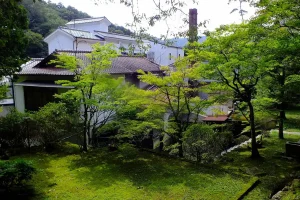
- A one-night stay is worth it as a cultural event, not just for lodging.
- Skip the expensive private-bath room; you will likely prefer the public hot springs.
- Book it to avoid the stress of evening restaurant hunting for one night.
- Time needed
- 1 night
- Typical cost
- ¥25,000–¥50,000 per person
- Base
- Hakone or Arima Onsen
- Booking
- Required weeks in advance
- Price checked
- 2026
Some links are affiliate links (marked “Partner link”). Prices are ranges checked in 2026; confirm on the official site before you book.
“Is it just a very expensive bedroom with dinner included?” This question crosses the mind of every traveler staring at a booking confirmation for a traditional Japanese inn.
For most, the answer is yes, if you view it purely as a bed. But for those who see it as a prepaid cultural immersion, the value shifts entirely.
What a stay at a traditional ryokan actually covers
A ryokan is a comprehensive service package rather than a standard hotel room. When you pay for the night, you are covering an arrival service, a multi-course dinner, a breakfast, and access to communal bathing facilities.
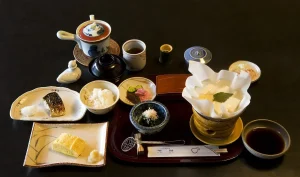
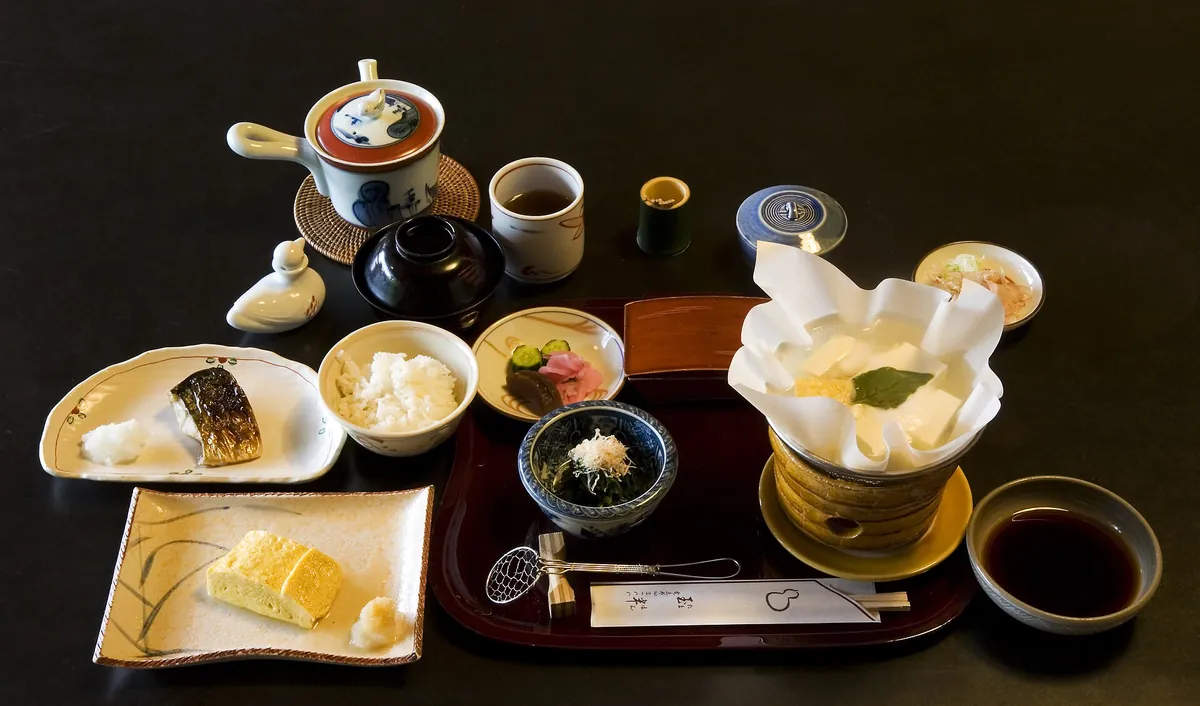
The ritual of the kaiseki dinner
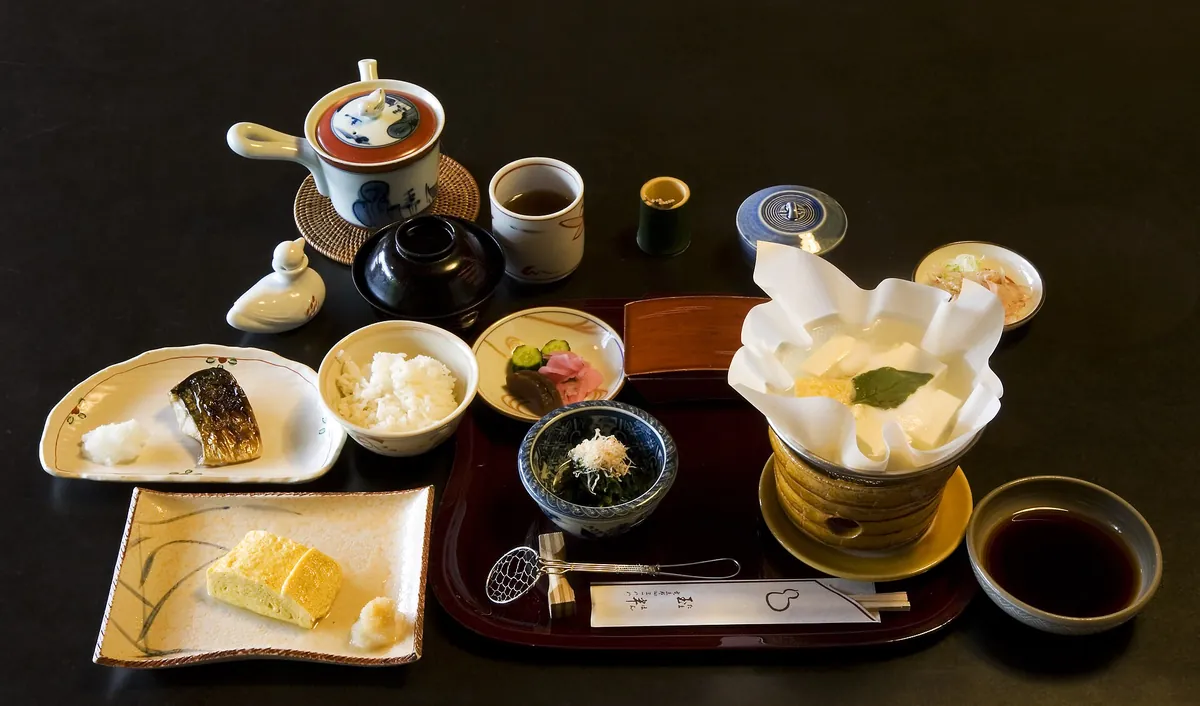
The kaiseki dinner is an elaborate, multi-course meal that usually takes two hours or more to finish. It features local, seasonal ingredients prepared in ways that emphasize texture and presentation.
This event replaces the need for you to navigate a new city’s dining scene or hunt for a reservation on a busy Friday night.
Public versus private bathing
Most first-timers obsess over finding a room with a private outdoor bath. You will rarely use it after experiencing the scale and design of the public onsen facilities.
These communal baths are usually the centerpiece of the property. Save your budget by opting for a standard room instead of the premium suite.
That is the whole trick.
What the typical ryokan experience costs in 2026
Prices fluctuate heavily based on the season and the prestige of the inn. You can expect a range of roughly ¥20,000 to ¥60,000 per person per night for a high-quality experience. Always check the official site or Booking.com for the most current rates for your dates.
- Mid-range inn: ¥20,000–¥30,000 per person.
- Luxury/Historic inn: ¥40,000–¥80,000 per person.
- Includes: Dinner, breakfast, and bath access.
- Excludes: Train travel to the location, drinks at dinner.
If you are planning to travel between Tokyo and Kyoto, looking at an inn in the Hakone area via Agoda is a common way to break up the journey. The cost of one night can often be seen as equivalent to one fancy dinner in Tokyo plus your hotel for that night.
The math of your one-night stay vs hotel nights
When deciding if the price is justified, you must weigh the total cost of a standard hotel night plus dinner at a high-end restaurant. Often, the ryokan price is not as high as it first appears when you strip away the accommodation cost.
← Swipe to see the full table →
| Scenario | Ryokan Stay | Hotel + Dining |
|---|---|---|
| 7-Day Trip | ¥45,000 | ¥35,000 |
| 14-Day Trip | ¥50,000 | ¥40,000 |
Plan your trip: the tools we use
Our pick: The ryokan, because the cultural immersion of the communal bath and traditional service is impossible to replicate in a city hotel.
Who should commit to a stay and who should skip it
Skip it if…
- You prefer flexible, late-night dining.
- You have major mobility restrictions.
- You are strictly on a tight daily budget.
Book it if…
- You want a quiet, zero-planning evening.
- You enjoy hot springs and bathing culture.
- You want an authentic cultural experience.
The biggest mistake is staying for more than two nights. You will find that the elaborate, long dinners can become repetitive and restrictive after the first evening. Keep your stay to one night, then head back to your preferred base.
Where we would book this
Booking.com
Largest inventory in Japan for English-speaking travellers
- Best for
- Hotels, business hotels, ryokan and apartments in every city
- Checked
- September 2026
Official site. Same price for you.
The alternatives to a traditional full-service inn
Business hotels with public baths
If the cost of a full ryokan is too high, many business hotel chains, such as Dormy Inn, offer excellent public baths and high-quality breakfast buffets. You can search for these on Rakuten Travel. You lose the private dinner service, but you keep the bathing culture at a fraction of the cost.
Minshuku guest houses
A minshuku is a family-run bed and breakfast that provides a much more casual experience. These are often found in rural areas and are significantly cheaper than high-end ryokan. They provide the same feeling of home-cooked, regional hospitality without the high price tag.
How to book and make the most of your first night
Step 1: Search for dates
Use Booking.com to find a location that is easily accessible by train.
Step 2: Check the meal options
Ensure your reservation explicitly includes breakfast and dinner.
Step 3: Inform of dietary needs
Send a message early about any allergies so the chef can prepare.
Step 4: Arrive before sunset
Aim to arrive by 16:00 to enjoy the baths before your dinner service.
Arriving after 18:00 often means rushing through the check-in and missing the chance to use the public bath before the scheduled dinner time.
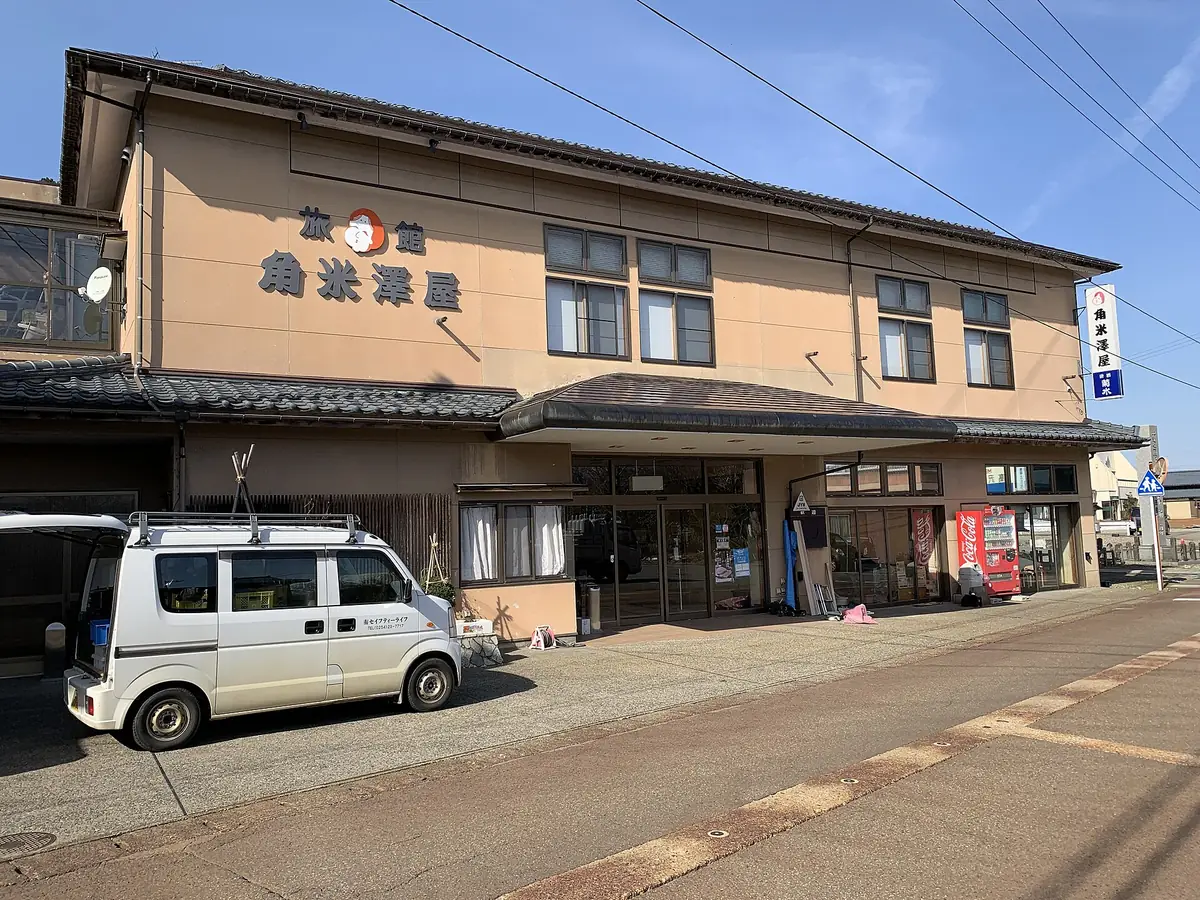
One more thing: luggage and checking out early
Most traditional inns have strict check-out times, often as early as 10:00. You cannot lounge in your room until noon as you might in a city hotel.
Furthermore, if you are traveling with large suitcases, use Yamato transport services to forward them to your next destination. Carrying a massive suitcase into a traditional room with straw mats is difficult and often discouraged by the staff.
Always double-check if your inn allows luggage storage after you check out. If not, plan to visit a local attraction immediately after you leave.
Navigating cancellation policies and the “No-Show” risk
Booking a ryokan is fundamentally different from reserving a standard hotel room. While city hotels often allow cancellations up to 24 or 48 hours before arrival, traditional inns operate on a much tighter schedule because they purchase fresh, seasonal ingredients for your multi-course meal days in advance.
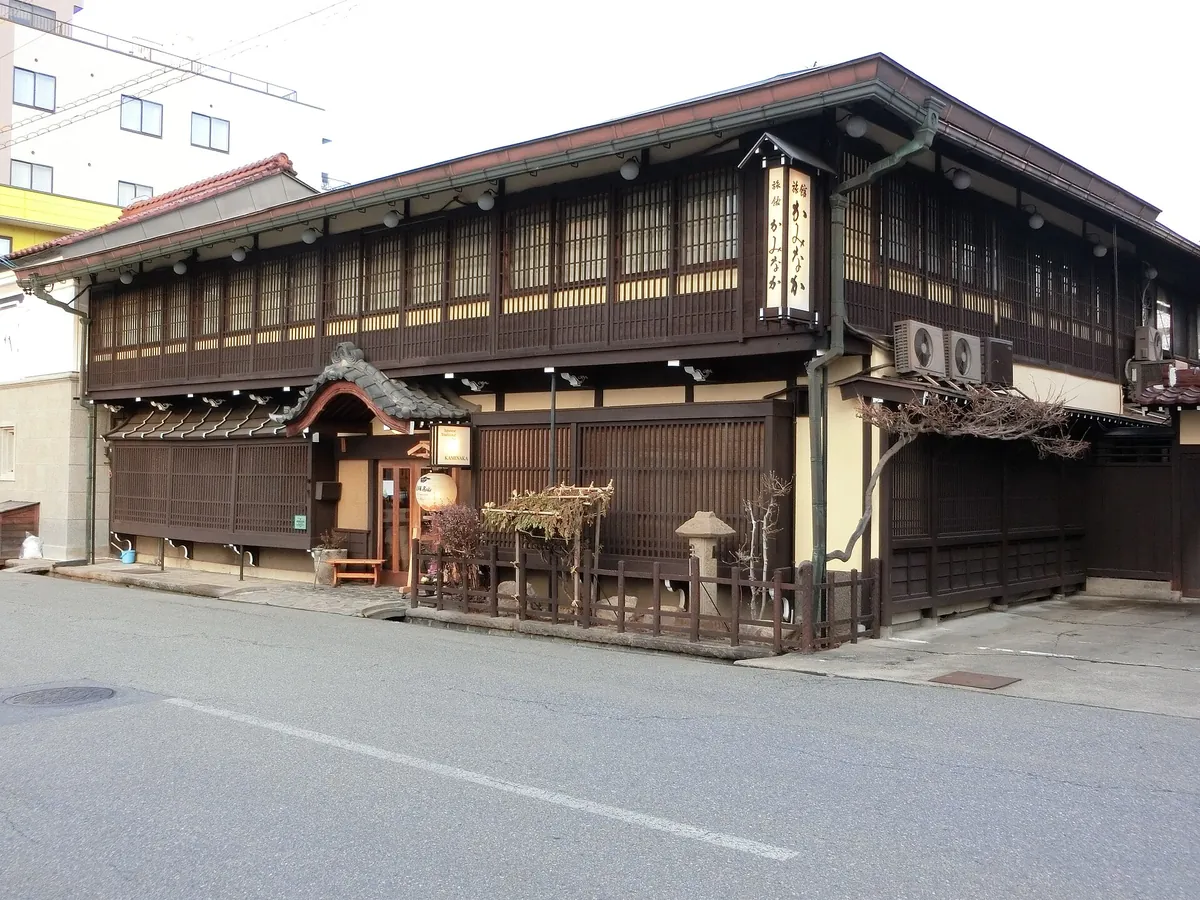
If your travel plans are prone to shifting, you must pay close attention to the fine print before clicking confirm. Many high-end ryokans begin charging significant cancellation fees as early as two weeks before your stay.
Some historic, family-run establishments will bill you 100% of the cost for a cancellation made less than 72 hours prior.
Understanding the deposit structure
- Early-bird penalties: Many platforms like Agoda or Booking.com now offer flexible rates, but these are often significantly more expensive than the “prepaid/non-refundable” rates offered by the inn.
- The “No-Show” reality: If you miss your train and fail to contact the ryokan by their check-in cutoff, they will treat your room as a no-show. Because your dinner is prepared specifically for your arrival, they cannot easily resell that food to another guest.
- Language barriers: If you book through a third-party site, ensure you have a contact number for the inn. If you get lost on the way, call them immediately. A quick phone call is often the difference between a penalty fee and a sympathetic staff member waiting to serve your dinner.
For those traveling during peak seasons like cherry blossom time or golden week, these policies are ironclad. If you are worried about potential delays or flight changes, consider purchasing travel insurance that explicitly covers “unforeseen trip interruption” to mitigate the cost of a last-minute cancellation.
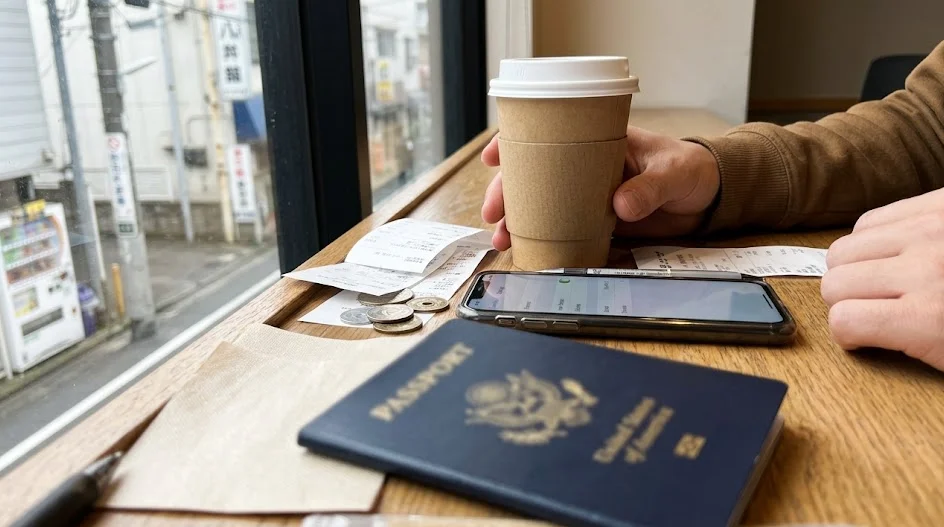
When you book through platforms like Klook or Rakuten Travel, the cancellation policy is clearly visible on the final checkout screen. Do not skip this step.
If the risk of losing ¥40,000 to ¥60,000 due to a canceled flight keeps you up at night, prioritize booking a flexible-rate room, even if it carries a premium. The peace of mind is often worth the extra spend for travelers navigating Japan’s often unpredictable regional train networks.
Traveling with children or additional luggage
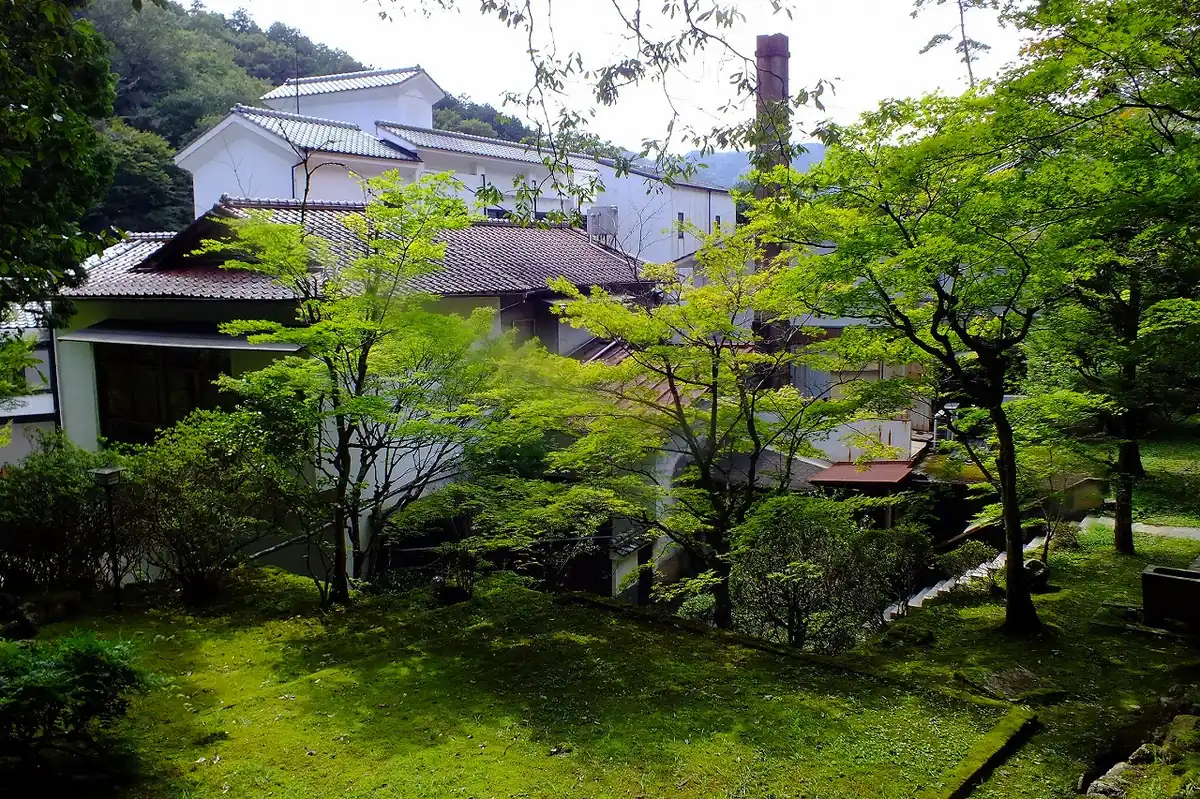
The aesthetic of a traditional ryokan—minimalist rooms with tatami mats, paper screens, and quiet corridors—presents unique logistical challenges for families or travelers moving through the country with multiple suitcases. Most historic inns were built long before the concept of suitcase-friendly design existed.
Space in a standard room is limited because your floor is literally your bedroom. During the day, the staff enters your room to store your futon, and in the evening, they return to lay it out.
If your room is cluttered with large suitcases, this process becomes disruptive for the staff and annoying for you. If you have bulky luggage, use the Yamato Transport “Takkyubin” service to forward your heavy bags to your next city hotel instead of bringing them to the ryokan.
Managing expectations for families
- Noise levels: Thin walls are common in older buildings. If you are traveling with infants or young children who may cry at night, check if the ryokan has sound-insulated wings. Many high-end ryokans prefer to place families in specific areas to ensure other guests’ tranquility.
- Meal adjustments: Most kaiseki menus are adult-oriented, focusing on raw fish, simmered vegetables, and delicate flavors. Always message the inn in advance to see if they offer a children’s meal plan (often called “Okosama-lanch” or a simplified set).
- The bath rules: Most public baths have strict rules regarding young children. If your child is not yet toilet trained, they may be prohibited from the communal onsen entirely. Verify these rules on the official site before booking, as some properties are strictly for adults or older children.
The “worth it” factor for families often depends on the level of preparation. A ryokan can be a magical experience for children if you have the right expectations, but it can also be a high-stress environment if you are constantly worrying about noise or dietary requirements.

By shipping your luggage ahead and confirming meal and bathing policies in advance, you remove the friction that typically turns a luxury experience into a logistical headache.
So, is a ryokan worth it for your trip?
A one-night stay is worth the investment if you treat it as a break from your active sightseeing schedule. It is not about the bed, but about the transition to a slower pace.
If you stick to one night, the cost becomes manageable within a mid-range budget. Use the rest of your trip to stay in functional hotels near major stations.

FAQ
QDo I really need to stay in a private-bath room?
No. Most people find the public bathing areas more impressive and spacious.
QWhat if I cannot sit on the floor for dinner?
Many modern ryokan now offer dining rooms with chairs and tables. Request this when you book.
QAre the meals always traditional Japanese food?
Yes, and they are usually highly seasonal. If you are a picky eater, check the menu photos online first.
QCan I stay for three nights to relax?
Staying for more than two nights is generally not recommended as the elaborate, set kaiseki dinners can become repetitive.
QWhat is the benefit of forwarding my luggage?
It saves you from navigating train stations with heavy bags and keeps your limited ryokan room space free for futons.
QAre there kid-friendly ryokans?
Some properties specialize in family visits, but always check their specific rules regarding young children in public baths first.
 ReaderYuki
Planning your itinerary often feels like trying to balance too many competing desires.
Stop stressing over every single hotel night and instead lock in the one or two big experiences that define the trip, then fill in the rest based on your transport route.
Keep planning
- ① Install and test your eSIM before take-offAiralo and Ubigi eSIMs activate on arrival, but the install itself needs Wi-Fi. Do it at home and confirm the profile shows up in your phone settings.
- ② Save your first hotel’s address in JapaneseTaxi drivers and station staff read Japanese addresses far faster than romanised ones. Copy it from the booking confirmation into your notes app.
- ③ Set aside cash for day oneMany small restaurants, temples and rural buses are still cash-only. Airport ATMs at 7-Eleven and the post office accept most foreign cards.
Skip these and your first hour in Japan goes on finding Wi-Fi at the station instead of getting to your hotel.
🔍 How to sanity-check any price you read online
Blogs (including this one) go out of date. The official page always wins over a screenshot from two years ago.
Cover Photo: Bounta Nanthavong, CC BY-SA 4.0, via Wikimedia Commons