- Best for rest: Business hotels offer private bathrooms and reliable quiet.
- Best for budget: Hostels work if you prioritize social interaction over privacy.
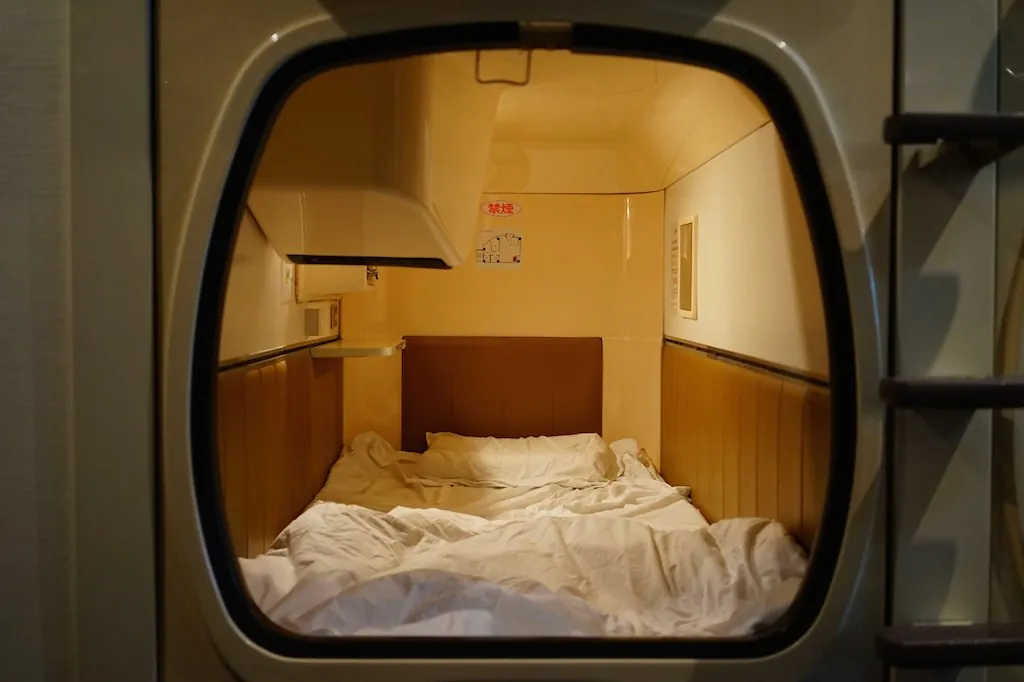
- Best for one-nighters: Capsules save money when you just need a bed and a shower.
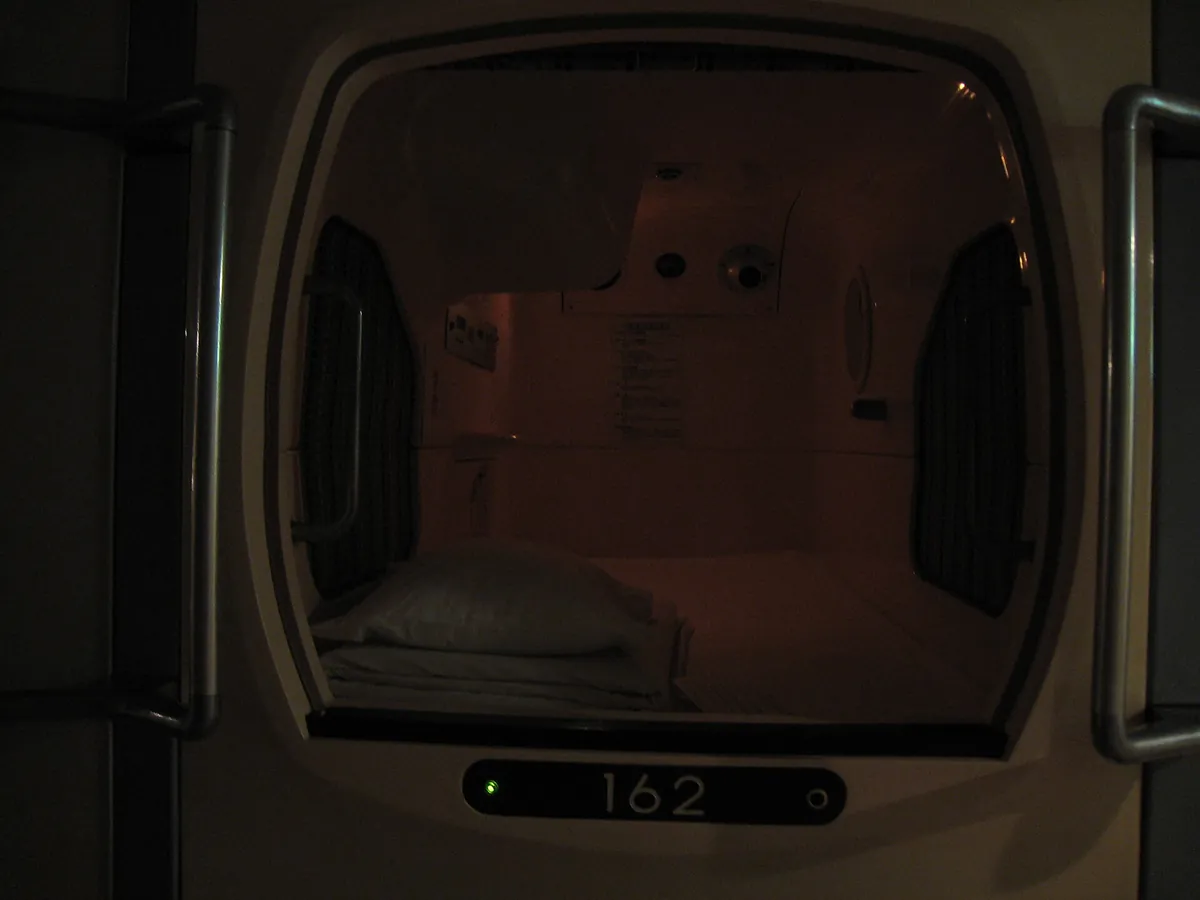
Do you really want to sacrifice sleep quality for a slightly cheaper bed? For most international visitors on a 10-14 day trip, the exhaustion caused by poor sleep quickly outweighs the savings of a hostel or capsule.
If you need to hit the ground running every morning, booking a standard business hotel is the most practical choice for your base.
Some links are affiliate links (marked “Partner link”). Prices are ranges checked in 2026; confirm on the official site before you book.
- Time needed
- 10–14 days
- Typical cost
- ¥8,000–18,000 per night
- Base
- Major city centers
- Booking
- Essential for hotels
Top picks
Where we would book this
Booking.com
Largest inventory in Japan for English-speaking travellers
- Best for
- Hotels, business hotels, ryokan and apartments in every city
- Checked
- September 2026
Official site. Same price for you.
Where we would book this
Agoda
Frequently cheaper for Asian and Japanese chains
- Best for
- Same hotels as Booking.com, often different prices
- Checked
- September 2026
Official site. Same price for you.
Criteria for choosing your Japanese accommodation
When you are navigating a new city, your hotel is not just a place to sleep. It is your storage facility, your quiet zone, and your home base for charging electronics.
Most travelers ignore the hidden costs of logistics. You must decide if the trade-off of shared amenities is worth the daily hassle of repacking your bags or dealing with lockers.
Evaluating your accommodation needs
Before searching, list your non-negotiables. If you value silence over meeting strangers, you will need to filter for private spaces immediately.
- Private bathroom attached to your room
- Ability to keep luggage in the room
- Soundproofing for deep sleep
- Access to coin laundry on-site
- Easy check-in and check-out procedures
- Proximity to major train lines
- Budget per night under ¥10,000
Business hotels as the gold standard for solo travelers
Business hotels are the unsung heroes of the Japanese travel scene. They are designed for the Japanese salaryman who needs a clean, efficient, and quiet space after a long day of work.
You will usually find them within a five-minute walk of major stations like Shinjuku or Osaka Station.
You get a private room with an en-suite bathroom, which is a major sanity saver. Most locations provide basic toiletries, pajamas, and a desk.
While the rooms are undeniably compact by international standards, they are your own private fortress. You can leave your belongings safely in your room and return at any hour without worrying about disturbing others.
Finding the right business hotel
Look for chains like APA Hotel, Dormy Inn, or Super Hotel. These brands have consistent layouts and professional staff.
I have found that Dormy Inn, for example, often includes a public bath or sauna for guests, which is a fantastic way to recover from a day of walking. Always check current availability and pricing on platforms like Booking.com or Agoda.
If you are staying more than three nights, pick a hotel with a coin laundry on-site. It saves you from hauling your clothes to a local laundromat.
Capsule hotels for the minimalist traveler
Only consider a capsule hotel if you are arriving late at night or have a very early flight the next morning. These facilities are built for speed and efficiency, not for long-term comfort.
You get a sleeping pod and a locker for your valuables, but almost nothing else.
The biggest issue is the daily logistics. Most capsule hotels force you to check out every single morning. You have to remove your luggage from the locker, check out, and then re-register later in the day.
This is a massive drain on your limited vacation time if you are staying in the same city for more than one night.
The luggage problem
If you travel with a 24-inch suitcase, you are likely out of luck. Most capsules simply do not have space for standard checked luggage.
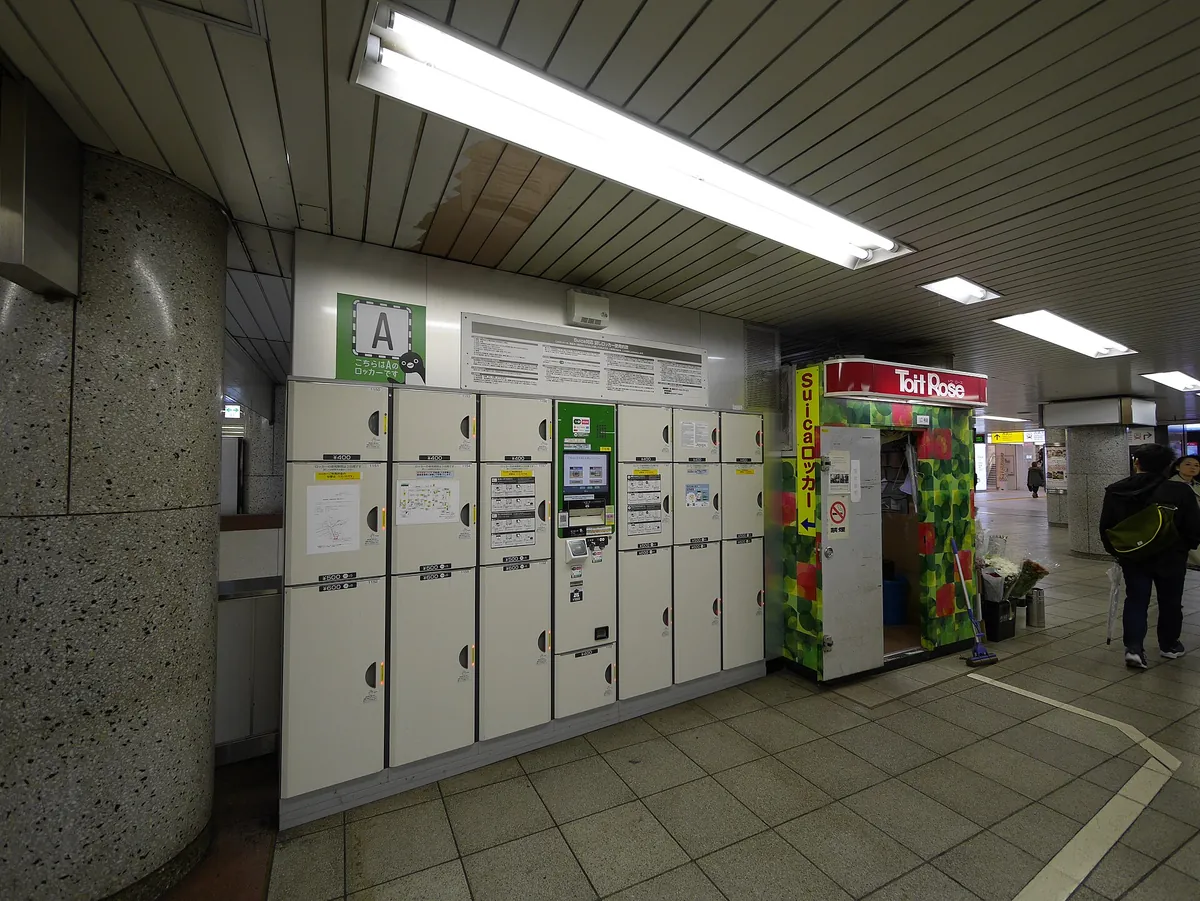
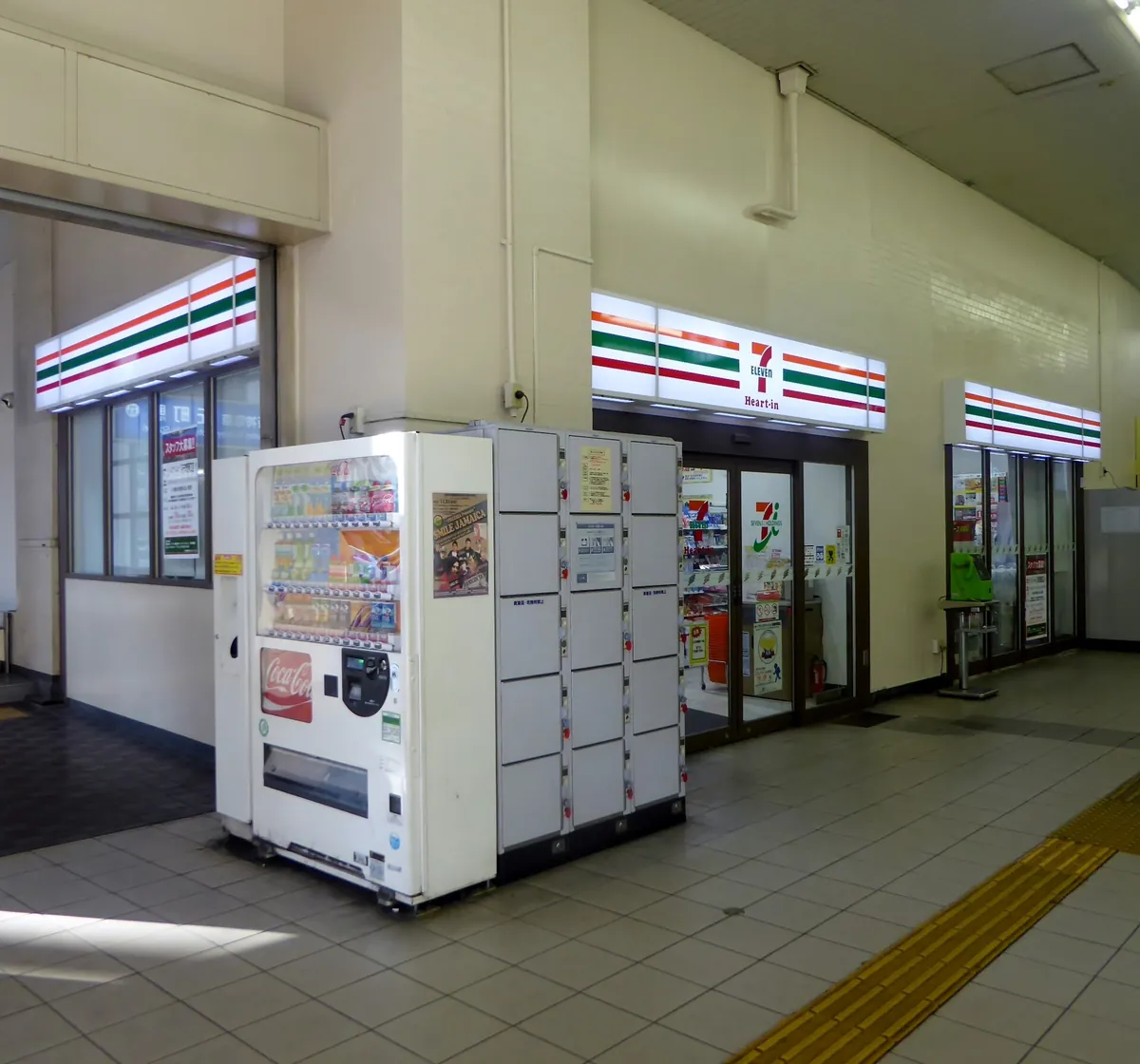
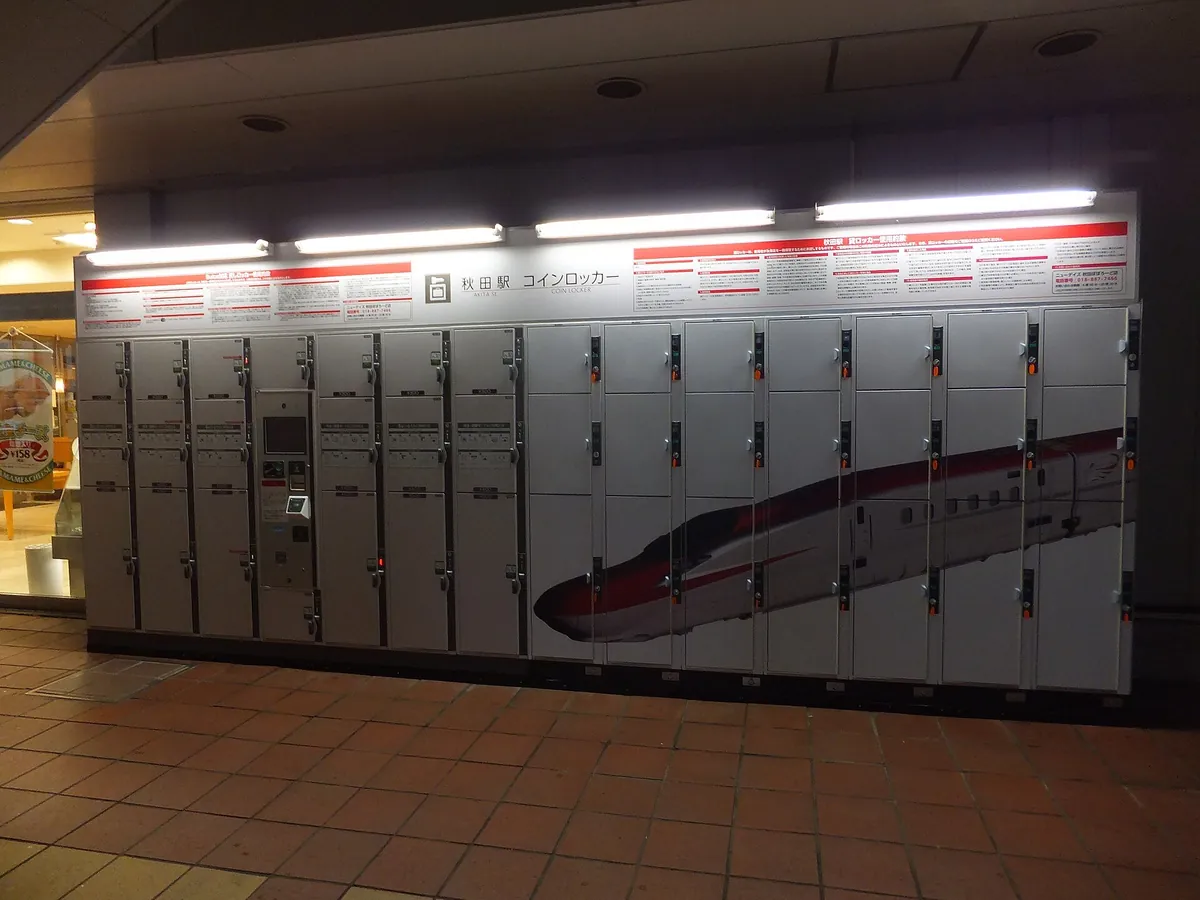
You will often have to leave your bags in a communal area or find a coin locker at the station. This adds cost and stress to every single day.
The reality of shared ventilation
Because these pods are grouped in large rooms, sound travels easily. You will hear every rustle, cough, and alarm clock from your neighbors.
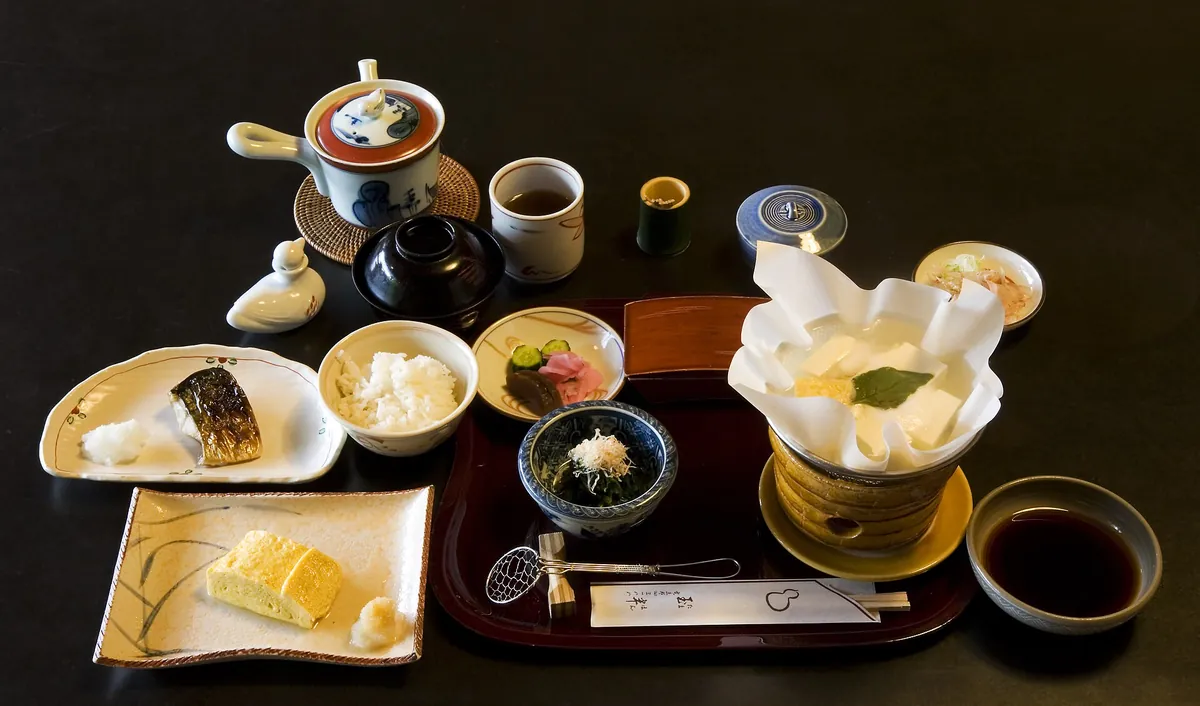
Hostels in Japan for the social traveler
Japanese hostels have evolved significantly. Many now offer curtained-off beds or even small private rooms that sit somewhere between a hostel and a hotel.
They are excellent if you want to meet other travelers or keep your nightly costs strictly under ¥5,000 to ¥7,000.
The social fatigue is real, though. Sharing a shower room with ten other people and dealing with the noise of roommates can wear you down.
If you are an introvert or a light sleeper, the environment might leave you drained by day three. Always check the reviews on Booking.com for mentions of noise levels before you commit.
Finding quality hostels
Look for hostels that specify “female-only” dorms if you are a solo female traveler. These often have higher cleanliness standards and more secure facilities.
 Reader
 Yuki
Head-to-head comparison: privacy and logistics
← Swipe to see the full table →
| Type | Best for | Key drawback |
|---|---|---|
| Business Hotel | Recharging | ¥8,000+ |
| Capsule Hotel | Late arrivals | ¥3,000–6,000 |
| Hostel | Socializing | ¥2,000–5,000 |
Plan your trip: the tools we use
Our pick: Business hotels, because the lack of stress and the ability to keep your luggage in one place is worth the extra cost.
Partner link.
The hidden costs of choosing the wrong base
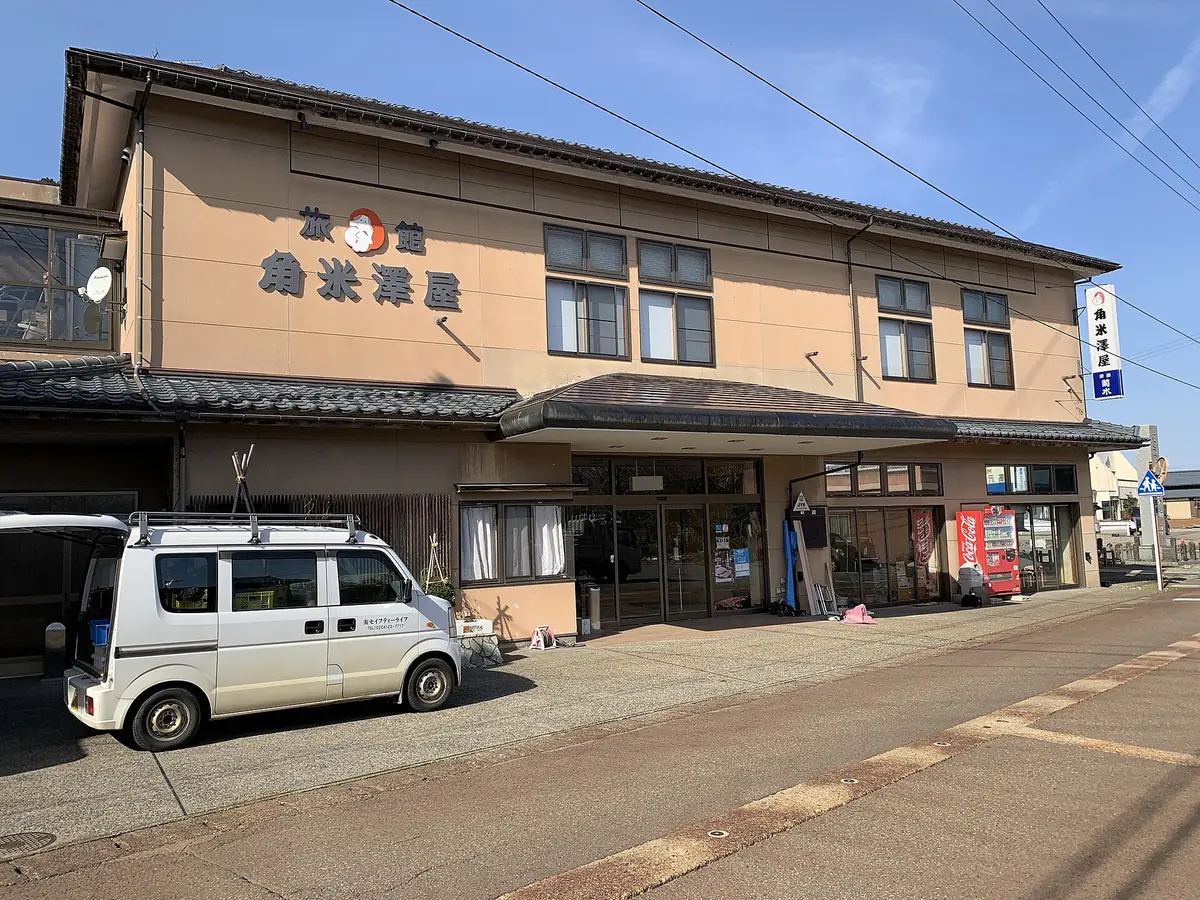
Do not let a low sticker price fool you. If you stay in a hostel or capsule, you will likely spend more on coin lockers for your extra luggage.
You might also end up buying more meals out because you lack a private, quiet place to relax. I once tried to save money by booking a budget capsule for a week in Tokyo.
I ended up spending my extra cash on taxis because I was too tired to navigate the trains after three nights of poor sleep.
Add in the time you spend managing your bags and moving through common areas. A business hotel effectively pays for itself by giving you back two hours of your day. You can spend that time sightseeing instead of managing your logistics.
Auditing a listing before you commit
Before you click ‘reserve’ on any site, look for these specific details. Does the room have an en-suite toilet? How far is it from the nearest JR line or subway exit?
If the listing does not explicitly say ‘private bathroom’ or ‘private room’, assume it is shared. I always cross-reference the hotel location on Google Maps to ensure it is actually walking distance from the station.
Verification steps
Always verify the location via street view. A hotel might be “near” a station but located at the top of a steep hill that is exhausting with luggage.
Step 1: Check the transit map
Confirm the distance from your hotel to the nearest station.
Step 2: Search for laundry
Check if the hotel has a coin laundry machine on-site.
Step 3: Read the recent reviews
Look specifically for complaints about noise or room size.
When to change your style
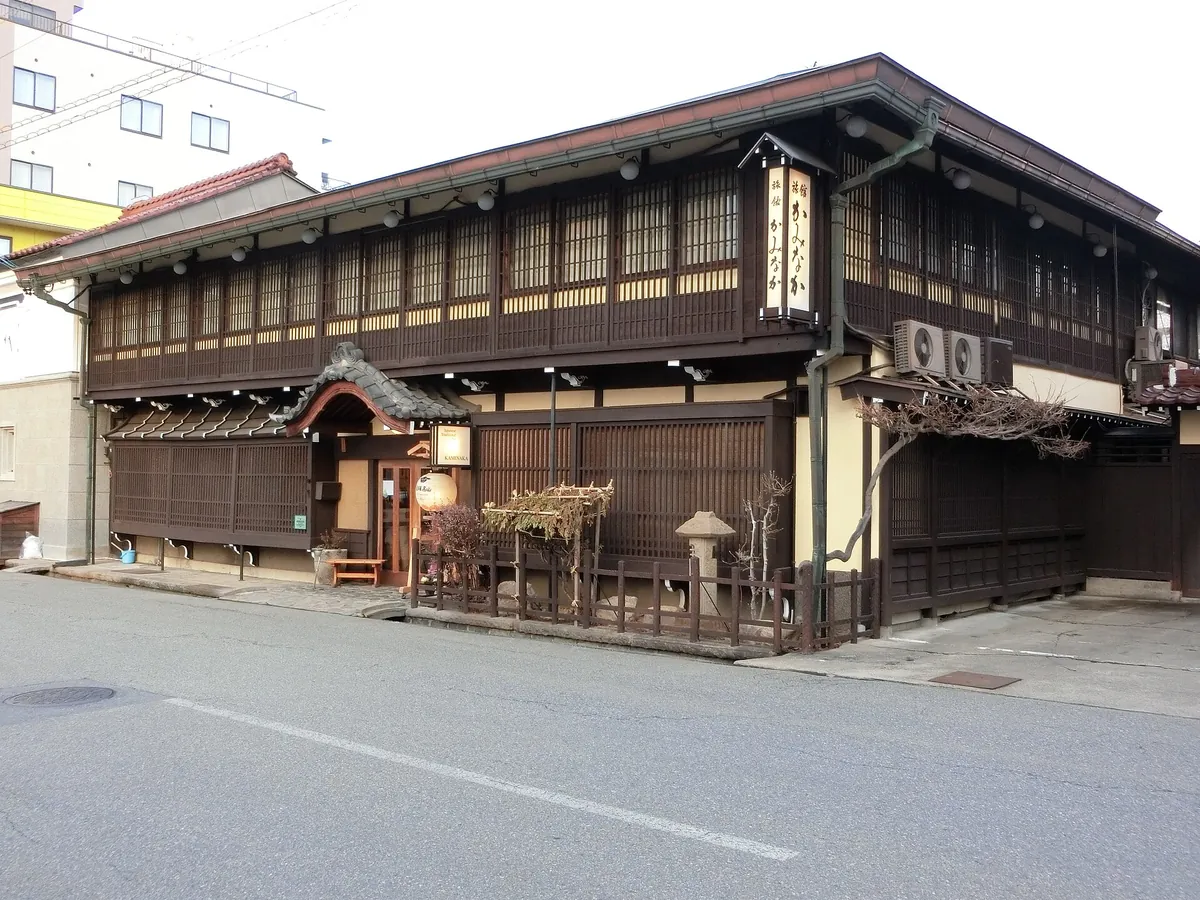
You do not have to pick one style for the whole trip. I often book a nice business hotel for the bulk of my stay in Osaka or Tokyo.
However, if I am going to Hakone for a night or staying near the airport before a morning flight, I might switch to a different type of accommodation. Be strategic about where you need maximum comfort.
Mixing accommodation types
It is perfectly common to stay in a luxury hotel for your final night to rest before a flight. This transition can make the departure process much smoother.
FAQ
QAre capsule hotels safe for solo travelers?
Generally, yes. Most have gender-separated floors and secure locker systems for your valuables. However, the lack of a lock on your actual capsule door can be unsettling for some. I prefer to keep my passport and phone in the provided locker at all times.
QCan I send my luggage ahead?
Yes. Using the Yamato Transport luggage forwarding service is a lifesaver. You can send your large suitcase from your hotel in Kyoto to your next hotel in Tokyo. This makes staying in a smaller room or a capsule much easier because you only carry a small backpack for the night.
QDo business hotels provide adapters?
Most provide a basic set of plugs, but do not rely on it. Bring your own travel adapter to be safe. You can easily find these on Amazon or at airport electronics shops. It is better to have one and not need it than to be stuck with an uncharged phone.
QIs it hard to find a room as a beginner?
Not if you use standard platforms like Agoda or Booking.com. The key is to filter by ‘private bathroom’ if you want your own space. Avoid booking too far into the future if your plans are not fixed, but do lock in your main bases as soon as you have your dates.
QWhat if I am a very light sleeper?
Stick to business hotels. Even then, bring earplugs. Japanese cities can be noisy at night, and hotel walls are not always soundproof. A good pair of earplugs is my most essential item for every trip to Japan.
QHow do I identify a “business-style” hotel?
Look for hotels that market themselves as “compact,” “functional,” or “station-front.” These terms generally indicate a focus on efficiency and business amenities rather than leisure-focused luxury.
Navigating last-minute accommodation failures
Even the most seasoned travelers encounter a sold-out city. During peak seasons like cherry blossom spring or the autumn foliage, major hubs like Kyoto or Osaka can see hotel occupancy rates climb to 95% or higher.
When your first-choice business hotel is unavailable, you need a secondary strategy that does not involve sleeping on a station bench.
If you find that your preferred business hotel is fully booked, check the outskirts of the city center. Japanese rail infrastructure is incredibly dense, meaning a hotel located three or four stops away from a major terminal is often just as convenient as one next door.
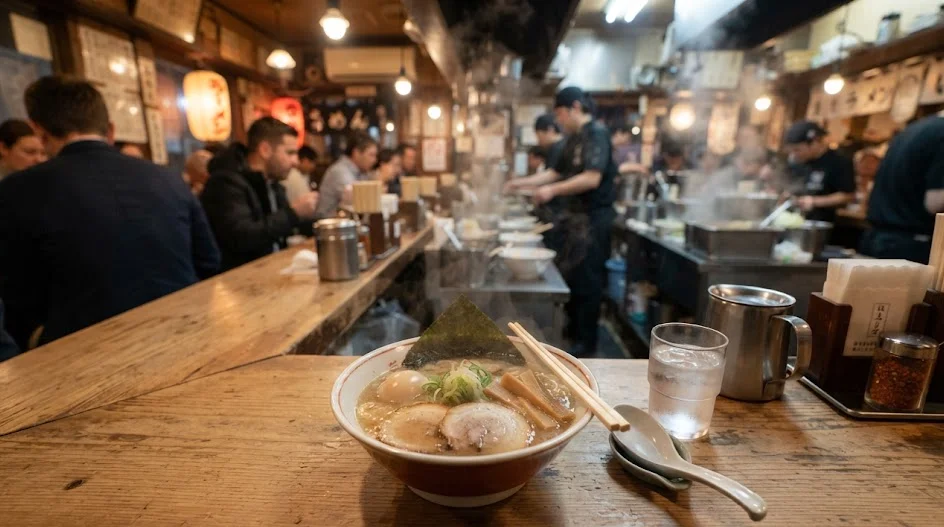
You can save money and secure better quality by simply shifting your search radius one train line over.
Always maintain a list of two or three backup properties in different, connected districts. If you are aiming for Shinjuku but see zero vacancy, look at stations along the Chuo or Yamanote lines like Nakano or Gotanda.
These areas are quieter, cheaper, and often house modern business hotels that remain available longer than their high-profile counterparts.
QEmergency backup tactics
- Expand your search to include “business-style” hotels in neighboring towns.
- Use Booking.com to set up instant alerts for your preferred dates.
- Consider “Love Hotels” if you are truly desperate; many now operate as standard lodging, though you should check the official site to ensure they accept international guests.
- Search for “Internet Cafes” or “Manga Kissa” as a last resort; these often provide private booths and showers for a fraction of the cost, usually ¥2,000–¥4,000.
QGetting local assistance
If you arrive in a city and realize your booking has been cancelled or the property is not as advertised, head immediately to the local Tourist Information Center located inside the main train station.
Staff there can often access local inventory that does not appear on major booking platforms. They are professional, accustomed to assisting distressed travelers, and can help you navigate regional options you might not have considered.
The role of local luggage storage services
Managing luggage is the single biggest stressor when choosing between hotel types. Hostels and capsules often lack the capacity to store bags before check-in or after check-out, which can leave you stranded with a heavy suitcase in a crowded station.
Understanding how to use Japan’s extensive luggage logistics ecosystem is essential for a seamless trip.
Coin lockers are the backbone of short-term storage, but they are frequently filled by midday. Never arrive at a station expecting a large locker to be available.
Instead, utilize “ecbo cloak” or similar platform-based services that allow you to reserve storage space in shops, cafes, and hotels in advance. You can book a secure spot for your luggage for roughly ¥500–¥1,000 per day, keeping your hands free for sightseeing.
If you are moving between cities, skip the physical labor entirely by using a forwarding service like Yamato Transport. For roughly ¥1,500–¥2,500 per piece, you can send your main suitcase from your current hotel reception to your next destination.
This allows you to travel light, perhaps taking only a small backpack on the Shinkansen, which is a massive benefit if you are staying in a compact capsule or a hostel with limited floor space.
QWhen to outsource your bags
- Send large luggage ahead if you plan to use local trains or buses where space is limited.
- Always verify your next hotel’s “luggage forwarding policy” on the official site before sending bags.
- Use the “Luggage-Free Travel” counters at major airports to drop off your bags upon arrival.
- Keep your passport and medication in a day bag, regardless of whether you forward your luggage or leave it in a locker.
QMaximizing hotel storage
Many business hotels offer complimentary luggage storage for guests on their check-in and check-out days. This is a significant advantage over hostels, where communal storage areas may be unmonitored or prone to overcrowding.
By choosing a hotel with a dedicated front desk, you gain a secure staging area for your belongings, effectively buying yourself the freedom to wander without constraints.
Deciding where to sleep can feel like a gamble when you have never been to Japan before.
Stop worrying about finding the perfect deal on every single night and book a reliable business hotel for your main stops to ensure you actually enjoy your time there.
Keep planning
- ① Install and test your eSIM before take-offAiralo and Ubigi eSIMs activate on arrival, but the install itself needs Wi-Fi. Do it at home and confirm the profile shows up in your phone settings.
- ② Save your first hotel’s address in JapaneseTaxi drivers and station staff read Japanese addresses far faster than romanised ones. Copy it from the booking confirmation into your notes app.
- ③ Set aside cash for day oneMany small restaurants, temples and rural buses are still cash-only. Airport ATMs at 7-Eleven and the post office accept most foreign cards.
Skip these and your first hour in Japan goes on finding Wi-Fi at the station instead of getting to your hotel.
🔍 How to sanity-check any price you read online
Blogs (including this one) go out of date. The official page always wins over a screenshot from two years ago.
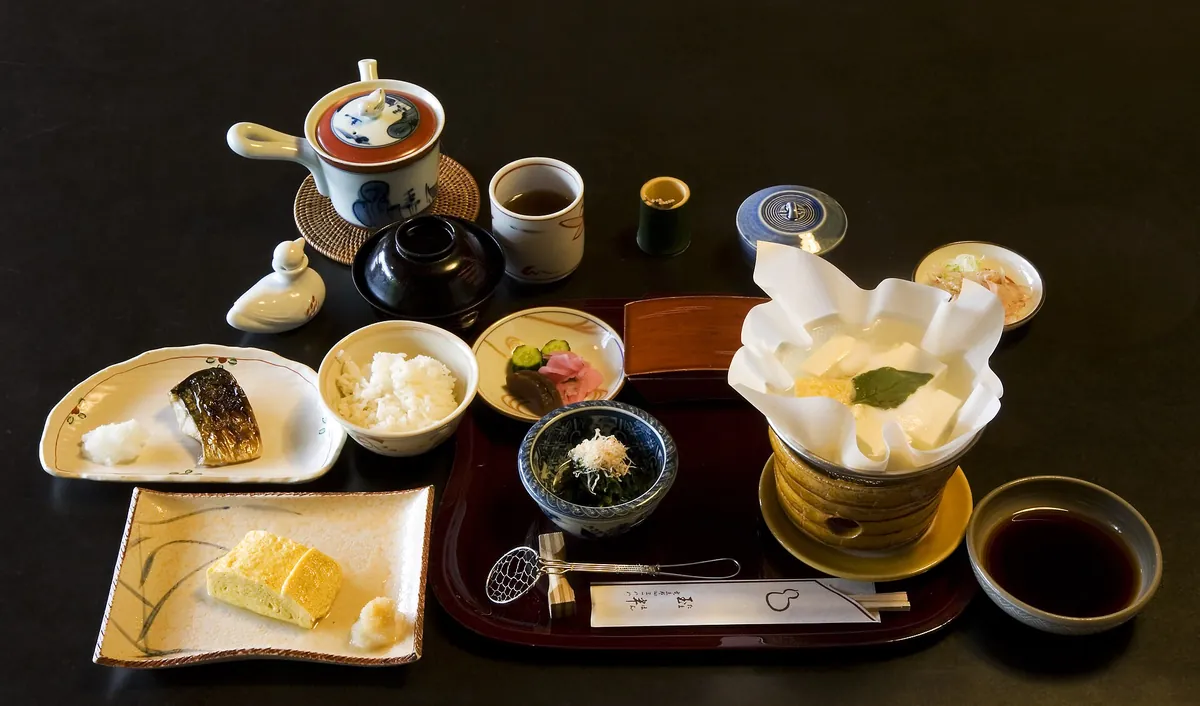
Cover Photo: Jan Bockaert, CC BY-SA 2.0, via Wikimedia Commons