
- Best for first-timers: Kawaramachi
- Best for transit: Karasuma
- Best for quiet: Higashiyama
- Best for early risers: Kyoto Station
- Primary Transit
- Subway (Karasuma & Tozai lines)
- Peak Season
- March–May & November
- Luggage Advice
- Use Yamato transport service
- Avg. Budget
- ¥10,000–¥30,000 per night
Top picks
Where we would book this
Booking.com
Largest inventory in Japan for English-speaking travellers
- Best for
- Hotels, business hotels, ryokan and apartments in every city
- Checked
- September 2026
Official site. Same price for you.
Where we would book this
Agoda
Frequently cheaper for Asian and Japanese chains
- Best for
- Same hotels as Booking.com, often different prices
- Checked
- September 2026
Official site. Same price for you.
We may earn a commission if you book through the links in this article, at no extra cost to you. Prices are ranges as of 2026 — check the official sites before you book.
I expected the area around the famous Kyoto Station to be the cultural heart of the city. What I got was a concrete transit node that leaves you miles from the atmosphere you actually came to find.
If you want to avoid the “bus trap”—spending your vacation stuck in gridlocked traffic—prioritize a hotel near the Karasuma or Tozai subway lines. This is the single most effective way to keep your four-day trip moving efficiently between temples and districts.
Choosing your base: The metrics that actually matter
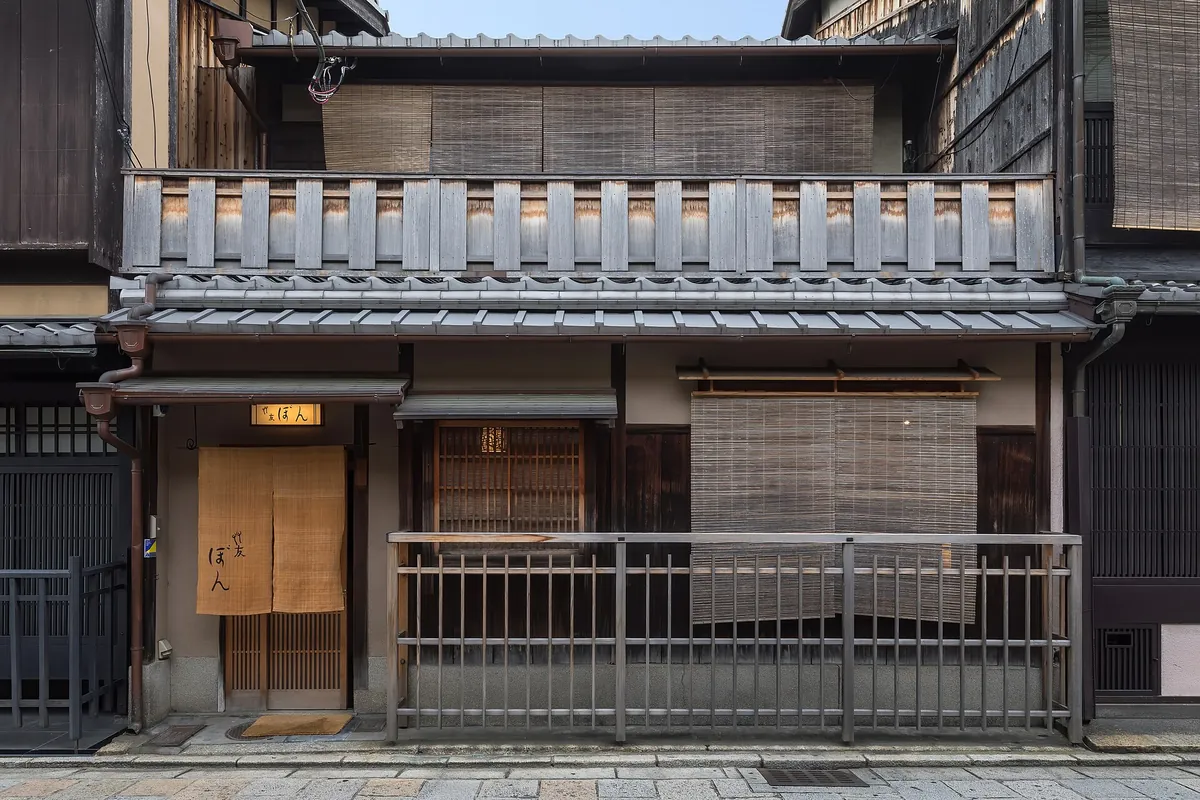
Most travelers look at hotel photos and assume the location doesn’t matter as long as it looks “traditional.” In reality, the geography of Kyoto is defined by its transit limits, not its architecture.
When you are standing at a bus stop in the rain with a line of forty people in front of you, the decor of your room will be the last thing on your mind.
- Is it within a 10-minute walk of a subway station?
- Are there at least three dining options within two blocks?
- Does it avoid the main tourist bus transfer hubs?
- Can I reach two major sites without changing lines?
- Is there a convenience store within 200 meters?
- Does the hotel offer luggage forwarding services?
Why the subway is your best friend
Kyoto does not have the sprawling subway network of Tokyo. However, the Karasuma and Tozai lines cut through the center of the city, bypassing the road congestion entirely.
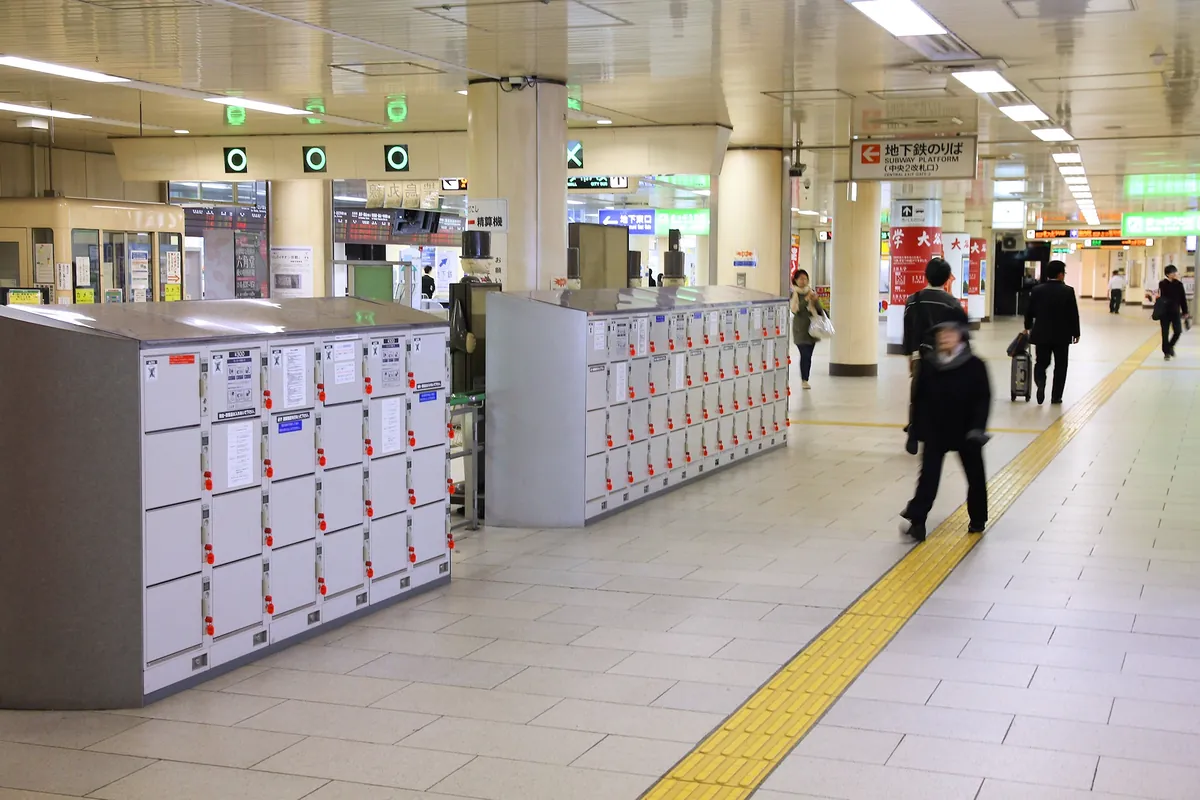
If you stay on these lines, you are insulated from the tourist-heavy bus routes. I once spent an hour trying to reach Kinkaku-ji by bus; on my next trip, I took the train to the nearest point and walked, saving forty minutes of frustration.
The danger of the bus-only location
Many guides suggest staying near the temples in the north. This is a trap.
If your only transit option is the bus, your schedule will be at the mercy of city traffic. During peak season, buses are so crowded that they pass by stops without opening the doors.
If you book a hotel that relies solely on bus access, assume every journey will take thirty percent longer than predicted on your map app.
Downtown Kawaramachi: The heart of the action
Kawaramachi is where the city comes alive at night. You are located right between the Kamo River and the major shopping arcades, meaning you can walk to dinner, drink, and late-night snacks without ever touching a transit pass.
Why it wins for first-timers
You want to experience the “lived-in” side of Kyoto while being near the sights. Staying here puts you in the middle of the best nightlife, and the Hankyu line provides an easy link to Osaka if you decide to hop over for dinner.
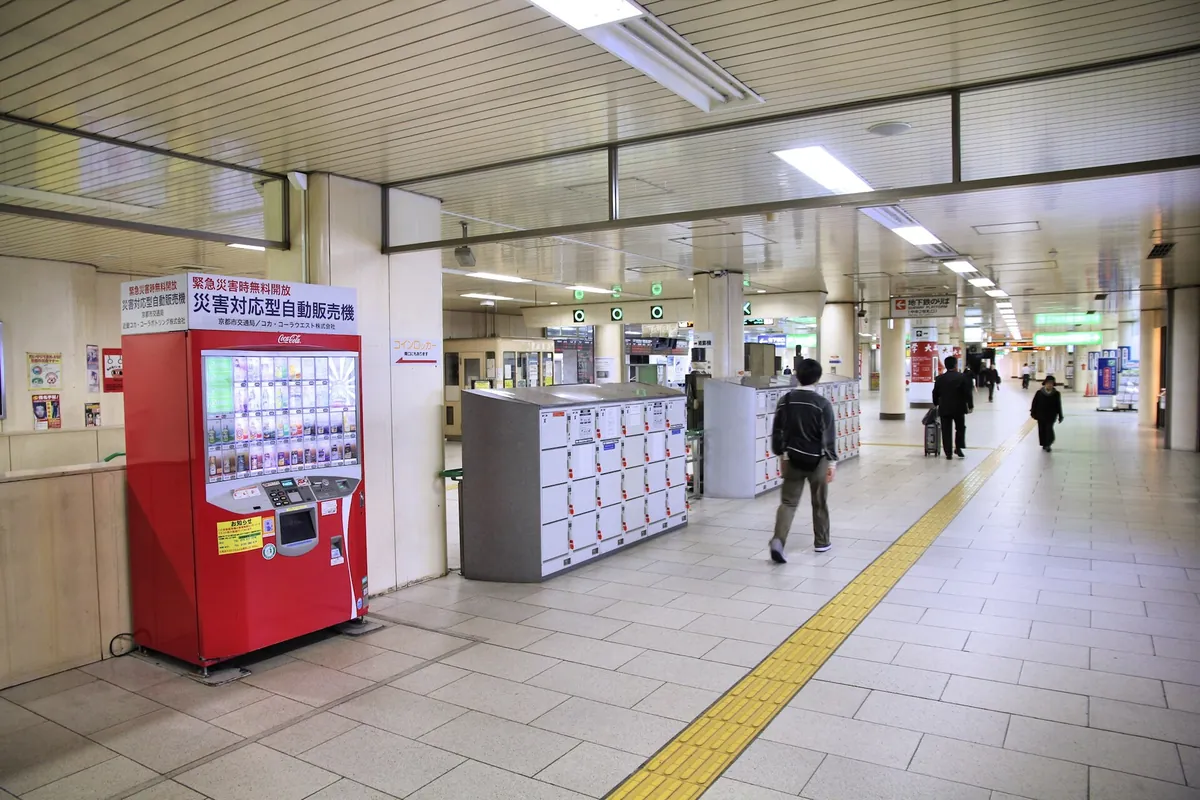
Look for a business hotel near the Shijo bridge for easy access to the river and the subway.
The trade-off for convenience
Expect noise. This is the busiest commercial part of the city, and the streets stay active well past midnight.
If you are a light sleeper, you should look for a property that sets its rooms back from the main road or uses heavy soundproofing. For bookings, check Agoda for business-style hotels that prioritize function over elaborate lobbies.
Karasuma and Oike: The local transit sweet spot
If you want a quieter, more functional experience, look at the area around Karasuma-Oike station. This is where the two subway lines intersect, giving you the fastest possible access to any corner of the city. You aren’t in the middle of a theme park; you are in the professional and residential heart of Kyoto.
Local vibes without the tourist tax
This is where local salarymen go for lunch and families head for weekend markets. The streets are wider, the sidewalks are less clogged, and the coffee shops are focused on quality rather than Instagram photo ops.
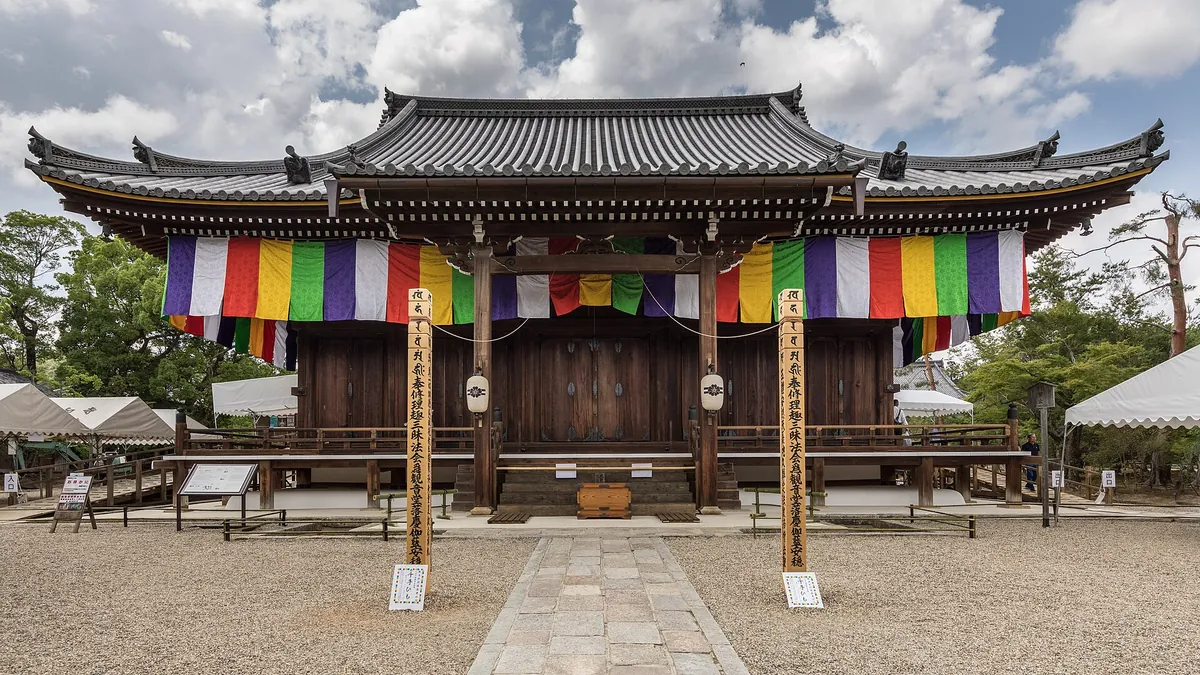
You will find that hotel prices here are often more reasonable than in the tourist-heavy Gion district, as you are paying for space rather than a historical address.
Accessing the city’s perimeter
From here, the north-south subway line shoots you straight to the Imperial Palace or down toward the station. It is boring, and that is why I love it. It works every time.
Use a platform like Booking.com to filter by distance from the subway exit, aiming for anything under five hundred meters.
Gion and Higashiyama: For the classic atmosphere
You came for the wooden teahouses and the lantern-lit alleys. Staying in Higashiyama puts you exactly where you want to be at 6:00 AM, before the day-trippers arrive from Osaka or Tokyo. You can photograph the streets when they are actually empty.
The cost of living in history
Expect to pay a premium. The accommodation here often leans toward traditional ryokan, which means your room might be smaller and the amenities more basic than a high-rise hotel.
I remember a stay in an old townhouse where the stairs were incredibly steep; it was charming, but definitely not for everyone. Always confirm if your booking includes breakfast, as few shops open early in these narrow streets.
What to avoid in this area
Do not try to drag large suitcases through the stone-paved alleys of Gion. It is bad for your wheels and annoying for the locals.
Use the Yamato transport service from the airport or your previous city to ship your bags directly to your hotel. This is a non-negotiable step if you choose a traditional ryokan.
Kyoto Station: A hub for the mobile traveler
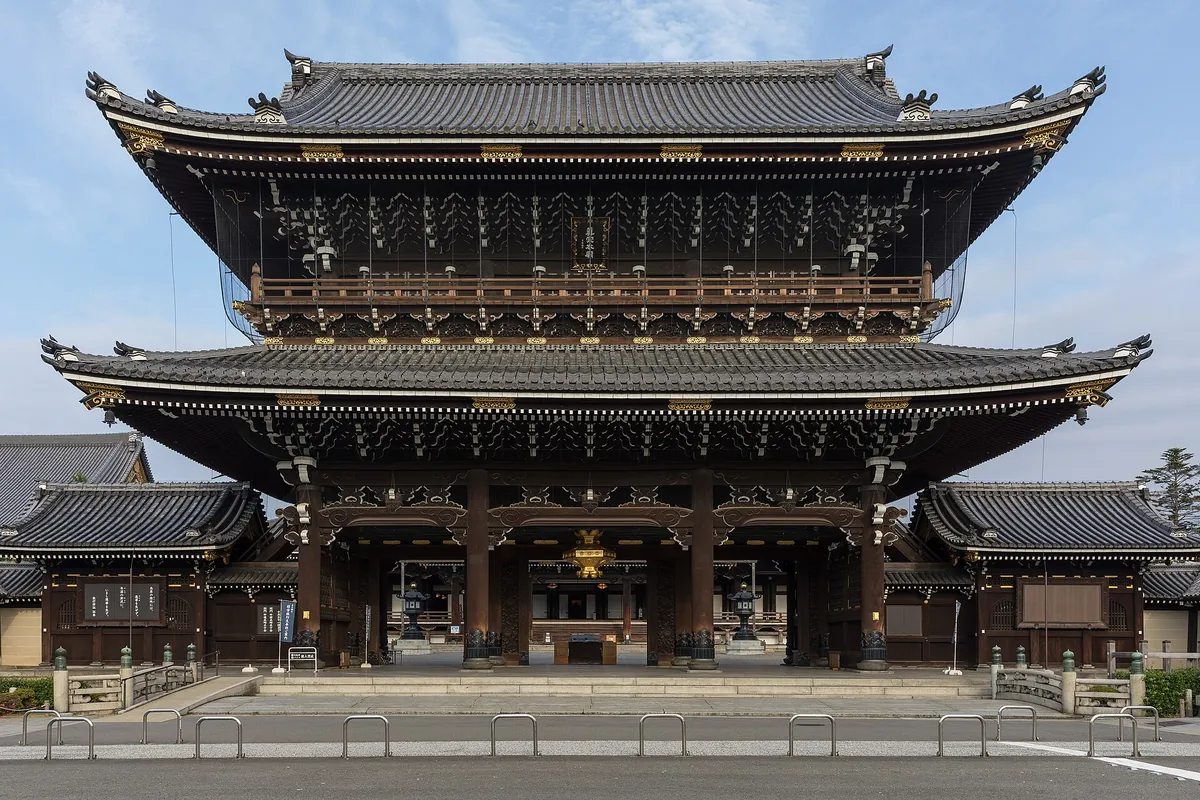
Staying at the station is a strategic choice, not a romantic one. If your entire itinerary involves day trips to Nara, Himeji, or Hikone, being within a three-minute walk of the Shinkansen gates will save you massive amounts of stress.
The pros of concrete convenience
You can drop your bags and be on a train to a neighboring prefecture in twenty minutes. There are dozens of dining options inside the station complex.
The bus terminal right outside is the absolute hub for every line in the city. If you are only in Kyoto for two nights and plan to be gone all day, this is the most logical place to stay.
The lack of soul
You are staying in a commercial district that feels like every other major rail station in Japan. It lacks the quiet gardens and traditional storefronts that make Kyoto unique.
If you want to walk out of your lobby and feel like you are in an ancient city, stay elsewhere. If you want to maximize your time on the rails, this is your zone.
Comparison table: Transit, vibe, and typical costs
← Swipe to see the full table →
| Area | Best for | Nightly Range |
|---|---|---|
| Kawaramachi | Food/Nightlife | ¥12k – ¥25k |
| Karasuma/Oike | Transit access | ¥10k – ¥20k |
| Gion/Station | Views/Trains | ¥9k – ¥45k |
Plan your trip: the tools we use
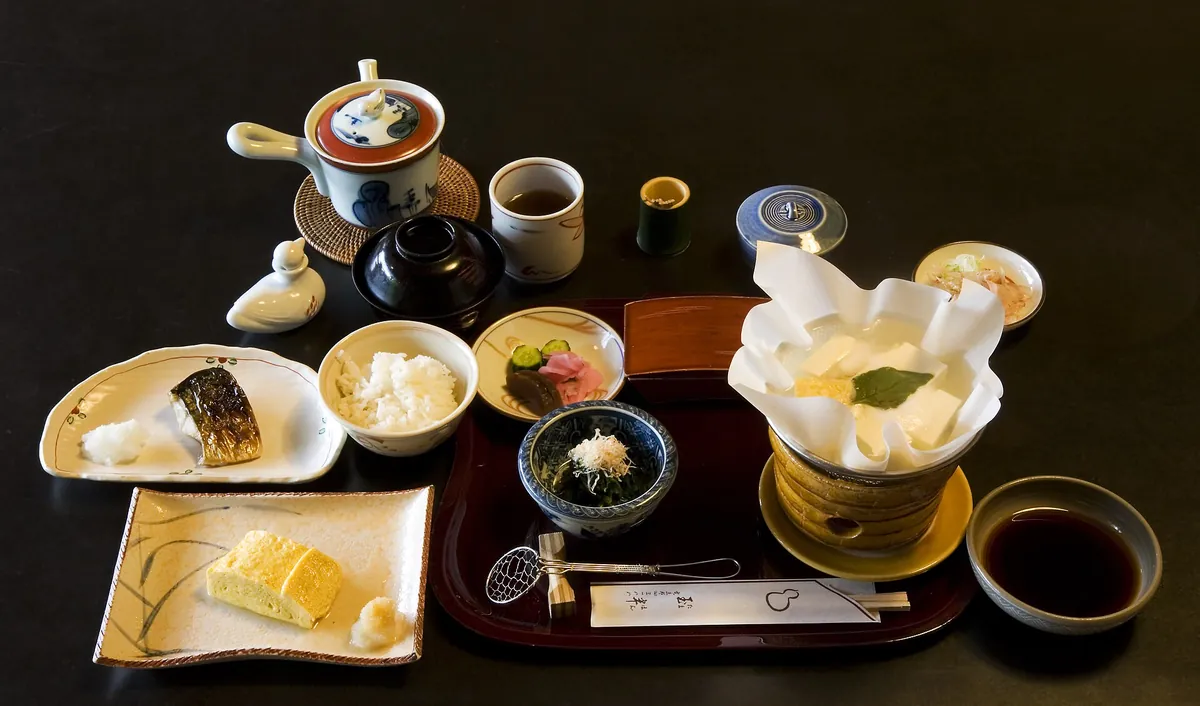
Estimates only; rates fluctuate by season and booking lead time.
Partner link.
Common booking mistakes to avoid
I once booked a “charming traditional guesthouse” that turned out to be located forty minutes by bus from the nearest train station. Don’t make that mistake.
Step 1: Map the subway lines
Pull up a map and highlight the Karasuma and Tozai lines. Draw a circle around every station within a 10-minute radius.
Step 2: Search by distance
When using Booking.com or Agoda, sort results by “distance from station” rather than price or reviews. Keep it under 600 meters.
Step 3: Check the path
Use street view on your map app to see the walk from the station. Avoid routes that require steep uphill climbs with heavy bags.
The luggage-shipping necessity
Do not bring giant suitcases onto local Kyoto buses. It is frowned upon and physically impossible if the bus is crowded.
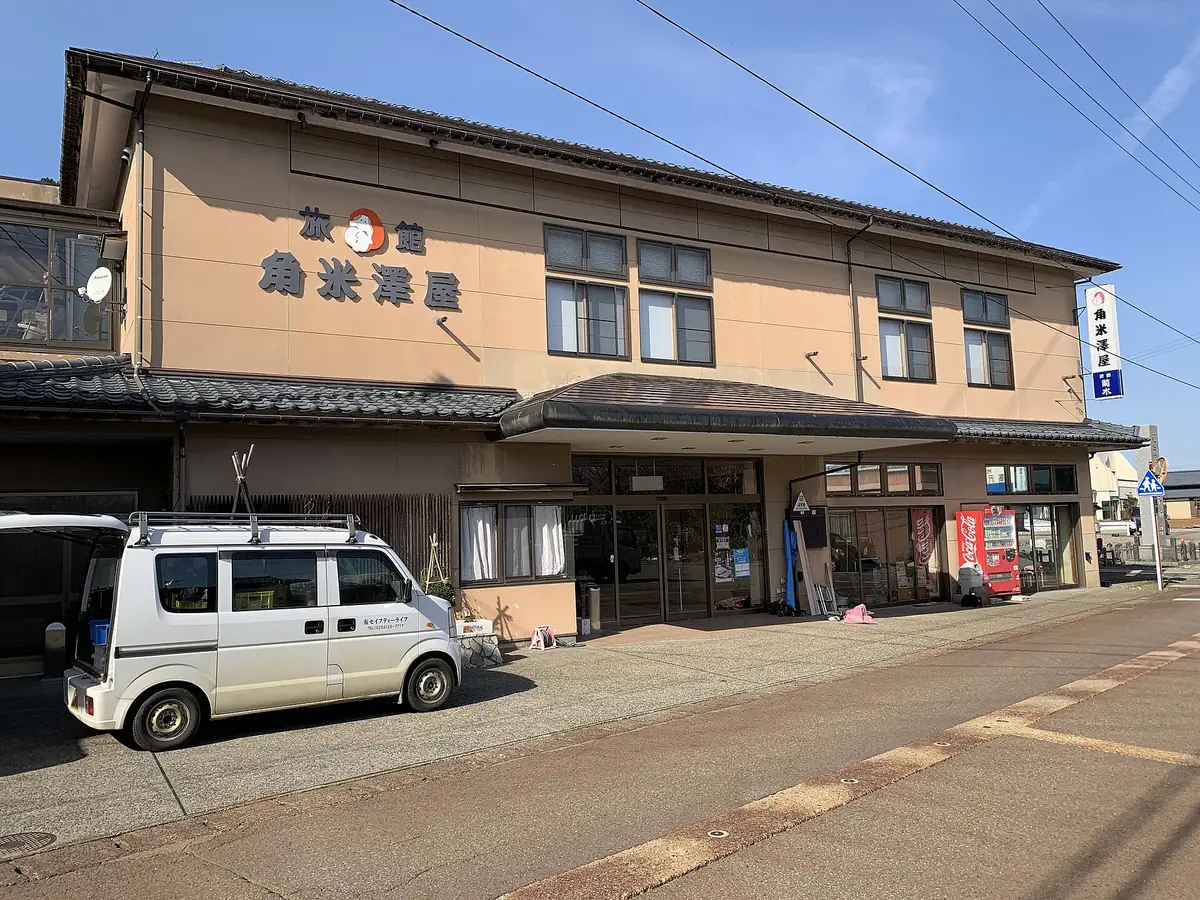
Use the Yamato transport service—many hotels will help you ship your bags to the airport or your next destination. It costs roughly ¥2,000–¥3,000 per bag and is worth every single yen.
Booking the right room type
If you see “Japanese-style room” on a site like Rakuten Travel, realize this means sleeping on a futon on the floor. It is a wonderful experience.
If you have bad knees or back issues, verify the height of the beds before you commit. Most modern hotels offer western-style beds, which are safer for your physical comfort.
Navigating the overflow: When your top choice sells out
Kyoto does not have an infinite supply of high-quality, transit-adjacent hotels. During peak foliage or cherry blossom seasons, it is common to find every well-rated hotel in Karasuma or Kawaramachi completely booked months in advance.
If you find yourself staring at an empty availability calendar, do not panic and settle for a hotel on the city outskirts. There is a strategic middle ground that keeps you connected without forcing you into a remote, bus-dependent suburb.
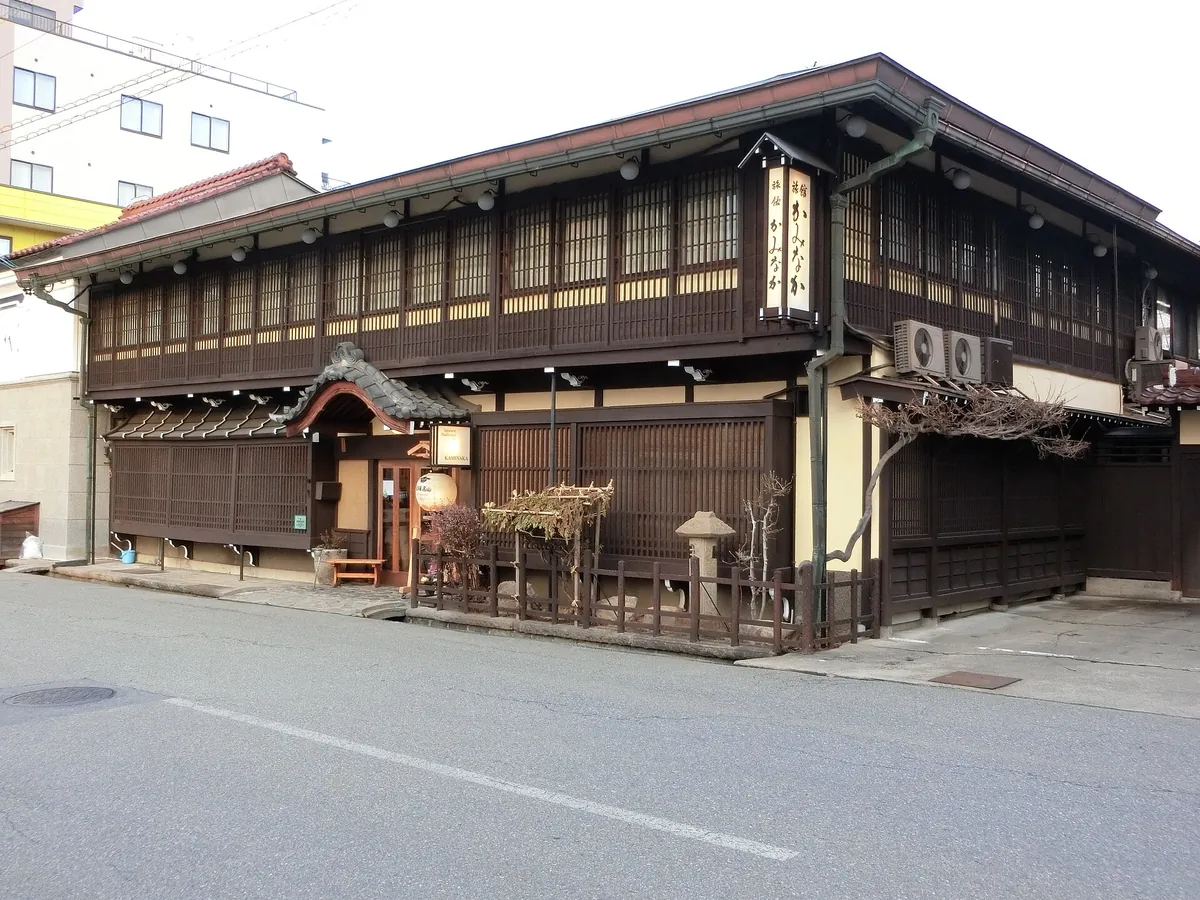
Look toward the Otsu region on the eastern side of Lake Biwa. It is a simple ten-minute hop on the JR Biwako line to get to Kyoto Station, and the hotel rates are often significantly lower than the central city prices.
- Check local hotels in Otsu or Yamashina, which act as satellite zones.
- Ensure your hotel is within walking distance of the JR station to maintain speed.
- Use the extra budget saved on accommodation for higher-end dining or private guides.
- Verify the last train times, as regional lines stop earlier than city subways.
If you cannot find space in a traditional hotel, consider looking for a serviced apartment or a high-end hostel on sites like Agoda. These options often pop up later in the booking cycle and can provide a comfortable base for a fraction of the cost of a full-service hotel.
You can also check for vacancies on Rakuten Travel, which often lists properties that do not appear on global platforms. Sometimes, the difference between a sold-out status and an open room is simply searching on a platform that caters more specifically to the domestic market.
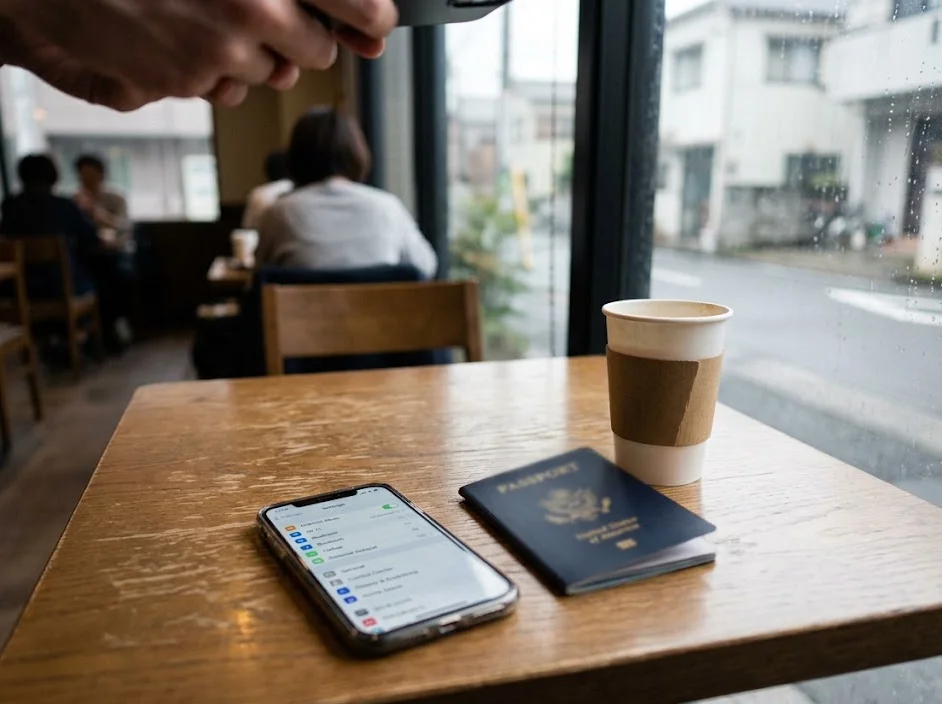
Remember that staying slightly outside the city center is not a failure of your planning; it is a tactical pivot. By choosing a location near a direct JR rail line, you can often beat the congestion of someone staying in a “central” location that relies entirely on slow-moving city buses.
Focus on the train map, not just the hotel address.
Digital logistics: Setting up your connectivity before landing
Arriving in Kyoto without a working phone is a recipe for a navigation nightmare. You will need real-time updates for bus delays, train departures, and restaurant reservations, all of which depend on a consistent data connection from the moment you exit the airport.
Do not wait until you are standing in the terminal to figure out your SIM or eSIM configuration. The airport Wi-Fi is often crowded and unreliable, and you do not want to be troubleshooting your APN settings while trying to find your train to Kyoto.
Set up an eSIM before you depart your home country. Providers like Airalo or Ubigi allow you to purchase and install your data plan days in advance. Once you land, you simply toggle the switch in your phone settings to activate the local network immediately.
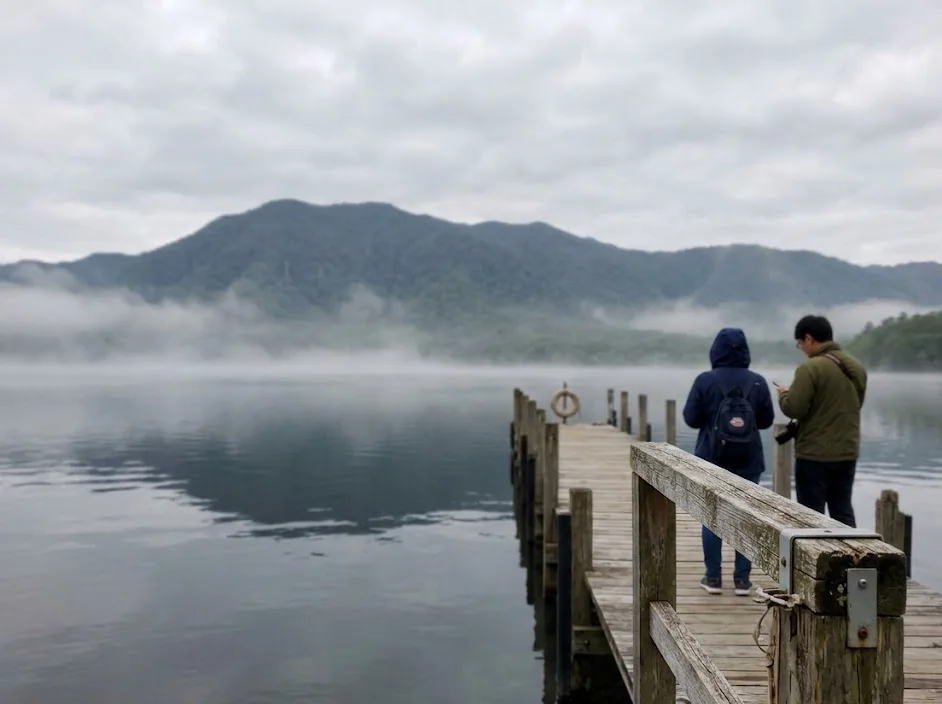
If you prefer a physical SIM card, you can order one via Amazon to be delivered to your home or pick it up at a Klook counter at the airport. These cards are usually ready to use the moment you insert them, provided your phone is unlocked.
Managing your data budget
You do not need an unlimited data plan for a standard one-week trip to Japan, provided you use your hotel’s Wi-Fi for heavy tasks like uploading photos or downloading offline maps. A data package ranging from 5GB to 10GB is usually sufficient for navigation and general searching.
Always download your offline maps in Google Maps for the entire Kyoto prefecture before you leave your hotel. This ensures you can find your way back to your subway station even if you experience a temporary signal drop in the dense, stone-walled alleys of Gion or the mountain trails near Arashiyama.
If you encounter technical issues, do not rely on your hotel front desk to fix your personal device. Most hotels have their own internal Wi-Fi, but they are rarely equipped to troubleshoot individual phone network configurations or roaming issues.
Resolve your connectivity strategy at home to ensure a smooth transition to your Kyoto accommodation.
FAQ
QIs the Kyoto bus pass worth it?
For most visitors, no. Since the recent price hikes and the shift toward heavy subway usage, a flat daily bus pass often doesn’t pay off unless you are taking more than four trips per day. Just use an IC card like Suica or Icoca and tap on and off. It is easier and keeps your plans flexible.
QHow do I get to my hotel from the airport?
Most travelers use the Haruka Express train from Kansai Airport, which stops at Kyoto Station. From there, you can either grab a taxi or switch to the local subway line if your hotel is near Karasuma or Oike.
If you have significant luggage, a pre-booked airport transfer through Klook is often less stressful than navigating the station.
QWhat is the weather impact on location choice?
In mid-summer, Kyoto is punishingly hot and humid. Staying near a subway line allows you to hop between cool, air-conditioned spaces without long, sweltering waits at bus stops. In the winter, the subway is the only way to stay warm, as waiting for a bus in the wind is an exercise in misery.
QDo I need to stay in a ryokan?
You should try one for at least one night. It provides a unique glimpse into traditional Japanese hospitality that you won’t find in a standard hotel chain.
You do not have to book it for your whole trip. Split your stay: use a business hotel for the busy sightseeing days and a ryokan for the final night to soak in the atmosphere.
QHow far in advance should I book?
Kyoto is busy year-round, not just during cherry blossom season. If you are traveling between March and May, or during the autumn foliage in November, book your accommodation four to six months in advance. Use sites like Agoda to track prices if you have a specific district in mind.
 ReaderYuki
I know the feeling of panic when every hotel looks like it might be the “wrong” choice for your trip.
Stop scrolling through endless reviews and just lock in a hotel near a subway line so you can spend your time exploring rather than stressing over a transit map.
Keep planning
- ① Install and test your eSIM before take-offAiralo and Ubigi eSIMs activate on arrival, but the install itself needs Wi-Fi. Do it at home and confirm the profile shows up in your phone settings.
- ② Save your first hotel’s address in JapaneseTaxi drivers and station staff read Japanese addresses far faster than romanised ones. Copy it from the booking confirmation into your notes app.
- ③ Set aside cash for day oneMany small restaurants, temples and rural buses are still cash-only. Airport ATMs at 7-Eleven and the post office accept most foreign cards.
Skip these and your first hour in Japan goes on finding Wi-Fi at the station instead of getting to your hotel.
🔍 How to sanity-check any price you read online
Blogs (including this one) go out of date. The official page always wins over a screenshot from two years ago.
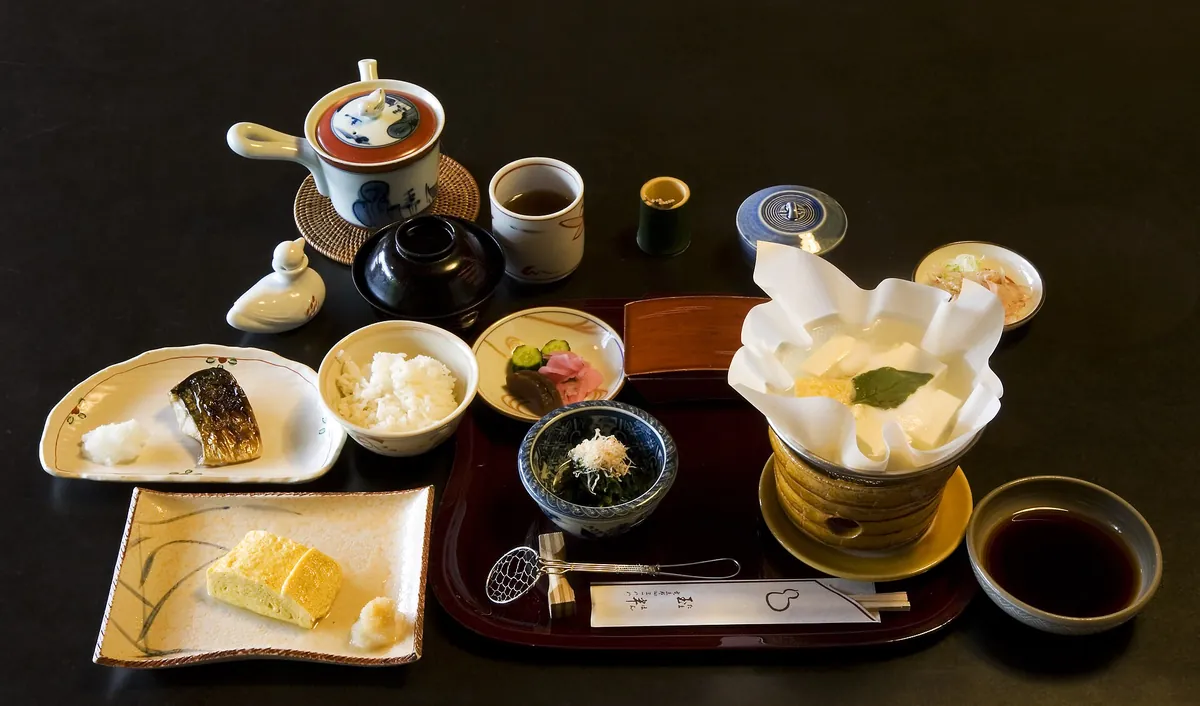
Cover Photo: Basile Morin, CC BY-SA 4.0, via Wikimedia Commons