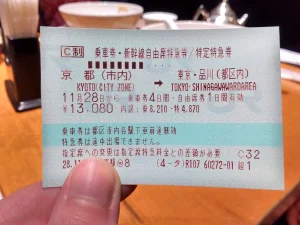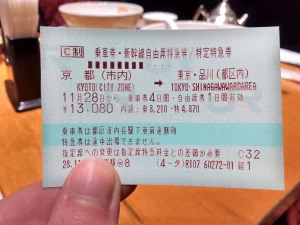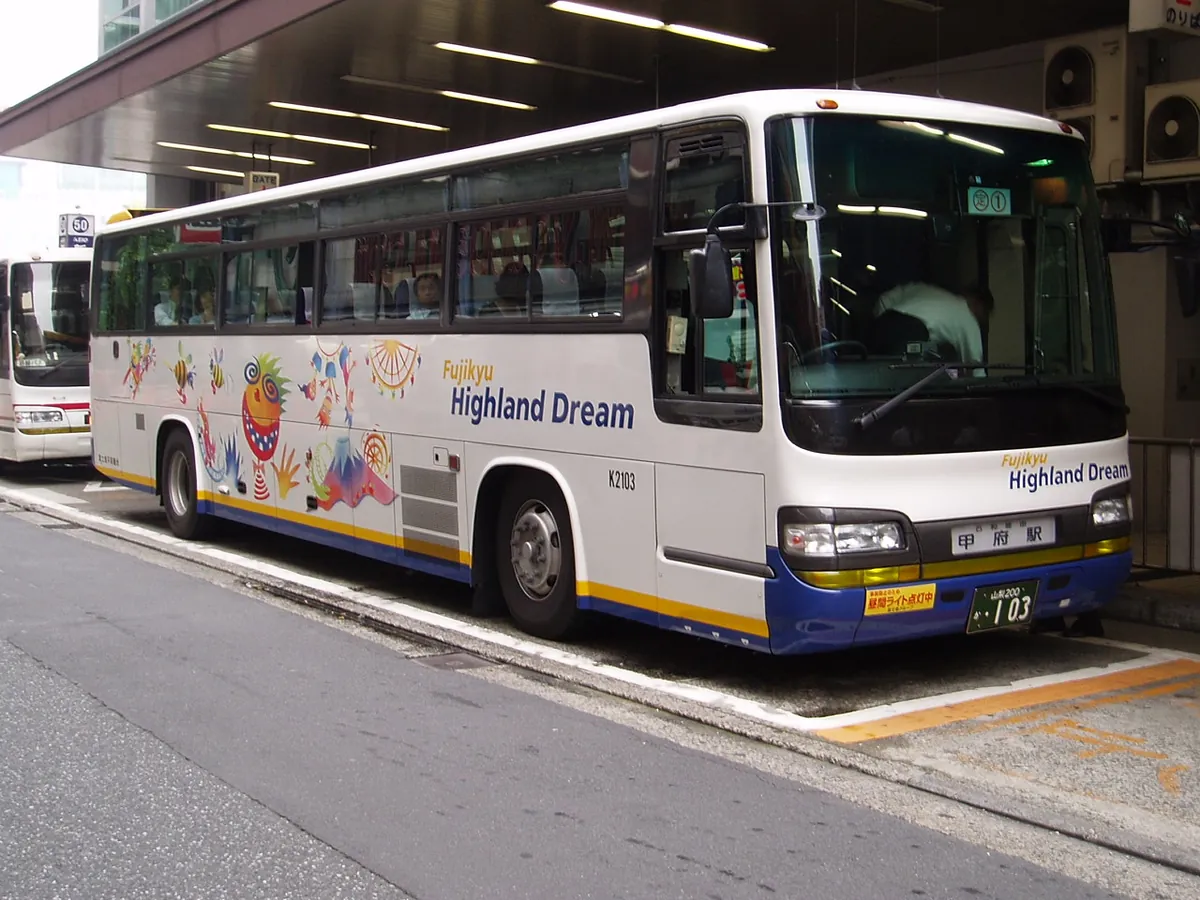

- On a 7–10 day trip, the Shinkansen is usually the better use of your night.
- Tokyo to Kyoto or Osaka: the bus saved about ¥7,000–¥11,000 on our sample date.
- Tokyo to Nagoya: the bus saved ¥6,600–¥7,600, but the night is short and arrival can be 05:05. Take the train.
For a 14-day trip across Japan, saving ¥10,000 on a night bus can cost you half a morning to tiredness. If your goal is to experience Kyoto or Tokyo on a tight schedule, the overnight bus is rarely worth the trade-off.
- Time needed
- 1 night of travel
- Typical cost
- ¥3,200–¥14,100 (Tokyo–Osaka, 2 Nov 2026)
- Base
- Osaka/Tokyo
- Booking
- Online, in English (Kosokubus / WILLER)
- Price checked
- November 2026
Bus fares come from Kosokubus listings for Monday 2 November 2026, checked on 1 November 2026. Shinkansen fares are smartEX prices. Fares change by date, so confirm on the booking page before you pay.
The Verdict: When the Japan Night Bus Actually Saves You Money
The night bus is a specific tool for a specific type of traveler. It makes sense only if you are on a multi-week trip where your itinerary has built-in “recovery days.”
If you are moving from Tokyo to Osaka and plan to spend the next morning hitting shrines or cafes, you are essentially gambling with your vacation budget.
Who this strategy is for
If you have 14 days or more, you can afford to lose a morning to a nap in a hostel or a late breakfast. In this case, the night bus works like a cheap hotel room on wheels.
However, if you are a solo traveler or a couple trying to “see it all” in ten days, the fatigue will catch up by day three.
The reality of the road
Most people view the bus as a simple way to get from A to B. It is really a test of how well you sleep sitting up.
If you cannot sleep in a reclining seat with white noise from the highway, you will arrive at 6 AM feeling like you haven’t slept at all.
That is the whole trick.
The Math: Night Bus vs Shinkansen Fares on 3 Routes
Here is what the bus saves you on the three busiest routes out of Tokyo. The bus column is the Kosokubus listing for one Monday, 2 November 2026. The Shinkansen column is the smartEX reserved fare for a Nozomi in regular season.
← Swipe to see the full table →
| Route (from Tokyo) | Night bus, Mon 2 Nov 2026 | Shinkansen (smartEX reserved) |
|---|---|---|
| Nagoya | 4-row from ¥3,500; 3-row ¥4,500–¥12,200* | ¥11,100 |
| Kyoto | 4-row from ¥3,200; 3-row ¥6,700–¥10,980 | ¥13,970 |
| Osaka | 4-row from ¥3,200; 3-row ¥6,500–¥14,100 | ¥14,520 (to Shin-Osaka) |
Plan your trip: the tools we use
Our pick: The bus for Tokyo–Kyoto or Osaka if budget comes first; the Shinkansen for Tokyo–Nagoya.
*The ¥4,500 3-row bus to Nagoya (MilkyWay Bus 203) boards at Omiya, north of central Tokyo, and reached Nagoya at 05:50.
This is a one-day snapshot. Weekend and holiday fares were not checked, and bus fares move by date and demand.
What the bus really saves on each route
- Tokyo–Kyoto: the cheapest bus saved ¥10,770 and the cheapest 3-row seat ¥7,270. Night buses arrived between 05:10 and 07:35.
- Tokyo–Osaka: the cheapest bus saved ¥11,320 and the cheapest 3-row seat ¥8,020. Arrivals ran from about 06:00 to 09:00.
- Tokyo–Nagoya: the cheapest night bus saved ¥7,600 and the cheapest 3-row seat ¥6,600 (boarding at Omiya), but you reach Nagoya very early.
On Kyoto and Osaka the saving is real, and the bus also replaces a night’s lodging. That is where the case for the bus is strongest, if you can sleep sitting up and have a slow next morning.
On time, there is no contest. JR Central lists Tokyo to Shin-Osaka at 2 hours 21 minutes at the fastest. One cheap 4-row bus that day left Tokyo at 23:55 and reached Osaka at 07:50.
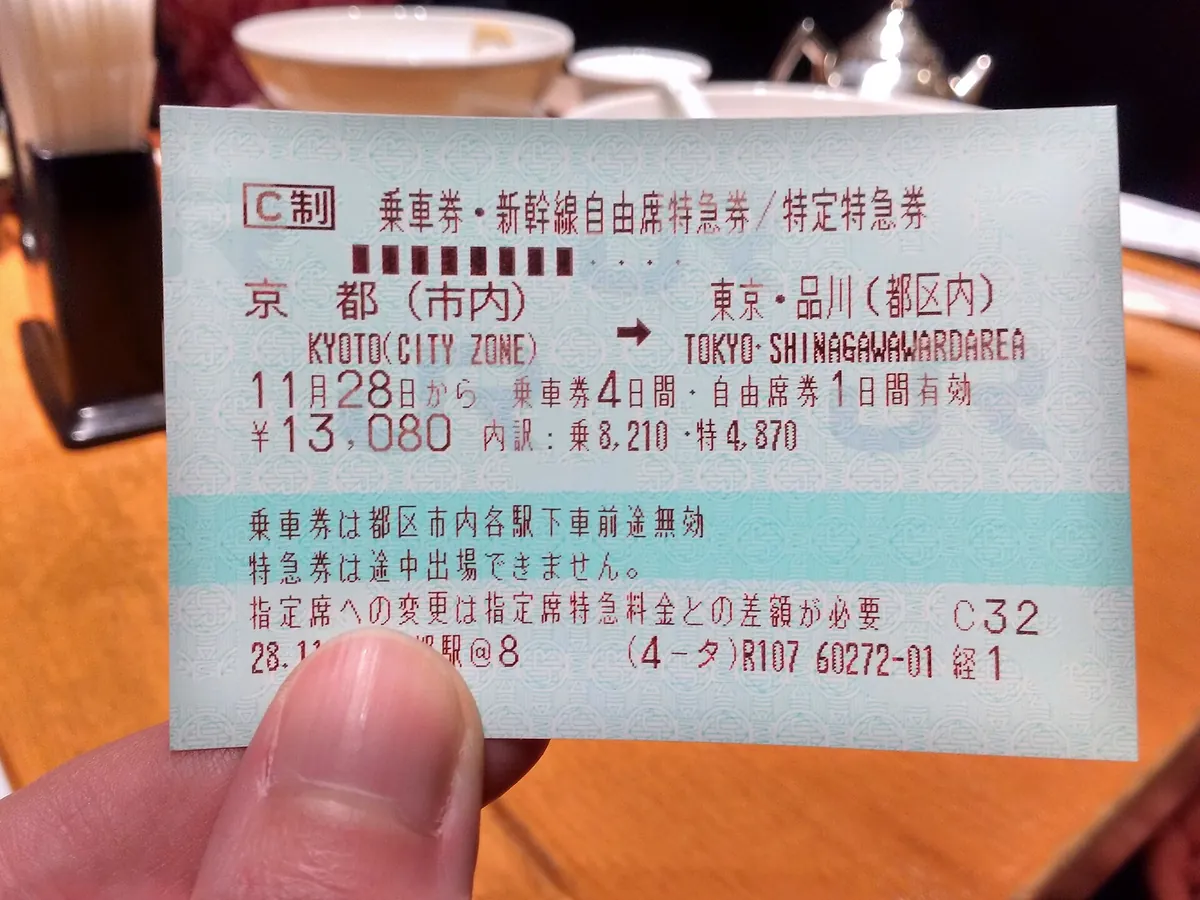
Two small extras change the totals. WILLER adds a ¥330 arrangement fee per trip when you book a reserved-seat bus with them. smartEX adds ¥200 on peak dates and ¥400 on super-peak dates, and takes ¥200 off on off-peak dates. A Green Car seat to Shin-Osaka is ¥19,390.
Bus vs Shinkansen between Nagoya and Tokyo
This is the route where the bus makes the least sense. Kosokubus puts the ride at about 5–6 hours, which is a short night, and night buses reached Nagoya as early as 05:05. Most arrive at Meitetsu Bus Center, on the 4th floor above Meitetsu Nagoya Station.
The most expensive 3-row WILLER seat that day (¥12,200) cost more than the Shinkansen (¥11,100). We checked the Tokyo to Nagoya direction.
If budget is the whole point, a daytime 4-row bus started at ¥2,800 on the same date. You keep your night in a bed and still pay well under the train fare.
What a Japanese Night Bus Is Actually Like
“Night bus” covers very different seats. The layout you book decides most of how the night goes, so it pays to know the names before you search.
Seat types, from basic to shell
WILLER’s seat pages are a good guide because each layout has its own name and spec sheet. Other companies use similar layouts under their own names.
← Swipe to see the full table →
| Layout | Example (WILLER) | What you get |
|---|---|---|
| 4 seats per row, basic | Economy | About 120° recline, about 42 cm wide, about 75 cm between rows. No outlets, Wi-Fi, toilet or blanket |
| 4 seats per row, with canopy | Relax | About 130° recline and a canopy that hides your sleeping face |
| 3 individual seats per row | Luxia | Curtains for each seat and between seats, electric recline up to 145°, outlet |
| 3 per row, shell seat | Reborn / Dome | Reborn: 18 seats per bus, near-flat recline, outlet, blanket. Dome: canopy, leg and foot rests, outlets |
Our pick: A 3 individual seats layout if you need real sleep; a canopy 4-row seat if budget is tight.
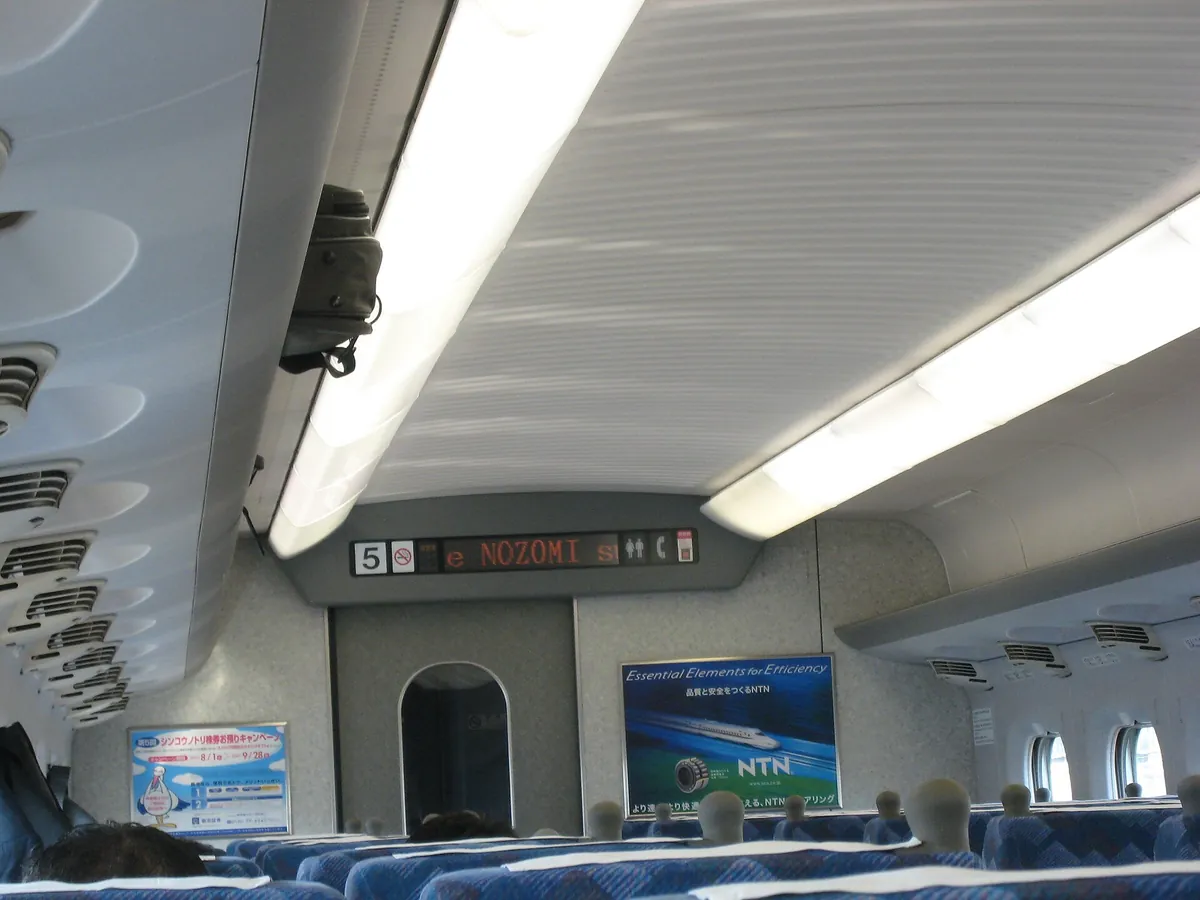
WILLER also sells Prime, which it calls its most comfortable 4-row seat. On Kosokubus you can filter by 2, 3, 3 individual or 4 seats per row.
Toilets and rest stops
Do not assume a 3-row bus has a toilet. WILLER says many of its buses have none. On 2 November, the 3-row WILLER WX171 to Osaka showed no restroom, while one 4-row MilkyWay bus did.
The toilet depends on the bus, not the seat count. Look for the restroom icon on the listing before you book.
Rest stops fill the gap. Kosokubus says Tokyo–Osaka buses generally stop at a service area about every 2–3 hours, for 10–20 minutes. On Tokyo–Nagoya it is about every 2 hours.
WILLER builds in 2–3 service-area breaks per trip. On some buses with a toilet, you may not be allowed to get off. WILLER also has an on-board help form (“Otasuke DM”) linked in the booking e-mail, for things like an urgent toilet stop.
Women-only seats and women-only buses
Kosokubus lets you filter for three different things:
- Same-gender priority seats: mixed bookings are still accepted.
- Women-only seat areas: the seat next to a female passenger is another woman or empty.
- Women-only buses: only for female passengers, regardless of age.
On many buses, seats are allocated after the booking deadline, based on group size, passengers’ sex and other conditions. You can pick your own seat only when the “seat selection available” icon shows.
Kosokubus says WILLER EXPRESS and JR Bus offer women-only seats on select Tokyo–Nagoya departures. On Tokyo–Kyoto, the Tabinosuke Bus TB3002 ran as a women-only bus with an onboard restroom: ¥3,280, 22:45 from Yaesu to Kyoto at 06:00 on 2 November.
Luggage on the bus
WILLER’s luggage rules allow up to two checked pieces per passenger. One piece can be up to 155 cm (height + width + length); two pieces up to 240 cm in total.
Carry-on must be under 10 kg in total and fit in the overhead rack or under your seat. In practice, your suitcase goes in the hold, not inside with you.
The Shinkansen has its own rule. On the Tokaido, Sanyo and Kyushu lines, a bag of 161–250 cm needs a seat with an oversized baggage area, reserved in advance at no extra cost. Without it you pay a ¥1,000 fee, and bags over 250 cm are not allowed.
Comparing Comfort: Shinkansen Seats vs 3-Row Night Bus
Do not compare a budget 4-row bus to a train seat. A basic 4-row seat like WILLER’s Economy is about 42 cm wide with about 75 cm between rows. The person in front can recline toward you, and the bus pulls into a service area every few hours.
The 3-row independent seat
If you want to sleep, we recommend a 3-row independent layout. These seats stand apart, often have a privacy curtain, and recline further. Luxia, for example, goes up to 145°.
A 4-row seat with a canopy, like Relax, is the middle ground if a 3-row seat is sold out or over budget.
Even so, a bus cannot match a train for freedom. On the Shinkansen you can stand up and walk the aisle whenever you like.
The noise and light factor
Every rest stop means the bus slows, parks and passengers move about. An eye mask and earplugs help a lot.
On the Shinkansen, sleep is not the issue at all. The ride to Shin-Osaka is over in under two and a half hours.
The Recovery Tax: Why Saving 10,000 Yen Might Cost You a Day
Think of it as a recovery tax. You are not just paying in yen; you are paying in hours of your limited time in a city like Kyoto. Extra coffee, a taxi because you are too tired for the subway, a nap in the afternoon: it adds up.
The luggage problem
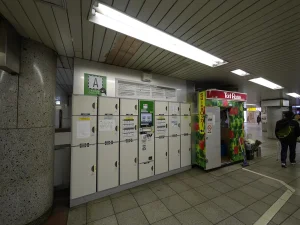
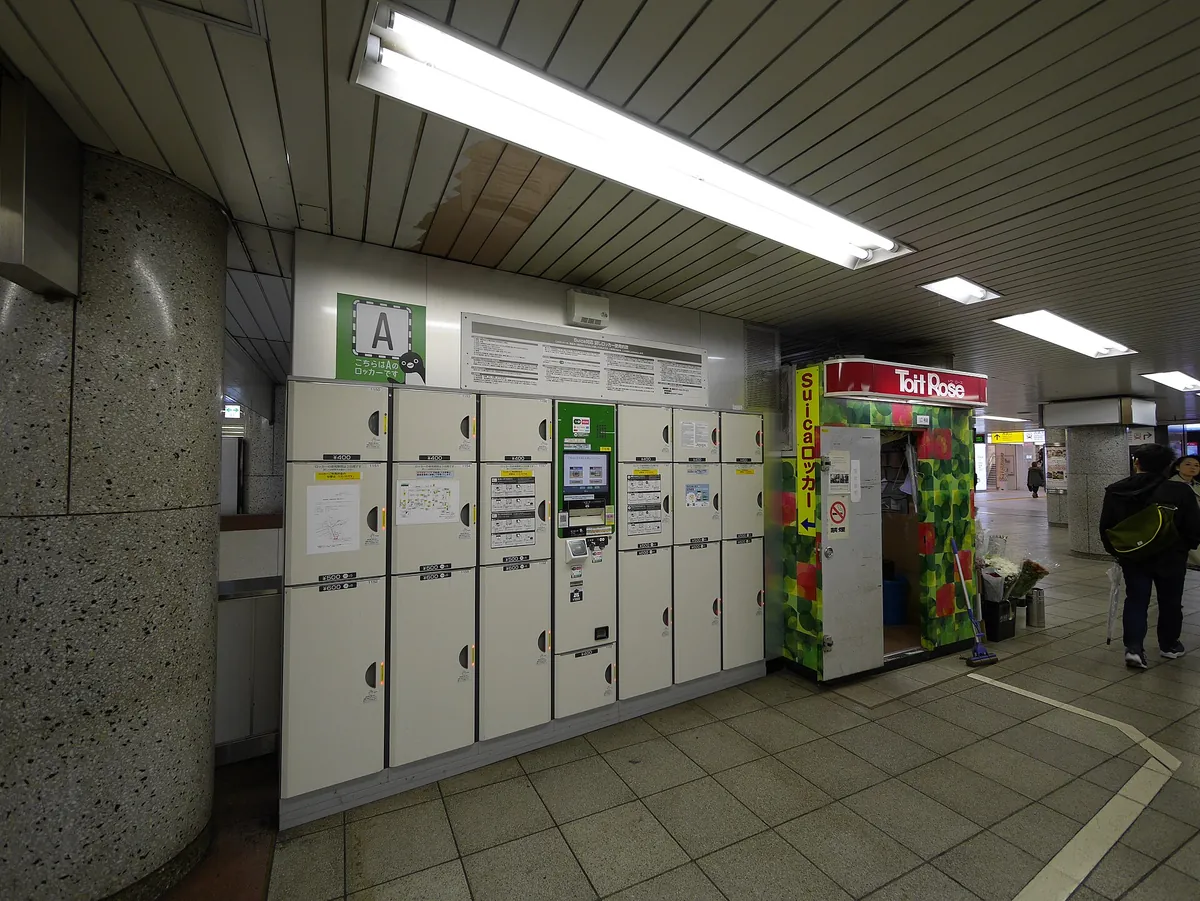
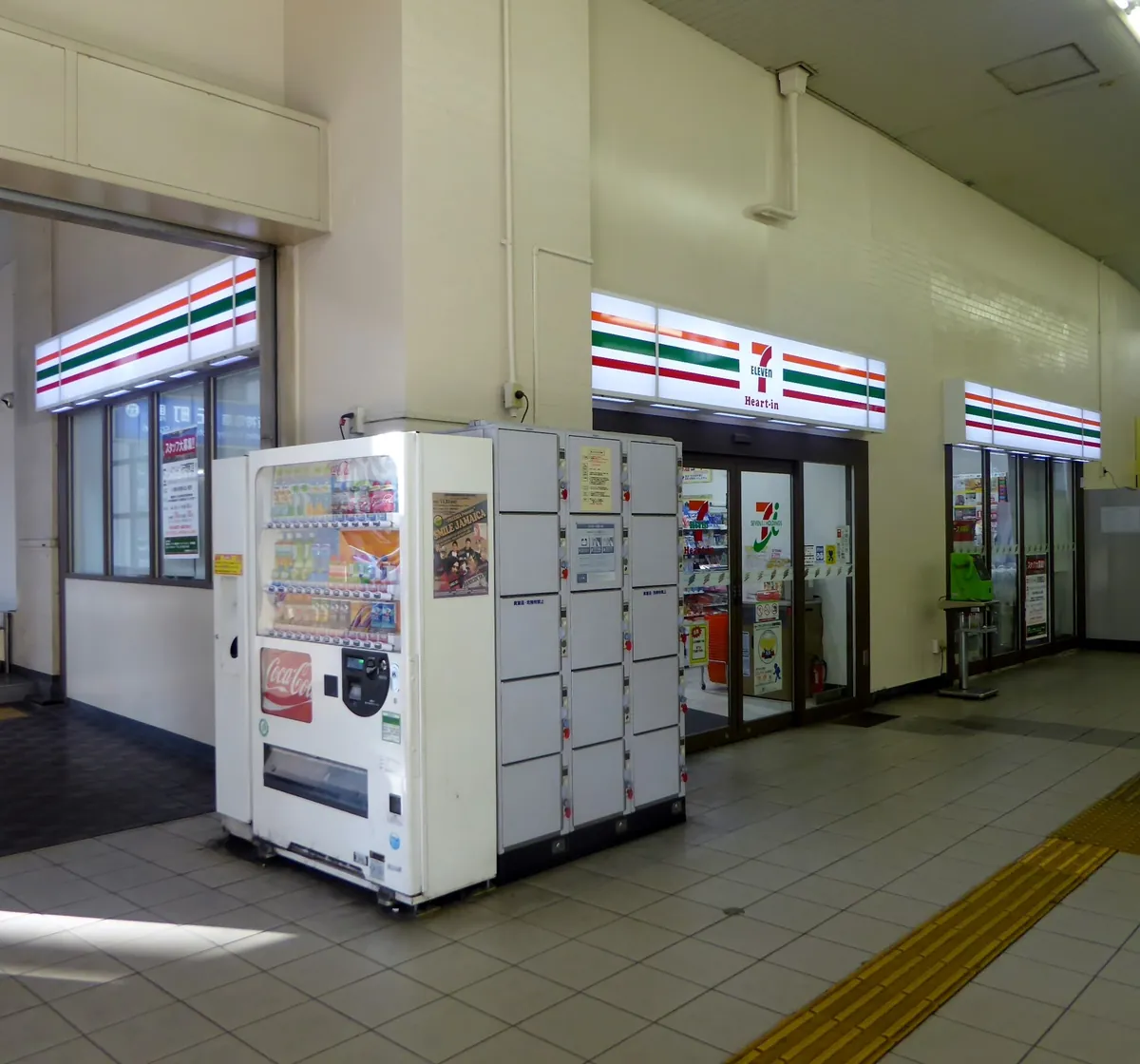
When you arrive around 6 AM, your hotel room will almost never be ready. If you have a large suitcase, you are now looking for a coin locker.
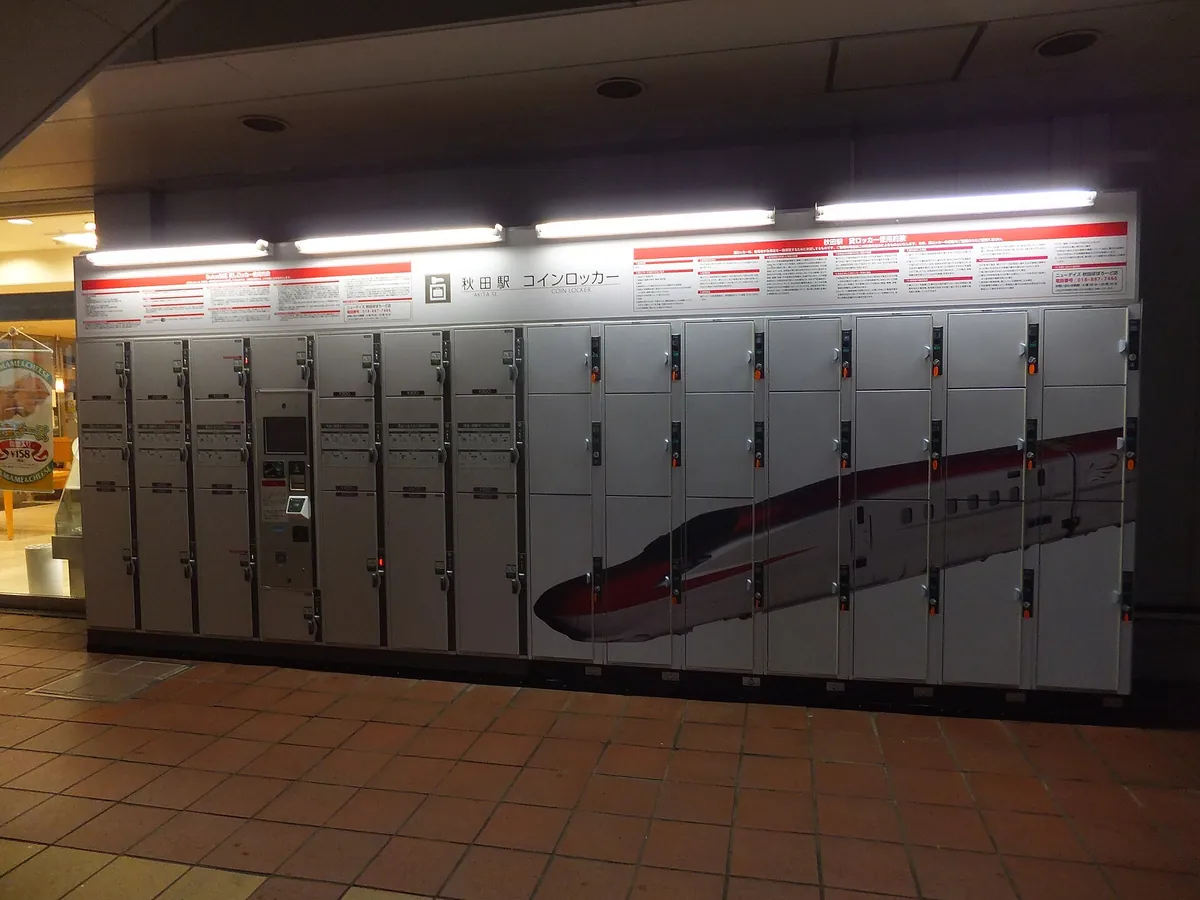
If the lockers near you are full, you will be dragging that bag through the streets, unable to visit museums or walk narrow lanes.
Lost time in the morning
Night buses into Kyoto arrived between 05:10 and 07:35 on our sample date. Many temples, museums and shops open later in the morning, so you can be left with hours of wandering.
While a 24-hour café is an option, you will likely be too tired to enjoy the morning light or the local atmosphere you came to see.
Where we would book this
Klook
One account for passes, tickets and transfers
- Best for
- JR Pass and regional rail passes, theme-park tickets, airport…
- Checked
- September 2026
Official site. Same price for you.
When to Book the Bus (And When to Avoid It Completely)
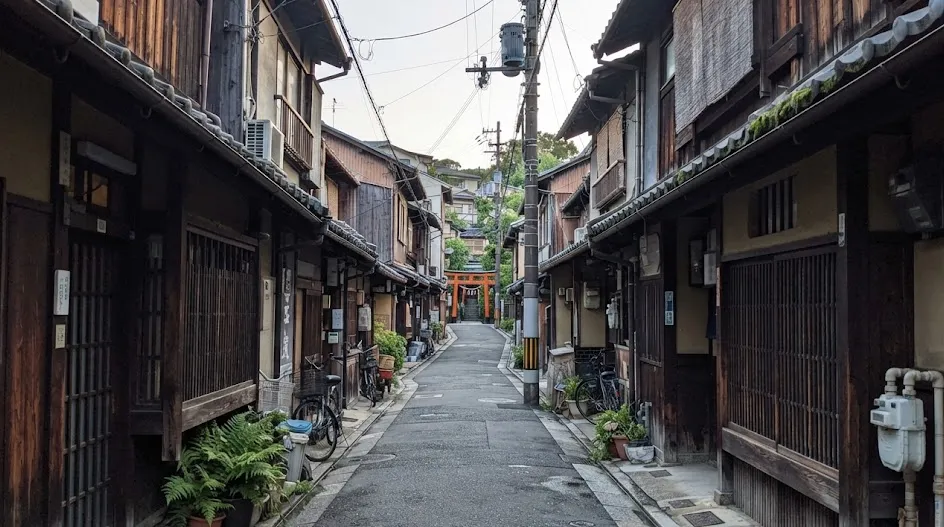
The bus suits long-distance hauls where the train would need several transfers or cost much more, such as Tokyo to the far ends of Kyushu or Tohoku.
Skip the bus if
- You have under 10 days in Japan
- You value your sleep quality
- You are traveling with large luggage
- Your route is Tokyo–Nagoya
Book the bus if
- You have 14+ days of travel
- You are on a very strict budget
- You can sleep sitting up
- You want to skip a night’s lodging
The golden rule of the route
For the standard Tokyo-to-Osaka corridor, the Shinkansen is nearly always the better choice for a short trip. Reserve your seat with the Smart EX app or at the station; our guide to Shinkansen tickets online vs in person walks through both.
Going on to Kyoto and wondering about planes too? See whether to fly or take the train from Tokyo to Kyoto.
3 Essential Rules for Surviving the Overnight Ride
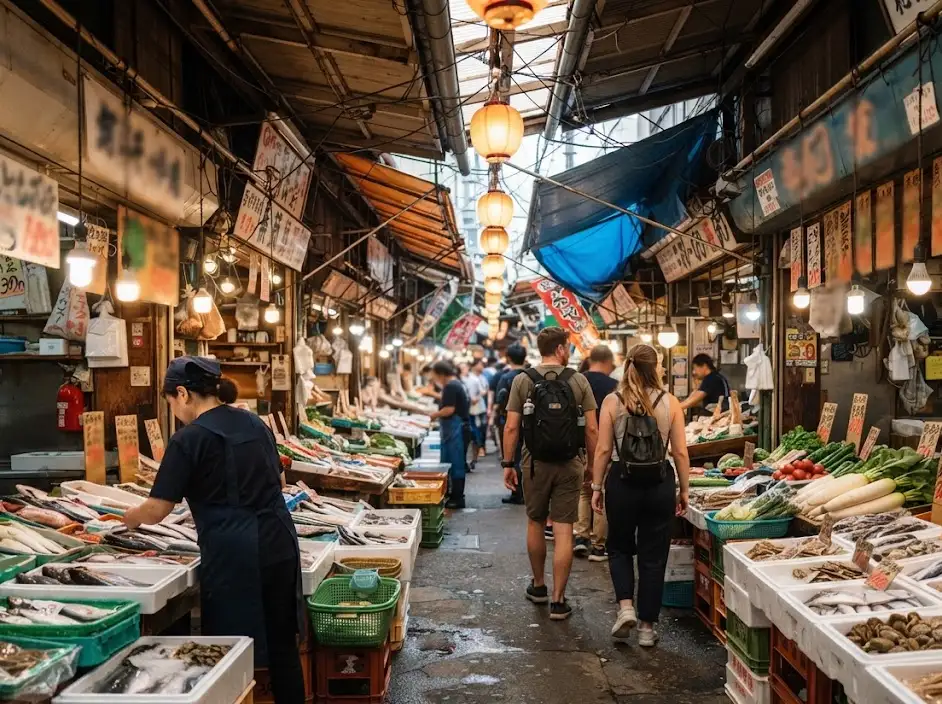
If you decide to go ahead, prepare like an amateur athlete. It is not just about the ticket; it is about the gear you bring on board.
- Pack an eye mask and earplugs
- The light-blocking mask is the most crucial piece of gear
- Wear layers
- Buses can be freezing or stifling depending on the season
- Use a neck pillow
Booking the right seat
Filter for 3 individual seats per row, or a canopy seat if you book 4-row. Check the seat page for a power outlet. Basic seats like WILLER’s Economy have none, and you will want a charged phone for navigation the next morning.
How to Book a Night Bus in English
You do not need Japanese to book. Two English sites cover most night buses out of Tokyo.
Step 2: Filter by seat layout, restroom and women-only
Pick the seats-per-row option you want, look for the restroom icon, and add a women-only filter if you need one. Seats are often allocated after the booking deadline.
Step 3: Read the cancellation rule on your booking
Rules vary by bus and by plan. Note the deadline before you pay; the next section has the details.
Step 4: Pay online
Kosokubus takes credit or debit cards and PayPay. On WILLER, expect the ¥330 arrangement fee per trip.
Step 5: Board at the right terminal
Tokyo–Osaka buses leave from places like Busta Shinjuku and Tokyo Bus Terminal Yaesu, and arrive at Umeda or Namba OCAT. Check the exact stop on your ticket.
JR also runs “Dream” night buses. You book those on JR’s Highway Bus Net English site, which lists service hours of 5:00 AM to 1:00 AM (the following day). If it will not let you in late at night, try again in the morning.
Alternatives to the Bus: Night Trains and Early Shinkansen
There are very few true night trains left in Japan. The Sunrise Izumo is the best known, but it is hard to book.
If you want to travel at night by train, it is your best option, so plan ahead.
The early morning Shinkansen
Instead of the bus, take one of the first Shinkansen of the day. Stay in a business hotel in Tokyo, wake up early, and be in Kyoto in the morning.
You get a full night of sleep in a bed, a shower before you leave, and you arrive ready for the day. Not sure what kind of bed? Compare capsule hotels, hostels and business hotels.
Regional rail passes
Sometimes a regional pass from the official JR site gives better value than the sum of your individual train tickets. Always add up your planned routes before assuming the bus is your only cheap option.
Navigating Luggage Logistics and Early Arrival Hurdles
The biggest oversight for travelers choosing a night bus is the weight of their luggage on arrival. Unlike a hotel stay where you can drop bags at the front desk, arriving at a transit hub at 6 AM leaves you tied to your belongings until you find somewhere to store them.
Major hubs like Shinjuku, Tokyo Station or Namba get very busy in the morning, and free lockers can be hard to find.
If you are traveling with large suitcases, you will be dragging them over pavement and through rush-hour crowds. That often ruins the excitement of starting a new city.
Sending your bag ahead instead
Luggage forwarding takes the bag off your hands, but it eats into the saving. Yamato‘s TA-Q-BIN from the Kanto area to Kansai costs ¥2,772 for a 140-size bag and ¥3,157 for a 160-size bag (cashless rates, checked October 2026).
On a cheap 4-row bus, that can close much of the gap to the Shinkansen. Our guide to luggage forwarding in Japan shows when it is worth it.
Without a plan for your bags, your luggage will be the biggest obstacle between the bus seat and your first sight.
Flexibility and Cancellation Risks on Long-Distance Routes
One thing often ignored in the rush to save money: night bus bookings are more restrictive than Shinkansen tickets.
With Smart EX, JR Central says you can change your reservation free of charge, an unlimited number of times, before departure.
Night bus seats work more like hotel rooms. Here is what the two main English booking sites say:
- Kosokubus: the policy varies by bus. You cannot change the bus, date or time; you cancel and rebook. Online cancellation closes at 23:59 the day before for night buses (17:00 for day buses), and cancelling on the day costs 100% of the fare.
- WILLER: cancellation fees vary by plan and are shown on your reservation detail page. Changing to a stop with a different fare counts as a cancellation.
- Bad weather: Kosokubus says if you cancel a bus that is still scheduled to run, the normal cancellation fee applies.
Both sites publish these rules in English, so read them before you pay.
If you tend to change your plans based on weather or energy levels, the night bus is a risky bet. If you get sick on the day, or decide to stay one more night, you can lose the whole fare.
This “loss aversion” often pushes travelers to stick to a rigid schedule even when they are burnt out. That leads to a poorer trip overall.
If you value spontaneity, being able to move your train with a few taps is worth the extra yen. Flexibility is an overlooked part of travel value, especially when you are thousands of miles from home on a tight schedule.
FAQ
QIs the night bus safe for solo female travelers?
Many buses offer women-only options. On Kosokubus you can filter for same-gender priority seats, women-only seat areas, or women-only buses that carry female passengers only.
QCan I store my luggage on the bus?
Yes, in the hold. WILLER allows up to two checked pieces: one up to 155 cm, or two up to 240 cm in total. Carry-on must fit the overhead rack or under your seat, so suitcases do not come inside.
QDo night buses have bathrooms?
Some do, many do not, and it is not tied to the seat layout. Check the restroom icon on the listing. Buses without one stop at service areas every 2–3 hours on Tokyo–Osaka.
QHow far in advance should I book?
There is no single rule, and fares move by date. Book once your dates are fixed, and note the cancellation deadline (23:59 the day before for night buses on Kosokubus).
QIs there Wi-Fi on the bus?
It depends on the bus. WILLER’s basic Economy seat has no Wi-Fi, for example. Check the amenities on the listing, and download maps and shows before you board.
 ReaderYuki
So, is the night bus worth it for your itinerary?
For most first-time visitors, the night bus is not worth the risk of a ruined, exhausted morning. You gain more by spending the money on a reliable train and showing up in a new city refreshed and ready to walk the streets of Gion or the back alleys of Shinjuku.
If you are a budget traveler with plenty of time, Tokyo to Kyoto or Osaka in a 3-row seat is where the bus earns its place. Just do not expect it to replace a proper night of rest.
Planning transport in Japan can feel like a high-stakes math problem.
Pick the simplest route for your “arrival day” and keep the bus as a fallback for longer, less time-sensitive stretches later in your trip.
Keep planning
- ① Install and test your eSIM before take-offAiralo and Ubigi eSIMs activate on arrival, but the install itself needs Wi-Fi. Do it at home and confirm the profile shows up in your phone settings.
- ② Save your first hotel’s address in JapaneseTaxi drivers and station staff read Japanese addresses far faster than romanised ones. Copy it from the booking confirmation into your notes app.
- ③ Set aside cash for day oneMany small restaurants, temples and rural buses are still cash-only. Airport ATMs at 7-Eleven and the post office accept most foreign cards.
Skip these and your first hour in Japan goes on finding Wi-Fi at the station instead of getting to your hotel.
🔍 How to sanity-check any price you read online
Blogs (including this one) go out of date. The official page always wins over a screenshot from two years ago.
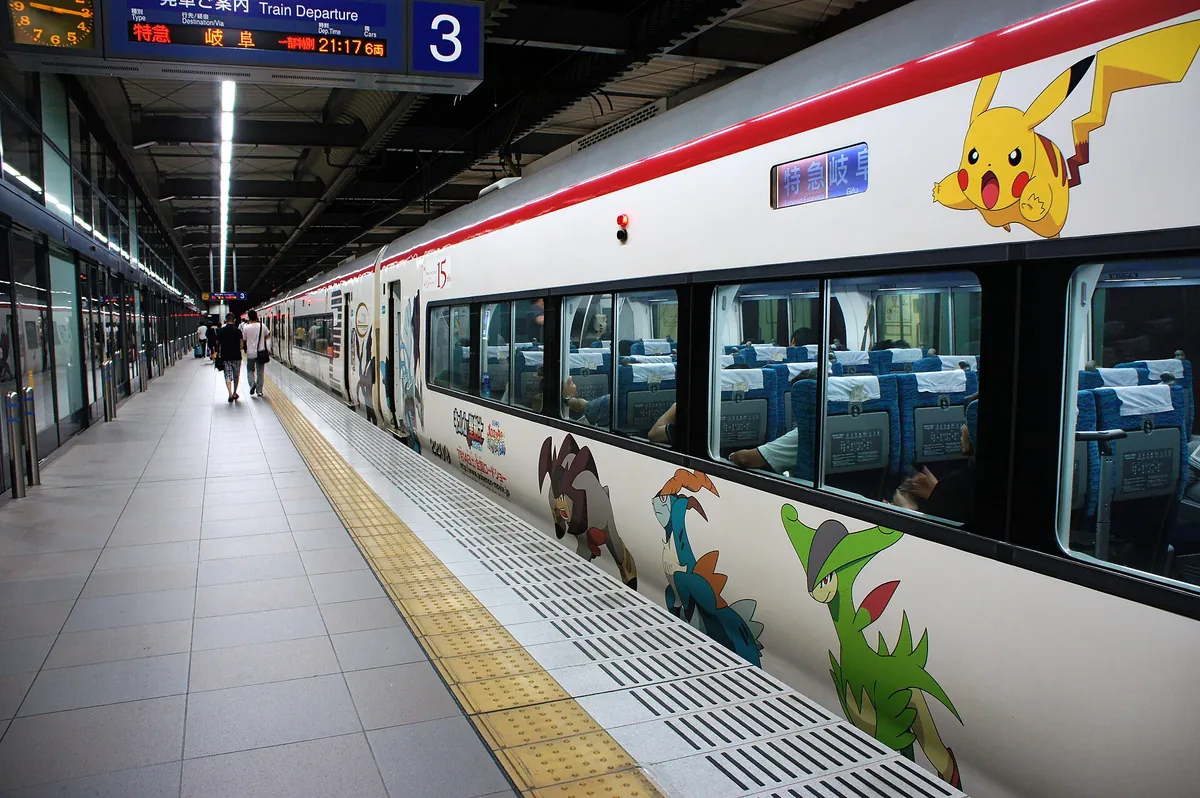
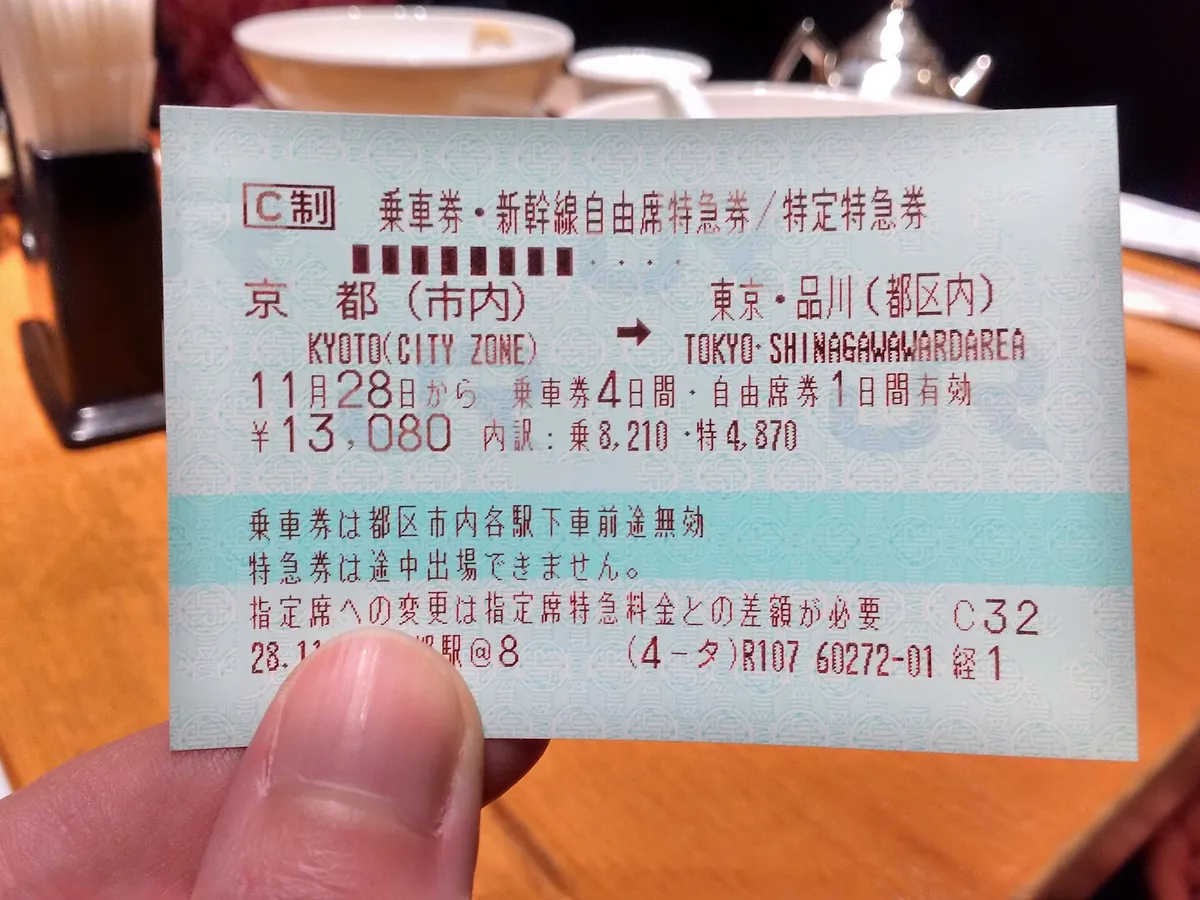
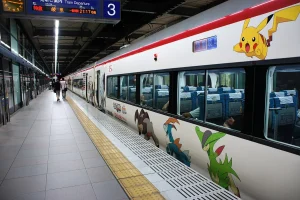
Cover Photo: Cassiopeia sweet, Public domain, via Wikimedia Commons