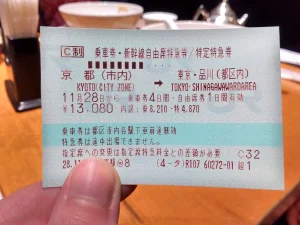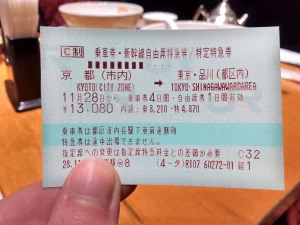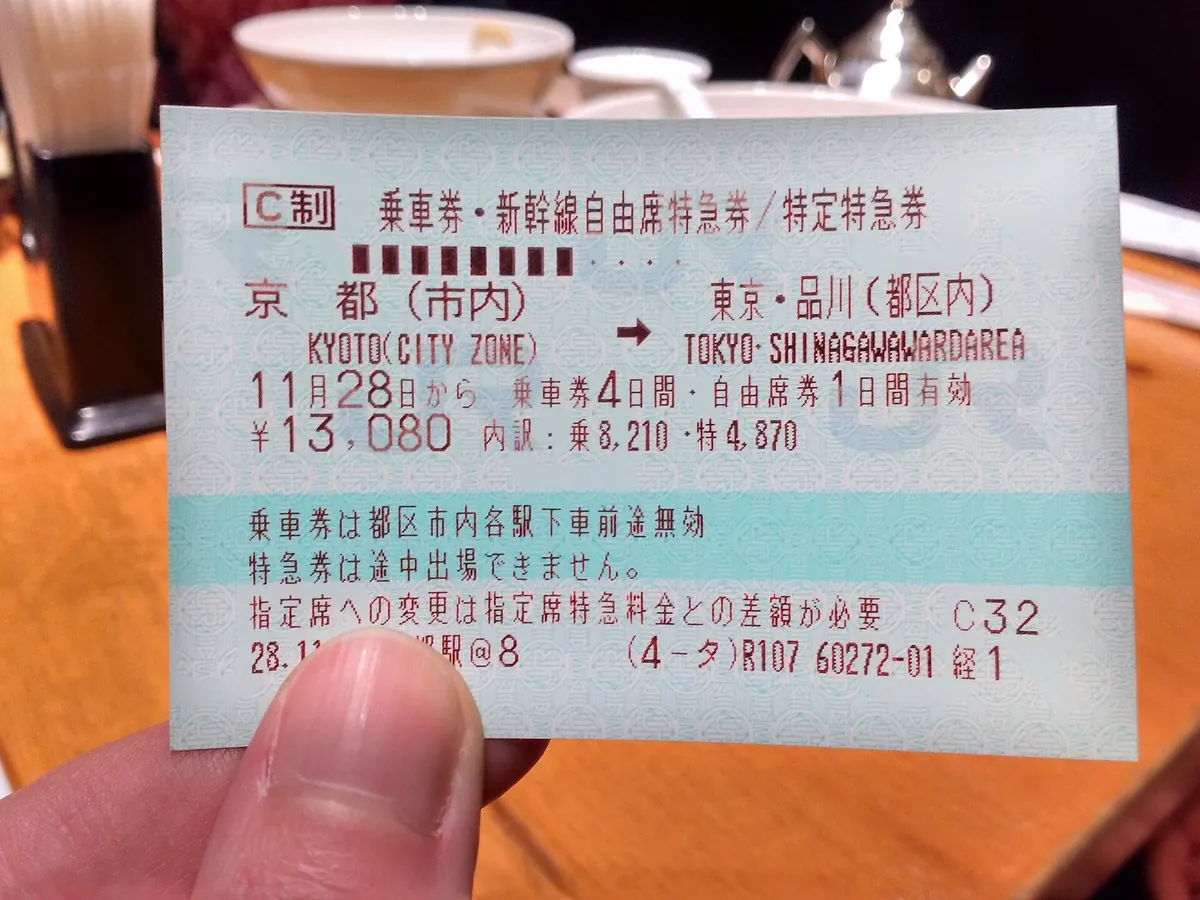
- Best for flexibility: Individual tickets via SmartEX.
- Best for heavy travel: 7-day JR Pass if doing long-distance loops.
- Budget hack: Stick to regional passes if staying in one area.
- Primary tool
- SmartEX app / official site
- Trip length
- 12–16 days
- Typical cost
- ¥25,000–¥60,000
- Best for
- Mid-range travelers
- Price checked
- 2026
Top picks
Where we would book this
Klook
One account for passes, tickets and transfers
- Best for
- JR Pass and regional rail passes, theme-park tickets, airport…
- Checked
- September 2026
Official site. Same price for you.
Where we would book this
Japan Rail Pass official site
The only source of the current pass price and rules
- Best for
- Official conditions, eligibility and the current price of the…
- Checked
- September 2026
Official site. Same price for you.
Some links are affiliate links (marked “Partner link”). Prices are ranges checked in 2026; confirm on the official site before you book.
“I am terrified of standing in front of a flashing machine at Tokyo Station while a crowd builds up behind me.” This fear drives most first-timers toward the national rail pass, but it often leads to spending hundreds of dollars more than necessary. Sound familiar?
If you are only visiting Tokyo and Kyoto, close this and read our city-specific transit guides instead.
Choosing your rail strategy based on actual travel behavior
Most travelers overestimate how often they will move between cities. The JR Pass is no longer the automatic budget saver it was years ago, especially since the major price adjustments in late 2023.
Instead of relying on a single pass, evaluate your trip based on your actual movement patterns.
- Are you visiting three or more major cities?
- Do you have luggage over 25 kilograms?
- Are you comfortable using an app to book seats?
- Do you plan to take spontaneous side trips?
- Are you visiting more than one region?
The coverage factor
The JR Pass covers Shinkansen lines but excludes most subways and private railway lines like the Hankyu or Keihan lines. You will still be paying for local transit regardless of which long-distance option you choose.
Buying individual tickets allows you to mix and match providers to take the fastest, most direct route.
The flexibility vs budget trade-off
Individual tickets allow for last-minute changes on apps like SmartEX. The pass forces you to use JR lines even when they are slower or less convenient.
If your trip involves a fixed, rapid-fire itinerary, the pass might be worth it, but for most people, individual booking provides more sanity.
Why individual tickets usually win for mid-range itineraries
The SmartEX strategy
For most trips between Tokyo, Kyoto, and Osaka, booking individual tickets through the official SmartEX platform is the most efficient choice. You can link your credit card, pick your seat, and use a QR code or registered IC card to pass through the gates.
It removes the need for physical machine interaction entirely.
Booking freedom
When you book individual tickets, you control your schedule. If you decide to stay an extra night in Osaka, you simply log in and change your ticket for a modest fee rather than being tethered to a pass that expires on a specific date.
This is a big help for couples who prefer a spontaneous pace.
The hidden cost of JR-only routing
Using a pass often forces you to take a train to a station further from your hotel simply because it is a JR line. We once spent an extra ninety minutes navigating Tokyo on a JR train because we were trying to “maximize the value” of a pass.
Don’t fall for the trap of trading your time for a theoretical discount.
Side by side: Pass vs Individual tickets
← Swipe to see the full table →
| Option | Best for | Rough cost |
|---|---|---|
| Individual | Relaxed | ¥15k–¥30k |
| JR Pass | Fast loops | ¥50k+ |
| Regional | Deep dives | ¥10k–¥25k |
Plan your trip: the tools we use
Our pick: Individual tickets are almost always better for 12–16 day trips unless you are crisscrossing the country daily.
Partner link.
The alternatives for regional transit
Local IC cards
Regardless of your long-distance strategy, get a digital Suica or Pasmo on your phone for local subways and buses. These cards work for almost all transit in Japan and prevent you from needing to buy paper tickets for every single bus ride or short subway hop.
Regional rail passes
If you plan to spend your entire 12 days in the Kansai region, a regional pass is significantly cheaper than a national one. Check Klook for options like the Kansai Thru Pass, which covers private lines that the national pass ignores.
These are often the secret to saving real money.
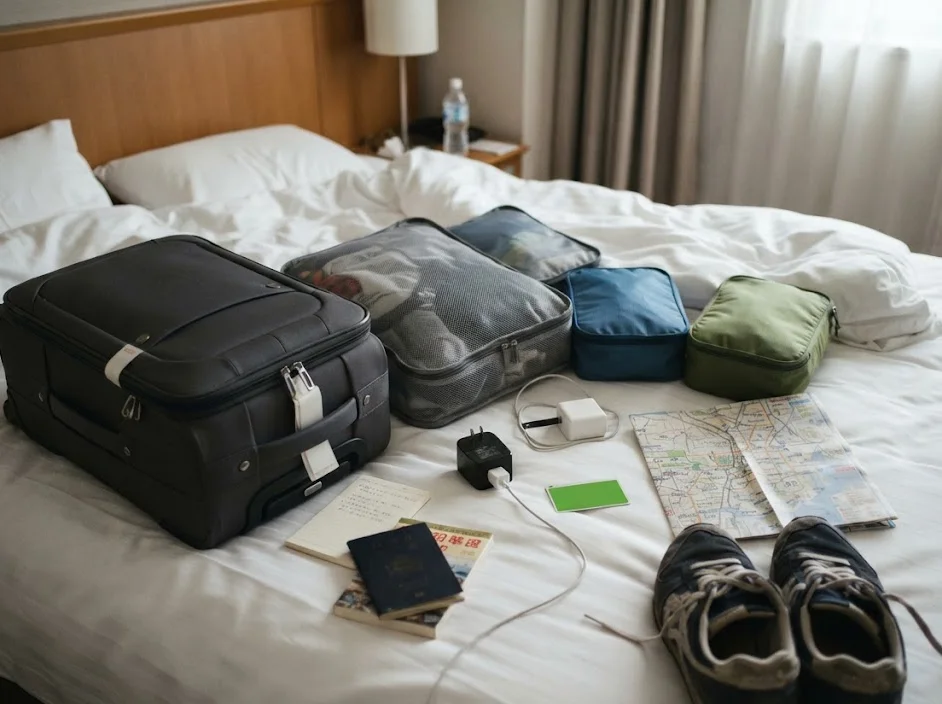
Setup and first use of your digital tickets
Step 1: Download the apps
Set up your SmartEX account and register your credit card well before you leave home.
Step 2: Test your login
Make sure you can access your account from your home network to avoid security blocks.
Step 3: Sync your IC card
Add your Suica or Pasmo to your mobile wallet for the local legs of your journey.
One mistake we made was forgetting to register our credit card until we reached the station. The site flagged the transaction as fraudulent, and we had to call our bank while standing on the platform.
That was the mistake. Fix this in the comfort of your living room.
How we chose these recommendations
Our advice is based on checking current route costs for common tourist loops as of early 2026. We compared the standard fare for Tokyo–Kyoto–Osaka against the current pricing for a 7-day national pass.
We prioritized ease of use, as our goal is to help you reach your destination without the “station stress” that often ruins the start of a trip. Only have four days? You might not need a pass at all.
Who should choose which option
Choose individual tickets if
You have a 14-day itinerary with 3–4 main stops. You want the flexibility to change your plans, upgrade to the Green Car for a treat, or skip the JR lines for faster private alternatives.
Choose a JR Pass if
You are planning a frantic, high-speed loop of the country where you move to a new city every 24–48 hours. This is rare for a first-timer, but if you are truly trying to see the country in a week, the pass simplifies your math.
Navigating luggage logistics for long-distance travel
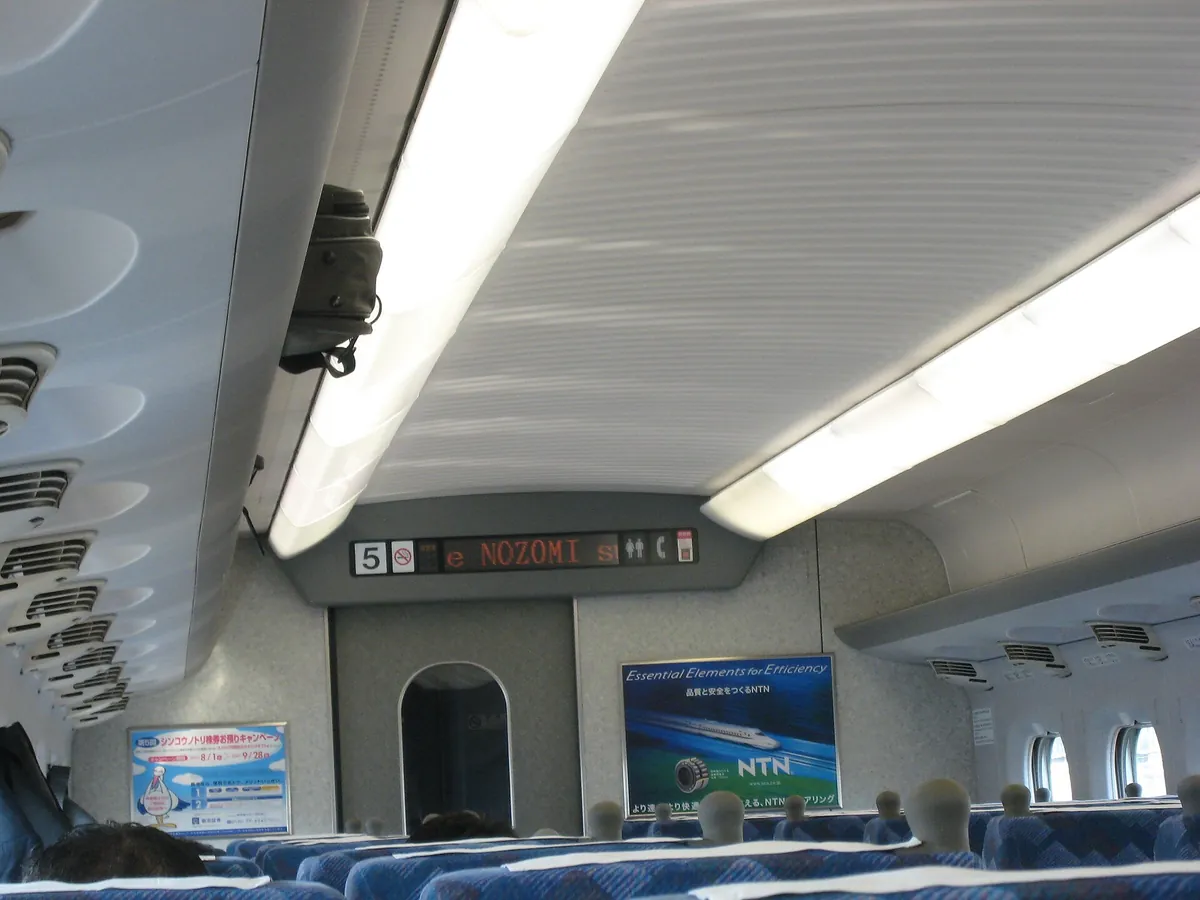
One major factor that often pushes travelers toward individual tickets is the luggage policy on the Shinkansen. The JR Pass does not exempt you from the strict rules regarding oversized baggage.
If you are traveling with suitcases exceeding 160 centimeters in total dimensions, you are technically required to reserve a specific “oversized baggage” seat. These seats are located at the very back of the carriage and offer space behind the row.
Failing to secure this reservation can result in a surcharge of roughly ¥1,000 paid to the conductor on board. Individual tickets make it easy to select these specific seats during the booking process on SmartEX.
Booking for groups and families
When you use a JR Pass, you often have to visit a physical station counter to reserve seats for your entire group simultaneously. This can be a major bottleneck if you are traveling with children or multiple companions.
- Individual tickets allow you to book and modify seats for up to six people in one transaction via an app.
- You can see a seat map in real-time to ensure your group is sitting together.
- Changes to departure times can be managed as a single group booking.
If you have an “oversized baggage” requirement, you must book these seats well in advance. During busy travel periods like Golden Week or Obon, these specific seats sell out weeks before the travel date.
Relying on a pass without pre-booking guarantees nothing, whereas individual tickets put the reservation power in your hands immediately upon purchase.
For those traveling with large items, prioritize booking your long-haul Shinkansen tickets as soon as your hotel dates are confirmed. Use the official SmartEX platform to check for “extra-large baggage” availability before finalizing your itinerary for that day.
This avoids the stress of trying to squeeze bags into overhead racks that were never designed for international travel luggage.
What to do when your first choice sells out or fails
Sometimes, the popular Shinkansen trains fill up completely, or technical glitches prevent your digital pass from syncing at the ticket gate. Having a backup strategy is essential for maintaining your sanity while traveling through Japan.
If you find that your preferred Shinkansen time is sold out on the app, do not panic. The Tokaido Shinkansen line runs incredibly high-frequency services, often with departures every 10 to 15 minutes.
Always check for non-reserved seats on the next available train. You might have to stand for a portion of the journey, but it is rarely for more than an hour on the busiest sections.
Alternative transport modes
If the rail lines are disrupted due to weather or maintenance, local buses or domestic flights become your best friends. Check platforms like Klook or local carrier websites for last-minute regional bus tickets which are often significantly cheaper.
- Domestic flights: Often cost between ¥8,000–¥20,000 depending on how far out you book.
- Highway buses: A great way to save on a night of accommodation while traveling long distances.
- Private railways: Use apps like Google Maps or Japan Transit by Jorudan to find routes that bypass JR lines.
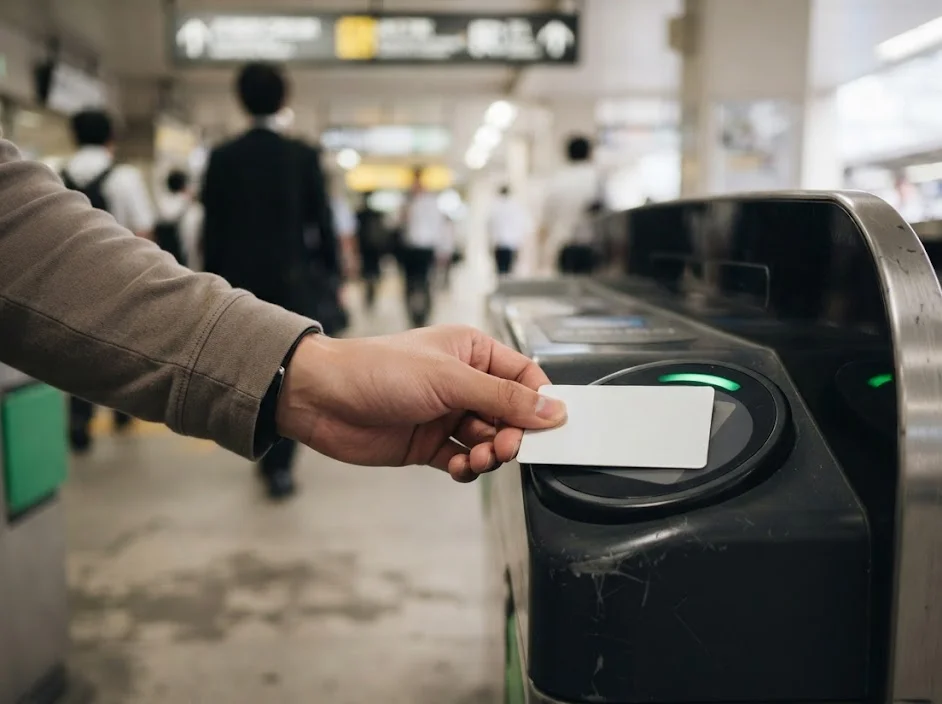
Technological failure is more common than you might expect, especially with roaming data or bank security locks. If your digital QR code fails at the gate, remain calm and head toward the staffed “Manned Gate” rather than the automated machines.
Show the staff your confirmation email or app booking; they deal with this daily and will usually let you through after a quick verification.
Never rely solely on one app for your entire trip. Keep screenshots of your bookings, carry a physical credit card as a backup, and maintain a small amount of cash for emergency paper tickets.
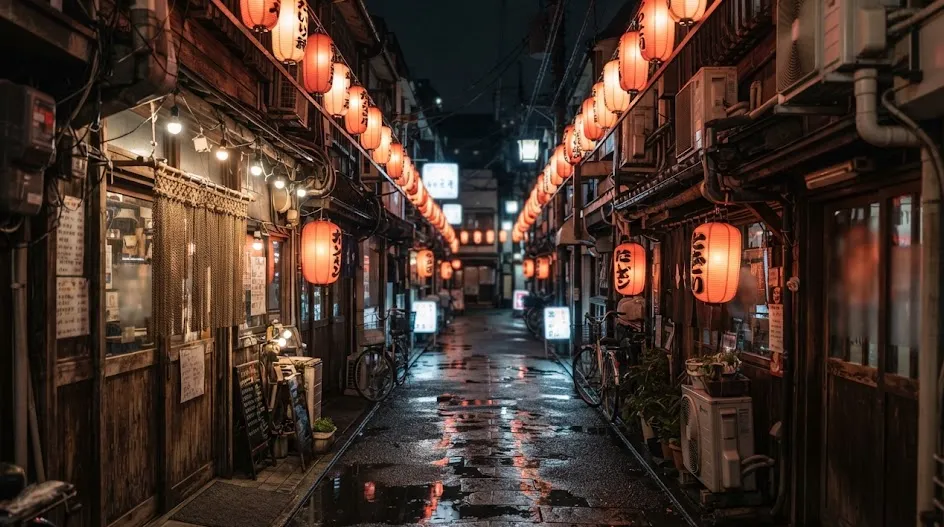
Being prepared for the occasional hiccup ensures that a missed connection doesn’t turn into a day-long disaster.
Synchronizing your digital transit ecosystem before takeoff
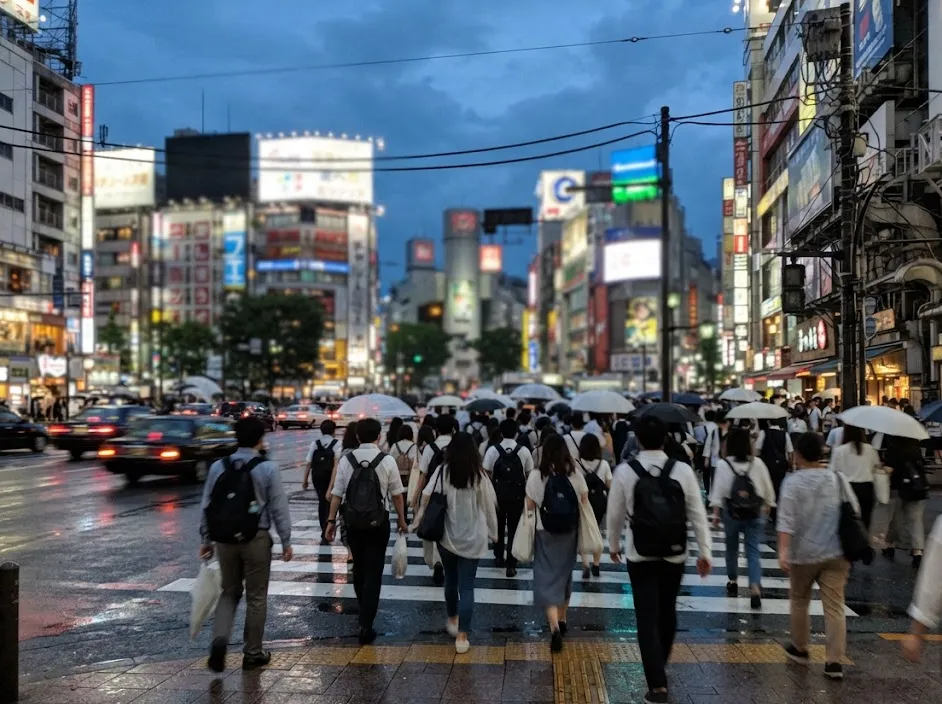
Most travelers arrive at Narita or Haneda and immediately scramble to connect to public Wi-Fi to load their transit apps. This is the single biggest cause of gate-side panic.
Your digital transit experience should be fully configured in your home country while your home bank, reliable internet, and password managers are all within reach.
Pre-trip validation is the difference between walking through the turnstile and becoming an obstruction in the middle of a rush-hour platform. Before you leave, ensure your primary credit card is registered for 3D Secure verification.
Japanese transit apps are notorious for failing with cards that lack strict multi-factor authentication.
If you plan to use an iPhone, add your Suica or Pasmo to your Apple Wallet now. If you have an Android device, you may need a physical card purchased at the airport if your model does not support the domestic transit protocols.
Do not wait until you are standing at a Shinkansen machine to find out your phone isn’t compatible.
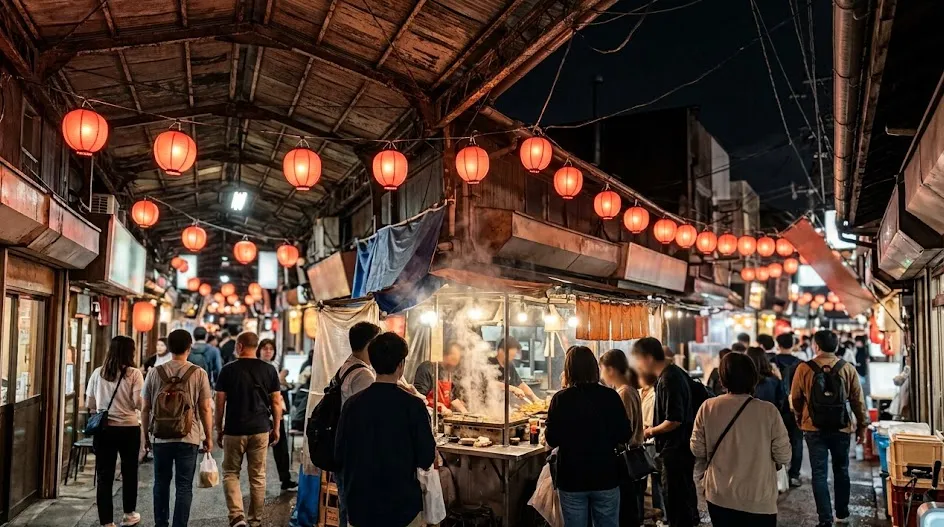
The connectivity chain
- Download the SmartEX and Google Maps apps at home.
- Ensure your roaming or eSIM (such as Ubigi or Airalo) is active and tested.
- Save a screenshot of your QR code tickets in your phone’s photo gallery as an offline backup.
- Verify your credit card app notifications are set to allow international charges.
Many travelers find that their bank automatically blocks international train purchases as a “suspected fraud” attempt. Log into your banking portal a week before departure to set a travel notice, or keep a backup credit card from a different financial institution ready.
Costs for these preparatory tools vary; an eSIM usually runs ¥1,000–¥3,500 depending on duration, but checking the official site for regional data needs is essential.
Finally, confirm that your device region is set correctly. Some apps will refuse to launch if your phone detects you are in a country where the service is not supported.
By setting up the entire flow before you board your flight, you turn the station experience from a high-stakes test into a simple routine.
Strategic timing for peak-season bookings
If your trip overlaps with major Japanese holidays like Golden Week, the Obon festival, or the New Year, your strategy must shift from “spontaneous flexibility” to “rigid precision.”
During these windows, train capacity is a finite resource that vanishes weeks in advance.
Booking windows open exactly 30 days before your travel date. If you are traveling during a peak period, you must be logged into the SmartEX platform the moment the seats become available.
Waiting even 24 hours during peak season can mean the difference between a reserved seat and an hour of standing in the vestibule.
For mid-range travelers, this is where the individual ticket model actually offers a massive advantage over the JR Pass. JR Pass holders are often restricted to booking in-person or via a secondary portal that may not always have full access to the inventory that independent buyers see.
By purchasing your tickets individually, you get first-class access to the entire seat inventory the moment it is released.
Optimizing for high-demand routes
- Tokyo to Kyoto: This is the most contested corridor; book it first.
- Morning departures: Trains departing between 8:00 AM and 10:00 AM sell out fastest.
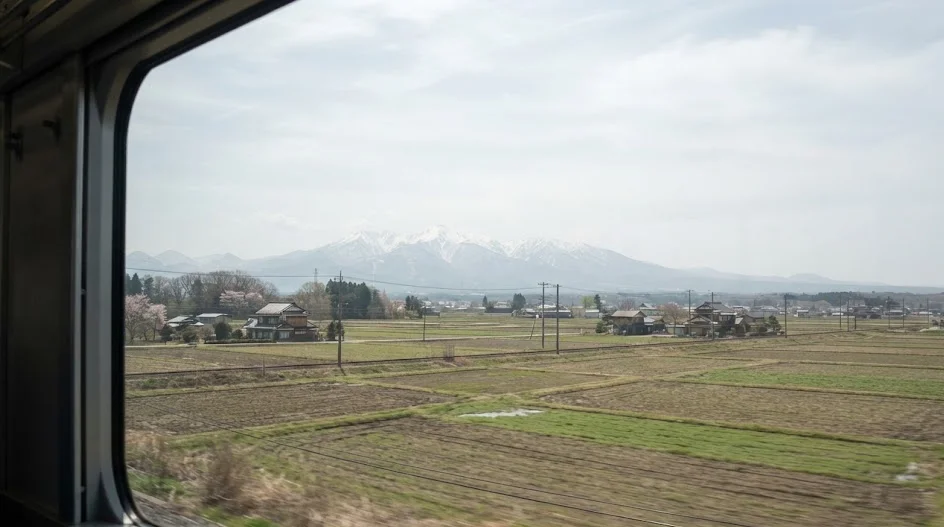
- The “E” seat: On the Tokaido Shinkansen, seats on the E-side offer the iconic view of Mount Fuji.
- Return trips: Book your return journey simultaneously if your plans are firm to avoid last-minute availability issues.
If you miss the 30-day window, you aren’t necessarily stranded, but you will need a fallback. Check sites like Klook to see if they have remaining inventory for specific train segments, or prepare to arrive at the station 45 minutes early to secure a spot in the “non-reserved” queue.
Prices for these tickets are standard, generally between ¥13,000 and ¥15,000 for a one-way Tokyo–Osaka journey; check the official site for exact current pricing for your travel date.
By treating these high-demand routes as “must-book” items, you protect your itinerary from the unpredictability of holiday crowds.

FAQ
QDo I really need a reserved seat for the Shinkansen?
Yes, especially if you have luggage. During peak seasons, non-reserved cars can be standing-room only. Using the app to select a “luggage space” seat makes the process stress-free.
QCan I use my JR Pass on the Tokyo subway?
No. The JR Pass is for Japan Rail trains only. You will still need an IC card for the Tokyo Metro, Toei Subway, and private rail lines like the Odakyu or Keikyu lines.
QIs it hard to use ticket machines at the station?
They have an English language button, but they are confusing even for us. We strongly suggest using the apps to avoid them entirely.
QWhat happens if I miss my train?
With an individual ticket, you can usually take a non-reserved seat on a later train that same day. Check the specific rules on the SmartEX site for your ticket class.
QAre regional passes worth it for a first-timer?
They are, provided you are staying in one or two specific regions like Kansai or Kyushu. They are often better value than the national pass.
QCan I cancel individual tickets if my plans change?
Yes, individual tickets booked via SmartEX can typically be changed or refunded for a small fee before the train departure time, offering significant flexibility over fixed-date passes.
 ReaderYuki
Planning Japanese train travel feels like a math exam that you absolutely do not want to fail.
Stop comparing every single yen and lock in the two longest legs of your trip, then relax and handle the local connections as you go.
Keep planning
- ① Install and test your eSIM before take-offAiralo and Ubigi eSIMs activate on arrival, but the install itself needs Wi-Fi. Do it at home and confirm the profile shows up in your phone settings.
- ② Save your first hotel’s address in JapaneseTaxi drivers and station staff read Japanese addresses far faster than romanised ones. Copy it from the booking confirmation into your notes app.
- ③ Set aside cash for day oneMany small restaurants, temples and rural buses are still cash-only. Airport ATMs at 7-Eleven and the post office accept most foreign cards.
Skip these and your first hour in Japan goes on finding Wi-Fi at the station instead of getting to your hotel.
🔍 How to sanity-check any price you read online
Blogs (including this one) go out of date. The official page always wins over a screenshot from two years ago.
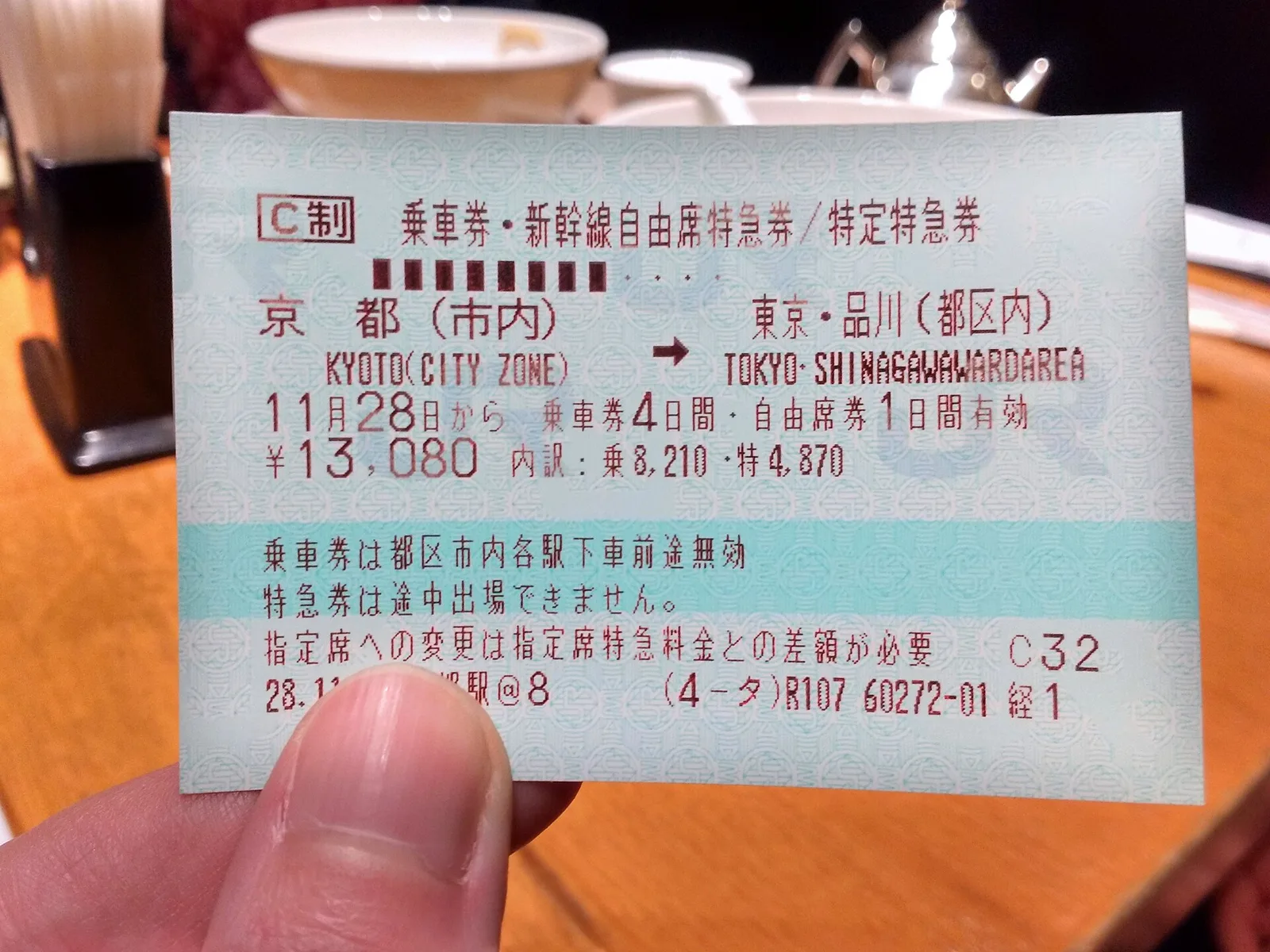
Cover Photo: Marek Ślusarczyk (Tupungato) Photo portfolio, CC BY 3.0, via Wikimedia Commons