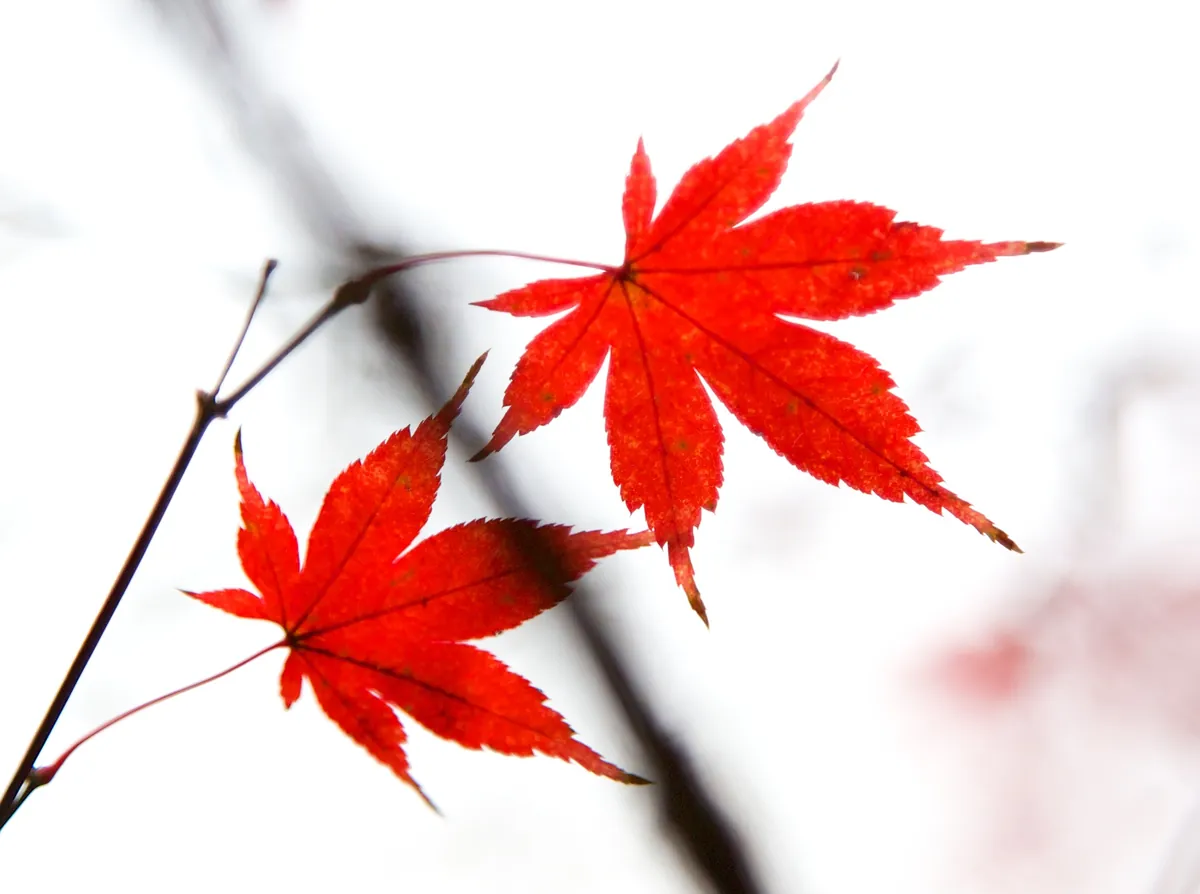

The October forecast puts Kyoto’s red maples on 11 December 2026. Kyoto City’s own guide says Eikando, Tofukuji and Kiyomizu-dera usually peak in mid to late November.
Plan around the first date and you could reach Kyoto about two weeks after the best colour. The short answer: the last week of November is the one window where Kyoto’s temples and Tokyo’s gardens overlap.
Landing earlier in November? Go north and uphill first. Arriving in December? Stay with Tokyo’s gardens and Kyoto’s late spots. If you are travelling in spring or summer, this is the wrong page; our seasons guide covers the rest of the year.
- The forecast date is when most leaves have turned, not the day to book
- Kyoto’s big temples usually peak mid to late November
- Last week of November: Kyoto temples and Tokyo gardens overlap
- Early or mid November: start in Nikko, Kawaguchiko or north Kyoto
- Tofukuji’s night viewing needs advance booking; Kiyomizu-dera’s does not
- During the trip, check each spot’s own status page, not the city map
- Kyoto temples
- Usually mid to late November
- Tokyo gardens
- Late November to early or mid December
- Overlap window
- Last week of November
- Night viewing
- About ¥1,000 where listed (2026)
- Book early
- Kyoto rooms, Tofukuji night slots
- Checked
- October 2026
Dates, fees and hours checked in October 2026; confirm on the official site before you go.
Reading the 2026 Foliage Forecast Without Arriving Two Weeks Late
Most “when will the leaves turn” articles quote one number per city. That number comes from a forecast, and the forecast measures something different from what a visitor wants to see.
- You chose your dates from one forecast date
- Your Kyoto days fall in the first week of November
- You plan to see Okunikko in mid-November
- You expect to walk into every night light-up
- You booked flights but not your Kyoto room
- You have no backup if the colour runs early or late
- You plan Tofukuji for midday on a weekend
Ticked two or more? The fourteen items below follow the order these problems usually show up.
1. Treating the forecast date as the day to go
Japan Meteorological Corporation (JMC) publishes the city forecast that most sites repeat. Its definition is the first day when most of the leaves on the tree have turned red or yellow.
It is read from reference trees. It is not a report on the famous temple gardens.
In the second edition, released on 1 October 2026, Kyoto’s red maple date is 11 December. That is six days later than Kyoto’s average of 5 December. Tokyo sits at 28 November, right on its average, and Osaka at 4 December.
Now compare the spot guides. Kyoto City lists mid to late November for Tofukuji, Eikando, Kiyomizu-dera, Daigoji and Arashiyama, and tenki.jp gives Eikando the same window.
That gap is the whole trap.
In Tokyo the two sources roughly agree. The forecast says 28 November, and Go Tokyo puts Rikugien and Koishikawa Korakuen at late November to early or mid December. In Kyoto they do not, so plan on the temple window.
2. Treating the forecast as fixed
The forecast is not a single release. JMC issues it in editions, and the 1 October edition is the second of 2026. tenki.jp posts dated status reports; the one from 29 October still showed Tokyo and Kyoto as green.
Go Tokyo says it plainly: timing shifts a week or two each year. So a date you read in September is a guess, and the spot pages you open during the trip are the facts.
For a wider view, tenki.jp’s broad call is that East and West Japan mostly peak in mid-November. JMC also forecasts about 700 individual foliage spots, which is far closer to what you need than one city figure.
Use the city forecast for the trend only.
4 Date Windows: Matching Your Fixed Dates to a Place
Most readers cannot move their flights. So flip the question: keep the dates and move the place. Colour starts high and far north, then works its way down into the city gardens.
Every window below comes from the operator’s or the local tourism office’s own page. They are usual windows, not promises for one year.
3. Mid-September to mid-October: Hokkaido and Okunikko
The earliest colour on this list is in Daisetsuzan, Hokkaido. The Asahidake Ropeway warns that mid-September weekends are crowded because of the foliage.
Its 2026 round-trip fare is ¥2,800–3,500 for junior high and up, depending on the season, so check the ropeway site for your date. Sapporo itself turns much later: JMC’s city date is 4 November.
On Honshu, the Nikko tourism association lists these Okunikko windows:
- Yumoto Lake and Yudaki Falls: early to mid October
- Senjogahara marshland: mid to late October
This band is mostly for planning next year. By November it is over.
4. Mid-October to mid-November: Lake Chuzenji, Okutama and Nikko town
Lower down, the colour arrives a few weeks later. These are the windows the Nikko tourism association and Go Tokyo give:
- Lake Chuzenji, Kegon Falls and the Irohazaka road: mid-October to early November
- Kirifuri Falls: late October to early November
- Lake Okutama, west Tokyo: late October to mid-November
- Nikko Toshogu shrine area: early to mid November
An early-November arrival in Tokyo fits here. Go Tokyo also groups Mt. Takao with the mountain areas that turn earlier than central Tokyo, so it works as a short day out.
5. Mid to late November: north Kyoto, the big temples and Kawaguchiko
JNTO says Kyoto’s season starts in mid-November. Kyoto City’s guide gives Kibune mid-November, Jingoji in Takao early to late November, and Kurama-dera mid to late November.
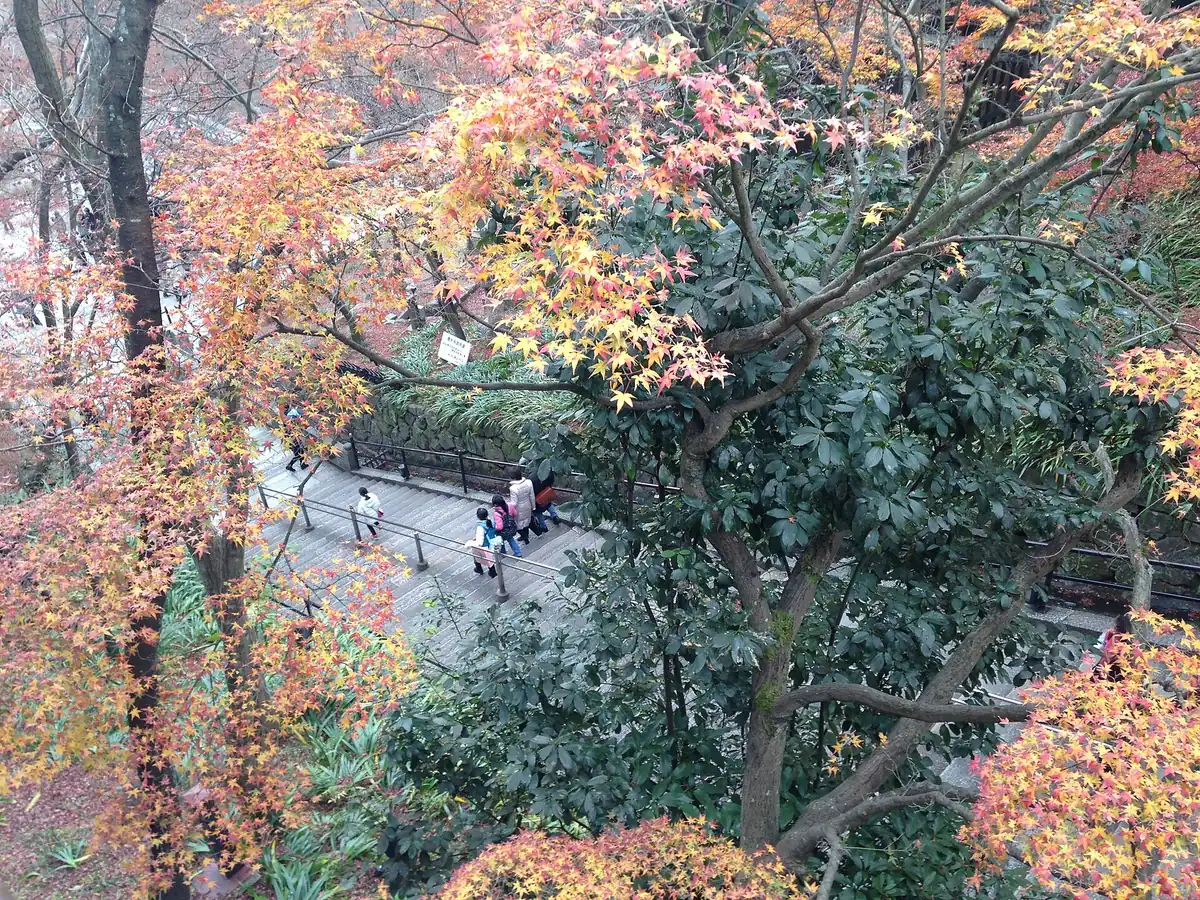
The big central temples follow in mid to late November. Near Mt. Fuji, the Fuji Kawaguchiko Autumn Leaves Festival runs 7–29 November 2026, and the town puts the peak in early to mid November.
6. Late November to mid-December: Tokyo gardens and Kyoto’s late spots
The city gardens come last. Go Tokyo lists Rikugien and Koishikawa Korakuen at late November to early or mid December, and Showa Kinen Park at late November to mid December. The Icho Namiki ginkgo avenue in Meiji Jingu Gaien starts a little earlier, mid-November to early December.
In Kyoto, Rurikoin runs late November to early December, and Sanzen-in has the longest window of all, early November to early December.
← Swipe to see the full table →
| Your dates | Where to go | Why |
|---|---|---|
| Mid-Sep to mid-Oct | Asahidake, Okunikko | Highest and furthest north |
| Mid-Oct to early Nov | Lake Chuzenji, Irohazaka, Okutama | Mid-height lakes and roads |
| Early to mid Nov | Nikko Toshogu, Kawaguchiko, Kibune | Edges of the mountains |
| Mid to late Nov | Kyoto temples, Jingoji | Kyoto’s main window |
| Late Nov to mid-Dec | Tokyo gardens, Rurikoin, Sanzen-in | City gardens turn last |
Plan your trip: the tools we use
Our pick: the last week of November, if you want Kyoto and Tokyo on one trip.
Kyoto in 2026: Which Temples Peak When, and How to Dodge the Crowds
Late November in Kyoto means the best colour and the biggest crowds in the same week. You cannot avoid the second without some planning. Not sure Kyoto deserves the days? Read our take on whether Kyoto is worth visiting first.
7. Arriving at Tofukuji at midday on a November weekend
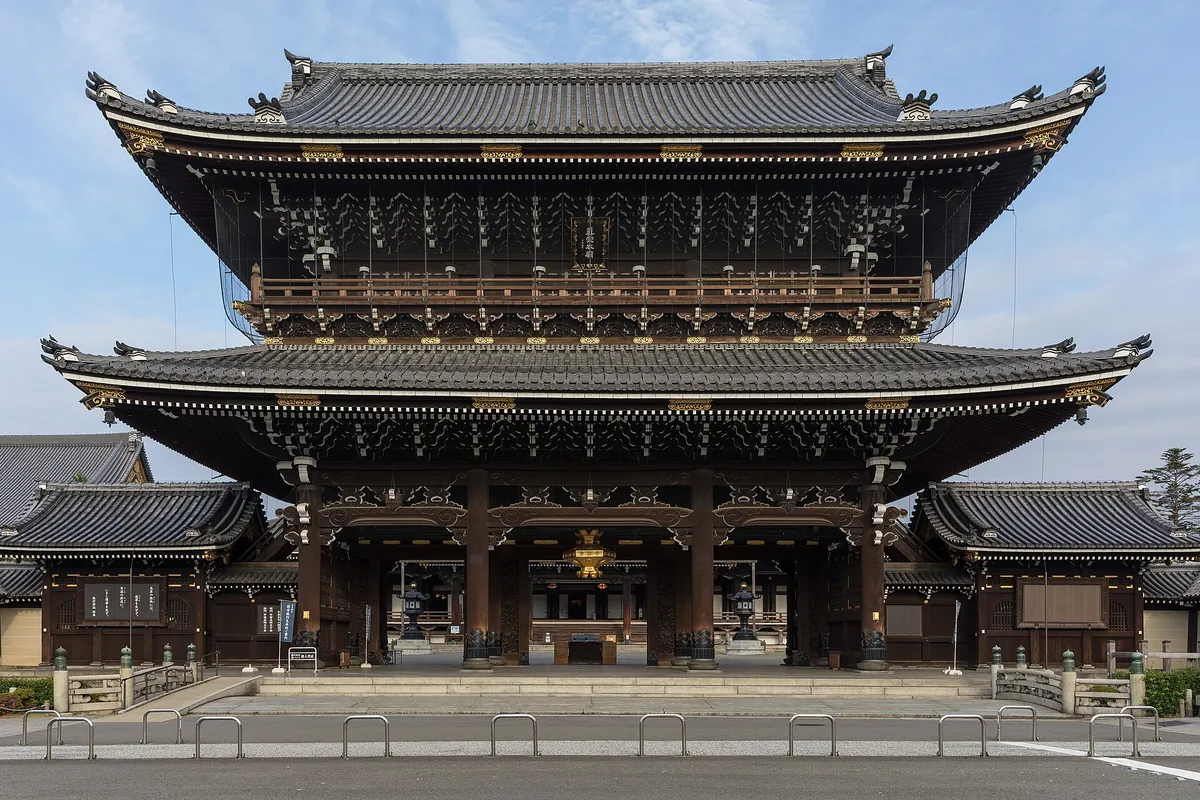
Tofukuji opens earlier during its autumn period. From 14 November to 6 December, the Tsutenkyo bridge opens 8:30–16:00 and the Hojo garden 9:00–16:00.
In the autumn period the Tsutenkyo bridge and Kaisando area lists ¥1,000 for adults and ¥500 for children. The Hojo garden is listed at ¥600 for adults from 1 November 2026 (¥300 for children).
There is no combined ticket from 14 November to 6 December, so you pay for each area separately. Check the temple’s guide page before you go. There is one more catch.
During the autumn period the temple may ask visitors not to take photos on the Tsutenkyo and Garyoun bridges. If photos are the point of the visit, plan your shots from the grounds, not the bridge.
The fix is simple: be at the gate for 8:30 on a weekday. Kiyomizu-dera opens at 6:00, so an early start works there too, and it lists its leaves from mid-November to early December.
Before leaving your hotel, open Kyoto’s congestion forecast. It rates comfort levels around popular spots and shows live cameras, so you can swap the order of two temples on the spot.
8. Skipping the north of the city
Kibune and Jingoji can start colouring before the central temples, and Kurama-dera shares their window. Arriving in the first half of November? These are your Kyoto leaves.
Plan them as their own half-day rather than squeezing them between central temples. Kibune and Kurama pair well, and Jingoji sits on its own in Takao.
What most first-timers do
- Plan Kyoto around the 11 December forecast
- Visit Tofukuji at noon on a Saturday
- Try all the big temples in one day
- Skip the north as too far
- Count on photos from the bridges
What actually works
- Plan on the mid to late November temple window
- Be at the gate at 8:30 on a weekday
- Pair one big temple with one quiet one
- Use Kibune or Jingoji in early November
- Check the congestion forecast before leaving
Planning your visit?
Night Illuminations: 4 Temples and Gardens, Fees and Booking
Evening light-ups are the other half of the season. They are also where the most avoidable mistakes happen, because each one runs on its own rules.
9. Assuming every light-up is walk-in
Tofukuji’s night private viewing needs advance booking through JR Central’s travel site. It runs 17:30–19:30 with last entry at 19:00, capped at 1,020 people a night.
The night run starts in mid-November and ends on 6 December. Tofukuji also has a booked early-morning viewing from 19 November to 6 December. The price sits behind the booking login, so check it there.
Kiyomizu-dera is the opposite. Its 2026 evening visit page says “No reservations required.” We could not confirm the fee, so check the temple’s site.
Eikando lists its night illumination for 20 November to 6 December, entry 17:30–20:30, gate closing at 21:00, at ¥1,000 for middle school and up. Its page does not mention booking either way.
In Tokyo, Rikugien’s night viewing runs 25 November to 6 December, 18:00–20:30 with last entry at 19:30, for ¥1,000. Tickets are sold online in advance or on the day. It is a 7-minute walk from Komagome Station.
← Swipe to see the full table →
| Place | 2026 dates and hours | Booking |
|---|---|---|
| Tofukuji, Kyoto | Mid-Nov to 6 Dec, 17:30–19:30 | Required, JR Central’s site |
| Eikando, Kyoto | 20 Nov to 6 Dec, entry 17:30–20:30 | Not stated; check the page |
| Kiyomizu-dera, Kyoto | 21–30 Nov, 17:30–21:30 | Not required |
| Rikugien, Tokyo | 25 Nov to 6 Dec, 18:00–20:30 | Online in advance or same day |
Our pick: Kiyomizu-dera for a light-up with no booking; Tofukuji only if you can fix the date early.
Fees and hours above are the 2026 listings on each official page. They can change, so check the official site the week you go.
10. Picking a night outside the run
Kiyomizu-dera’s evening visit lasts only ten nights, 21–30 November. Rikugien starts on 25 November, and Eikando on 20 November.
So if your Kyoto nights fall before 20 November, of these four only Tofukuji’s booked viewing may be running. Its start date is printed inconsistently on the temple’s site, so confirm it when you book.
Want the most choice? Between 25 and 30 November, all four are running. That lines up with the overlap week from the table above.
Near Mt. Fuji, the Kawaguchiko festival lights up from sunset to 21:00 throughout its 7–29 November run.
Tokyo Day Trips for Leaves: Nikko, Kawaguchiko and the City Gardens
From a Tokyo base, the day trip you pick should depend on your dates, not on which name you have heard most. Get it wrong and you arrive to bare branches or a car park queue.
11. Doing Nikko in mid-November and finding Okunikko bare
Nikko is really two places. Okunikko, up at the lakes and marshes, peaks in October. The Toshogu shrine area in town peaks in early to mid November.
Coming in mid-November? Plan the visit around the shrine area and treat the lake as a bonus. The Nikko tourism association also warns that the city is very congested in foliage season every year.
Leave early, and keep the plan loose. If you would rather not plan the transfers yourself, compare Nikko day tours on Klook and GetYourGuide against doing it alone. Our 5-day Tokyo itinerary with Nikko shows how a Nikko day fits a wider plan.
12. Driving to Kawaguchiko on a festival weekend
The Fuji Kawaguchiko Autumn Leaves Festival runs 7–29 November 2026, with a light-up from sunset to 21:00. The festival’s No. 1 car park is now paid: ¥1,000 for a car and ¥3,000 for a bus, cashless only, according to the town.
Weekends inside that run are the crowded part. Go on a weekday if you can, or leave the driving to someone else and compare Fuji-area day tours on Klook and GetYourGuide.
Torn between Fuji bases? Our Hakone vs Kawaguchiko comparison covers which view suits which trip.
Stuck in Tokyo with no day free? The city gardens carry you into December. Rikugien and Koishikawa Korakuen run late November to early or mid December, Showa Kinen Park to mid-December, and the Icho Namiki ginkgo avenue in Gaien mid-November to early December.
That makes December the easy month.
Booking Kyoto Rooms for Late November Before Anything Else
Every window in this guide points the same way: late November in Kyoto is the busiest week of the season. The big temples peak, and the evening light-ups overlap.
13. Booking Kyoto rooms last
Flights get booked first because they feel like the big decision. In late November, the Kyoto room is the scarce piece, so it should come first.
Book a refundable room on Booking.com or Agoda as soon as your dates are likely. You can cancel it if the plan changes; you cannot create a room that is gone.
A business hotel near Kyoto Station is the simplest base for temple mornings. Compare it with a room on Agoda for the same nights. If central Kyoto is full, staying in Osaka and coming in for the day is a common fallback.
We did not check koyo-season room prices for this guide, so we will not quote any. Compare a few dates on Booking.com before you lock in.
Partner link.
14. Having no plan if the colour runs early or late
Go Tokyo’s warning about a one- to two-week shift cuts both ways. Build a backup into the plan, not a hope.
- Colour already past in central Kyoto: switch to Rurikoin or Sanzen-in
- Colour not there yet: go north to Kibune or Jingoji
- Tokyo gardens still green: try Lake Okutama, which turns earlier
- Tokyo gardens past: Showa Kinen Park runs to mid-December
Evenings get cold once you are out late at a light-up. Our Japan autumn packing list covers the layers, so we will not repeat it here.
The One Habit: Check the Spot, Not the City Forecast
Put Kyoto’s 11 December city forecast next to Kyoto City’s mid-to-late-November temple windows. That one comparison is why this guide is built around spots and dates instead of a single forecast number.
Four short checks, in this order, once you are in Japan.
Step 1: Read the city forecast for the trend
Is the year early or late against the average? In 2026 JMC has Kyoto six days later than its average and Tokyo right on it.
Step 2: Open the spot’s own status page
Use the Kyoto Autumn Leaves Calendar, which starts its 2026 updates on 30 October, the Nikko tourism association page, or Go Tokyo’s guide.
Step 3: Pick the area from the date windows
Too early for the centre? Go north or uphill. Too late? Use the late gardens. Move the place, not the dates.
Step 4: Pick the hour
Check Kyoto’s congestion forecast and live cameras, then aim for the first entry slot of the day.
None of this needs an app beyond your phone’s browser. Each status page is free, and each one belongs to the people who manage the place.
Do it every morning of the trip.
FAQ
QIs early December too late for Kyoto?
Not for every spot. Kiyomizu-dera lists its leaves into early December, Rurikoin runs late November to early December, and Eikando’s and Tofukuji’s autumn programmes run until 6 December. The main central window is passing, though, so Tokyo’s gardens are the stronger pick that week.
QCan I see autumn leaves in October?
Yes, if you go up. Okunikko, Senjogahara and Lake Chuzenji colour in October, and Lake Okutama from late October. The cities are still green: tenki.jp’s 29 October report showed Tokyo and Kyoto with no colour yet.
QDo I need tickets for the night illuminations?
It depends on the place. Tofukuji’s night and early-morning viewings need advance booking, Kiyomizu-dera says no reservation is needed, and Rikugien sells online and same-day tickets. Eikando’s page does not say, so check it before you go.
QIs Hokkaido worth it in late September?
It is the only September option in this guide. The Asahidake Ropeway says its mid-September weekends are busy because of the foliage, so go on a weekday if you can, and check the operator’s site for conditions before you ride up.
Timing the leaves can feel like betting a whole trip on a date nobody can promise.
Rather than reading one more forecast, lock in your dates and your Kyoto room, then let the spot pages pick the places as you go.
Keep planning
- ① Install and test your eSIM before take-offAiralo and Ubigi eSIMs activate on arrival, but the install itself needs Wi-Fi. Do it at home and confirm the profile shows up in your phone settings.
- ② Save your first hotel’s address in JapaneseTaxi drivers and station staff read Japanese addresses far faster than romanised ones. Copy it from the booking confirmation into your notes app.
- ③ Set aside cash for day oneMany small restaurants, temples and rural buses are still cash-only. Airport ATMs at 7-Eleven and the post office accept most foreign cards.
Skip these and your first hour in Japan goes on finding Wi-Fi at the station instead of getting to your hotel.
🔍 How to sanity-check any price you read online
Blogs (including this one) go out of date. The official page always wins over a screenshot from two years ago.