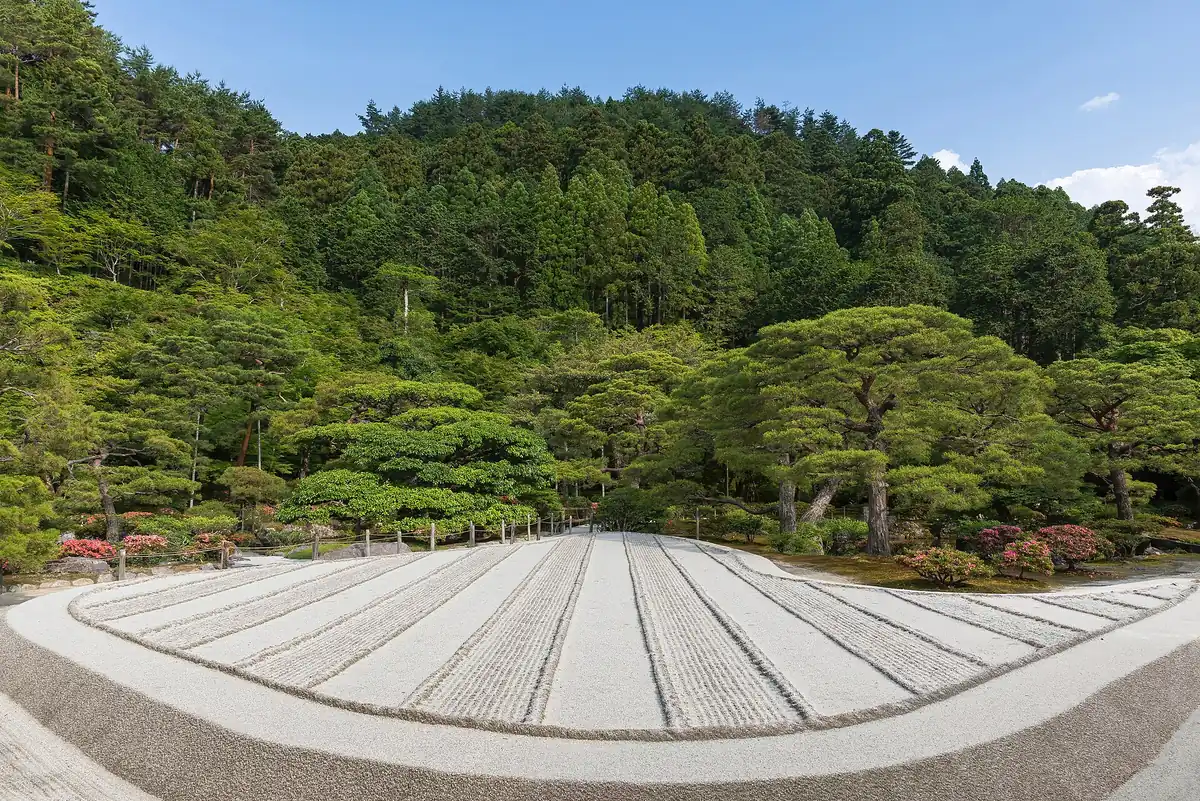

- Kyoto is worth it if you limit your scope to one neighborhood.
- Skip the major “must-see” shrines if you have under 5 days.
- Avoid staying near Kyoto Station; choose districts like Nakagyo.
- Best time to visit
- November and April (though peak crowd season)
- Daily average budget
- ¥15,000 – ¥25,000
- Recommended stay
- 5+ days
We may earn a commission if you book through the links in this article, at no extra cost to you. Prices are ranges as of 2026 — check the official sites before you book.
What you actually get in the old capital
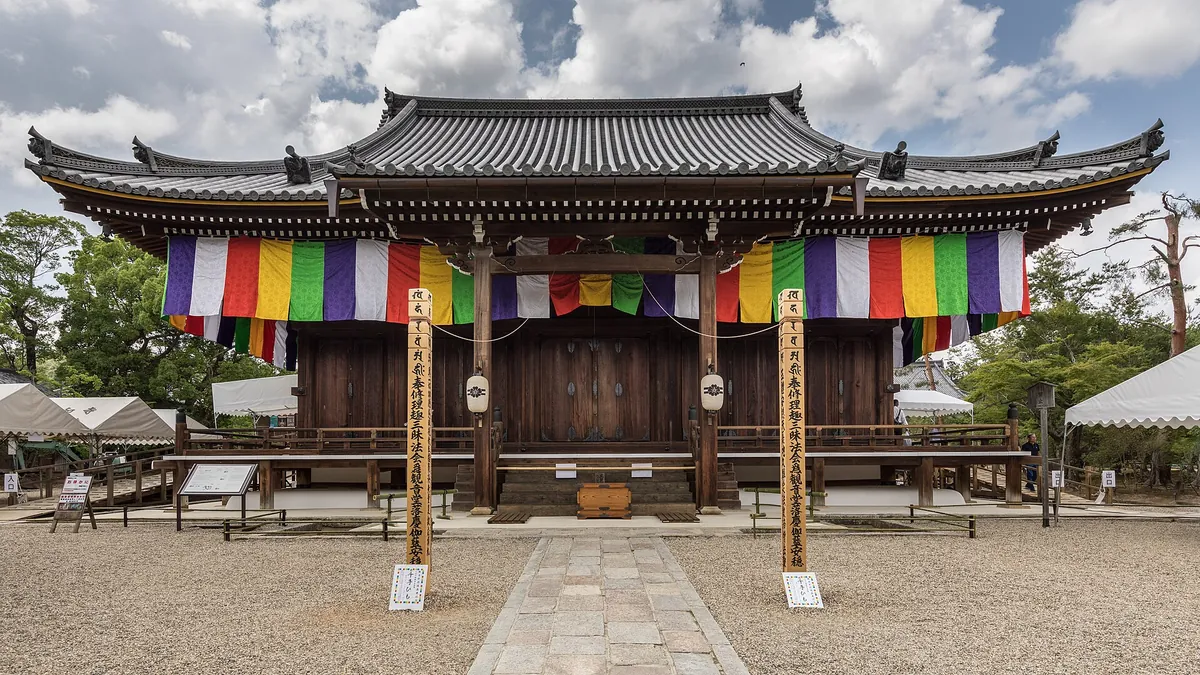
Three hours into a bus ride from Kyoto Station, the reality of modern tourism hits hard. The bus is full, the heat is rising, and the famous golden pavilion you planned to see is invisible behind a wall of umbrellas. Sound familiar?
Kyoto offers a level of traditional density that exists nowhere else in Japan. However, this beauty comes with a structural tax on your time.
The silence of the northern temples
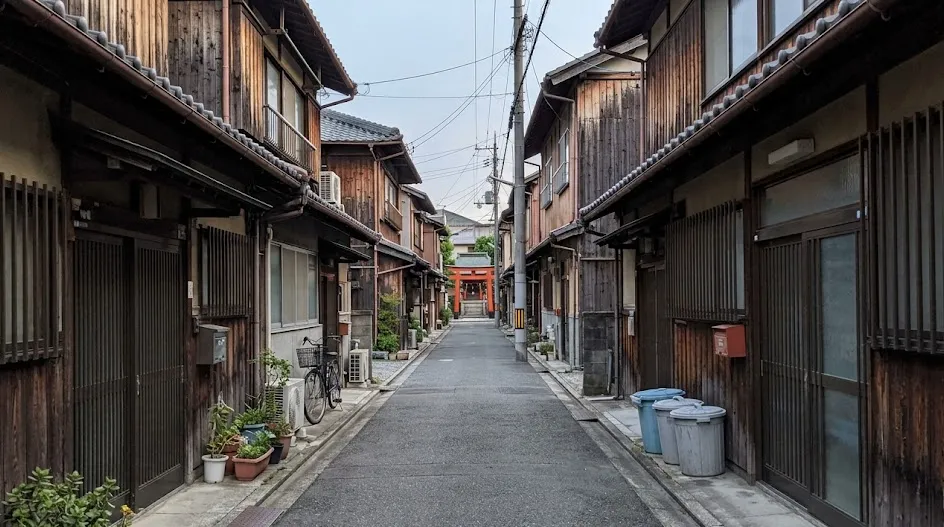
When you step away from the major bus routes, you find the Kyoto that postcards promise. Areas like northern Higashiyama retain their quiet, wooden architecture and morning incense smells.
The reality of the crowded zones
Kiyomizu-dera and Fushimi Inari are experiences of endurance rather than observation. You will be moving in a slow, shuffling line of people for the entire duration of your visit.
The architectural scale
The city remains one of the few places where you can walk through centuries-old districts that haven’t been flattened by the concrete expansion seen in cities like Osaka or Tokyo.
Why it frequently disappoints
Most travelers expect a spiritual retreat. They encounter a chaotic transit system struggling to handle millions of visitors who all want to see the same five spots at the same time.
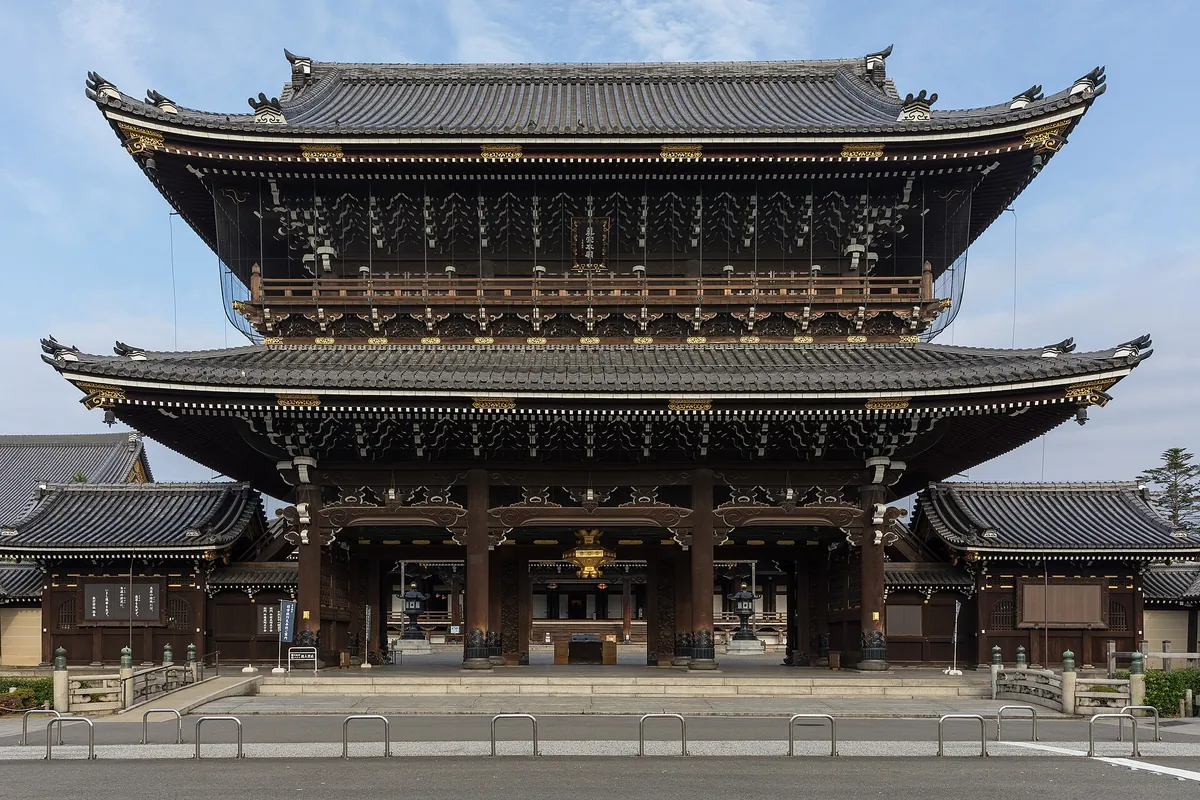
What a trip costs in days and yen
Kyoto is not a budget destination. The city operates on a tiered pricing system that peaks during the cherry blossom and autumn leaf seasons.
The daily budget range
For a mid-range traveler, expect to spend between ¥15,000 and ¥25,000 per night for a decent business hotel or a ryokan. Check platforms like Booking.com or Agoda for seasonal fluctuations.
Transport and taxi expenses
Because the bus network is often at capacity, you should budget for taxis. A short ride across the central district can cost between ¥1,200 and ¥2,000. It is a necessary expense to save your energy.
The cost of entry
Most individual temple entries range from ¥400 to ¥1,000. If you visit three temples a day, you are looking at significant daily costs. Always check the official site for updated admission fees.
The math on visiting: 3 traveler profiles
← Swipe to see the full table →
| Traveler Type | Worth it? | Yen Range |
|---|---|---|
| 4-day first-timer | No | ¥15k-¥25k |
| 10-day slow-traveler | Yes | ¥10k-¥20k |
| Culture-focused couple | Yes | ¥25k-¥40k |
Plan your trip: the tools we use
The math here is not about money, but about the ratio of time spent waiting to time spent seeing.
Who should go and who should skip it
Skip it if…
- You only have 3 days total.
- You hate waiting for buses.
- You are on a tight budget.
Go if…
- You can stay 5+ days.
- You enjoy early mornings.
- You prioritize atmosphere.
If you are the type of person who needs to check every box on a list, Kyoto will frustrate you. If you are the type who can sit in one garden for two hours, you will love it.
Alternatives to the main Kyoto experience
Kanazawa for the atmosphere
Kanazawa is often called “Little Kyoto.” It features preserved samurai and geisha districts with a fraction of the population. Book a stay through Rakuten Travel to find local charm.
Nara for the shrines
Nara is a short train ride from Osaka. It holds massive, significant temple structures but has a much more open, park-like layout that feels less claustrophobic than Kyoto.
Osaka as a base
Staying in Osaka and commuting to Kyoto for a day trip is a strategy many seasoned travelers use. It keeps your accommodation costs lower and gives you better food options.
Where we would book this
Booking.com
Largest inventory in Japan for English-speaking travellers
- Best for
- Hotels, business hotels, ryokan and apartments in every city
- Checked
- September 2026
Official site. Same price for you.
Kyoto itinerary success: how to plan your stay
Step 1: Stay in Nakagyo or Higashiyama
Walking is better than riding the bus. Being central makes your day.
Step 2: Limit to two spots a day
Don’t burn out. Pick one major site and one minor one nearby.
Step 3: Book your transport
Use Klook for airport transfers or train connections to stay organized.
My biggest mistake was staying in a hotel near the station. It meant I started every single day by fighting for a spot on a packed city bus.
That was the mistake.
One thing most guides ignore
The “Kyoto stress” is very real and it is entirely logistical. The city infrastructure was built for a different era, and it has not caught up to the demands of 2026 tourism.
If you choose to visit, buy an eSIM from Airalo or Ubigi to keep your maps running perfectly. Navigating the back alleys is your only real defense against the crowds.
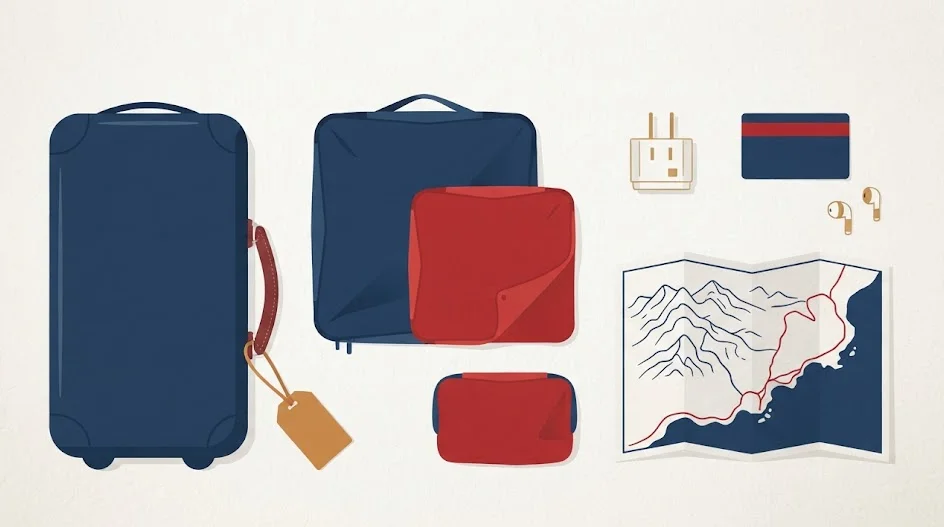
The logistical weight of luggage
Kyoto is essentially an outdoor museum built for people carrying light day packs, not massive suitcases. If you arrive by Shinkansen at Kyoto Station, you will be met with a labyrinthine transit hub that serves millions of commuters daily.
Dragging a large roller bag across the uneven pavement of narrow Gion alleys or up the stairs of a small wooden townhouse is a recipe for travel misery. Most bus drivers will simply refuse to let you board with large luggage, as there is no space to store it without blocking the aisle.
The smart solution is to use Takuhaibin. This is the Japanese luggage forwarding service that sends your bags from hotel to hotel or from the airport to your destination overnight.
- Drop your bags at your hotel’s front desk before 10:00 AM.
- Ensure your luggage arrives at your next destination by the following morning.
- Budget between ¥2,000 and ¥3,000 per bag depending on the distance and size.
- Check the official site of providers like Yamato Transport for specific weight limits and insurance details.
If you absolutely must carry your bags, prioritize staying within walking distance of your arrival point. While I previously noted that staying near the station is a logistical trap for daily sightseeing, it is the only sane place to keep your base if you are traveling with heavy gear and limited mobility.
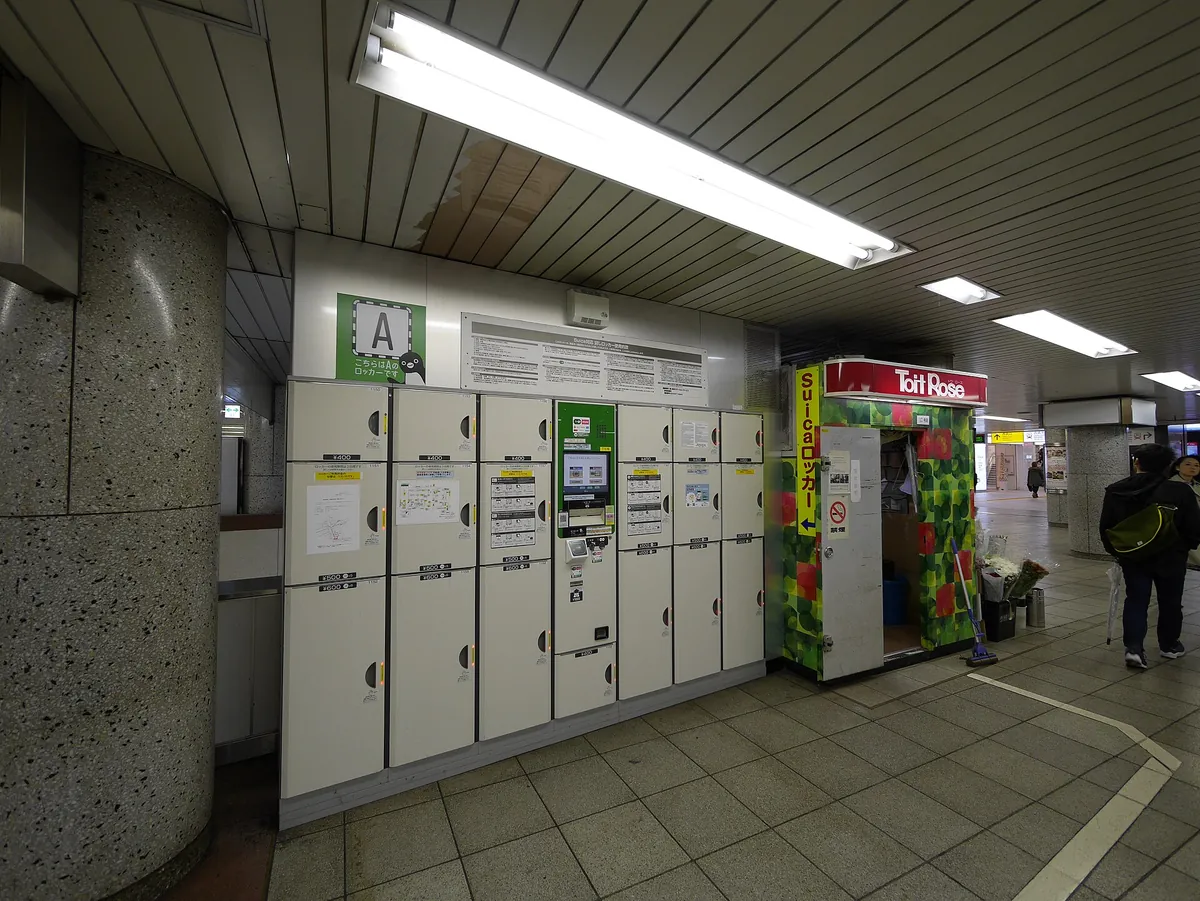
Using lockers at the station is an option, but these fill up by 9:00 AM on busy weekends. If you cannot secure a locker, you will be forced to use the station’s manual luggage counter, which may charge between ¥800 and ¥1,500 per piece for the day.
Always verify current prices on the station information boards as these rates adjust frequently. Travelers with children face an even higher hurdle in the city. Strollers are frequently banned inside temple grounds due to the delicate tatami floors and narrow wooden corridors.
You will spend more time folding and carrying your child, plus the stroller, than actually viewing the gardens. If you have the option, carry a baby in a front-pack or ergonomic carrier instead.
It transforms a grueling struggle into a manageable walk through the city’s quieter residential corners.
Navigating the regional transit pass math
Most tourists obsess over the national JR Pass, but in the Kansai region, it is often a losing financial proposition. The national pass is designed for high-speed, long-distance travel between Tokyo and the southern islands, not for local bus or train hopping within Kyoto.
Yes, the pass sounds like a lot. For a trip focused on the Kyoto-Osaka-Nara triangle, the JR Pass will almost never pay for itself. You are better off buying individual tickets or looking into a regional alternative like the Kansai Thru Pass.
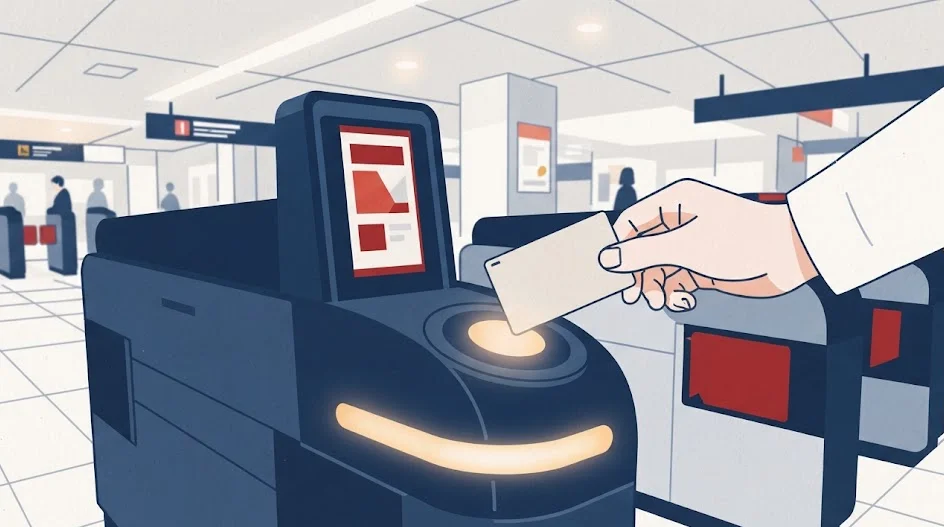
The regional pass provides broader access. It covers most private railway lines—like Keihan or Hankyu—which actually put you closer to the popular temple districts than the JR lines ever could.
While the JR station is on the far north-west edge of the historical center, private lines drop you right in the heart of the action.
- Compare the cost of a 2-day or 3-day regional pass against individual fares.
- The regional pass typically ranges from ¥4,500 to ¥6,500 for a multi-day window.
- Calculate your expected train journeys before buying.
- Check the official site of the local transport authority for updated coverage maps.
Before you commit to any pass, map out your specific itinerary using Google Maps. If you are only traveling between Osaka and Kyoto once, a regional pass is a waste of money.
It only breaks even if you are moving between cities every single day of your trip. If your plan involves staying in one city for three days and then moving to another, you will find that paying as you go with a pre-loaded IC card (like ICOCA or Suica) is significantly cheaper and far less stressful.
Never buy a pass expecting to save money on the Kyoto city buses themselves. The old “one-day bus pass” was discontinued in 2023, and the new system relies entirely on standard fares or the subway system.
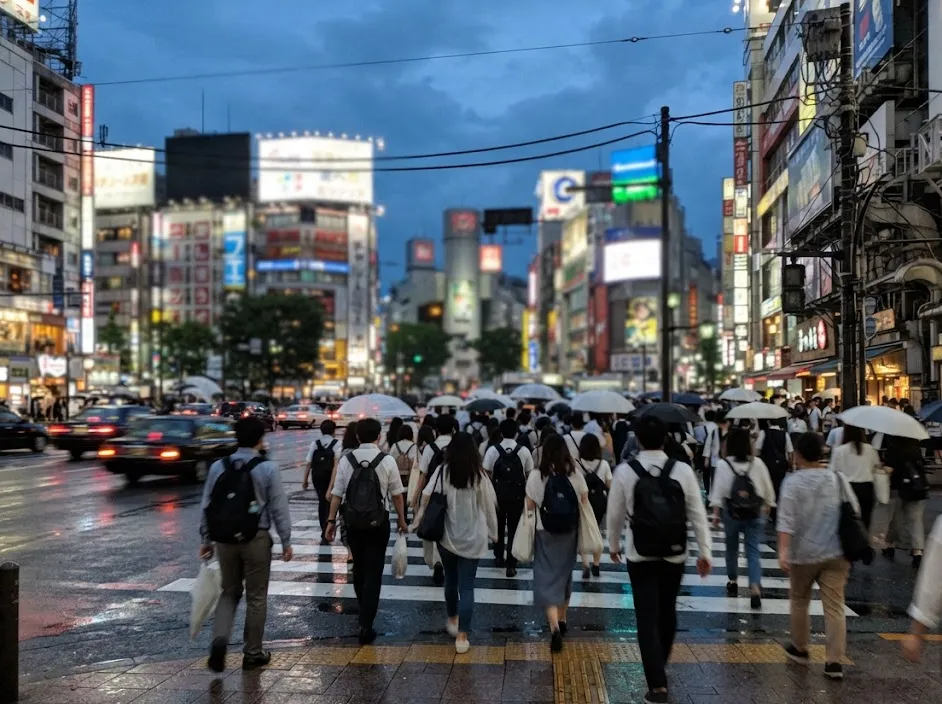
You should focus your budget on the subway for long north-south stretches, then rely on your feet for the final mile. This combination keeps you out of the notorious gridlock traffic that defines modern Kyoto tourism, saving you both time and the frustration of being stuck on a bus that moves slower than a pedestrian.
The strategic trade-off: Time versus tranquility
Many travelers arrive with a checklist of fifteen temples and expect to finish their sightseeing by mid-afternoon. In Kyoto, this is a mathematical impossibility that leads directly to burnout and resentment toward the city. Only have four days?
To determine if the city is worth your specific time, perform a simple calculation: divide your total waking hours by the number of sites on your list, then double the time you expect to spend in transit. If your resulting “viewing time” per location is under 45 minutes, the visit is not worth the effort.
Curation is your only defense against the chaos. If you limit yourself to two locations per day, you gain the ability to choose your timing. You can reach the gates when they open at 8:00 AM, effectively side-stepping the tour groups that clog the streets by 11:00 AM.
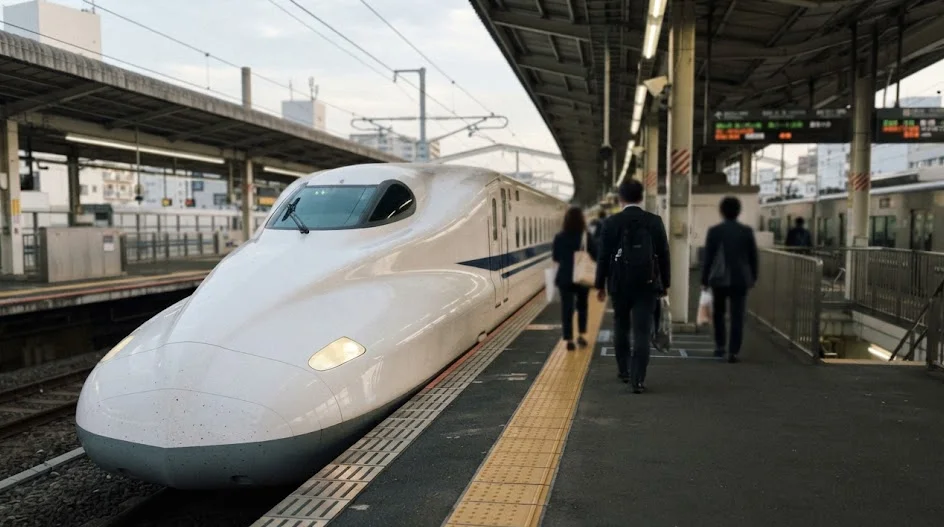
A balanced approach for a 3-day window
- Day 1: Focus exclusively on one district, such as Arashiyama, and commit to being there before the first train arrives.
- Day 2: Spend your morning in a quiet residential neighborhood with a singular goal of visiting one local shrine or cafe.
- Day 3: Use this time to venture out of the city entirely, perhaps to a rural town nearby, to escape the mental fatigue of the urban crowd.
If you insist on hitting the “big” sites like Kinkaku-ji or Fushimi Inari, you are essentially paying for the privilege of standing in a queue. These locations are rarely worth the experience if you arrive during peak afternoon hours.
Instead, look for temples that offer private garden viewings or advanced booking sessions through sites like GetYourGuide. While these come with a premium price of ¥1,500 to ¥3,000, they transform a stressful tourist shuffle into a genuine moment of peace.
If your budget does not allow for these premium experiences, skip the major sites entirely and seek out the neighborhood temples that charge nothing and remain empty of crowds.
The city becomes worth visiting the moment you stop treating it like a theme park and start treating it like a garden. If you can enjoy the act of sitting on a wooden bench for an hour without checking your phone, the city is a success.
If you feel the need to move, Kyoto will only ever feel like a crowded obstacle course.
Managing the variable costs of an unexpected shift
Travel in Japan often feels rigid, but your plans in Kyoto should remain fluid. If you arrive at a neighborhood only to find the street overflowing with tourists, you must be prepared to abandon your plans and head to an alternative site immediately.
This flexibility requires you to hold a loose grip on your bookings. I recommend using flexible reservation options on platforms like Booking.com or Agoda, even if the nightly rate is slightly higher.
The ability to pivot your base of operations can save your entire trip from being marred by a localized event or an unforeseen crush of visitors.
The cost of pivoting is usually just your train fare. Local transport remains affordable, with individual subway or train tickets rarely exceeding ¥600 for a trip across the city. Always keep a physical IC card topped up to avoid the time-consuming process of buying tickets at machines.
Categories of flexible spending
- Emergency Taxis: Budget for two unplanned cab rides at ¥2,000 to ¥4,000 each. This is your “get out of the crowd” fund.
- Last-minute site changes: Some temples require reservations. Always check the official site before heading to a site that looks quiet on a map.
- Data overhead: Relying on maps in real-time requires a stable connection. A high-quality eSIM from Airalo or Ubigi is cheaper than missing a train or getting lost in the rain.
Consider the “cancellation tax” of your own energy. If you book a pre-paid activity that requires you to be in a crowded zone at midday, you are locking yourself into a bad experience for the sake of a few saved yen.
It is often cheaper to lose a small, non-refundable deposit than to lose an entire afternoon of your trip to frustration.
If you travel during the shoulder seasons, prices for guesthouses can swing by as much as ¥10,000 a night depending on availability. Use an aggregator or dedicated travel search tools to monitor price drops in the weeks leading up to your arrival.
If you find a better location, do not be afraid to switch your lodging even if it costs a small administrative fee. Your proximity to the places you actually enjoy is the most valuable asset you have in this city.
FAQ
QIs it necessary to pre-book temple tickets?
Only for a few specific high-demand sites, otherwise, most temples accept payment at the gate.
QCan I visit Kyoto on a weekend?
It is possible, but expect major tourist areas to be extremely crowded compared to weekday visits.
QAre credit cards widely accepted?
Many shrines and small shops are cash-only, so always keep yen on hand for entry fees and small snacks.
QHow do I avoid the worst crowds?
Start your day at sunrise and head to the most popular sites first thing in the morning.
QShould I rent a bike?
Bikes are great for flat areas, but be aware of strict parking regulations throughout the city.
So, is it worth it?
Kyoto remains worth it only if you treat it as an exercise in curation. Do not try to see it all.
Pick a single district, walk its streets, and let the rest of the city exist without you. That is the only way to enjoy the beauty without the exhaustion.
 ReaderYuki
Planning for Kyoto can feel like you are walking into a massive crowd management experiment.
Stop trying to curate the perfect list and just choose two spots to enjoy before you adjust your expectations on the ground.
Keep planning
- ① Install and test your eSIM before take-offAiralo and Ubigi eSIMs activate on arrival, but the install itself needs Wi-Fi. Do it at home and confirm the profile shows up in your phone settings.
- ② Save your first hotel’s address in JapaneseTaxi drivers and station staff read Japanese addresses far faster than romanised ones. Copy it from the booking confirmation into your notes app.
- ③ Set aside cash for day oneMany small restaurants, temples and rural buses are still cash-only. Airport ATMs at 7-Eleven and the post office accept most foreign cards.
Skip these and your first hour in Japan goes on finding Wi-Fi at the station instead of getting to your hotel.
🔍 How to sanity-check any price you read online
Blogs (including this one) go out of date. The official page always wins over a screenshot from two years ago.
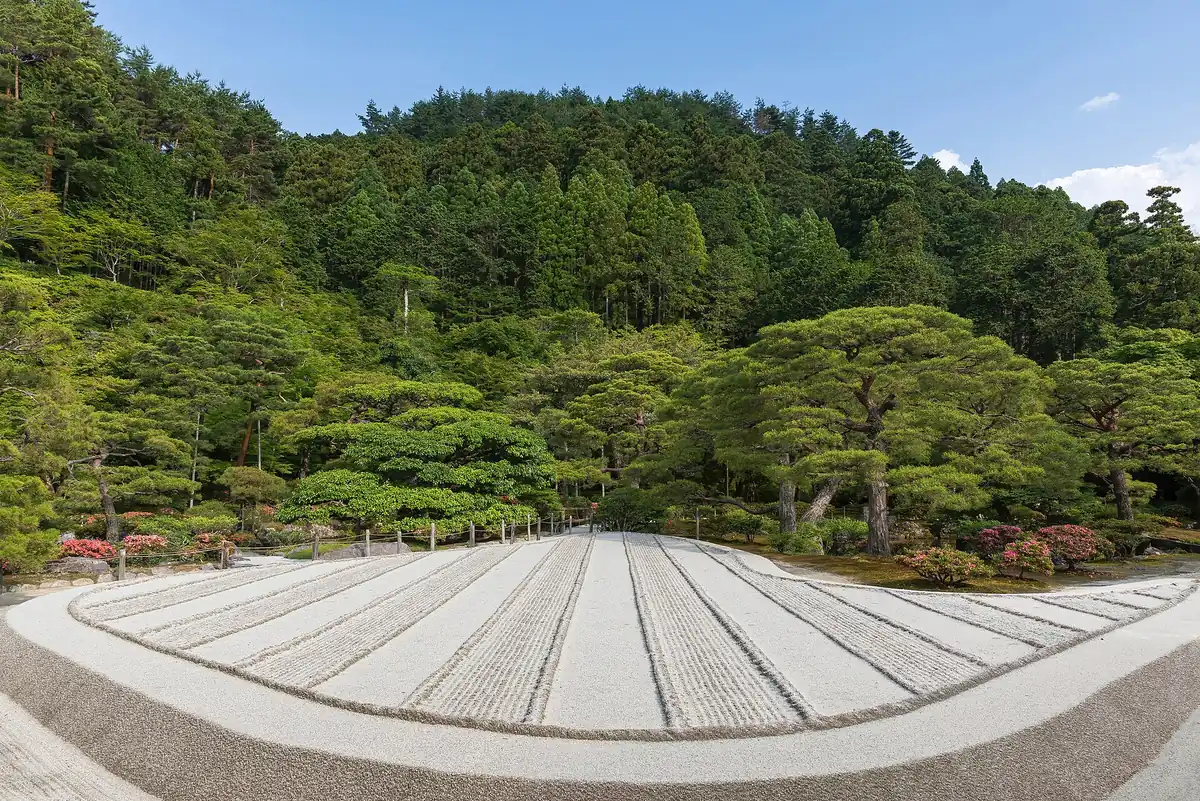
Cover Photo: Basile Morin, CC BY-SA 4.0, via Wikimedia Commons