
- Skip the pass if you plan to stay in one area for two days.
- Buy it only if you plan a full, rapid loop in under 24 hours.
- Most visitors save more money using a simple IC card.
- Primary Benefit
- Unlimited travel on Hakone local buses, ropeways, and trains.
- Best For
- Active travelers attempting the full “loop” route.
- Validation
- 2 or 3 consecutive days from date of purchase.
We may earn a commission if you book through the links in this article, at no extra cost to you. Prices are ranges as of 2026 — check the official sites before you book.
I expected the Hakone Free Pass to be the golden ticket for my first trip to the mountains. What I got was a piece of paper I rarely used because I spent most of my time walking between shrines instead of riding the ropeway.
If you are only doing a Tokyo day trip or staying within one Hakone neighborhood, close this and read our Tokyo-only transport plan. For everyone else, the pass is often a convenience tax that makes you rush to justify the cost.
1. What the Hakone Free Pass actually includes
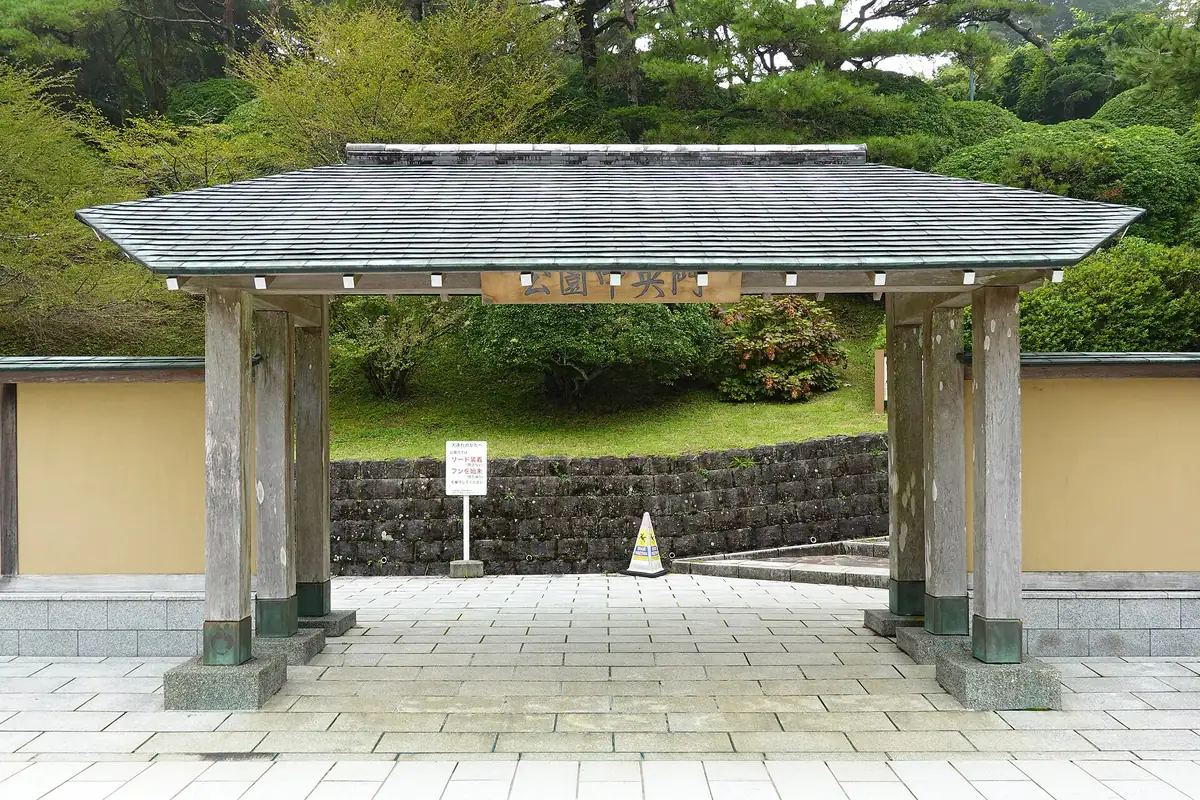
The Hakone Free Pass is essentially a bundled transport ticket that covers most public transit within the Hakone area. It is not a magical skip-the-line pass for museums or popular tourist sites.
The coverage area
Your pass includes unlimited rides on the Hakone Tozan Railway, the cable car, the ropeway, and the sightseeing boat on Lake Ashi. It also covers most local buses in the immediate vicinity.
What the pass leaves out
The biggest catch is the Romancecar, the express train that runs from Shinjuku to Hakone-Yumoto. You must pay an extra “limited express” surcharge if you want that seat, even with the pass in your pocket.
The pass is valid for either two or three consecutive days. If your schedule involves resting or just hanging out at your accommodation, you are paying for days you do not use.
2. Pricing structure and your potential expenses
As of 2026, the cost of the pass fluctuates depending on your starting point and the duration of your stay. Expect to pay roughly ¥6,000–7,000 for a two-day pass starting from the Shinjuku area.
If you purchase the pass at a station outside of the Odakyu network, the price will be lower but you lose the rail credit for the journey to the mountains. Always check the official Odakyu website for the latest tiers.
Most travelers overestimate how much they will travel once they arrive. Unless you are specifically aiming to hit every single mountain peak and boat dock in the loop, you will likely spend far less on individual tickets.
3. The math: comparing the pass to individual tickets
Calculating your potential spend requires honesty about your pace. If you move slowly, the pass is rarely the most economical choice. You can track your spending using an IC card, like a Suica or Pasmo, which you can manage via Ubigi if you need a digital mobile connection.
← Swipe to see the full table →
| Journey Type | Pay-as-you-go (Est.) | With Free Pass |
|---|---|---|
| Basic round-trip (no loop) | ¥2,500–3,500 | ¥6,000+ |
| Full loop (all 5 modes) | ¥5,000–6,500 | ¥6,000+ |
| Two-day slow exploration | ¥3,000–4,000 | ¥6,000+ |
Plan your trip: the tools we use
The math shows that for the average traveler, the potential savings are razor-thin. If you miss one leg of the loop because of fog or closed transit lines, the pass becomes the more expensive choice.
4. Who should buy the pass and who should save their cash
Skip the pass if
- You have three or more days in Hakone.
- You want to visit one specific shrine or museum.
- You dislike rushing from train to bus.
Buy the pass if
- You have 24 hours to finish the full loop.
- You enjoy the feeling of “unlimited” rides.
- You are traveling with a large, active family.
If your goal is a relaxing visit, skip the pass. You will enjoy the freedom to pick a coffee shop or a quiet park without feeling like you are wasting a “pre-paid” opportunity.
Where we would book this
Klook
One account for passes, tickets and transfers
- Best for
- JR Pass and regional rail passes, theme-park tickets, airport…
- Checked
- September 2026
Official site. Same price for you.
5. Alternatives to the bundle
The IC card approach
Use your Suica or Pasmo for everything. It is the most flexible way to travel because you only pay for what you use. You can top these up at any station or through your phone wallet.
Local train tickets
If you prefer paper tickets, individual fares can be bought at machines at Hakone-Yumoto station. This is often better if you only plan to take the bus to your ryokan and back to the station.
Regional bus passes
Sometimes you can buy a dedicated bus pass on Klook if you only care about mountain transport. These are often less expensive than the full Free Pass and cover specific, smaller routes.
6. How to organize your Hakone trip correctly
Step 1: Book your ryokan first
Check Agoda or Booking.com for a stay in Gora or Hakone-Yumoto to anchor your plan.
Step 2: Check the weather
The ropeway closes often due to wind; never buy a pass until you know the mountain is open.
Step 3: Use your IC card
Just tap and go at every turnstile; it prevents the need to queue at ticket offices.
One mistake I made on my first trip was buying the pass online from a third party without checking the mountain status. I arrived at the ropeway, found it closed for maintenance, and spent my day riding buses to destinations I didn’t actually want to see.
That was the mistake.
Partner link.
7. The hidden cost of the “efficiency trap”
There is a psychological phenomenon I call the efficiency trap. Once you have dropped 7,000 yen on a piece of paper, you stop viewing Hakone as a place to relax and start viewing it as a checklist of transit modes to conquer.
You find yourself skipping a beautiful, quiet trail because you need to rush to the cable car station to get your money’s worth.
This creates a travel experience that feels more like a stressful commute than a mountain getaway. You become obsessed with schedules and transit frequency rather than the atmosphere of the villages.
When the clock becomes your enemy
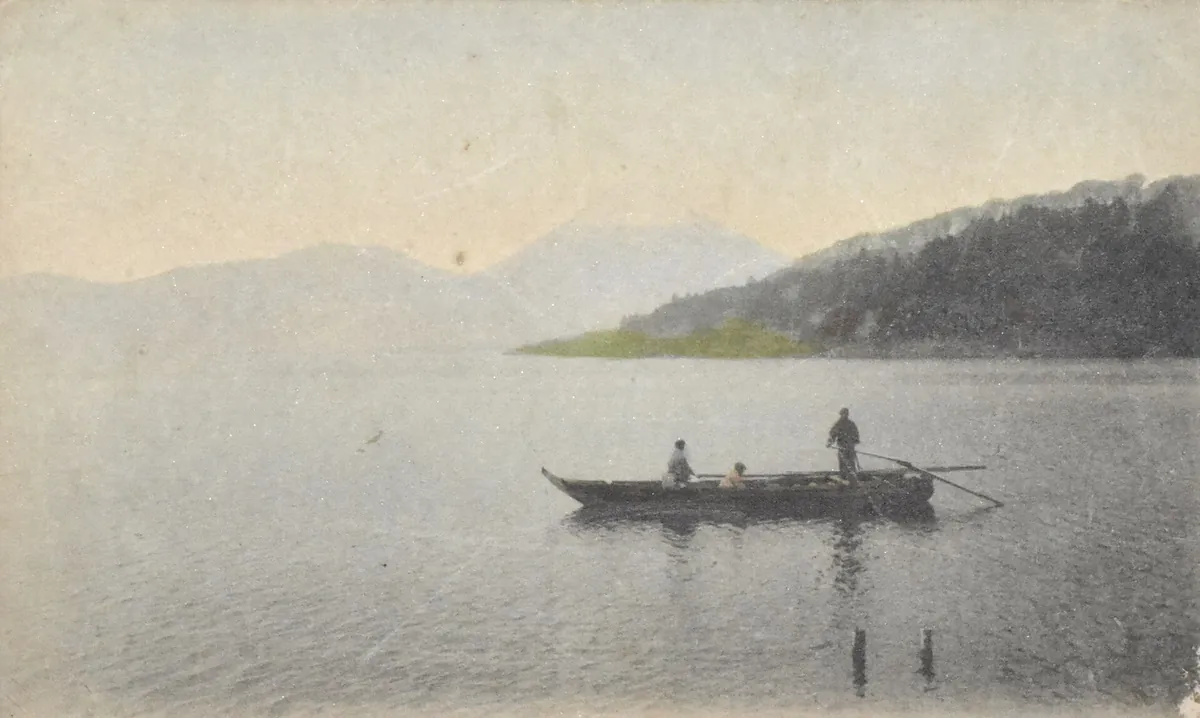
If you only have one day, the pass demands a rigid adherence to the loop. You are essentially locked into a path that everyone else is also taking.
This means waiting in long queues for the ropeway or the pirate ship, which can easily turn a scenic trip into an hour of standing in line. If you decide to spend an extra two hours at an art museum in Gora, you might find that you have missed the final bus or boat connection.
Now, you are forced to pay for a taxi anyway, doubling your expenses for the day.
- Morning crowds at Shinjuku station can waste your first hour.
- Unforeseen weather shifts often halt the ropeway entirely.
- Regional bus traffic can cause significant delays during peak foliage seasons.
When you use an IC card, you are free to deviate. If it starts raining or a museum exhibit is particularly captivating, you can simply change your plans without calculating whether you are losing value on your transport bundle.
Freedom from the pass is, in many ways, the ultimate luxury in a region designed to be explored at a human pace. If you find that your plans are loose, do not buy the pass.
The cost of a few individual bus or train tickets is often less than the mental energy spent trying to optimize a route that was never meant to be a race.
8. Factoring in the mountain reality
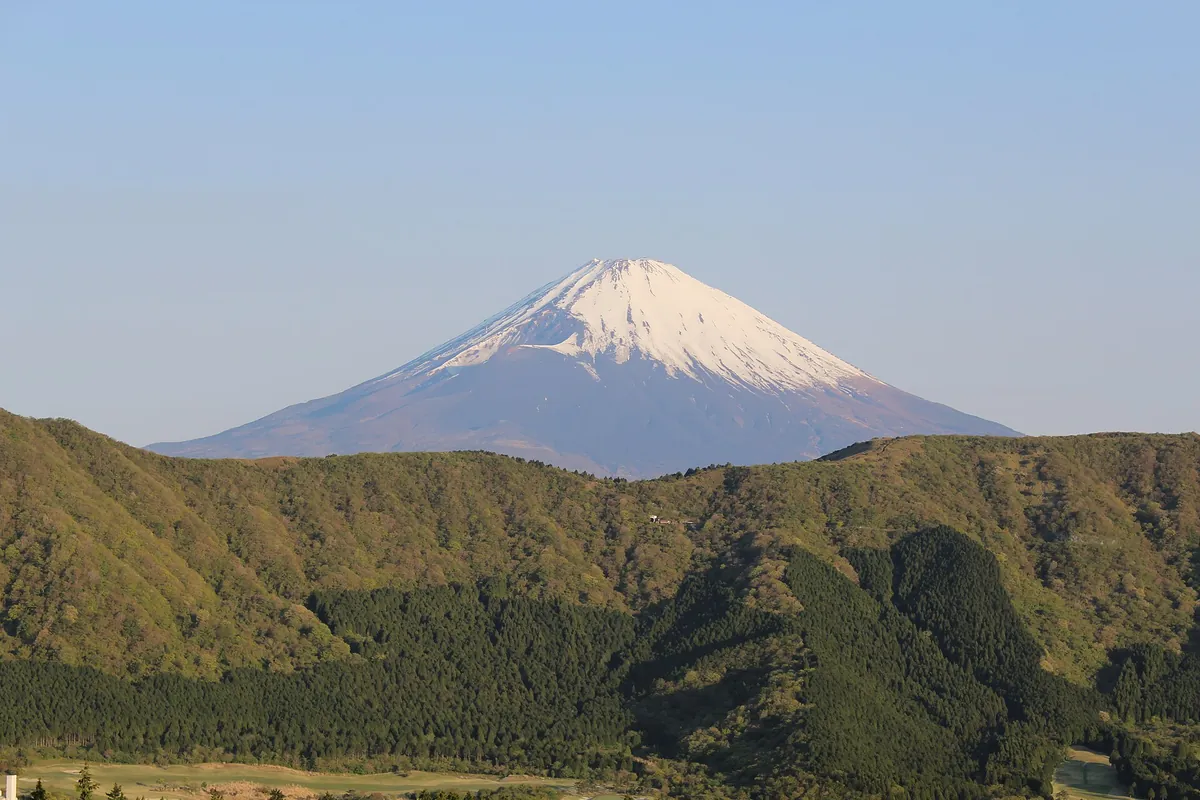
The Hakone Free Pass is sold with an underlying assumption that all transit modes will be operational for the duration of your stay. This is rarely the case in a mountainous region prone to volcanic activity and unpredictable weather.
The ropeway is frequently suspended due to high winds or sulfur gas levels. When this happens, the official operator provides replacement shuttle buses, but your pass remains static in price.
You paid for a multi-modal transport experience, but if the ropeway is down, you are essentially paying for a bus ticket that costs a fraction of the pass price. There is no partial refund for these interruptions.
Understanding the risk profile
Before you commit to the purchase, look at the historical closure rates for the Hakone ropeway during your specific travel month. If you are visiting during the typhoon season or late winter, the risk of transit disruption is significantly higher.
If you have already purchased your pass through a site like Klook or at the station, you are locked in.
Even if the entire transit loop is shut down for safety, getting your money back is a bureaucratic nightmare that involves filling out forms at specific ticket counters, which is not how you want to spend your holiday.
- Always check the Hakone Navi official site for real-time alerts.
- Avoid pre-purchasing if the weather forecast looks unstable.
- Carry a backup budget in your account, managed via mobile banking apps.
Consider the alternative: paying as you go using a digital Suica or Pasmo on your phone. If a transport mode is closed, you simply do not pay for it. You keep your cash in your pocket rather than handing it over for a service you cannot use.

This strategy also saves you from the potential stress of seeking a refund. If you arrive and the mountain is open, you pay your fare.
If it is closed, you simply stay in Hakone-Yumoto or Gora, enjoy a long lunch at a local cafe, and avoid the transit headache entirely. Being adaptable is the most effective way to save money in the mountains.
9. One more thing: the luggage reality
Carrying large suitcases on the Hakone loop is a nightmare. Most buses and small cable cars do not have room for oversized bags. I strongly suggest using the Yamato luggage forwarding service to send your bags from your Tokyo hotel to your Hakone ryokan.
It costs a bit more, but it means you can actually enjoy the transit modes you paid for. If you are stuck holding a heavy suitcase, you will likely choose a taxi over the bus, rendering the Free Pass even less useful.
FAQ
QIs the pass refundable if I change my mind?
Refunds are usually difficult once you have started using the pass. If it is unused, you might get a partial refund at an Odakyu office, but check their specific terms.
QDoes the pass cover the taxi?
No. The pass is strictly for public transit routes. Taxis are always an out-of-pocket cost and can get expensive during peak hours in the mountains.
QCan I use the pass on the JR line to Odawara?
The standard pass usually covers the local Odakyu line, not the JR lines. Be careful which train you board when leaving the mountains, as JR trains require a separate fare.
QCan I buy this at the station?
Yes, most major stations along the Odakyu line have ticket machines or staffed counters where you can purchase the pass on the day of travel.
QDoes the pass save money for short stays?
Usually no. The pass is designed for people doing the entire loop; if you only visit one specific town, it is almost always more economical to pay for individual tickets.
 ReaderYuki
I know the pressure to get the “best deal” makes planning feel like a test you need to pass.
Ignore the fear of missing out and just pick the simple transit method that lets you breathe rather than rush.
Keep planning
- ① Install and test your eSIM before take-offAiralo and Ubigi eSIMs activate on arrival, but the install itself needs Wi-Fi. Do it at home and confirm the profile shows up in your phone settings.
- ② Save your first hotel’s address in JapaneseTaxi drivers and station staff read Japanese addresses far faster than romanised ones. Copy it from the booking confirmation into your notes app.
- ③ Set aside cash for day oneMany small restaurants, temples and rural buses are still cash-only. Airport ATMs at 7-Eleven and the post office accept most foreign cards.
Skip these and your first hour in Japan goes on finding Wi-Fi at the station instead of getting to your hotel.
🔍 How to sanity-check any price you read online
Blogs (including this one) go out of date. The official page always wins over a screenshot from two years ago.