
- Aim for ¥3,000–4,500 daily for food to eat well without stress.
- The ¥1,000 lunch set is your most powerful tool for quality.
- Avoid hotel breakfasts to save ¥2,000–3,000 per person daily.
- Convenience stores and supermarkets are for snacks, not main meals.
- Currency
- Japanese Yen (JPY)
- Daily Food Budget
- ¥3,000–4,500 (Budget)
- Tipping
- Not required or expected
- Tap Water
- Safe to drink
We may earn a commission if you book through the links in this article, at no extra cost to you. Prices are ranges as of 2026 — check the official sites before you book.
Eating cheap in Japan is not about surviving on instant noodles, but about playing the clock to secure restaurant-quality meals at half the dinner price. For a budget-conscious traveler, this means prioritizing a heavy, high-value lunch while treating dinner as an exercise in exploration rather than excess.
Daily food budgets: What to expect in 2026
← Swipe to see the full table →
| Travel Style | Estimated Daily Food Spend | Dining Strategy |
|---|---|---|
| Budget | ¥3,000–4,500 | Lunch specials, konbini snacks, supermarket bentos. |
| Mid-range | ¥6,000–9,000 | Sit-down dinners, occasional cafe stops, local izakaya. |
| Comfortable | ¥10,000+ | High-end sushi, kaiseki, seasonal fruit, nice drinks. |
Plan your trip: the tools we use
These figures are estimates per person, assuming you follow the “lunch heavy, dinner light” philosophy. If you choose to visit high-end sushi bars or Wagyu specialty houses, these numbers will shift upward significantly.
The 1,000 Yen Lunch Rule: Timing is your best tool
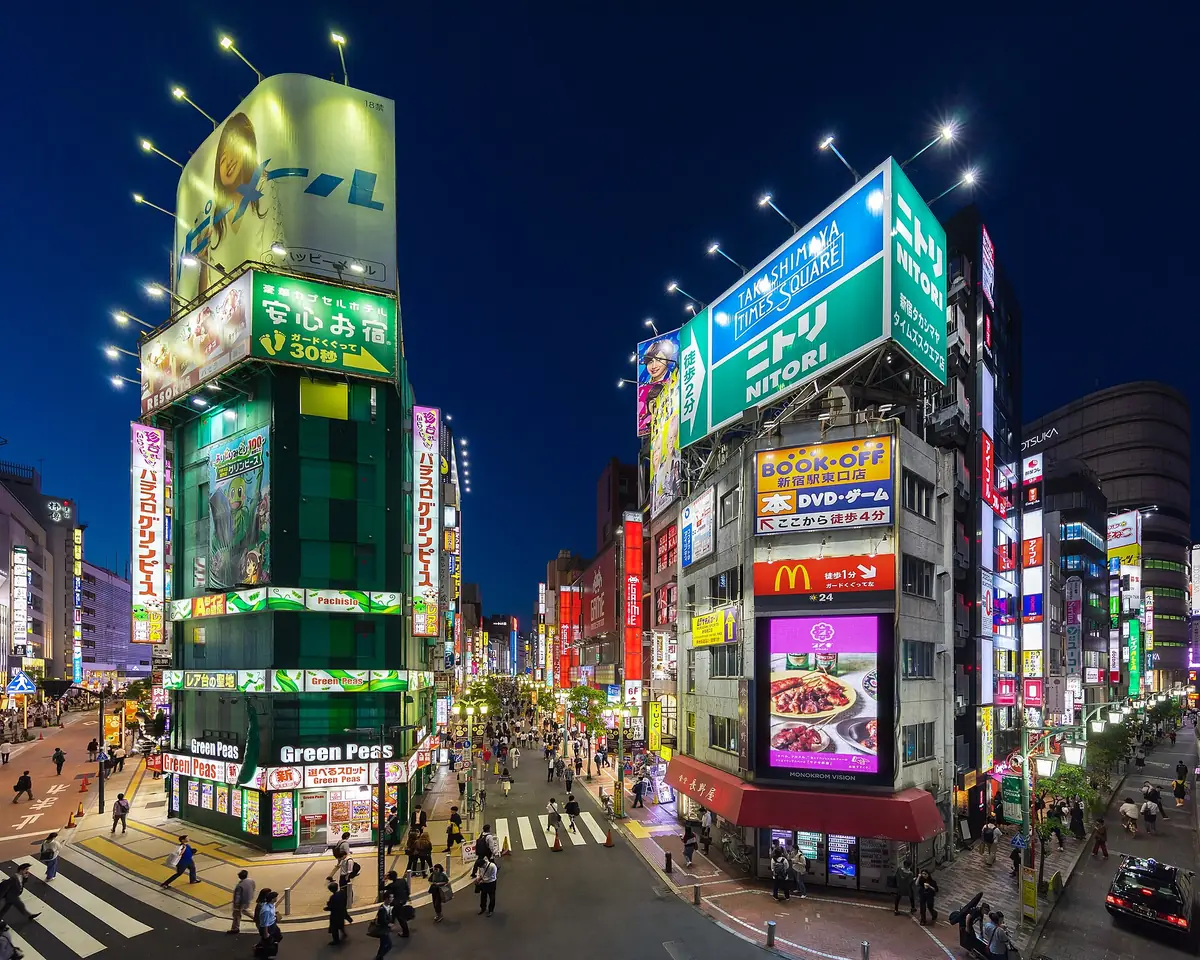
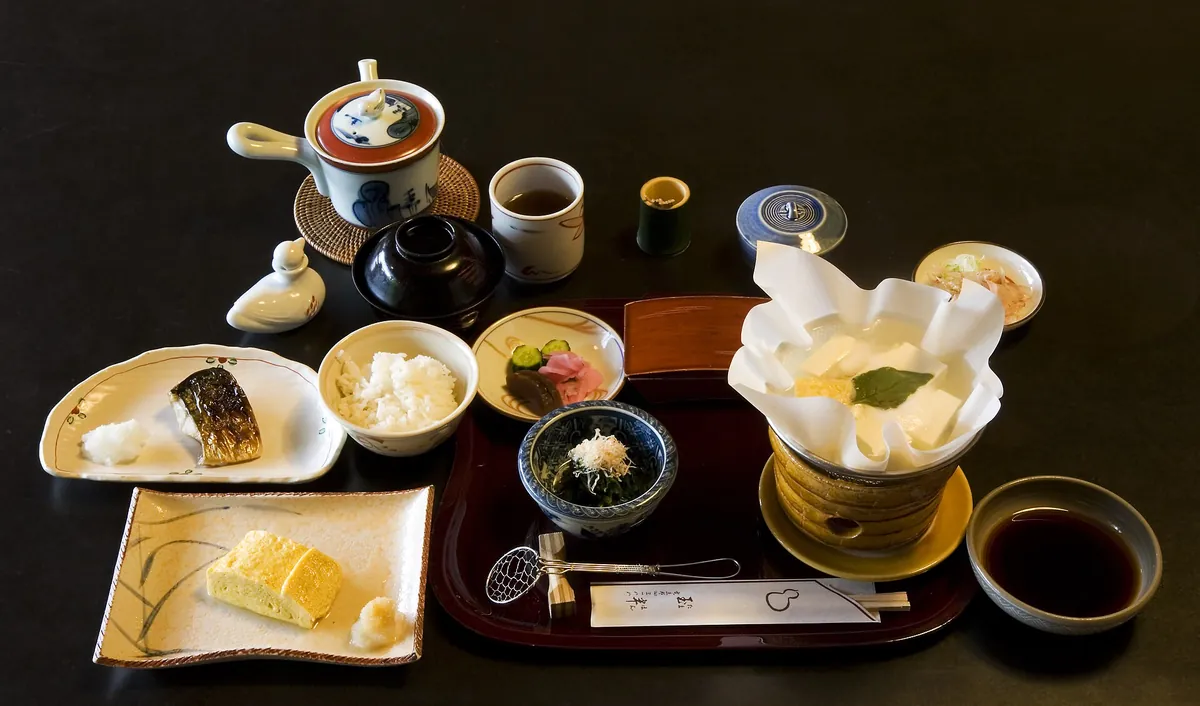
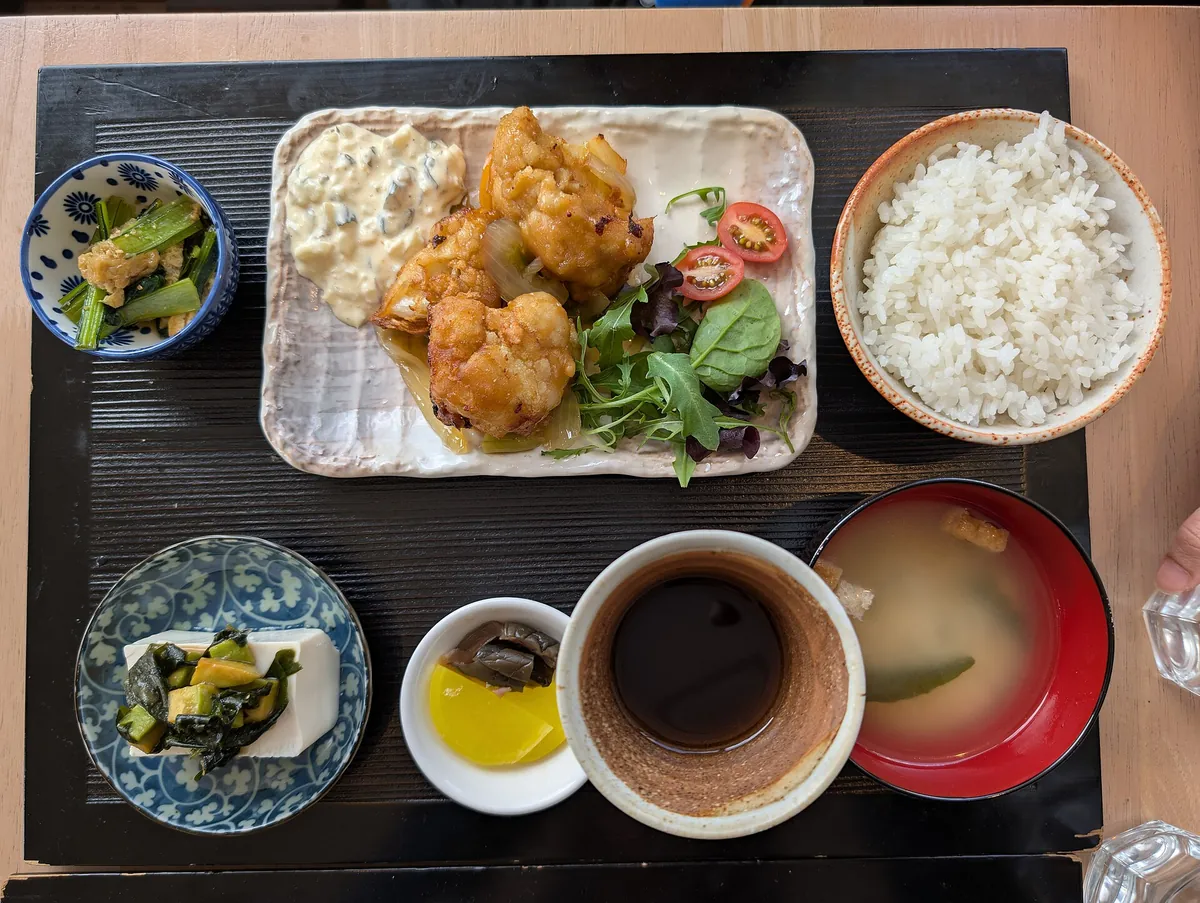
The single most effective budget hack in Japan is the salaryman lunch set. Between 11:30 am and 2:00 pm, restaurants that charge ¥4,000 for dinner offer the exact same caliber of food for ¥900–1,500.
This is how you eat well without draining your bank account.
Why lunch sets offer better value
In Osaka or Tokyo, look for signs near office buildings. These spots rely on volume during the lunch hour. You are essentially getting a professional chef’s work at a fraction of the cost because you are willing to eat before the evening rush.
How to find them
Look for the kanji for “set” or “teishoku” on menu boards. If a place has a long line of people in suits, join them. It is a sign that the food is reliable, quick, and priced for the local workforce.
Convenience stores: The myth of the cheap meal
Many travelers think konbini—like Lawson, FamilyMart, or 7-Eleven—are the ultimate cheap dining option. They are actually for fuel, not for dining. A sandwich or bento here costs ¥500–800, which is fine, but you are not getting a cooked, hot meal experience.
When to use the konbini
Use these shops for a quick breakfast of yogurt, fruit, or a rice ball (onigiri). It keeps your morning spend under ¥600. Save your appetite for the actual sit-down lunch sets I mentioned earlier.
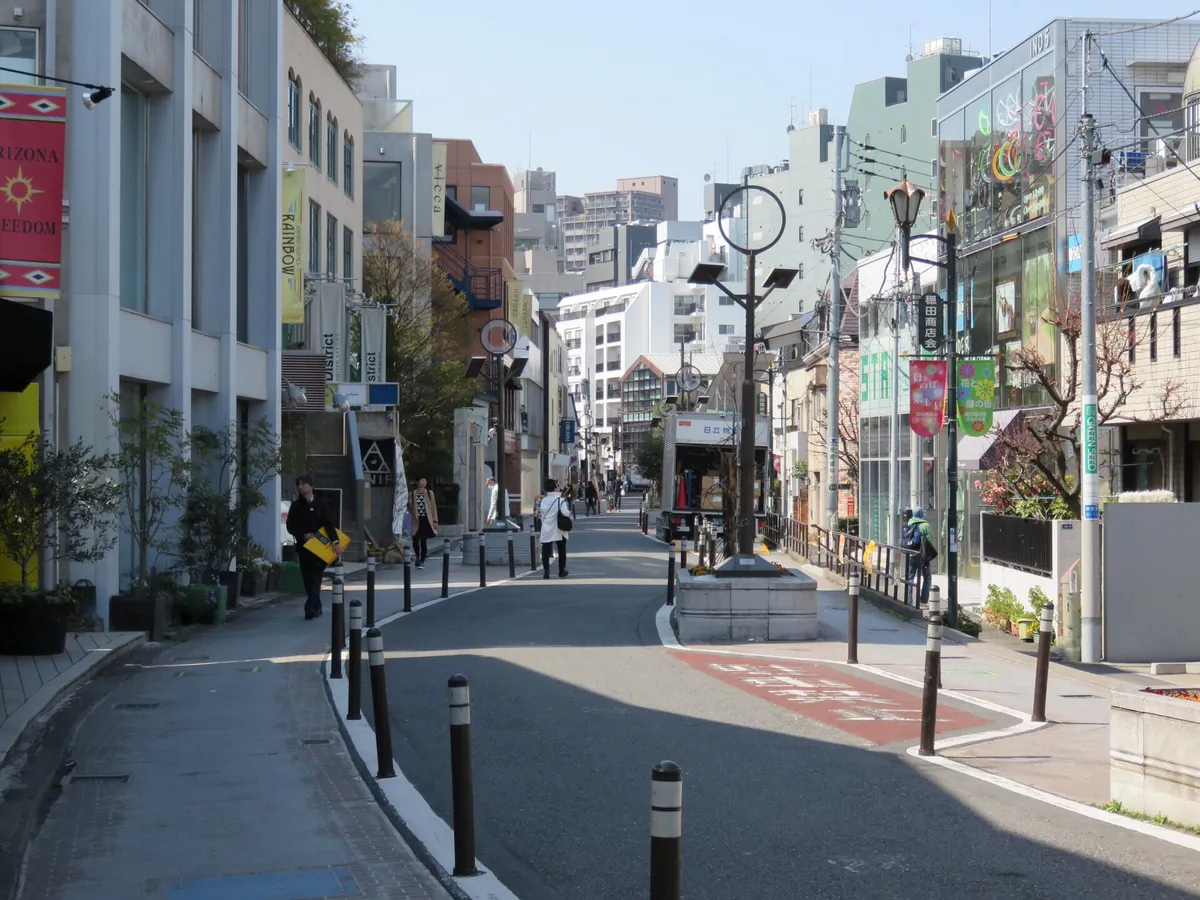
The art of the supermarket markdown
If you have a kitchen in an apartment booked through Booking.com or Agoda, visit the supermarket around 7:30 pm or 8:00 pm. This is when staff apply “half-price” stickers to fresh fish, sushi, and bentos that did not sell during the day.
The thrill of the discount
I once picked up a full platter of sashimi for under ¥600 in a supermarket basement in Shinjuku. It is a game, but it is one that pays for your next day’s coffee or temple entry fee.
Where we would book this
Booking.com
Largest inventory in Japan for English-speaking travellers
- Best for
- Hotels, business hotels, ryokan and apartments in every city
- Checked
- September 2026
Official site. Same price for you.
Restaurant chains that keep quality high
You should not fear restaurant chains in Japan. Places like Yoshinoya, Matsuya, or Coco Ichibanya are consistent and affordable. You can get a filling bowl of beef over rice or a hearty curry for ¥600–900.
Efficiency at the counter
Most of these chains use ticket machines. You select your meal, pay at the machine, and hand the ticket to the staff. It eliminates the language barrier and keeps the turnaround time fast, which is why the food remains so cheap.
Drink culture: Where money quietly leaks
Vending machines are on every corner, and they are dangerous for a budget. Spending ¥160 here and there for a drink adds up to ¥1,000 a day without you noticing.
I always carry a reusable bottle or buy a large two-liter bottle at the grocery store to refill my smaller one.
Where the money goes
- Buying every drink from a vending machine.
- Hotel breakfast buffets costing ¥2,500.
- Ordering drinks at every restaurant meal.
- Eating near major train station exits.
What to do instead
- Carry a reusable water bottle.
- Grab coffee and bread from a local bakery.
- Ask for tap water (it is free and drinkable).
- Walk two blocks away from the station.
Activities that impact your food budget
If you spend your day at a theme park booked via Klook or GetYourGuide, expect your food costs to double. Parks in Japan mark up their food heavily.
Pack a small stash of crackers or energy bars to avoid buying a ¥1,500 burger just because you are hungry in the middle of a queue.
- I am staying in a hotel with no breakfast included.
- I am traveling with another person (sharing costs).
- I prefer one big meal a day over three small ones.
- I am visiting during a peak holiday season.
- I am planning to use a local supermarket for dinners.
Cash management for the thrifty traveler
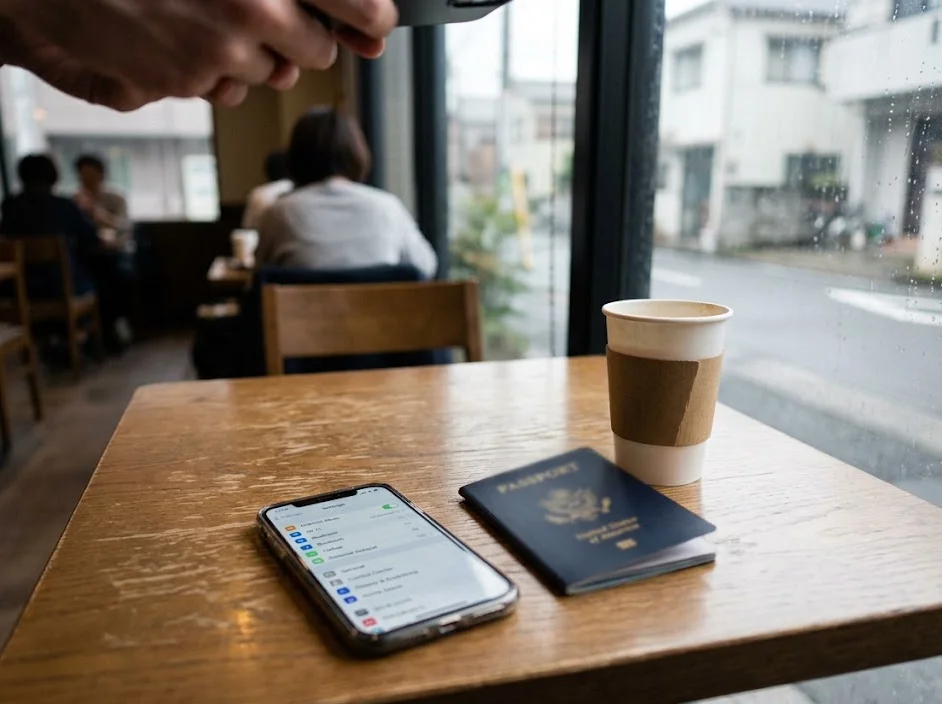
Even in 2026, Japan remains a society that relies heavily on physical currency for small-scale food transactions. While major hotels and large restaurant chains now accept contactless payments, the best cheap eats often operate exclusively on cash.
Relying only on a credit card will force you into more expensive establishments that accept cards, effectively inflating your food budget by 20% or more.
Carrying a daily float of ¥10,000 in yen is a good baseline for a budget traveler. This ensures you never have to pass up a “cash only” storefront offering a great value meal.
If you run out of cash, avoid exchanging money at airport kiosks, which have the worst rates. Instead, use the ATMs located inside 7-Eleven or Lawson stores. These machines generally offer the most transparent exchange rates for international debit and credit cards.
Where and how to withdraw cash
- 7-Eleven Bank ATMs: These are the gold standard for travelers, accepting almost every international card and operating 24 hours a day.
- Post Office (JP Bank) ATMs: Located in every post office, these are reliable, though they may have shorter operating hours than convenience store machines.
- Withdrawal fees: Expect a fee of ¥110–220 per transaction depending on your home bank and the specific machine. Minimize these costs by withdrawing larger amounts less frequently.
To further manage your spending, use a dedicated transit card like Suica, Pasmo, or Icoca. Most of these cards can now be loaded directly onto your phone via Apple Wallet or Google Pay.
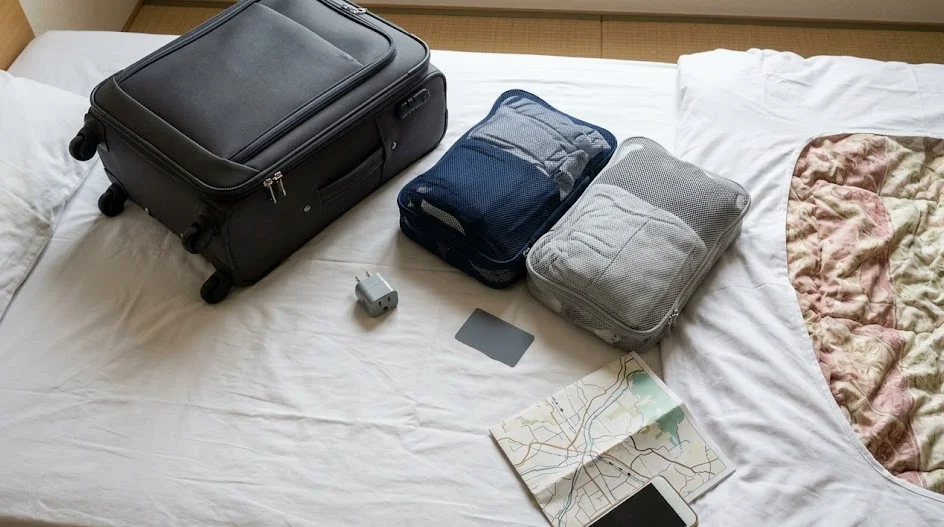
While primarily for transport, these cards are accepted at an increasing number of vending machines and small cafes. Keeping your food money separate from your transport budget on these digital cards prevents the “vending machine creep” where you accidentally spend your lunch money on iced tea throughout the day.
Always notify your home bank that you are traveling to Japan to prevent your card from being locked due to suspicious activity. Keep a secondary card stored in a separate bag or a hotel locker booked via Booking.com or Agoda.
In the unlikely event of losing your wallet, having a backup ensures you are not stranded without the means to purchase food. Check the official site of your financial provider for the most current international withdrawal fees before your departure.
Geographic cost variance: Tokyo vs. the regional cities
The cost of living in Japan is not uniform, and your daily food budget should fluctuate based on your location. A meal that costs ¥1,200 in a central Tokyo ward like Shinjuku might cost as little as ¥800 in a provincial city such as Kanazawa or Fukuoka.
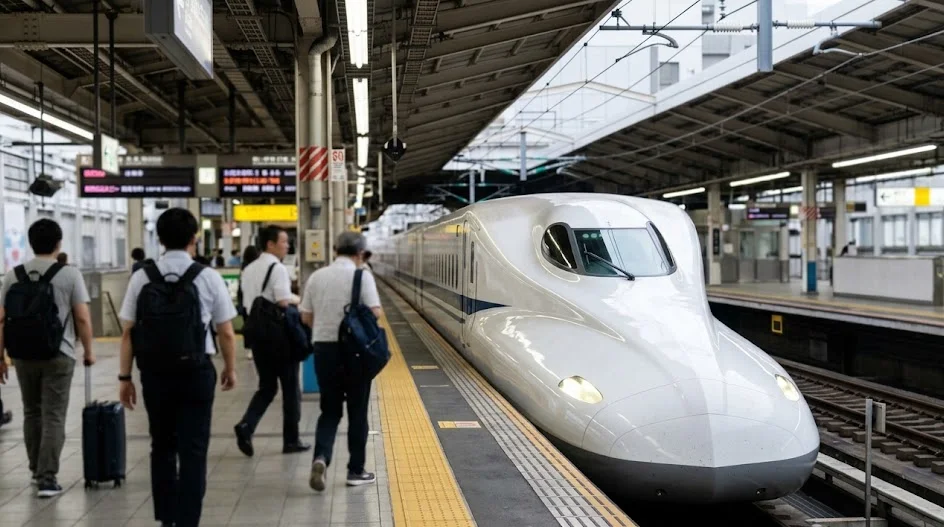
Choosing your base of operations is just as important as your daily dining habits when you are trying to keep costs down.
Tokyo and Kyoto function as high-cost hubs. If you choose to stay in these cities, prioritize areas slightly outside the main tourist centers.
Using accommodation sites like Agoda or Booking.com, you can find stays in neighborhoods like Kita-Senju in Tokyo or the outer rim of Kyoto. Dining in these residential areas puts you in competition with locals rather than tourists.
This naturally keeps prices lower and prevents you from paying the “convenience premium” found near major hubs like Tokyo Station or Gion.
Average food cost comparison by region
← Swipe to see the full table →
| City Type | Daily Budget Estimate | Dining Environment |
|---|---|---|
| Major Hub (Tokyo/Osaka) | ¥4,000–5,500 | Higher overheads drive up menu prices; focus on office-district lunch sets. |
| Secondary City (Fukuoka/Sapporo) | ¥3,000–4,000 | Stronger emphasis on local specialties; cheaper produce and casual dining. |
| Rural/Regional Town | ¥2,500–3,500 | Limited international chains; reliance on local seasonal items and markets. |
If your trip is long enough to include a JR Pass—check the official site for current pricing and eligibility as it is a major investment—you can leverage travel to visit secondary cities where your yen goes further.
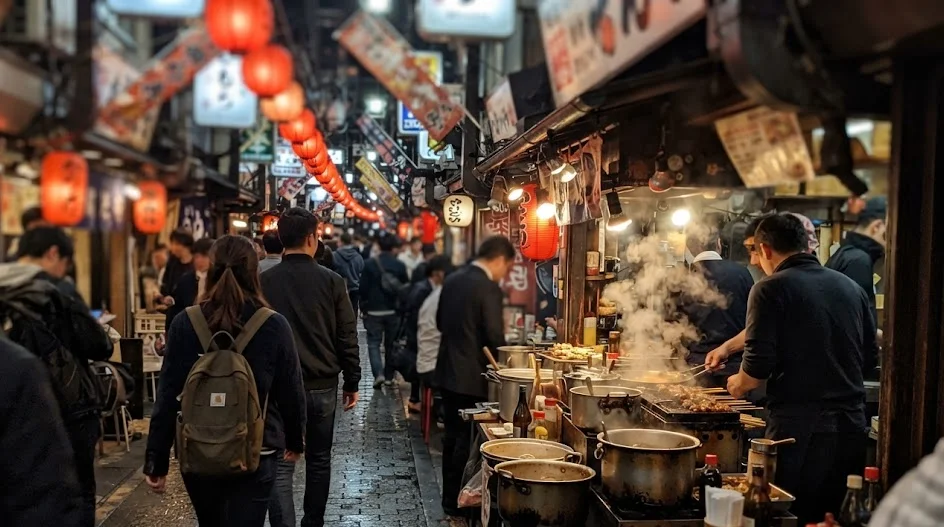
For instance, cities like Fukuoka are famous for their yatai (food stalls). These spots offer a social, high-quality dining experience at a price point that is significantly lower than a sit-down restaurant in Tokyo’s upscale districts.
Connectivity also plays a role in finding these cheaper local spots. Using an eSIM service like Airalo or Ubigi allows you to use Google Maps on the fly. When you are hungry, search for “teishoku” (set meal) or “shokudo” (casual canteen) in your current map view.
Look for places with few, if any, reviews in English. These are the locations where the prices are set for the local community rather than the global traveler.
Being willing to travel 20 minutes away from the main station via local train will often save you enough on your dinner to pay for the cost of the train ticket itself.
Strategic accommodation choices that protect your food budget
Where you sleep dictates your daily caloric overhead more than any other factor. Booking a hotel with an expensive breakfast buffet forces you to front-load your spending, often at the expense of your mid-day flexibility.
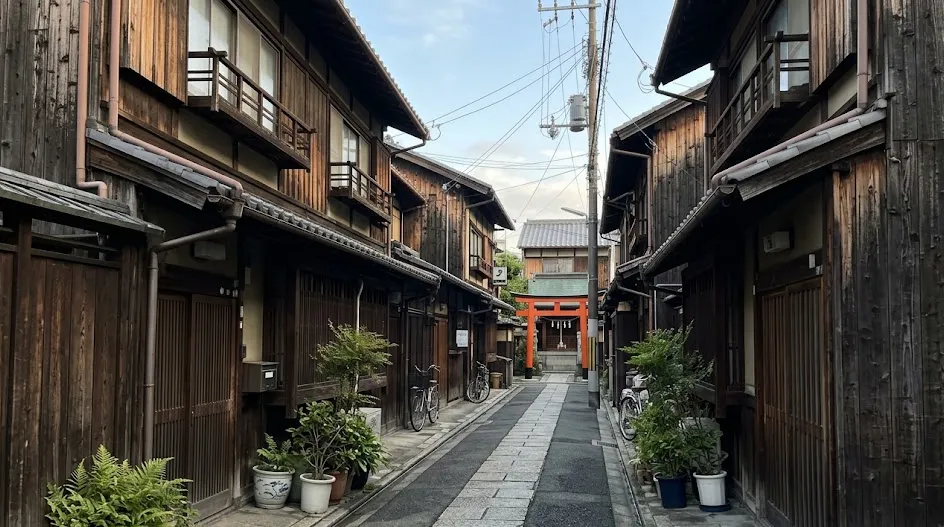
Instead, prioritize Business Hotels found through platforms like Booking.com or Agoda, which are designed for functionality rather than luxury.
These properties are usually located within walking distance of major transit hubs, yet they lack the massive dining halls that inflate room rates. By choosing a “room-only” rate, you keep your accommodation costs low and retain the freedom to hunt for a morning coffee at a local bakery or a hot meal at a nearby cafe.
Consider the trade-off between location and kitchen access. While a central hotel near Osaka Station is convenient, choosing a slightly peripheral property with a kitchenette allows you to store fresh items from local markets.
This is the difference between spending ¥1,500 on a hotel breakfast and spending ¥400 on local eggs, toast, and fruit from a grocery store.
Evaluating the cost of stay-and-dine combinations
- Search for “Business Hotel” chains on Agoda to find rooms that prioritize proximity to markets over in-house dining.
- Check if the accommodation offers a shared kitchen or microwave, which allows you to reheat discounted supermarket bento boxes.
- Avoid breakfast add-ons, which typically range from ¥1,500–3,000 per person, and check the official site of the hotel to see if they offer room-only discounts.
The money saved by skipping just three days of hotel breakfasts—roughly ¥6,000–9,000—is enough to fund a high-quality, authentic dinner at a local izakaya. You are essentially shifting your budget from a generic hotel buffet to a personalized food experience.
If you prefer a social atmosphere, hostels on Booking.com often provide basic cooking facilities that hotels lack. Utilizing these communal spaces for breakfast or late-night snacks can reduce your total trip expenditure significantly.
Just ensure your chosen location is close to a grocery store, as dining near train stations is almost always more expensive regardless of where you sleep.
Low-cost sightseeing strategies to maximize your energy
Sightseeing is often the primary cause of “emergency eating,” where you find yourself famished in the middle of a tourist district. High-traffic areas like Dotonbori in Osaka or Asakusa in Tokyo are traps designed to sell overpriced, subpar snacks to hungry travelers.
You can circumvent this by balancing your day with near-free activities that keep you moving rather than sitting in a restaurant.
Focus your itinerary on public parks, shrines, and local neighborhoods that require no entrance fee. Walking the grounds of a shrine or exploring a quiet residential district provides a much-needed cultural experience without the overhead of ticketed attractions.
When you are not paying ¥1,000–3,000 for museum entries, you gain the financial margin to afford a proper, high-quality meal at a real restaurant.
Utilize Klook or GetYourGuide to filter for free or low-cost walking tours. Sometimes, a guide can point you toward a local canteen that is invisible to the average visitor. These spaces are generally frequented by locals who demand high quality for a low price, ensuring you do not fall victim to tourist-price gouging.
Optimizing your day for affordable refueling
- Pack a lightweight bag with high-energy snacks purchased from a local grocery store to avoid paying premiums at tourist kiosks.
- Schedule your visits to free public gardens or shrines during the late morning to keep your focus on exploration rather than food.
- Use local transit apps to find neighborhoods just two stops away from major landmarks, where dining prices often drop by 30%.
If you do book an activity on Klook or GetYourGuide, verify if the site provides water or snacks, as this might offset the cost of the ticket. Always carry your own bottle and refill it at fountains in public parks.
This simple habit keeps your hydration costs near zero, saving you the typical ¥1,000 daily leakage attributed to vending machine drinks.
Finally, remember that the most rewarding experiences in Japan are often found in the quiet corners of a city. Spend your afternoon wandering through a neighborhood recommended by locals rather than sticking to the main thoroughfare.
You will encounter small, humble eateries that offer authentic cuisine at prices that reflect the reality of the local cost of living.
FAQ
QIs it possible to survive on ¥3,000 a day?
Yes, if you are disciplined. You will need to rely on supermarket markdowns, bakery items, and cheap beef bowl chains for most of your calories. It is not glamorous, but it is entirely possible to do for 10–14 days without malnutrition.
QDo I need to tip for cheap meals?
Never. Tipping is not a part of Japanese culture. In fact, it can be seen as confusing or rude. The price you see on the ticket machine or menu is exactly what you pay, including tax.
QAre taxes included in the prices?
Most restaurants list prices with consumption tax included. Always check for a small “plus tax” note on the menu, though this is becoming less common in casual dining spots as of 2026.
QShould I book food experiences in advance?
Only if you have a specific high-end meal in mind. For cheap eats, you should remain flexible. Wander into small shops where you see locals; these are almost always better value than any “tourist-friendly” spot found online.
QWhat about water?
Tap water throughout Japan is high quality and drinkable. Do not pay for bottled water unless you specifically want sparkling or mineral water. Bringing your own flask is the easiest way to keep your daily drink budget near zero.
Planning for food costs in Japan can feel like a guessing game when every blog gives you a different number.
Stop worrying about every yen and focus on the two daily meals that matter most to you, then let the rest of your budget be flexible.
Keep planning
- ① Install and test your eSIM before take-offAiralo and Ubigi eSIMs activate on arrival, but the install itself needs Wi-Fi. Do it at home and confirm the profile shows up in your phone settings.
- ② Save your first hotel’s address in JapaneseTaxi drivers and station staff read Japanese addresses far faster than romanised ones. Copy it from the booking confirmation into your notes app.
- ③ Set aside cash for day oneMany small restaurants, temples and rural buses are still cash-only. Airport ATMs at 7-Eleven and the post office accept most foreign cards.
Skip these and your first hour in Japan goes on finding Wi-Fi at the station instead of getting to your hotel.
🔍 How to sanity-check any price you read online
Blogs (including this one) go out of date. The official page always wins over a screenshot from two years ago.