
- Japan is extremely safe, and your anxiety is likely based on myths.
- Most stress comes from over-planning, not from actual dangers.
- You do not need to be fluent or know secret etiquette to thrive.
- Safety Level
- Very High
- Emergency Number
- 110 (Police), 119 (Ambulance)
- Daily Budget
- 10,000–25,000 JPY
We may earn a commission if you book through the links in this article, at no extra cost to you. Prices are ranges as of 2026 — check the official sites before you book.
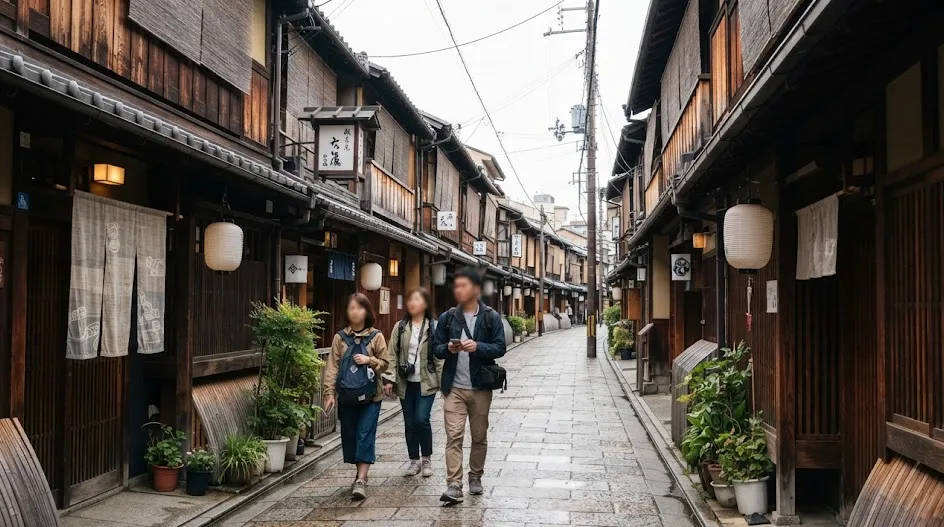
You should not be worried about traveling to Japan because the country is statistically one of the safest destinations in the world for international visitors. While it is normal to feel nervous about a new environment, most of the alarmist warnings you read on forums are vastly overstated.
I have traveled across the islands extensively, and the infrastructure is designed to be frictionless for those who do not speak the language. The real challenge is not physical danger or getting stranded, but rather the self-imposed pressure to build a flawless, high-stress itinerary.
1. The reality of safety in Japan
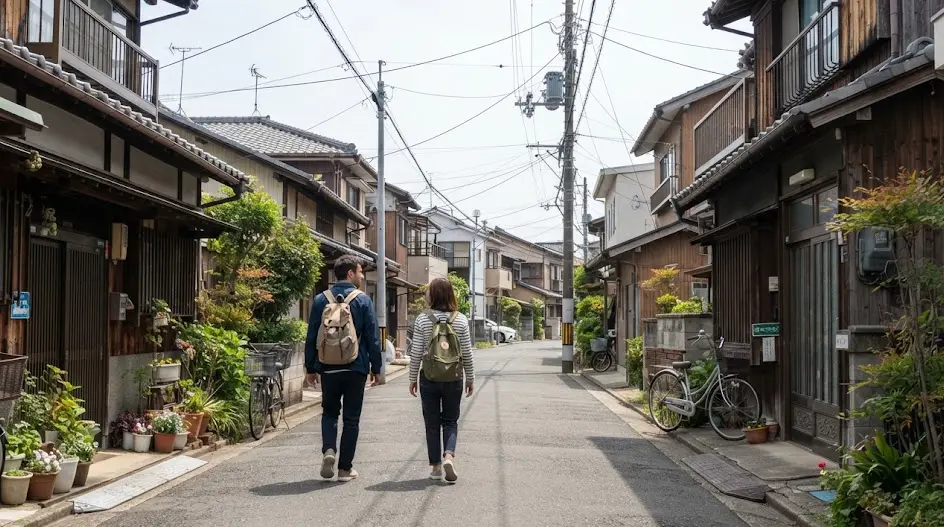
When we talk about safety here, we are discussing a society with low levels of violent crime and a high regard for social order. You are far more likely to lose your wallet on a train and have it returned to a police box than you are to have it stolen by a pickpocket.
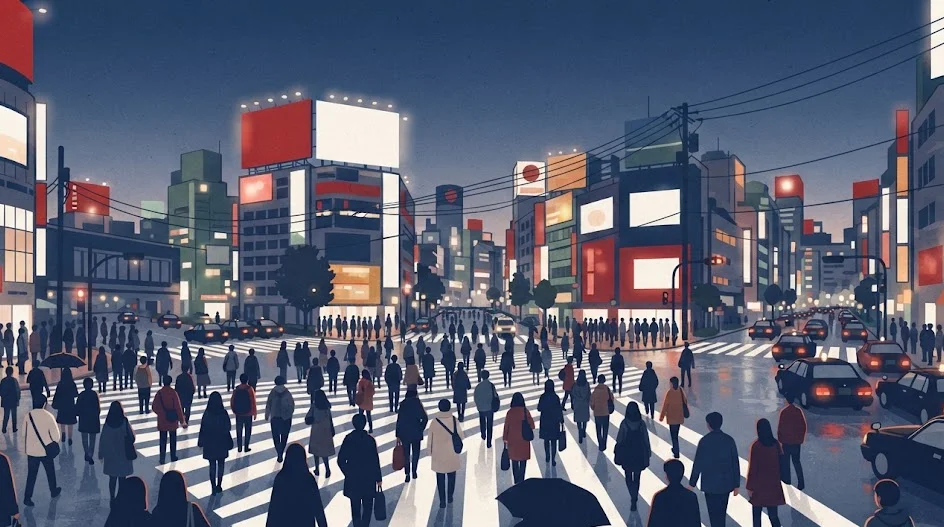
Most travelers find that their biggest hurdle is simply navigating the sheer density of stations like Shinjuku. However, the system is clearly labeled in English, and there is always an information desk nearby to assist you. Do not let the size of the transit network frighten you.
← Swipe to see the full table →
| Risk Factor | Likelihood | Cost range (Yen) |
|---|---|---|
| Petty theft | Very rare | 0 |
| Transit confusion | Very common | 0–500 |
| Natural disasters | Possible | 0 |
Plan your trip: the tools we use
Crime and public order
Violent crime against tourists is nearly non-existent. You will often see people leaving bags unattended in coffee shops while they go to the counter, which is a local habit that reveals the level of trust in public spaces.

Natural hazards
Japan is prone to earthquakes and occasional typhoons. These events are part of the landscape, and the building codes are among the strictest on the planet. If an alarm sounds on your phone, stay calm and follow the directions of hotel staff or station personnel.
2. The real risks you should actually monitor
Rather than fearing social taboos, pay attention to the environmental factors that can wear you down. Heat exhaustion in the summer or train delays during a storm are tangible risks that require a flexible mindset.
Summer heat and exhaustion
In July and August, the humidity can reach levels that leave you drained by midday. Carry a handheld fan and use the vending machines—found on almost every street corner—to stay hydrated with bottled water or electrolyte drinks.
Station navigation
Getting turned around in a massive station is the most common “disaster” for a first-timer. If you cannot find your platform, look for a station official in a uniform. They are usually helpful even if your Japanese is limited to “excuse me.”
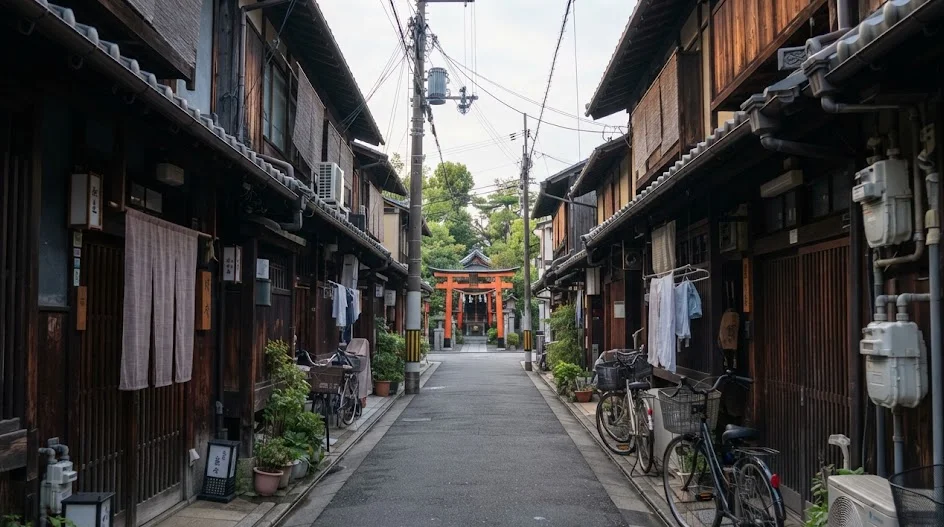
Nightlife and scams
In districts like Roppongi or parts of Osaka, avoid aggressive touts trying to pull you into bars. If someone on the street invites you to a place with “all-you-can-drink” specials, walk in the other direction. It is a classic trap for visitors.
3. What actually keeps you safe
What worried first-timers do
- Over-planning every single hour
- Obsessing over local etiquette
- Avoiding all interaction
What actually keeps you safe
- Booking one solid base per city
- Using official transit apps
- Staying connected with an eSIM
Solo travelers, especially women, often find Japan to be a relief compared to other major global cities. You can walk alone at night in most residential areas without feeling targeted. The biggest danger is simply tripping on an uneven curb or getting exhausted from walking too much.
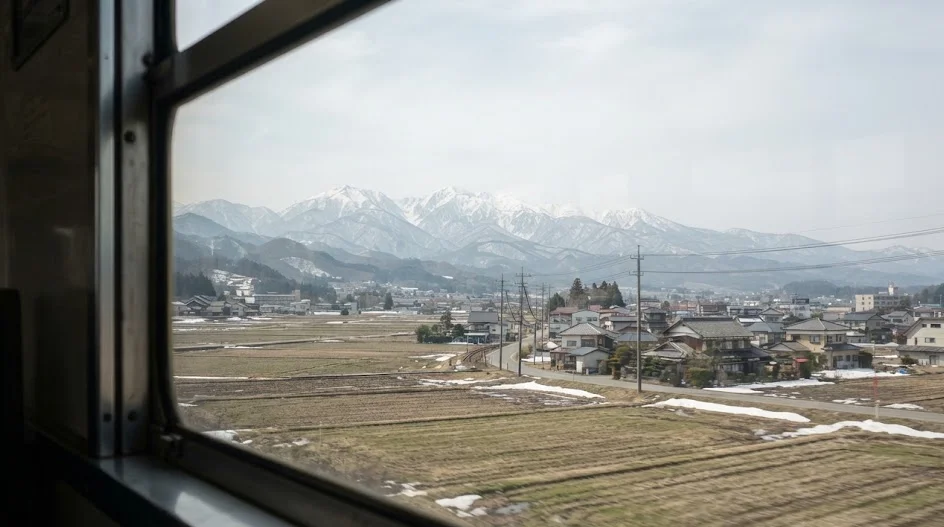
Families with small children will find that trains are surprisingly accommodating. While you should keep your voice low, nobody will get angry if a toddler makes noise. Just be prepared to fold your stroller on buses and crowded subway lines.
Planning your visit?
4. How to prepare without the anxiety
Step 1: Get your connectivity sorted
Order an eSIM from Airalo or Ubigi before you leave so you have data upon landing.
Step 2: Set up your navigation
Download your route maps on Google Maps or Navitime to ensure you never lose your way.
Step 3: Have a base for support
Book a hotel near a major station through Booking.com or Agoda to ensure easy access to transit.
Do not obsess over carrying printed documents. Most everything you need is available digitally on your phone. Keep a digital scan of your passport, but keep the physical copy in your hotel safe unless you are buying duty-free items.
Habits to adopt on the ground
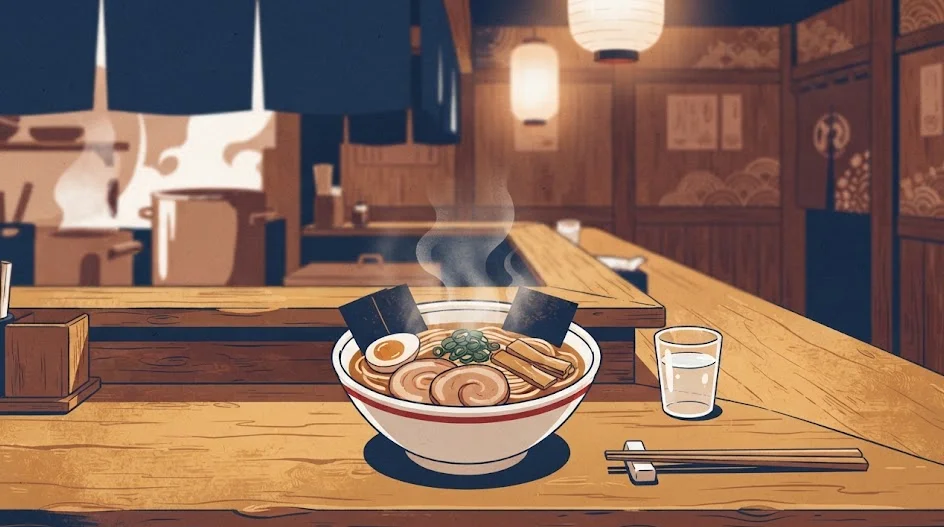
- Keep your cash in a secure pouch, not a back pocket.
- Learn the location of the nearest police box (koban) on your map.
- Memorize 110 for police and 119 for medical emergencies.
- Use 7-Eleven or Lawson as your primary safe-haven for snacks and cash.
- Store heavy bags using Yamato transport instead of dragging them on trains.
- Ignore the “internet experts” telling you to be perfectly quiet on trains.
Just be polite and stay out of the way of commuters. You do not need to be silent, but keeping your phone on vibrate is a sign of respect that everyone appreciates. That is the whole trick.
Debunking common travel myths
“You will be shamed for your bad etiquette”
This is a ghost story created by social media. Japanese staff are professionals who handle millions of tourists annually. If you make a mistake, they will either ignore it or politely correct you. You will not be banned from entering shops.
“You must speak Japanese to avoid trouble”
English signage is standard at all major transport hubs. If you venture into deep rural areas, a basic translation app is more than enough to bridge the gap. You do not need to study the language for months to have a great trip.
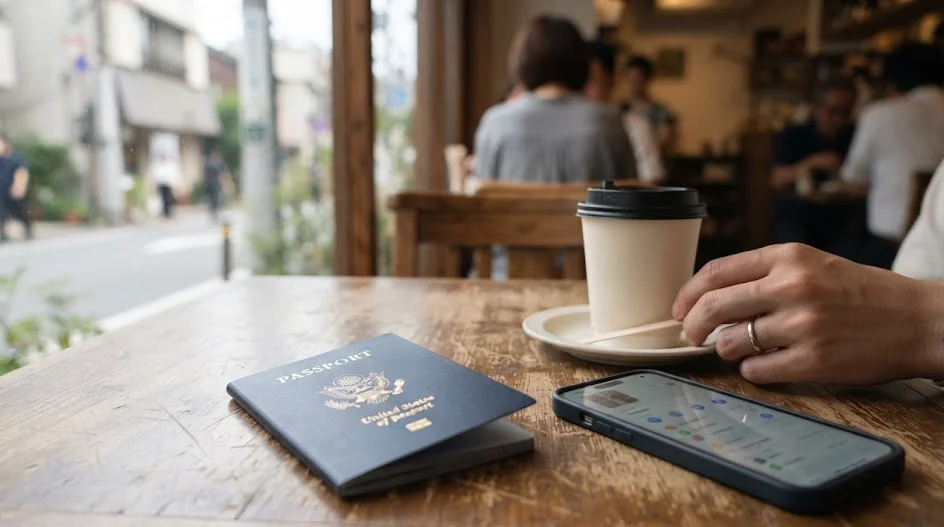
“It is rude to eat or drink while walking”
While you might not see locals doing it, nobody is going to stop you on the street for drinking water. Just do not bring messy, smelly street food onto a crowded train car. Common sense is the only etiquette rule you need to master.
Managing disruptions and last-minute changes
Anxiety about traveling often stems from the fear of the unknown, specifically regarding what happens when things go wrong. In Japan, you should worry less about structural failure and more about how you handle the logistics of moving between cities.
The biggest point of friction for most visitors is realizing that their original plan needs to change due to weather or simple fatigue. Staying flexible is the best way to handle this.
If you encounter a train delay, do not panic. The Japanese rail system is famous for its reliability, but during typhoons or heavy rain, lines can pause.
Station staff will provide delay certificates if you need them for insurance claims. Most travelers find that simply waiting 30 minutes in a station café is a better use of time than trying to force a connection.
When booking your travel, always prioritize flexibility over the lowest possible price. Opt for hotel rates on Booking.com or Agoda that offer free cancellation until 24 hours before your arrival. This allows you to shift your base of operations if you decide that Osaka is more your speed than Kyoto, or vice versa.
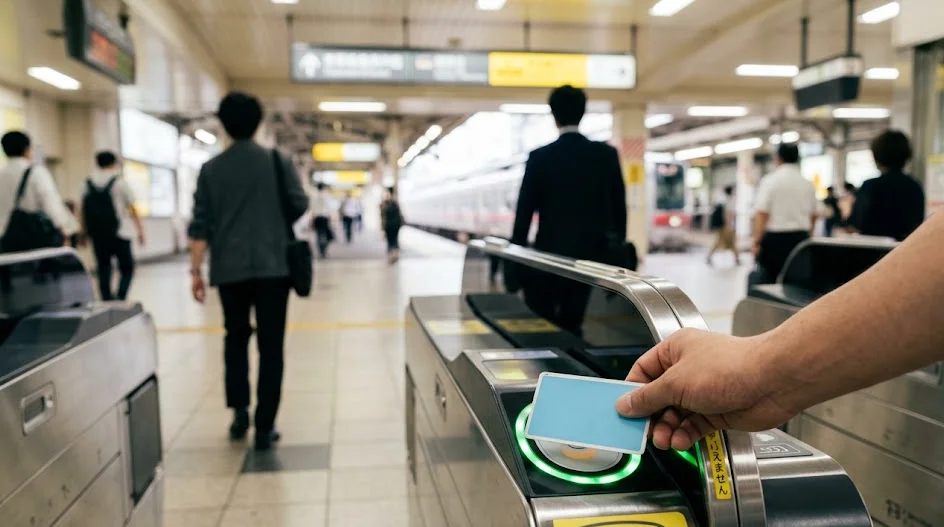
Handling transit tickets and refunds
- Purchase tickets via Klook or official rail apps rather than at station machines to avoid queues and pressure.
- Save your digital confirmation receipts in a dedicated folder in your email.
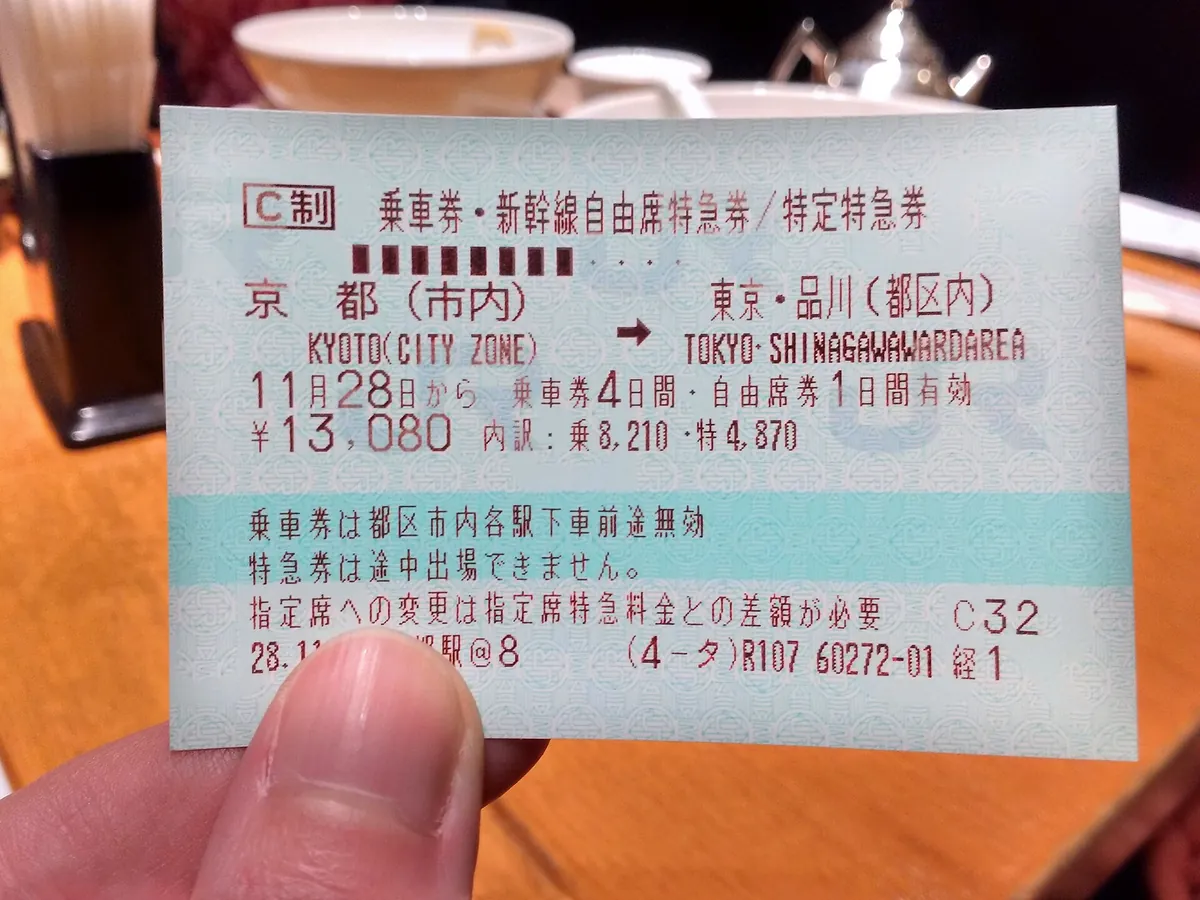
- If you miss a Shinkansen train, your ticket is often still valid for a non-reserved seat on a later train that same day.
- Avoid the massive JR Pass unless you are taking more than three long-distance round trips in a week; buying point-to-point tickets is cheaper and provides more refund flexibility.
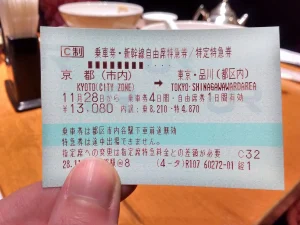
The financial cost of a mistake here is rarely ruinous. Even if you lose a non-refundable train ticket, a replacement usually costs between 6,000 to 14,000 yen depending on the route.
Check the official site for current fare schedules. You have the resources to absorb these minor setbacks, so let go of the pressure to keep a perfect schedule.
Logistical comfort for families and heavy packers
The fear of dragging heavy suitcases through crowded subway stations is a major source of pre-trip dread. You should be worried about your own physical comfort, not about being a social pariah for having luggage.
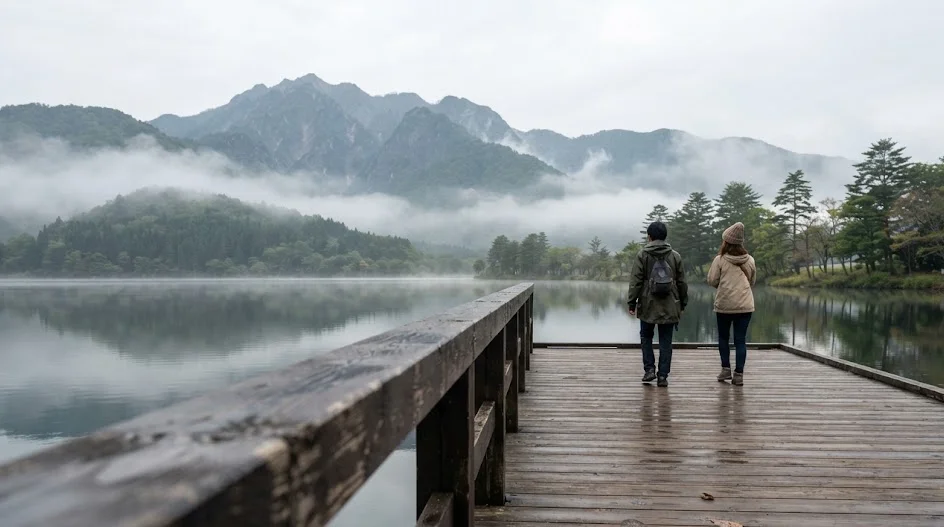
The secret to a stress-free experience is leveraging Japan’s highly efficient courier services, known as takkyubin. It is inexpensive and widely available.
Instead of wrestling with two large bags on a packed train, use the Yamato Transport service to forward your luggage from your current hotel to your next destination. This service typically costs between 1,500 and 2,500 yen per suitcase; check the official site for weight limits and delivery windows.
It arrives the next day, leaving you free to travel with just a backpack. This simple shift in strategy changes the entire experience.
Families traveling with young children often worry about the lack of space in hotels. While Japanese hotel rooms are notoriously compact, you can prioritize comfort by searching for “family rooms” or “triple rooms” on sites like Agoda.
These are specifically designed to fit extra bedding and provide a buffer zone for your gear, preventing the feeling of being trapped in a tiny space.
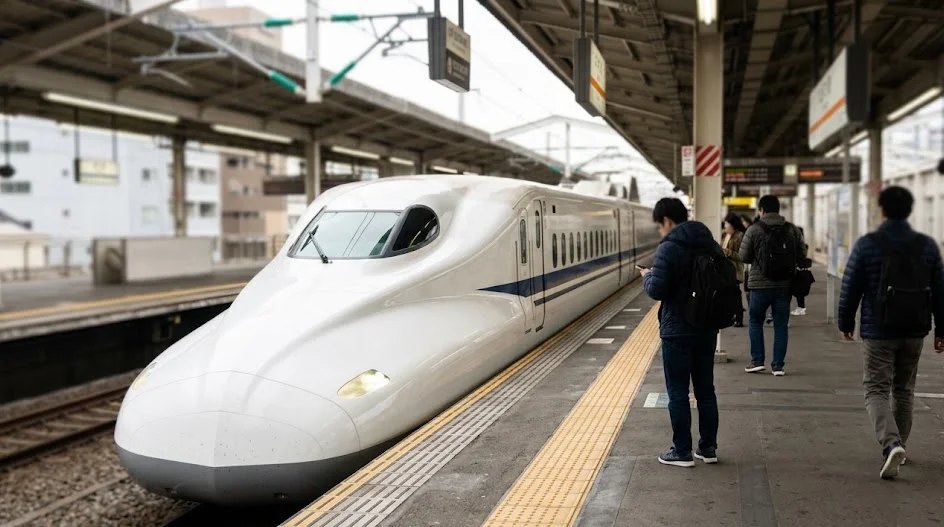
Essential tips for a lighter load
- Use coin lockers at major stations for short-term storage if you arrive before check-in time.
- Look for “laundry service” or “coin laundry” in your hotel description to minimize the amount of clothing you need to pack.
- Bring a collapsible bag for souvenirs so you do not have to buy an entirely new suitcase mid-trip.
- Keep a small “essential kit” in your carry-on, including chargers and medications, so you are never stranded if your main luggage is in transit.
Traveling light is not just a preference; it is a tactical decision to reduce your anxiety. By utilizing luggage forwarding and choosing slightly larger accommodation, you remove the physical strain that causes most of the fatigue associated with Japanese travel.
Prioritize your physical space, and the rest of your trip will feel significantly more manageable. You will find that moving between cities becomes a pleasure rather than a chore.
 ReaderYuki
FAQ
QIs Japan safe for solo female travelers?
Yes, Japan is consistently ranked as one of the safest countries in the world for solo women, with low crime rates and well-lit, busy public areas.
QDo I need to carry cash everywhere?
While cards are increasingly accepted, having 10,000 to 20,000 yen in cash is essential for smaller shops, shrines, and local transit tickets.
QWhat if I have an emergency?
Dial 110 for police or 119 for an ambulance; both services have operators who can assist in English if you state your location clearly.
QShould I buy the JR Pass?
With recent price hikes, the JR Pass is only cost-effective if you plan on doing extensive travel across the country, such as multiple round trips between Tokyo and Osaka.
QIs the water safe to drink?
Tap water throughout Japan is perfectly safe, high-quality, and drinkable, so you can easily refill your bottle at your hotel.
QHow do I handle tipping?
Tipping is not part of the culture in Japan, and it can even be seen as confusing or rude; simply paying the bill is all that is expected.
It is easy to get caught up in the fear of the unknown when reading too many online warnings.
Focus on your initial travel bookings and let the small details resolve themselves naturally once you arrive.
Keep planning
- ① Install and test your eSIM before take-offAiralo and Ubigi eSIMs activate on arrival, but the install itself needs Wi-Fi. Do it at home and confirm the profile shows up in your phone settings.
- ② Save your first hotel’s address in JapaneseTaxi drivers and station staff read Japanese addresses far faster than romanised ones. Copy it from the booking confirmation into your notes app.
- ③ Set aside cash for day oneMany small restaurants, temples and rural buses are still cash-only. Airport ATMs at 7-Eleven and the post office accept most foreign cards.
Skip these and your first hour in Japan goes on finding Wi-Fi at the station instead of getting to your hotel.
🔍 How to sanity-check any price you read online
Blogs (including this one) go out of date. The official page always wins over a screenshot from two years ago.