
- Carry ¥10,000–¥15,000 as a standard daily buffer.
- 7-Eleven ATMs are the gold standard for easy withdrawals.
- Digital IC cards cover 90% of transport and small retail.
- Keep physical coins for temple entry and small shrines.
- Currency
- Japanese Yen (JPY)
- Primary ATM
- Seven Bank (7-Eleven)
- Best Digital Tool
- Mobile IC Card (Suica/ICOCA)
The 2026 Reality: Why Japan Stays Partially Analog
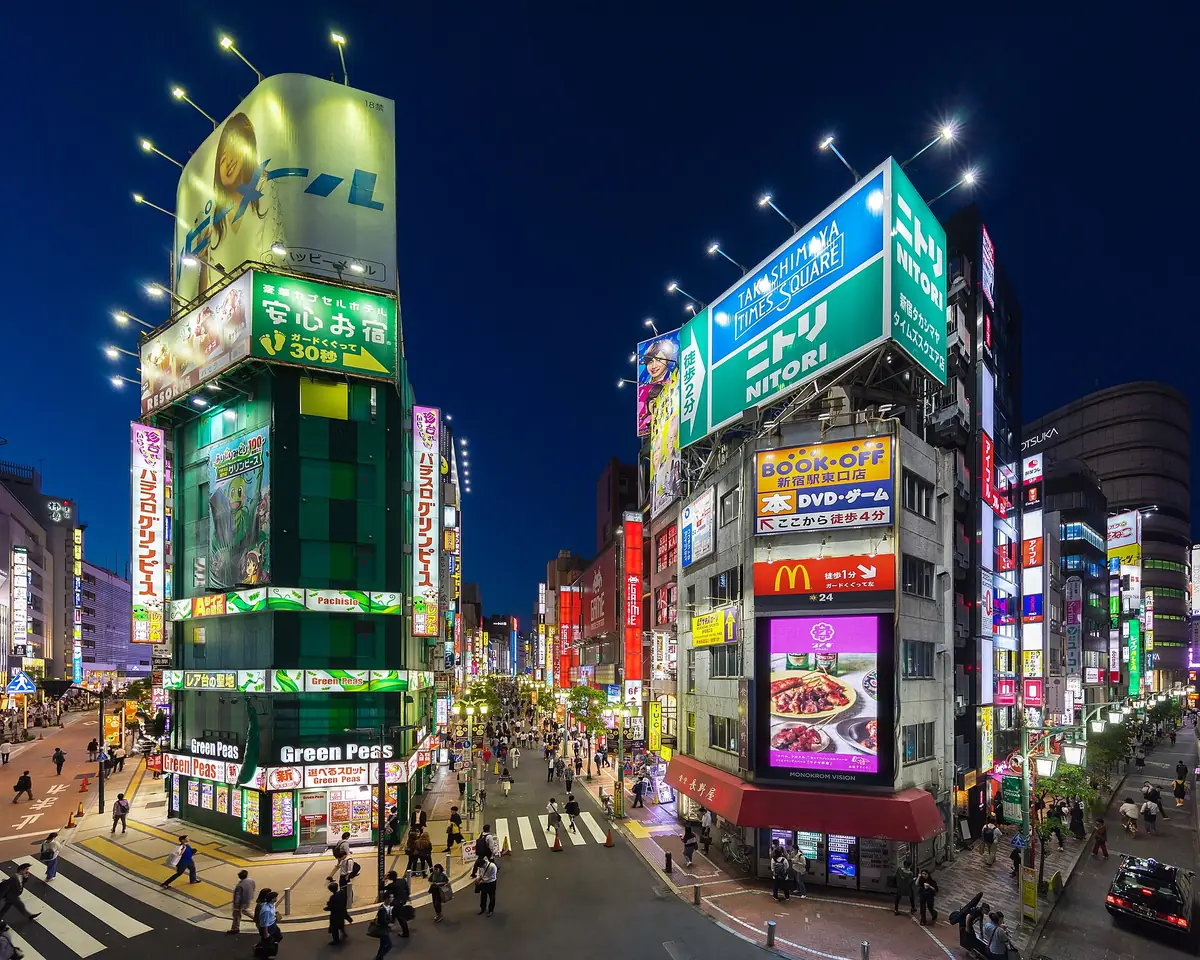
A “cash-heavy budget” in Japan is effectively a mental buffer of roughly ¥10,000 to ¥15,000 kept in your wallet. This ensures you never stand paralyzed in front of a rural ticket machine or a historic temple gate.
While many urban shops have embraced tap-to-pay, the reality of navigating Japan is that paper yen remains the ultimate fail-safe. It is essential for moments when technology inevitably stumbles or a shopkeeper prefers the tactile weight of coins.
You only need to carry enough physical cash to cover two to three days of incidental spending. Relying on your home-country credit card for big ticket items like hotels booked via Booking.com or rail passes via Klook is smart.
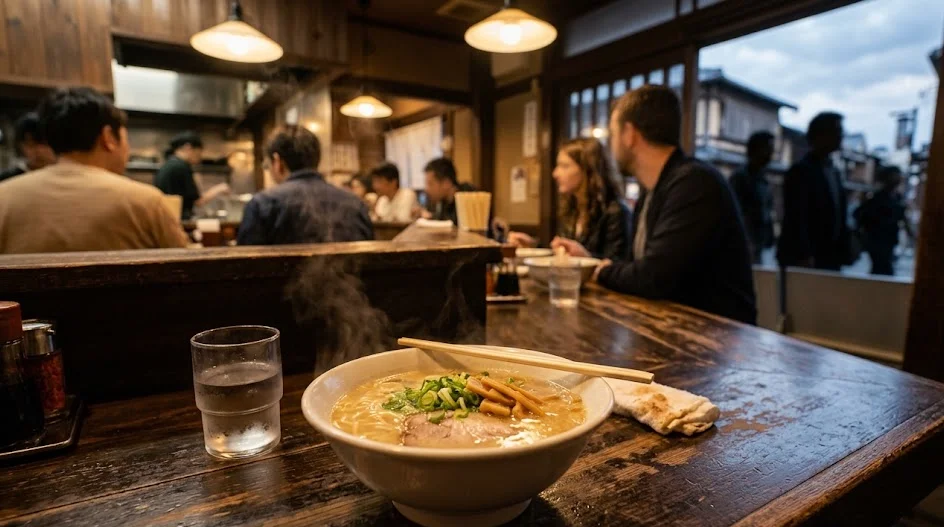
However, you will occasionally encounter the “cash-only” wall at a ramen counter or a local bus terminal. Keep a small reserve of bills handy to ensure you are never caught without payment options.
We may earn a commission if you book through the links in this article, at no extra cost to you. Prices are ranges as of 2026 — check the official sites before you book.
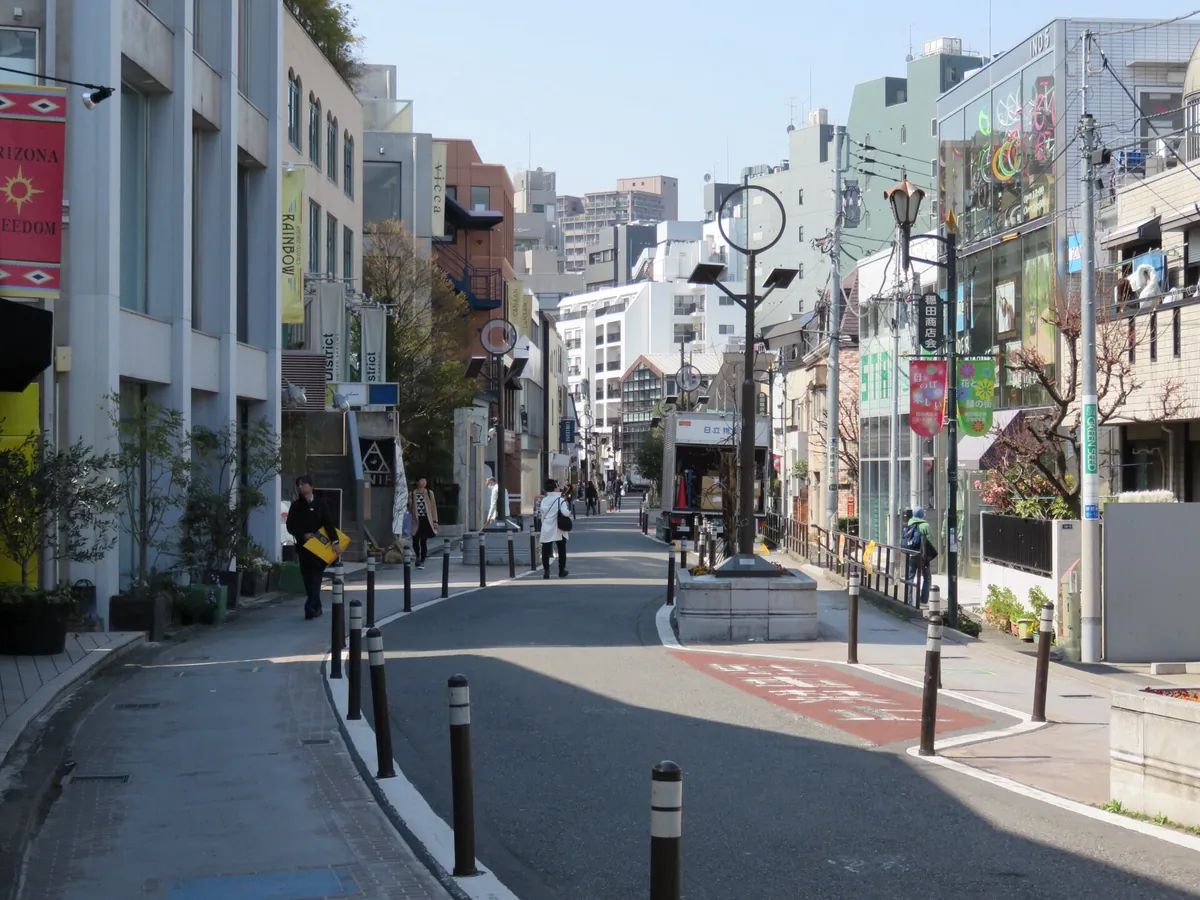
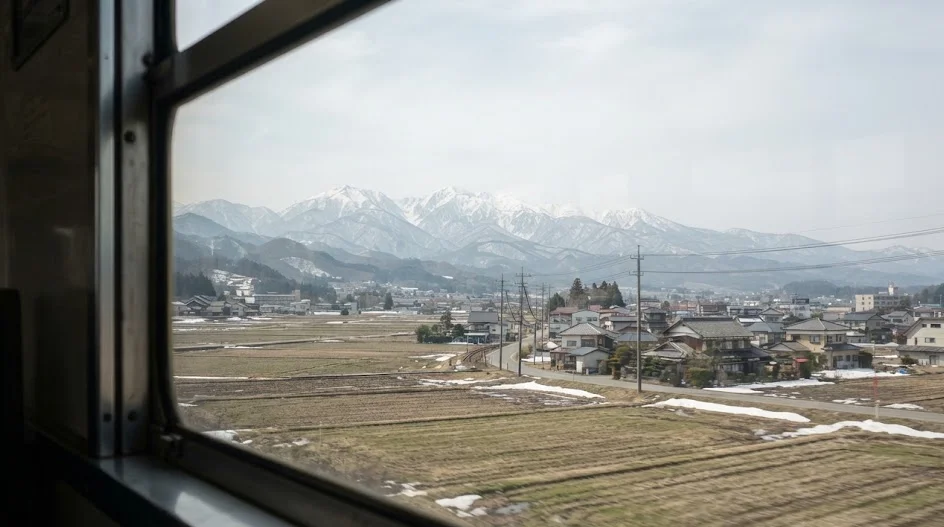
Japan is currently in a strange, dual-speed digital transition. While major retailers and hotel chains in cities like Osaka and Tokyo accept credit cards or mobile wallets, small-town life and traditional service sectors are tied to the 1,000-yen note.
The logic is rarely about tax avoidance. It is about infrastructure, where legacy ticket machines simply do not have the hardware to process foreign magnetic stripes.
The “Ticket Machine” Bottleneck
You will encounter stations where your credit card fails to buy a local platform ticket. I have been stuck at rural train stations in the Kansai region where the only way out was feeding crisp banknotes into a machine that looked like it was from the 1990s. Always have a backup.
Small Temple Fees
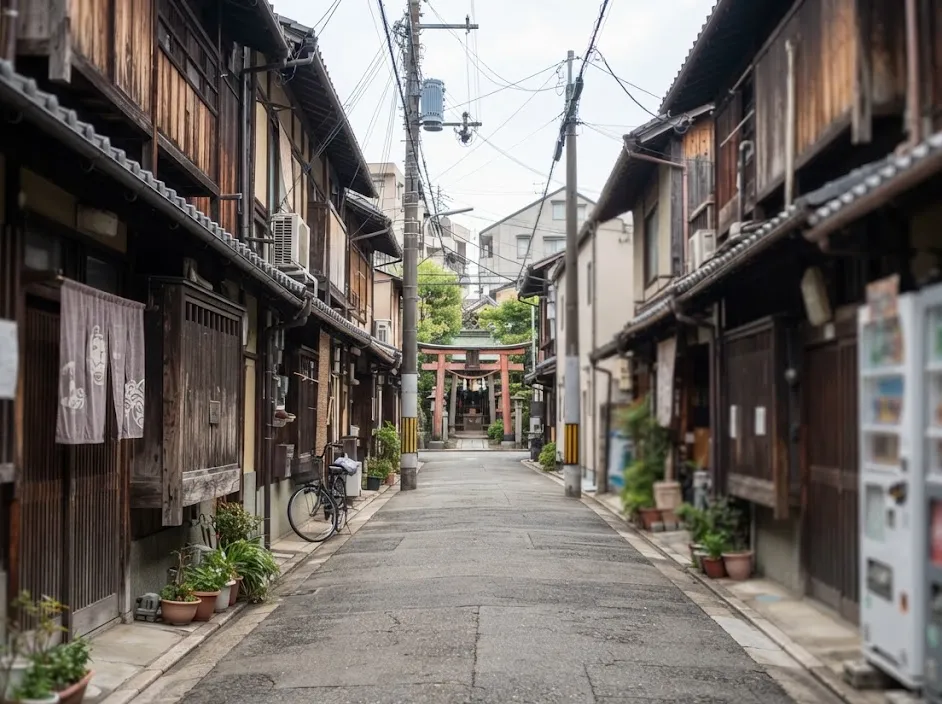
Many traditional shrines and quiet neighbourhood temples rely entirely on wooden “donation boxes” for entry fees. These are rarely automated. If you arrive at a quiet garden entrance in Kyoto with only a credit card, you are effectively locked out unless you find a nearby convenience store.
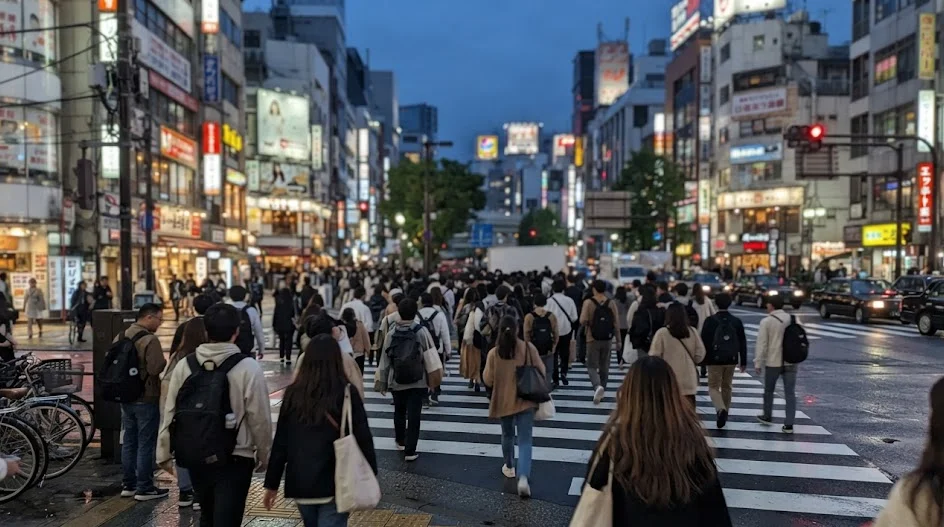
Daily Cash Requirements by Travel Style
← Swipe to see the full table →
| Traveler Type | Daily Cash Buffer | Best Usage |
|---|---|---|
| Budget | ¥5,000–¥8,000 | Konbini meals, local buses, ramen. |
| Mid-Range | ¥10,000–¥15,000 | Shrine fees, cafes, izakaya dinners. |
| Comfortable | ¥20,000+ | High-end omakase, souvenir shops. |
Plan your trip: the tools we use
Note: These are estimated ranges for incidental spending. Your hotel and major transport should be paid via credit card where possible.
Where You Still Need Physical Yen
- Traditional rural guesthouses and ryokan
- Local bus fares outside of major cities
- Shrine and temple entry fees
- Tiny neighborhood ramen or gyoza shops
- Traditional craft markets and festivals
- Coin-operated lockers at smaller stations
- Vending machines (most now take IC, but not all)
- Public foot baths and sento bathhouses
The Local Bus Exception
In cities like Kyoto, local buses are efficient but frequently require exact change or physical yen. While some newer buses take IC cards, older models may force you to use a coin-exchange machine by the driver’s seat. It creates a backlog of people behind you, so keep your coins ready.
Using IC Cards to Replace Daily Petty Cash
Digital IC cards like Suica, Pasmo, or ICOCA are the secret to reducing your reliance on paper money. You can load these via your smartphone’s wallet app, and they act as a universal prepaid balance for transport and most convenience store purchases.
You can use these cards at convenience stores, vending machines, and lockers. This covers most of your “small” daily costs without ever touching a bill.
Managing the Balance
Top up your card using your credit card via your mobile phone wallet. If you have a physical card, use 7-Eleven kiosks to add funds. I always aim to keep a balance of at least ¥2,000 on my phone to avoid the panic of a “zero balance” alarm at a ticket gate.
Where we would book this
Booking.com
Largest inventory in Japan for English-speaking travellers
- Best for
- Hotels, business hotels, ryokan and apartments in every city
- Checked
- September 2026
Official site. Same price for you.
The Best Ways to Withdraw Yen
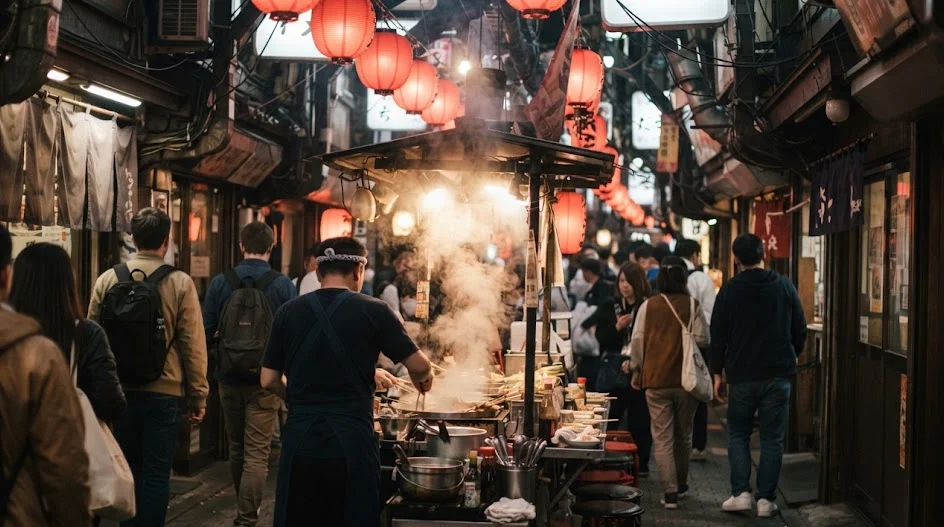
I find that withdrawing larger amounts of cash at 7-Eleven ATMs is the most reliable method for travelers. The exchange rate is competitive, and the ATMs are located in nearly every neighbourhood. Look for the “Seven Bank” sign, which is usually open 24 hours.
Avoiding High Fees
Do not change money at the airport “Currency Exchange” counters unless absolutely necessary. The commission spreads there are often much higher than what your bank will charge for a standard ATM withdrawal. I prefer to head straight to the nearest 7-Eleven upon arrival.
Post Office ATMs
If you cannot find a 7-Eleven, look for the Japan Post Bank (Yucho) ATMs. They are just as reliable and are typically found inside or near post offices. They handle most international debit and credit cards with ease, provided your home bank has enabled international travel on your account.
Managing Currency Safely
What most first-timers do
- Exchange cash at the airport kiosk
- Carry huge stacks of paper yen
- Use high-fee private exchange booths
- Hide all money in one wallet
What actually works
- Withdraw yen at 7-Eleven ATMs
- Use digital IC for small items
- Keep a backup card in your bag
- Use two separate wallets for safety
Split Your Stash
I never keep my entire trip budget in one pocket. I divide my cash into two parts: a “daily use” portion in my wallet and an “emergency stash” tucked securely in my luggage or a hidden compartment in my bag. If you lose your wallet, you won’t be left with zero funds.
Cash Budgeting Strategy for a 7-Day Trip
Step 1: Before you fly
Check if your bank charges foreign transaction fees and alert them to your dates.
Step 2: At the airport
Withdraw just enough for a train ticket and a light meal, then head into the city.
Step 3: Day 1
Find your first 7-Eleven, load your mobile IC card, and withdraw your first ¥20,000.
Step 4: Mid-trip
Monitor your coins; if your pocket gets too heavy, use them for a drink at a machine.
The Silent Budget Killers: Where Cash Disappears Fastest
Travelers often overestimate the cost of major attractions while ignoring the small, daily friction points that drain a wallet of physical yen. These recurring costs rarely appear on a credit card statement, yet they can result in a frantic search for an ATM by the end of your first week.
The most common culprit is the convenience store snack cycle. Stepping into a FamilyMart or Lawson for a quick bottle of green tea, an onigiri, and a packaged pastry costs roughly 500 to 800 yen.
Do this twice a day, and you have burned through 1,500 yen before you even reach a tourist site. While these shops now accept digital payments, many travelers prefer to use small change to clear their pockets, leading to a false sense of “free” spending.
Another significant drain is the reliance on station coin lockers. When you move between cities or store luggage before hotel check-in, lockers are essential, though the price is not uniform.
Standard small lockers typically start at 300 yen, while large suitcases require 700 to 900 yen per use. In high-traffic hubs like Shinjuku or Osaka Station, availability is low, forcing you to pay for premium locations.
Hidden Costs to Monitor
- Short-distance taxi hauls: A sudden rain shower often prompts a quick 1,000 to 2,000 yen ride.
- Public restroom fees: Some older facilities in rural scenic spots may charge 50 to 100 yen for maintenance.
- Gachapon and arcade culture: These machines accept 100-yen coins; it is easy to lose 2,000 yen in minutes.
- Drink machine refills: Expect to spend 150 to 200 yen per beverage, which adds up quickly.
To avoid these leaks, categorize your spending mentally. Treat transit and food as fixed costs, but allocate a specific “play money” budget for vending machines and arcade games.
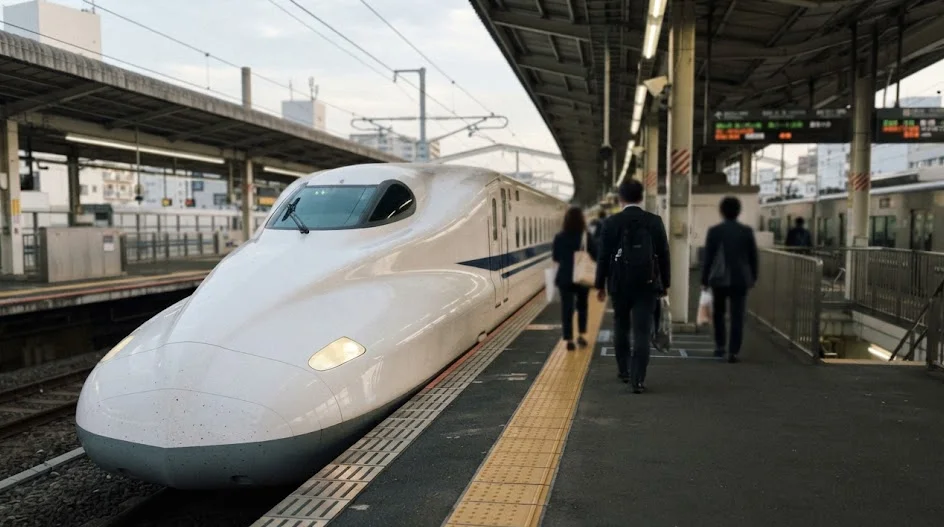
If you stick to this, you will find your cash lasts exactly as long as you planned.
Always verify the current local pricing for transport lockers on station websites, as these rates fluctuate based on demand and regional transit policies.
Check the official site for your destination city to see if they offer luggage delivery services, which can sometimes be cheaper than repeated locker rentals for multiple bags.
Geographic Cost Variables: Tokyo vs. Regional Japan
Your daily cash requirement changes dramatically based on your home base. A budget that feels comfortable in a quiet city like Kanazawa will leave you stranded in Tokyo or Osaka.
The cost of living gap is primarily driven by service fees and the sheer volume of “extra” activities available in major metropolitan centers.
In Tokyo and Osaka, the sheer density of retail means you are constantly tempted by spontaneous purchases. A night out in these cities involves cover charges for specific bars or high-end standing izakaya that might only accept cash.
Plan for an extra 3,000 yen per day in these hubs to account for the “convenience tax” of being in the heart of the action.
Conversely, in smaller cities, your money stretches further because the pace is slower. You are less likely to stumble into a shop every fifty meters, and local attractions are often significantly cheaper.
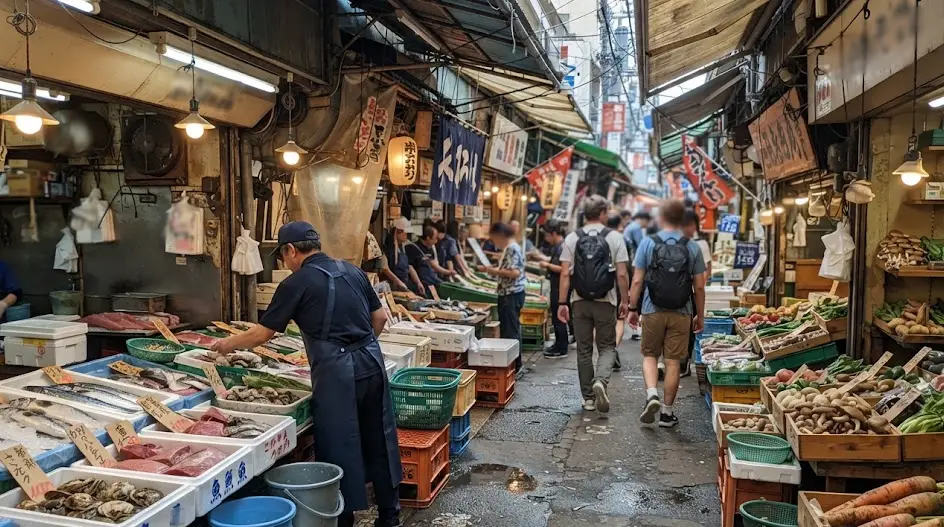
You can easily cut your daily buffer by 30% when staying in secondary cities or rural prefectures where your primary goal is hiking or visiting regional museums.
Comparative Daily Buffer Estimate
← Swipe to see the full table →
| City Type | Suggested Daily Cash | Primary Driver |
|---|---|---|
| Tokyo / Osaka | 15,000 yen | High retail density and nightlife. |
| Kyoto / Fukuoka | 10,000 yen | Mixed transport and temple fees. |
| Rural Regions | 7,000 yen | Limited spending opportunities. |
Travelers using booking platforms like Agoda or Booking.com often overlook that hotels in smaller cities provide more amenities, like laundry services or bicycle rentals, for a fraction of the cost found in capital cities.
These services can sometimes be paid via card, but smaller guesthouses will strictly require physical currency.
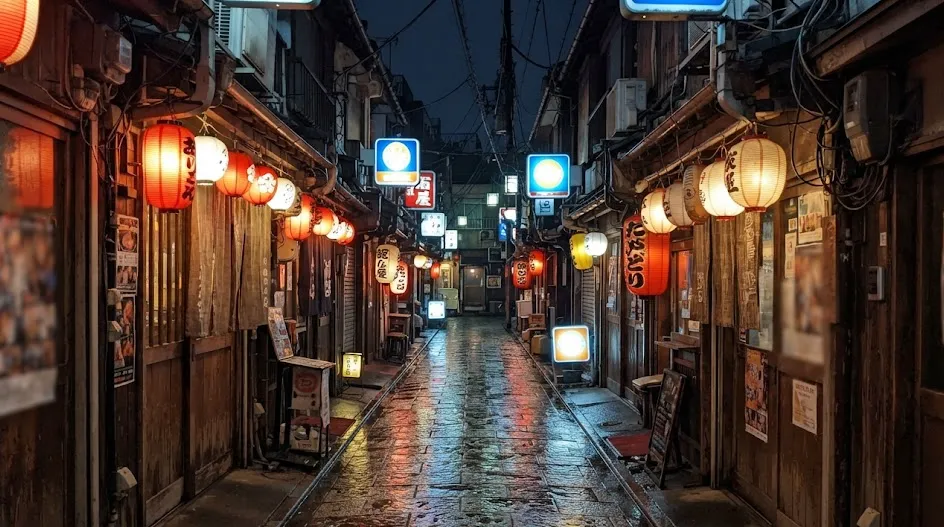
If you plan to utilize a regional rail pass, research the exact coverage area before you land. While Klook offers various passes that integrate with major transit lines, local bus lines often fall outside these digital deals.
If your itinerary involves jumping between major urban centers and remote shrines, keep your buffer closer to the Tokyo range to avoid the stress of hunting for an ATM.
Prices are ranges as of 2026; check the official site of your specific region’s transit authority for current fare tables. When moving from a metropolis to the countryside, always withdraw a surplus before leaving the city center to ensure you have enough to cover the return trip comfortably.
FAQ
QDo I really need a coin purse?
Yes. You will accumulate many 10, 50, and 100-yen coins. Having a dedicated small pouch for these keeps them from spilling out of your pocket or wallet. It makes paying for cheap museum entries much faster.
QShould I bring yen from my home country?
Usually, no. Exchange rates at home for foreign currency are often poor. It is often more cost-effective to withdraw directly from an ATM once you land in Japan, even with potential bank fees.
QWhat if my credit card is denied?
Always carry a secondary card from a different provider (e.g., one Visa and one Mastercard). Some Japanese machines have occasional “hiccups” with specific foreign card brands. A second card is your best insurance.
QIs tipping expected?
No. Tipping is not part of Japanese culture and can sometimes be seen as confusing or rude. Keep your cash in your pocket; the price you see on the menu is exactly what you pay, including tax.
QHow do I pay for my hotel?
Most hotels expect payment via credit card upon arrival or through your booking platform, such as Booking.com or Agoda. Some traditional minshuku (small family guesthouses) may still be cash-only, so check your booking confirmation details carefully.
Budgeting for Japan feels intimidating until you realize it’s just about having a bit of backup for the rare analog moment.
Instead of re-reading endless blogs, lock in your primary payment methods now and treat the rest as a simple daily ritual.
Keep planning
- ① Install and test your eSIM before take-offAiralo and Ubigi eSIMs activate on arrival, but the install itself needs Wi-Fi. Do it at home and confirm the profile shows up in your phone settings.
- ② Save your first hotel’s address in JapaneseTaxi drivers and station staff read Japanese addresses far faster than romanised ones. Copy it from the booking confirmation into your notes app.
- ③ Set aside cash for day oneMany small restaurants, temples and rural buses are still cash-only. Airport ATMs at 7-Eleven and the post office accept most foreign cards.
Skip these and your first hour in Japan goes on finding Wi-Fi at the station instead of getting to your hotel.
🔍 How to sanity-check any price you read online
Blogs (including this one) go out of date. The official page always wins over a screenshot from two years ago.
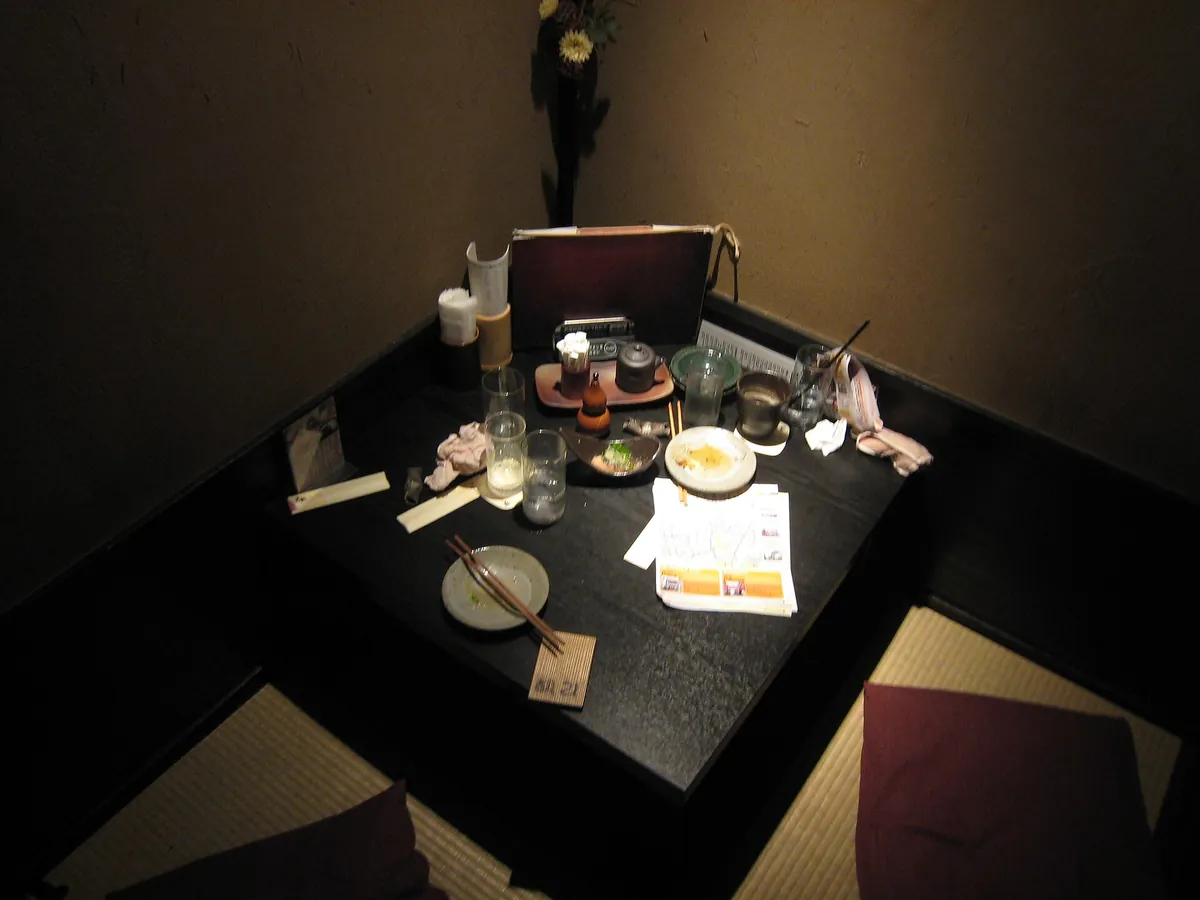
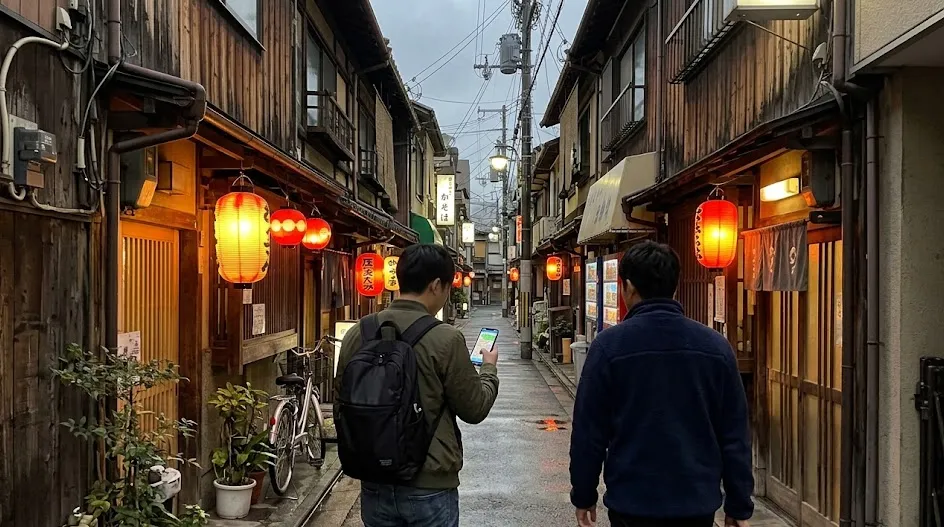
Cover Photo: duncan_su from Taipei, Taiwan, CC BY 2.0, via Wikimedia Commons