- For 10–14 day trips, packages rarely beat independent planning.
- You lose flexibility and pay a premium for “convenience” fees.
- DIY booking gives you better hotels and saves on transport.
- Best for
- Independent travelers and families
- Avg. Savings
- 15% – 25% on total trip cost
- Planning time
- 4–8 hours for a complete itinerary
We may earn a commission if you book through the links in this article, at no extra cost to you. Prices are ranges as of 2026 — check the official sites before you book.
Is the stress of booking your own Japan trip actually worth the effort? For most couples or families planning a 10–14 day trip, the answer is a hard no. You end up trading your freedom for a bundle that puts you in peripheral hotels far from the food culture you came to experience.
If you are only doing Tokyo, close this and read the Tokyo-only plan. For everyone else, building your own trip is often more budget-friendly and more rewarding than relying on pre-packaged bundles that prioritize the tour operator’s margins over your comfort.
What you are really buying in a Japan package
When you purchase a travel package, you are essentially paying for a bulk-purchasing service that has already locked in specific inventory.
These agencies negotiate block contracts with large hotels on the outskirts of major transit hubs. They do this to ensure they have capacity for large groups, not to ensure you have a great view of the city.
The hidden middleman fee
You pay a markup for the service of having your hotels and rail vouchers bundled into a single transaction.
This fee covers the agency’s marketing, support staff, and administrative overhead. In my experience, this adds roughly 15–25% to your base accommodation costs without adding any tangible value to your actual stay.
The reality of group inventory
Most agencies secure rooms in bulk at properties that can handle high volume. These are rarely the boutique guesthouses or well-located business hotels that make Japan travel special.
You get a clean room, but you often find yourself a long train or taxi ride away from the central neighborhoods where the best local breakfast spots operate.
Packages rarely cover the “last mile” costs of getting from those distant hotels to your daily activities. You end up spending more time navigating local lines than if you had booked a hotel steps away from a major station like Shinjuku or Kyoto Station.
Breaking down the costs: 3 scenarios for your budget
To see if you are overpaying, we have to look at the math for a typical 12-day trip across the golden route. Use this table as a rough guide for your planning; prices fluctuate based on season and booking speed.
← Swipe to see the full table →
| Traveler Type | Package Cost (Est.) | DIY Cost (Est.) |
|---|---|---|
| Solo/Couple | ¥450k – 600k | ¥300k – 400k |
| Family of 4 | ¥900k – 1.2M | ¥600k – 800k |
| Mid-range/14 days | ¥700k – 900k | ¥500k – 650k |
Plan your trip: the tools we use
Accounting for the convenience gap
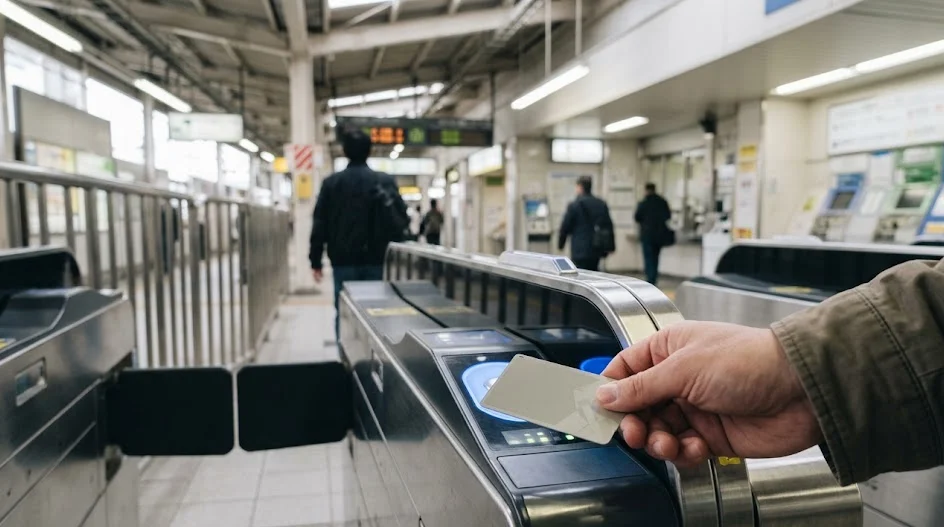
The “convenience” of a package is often an illusion. You still have to manage your own baggage, find your own platform, and navigate the ticket gates. Since you are not guided, you do not actually save any mental energy by using a package.
The hidden daily transport tax
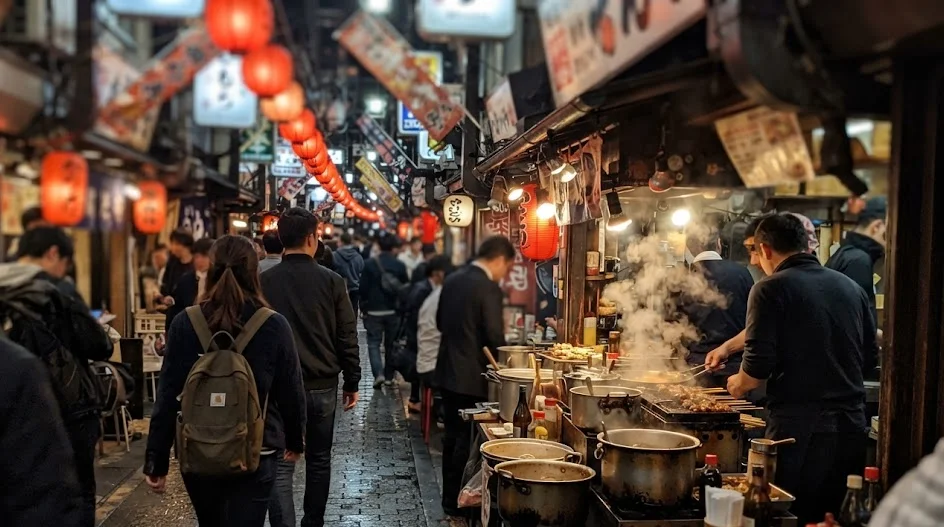
When you choose a cheap package, you might save ¥20,000 on the hotel, but spend ¥40,000 on extra taxis and regional rail tickets. Always check the distance to the nearest station before committing. I once booked a room that looked like a bargain, only to realize it was a 20-minute bus ride from the main train line.
When a package actually saves you time
Packages are not universally bad. They provide a form of “one-stop” security that helps some travelers feel less anxious about the unknowns of a foreign country. If you have absolutely zero interest in browsing Booking.com or comparing routes, the convenience fee might be a price you are happy to pay.
The elderly traveler exception
For older travelers who struggle with digital maps or complex apps, having a single itinerary sheet and a pre-paid package can reduce pre-trip anxiety. If you value avoiding the “what if” stress over saving a few thousand yen, it serves a purpose.
Complex multi-city logistical support
If you are planning to visit five or six cities in under 10 days, the coordination of luggage forwarding and train connections becomes dense.
A high-end boutique agency that specializes in custom routes—not mass-market bundles—can provide value here. This is a very different product from the cheap, generic packages you see in banner ads.
Why independent planning beats bundles
When you book a package, you lose the ability to change your plans when the weather turns or you fall in love with a specific city. If a train line is delayed or a hotel fails to meet your standards, you are stuck in the agency’s system. You have less leverage to demand a refund or switch your booking.
The flexibility of modern tools
Platforms like Klook or GetYourGuide allow you to book activities, airport transfers, and local transport passes in seconds. You can book your accommodation on Agoda or Rakuten Travel, which gives you direct access to the hotel’s cancellation policy. This control is the true “stress-free” way to travel.
The leverage of direct communication
I once had a reservation issue in Osaka. Because I booked directly, I could email the hotel manager and resolve it in ten minutes. When you book through a third-party package, you often have to go through an agency support line. That delay can ruin an entire day of your vacation.
What most first-timers do
- Buy an all-in-one package from a big agency.
- Accept the hotel the agency assigns.
- Waste hours waiting for group transport.
Planning your visit?
The hidden trade-offs of group hotel allocations
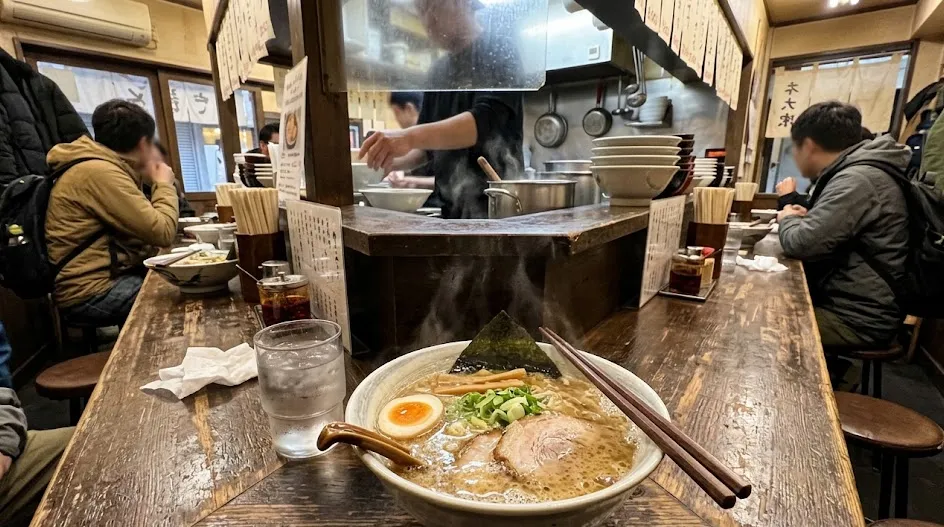
The most significant downside to a package is the location of your hotels. Agencies target properties that can house 50+ tourists at once. These are rarely in the heart of the historic districts or near the best ramen stalls in Osaka. You end up spending your mornings in a transit corridor instead of a local market.
The morning commute issue
If your hotel is 15 minutes further away than it needs to be, you lose 30 minutes a day just on commuting. Over 12 days, that is six hours of your trip wasted on a subway train. I prefer paying a little more for a business hotel within five minutes of a major station.
Amenities that don’t match your style
Group-oriented hotels often prioritize “buffet breakfast” over local character. You might find yourself eating mass-produced scrambled eggs when the local cafe around the corner has incredible coffee and toasted bread. By booking yourself, you choose a hotel that fits your morning routine.
Three alternatives to booking a traditional package
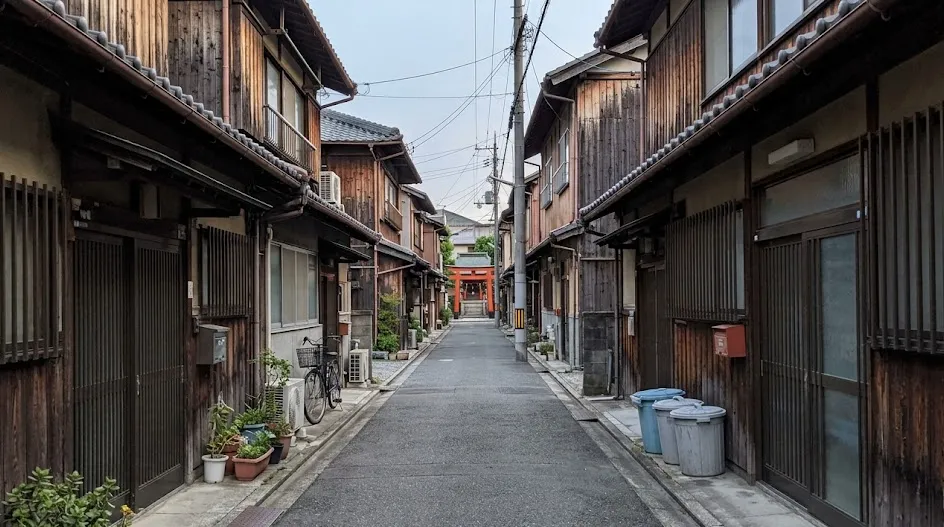
You can capture the ease of a package without the baggage of an agency. These three approaches keep your costs low and your freedom high.
1. The base-plus-activity approach
Book your flights and accommodation independently. Then, use GetYourGuide or Klook to book a few half-day tours for the complicated bits, like a visit to a remote temple or a complex regional train route. You get the guidance you need without the hotel markup.
2. The digital nomad method
Many travelers today use a simple spreadsheet to track their bookings. You buy an eSIM from Airalo, grab your train passes on the official Japan Rail Pass site or through Klook, and book your hotels on Agoda. It takes two evenings of planning, but it gives you complete control over your budget.
3. The local concierge service
If you have the budget, hire a professional to build a custom itinerary. They will not “bundle” you; they will give you the links to book yourself. This is different from a package because the service is transparent and the bookings are entirely in your name.
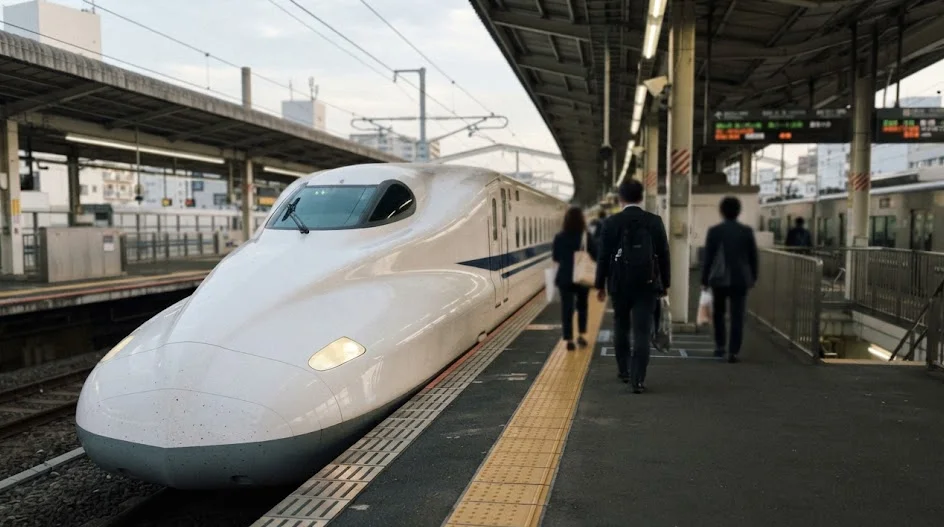
How to book your own trip in five steps
Step 1: Book your hotels first
Use Booking.com to pin down your base. Prioritize proximity to a major JR station in Tokyo, Kyoto, and Osaka.
Step 2: Setup your connectivity
Purchase an eSIM from Ubigi or Airalo before you land. Never rely on hotel Wi-Fi alone.
Step 3: Map out the long legs
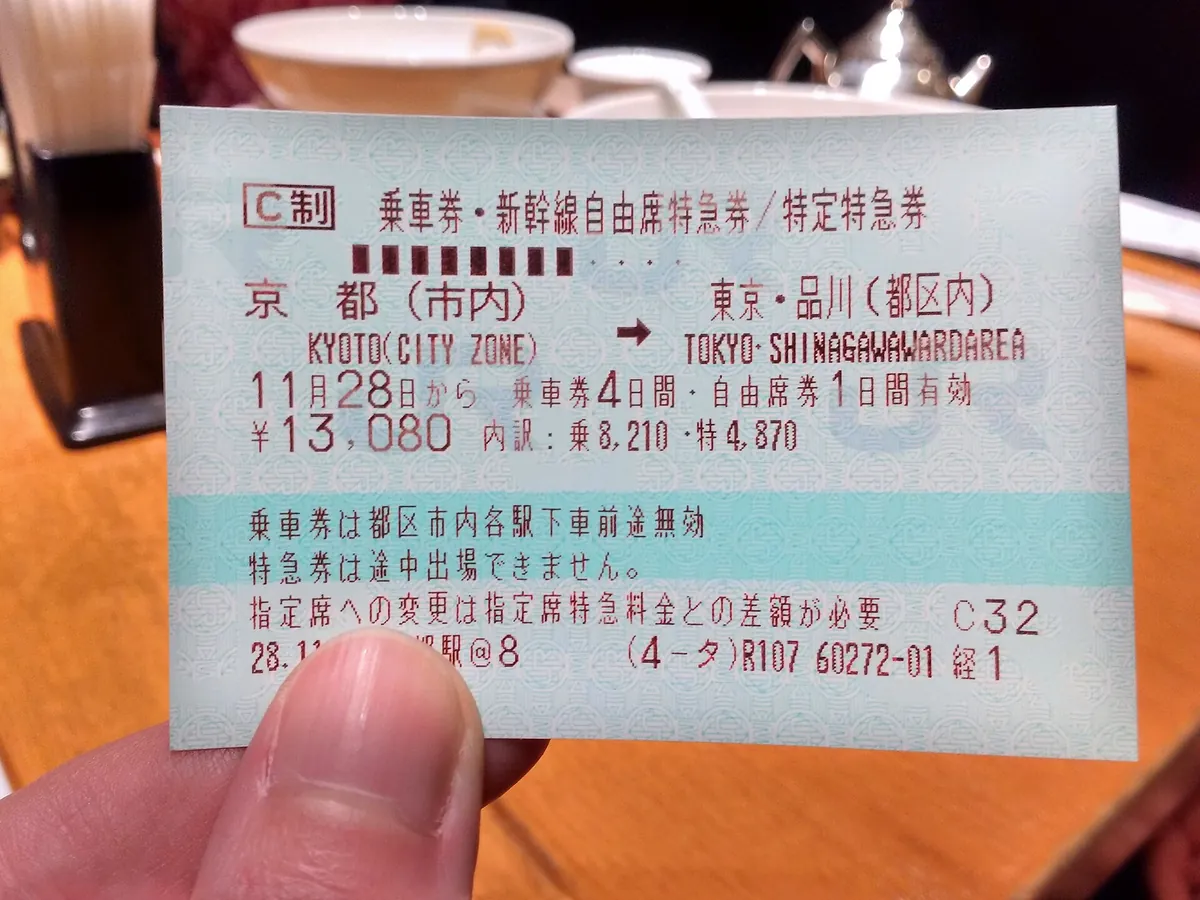
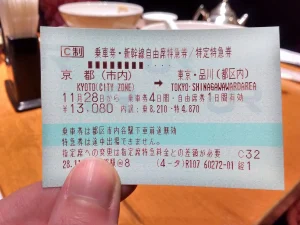
Check the cost of individual Shinkansen tickets versus a regional pass. Whether the pass pays off depends on your route — add up the individual fares first.
Step 4: Forward your bags
Use Yamato luggage forwarding. It is cheaper than a taxi and keeps your hands free on the trains.
One mistake I made early on was trying to book every single local ticket months in advance. You don’t need to do that. Most local train tickets can be bought at the station machine in seconds. Only book the Shinkansen if you are traveling during a major holiday.
 Reader
 Yuki
So, are travel packages worth it for your trip?
If you value your time and want to ensure you are staying in the heart of Japan’s food and culture, travel packages are almost never worth it. The extra money you spend on the package markup is better invested in a slightly better hotel room closer to the action.
You have the tools to plan a better, more budget-conscious, and more personal trip yourself. Do not let the promise of convenience trick you into a sub-par experience. You are capable of navigating the stations and choosing your own path.
The logistics of mid-trip disruptions and refunds
One of the biggest risks you take when purchasing a packaged tour is the rigid nature of their cancellation and modification policies.
When you book directly with hotels via Booking.com or Agoda, you often find flexible rates that allow for free cancellations up to 24 or 48 hours before your arrival.
This gives you the freedom to pivot if a typhoon hits or if you simply decide you would rather stay in Kyoto for an extra two days instead of moving to Osaka.
Package providers operate under different rules. Because they buy rooms in large blocks, they pass their own restrictive supplier contracts onto you.
If you need to change your dates or cancel your trip, you are often looking at a tiered penalty system that can swallow your entire deposit. You are essentially paying for a service that removes your right to be human and change your mind once the booking is finalized.
Beyond the paperwork, there is the issue of on-the-ground support. Agencies often provide a “support number” that routes to a call center in a completely different time zone.
If your flight is canceled and you miss your first night at the hotel, that agency will rarely be awake or available to help you rebook your room or contact the hotel on your behalf. You are left holding the phone at 2:00 AM, waiting for a representative who may just tell you to contact the hotel directly anyway.
If you book your own accommodation, you are the primary guest. You have the direct line to the front desk.
In my experience, if you show up a day late due to a flight delay, a hotel is much more likely to be accommodating to a guest who booked directly than they are to a faceless group agency. Being a direct customer gives you real leverage that a voucher-holding package tourist simply does not have.
When you really need flexibility
- Avoid pre-paying for non-refundable activities unless they are high-demand events like Ghibli Park tickets.
- Look for “Pay Later” options on Agoda for your hotel base.
- Use the official airline sites for flights to handle your own change requests without a middleman fee.
Why regional transit passes outperform national bundles
Many travel packages advertise that they include a “complete transport bundle” to cover your travel across the country. In practice, these packages almost exclusively lean on the JR Pass.
While the national pass was once the golden ticket of Japanese travel, recent price hikes in 2023 and 2026 have made it a poor value for most travelers. You end up overpaying for a national pass that you cannot possibly earn back unless you are living on the Shinkansen for your entire vacation.
Independent travelers are increasingly turning to regional passes which provide far better utility at a fraction of the cost. For example, if you are focusing your trip on the Kansai region, the JR Kansai Wide Area Pass is a bargain.
It covers transit from Osaka to Kyoto, Nara, Kobe, and even as far as Okayama or the Kii Peninsula. You can purchase these through Klook or the JR West official site for a fraction of what an agency will charge you for a national pass bundle.
The math is simple: add up the cost of your individual long-distance legs. If your total is under the price of the national JR Pass—which is often the case for standard 10-day trips—you are likely overspending.
An independent traveler can buy exactly the regional pass they need or simply use a smart card like Suica or Icoca, which can be loaded on your iPhone wallet via Amazon or your local Apple store. You avoid the “bundle tax” and only pay for the travel you actually consume.
Packages also tend to ignore the convenience of local private railways. Companies like Hankyu or Kintetsu often offer faster, cheaper routes between Osaka and Kyoto than the JR lines.
An agency won’t tell you this because they have a contract to push the JR-based bundle. By booking yourself, you gain access to the entire rail network, not just the one that the agency has a contract with. You save money, but more importantly, you save the time you would have spent forced onto suboptimal routes.
Comparative transport costs (check official sites for live pricing)
- JR National Pass (7 days): ¥80,000 – ¥90,000 range.
- Regional Kansai Area Pass: ¥5,000 – ¥15,000 range.
- Individual Shinkansen ticket (Tokyo to Osaka): ¥14,000 – ¥15,000 range.
FAQ
QIs it really cheaper to book everything separately?
Yes, for almost all trips longer than a week, booking your hotels and transport independently will save you at least 15-25% by cutting out agency markups.
QWhat is the biggest risk of independent booking?
The main risk is that you must handle your own schedule and transport logistics, which requires a bit more research and confidence navigating stations.
QAre travel packages ever worth it?
They can be useful for elderly travelers or those with extremely limited mobility who struggle with digital navigation tools or complex planning.
QShould I buy a rail pass?
Only buy a rail pass if the cost of your planned long-distance trips exceeds the pass price; for most short-trip itineraries, individual tickets are cheaper.
QHow do I handle hotels if I speak no Japanese?
Most major booking platforms and hotels in tourist areas have English-speaking support and staff, so you will rarely face a language barrier.
Planning this feels overwhelming because the internet makes it look like a puzzle with only one correct solution.
Stop re-reading endless blogs and just lock in the hotels that look good; you can adjust the rest of your daily plans once you land.
Keep planning
- ① Install and test your eSIM before take-offAiralo and Ubigi eSIMs activate on arrival, but the install itself needs Wi-Fi. Do it at home and confirm the profile shows up in your phone settings.
- ② Save your first hotel’s address in JapaneseTaxi drivers and station staff read Japanese addresses far faster than romanised ones. Copy it from the booking confirmation into your notes app.
- ③ Set aside cash for day oneMany small restaurants, temples and rural buses are still cash-only. Airport ATMs at 7-Eleven and the post office accept most foreign cards.
Skip these and your first hour in Japan goes on finding Wi-Fi at the station instead of getting to your hotel.
🔍 How to sanity-check any price you read online
Blogs (including this one) go out of date. The official page always wins over a screenshot from two years ago.