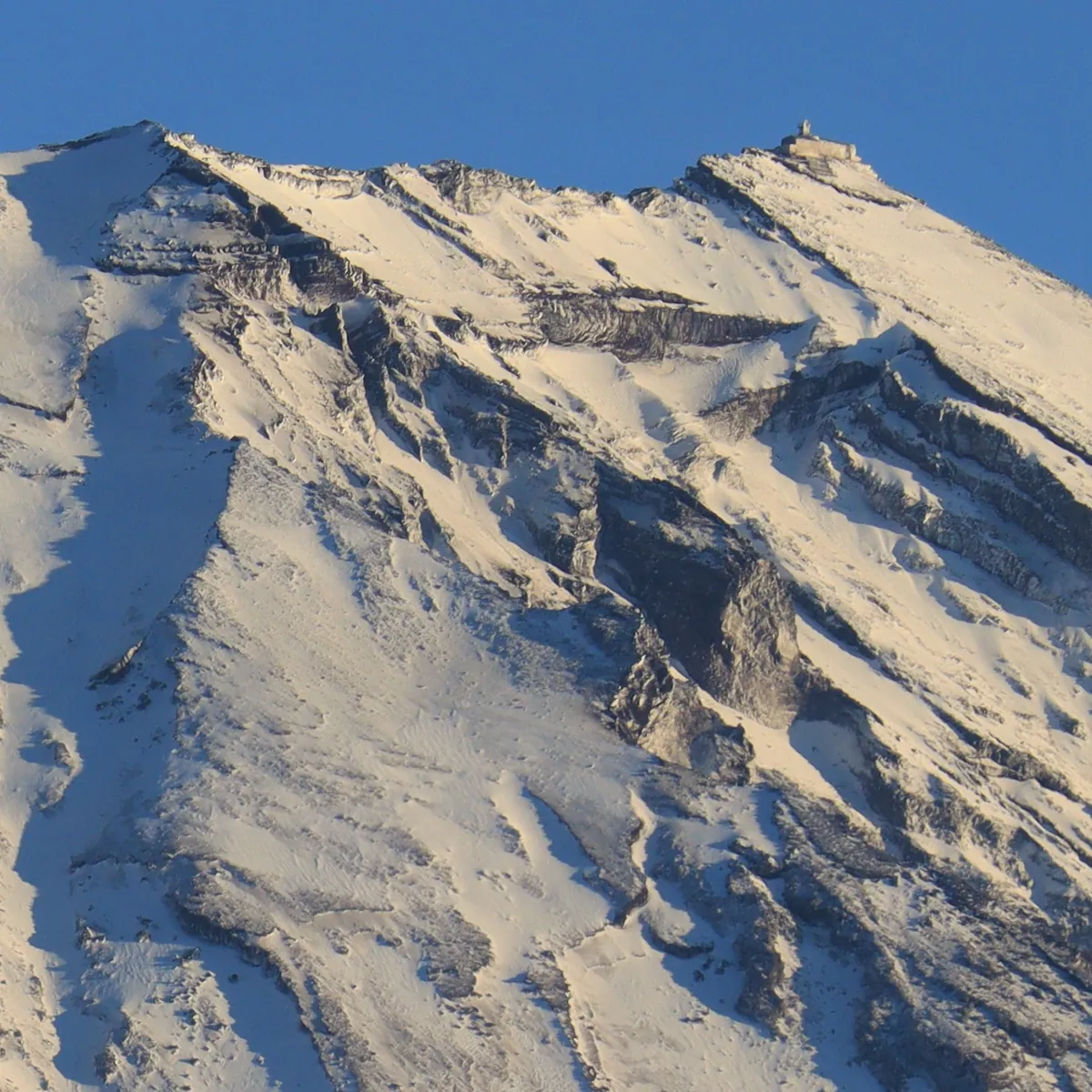

Platform 4 at Shinjuku Station, clutching a printed itinerary: stop refreshing the cloud forecast.
You cannot control the weather over Japan’s tallest peak. You can only control where you sit while waiting for the fog to clear.
If you only have one or two nights outside Tokyo, you want the best possible chance to see Mt. Fuji without a miserable transit experience. The choice always comes down to two places.
Kawaguchiko delivers the massive, dominating mountain photos you see online. Hakone offers a complete hot spring resort experience where the volcano is a beautiful bonus.
Choose Kawaguchiko if that single iconic photo is your only priority. Book Hakone if you want a reliable trip even when the rain starts pouring.
- Best overall for first-timers: Hakone, thanks to the easy transit loop.
- Best for the iconic photo: Kawaguchiko, for the Chureito Pagoda.
- Best backup plan: Hakone, for the art museums and ryokan dinners.
Some links are affiliate links (marked “Partner link”). Prices are ranges checked in 2026; confirm on the official site before you book.
- Time needed
- 1 to 2 nights
- Typical cost
- ¥25,000–50,000 per person
- Base
- Tokyo (Shinjuku)
- Booking
- Trains and hotels 30 days out
Top picks
Where we would book this
Booking.com
Largest inventory in Japan for English-speaking travellers
- Best for
- Hotels, business hotels, ryokan and apartments in every city
- Checked
- September 2026
Official site. Same price for you.
Where we would book this
Klook
One account for passes, tickets and transfers
- Best for
- JR Pass and regional rail passes, theme-park tickets, airport…
- Checked
- September 2026
Official site. Same price for you.
The Cloudy Day Test for Mountain Towns
Mt. Fuji is notoriously shy. It hides behind thick clouds roughly 60 percent of the year. Summer visibility is especially poor.
You have to plan for failure. We call this the Cloudy Day Test: if the mountain never shows up, will you still enjoy the town?
This is where the two destinations split. Kawaguchiko is a town built for looking at Mt. Fuji. If the mountain is hidden, there is surprisingly little else to do.
That is the harsh reality.
Hakone is a proper onsen town. You can explore open-air museums, ride pirate ships, and see volcanic valleys. The mountain views are just a bonus.
- I need the mountain to look massive in my photos.
- I want to ride a cable car over volcanic vents.
- I am willing to deal with crowded local buses.
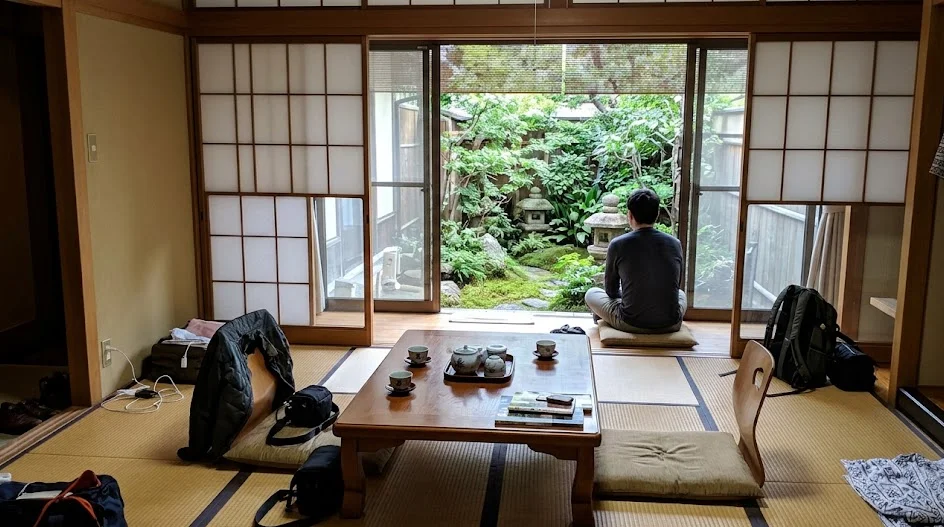
- I want a traditional ryokan dinner and hot spring.
- I plan to visit an amusement park like Fuji-Q Highland.
If you ticked the first and last boxes, head to the lakes. If you prefer cable cars and ryokan meals, go with Hakone.
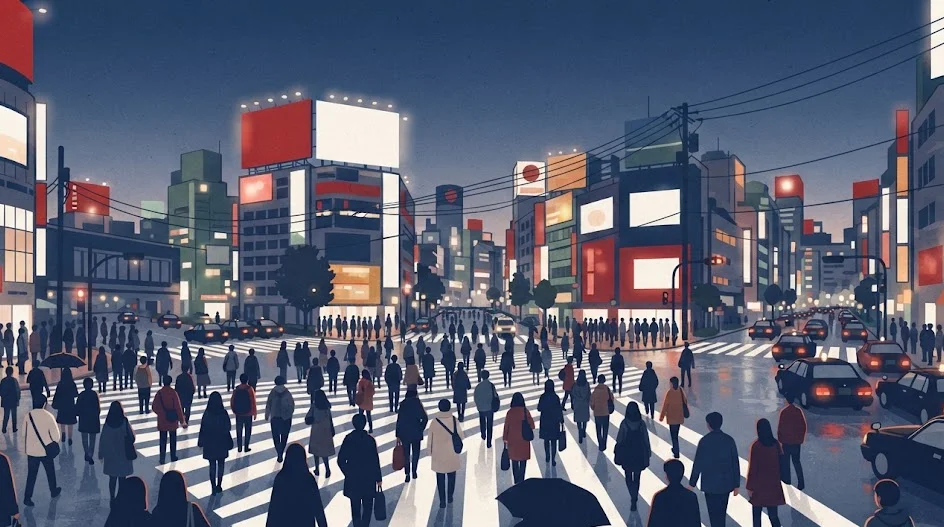
The View vs The Resort Experience
Your expectations will dictate your itinerary. Let us look at what each area actually excels at.
Kawaguchiko for the giant mountain
This is the Fuji Five Lakes region. It sits right at the northern base of the volcano. When the sky is clear, the view is absolute perfection.
This is where you find the Chureito Pagoda. It is that famous red pagoda with the mountain framed perfectly behind it.
You will also find Oishi Park and the classic lake reflections here. It feels like the mountain is sitting in your backyard.
The downside is the infrastructure. Local transit relies on the Retro Bus, which gets hopelessly stuck in traffic during autumn. Yes, it really can take an hour to move two miles.
A night here usually costs ¥20,000–40,000. Look for hotels on Booking.com along the northern shore of the lake for the best morning views.
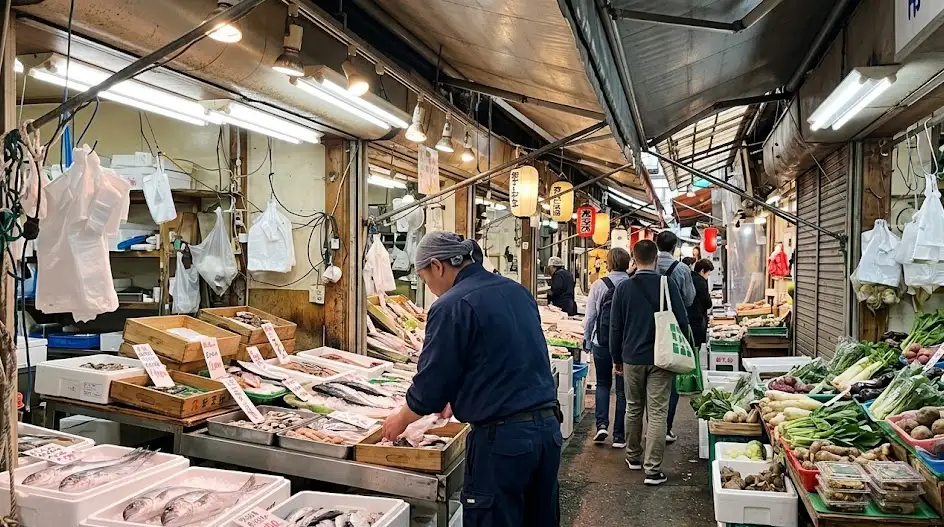
Hakone for hot springs and rainy days
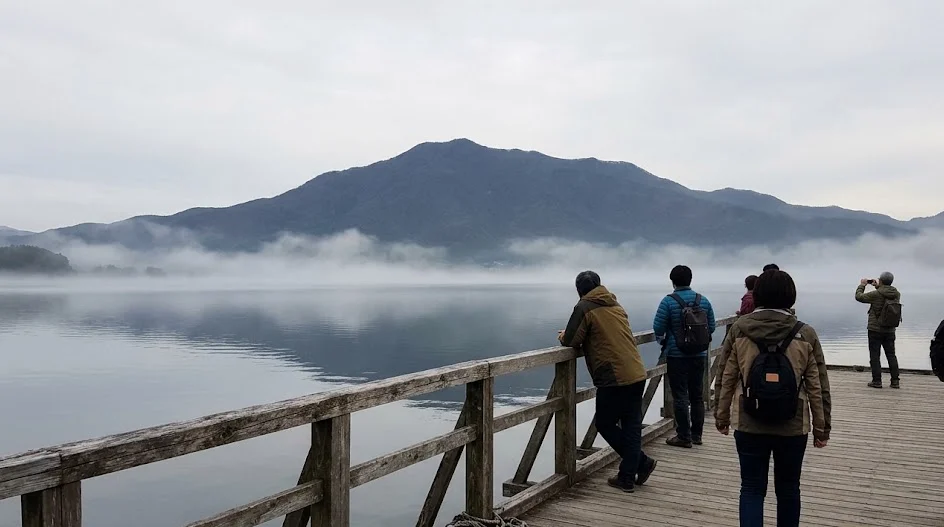
Hakone sits further south. The Fuji views here are beautiful but distant. You usually see the peak framed by Lake Ashi.
The mountain does not dominate the sky here. But the town itself is vastly more entertaining.
You can spend hours at the Hakone Open-Air Museum. You can eat black eggs boiled in the sulfur vents of Owakudani.
It is the classic Japanese hot spring getaway. Ryokan quality here is exceptional.
Expect to pay ¥30,000–60,000 for a good ryokan with meals. Agoda often has solid inventory for the Gora neighbourhood.
Comparing the Transit Reality
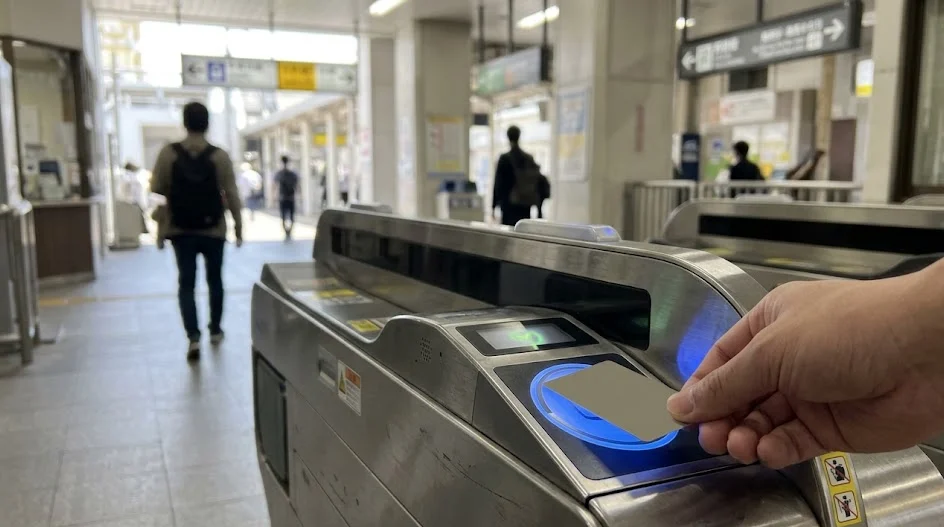
Getting to the mountain is half the battle. Shinjuku Station is the primary launchpad for both destinations.
The Romancecar to Hakone
Getting to Hakone is a joy. You book the Odakyu Romancecar from Shinjuku to Hakone-Yumoto. It takes about 85 minutes.
Once there, you buy the Hakone Free Pass (available on Klook). This covers the entire local transport loop. Yes, the pass sounds like a lot upfront. But it pays off quickly.
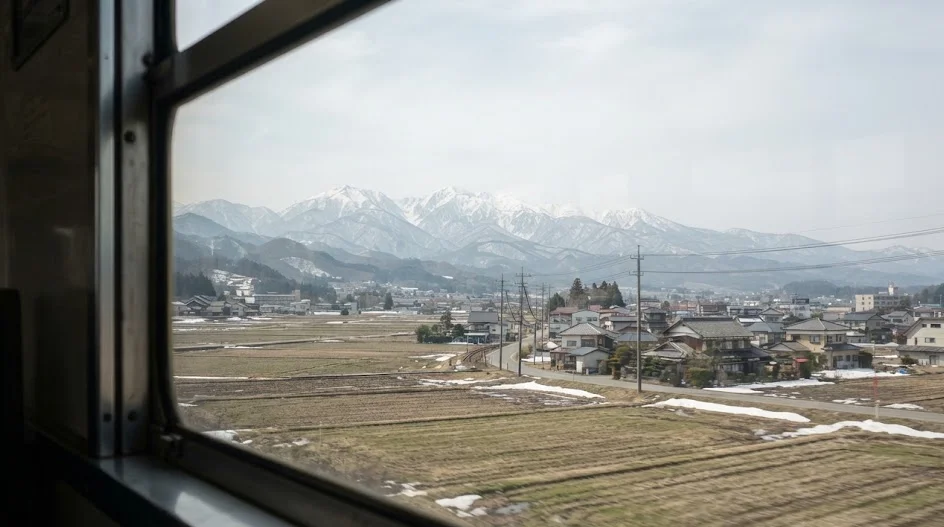
You switch between mountain trains, cable cars, ropeways, and a literal pirate ship. It feels like a transit theme park.
- Shinjuku Station
- Odakyu Romancecar · 85 min · reserved seat
- Hakone-Yumoto Station
- Hakone Tozan Railway · 40 min
- Gora Station (Ryokan area)
The Fuji Excursion to Kawaguchiko
The easiest rail route to the lakes is the Fuji Excursion train. It runs directly from Shinjuku to Kawaguchiko in about two hours.
Tickets sell out fast. You need to book exactly 30 days in advance on the official JR East website.
Once you arrive, things get messy. You rely heavily on local buses to reach the photo spots.
That is the bottleneck.
What most first-timers do
- Show up at Shinjuku without a train ticket.
- Assume the Kawaguchiko buses run on strict schedules.
- Try to visit five different viewpoints in one afternoon.
What actually works
- Book the Fuji Excursion 30 days out.
- Rent a bicycle to avoid the lake traffic.
- Pick one viewpoint for sunrise and stick to it.
The Fuji Town Face-Off
Here is how the two regions compare on paper.
← Swipe to see the full table →
| Feature | Hakone | Kawaguchiko |
|---|---|---|
| The Fuji View | Distant, across Lake Ashi | Massive, dominating the sky |
| Transit ease | Excellent (Hakone Loop) | Frustrating (crowded buses) |
| Rainy day appeal | High (Museums, Onsen) | Low (Mostly outdoor spots) |
| Estimated cost | ¥30,000+ (Ryokan focus) | ¥20,000+ (Hotel focus) |
Plan your trip: the tools we use
← Swipe to see the full table →
| Expense | Hakone Range | Kawaguchiko Range |
|---|---|---|
| Nightly Stay | ¥30,000–60,000 | ¥20,000–40,000 |
Our pick: Hakone, unless you absolutely need the Chureito Pagoda photo.
Partner link.
What if You Skip the Overnight Stay?
Sometimes you cannot spare two days. Booking a night just for a mountain view is a risk.
If you are travelling from Tokyo to Kyoto, you can just look out the window. Book a Mount Fuji side seat on the Tokaido Shinkansen (Seat E in standard class).
It takes about 45 minutes after leaving Tokyo for the mountain to appear on your right.
Alternatively, book a guided day trip from Tokyo on GetYourGuide. You sit on a bus, they handle the driving, and you get your photos.
Day trips run roughly ¥10,000–15,000. It is cheap. Well — cheaper than booking a full ryokan stay.
Nailing Down Your Fuji Getaway
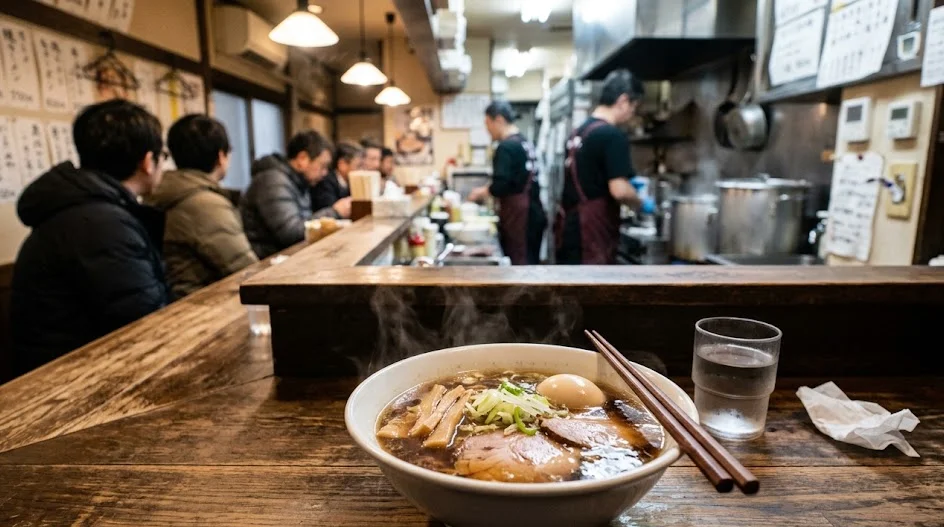
If you decide to stay overnight, the logistics require attention. Do not leave this until the week of your trip.
Step 1: Book the accommodation first
Ryokan in Hakone and lake-view hotels in Kawaguchiko sell out months in advance. Secure the room before the transport.
Step 2: Set a calendar alarm for transit
The Fuji Excursion and the Romancecar open for booking one month ahead. Book your outbound morning train immediately.
Step 3: Pack a small overnight bag
Do not drag a massive suitcase onto the mountain trains. Forward your large luggage from Tokyo directly to Kyoto using Yamato Transport.
We made a huge mistake on our first autumn trip. We booked a beautiful outdoor onsen in Kawaguchiko, expecting a crisp mountain view.
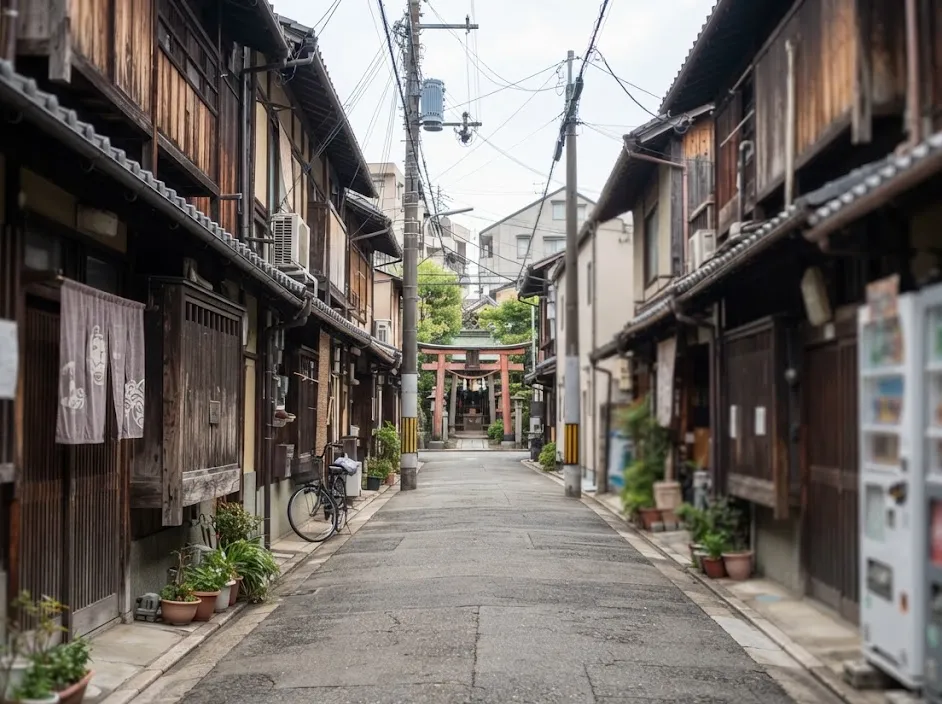
It poured rain for 48 hours. We sat in lukewarm water looking at a grey wall of fog. There was no backup plan.
If you go to Kawaguchiko, book a hotel near the station so you can easily pivot to an indoor activity or head back to Tokyo.
The Research Behind the Recommendations
To write this guide, we compared transit schedules, bus reliability, and accommodation costs across both regions.
We checked train fares and pass prices in 2026. We reviewed the coverage limits of the Hakone Free Pass versus the Mt. Fuji Pass.
We cannot predict the weather for your specific dates. We can only evaluate what these towns offer when the sky refuses to cooperate.
Where to Eat When the Sun Goes Down
Mountain towns operate on a completely different schedule than Tokyo or Osaka. The streets empty out by evening, and finding dinner requires serious advance planning.
Many travelers assume they can just wander out of their hotel at eight o’clock and find a lively restaurant street. That mistake leads directly to eating convenience store sandwiches in your hotel bed.
The dining reality completely shifts depending on which side of the mountain you choose. Your evening plans must reflect the local infrastructure.
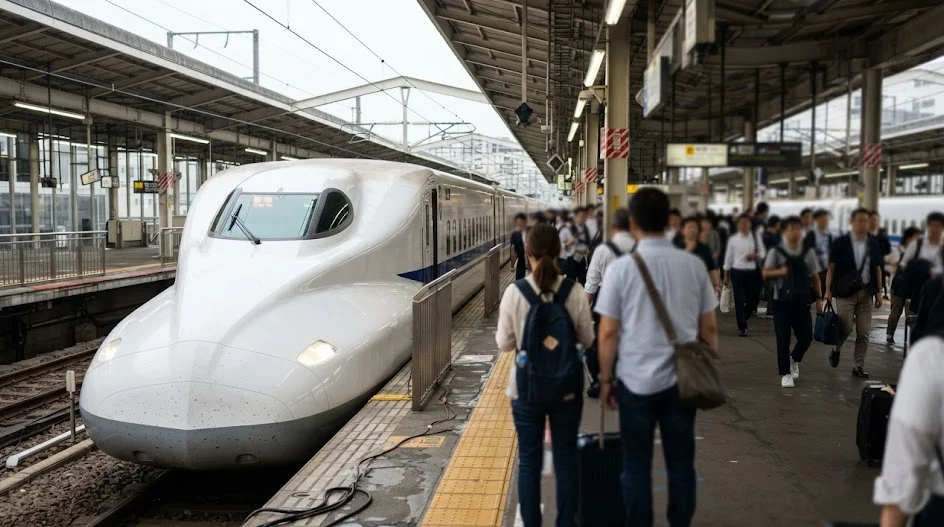
This is the most overlooked difference between the two destinations.
Hakone dining means staying indoors
Hakone is geographically spread out across steep hills and valleys. Because of the terrain, there is no central downtown area to stroll through at night. Most local restaurants shut their doors by late afternoon when the day-trippers leave.
The entire town is built around the ryokan half-board system. You are expected to eat a multi-course kaiseki dinner inside your accommodation. You will likely walk straight from the hot spring to the dining room wearing your cotton yukata robe.
Upgrading to a half-board plan usually adds ¥10,000–25,000 per person to your room rate, but always check the official site for current package prices. If you book a room without meals on Agoda, you must secure dinner reservations weeks before you arrive.
Many travelers try to rely on local convenience stores to fill the gap. While there are a few stores in the main valley, they are spaced far apart and sell out of bento boxes early in the evening.
Kawaguchiko dining requires patience
Kawaguchiko has a proper town center with independent restaurants, which gives you more flexibility. You can book a cheaper room without meals and eat at a local noodle shop.
The local specialty is hoto, a thick, miso-based flat noodle soup. It is heavy, warming, and perfect for cold mountain evenings. However, the most famous restaurants draw massive crowds right as the sun sets over the lake.
- Expect to wait at least an hour at popular hoto restaurants during peak autumn season.
- Many izakaya around the station require phone reservations, which is difficult without a local number.
- Buses stop running early, meaning you might have to walk a mile back to your hotel in the dark.
If you want the freedom to choose your dinner on a whim, Kawaguchiko offers more options than Hakone. Just prepare for long lines and early closing times.
Some newer guesthouses offer communal kitchens for travelers looking to save money. You can buy fresh regional produce at the station market and cook your own meals while chatting with other visitors.
Most lakeside cafes shut down right after sunset. Stock up on drinks and snacks at a supermarket near the station before heading to your accommodation for the evening.
What to Do When the Trains and Hotels Sell Out
Japan travel is experiencing unprecedented demand, and the Fuji regions are the prime targets. If you look for accommodation just three weeks before your trip, you will likely find nothing but expensive luxury suites.
The transport situation is equally brutal during the peak spring and autumn seasons. The direct limited express trains from Shinjuku routinely sell out within hours of the reservation window opening.
You need a solid backup strategy for both locations. Booking alternative transport is usually easier than finding a last-minute hotel room.
Do not cancel your mountain trip just because the primary transport is booked.
Alternative routes to Hakone
If the Odakyu Romancecar is sold out, you can easily bypass the Shinjuku crowds. You just take a different rail network to reach the mountain base.
The easiest workaround is taking the Tokaido Shinkansen from Tokyo Station to Odawara Station. It takes about thirty minutes, and unreserved seats are almost always available.
- From Odawara, you can buy the Hakone Free Pass on your phone via Klook.
- You then board the local mountain railway directly into the resort area.
- Whether a nationwide rail pass pays off depends on your other travel, but it does cover this specific bullet train leg to Odawara.
If ryokans are completely booked, consider staying near Odawara Station on Booking.com. Rooms run roughly ¥8,000–15,000 a night, check the official site for exact rates, and you can simply ride the train up the mountain in the morning.
Bypassing the Kawaguchiko bottlenecks
Failing to get a Fuji Excursion train ticket is not a disaster. The highway bus network actually offers more frequent departures than the rail system.
Buses leave from the Shinjuku Expressway Bus Terminal and Shibuya Mark City. They take roughly the same amount of time as the direct train, provided the highway is clear.
If weekend traffic looks terrible, you can take a regular JR train to Otsuki Station and transfer to the private Fujikyu Railway line. It takes longer but avoids road congestion entirely.
When lake hotels are full, look south to the town of Fujiyoshida. It lacks the water views but offers excellent transit connections and plenty of budget-friendly guesthouses.
You can also rent a car from Tokyo, but this requires an international driving permit. Navigating the narrow roads around the lakes is stressful, and parking near the prime photo spots is heavily restricted.
Another excellent backup base is Gotemba, which sits directly between the two major regions. You can shop at the massive outlet mall and take local buses to the lakes if the weather clears up.
The Final Verdict for First-Timers
For most international visitors taking the golden route, Hakone is the safer, more enjoyable choice.
The transport loop is fun. The ryokan experience is authentic. If it rains, you still get a wonderful cultural getaway.
However, if you are a photographer, or if you have dreamed of that specific Chureito Pagoda shot, go to Kawaguchiko. Just temper your expectations for the local bus network.
 ReaderYuki
FAQ
QWhich town is cheaper?
Kawaguchiko generally offers more budget-friendly business hotels and hostels. Hakone is dominated by expensive, full-service ryokan. Expect to spend at least ¥30,000 a night in Hakone for half-board.
QIs the JR Pass valid for either?
Whether the pass pays off depends on your route. The JR Pass covers the Fuji Excursion only up to Otsuki; you pay a supplement after that. It does not cover the Odakyu Romancecar to Hakone.
QCan I do both in one trip?
Technically yes, via the Gotemba bus route. Realistically, no. It takes too much time and ruins the relaxed pace you want in a mountain town.
QWhen is the mountain most visible?
Winter mornings offer the crispest, clearest air. December and January have the highest visibility rates. Summer is the worst time for Fuji views due to heat haze and humidity.
QDo I need to book the Hakone Free Pass in advance?
You do not have to, but it saves time. Buying it digitally on Klook means you skip the ticket machines at Shinjuku Station.
Staring at weather charts and train timetables is the fastest way to ruin the excitement of planning.
Pick the town that matches your travel style, book the train tickets exactly a month out, and let the weather do what it will.
Keep planning
- ① Install and test your eSIM before take-offAiralo and Ubigi eSIMs activate on arrival, but the install itself needs Wi-Fi. Do it at home and confirm the profile shows up in your phone settings.
- ② Save your first hotel’s address in JapaneseTaxi drivers and station staff read Japanese addresses far faster than romanised ones. Copy it from the booking confirmation into your notes app.
- ③ Set aside cash for day oneMany small restaurants, temples and rural buses are still cash-only. Airport ATMs at 7-Eleven and the post office accept most foreign cards.
Skip these and your first hour in Japan goes on finding Wi-Fi at the station instead of getting to your hotel.
🔍 How to sanity-check any price you read online
Blogs (including this one) go out of date. The official page always wins over a screenshot from two years ago.
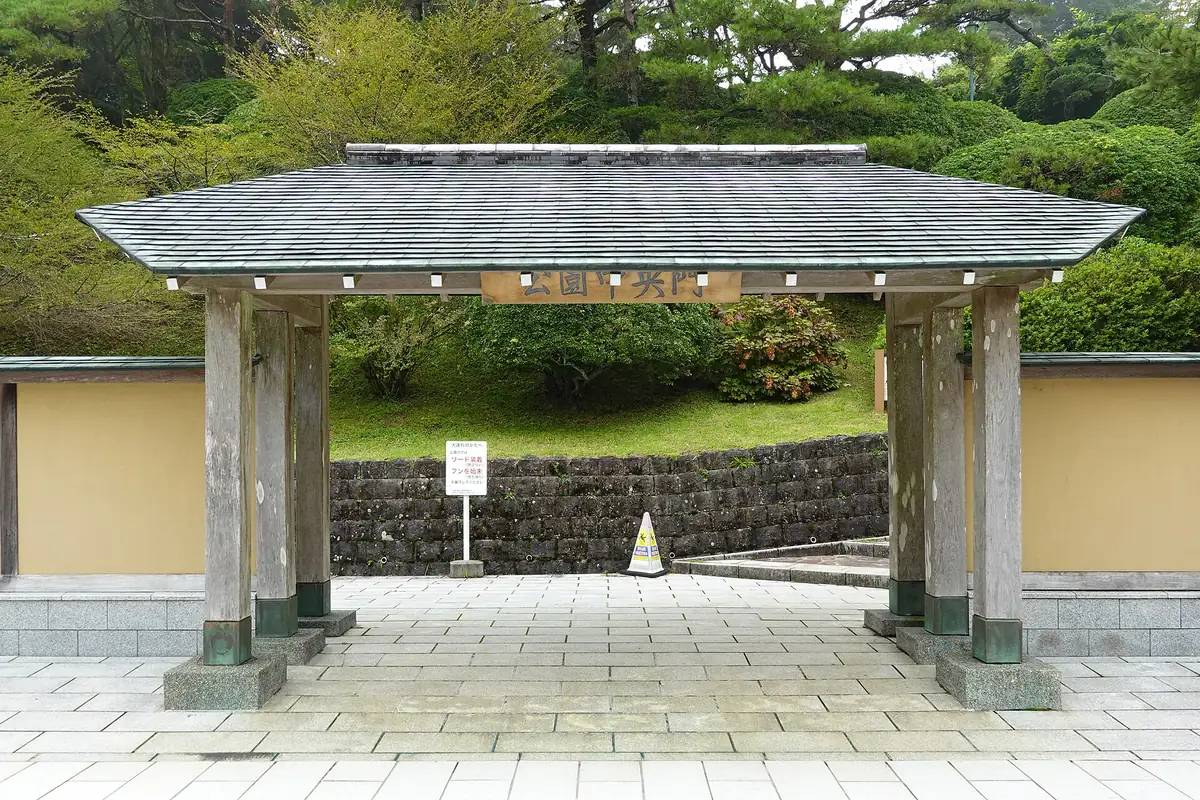
Cover Photo: Alpsdake, CC BY-SA 4.0, via Wikimedia Commons