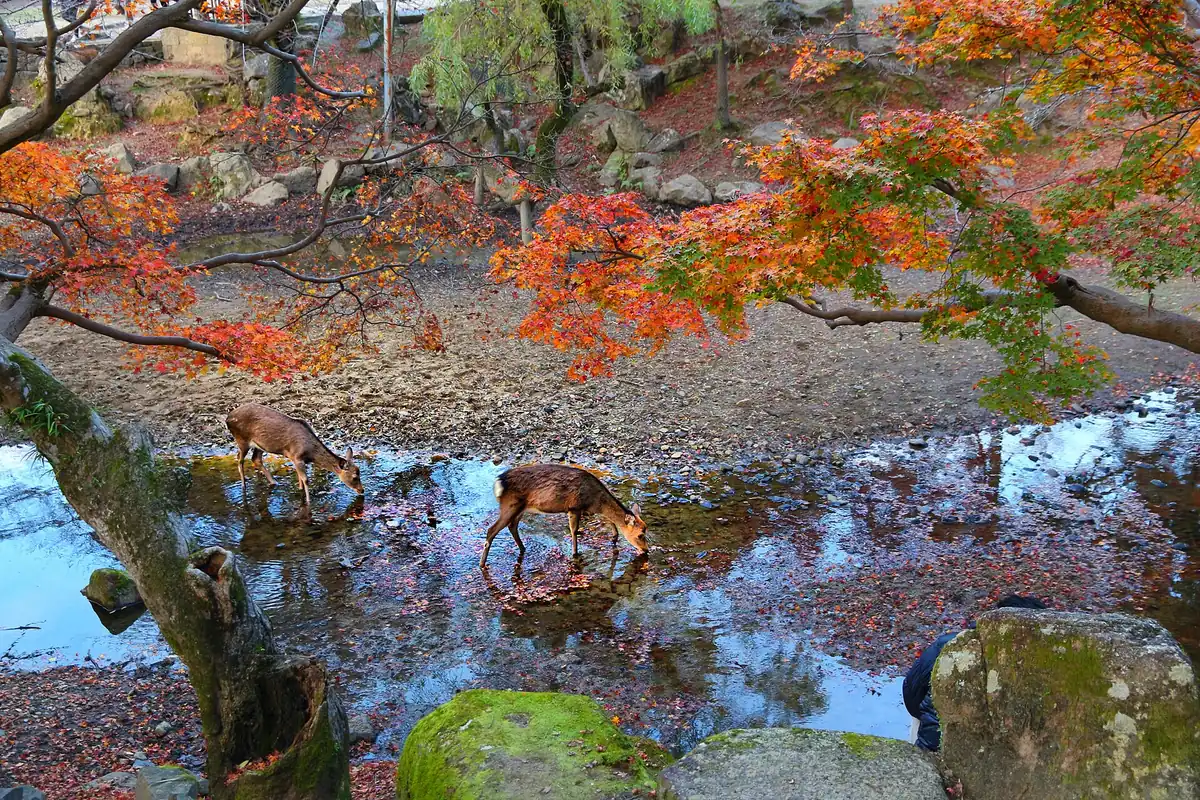

Forty-five minutes and roughly ¥1,250 separate the concrete grid of Kyoto Station from the ancient, deer-filled woods of Nara.
Most visitors dedicate an entire exhausting day to this transit, walking miles between scattered temples until their feet ache. They feed aggressive animals, get overwhelmed by the crowds, and return to their Kyoto hotels completely drained.
You do not need to do this.
The most practical approach is a targeted, half-day morning route paired with strict etiquette for dealing with the local wildlife. If you ride the right train and know exactly how to handle the deer, you can see the massive bronze Buddha, walk the lantern-lined forest paths, and be back in Kyoto for a late lunch.
- Kyoto to Nara: 35 to 45 minutes each way
- Ideal duration: 4 to 5 hours (morning only)
- Arrival station: Kintetsu Nara (skips the uphill walk)
- Core stops: Todai-ji Temple and Kasuga Taisha
- Budget: ¥3,500–5,000 per person
Some links are affiliate links (marked “Partner link”). Prices are ranges checked in 2026; confirm on the official site before you book.
- Time needed
- 4 to 5 hours
- Typical cost
- ¥3,500–5,000 per person
- Base
- Kyoto
- Booking
- Kintetsu tickets only
Why a 5-Hour Morning Route Beats a Full Day in Nara
Nara was Japan’s first permanent capital, and it holds some of the oldest wooden structures on earth. It is also massively spread out.
When you try to fill eight hours here, you inevitably end up hiking miles between secondary shrines. Temple fatigue sets in quickly. By the third wooden pavilion, everything starts to look exactly the same.
The afternoon crowds make it worse.
By 2:00 PM, the central park area is packed with tour groups. The famous deer, having been fed thousands of crackers since dawn, become either aggressively demanding or completely apathetic. The magic of the morning is gone.
Beat the Midday Rush
A half-day strikes the perfect balance.
You arrive by 8:30 AM before the major tour buses pull in. You walk the two most impressive sites while the air is still cool and the animals are active. Then, you escape back to Kyoto just as the massive crowds begin clogging the pathways.
It preserves your energy for exploring Kyoto later that night.
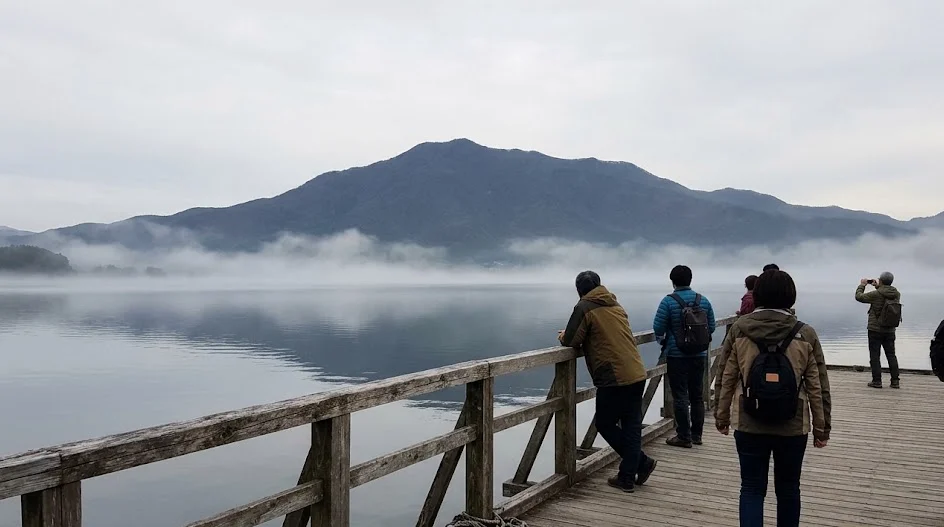
The 4-Stop Nara Morning Circuit at a Glance
This route requires zero backtracking. It forms a clean loop from the station, up into the hills, and back down through a historic merchant district.
You start with the largest wooden building in the world, transition to a quiet forest shrine, and finish with local street food.
The timing below assumes you leave Kyoto by 7:45 AM.
8:30 AM: Kintetsu Nara Station
Arrive, grab a coffee, and meet your first deer right outside the station exit.
9:30 AM: Todai-ji Temple
Walk through the giant gates to see the Great Buddha before the hall gets packed.
11:00 AM: Kasuga Taisha Shrine
Navigate the lantern-lined forest paths. A completely different atmosphere from the temple.
12:30 PM: Naramachi District
Walk downhill into the old merchant streets for a quick lunch before taking the train back.
You can easily stretch this by an hour if you walk slowly. The goal is simply to be on a train heading north before the mid-afternoon slump hits.
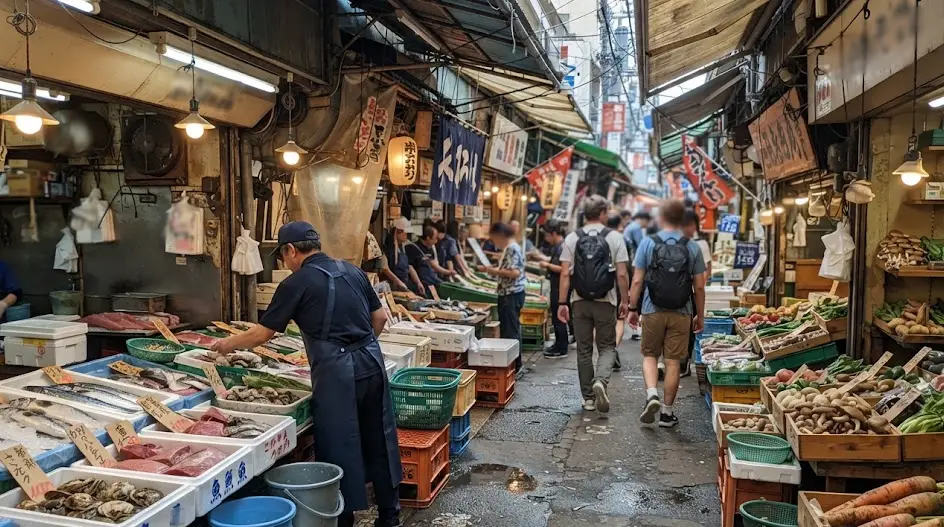
The Transit Trap: Why Kintetsu Nara Station Beats JR
This is the single biggest mistake first-time visitors make.
If you look at a map of Nara, there are two distinct railway stations: JR Nara and Kintetsu Nara. They are not close to each other.
Kintetsu Nara Station is located right at the edge of the deer park. You walk up the stairs from the underground platforms, and the animals are literally waiting on the sidewalk.
JR Nara Station is located much further west, down a long commercial street.
If you take the JR train from Kyoto, you add a 20 to 25-minute uphill walk just to reach the park entrance. That is time and energy wasted before you even see a single temple.
What most first-timers do
- Ride the JR line because they have a pass
- Walk 25 minutes uphill in the heat
- Start the park tour already sweating
What actually works
- Pay ¥800–1,300 for the Kintetsu line
- Exit directly into the deer park
- Save energy for exploring the actual shrines
Many travellers force themselves to use the JR route simply because they hold a nationwide pass. Do not fall into this trap.
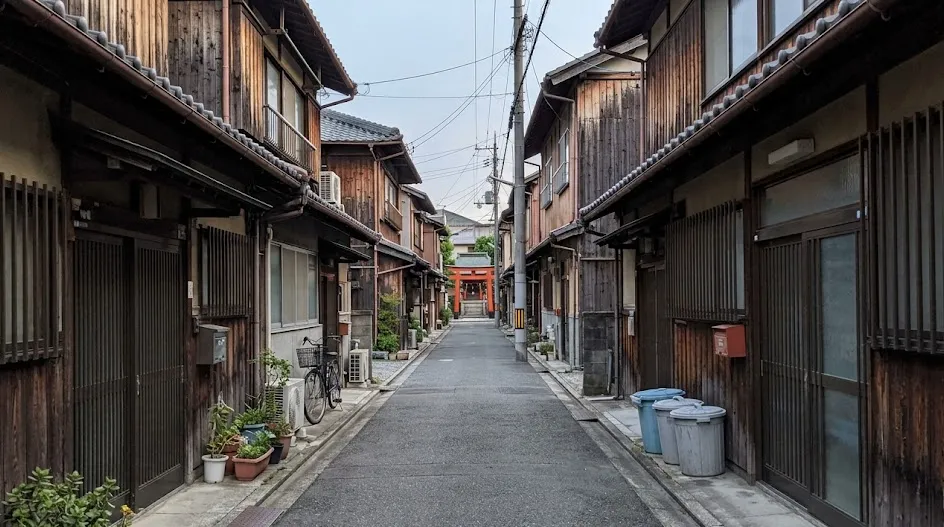
Whether the JR Pass pays off depends on your total country-wide route. But even if you have one, paying out of pocket for the Kintetsu line is worth it just to save the uphill hike.
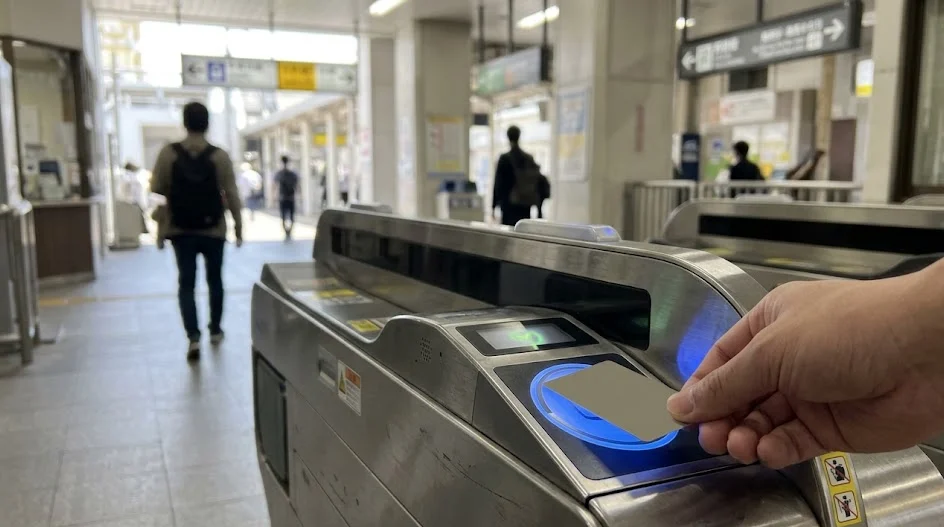
You can use a standard IC card for the regular Kintetsu Express, or buy a ticket for the Limited Express (which guarantees a seat).
If you are travelling with kids or older relatives, this station choice dictates the mood for the entire morning.
 ReaderYuki
Before You Go: Kintetsu Tickets and Kyoto Hotels
Because this is a short trip, you do not need much preparation. The most critical step is ensuring you are sleeping near the right transit hub in Kyoto.
If you stay far from Kyoto Station, getting to Nara by 8:30 AM requires an uncomfortably early wake-up alarm.
- Book a hotel near Kyoto Station or Karasuma
- Load an IC card to tap onto the local trains
- Pack a small day bag without dangling straps
- Download an offline map of the Nara park area
- Check Klook for Kintetsu rail passes if doing multiple days
We often book business hotels directly south of Kyoto Station via Booking.com or Agoda. It allows you to walk to the Kintetsu platforms in under five minutes.
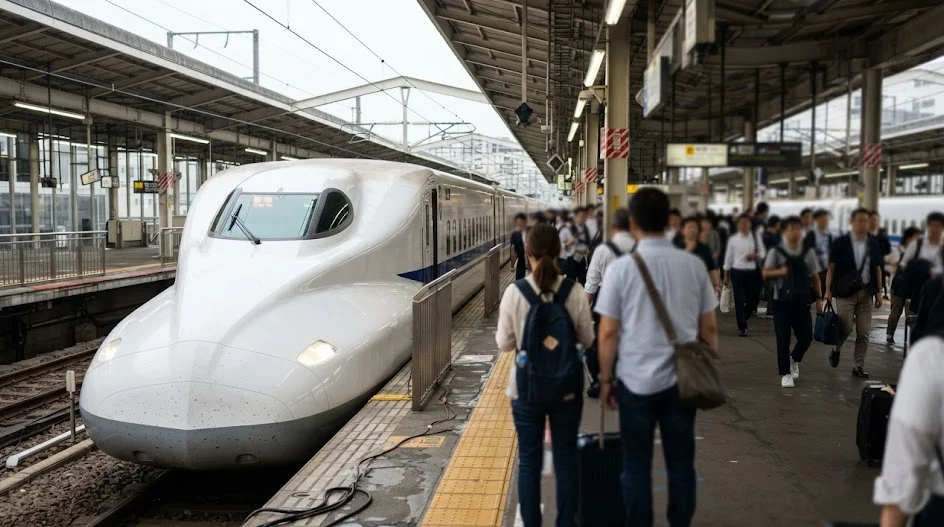
You do not need to book temple tickets in advance. You pay cash at the gate for Todai-ji.
If you want mobile data to navigate the park paths, grab an eSIM from Airalo or Ubigi before you land in Japan. The forest trails around the shrines can get confusing without a live map.
Leave your heavy luggage in Kyoto. If you are checking out that morning, send your big bags to your next city using Yamato luggage forwarding.
8:30 AM: Kintetsu Nara Station and the First Deer
Take the Kintetsu Express from Kyoto Station around 7:45 AM. It takes about 45 minutes and drops you at the underground Kintetsu Nara terminal.
When you walk up to street level, you will immediately see them.
The deer are everywhere. They lounge on the sidewalks, wait at the crosswalks, and stare at tourists emerging from the station.
You will see vendors selling stacks of round rice crackers called shika senbei for a few hundred yen. The moment you hand over your coins, you become a target.
The animals know exactly what the transaction looks like.
ReaderYukiDo not buy crackers immediately at the station exit. The deer here are the most aggressive because they intercept everyone arriving. Wait until you get deeper into the park.
Walk east up the gentle slope along Sanjo Dori. The road is lined with souvenir shops and small cafes.
Within ten minutes, the concrete gives way to grass and massive cedar trees. You have officially entered the main park zone.
Keep your hands out of your pockets. The deer associate reaching into bags or pockets with food, and they will nudge your hips looking for a handout.
Where we would book this
Booking.com
Largest inventory in Japan for English-speaking travellers
- Best for
- Hotels, business hotels, ryokan and apartments in every city
- Checked
- September 2026
Official site. Same price for you.
9:30 AM: Todai-ji Temple and the Great Buddha
Your first major stop is Todai-ji, one of the most historically significant temples in Japan. Follow the wide dirt path north.
You will first pass through Nandaimon, the Great South Gate. This massive wooden structure houses two towering, terrifying wooden guardian statues.
These figures, carved in the 13th century, look incredibly fierce. Look closely at the muscle details behind the wire mesh.
Continue straight until you reach the ticket gates for the Daibutsuden, the main hall.
ReaderYukiExpect to pay roughly ¥600–800 per person. Check the official site for current opening times, but it is generally open by 7:30 AM.
The Daibutsuden is a genuinely impressive sight.
It is the largest wooden building in the world, yet a sign inside notes that the current structure is only two-thirds the size of the original. The scale is difficult to process.
Inside sits the Great Buddha, an enormous bronze statue rising nearly 15 meters high. The atmosphere here is thick with incense and the hushed whispers of visitors.
- Kintetsu Nara Station
- 15 min walk east through the park
- Nandaimon Gate
- 5 min walk north
- Todai-ji Main Hall
Walk around the statue clockwise. Behind the Buddha, you will find a thick wooden pillar with a rectangular hole carved through its base.
Legend says the hole is the exact size of the Buddha’s nostril. Children often try to squeeze through it, as doing so promises enlightenment in their next life.
Once you exit the hall, take a moment to look back at the golden horns on the roof before moving toward the eastern hills.
11:00 AM: The Lantern Path to Kasuga Taisha Shrine
Leave the open plazas of Todai-ji and head east toward the forested hills. The environment changes rapidly.
The concrete paths turn to packed dirt. The giant cedar trees block out the sun, dropping the temperature by several degrees.
This is the approach to Kasuga Taisha, Nara’s most celebrated Shinto shrine.
The path leading up to the shrine is lined with hundreds of stone lanterns covered in moss. They sit shoulder-to-shoulder under the trees, creating a quiet, slightly eerie atmosphere.
| Site | Entry Fee |
|---|---|
| Todai-ji Main Hall | ¥600–800 |
| Kasuga Taisha Inner Shrine | ¥500–600 |
Plan your trip: the tools we use
The deer here act differently.
Away from the main tourist drags, they are calmer. They rest in the shadows of the lanterns, watching visitors pass without immediately begging for food.
You will eventually reach the main shrine complex, famous for its bright vermilion paint and thousands of hanging bronze lanterns.
You can walk the outer grounds for free. Entering the inner sanctuary costs a small fee (usually under ¥600), and it lets you walk through a dark room filled with lit lanterns.
If you want to buy deer crackers, this forest path is the best place to do it. The animals here are much gentler than the aggressive crowds near the station.
Spend about forty-five minutes wandering the shrine grounds.
The contrast between the massive, imposing structure of Todai-ji and the natural, forest-integrated design of Kasuga Taisha highlights the difference between Buddhism and Shintoism in Japan.
When you are finished, follow the paths south and west, descending the hill back toward civilization.
12:30 PM: Naramachi Lunch and the Walk Back
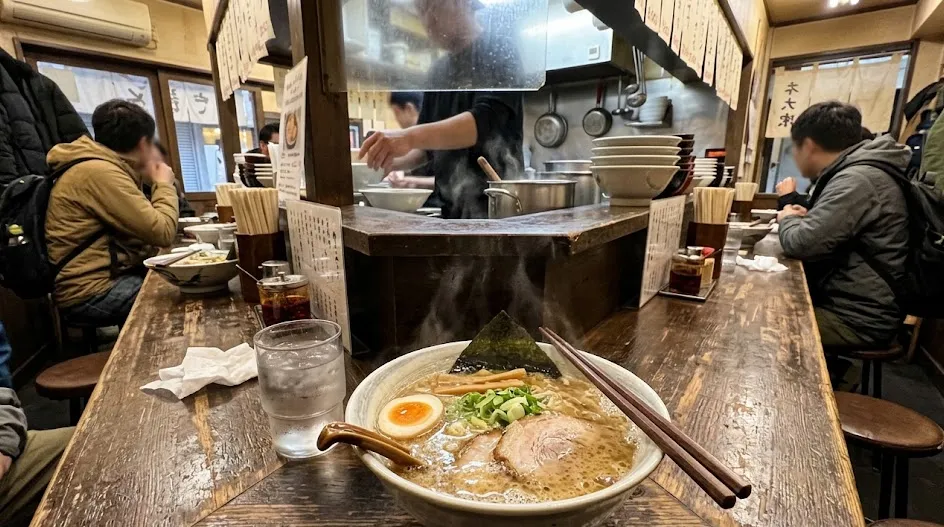
Instead of returning exactly the way you came, walk southwest toward Naramachi, the old merchant district.
This area features narrow streets lined with traditional wooden townhouses (machiya), many of which have been converted into cafes and small museums.
It is the perfect place to grab lunch.
Nara is famous for kakinoha sushi, which is pressed sushi wrapped in persimmon leaves. The leaves naturally preserve the fish, a technique developed centuries ago.
- Perfect for a quick bite
- Wrapped in natural persimmon leaves
- A historic preservation technique
You can buy small boxes of it from storefronts and eat it on a bench.
If you prefer a sit-down meal, look for small shops serving somen noodles or hot udon. Expect to spend roughly ¥1,000–2,000 for a simple lunch.
As you walk back toward Kintetsu Nara Station, look out for Nakatanidou.
This famous shop makes mugwort mochi filled with red bean paste. The workers pound the hot rice dough with giant wooden mallets at blinding speeds.
A Must-See Snack
It is a fantastic, noisy spectacle.
Grab a warm, freshly pounded mochi for a few hundred yen. Eat it while you walk the final few blocks back to the underground station.
Catch a Kintetsu Express back to Kyoto. You will be walking into your hotel lobby by 2:00 PM, with the entire afternoon still ahead of you.
The 3 Golden Rules of Nara Deer Park Survival
The deer in Nara are wild animals. They are classified as natural monuments, but they are absolutely used to humans, which makes them unpredictable.
If you follow a few basic rules, you will have a magical experience. If you ignore them, you will likely get headbutted.
1. Hide your maps and paper tickets.
Deer cannot distinguish between a rice cracker and a tourist map. They will eat paper right out of your hands.
I once watched a deer consume a visitor’s physical JR Pass. Keep all important documents zipped securely in your bag.
ReaderYuki2. The Empty Hands gesture.
This is the most important trick in the park.
When you run out of crackers, the deer will often keep nudging you, thinking you are holding out on them.
To make them stop, simply hold both hands up at chest level, palms open and empty, and say nothing. The deer will instantly recognize this universal signal, turn around, and look for someone else.
It works like a magic trick.
Be Clear With the Deer
3. The Bowing Game.
Nara deer are famous for bowing to request food. If you hold a cracker above their head, they will nod their head up and down.
It is charming, but do not tease them for too long.
If you make them bow repeatedly without handing over the cracker, they get frustrated. A frustrated deer will bite your shirt or lightly headbutt your thigh to hurry you up.
Feed them promptly.
Where to Sleep in Kyoto for an Early Nara Departure
Your Kyoto base dictates how easy this morning trip will be.
If you stay in Arashiyama or far northern Kyoto, reaching the Kintetsu line by 8:00 AM becomes a massive chore involving multiple bus transfers.
You need to be near the rail lines.
Kyoto Station Area
This is the most practical choice. You can walk to the Kintetsu tracks in minutes.
The area is packed with efficient, clean business hotels ranging from ¥12,000–20,000 a night.
They lack traditional charm, but they make early morning departures completely painless. We frequently use Booking.com to find mid-range chain hotels just south of the station.
Karasuma and Shijo Area
If you want a better evening atmosphere, base yourself near Karasuma or Kawaramachi.
You can easily catch the Kyoto subway down to Kyoto Station (a 5-minute ride) and transfer to the Kintetsu line.
This area has excellent ryokan options and boutique hotels, usually priced between ¥18,000–35,000 a night. Check Agoda for deals on traditional rooms.
Partner link.
What a 5-Hour Nara Excursion Actually Costs
A half-day trip to Nara is remarkably cheap. Almost all the park grounds are free to wander; you only pay for transport, specific temple halls, and snacks.
Here is a realistic estimate for one adult.
| Item | Estimated Cost |
|---|---|
| Kintetsu train (round trip) | ¥1,250–2,500 |
| Todai-ji Temple entry | ¥600–800 |
| Kasuga Taisha Inner Shrine | ¥500–600 |
| Deer crackers (two packs) | ¥400–500 |
| Casual lunch in Naramachi | ¥1,500–2,500 |
| Total Estimate | ¥4,250–6,900 |
Our take: Skip the Limited Express surcharge and just take the standard Express to save money.
The lower end of the train cost assumes you tap an IC card on the standard Express. The higher end includes purchasing a reserved seat on the Limited Express.
If you have a JR Pass, you can ride the JR Nara line for free, but remember the trade-off: you will be walking an extra 40 minutes round-trip.
Tips That Make This Morning Plan Run Smoothly
A few small logistical adjustments can vastly improve your time in the park.
First, bring coins. The deer cracker carts do not accept credit cards or IC cards. You need physical ¥100 and ¥500 coins ready in your pocket.
Second, wear closed-toe shoes.
The park is full of wild animals, which means the paths are full of deer droppings. Navigating the dirt trails in sandals is a risky game. You will be walking at least four miles, so wear proper sneakers.
Step 1: Get your connectivity sorted
Ensure your Airalo or Ubigi eSIM is active before leaving your hotel.
Step 2: Load your IC Card
Check your balance at Kyoto Station so you don’t get stuck at the Nara gates.
Step 3: Pack light
Leave heavy backpacks behind. The deer will try to chew on dangling straps.
One mistake we made on an early trip was stopping for a massive breakfast at Kyoto Station.
By the time we navigated the bakeries and ate, we caught a later train and arrived in Nara just as the massive tour groups were unloading. Grab a simple coffee and onigiri from a convenience store and eat it on the train platform.
Beat the crowds, and Nara feels completely different.
What to Do If It Rains: Adjusting the Nara Morning Circuit
A heavy downpour fundamentally changes how the park operates. The animals seek shelter, the unpaved forest paths turn into thick mud, and the expansive temple courtyards offer zero protection from the elements.
You do not have to cancel your trip.
You just need to alter your route to prioritize indoor spaces and paved walkways. The deer will still be there, but they will be huddled under shop awnings and temple eaves trying to stay dry.
Buy a cheap, clear plastic umbrella from a convenience store near the station. It gives you visibility while walking through the crowds, which is crucial when hundreds of people are trying to navigate the same narrow gates.
Swap the Forest Shrine for the National Museum
If the rain is relentless, walking the dirt approach to Kasuga Taisha becomes a miserable slog. Your shoes will get ruined, and the lantern paths lose their quiet charm when you are fighting sideways rain.
Instead of heading into the woods, redirect to the Nara National Museum. It sits right in the middle of the park, offering a massive, climate-controlled space dedicated to Buddhist art.
- Focus on the permanent collection of bronze statues
- Expect to pay ¥500–700 (check the official site for special exhibition pricing)
- Use the underground passage to avoid crossing the flooded street
The museum cafe is also one of the few places in the park center where you can sit down and dry off without waiting in a massive line. Order a hot matcha and rest your legs before facing the weather outside again.
Managing the Deer in Wet Weather
The animals hate the rain just as much as you do. You will find them grouped tightly under the wooden overhangs of the souvenir shops along the main paved road.
They become slightly more aggressive when cornered in these dry spaces. If you pull out crackers near a shop awning, you will instantly have a dozen wet deer pressing into your legs.
Feed them quickly, show your empty hands, and retreat into the temple halls to escape the damp chill. Do not linger in the narrow dry corridors longer than necessary.
Why Taxis Become Essential During Downpours
When the weather truly collapses, the long walk from the main gate back to the underground platforms feels twice as far. The main arterial road running through the park fills with standing water.
You will see empty taxis idling near the museum entrance. Taking a cab for the short ride back to the station costs roughly ¥800–1,200 (check the official site for current local meters), which is absolutely worth the expense to keep your shoes dry.
Do not expect a cab to drop you directly at the temple ticket gates, as vehicle access is restricted in the inner park zones. But they can get you close enough to salvage a wet morning.
How to Spend Your Reclaimed Afternoon Back in Kyoto
The greatest advantage of this compact itinerary is what happens after you leave. By pulling back into Kyoto Station around 2:00 PM, you have salvaged an entire half-day that most tourists waste trudging through Nara in the mid-afternoon heat.
You now have a strategic window to explore Kyoto.
Because you are already at the southern transit hub, you do not want to waste an hour riding a bus to Arashiyama or the Golden Pavilion. You need targets that require minimal transfer time and reward a late afternoon arrival.
Focus your remaining energy on the immediate southern or eastern districts. The key is to keep transit friction low so you do not burn out before dinner.
The Kyoto Station Retail Pivot
If your feet are completely done for the day, stay inside the station complex. It is basically a vertical city with enough food and shopping to consume a rainy afternoon.
- Ride the massive escalator bank to the open-air roof deck
- Explore the basement food halls for discounted evening bento boxes
- Browse the electronics and travel gear at Yodobashi Camera just north of the station
If you need to rest before heading out again, this is also the perfect time to drop your day bag at your hotel and grab a quick shower. Most check-in windows open right at three in the afternoon.
The Keihan Line to Gion
For those still ready to walk, exit the Kintetsu platforms and walk ten minutes east to the Keihan railway line. This private train shoots directly north along the river, bypassing the congested bus routes completely.
Ride it to Gion-Shijo station. You will emerge right in the heart of the historic entertainment district just as the sun starts getting low and the lanterns flick on.
The alleys here are dense with high-end dining, though getting a walk-in table is nearly impossible. Use platforms like Klook or Booking.com to secure a dinner reservation weeks in advance, or expect to eat at a casual noodle shop.
Whether you shop for souvenirs or wander the preserved streets, ending your day here proves why starting early was worth the alarm clock. You avoid the peak crowds in both cities.
The Late Afternoon Fushimi Inari Gamble
Many people try to pair Nara and the famous red gates of Fushimi Inari into a single massive day. Doing this requires switching from the Kintetsu line to the JR line at Kyoto Station, then riding two stops south.
If you attempt this at 3:00 PM, understand exactly what you are walking into. The base of the mountain will be choked with thousands of people trying to get the exact same photograph.
If you are determined to see the gates on this day, skip the lower shrines entirely and immediately hike forty minutes up the mountain trail. The massive crowds thin out significantly the higher you climb.
Frequently Asked Questions About the Nara Day Trip
QIs a half-day really enough for Nara?
Yes, absolutely.
While there are dozens of smaller temples in the hills, seeing Todai-ji and Kasuga Taisha provides the definitive Nara experience. Stretching it to a full day often just leads to temple burnout and exhaustion.
QWhat should I do if a deer bites my clothing?
Do not panic and do not pull away sharply, which can tear the fabric.
Firmly push the deer’s snout away and show your empty palms. Walk away briskly. They are looking for food, not trying to attack you.
QCan I rent a bicycle in Nara?
Yes, there are rental shops near Kintetsu Nara Station.
However, the park paths are crowded with pedestrians and animals, and the eastern section near Kasuga Taisha is entirely dirt and gravel. Walking is far more practical for this specific loop.
QIs it worth booking a guided tour?
For this specific route, no.
The path is incredibly straightforward and well-signed in English. Unless you want deep historical context at the temples, you do not need to book a guide on GetYourGuide or Klook for this morning loop.
Planning day trips around the Kansai region can feel like a logistical puzzle of train lines and timetables.
Stop trying to optimize every minute of a full eight-hour itinerary; lock in a targeted morning run on the Kintetsu line, and leave your afternoon open for whatever Kyoto throws your way.
Keep planning
- ① Install and test your eSIM before take-offAiralo and Ubigi eSIMs activate on arrival, but the install itself needs Wi-Fi. Do it at home and confirm the profile shows up in your phone settings.
- ② Save your first hotel’s address in JapaneseTaxi drivers and station staff read Japanese addresses far faster than romanised ones. Copy it from the booking confirmation into your notes app.
- ③ Set aside cash for day oneMany small restaurants, temples and rural buses are still cash-only. Airport ATMs at 7-Eleven and the post office accept most foreign cards.
Skip these and your first hour in Japan goes on finding Wi-Fi at the station instead of getting to your hotel.
🔍 How to sanity-check any price you read online
Blogs (including this one) go out of date. The official page always wins over a screenshot from two years ago.
Cover Photo: Marek Ślusarczyk (Tupungato) Photo portfolio, CC BY 3.0, via Wikimedia Commons