The 6:15 AM bus to Arashiyama is already idling at the Kyoto Station terminal, its engine rattling against the quiet morning air.
I check my Ubigi eSIM for a signal, adjust my bag, and watch as a dozen other travelers realize they are already losing the race to the Bamboo Grove.
If you want to see Kyoto without the crushing weight of tourist crowds, you must abandon the bus and prioritize the rail lines that residents use.
Most first-timers try to cram Kinkaku-ji, Fushimi Inari, and Kiyomizu-dera into a single day using Google Maps’ suggested bus routes, which is a common recipe for spending five hours in stationary traffic.
This guide shows you how to navigate the city by prioritizing local trains, walking early routes, and booking entry slots to ensure your first trip to Kyoto is about temples, not transit gridlock.
- Avoid all buses between 9:00 AM and 5:00 PM.
- Prioritize the Keihan and Hankyu lines over the city bus network.
- Start your primary temple visit at 7:00 AM or earlier.
- Book entry slots for top sites via Klook when available.
- Stay near Sanjo or Shijo rather than Kyoto Station.
- Time needed
- 3–4 days
- Typical cost
- ¥40,000–¥60,000
- Best base
- Sanjo / Gion
- Booking
- Temple entries
- Checking
- As of 2026
| Service | Budget |
|---|---|
| Bus fare (flat) | ¥230 |
| Subway fare | ¥230–¥350 |
| Temple entry | ¥500–¥1,000 |
Plan your trip: the tools we use
Some links are affiliate links (marked “Partner link”). Prices are ranges checked in 2026; confirm on the official site before you book.
Why your Kyoto trip plans are likely too ambitious
Most travelers arrive with a list of twelve major sites, attempting to check off three or four per day. This ignores the reality of Kyoto’s geography, where sites like Kinkaku-ji in the northwest and Fushimi Inari in the south are separated by significant traffic.
In our experience, trying to see the Golden Pavilion and the Shinto gates in one day creates constant stress. You end up viewing the city from the window of a crowded bus rather than walking through the temple grounds themselves.
1. The Golden Route trap
A lot of visitors assume the major sights form a quick loop, but that isn’t true. Getting from the northern temples to the eastern districts takes at least an hour by public transit, even on a good day.
2. The miscalculation of travel time
Google Maps might suggest a 40-minute bus ride, but during peak season, that same route can take nearly twice as long. If you do not account for the wait to board a full bus, your schedule collapses by noon.
- You have a list of over 15 temples in 3 days.
- You rely on Google Maps to tell you which bus to take.
- You haven’t checked for train-alternative routes.
- You expect to walk straight into every famous temple.
- Your hotel is far from a major train line.
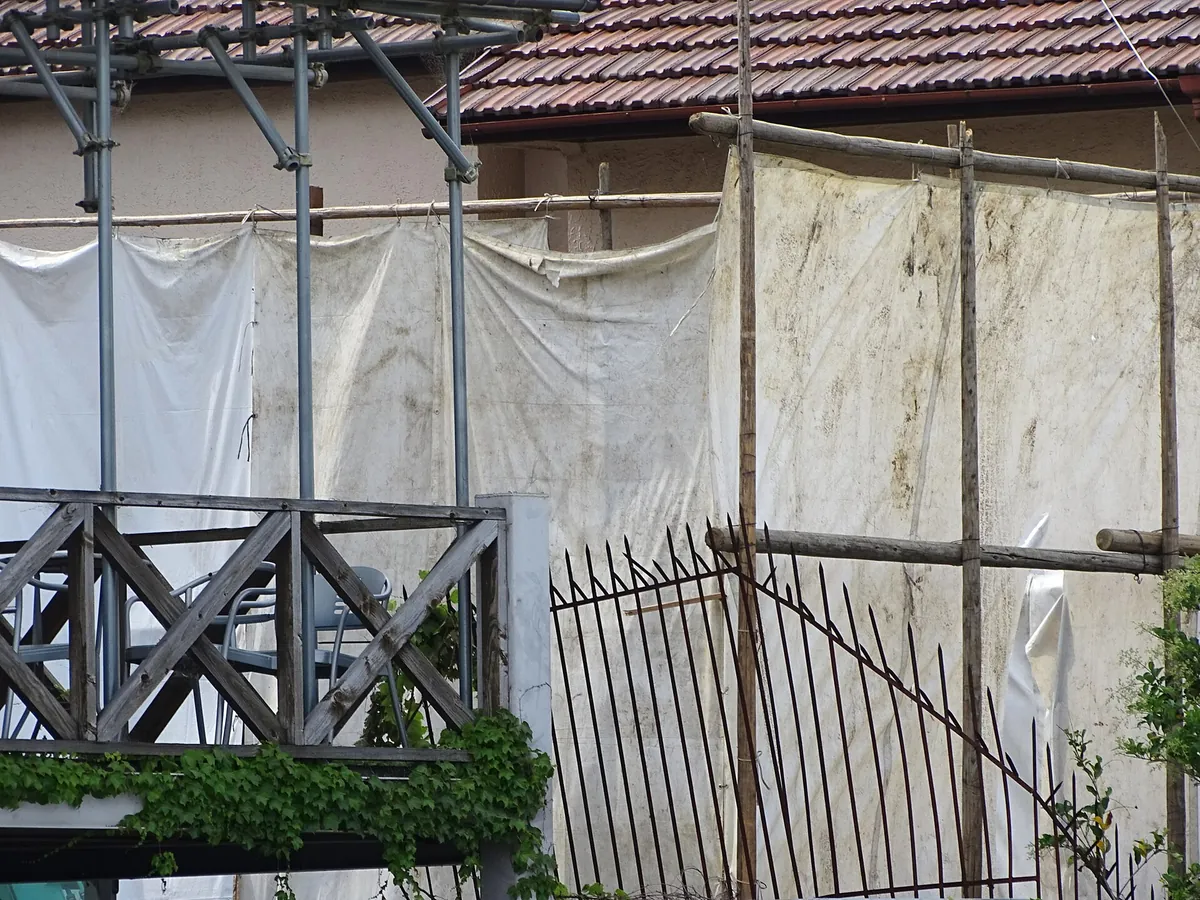
3 common transit mistakes that ruin your day
The city’s bus network was never intended to move millions of tourists. When you crowd into a municipal bus, you compete with locals trying to get to work or school, making for a tense and inefficient experience.
3. Relying on bus-only routes
Stop looking for the bus stop. Look for the nearest subway or private rail station instead. The Kyoto Subway and lines like the Keihan or Hankyu reach most major attractions with much higher reliability.
4. Ignoring the taxi app necessity
Sometimes the train is not enough. If your group is three or four people, a short taxi ride between two close temples often costs less than individual bus fares and saves you an hour of waiting.
5. Failing to account for boarding queues
Popular bus routes like the one to Kinkaku-ji often have queues that stretch for an entire city block. If you see a queue of more than 30 people, walk to the nearest train station or call a cab via the Go taxi app.
What most first-timers do
- Wait 30 minutes for a packed bus.
- Follow the first Google Maps route.
- Try to see five sites daily.
What actually works
- Use the Keihan or Hankyu lines.
- Walk the final mile from the station.
- Prioritize two sites, add one optional.
My personal approach to routing the Higashiyama district
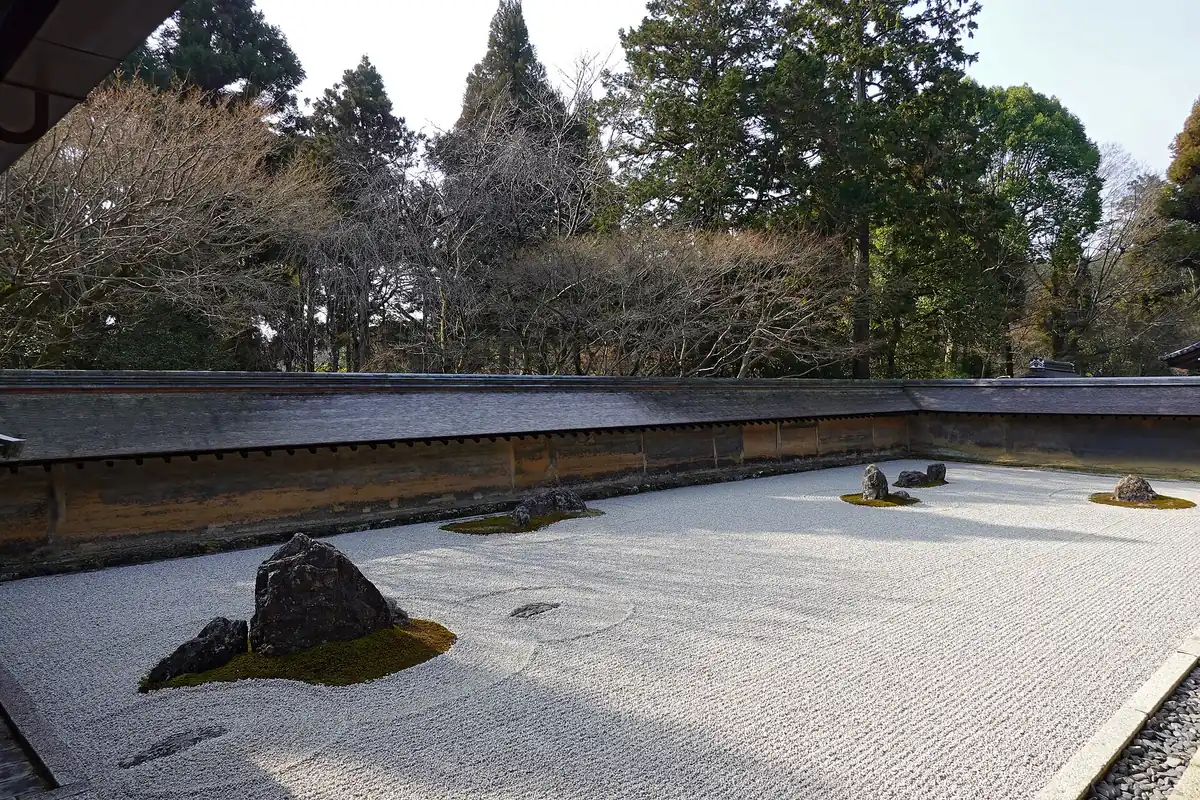
The Higashiyama area is the most walkable part of the city, but only if you approach it correctly. Do not start at Kiyomizu-dera during the mid-day rush, or you will barely move through the streets.
6. The early morning walk from Sanjo
Start near Sanjo Station and walk south through the narrow streets of the Gion and Higashiyama districts. If you arrive at Kiyomizu-dera by 6:30 AM, you will find the site nearly empty and the light perfect for photography.
7. Using the train to access the district
Do not take a bus to Kiyomizu-michi. Take the Keihan Line to Gion-Shijo or Kiyomizu-Gojo and walk uphill. It is a bit of a climb, but you avoid the gridlock that clogs the approach roads entirely.
If you stay at a business hotel near Sanjo, you are within walking distance of the best walking routes in the city.
 Reader
 Yuki
Where to base yourself to avoid the Kyoto Station scramble
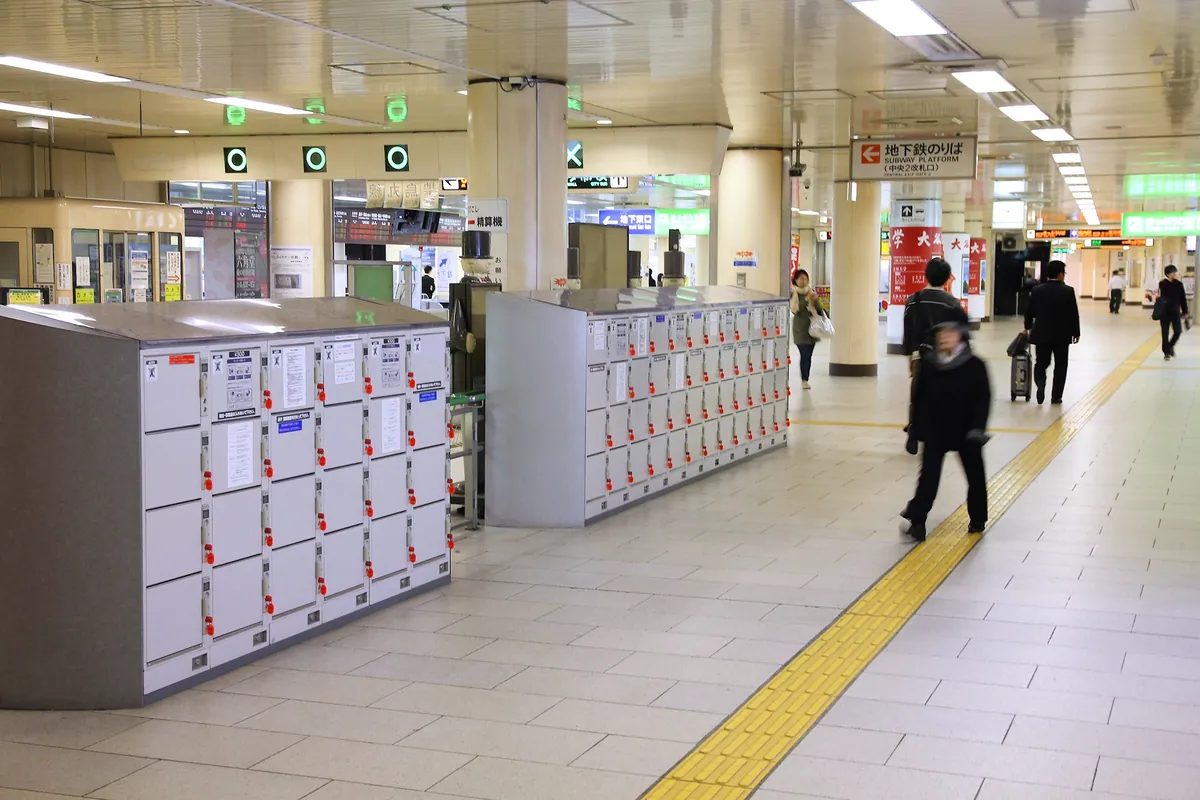
Many first-timers insist on staying near Kyoto Station for “convenience,” but it is often the loudest and busiest point in the city. You are better off being near a subway line or a private rail terminal.
8. The benefit of staying in Sanjo or Shijo
Staying near Sanjo or Shijo puts you in the heart of the city’s best dining and walking paths. You can access the Tozai subway line easily and are minutes away from the river, which provides a nice break from the temple visits.
9. Choosing the right hotel type
Whether you choose a business hotel on Booking.com or a traditional ryokan, ensure it is within 500 meters of a train station. If you need a recommendation for your budget, check availability on Agoda for properties in the Nakagyo Ward.
Partner link.
Where we would book this
Booking.com
Largest inventory in Japan for English-speaking travellers
- Best for
- Hotels, business hotels, ryokan and apartments in every city
- Checked
- September 2026
Official site. Same price for you.
The 2026 reality of temple entry fees and crowd management
Temple entry fees are rising to manage visitor flow. Expect to pay between ¥500 and ¥1,000 per person for major sites. As of 2026, many temples have moved toward cashless payment systems, though carrying some yen in small denominations remains essential.
10. Booking entries in advance
Some of the most popular sites, especially those with garden tours, now require advance reservations. Check platforms like Klook or GetYourGuide to see if the sites on your list offer pre-booked entries to skip the ticket window.
11. Understanding the “crowd tax”
Some temples now offer early-access hours for a higher fee. While it feels like an extra cost, it is often worth the investment to see a site like Tenryu-ji without the usual afternoon swarms of visitors.
Dining etiquette: navigating reservations and small izakayas
Eating in Kyoto is one of the highlights, but small izakayas with only six or eight seats are not built for large, loud groups. Reservations are becoming the standard for any restaurant worth finding.
12. The etiquette of the small shop
If you see a small restaurant with a line, do not just walk in. Check for a list to write your name on, or ask politely if there is space. Many shops simply do not have the staff to manage walk-ins during peak times.
13. Making reservations ahead
Use your hotel concierge or local reservation services to book dinner at least a few days in advance. If you have a specific place in mind, mention it when you check into your hotel, as they often have local relationships that can help.
What to do when Kyoto feels like too much
Burnout happens fast when you are constantly fighting for space. If the crowds become overwhelming, head to the Kamo River or one of the city’s many small, quiet neighborhood shrines that do not appear on top-ten lists.
14. The river escape
Walking or sitting along the Kamo River is the best way to reset. There is no entry fee, no bus to catch, and plenty of space for everyone to breathe, even on busy weekends.
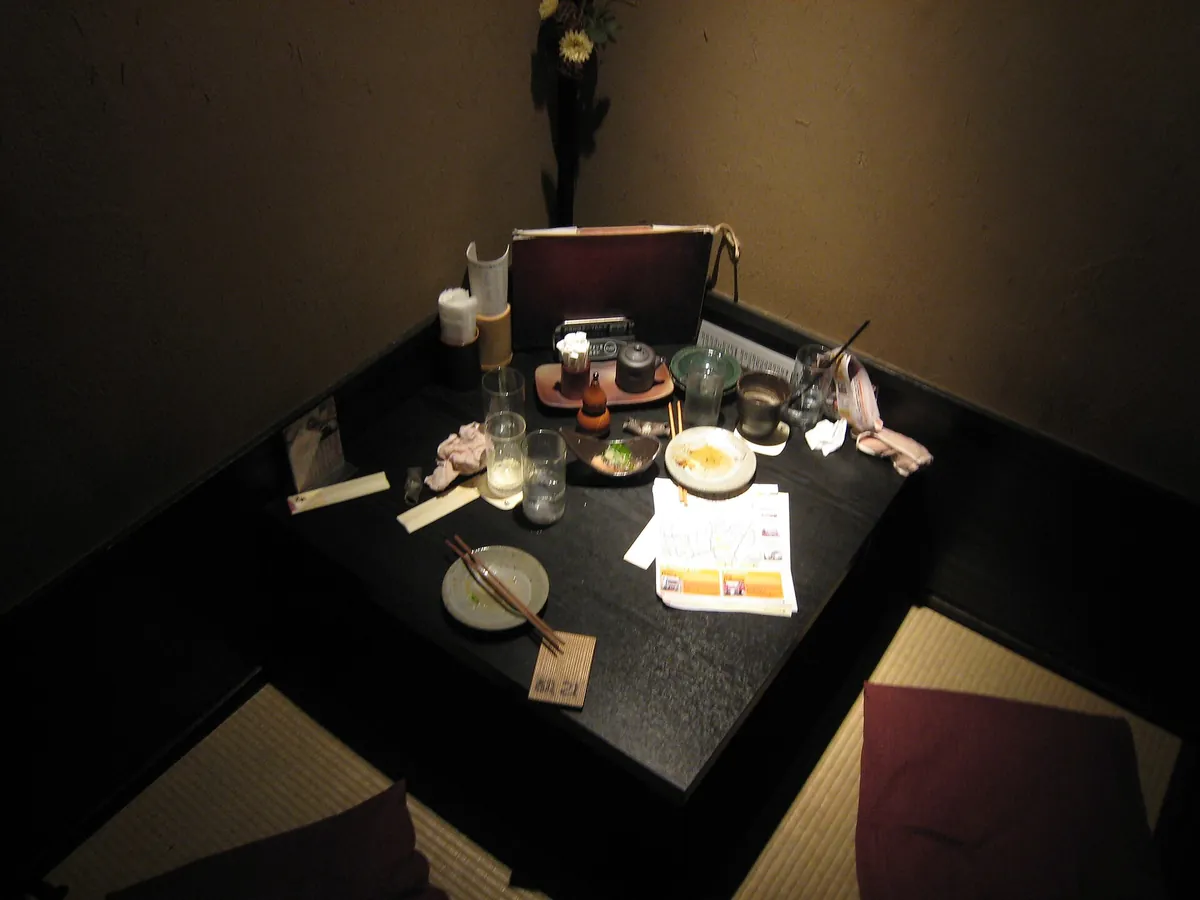
15. Finding the neighborhood shrines
Every street has a small shrine. These places are often unattended, perfectly quiet, and provide the same atmosphere as the major temples without the ticket queues or the noise of hundreds of fellow travelers.
Essential Kyoto tools for your smartphone
Technology is your best friend when navigating a city that operates on a complex, non-English transit schedule. Keep your devices charged and your data plan active to avoid getting stranded.
16. The Go taxi app
If you are in a group of three or more, the Go app is often cheaper than public transit for short cross-town hops. It handles the address input for you, which eliminates the language barrier when talking to a driver.
17. eSIM connectivity
Do not rely on finding free Wi-Fi. Having an eSIM from a provider like Airalo ensures you have real-time access to train schedules and map updates. A stable connection is the difference between a minor delay and a missed dinner reservation.
Money on arrival: ATMs, exchange, and the first 20,000 yen
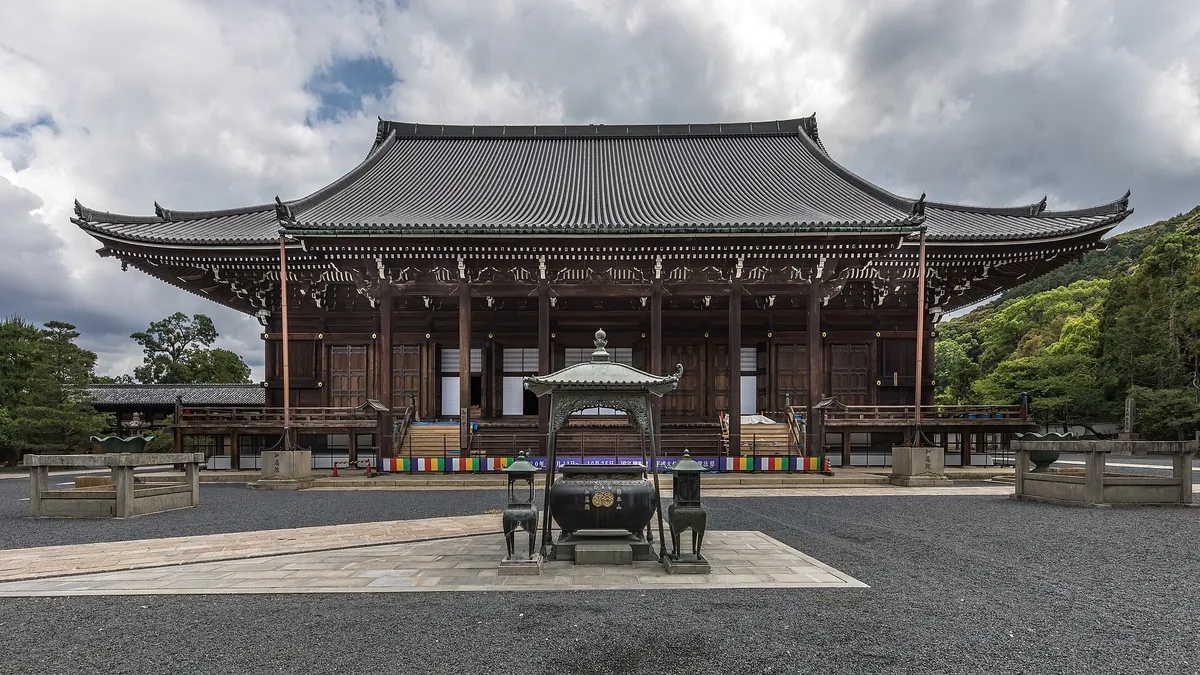
Many travelers arrive at Kansai International Airport and rush to exchange foreign currency at the first booth they see. You are almost always better off withdrawing cash directly from a convenience store ATM once you reach your accommodation.
The exchange rates at airport kiosks are rarely favorable for the traveler. You lose a significant percentage immediately, which is better spent on a high-quality meal or a local craft souvenir.
Use 7-Eleven or Lawson ATMs for your primary cash needs. Their machines reliably accept international debit and credit cards, and the exchange rates are generally much closer to the mid-market rate than any currency counter.
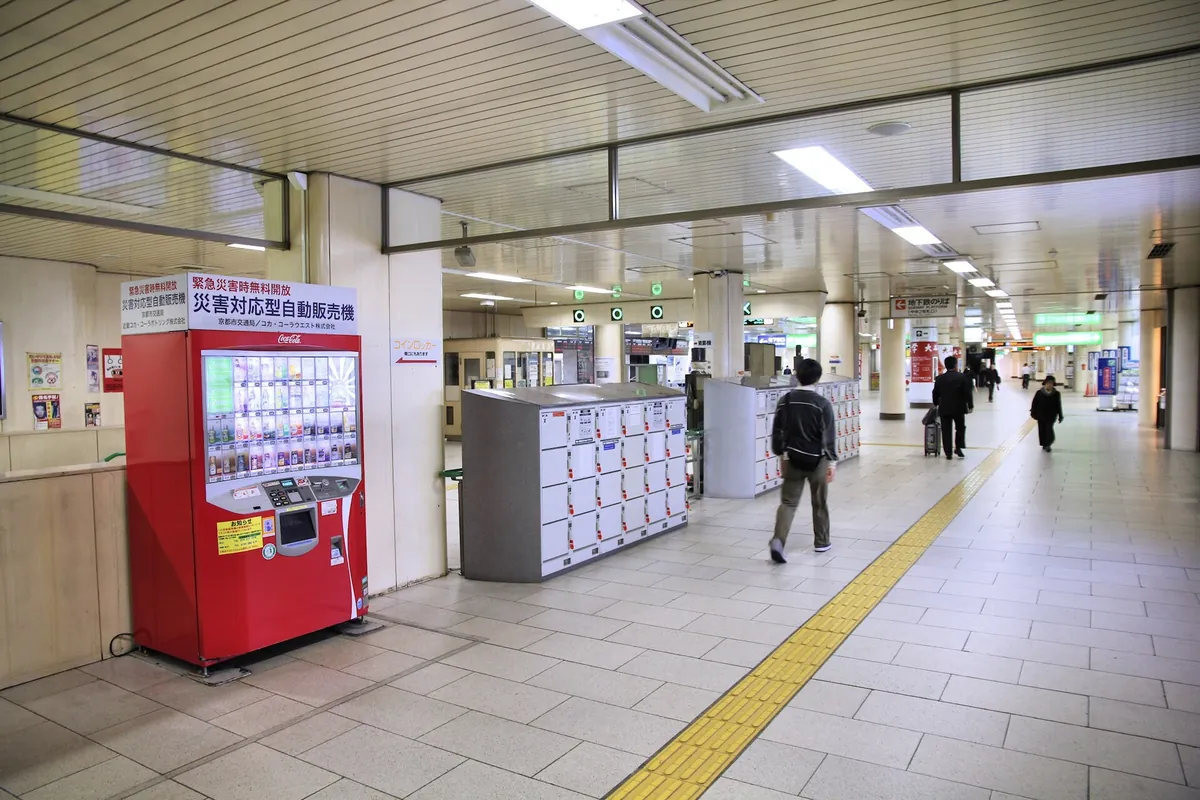
Aim to withdraw your first 20,000 yen upon arrival to cover immediate expenses. This amount helps handle small entry fees, coin-operated luggage lockers, and the occasional meal at a shop that does not accept cards.
- Check your bank’s international transaction fees before you leave.
- Notify your bank of your Japan travel dates to avoid card blocks.
- Keep a separate pouch for coins, as you will accumulate a large amount of change quickly.
- Look for the ‘International’ label on the ATM screen before inserting your card.
While Japan has become significantly more credit-card-friendly since 2020, Kyoto remains a place of two speeds. High-end hotels and modern restaurants will happily take your digital payment, but the family-run noodle shop on the corner or the small temple gate attendant usually prefers cash.
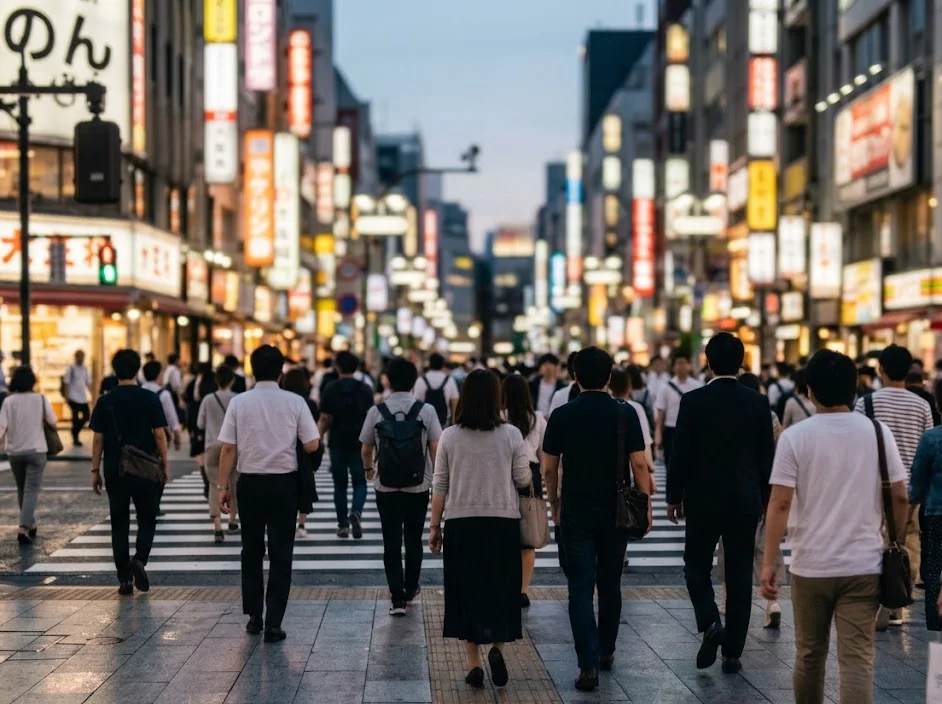
Do not be that person holding up a line of twenty people because you are trying to pay for a 500 yen incense pack with a credit card that the machine cannot read. Keeping a few thousand yen in your wallet at all times is just a basic courtesy to the shopkeepers who keep the city running.
Etiquette that actually matters versus internet myths
You will read countless blog posts about bizarre social rules in Japan, many of which are exaggerated. Kyoto has specific social expectations, but most of them boil down to being aware of the space you occupy rather than memorizing a complex code of conduct.
The most critical etiquette rule is silence on public transit. Whether you are on a crowded bus or a quiet local train, talking loudly on your phone or having a boisterous conversation is considered highly disruptive to those around you.
Keep your phone volume off and keep your voice to a whisper. If you are traveling in a group, it is perfectly fine to speak to one another, but keep the volume low enough that your neighbors do not feel like they are part of your travel group.
Common misconceptions vs. reality
- Myth: You cannot tip anywhere. Reality: You simply do not need to. Service is included in the price, and leaving cash on the table will often cause a waiter to chase you down to return your ‘forgotten’ money.
- Myth: You must bow constantly. Reality: A simple nod or a slight incline of the head is perfectly polite for tourists. Do not stress about the angle or duration.
- Myth: You cannot eat while walking. Reality: It is not illegal, but it is considered messy and rude in crowded areas like the streets surrounding Kiyomizu-dera. If you buy a snack, stand near the stall to finish it.
Another point of contention is the use of trash cans. You will notice that public bins are almost non-existent in the city. Expect to carry your empty coffee cups and snack wrappers back to your hotel or the train station where you started your day.
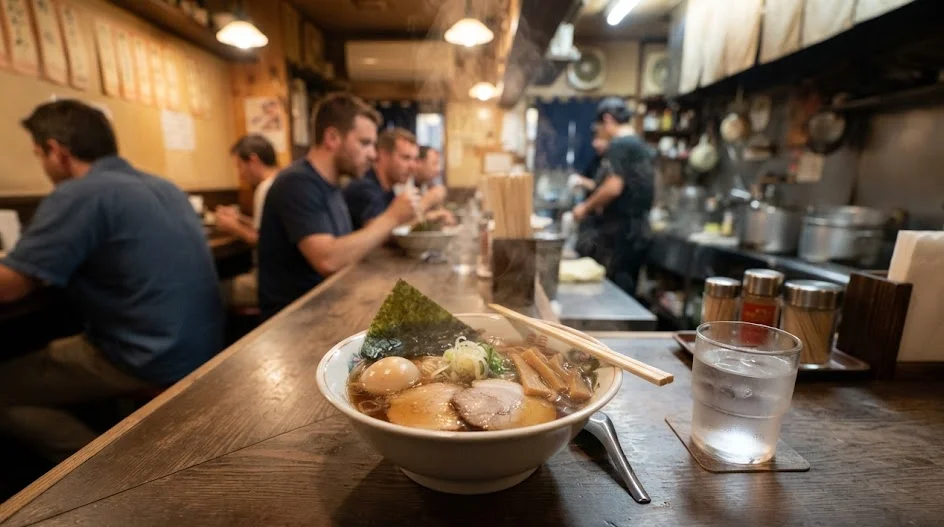
Treat the city with the same care you would expect someone to treat your own home. If you stay mindful of your volume and keep your litter with you, you will navigate Kyoto with the grace of a seasoned resident rather than a distracted tourist.
FAQ
QIs the bus pass worth it?
No, the bus pass is generally not worth the cost anymore due to overcrowding and the efficiency of the rail lines.
QCan I use my credit card everywhere?
Large hotels and restaurants take cards, but always keep cash for small shops, temples, and market stalls.
QWhat is the best way to get to Arashiyama?
The JR Sagano Line from Kyoto Station or the Randen tram line are much faster than taking the bus.
QDo I need to book temples months ahead?
Only for select sites with garden tours; most major temples still allow walk-in entry.
QIs it rude to take photos in temples?
It is fine to photograph the grounds, but always check for signs prohibiting flash photography inside temple halls.
Final thoughts on the Kyoto experience
You do not need to see everything on your first trip. If you leave a few temples for the next time, you will have a much better experience than if you try to finish your list at the cost of your sanity.
Step 1: Prioritize the rail lines
Locate the subway and private rail lines near your stay before the trip starts.
Step 2: Book early slots
If a site has a morning entry window, take it to avoid the mid-day heat and crowds.
Step 3: Walk the final stretch
Expect to walk 15–20 minutes from the nearest train station to the entrance of most sites.
Step 4: Use taxis for groups
If you are three or more, use a taxi app to save time between close destinations.
It is perfectly normal to feel intimidated by the logistics of a Kyoto itinerary.
Lock in your train-based routes and accommodation now, then leave room to adjust your daily pace once you arrive.
Keep planning
- ① Install and test your eSIM before take-offAiralo and Ubigi eSIMs activate on arrival, but the install itself needs Wi-Fi. Do it at home and confirm the profile shows up in your phone settings.
- ② Save your first hotel’s address in JapaneseTaxi drivers and station staff read Japanese addresses far faster than romanised ones. Copy it from the booking confirmation into your notes app.
- ③ Set aside cash for day oneMany small restaurants, temples and rural buses are still cash-only. Airport ATMs at 7-Eleven and the post office accept most foreign cards.
Skip these and your first hour in Japan goes on finding Wi-Fi at the station instead of getting to your hotel.
🔍 How to sanity-check any price you read online
Blogs (including this one) go out of date. The official page always wins over a screenshot from two years ago.
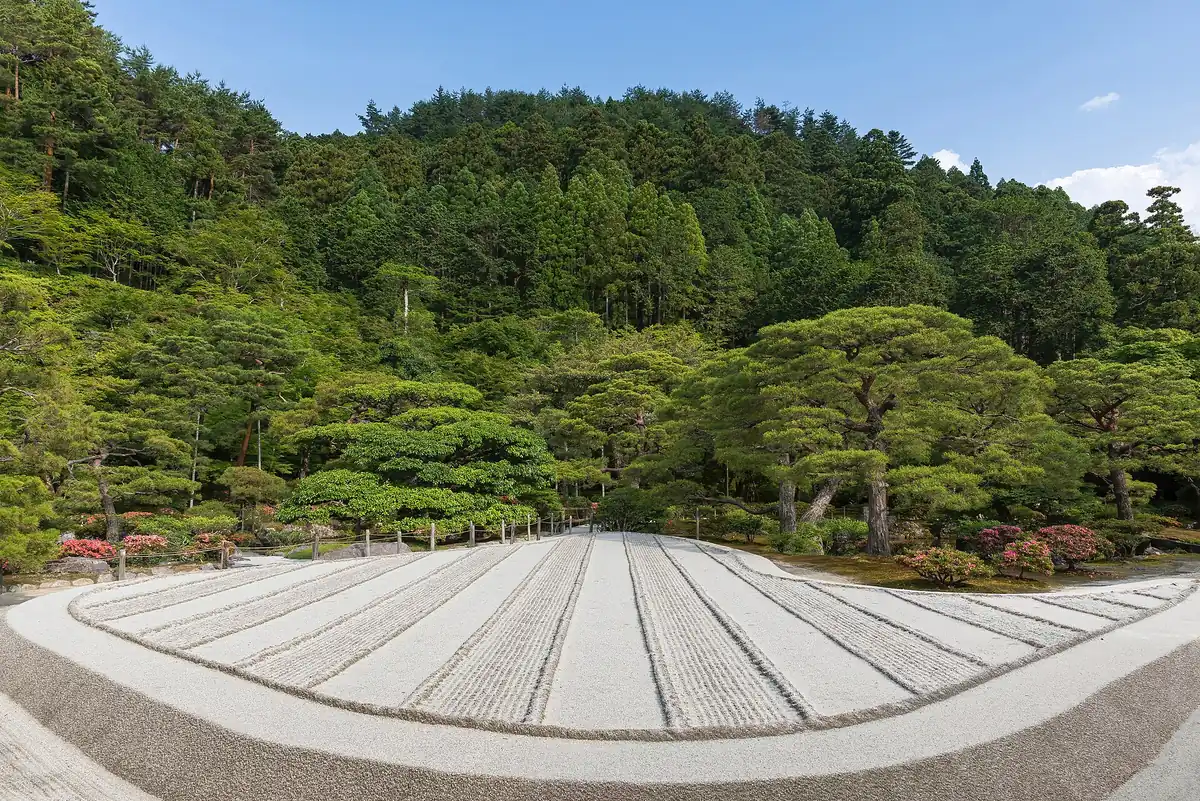
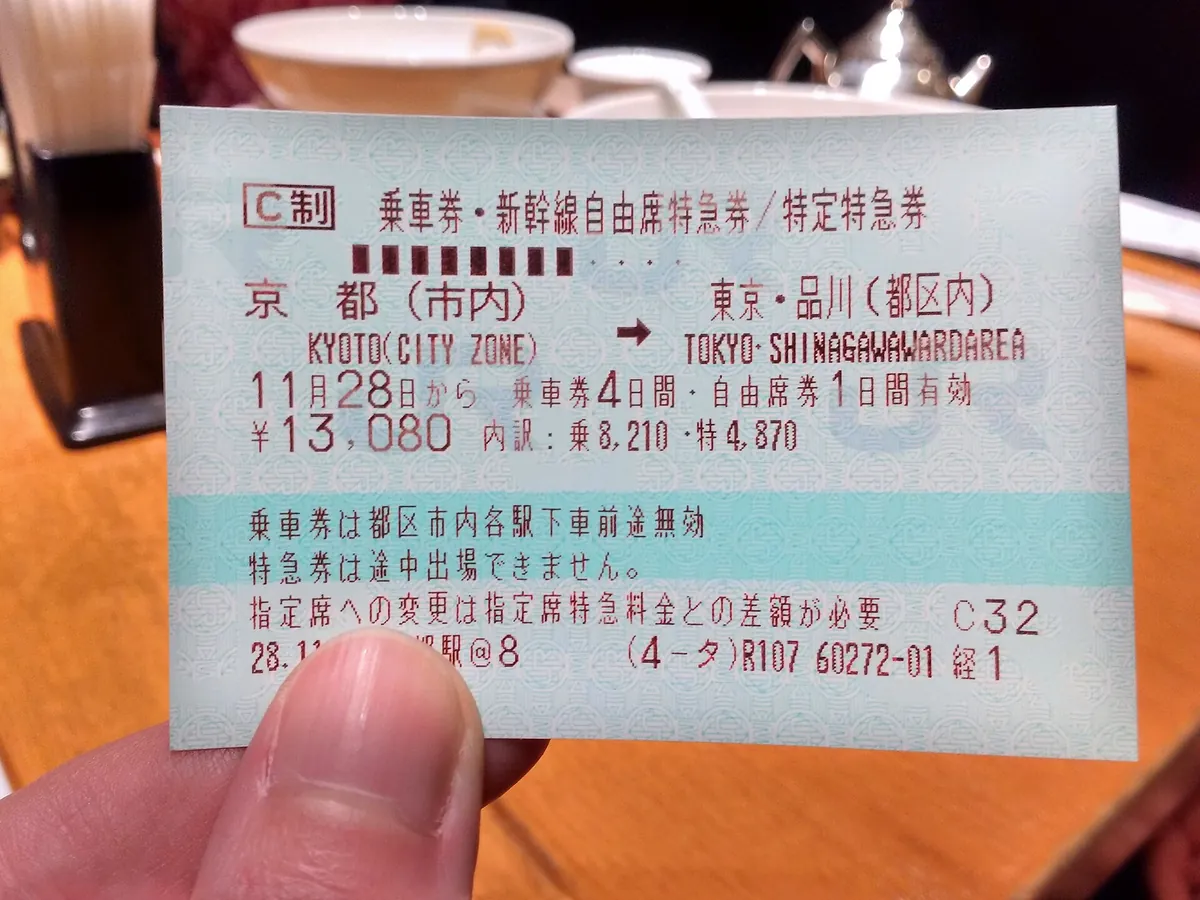
Cover Photo: Basile Morin, CC BY-SA 4.0, via Wikimedia Commons