“Can we just do Fushimi after dinner?” is a common question when people plan a sake evening in Kyoto Prefecture, Kyoto City. The short answer is no. Fushimi, the old brewing district in the south of the city, keeps daytime hours, and late arrivals find most of it shut.
So split the day. Do Fushimi between about 10:00 and 16:00, then drink downtown around Shijo and Kawaramachi after 17:00. Start with Fushimi Sakagura Koji’s 18-brewery set, Aburacho’s three-cup tasting and the Gekkeikan museum, then end at Masuya Saketen.
Why that order? Gekkeikan takes its last entry at 16:00 and Aburacho closes at 20:00, while Masuya Saketen pours until 23:30. This guide is for first-timers who want to taste Kyoto sake without a guide, using hours and prices from each venue’s own page.
- Fushimi Sakagura Koji: one set covering all 18 Fushimi brewers
- Aburacho: pick 3 cups from 80–90 Fushimi sakes
- Gekkeikan Okura Sake Museum: 3 tastes included with entry
- Masuya Saketen: a liquor-shop sake bar open until 23:30
- Sasaki Shuzo: coin tasting at Nishijin’s last brewery
- Time needed
- Fushimi 10:00–16:00, plus an evening
- Typical cost
- About ¥6,000–12,000 in drinks (est.)
- Base
- Sanjo or Shijo, downtown Kyoto
- Best days
- Thursday to Saturday
- Booking
- Not needed for most tastings
- Prices checked
- October 2026
Prices are ranges or fares checked in October 2026; confirm on the official site before you book.
Tokyo to Kyoto, Then Keihan Down to Fushimi
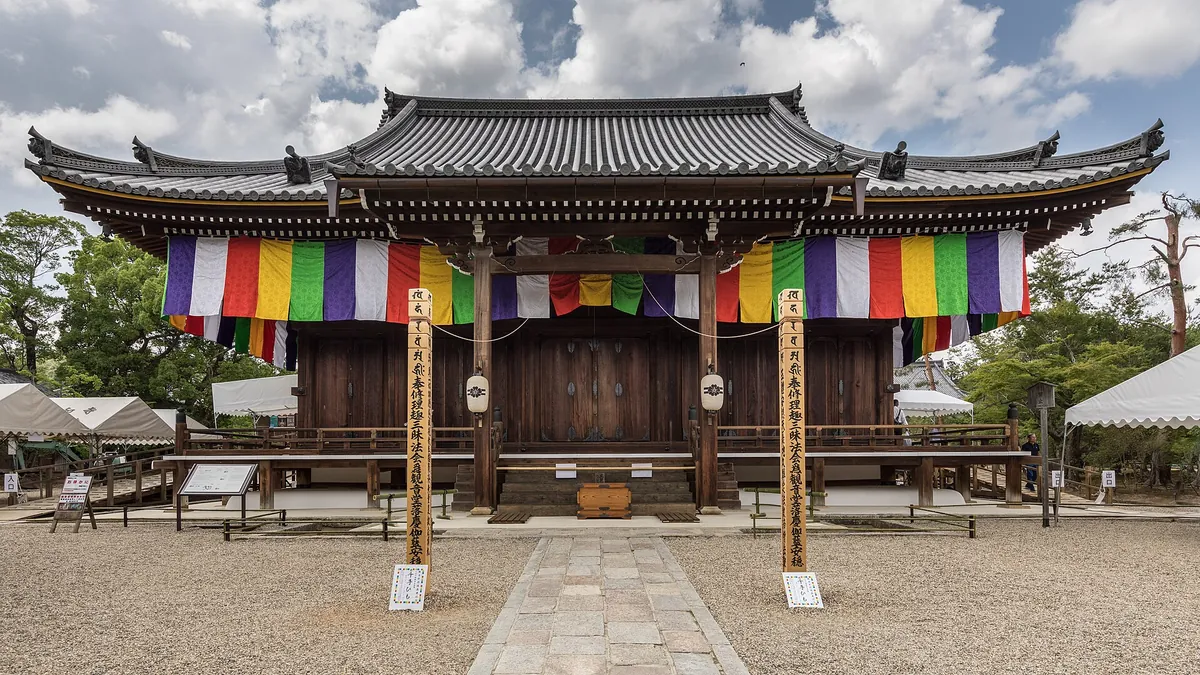
Most sake trips start at Kyoto Station or downtown, then drop south to Fushimi on the Keihan Line. Kyoto’s official tourism site puts the Nozomi Shinkansen from Tokyo at about 130 minutes, and the slower Hikari at about 170.
The official smartEX fare sheet lists a reserved Nozomi seat from Tokyo to Kyoto at about ¥14,000 in the regular season, a little less off-peak and a little more at peak times. Flying to Itami takes 1 hour 20 minutes in the air, plus the transfer to Kyoto.
Here is how the options compare as of October 2026. Fares move with the season, so check the official site before you book.
← Swipe to see the full table →
| How | Time | Rough cost |
|---|---|---|
| Nozomi Shinkansen, Tokyo–Kyoto | About 130 min | About ¥13,800–14,400 reserved (smartEX) |
| Flight Haneda–Itami (Osaka) | 1 h 20 min, plus the transfer | Check the airline |
| Highway bus from Tokyo | Overnight (to Osaka about 8.5–9 h) | Check the operator |
| Keihan, Sanjo to Chushojima or Fushimi-Momoyama | Check the timetable | About ¥320 adult |
Plan your trip: the tools we use
Our pick: the Nozomi to Kyoto, then Keihan from Sanjo on your Fushimi day.
The last row is the one that matters on the day. Keihan’s own fare table from Sanjo shows the same ¥320 adult fare to both Chushojima and Fushimi-Momoyama, the two stations for the sake district. Chushojima is the closer one for Gekkeikan:
- Sanjo Station (Keihan)
- Keihan Main Line · about ¥320
- Chushojima Station
- About 5 min on foot
- Gekkeikan Okura Sake Museum
Based in Osaka? Keihan’s Main Line runs from Yodoyabashi to Kyoto with Chushojima on the way, so Fushimi can be a stop on your ride into Kyoto rather than a separate trip.
For the full fly-or-train comparison from Tokyo, see our guide to Tokyo to Kyoto by plane or train.
Take the train.
5 House Rules for Drinking Sake in Kyoto
Kyoto City Tourism’s sake guide explains why Fushimi exists as a brewing town. The area was once written “Fushimizu”, or hidden water, and its water is soft and low in minerals. Five rules decide how well a day here goes.
Fushimi keeps daytime hours
Gekkeikan’s museum takes its last entry at 16:00. The Kizakura memorial hall shuts at 16:00 too, and Aburacho closes at 20:00, with last orders at 19:30.
Arrive in the morning, not after dinner. The downtown bars are the ones built for the evening, and the next sections are split that way.
Payment changes shop by shop
The old advice is to carry cash in Japan. Here it can backfire: the Gekkeikan Okura Sake Museum has taken no cash at all since 1 July 2026, only cards, e-money and QR code payment.
At the other end, Sasaki Shuzo’s tasting gacha takes 500-yen coins only. Kizakura Sakaba lists the cards it takes. For the rest of the bars here, the venues’ pages do not say, so check at the counter and carry some cash as backup.
 Reader
 Yuki
20 and over, and nobody behind the wheel
The drinking age in Japan is 20. Gekkeikan’s page says it will not give tastes to anyone under 20, anyone pregnant or breastfeeding, or anyone who came by car, motorbike or bicycle.
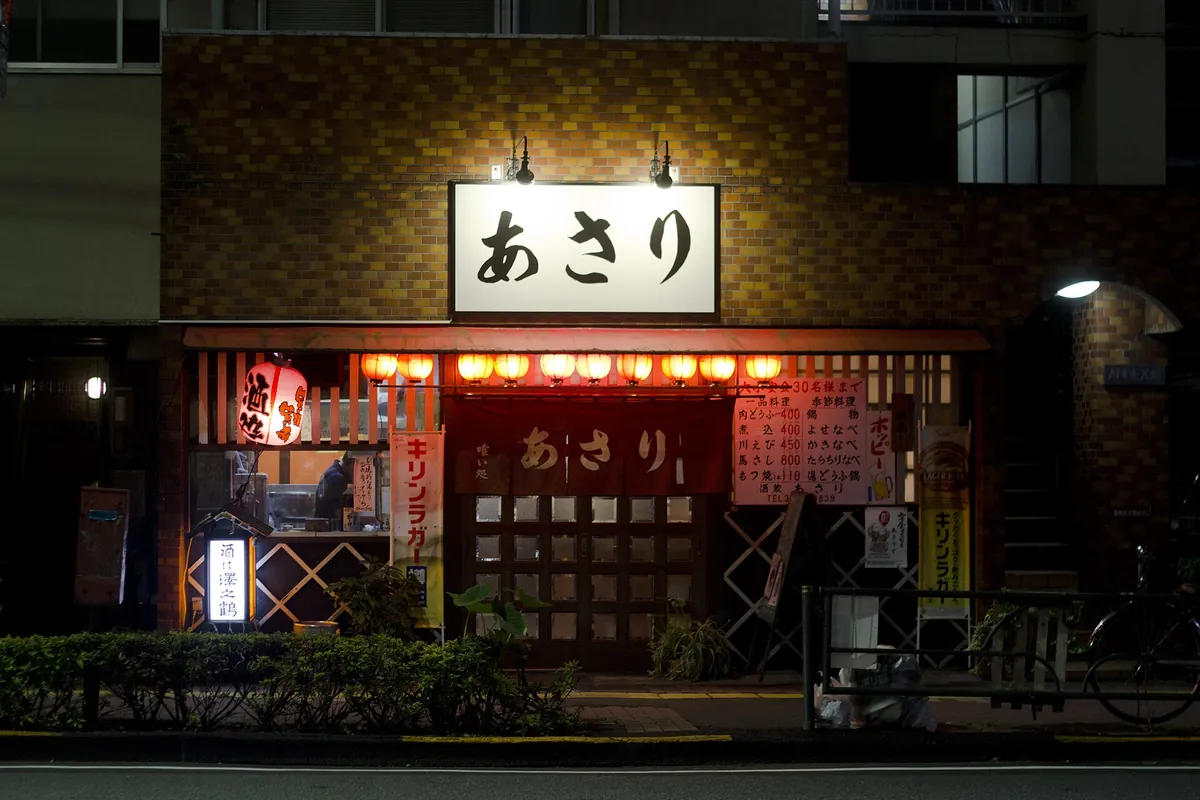
Tasting cups are small, but a full day of them adds up. Eat between stops, drink water, and skip a pour when you have had enough.
Know the pour sizes before you order
Sake Hall Masuya and Masuya Saketen both list a glass at 100 cc and a katakuchi pitcher at 180 cc. A full 180 cc pour at every stop is how a tasting day goes wrong.
Tasting sets are the cheaper way to compare. Here is the ladder, built from each venue’s listed prices as of October 2026 (the Aburacho line is our sum, so treat it as an estimate):
← Swipe to see the full table →
| Where | What you get | Price |
|---|---|---|
| Sasaki Shuzo | 2 tasting coins and an ochoko to keep | About ¥500 |
| Gekkeikan Okura | Entry, 3 tastes and a souvenir (20+) | About ¥600 |
| Sake Hall Masuya | Tasting set | From about ¥1,000 |
| Tamano Hikari | 30 minutes, all you can drink | About ¥1,500 |
| Aburacho | 3 ochoko of your choice plus a ¥200 snack | About ¥680–4,070 (est.) |
| Fushimi Sakagura Koji | One set covering all 18 Fushimi brewers | About ¥3,280 |
Our pick: the 18-brewery set first, then Aburacho to taste more of the brewers you liked.
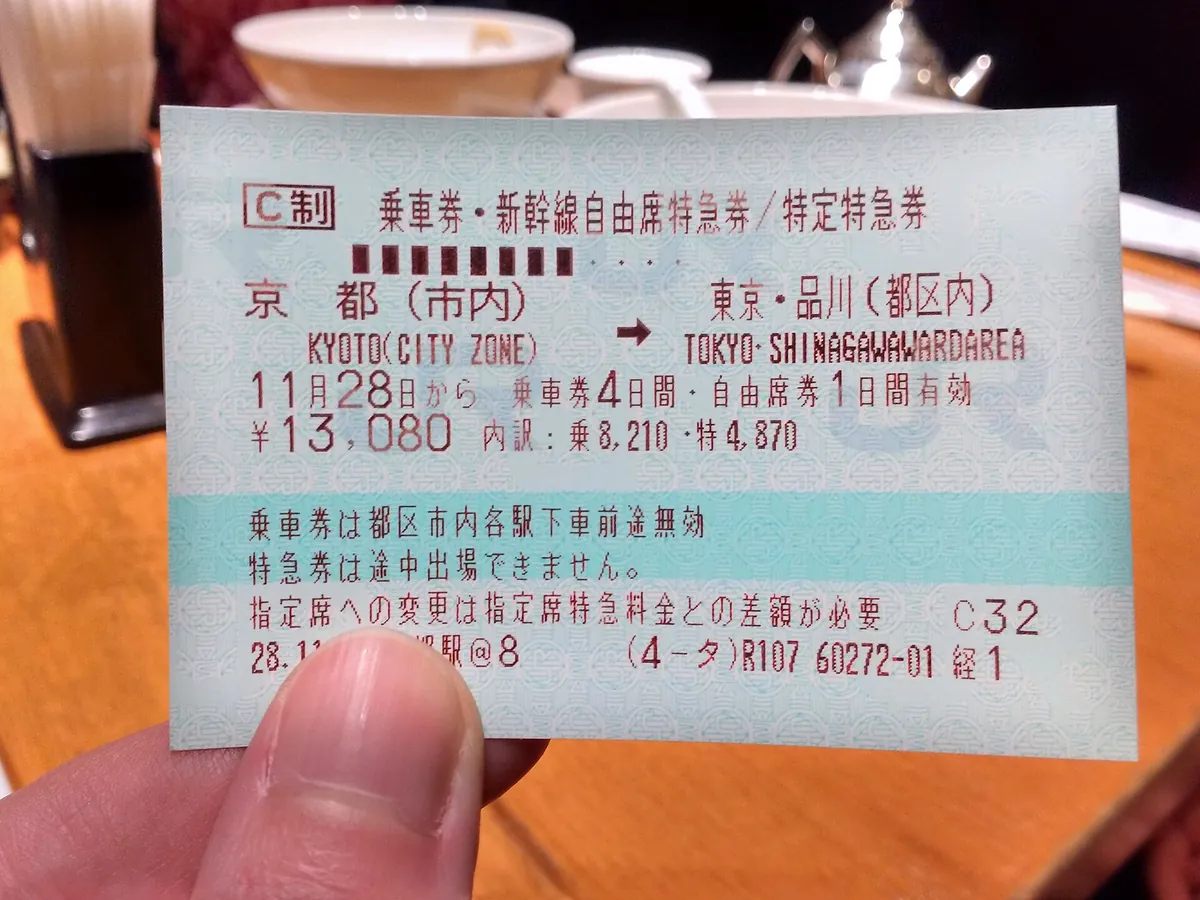
Tuesday and Wednesday are weak days
Normal closing days, from each venue’s own page (check before you go):
- Kizakura Kappa Country: Tuesday (Wednesday if Tuesday is a holiday)
- Aburacho: Tuesday and Wednesday
- Fushimi Sakagura Koji: Tuesday, sake bar only, food shops closed
- Okobu Kitase: Monday
- Sasaki Shuzo: Sunday and public holidays
- Gekkeikan Okura: 13–16 Aug, 28 Dec–4 Jan, plus temporary days
- Tamano Hikari and both Masuya bars: irregular
Thursday to Saturday is when every Fushimi spot here is normally open. Sunday works for Fushimi but loses Sasaki.
- A card, e-money or QR app for Gekkeikan
- A few 500-yen coins for Sasaki’s gacha
- Some cash as backup for other counters
- Your Fushimi day is not a Tuesday
- You can reach Gekkeikan before 16:00
- Nobody in your group is driving or cycling
- Everyone tasting is 20 or older
- Phone numbers saved for Okobu or Masuya
Fushimi by Chushojima: 3 Sake Stops
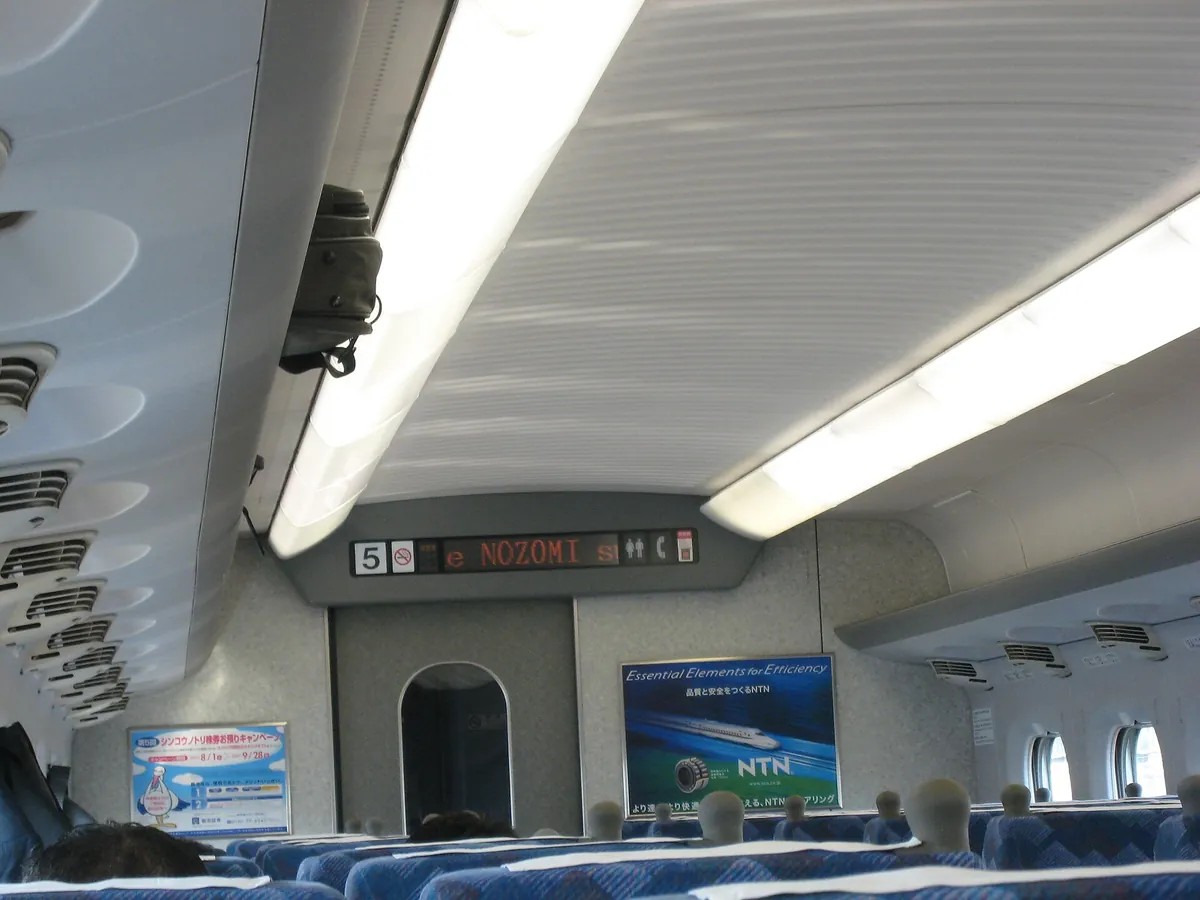
Chushojima Station is the southern door to the sake district. Gekkeikan, Kizakura and Okobu all sit within a few minutes of it, and Keihan’s English walking map puts the sake spots about 5 minutes from its North Gate.
This side works best in the afternoon, after the Fushimi-Momoyama stops covered in the next section. Okobu, right by the station, is the natural last stop before the train back.
Gekkeikan Okura: a 1909 brewery museum
Gekkeikan dates from 1637 and calls itself Fushimi’s oldest brewery. Kyoto City’s museum list says the Gekkeikan Okura Sake Museum is a renovated brewery built in 1909.
Entry for adults 20 and over is about ¥600 and includes 3 tastes, chosen from about 10 seasonal sakes, plus a souvenir. The visit takes about 40–60 minutes, and there is a free Wi-Fi guide.
Walk-ins are accepted, but you may wait or be turned away when it is full. Online booking gets priority, opening 2 weeks ahead at 9:30. In November 2026, hours are short on the 7th (13:00 start) and the 10th and 20th (9:30–14:00, entry to 13:30).
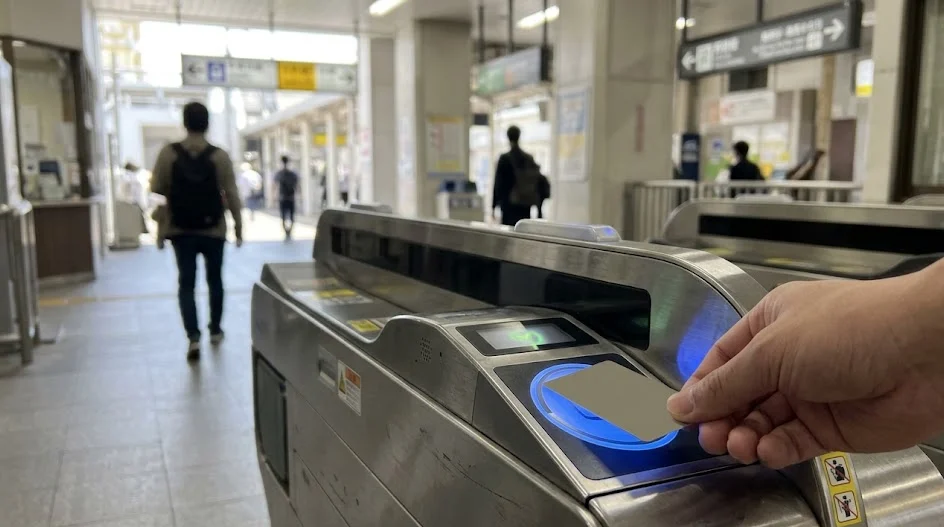
It suits first-timers who want the story before the drinking.
- Hours: roughly 9:30–16:30, last entry 16:00 (check the official site; closed 13–16 Aug, 28 Dec–4 Jan, temporary days)
- Access: Chushojima Station, about 5 min on foot; Fushimi-Momoyama Station about 10 min
- Notable: about ¥600 for 20+ with 3 tastes; cashless only since 1 July 2026; founded 1637
Kizakura Kappa Country: sake and beer
Kizakura Kappa Country bundles three stops in one courtyard. The free memorial hall shows sake-making tools, kappa material and Kizakura TV ads from the late 1950s on, and the shop sells Kizakura sake you can only buy there.
The restaurant, Kizakura Sakaba, has 160 seats and pours Kyoto Beer, which Kizakura calls Kyoto’s first craft beer, alongside its sake. The listed averages are about ¥1,000 at lunch and ¥3,000 at dinner.
Got a beer drinker in the group? This is their stop. It is also one of the few places here that lists its cards: VISA, MasterCard, JCB, UC, DC and MUFG.
- Hours: restaurant roughly 11:30–14:30 and 17:00–21:30, lunch from 11:00 at weekends (check the official site; closed Tue)
- Access: Chushojima or Fushimi-Momoyama Station, about 7 min on foot
- Notable: shop 10:00–20:00, memorial hall 10:00–16:00, both free; 160 seats; closed 31 Dec–1 Jan
Okobu Kitase: kombu dashi and sake
Okobu Kitase cooks with kombu and dashi and pairs the food with sake from Fushimi and other regions. It is the one stop here built around food first.
On weekdays it opens at 18:00, so it fits after the museums close. At weekends it opens at 12:00, and last orders are at 22:00 every day it is open. Bookings are by phone only, during opening hours, so call ahead if your group is set on a table.
It sits 1–2 minutes from the Chushojima north exit.
- Hours: roughly Tue–Fri from 18:00, last orders 22:00; Sat, Sun and holidays from 12:00, last orders 22:00 (check the official site; closed Mon)
- Access: Chushojima Station, north exit, about 1–2 min on foot
- Notable: bookings by phone only; payment not listed, so carry some cash as backup
Fushimi-Momoyama: 18 Brewers, 2 Counters
The northern half of the district runs along the covered Otesuji arcade, between Keihan Fushimi-Momoyama and Kintetsu Momoyamagoryo-mae. This is where to start the day, because Aburacho opens at 10:00.
Both stops here cover all 18 Fushimi brewers. One gives you a single set, the other lets you choose. Kyoto City Tourism’s walking route puts Aburacho about 6 minutes from Teradaya, and Teradaya about 5 minutes from Gekkeikan Okura, so the two halves link on foot.
Aburacho: Fushimi sake by the ochoko
Aburacho stocks 80–90 sakes from all 18 Fushimi brewers, mainly ginjo and daiginjo. You pick 3 to try in ochoko, the small sake cups, priced about ¥160–1,290 each, with a ¥200 snack.
Kyoto City Tourism notes that English is available and that staff will suggest sakes to suit your taste. A full glass runs about ¥270–2,230 if you find one you want more of.
The catch is the calendar. It closes on Tuesday and Wednesday, and holiday hours differ, so check the access page before you plan around it.
- Hours: roughly 10:00–20:00, last orders 19:30 (check the official site; closed Tue and Wed, holiday hours differ)
- Access: Keihan Fushimi-Momoyama Station, about 3 min on foot; Kintetsu Momoyamagoryo-mae about 5 min
- Notable: 80–90 sakes from 18 brewers; ochoko about ¥160–1,290; snack about ¥200
Fushimi Sakagura Koji: 18-brewery set
Fushimi Sakagura Koji is a food hall with a sake bar at its centre. The counter runs over 23 m and holds 120+ labels. Its 18-brewery tasting set is about ¥3,280, which works out at about ¥180 a brewer, and it needs no booking.
You sit anywhere and order from any of the 8 food shops, sushi and ramen among them, then pay for everything together at checkout. On Tuesdays only the sake bar opens, with light snacks.
A TableCheck booking needs card details, carries a ¥1,000 per person fee if you do not show, and limits busy-time seats to 2 hours. Payment itself is made at the shop on the day.
Book for a Saturday lunch.
- Hours: roughly 11:00–22:00 (check the official site; Tuesday sake bar only, food shops closed)
- Access: Keihan Fushimi-Momoyama Station, about 4 min on foot; Chushojima about 8 min
- Notable: 18-brewery set about ¥3,280; 120+ labels; counter over 23 m; one drink minimum
Where we would book this
Booking.com
Largest inventory in Japan for English-speaking travellers
- Best for
- Hotels, business hotels, ryokan and apartments in every city
- Checked
- September 2026
Official site. Same price for you.
Downtown Shijo: 3 Bars for After Dark
Back in the centre, the sake bars cluster between Karasuma and Kawaramachi, south and north of Shijo-dori. This is the half of the day that runs late, with one bar pouring until 23:30.
None of these three lists a payment method, so check at the counter and carry some cash. Want a proper meal first? Our Kyoto local food guide covers obanzai and soba in the same streets, and our guide to where to stay in Kyoto compares Shijo with other bases.
Tamano Hikari: 30-minute tasting bar
Junmai Sake Kasu Tamano Hikari is a brewery-run shop with a tasting bar. Kyoto City Tourism’s February 2026 sake guide describes 30 minutes of all-you-can-drink sake for ¥1,500.
The bar runs a lunch session and an evening one. Thirty minutes with no limit sounds like a race, but it works better as a slow comparison: a few sips, water, then the next bottle.
- Hours: roughly 11:30–15:00 and 17:30–22:00, last orders 30 min before (check the official site; irregular closures)
- Access: 658-1 Inabadocho, Shimogyo-ku, east of the Karasuma-Takatsuji crossing
- Notable: 30 min all-you-can-drink about ¥1,500; closed 31 Dec–3 Jan
Sake Hall Masuya: 60 seats, 40+ sakes
Sake Hall Masuya fills a renovated townhouse with 60 seats and more than 40 sakes a day. A tasting set starts at about ¥1,000. A 100 cc glass is about ¥490–940, and a 180 cc katakuchi about ¥930–1,870.
Courses run about ¥3,500, ¥4,500 and ¥6,000. Those must be booked by the day before, except the ¥3,500 course, which can be booked on the day. Booking is by phone, and there is a TableCheck page too.
It suits a group that wants to sit down for dinner.
- Hours: roughly weekdays 17:00–22:30 (Fri to 23:30); weekends and holidays 15:00–22:30 (Sat to 23:30) (check the official site; irregular closures)
- Access: Karasuma Station, about 300 m on foot; Shijo Station about 450 m
- Notable: tasting set from about ¥1,000; 100 cc glass from about ¥490; 60 seats
Masuya Saketen: liquor-shop bar to 23:30
Masuya Saketen is a sake bar run out of a liquor shop, on Gokomachi-dori just north of Shijo. It has standing room as well as table and counter seats, and pours 40+ sakes a day.
The menu lists a 100 cc glass at about ¥490 and a 180 cc katakuchi at about ¥930. Reservations are by phone. On Saturdays, Sundays and holidays it opens at 12:00, so it also works as an afternoon stop.
Make it your last bar of the night.
- Hours: roughly Mon 17:00–23:30; Tue–Fri 15:00–23:30; weekends and holidays 12:00–23:30 (check the official site; irregular closures)
- Access: 426 Dainichi-cho, Gokomachi-dori Shijo-agaru, 1F
- Notable: 100 cc glass about ¥490; 180 cc katakuchi about ¥930; standing, table and counter seats
2 City Breweries North of Downtown
Fushimi is not the only place in Kyoto that brews. Two breweries still work in the north of the city, one in the old weaving district of Nishijin and one by the Kamo River. Kyoto City Tourism notes that a government sake-brewing office for the court existed in the old capital, per records from 868.
Neither is on the Fushimi route, so treat them as a half-day add-on. Sasaki shuts at 17:00 and on Sundays, so it fits a weekday morning near Nijo Castle.
Sasaki Shuzo: Nishijin’s coin tasting
Kyoto City Tourism says Sasaki Shuzo was founded in 1893 in Nishijin and is the only brewery left there. Its brand is Jurakudai. The brewery’s FAQ says paid tasting needs no booking.
There are two ways in, both about ¥500. At the register you get 2 tasting coins and an ochoko to keep. The gacha machine gives 3 coins and a lottery ticket, and takes 500-yen coins only.
Do not plan on a tour. The same FAQ says individual brewery tours are not accepted at present.
- Hours: roughly 10:00–17:00 (check the official site; closed Sun, public holidays, Obon and New Year)
- Access: Marutamachi-Chiekoin bus stop, about 5 min on foot; subway Nijojo-mae Station about 15 min
- Notable: tasting about ¥500; gacha takes 500-yen coins only; founded 1893
Matsui Shuzo: Kagura by the Kamo River
Kyoto City Tourism lists Matsui Shuzo as founded in 1726, with Kagura as its flagship brand. It also says the brewer, George Navarrete, guides international visitors in English.
The brewery’s site gives the tasting room as about 11:00–18:00, with last orders at 17:00. We could not confirm its closing days or tasting price, so check the site before you go.
It sits about a 10-minute walk down the Kamo River from Demachiyanagi Station.
- Hours: tasting room roughly 11:00–18:00, last orders 17:00 (closing days: check the official site)
- Access: Demachiyanagi Station, about 10 min on foot along the Kamo River
- Notable: founded 1726; Kagura brand; English guidance (Kyoto City Tourism)
Fushimi After Dinner vs Before 16:00
Most disappointing sake days in Kyoto come from the same few habits: the wrong time of day, the wrong payment, the wrong weekday. Each fix below uses facts already in this guide.
The timing one is the big one. By the time most people finish dinner, the Gekkeikan museum and the Kizakura memorial hall have been shut for hours, and Aburacho is about to close.
Payment is the newer trap. The usual advice for Japan is to carry cash, but the best-known museum in Fushimi has not taken any since 1 July 2026.
What most first-timers do
- Head to Fushimi after dinner
- Bring only cash to Gekkeikan
- Walk into Sakagura Koji at Saturday peak
- Plan the Fushimi day for a Tuesday
- Order full 180 cc pours at every stop
What actually works
- Arrive around 10:00, leave Fushimi by 16:00
- Pay by card, e-money or QR at Gekkeikan
- Book a Saturday table on TableCheck
- Go Thursday to Saturday
- Order tasting sets or ochoko
One more point on bookings. A TableCheck booking at Sakagura Koji carries a ¥1,000 per person no-show fee, and the table is cancelled 30 minutes after the booking time. Book only when you are sure of your train.
Running late? Cancel early.
A 5-Stop Sake Day From Fushimi to Shijo
This route strings the spots together for a Thursday, Friday or Saturday. It starts at the Fushimi-Momoyama end, walks south to Chushojima, then heads back downtown for the evening.
Times are suggestions and every total is an estimate from the venues’ listed prices as of October 2026. Check each site on the day.
Step 1: About 10:00: Keihan to Aburacho
Ride Keihan from Sanjo to Fushimi-Momoyama (about ¥320), then walk about 3 min. Pick 3 ochoko: about ¥680–4,070 with the snack.
Step 2: About 11:30: Sakagura Koji for lunch
Walk to Fushimi Sakagura Koji. Order the 18-brewery set (about ¥3,280) and lunch from any of the 8 food shops.
Step 3: About 13:30: Gekkeikan Okura
Walk past Teradaya to the museum. Entry is about ¥600 by card, e-money or QR, and the visit takes 40–60 min. Last entry is 16:00.
Step 4: About 15:00: Kizakura or Okobu
See the free Kizakura shop and memorial hall, then wait for Kizakura Sakaba at 17:00 (about ¥3,000) or Okobu at 18:00 on weekdays.
Step 5: Evening: Masuya Saketen
Take Keihan from Chushojima back towards Sanjo (check the fare), then finish at Masuya Saketen: about ¥490 a glass, until 23:30.
Add up the listed prices and the drinks and entry come to about ¥6,000–12,000 per person, plus food and about ¥640 in Keihan fares. That is an estimate, and pacing yourself keeps it at the low end.
On a Sunday, the same route works in Fushimi. Swap Sasaki for a weekday morning instead, since it closes on Sundays and public holidays.
Kyoto Transport and the JR Pass Question
A sake day uses Keihan for Fushimi and the city buses or subway for everything else. Kyoto City Transport lists a flat adult bus fare of ¥230 (¥120 for children). Fares here are as of October 2026, so check the official site.
Kyoto’s tourism site lists the city passes: the Subway and Bus 1-Day Pass at ¥1,100 and the Subway 1-Day Pass at ¥800. Neither covers Keihan, so on a Fushimi day they rarely pay off. For bus crowds and routes, read our guide to Kyoto for first-timers.
IC cards work, credit-card tap does not
Kyoto’s subway accepts IC cards such as ICOCA, Suica, PASMO and PiTaPa. City Transport says credit and debit cards cannot be used on it.
Load your IC card at the station.
That one card covers the subway and buses. You still need the card, e-money or QR app for Gekkeikan, and a few 500-yen coins for Sasaki.
Does the JR Pass help for Fushimi?
Barely. The sake district is served by Keihan and Kintetsu, and neither is JR. A pass might help on the trip into Kyoto, but not on the sake day itself.
Whether the pass pays off depends on your whole route, so add up the individual fares first. Our JR Pass vs individual tickets guide walks through that sum. If you see Fushimi sake tours on Klook or GetYourGuide, compare them with the ¥3,280 set; every stop in this guide works without a guide.
FAQ
QWhat is the drinking age in Kyoto?
You need to be 20 or older. Gekkeikan also refuses tastes to anyone who arrived by car, motorbike or bicycle, and to anyone pregnant or breastfeeding. Take the train and plan who drinks.
QShould I say “sake” or “nihonshu”?
Either works in Kyoto bars. Nihonshu is the Japanese word for what English speakers call sake. Aburacho’s list, for example, is mostly ginjo and daiginjo, two premium styles.
QWhat is Kyoto’s Kanpai ordinance?
Kyoto City Tourism says Kyoto enacted Japan’s first municipal ordinance to promote sake on 15 January 2013. Kanpai is simply the Japanese word for a toast, and nobody will check whether you follow it.
QHow big is a glass or a katakuchi?
At both Masuya bars a glass is 100 cc and a katakuchi is 180 cc. Aburacho’s tasting uses ochoko, the small cups. Start small; you can always order a full glass of the one you liked.
QDo I need to book Kyoto sake bars?
Mostly not. Aburacho, Sasaki and the Sakagura Koji set need no booking, and Gekkeikan takes walk-ins with booking for priority. Okobu and Masuya Saketen take phone bookings, and Sake Hall Masuya courses need booking by the day before.
QIs Fushimi worth a whole day?
A half day from about 10:00 covers Aburacho, Sakagura Koji and Gekkeikan. A full day adds Kizakura and an early dinner at Okobu. If you only have an evening, skip Fushimi and stay downtown.
Sorting out which sake bars are open on which day can feel like more planning than a drink should need.
You could keep re-reading bar lists, or lock in a Thursday-to-Saturday Fushimi morning now and adjust the evening later.
Keep planning
- ① Install and test your eSIM before take-offAiralo and Ubigi eSIMs activate on arrival, but the install itself needs Wi-Fi. Do it at home and confirm the profile shows up in your phone settings.
- ② Save your first hotel’s address in JapaneseTaxi drivers and station staff read Japanese addresses far faster than romanised ones. Copy it from the booking confirmation into your notes app.
- ③ Set aside cash for day oneMany small restaurants, temples and rural buses are still cash-only. Airport ATMs at 7-Eleven and the post office accept most foreign cards.
Skip these and your first hour in Japan goes on finding Wi-Fi at the station instead of getting to your hotel.
🔍 How to sanity-check any price you read online
Blogs (including this one) go out of date. The official page always wins over a screenshot from two years ago.