
Five days off in a row, from Saturday 1 May to Wednesday 5 May, with one lone holiday on Thursday 29 April a few days earlier. That is the shape of Golden Week in 2027, taken from the Cabinet Office holiday table.
For you, that means a short, sharp rush rather than a long one. Go if your dates are fixed, you will book rooms and long train rides months ahead, and you will travel against the main flow of people.
Skip it if a first trip built around Kyoto and Hakone can move by a week, because the days from about Thursday 6 May are working days again.
The rest of this guide shows where the rush falls day by day, what changes on the shinkansen, and a simple rule for timing long trips, all built from official 2026 figures.
- 2027 holidays: Thu 29 Apr, then Mon 3 to Wed 5 May, giving Sat 1 to Wed 5 May off
- Flexible first trip? Move it to the week after, from about 6 May
- Fixed dates? Book rooms first, then long train rides, months ahead
- In 2026, Nozomi trains were all-reserved from 24 April to 6 May
- Travel against the crowd: in 2026 the outbound peak was 2 May, the return 5 May
- Holidays 2027
- 29 Apr, 3–5 May
- Main block
- Sat 1 – Wed 5 May 2027
- Nozomi in 2026
- All-reserved 24 Apr – 6 May
- Peak seat charge
- +¥400 vs regular (2026)
- Book rooms
- 3–6 months ahead (our advice)
- Checked
- October 2026
Holiday dates, fares and hours checked in October 2026; confirm on the official site before you book.
Golden Week 2027, Day by Day: Where the Rush Falls
Golden Week is not one holiday. It is a cluster of national holidays in late April and early May, and how busy it gets depends on how they land on the calendar each year.
1. The four holidays and how they fall in 2027
The Cabinet Office lists four holidays for this stretch in 2027. Showa Day is Thursday 29 April. Constitution Day is Monday 3 May, Greenery Day is Tuesday 4 May and Children’s Day is Wednesday 5 May.
Add the weekend of 1 and 2 May and you get five days off in a row, from Saturday 1 May to Wednesday 5 May. There is no substitute holiday in 2027.
2. Why 30 April and 6 May matter
Friday 30 April is a normal working day. So is Thursday 6 May. Those two days split the holidays into a one-day spike on 29 April and a five-day block from 1 to 5 May.
2026 looked different. The Cabinet Office table shows 3 May on a Sunday, so Wednesday 6 May became a substitute holiday and the block ran a day longer. In 2027 the crowd should thin out a day earlier.
Here is how the fortnight reads. The crowd column is our estimate based on JR Central’s 2026 calendar and peak days, not an official 2027 forecast, which JR Central has not published yet.
← Swipe to see the full table →
| 2027 dates | What the day is | Likely crowd (estimate) |
|---|---|---|
| Sat 24 – Wed 28 Apr | Weekend, then working days | Normal; good for long train rides |
| Thu 29 Apr | Showa Day holiday | One-day spike |
| Fri 30 Apr | Working day | A gap day |
| Sat 1 – Wed 5 May | Weekend plus three holidays | Highest; outbound rush early, return on 5 May |
| Thu 6 May onward | Working days | The easy re-entry |
Plan your trip: the tools we use
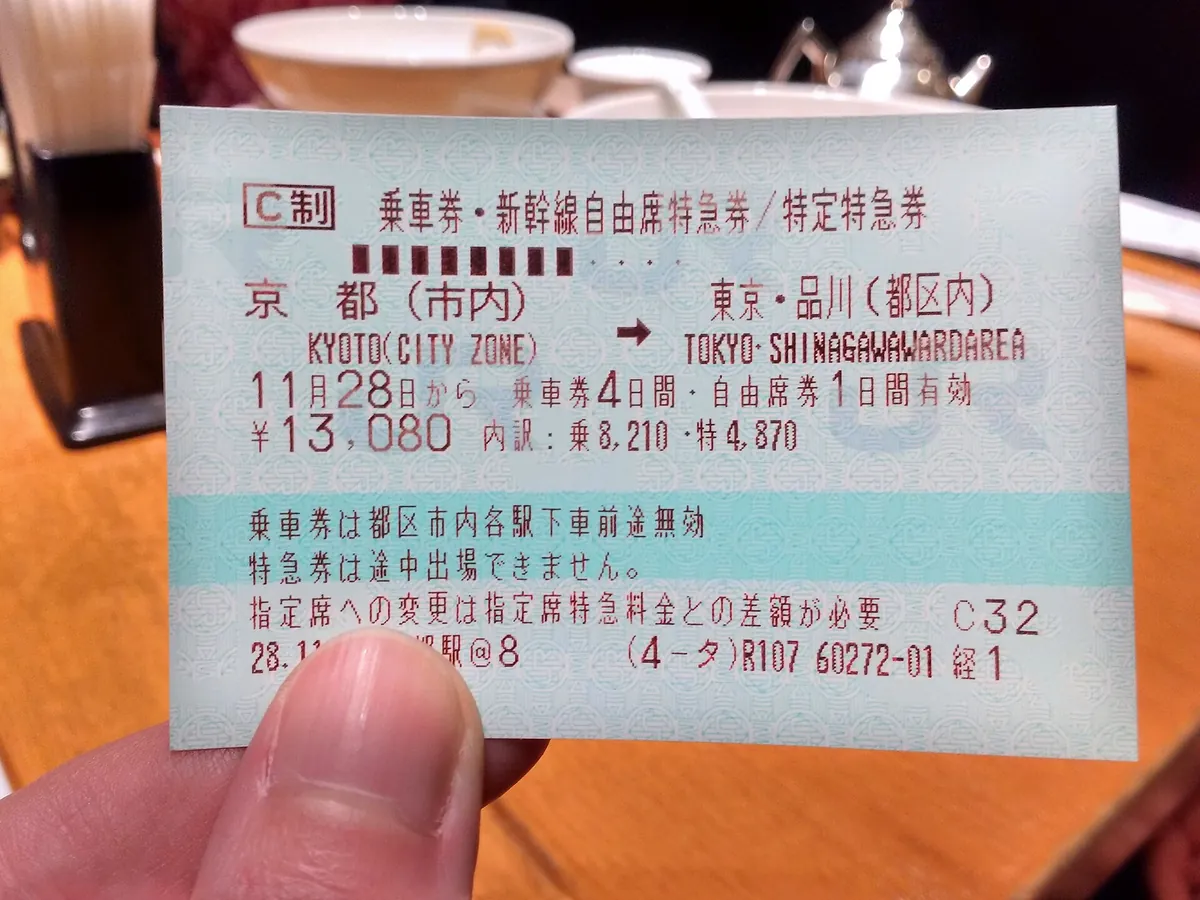
Our pick: put your longest train ride on 26–28 April or after 6 May if you can.
Those are your quiet days.
A 6-Question Yes/No Test
Most advice on this topic says the same thing: it is busy, book early. That does not tell you whether to go. Run through these six questions instead and count your answers.
- My dates are fixed by work or school
- This is not my first trip to Japan
- Kyoto and Hakone are not the core of my plan
- I can book rooms three or more months ahead
- I am happy to base myself in one big city
- A higher room rate will not wreck my budget
3. How to score it
Mostly yes? Go. You have either no choice about the dates or the flexibility to work around the crowds, and the rest of this guide gives you the rules.
Mostly no? Think hard about moving. A first-timer who wants Kyoto temples, a Hakone ryokan and a cheap room is asking for all three things that Golden Week makes harder.
The first question carries the most weight. If your dates are fixed, the question is not whether to go but how. Skip to the shinkansen and booking sections.
4. When to move instead
The simplest fix is the week after. From Thursday 6 May 2027, people are back at work, and JR Central’s own 2025 calendar treated 7 and 8 May as off-peak days for seat charges.
Mid-April is the other option, before the holidays start. You lose late cherry blossoms in most of central Japan, but you keep spring weather. For the full season picture, see our guide to the best time to visit Japan.
One week can change the whole trip.
Shinkansen in Golden Week: All-Reserved Nozomi and the ¥400 Peak Charge
The bullet train is where Golden Week bites first. JR Central changes how the Nozomi runs and what a reserved seat costs. Everything below is from its pages as of 2026, so check them again for 2027.
5. The all-reserved Nozomi rule
In 2026, JR Central ran every Nozomi on the Tokaido and Sanyo lines with reserved seats only from Friday 24 April to Wednesday 6 May. It did the same in 2025 (25 April to 6 May).
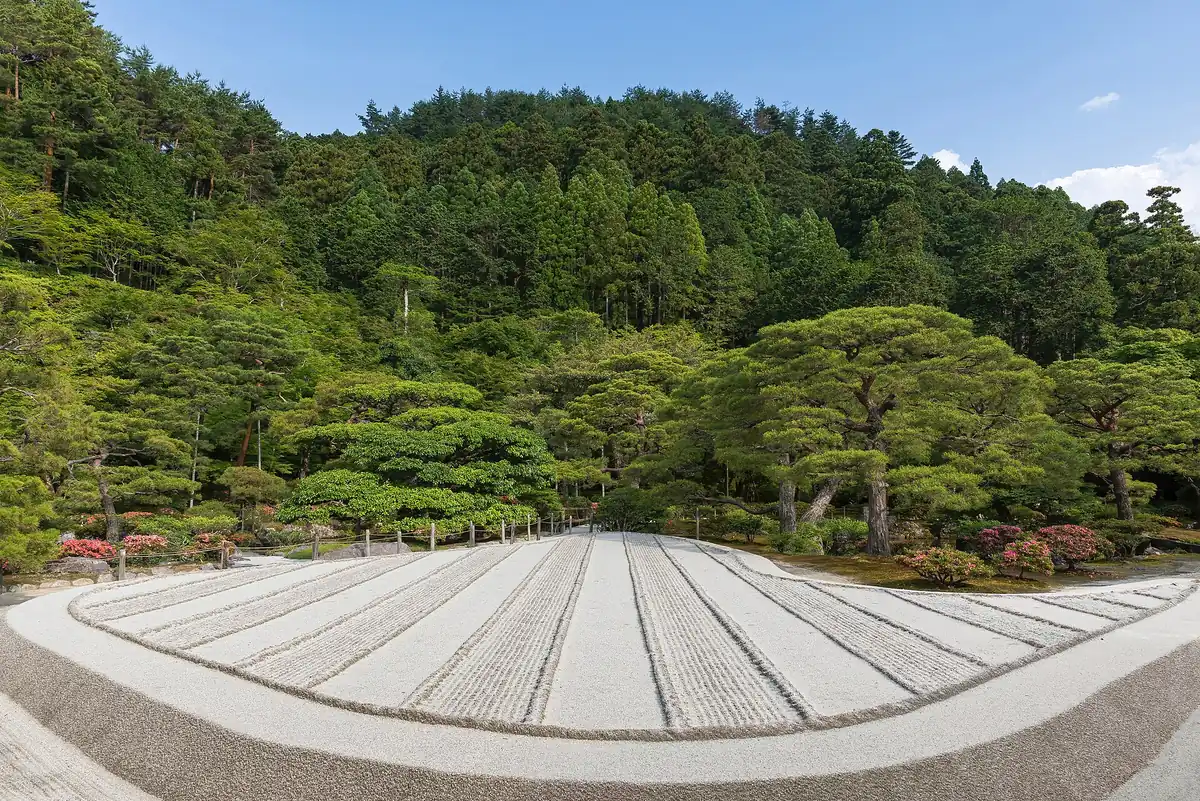
Its English page is blunt: during those periods you cannot sit with a non-reserved ticket. The Japanese page adds that unreserved ticket holders may still board and stand in the decks, but may not get on at all if the train is crowded.
JR Central’s Nozomi page lists dates only up to March 2027, so the 2027 Golden Week dates are not out yet. Check the Nozomi reserved-seat notice before you book.
6. The seasonal seat charge: +¥400 at peak
The price of a reserved seat on the Tokaido and Sanyo Shinkansen moves with the season. According to JR Central’s seasonal charge page, peak season adds ¥400 per adult one way over the regular season, and the busy season adds ¥200.
In JR Central’s 2026 calendar, 24 to 30 April counted as regular season and 1 to 6 May as peak. The 2027 calendar is not published, but the holiday block is the obvious candidate for peak.
JR Central gave its own example in 2025. Shifting a ride to the off-peak days just before or after Golden Week, which cost ¥200 less than regular, saved ¥600 per adult one way compared with a peak day.
Small per seat, but it adds up for a family.
7. JR Pass holders: Nozomi needs an extra ticket
JR Central’s English page says the Nozomi and Mizuho cannot be used on the Japan Rail Pass alone. A separate NOZOMI MIZUHO ticket for pass holders exists. Whether the pass pays off depends on your route, so add up the individual fares first.
The good news: in 2026, Hikari and Kodama trains kept their unreserved cars through Golden Week, according to JR Central’s release of 10 April 2026. For a pass holder, a Hikari with a reserved seat is the cleanest option.
- Tokyo Station
- Tokaido Shinkansen Hikari · reserved seat
- Kyoto Station
 ReaderYuki
For booking online or at machines, see our guide to booking shinkansen tickets. Klook and GetYourGuide also sell rail passes if you decide one fits.
The Counter-Flow Rule for Trains, Roads and Airports
Crowds in Golden Week move in one direction at the start and the other direction at the end. If you know which way, you can ride against it.
8. What the 2026 peaks showed
Two separate official sources agree. JR Central’s 2026 booking figures put the outbound shinkansen peak (trains leaving Tokyo) on Saturday 2 May and the return peak (trains into Tokyo) on Tuesday 5 May. NEXCO’s expressway report for 25 April to 6 May named the same two days.
JR Central’s release also showed where the pressure sat. As of 9 April 2026, the crowded slots were morning Nozomi and Hikari trains leaving Tokyo Station on 2 May, while trains heading back to Tokyo mostly still had seats.
The scale is real. By that date, 1.53 million Tokaido Shinkansen seats had been booked out of 5.69 million offered, 108% of the year before.
9. Applying it to 2027
This part is our inference, not an official forecast. With the 2027 block running Saturday 1 to Wednesday 5 May, expect the outbound peak near 1 May and the return peak near 5 May.
So a Kyoto-to-Tokyo ride on 1 May runs against the flow. A Tokyo-to-Kyoto ride on 5 May does the same. The weekdays of 26 to 28 April and 30 April sit outside the holidays altogether.
What most first-timers do
- Leave Tokyo for Kyoto on the morning of 1 or 2 May
- Plan to buy shinkansen tickets on the day
- Head back to Tokyo on 5 May with big suitcases
- Pack Kyoto’s top temples into the holiday block
What actually works
- Ride to Kyoto by 28 April or after 6 May
- Reserve seats as soon as sales open
- Send big bags ahead and travel light
- Use 1–5 May for one city you are already in
Ride the other way.
Airports and airport trains can be busy too; leave extra time.
Planning your visit?
Hotels, Cash and Booking Order
Rooms are the first thing to run out, and the hardest to fix late. Train seats come second. Get the order right and most of the stress goes away.
10. Book rooms first, 3 to 6 months ahead
Our advice is to lock rooms for 1 to 5 May three to six months ahead. That is editorial advice, not an official rule, but it gives you the widest choice before domestic travellers fill the popular areas.
Expect higher rates and less choice. There is no official figure for how much rooms rise, so test it yourself: search the same hotel on Booking.com or Agoda for a Golden Week night and for a night the week after, and compare.
Pick a free-cancellation rate where it is offered. If you later move the trip by a week, you can rebook without losing money. Agoda and Booking.com both let you filter for this.
The comparison takes five minutes.
Partner link.
11. Banks close, but 7-Eleven ATMs do not
Banks close on national holidays, so do not plan to change money at a counter on 29 April or 3 to 5 May. Cash machines are a different story.
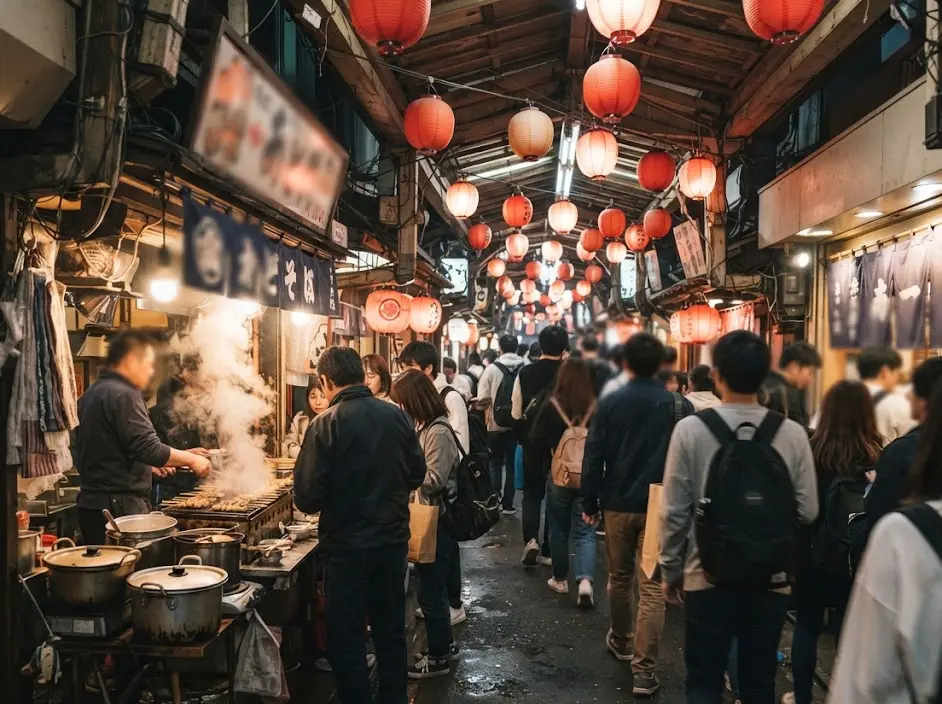
Seven Bank ATMs, found in 7-Eleven stores, accept foreign cards and let you withdraw yen day or night. Seven Bank says it has over 28,000 of them.
Moving between cities on a busy day with luggage? Sending bags ahead with Yamato frees your hands on crowded trains. Our guide to luggage forwarding in Japan explains how it works and when it pays off.
Where the Crowds Hit Hardest, and What Kyoto Does About It
Kyoto is the city most visitors worry about, and for good reason. It takes a big share of domestic holiday trips on top of overseas visitors.
12. Kyoto’s 2026 Golden Week measures
For Golden Week 2026, the city’s tourism site listed several measures. These were the 2026 versions; the 2027 details are not published yet.
- Kyoto Smart Navi, a map with real-time crowding levels
- Live cameras, 29 April to 6 May, at Kyoto Station and Kiyomizu-michi bus stop
- Extra Karasuma Line subway trains, 2 to 5 May, 10:00 to 19:00
- Free bus-to-subway transfers, 2 to 5 May, 15:30 to 18:50
The free transfers applied from the Higashiyama and Kinkaku-ji areas, steering people off packed buses and onto the subway. Read the Kyoto Golden Week notice for the full 2026 list, and check again next spring.

Luggage is the other Kyoto problem. Hands-Free Kyoto runs counters at Kyoto Station, such as the one in Crosta KYOTO on B1, open 8:00 to 20:00. Finish the paperwork during opening hours and your bag can reach your hotel the same day.
The bus is the weak point in Kyoto; our guide to avoiding Kyoto bus hell shows how to lean on trains and the subway instead.
13. Is Tokyo a good base?
The official peaks show people leaving Tokyo at the start of the block and returning at the end. That suggests many residents are away, but there is no official measure of how quiet the city gets.
Do not expect empty streets. Tokyo’s own sights still draw domestic visitors on holidays. What a Tokyo base does give you is the chance to skip the long-distance trains on the worst days and use the subway instead.
Kyoto works as a base too, if you get there early. Our guide to where to stay in Kyoto compares four districts by how quickly they reach the sights.
Stay put on 1 to 5 May.
What Stays Open in Golden Week (and the Museum-Monday Trap)
Most of Japan’s sights stay open through Golden Week, because it is their busiest time of year. The catch is the odd closing day that shifts when a holiday lands on it.
14. Tokyo National Museum’s Monday rule
The Tokyo National Museum normally closes on Mondays. When a Monday is a holiday, it opens that Monday and closes the next day instead. Its usual hours are 9:30 to 17:00.
In 2027, Monday 3 May is a holiday, and so is Tuesday 4 May. The rule does not say what happens when the next day is also a holiday, so check the museum’s 2027 calendar for 4 to 6 May before you plan a Ueno day around it.
Apply the same habit to any museum with a weekly closing day.
Small family-run shops and offices may close for a few days over the holidays. Convenience stores and big department stores generally stay open, which keeps food and basics easy to find.
The practical rule is simple. Treat the holiday block as a time for big, well-run places, and save small restaurants with irregular hours for the days around it.
- Check closing days for museums on 3 to 6 May
- Look up small restaurants’ holiday hours before you go
- Keep some cash, and know where the nearest 7-Eleven is
A two-minute check saves a wasted morning.
2 Reasons Golden Week Can Be Worth It
Golden Week is not only a problem to dodge. A couple of events line up with it, and one of them is the best late cherry blossom option in the country.
15. Late cherry blossoms at Hirosaki
By early May, the blossoms in Tokyo and Kyoto are long gone. In the north, they are not. The Hirosaki Cherry Blossom Festival in Aomori runs from 16 April to 5 May 2027.
The festival covers the whole of Golden Week. Blooms depend on the weather each year, so check the park’s bloom updates close to your dates. A rail pass or a tour on Klook or GetYourGuide can help if you are combining Hirosaki with Tokyo.
It is a long way north, so book the room early.
16. Hakata Dontaku in Fukuoka
Hakata Dontaku is held every year on 3 and 4 May. In 2026 the parades ran from 13:00 to 19:00 on 3 May and from 14:00 to 19:00 on 4 May, and Fukuoka’s tourism site puts visitors at around 2 million.
That is a big crowd, but it is a reason to be in Fukuoka on those dates rather than an accident you walk into. Look up the 2027 parade times when they appear, and book a room near Hakata Station on Booking.com or Agoda.
Go for the festival, not despite it.
The One Habit: Book Against the Crowd
Almost every Golden Week problem has the same fix. Do the things everyone else does, but on a different day or in the other direction.
JR Central’s 2026 seat figures make the point. The only crowded slots it named as of 9 April were morning trains out of Tokyo on 2 May. Trains the other way still had room.
Step 1: Lock rooms for 1 to 5 May first
Rooms run out before seats do. Book three to six months ahead, with free cancellation where you can.
Step 2: Move the long train ride off the peak
Put Tokyo to Kyoto on 26 to 30 April or after 6 May, or ride against the flow on 1 or 5 May.
Step 3: Reserve seats the moment they open
smartEX sells some seats from 5:30 a.m. one year before travel; trains booked that early are confirmed one month ahead.
Step 4: Plan city days for 2 to 5 May
Stay in one city, use the subway, and save small restaurants for the days around the block.
The smartEX detail is easy to miss. Its English booking service takes requests a year ahead for some seats and products only, then confirms the train, time and seats after 8:00 a.m. one month before you travel.
That one habit fixes most of the list.
FAQ
QIs Tokyo quieter during Golden Week?
Possibly in some areas, but there is no official measure. In 2026 the main traffic peaks were people leaving Tokyo on 2 May and returning on 5 May. Tokyo’s sights still draw domestic visitors.
QCan I ride a Nozomi without a reservation?
In Golden Week 2026 you could board with an unreserved ticket but not sit, and crowded trains could turn you away. Check JR Central’s Nozomi page for the 2027 dates.
QIs the week after Golden Week cheaper?
For shinkansen seats, it was in 2025: JR Central treated 7 and 8 May as off-peak. For hotels there is no official figure, so compare the same hotel on both dates.
QAre attractions closed during Golden Week?
Most big sights stay open. Watch for shifted closing days, such as the Tokyo National Museum’s Monday rule, and for small shops that close for the holidays.
Hearing that Golden Week is the busiest week of the year can make your fixed dates feel like a mistake before you have booked anything.
You could keep reading crowd warnings, or lock in your rooms and your one long train ride now and fill in the city days later.
Keep planning
- ① Install and test your eSIM before take-offAiralo and Ubigi eSIMs activate on arrival, but the install itself needs Wi-Fi. Do it at home and confirm the profile shows up in your phone settings.
- ② Save your first hotel’s address in JapaneseTaxi drivers and station staff read Japanese addresses far faster than romanised ones. Copy it from the booking confirmation into your notes app.
- ③ Set aside cash for day oneMany small restaurants, temples and rural buses are still cash-only. Airport ATMs at 7-Eleven and the post office accept most foreign cards.
Skip these and your first hour in Japan goes on finding Wi-Fi at the station instead of getting to your hotel.
🔍 How to sanity-check any price you read online
Blogs (including this one) go out of date. The official page always wins over a screenshot from two years ago.
Cover Photo: 日本国郵政省, Public domain, via Wikimedia Commons