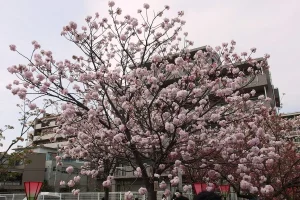

- Best for low crowds: Mid-May, just before the rainy season starts.
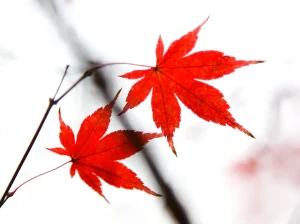
- Best for scenery: Late November, after the peak autumn heat dies down.
- Best for budget: Late January, when hotel demand hits a seasonal floor.
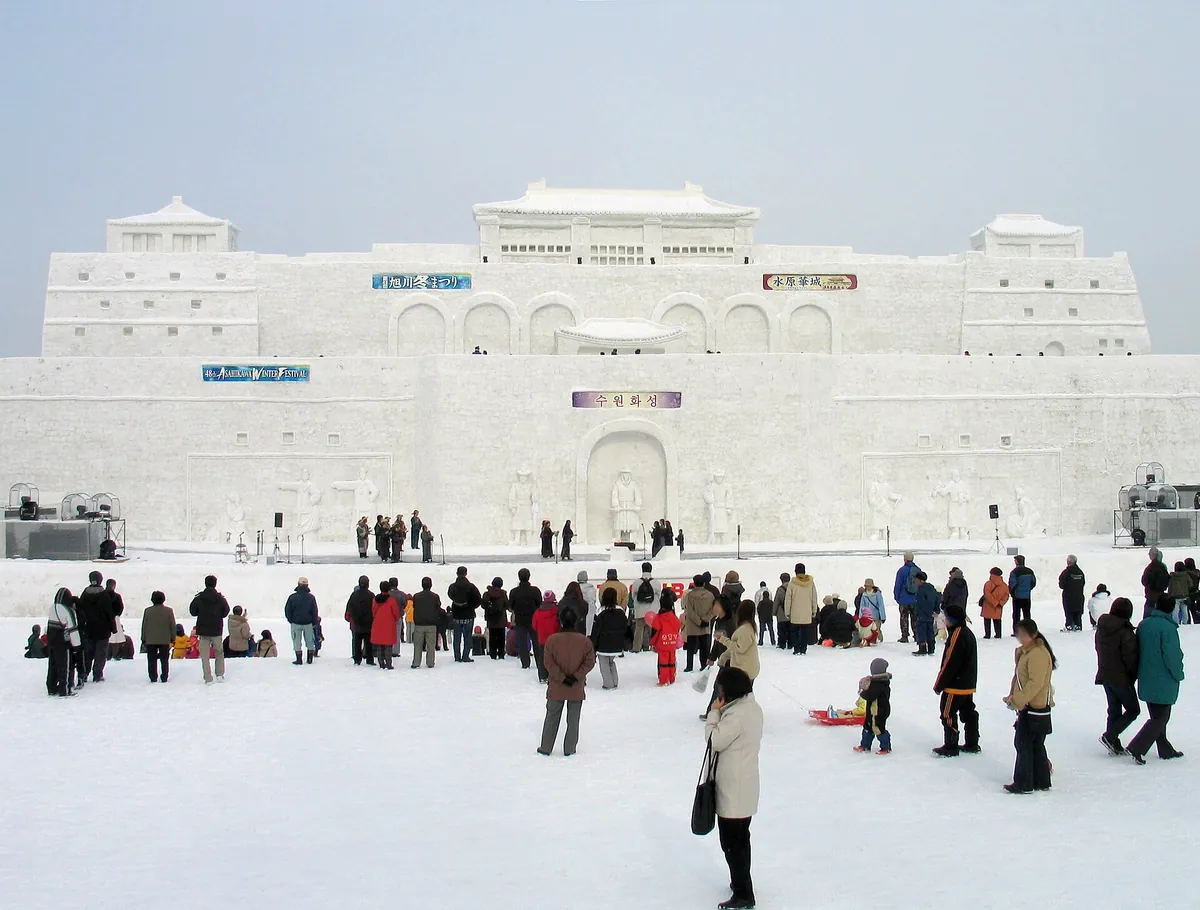
- Best for festivals: Early July, when the Gion Matsuri transforms Kyoto.
Kyoto station, my feet aching after three hours in the morning rain: if you want to see the real temples, go when the sky is gray and the tour buses are stuck in mud.
Chasing the perfect weather forecast usually means standing in a queue for three hours to see a single wooden pavilion.
If you are a first-time visitor in 2026, the best time to experience Japan is mid-May or late November, specifically avoiding the primary blooming weeks. You will find that these dates offer the most breathing room while still providing comfortable walking weather for 10–14 days of travel.
- Trip length
- 10–14 days
- Budget range
- ¥250,000–¥400,000
- Best base
- Osaka or Tokyo
- Peak season
- April and November
Top picks
Where we would book this
Booking.com
Largest inventory in Japan for English-speaking travellers
- Best for
- Hotels, business hotels, ryokan and apartments in every city
- Checked
- September 2026
Official site. Same price for you.
Where we would book this
Klook
One account for passes, tickets and transfers
- Best for
- JR Pass and regional rail passes, theme-park tickets, airport…
- Checked
- September 2026
Official site. Same price for you.
Some links are affiliate links (marked “Partner link”). Prices are ranges checked in 2026; confirm on the official site before you book.
The 4 pillars of choosing your Japan dates
You need to weigh weather against the sheer volume of other tourists in the country.
Many first-timers sacrifice their entire daily budget just to secure a hotel during the cherry blossom crush, only to spend their afternoons queuing for basic meals. The experience is often better when you are flexible about the specific week you land.
Think about these criteria before finalizing your flights:
- Is walking outside all day a priority for you?
- Do you have a fixed budget for accommodation?
- Are you comfortable with cold or rainy weather?
- Are you looking for specific seasonal foods?
- How much do you value empty photo opportunities?
- Are you planning to use local rail passes?
May and June for the low-crowd explorer
Why mid-May is the hidden gem
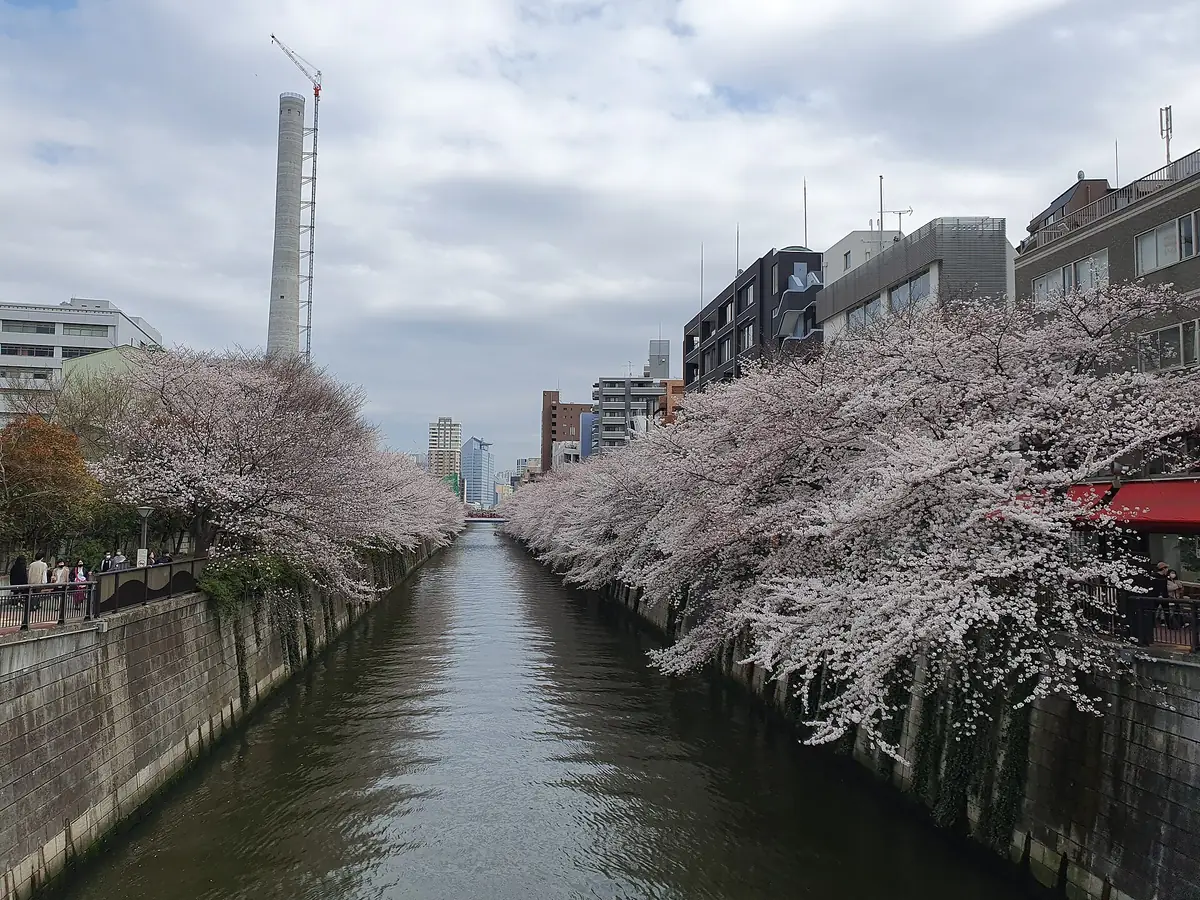
Late May is the sweet spot for me. The weather is warm enough for light clothing, but the humidity of the coming rainy season has not yet settled into the streets.
You can often find mid-range business hotels in areas like Shin-Imamiya or Akihabara at rates 20% lower than in April. Check prices on Booking.com for these mid-range stays.
Handling the June rainy season
You get the benefit of long, sunny days in early June, followed by occasional light showers. I find that these showers clear the most popular sites in Nara and Kyoto of their midday crowds.
Carry a light umbrella from a local convenience store and you will have the pathways mostly to yourself. I once spent a rainy Tuesday at a tea house in Uji and it remains my most memorable afternoon.
Winter as a strategic budget choice
January and February advantages
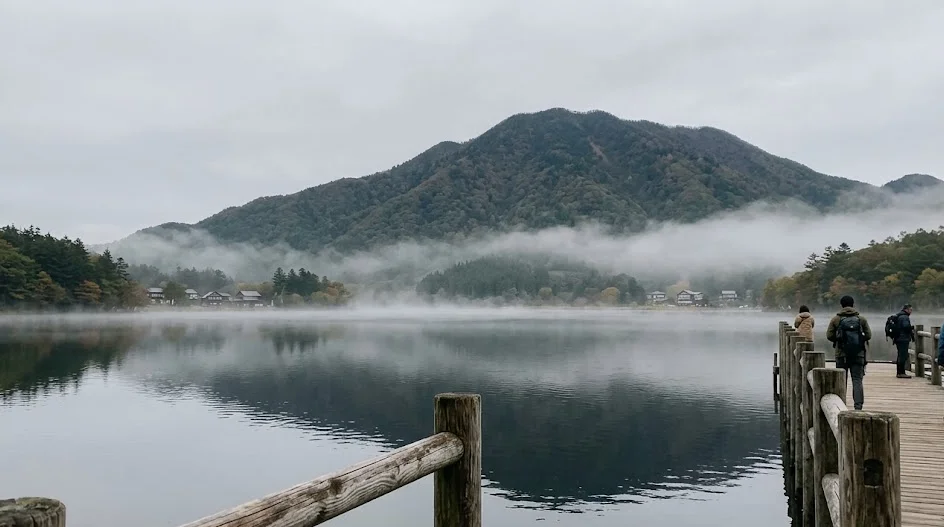
I find winter the most underrated time to see the country. The air is crisp, the sky is often clear, and you can see Mount Fuji from the trains more reliably than in summer.
Book a room at a ryokan in Hakone-Yumoto using Agoda to see the difference in pricing. Rates are often very reasonable outside of the New Year holiday week.
Trade-offs for the winter traveler
Be aware that mountain regions like the Japanese Alps or rural Hokkaido will be buried in snow. You should double-check train operations using the official JR East site before heading into high-elevation areas.
If you prefer city exploration, staying in Osaka during February keeps your costs low while giving you access to the best food scene in the country.
Why I avoid the peak bloom weeks
The reality of cherry blossom travel
Visiting popular sites like Fushimi Inari during the peak bloom is an exercise in patience. You will be moving at the pace of a slow human conveyor belt, often unable to even stop for a photo.
I once tried to visit Kyoto during the first week of April and struggled to find a single table for dinner without a two-hour wait. If you must go in spring, stay in a slightly less central neighborhood.
Smart alternatives to peak weeks
Consider the plum blossoms in February or the late-blooming varieties in rural areas during mid-April. You get much of the aesthetic beauty without the crushing density of the primary tourist zones.
Check the Japan Meteorological Corporation website to track these bloom windows as they fluctuate annually. Adjusting your dates by just ten days can change your entire experience.
Side by side: Comparing seasonal trade-offs
| Season | Best For | Rough Cost |
|---|---|---|
| Spring | Flowers | ¥300,000–¥400,000 |
| Summer | Festivals | ¥250,000–¥350,000 |
| Autumn | Color | ¥300,000–¥400,000 |
| Winter | Budget | ¥200,000–¥300,000 |
Plan your trip: the tools we use
Our pick: Mid-May for the best balance of temperature and foot traffic density.
The 3-month window you should actually choose
March to May: The transition period
This is the most common time for visitors to arrive. If you choose this, aim for the final weeks of May to avoid the Golden Week holiday surge. Use Klook for any pre-booked museum entries to save time.
September to November: The autumn cycle
Autumn leaves are beautiful, but the best color usually hits in late November. Expect more competition for hotel rooms in Kyoto and Nara than at any other time of the year.
December to February: The low-density season
This is for the traveler who hates crowds and wants to save money. Just ensure you have a good winter coat from home; gear in Japan is high quality but buying it on the spot is an unnecessary expense.
Tips for getting the most out of your planning
Step 1: Lock your flights first
Once your international flights are set, everything else is just local logistics.
Step 2: Book your first stay
Use Booking.com to secure a base in a major city like Tokyo or Osaka immediately.
Step 3: Get your eSIM
Set up an eSIM with Ubigi before you land so you have navigation as soon as you touch down.
I once forgot to check the dates for the local school holiday calendar and found myself in a massive traffic jam in Hakone. Now, I always cross-reference my dates with a quick search for local Japanese national holidays.
How we chose these dates
I based these recommendations on my own travels over several trips to Tokyo, Kyoto, and Osaka. I compared average monthly visitor data from public tourism bulletins and checked hotel pricing trends across common booking platforms.
I could not account for unexpected weather patterns, which are becoming harder to predict. These suggestions are intended to help you minimize risk, not to guarantee a perfect experience.
Optimizing your connectivity strategy before departure
You cannot rely on airport Wi-Fi alone if you want to navigate Japan efficiently. Modern travel in this country relies heavily on real-time transit data from apps like Google Maps and Navitime to catch the correct train platforms.
Setting up your digital infrastructure at home is the difference between a seamless arrival and standing in a long line at a portable Wi-Fi rental counter in Narita or Kansai Airport. Getting this done 48 hours before your flight ensures you are not struggling with authentication codes in a terminal lobby.
Choosing between eSIMs and physical SIMs
- eSIM services: Apps like Ubigi or Airalo allow you to purchase and activate a data plan for your specific duration. You receive a QR code, scan it, and gain instant access to 5G networks.
- Physical travel SIMs: If your phone is locked or older, you might need a physical chip. You can purchase these on Amazon before you leave and swap them out once you reach the hotel.
- Pocket Wi-Fi: These devices are bulkier but allow you to connect multiple devices, such as tablets and laptops, without draining your phone battery. This is useful for families traveling together.
Most travelers only need about 10GB to 15GB of data for a 14-day trip. If you are using your phone to stream high-definition video during long shinkansen rides, you might exceed this limit.
However, most business hotels and cafes provide reliable Wi-Fi, allowing you to save your mobile data for street-level navigation and translation apps.
If you choose to use an eSIM, check that your device is unlocked by your home carrier. This is a critical step that many visitors forget until they are already in the air.
You should also ensure your device supports eSIM technology, which is standard on most iPhones from the XS onwards and many Android models from the last few years. Test your connection immediately after touching down at the airport.
You do not want to be stuck in a taxi or train car without the ability to look up your hotel address or check the last train times for your arrival evening.
Managing restaurant reservations and local bookings
The best time to visit is often determined by your ability to secure bookings at top-tier restaurants. Many of the most popular eateries in Tokyo or Osaka do not accept walk-ins, and trying to secure a table during peak tourist months like April or November is a near-impossible task.
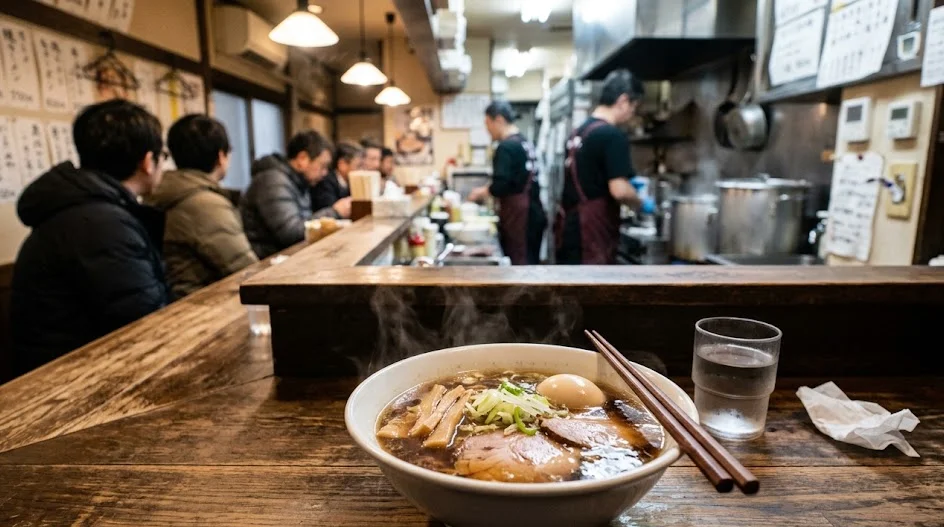
You need to decide if you are a “plan everything” traveler or a “discovery” traveler. If you have your heart set on a specific Michelin-starred ramen shop or a high-end kaiseki experience, you must book these weeks or months in advance using dedicated platforms.
Digital tools for securing your meals
- TableCheck: This is my go-to platform for higher-end dining. It allows for direct bookings and shows live availability in English.
- AutoReserve: This service acts as a concierge to call restaurants on your behalf, which is helpful for smaller shops that do not have an online interface.
- GetYourGuide: Use this for food tours or experience-based dining, where you pay for a package that includes a guide and a pre-set menu at multiple locations.
Many of the most popular spots will require a local phone number to confirm your reservation. This is where your mobile strategy intersects with your dining strategy.
If you do not have a local number, some platforms allow you to input your hotel’s phone number, but you must ask your hotel concierge for permission to use their contact information first.
Expect to pay a deposit for high-end dining, typically ranging from 3,000 to 10,000 yen per person. Check the official site of each restaurant for their cancellation policies, as many will charge a 100% fee if you are a no-show.
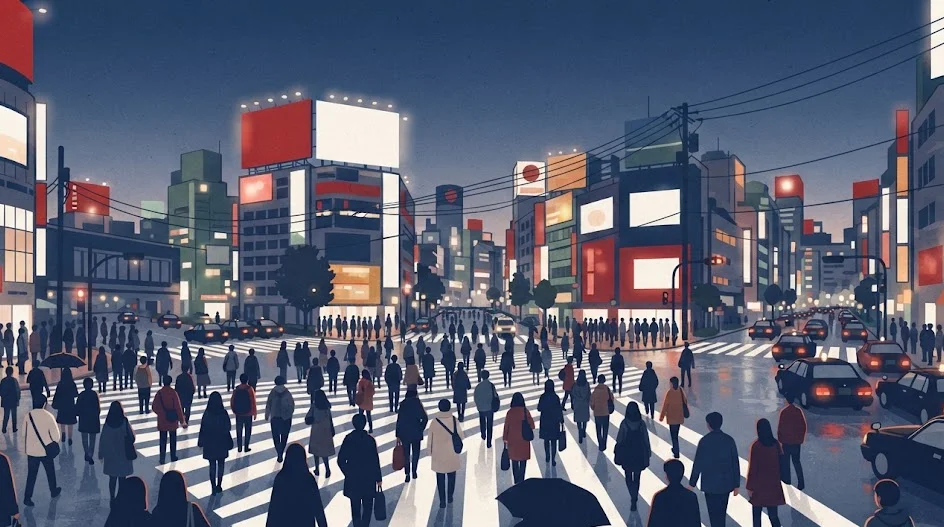
Do not assume you can just walk into an izakaya during the Friday dinner rush; you will almost certainly be turned away. If you are traveling in the off-season, such as late January or February, you will have much more flexibility.
In these months, you can often secure same-day or next-day reservations at places that are booked out months in advance during the peak spring and autumn seasons.
Regional climate variance and where to pivot
The best time to visit Japan often depends more on your latitude than the national average. A week in Tokyo during November feels vastly different from a week in Sapporo or Fukuoka during that same window.
If you choose to travel in the transition months, consider that the northern regions like Hokkaido experience early snow by November, while the southern islands of Kyushu remain mild and suitable for outdoor hiking.
This regional split allows you to chase the weather that suits your pace rather than fighting the crowds in the central Golden Route. I often shift my focus to the coastal regions of the San-in area or Shikoku if the main island is experiencing peak tourist density.
Strategy for regional flexibility
- Early November: Focus on the Tohoku region for peak foliage before the cold sets in.
- Late May: Prioritize the Japan Sea coast, such as Kanazawa, where the spring weather stays crisp.
- Mid-February: Head to Kyushu for early plum blossoms, which bloom weeks before the main cherry trees.
You can monitor these regional differences using the Japan Meteorological Corporation’s regional reports. They provide granular data on foliage and flower cycles that are far more accurate than generic national forecasts.
When booking your transit, leave your regional destination open until 30 days before departure if possible. Using platforms like Klook for regional rail passes after you arrive in Japan can save you money if you decide to pivot to a warmer or less crowded region based on a last-minute weather check.
Keep in mind that hotel supply in rural prefectures is tighter than in Tokyo. Once you decide on a region, secure your accommodation on Booking.com or Agoda immediately, as smaller ryokans have limited inventory compared to city business hotels.
Avoid the trap of booking a single base for the entire trip if you are chasing better weather across different latitudes. Travel efficiency relies on your ability to pivot.
If you reach your first stop and find the weather uncooperative, having a modular plan for an alternative city saves your entire week from being a wash.
Navigating the cost of transit and seasonal spikes
Budgeting for your trip requires understanding that the “best time” to visit is often directly correlated to the cost of your internal transit. The price of shinkansen tickets is static, but the availability of discounted travel passes fluctuates based on peak demand.
I frequently see travelers realize too late that their preferred travel week coincides with a major domestic holiday. These surges impact not just hotel prices but the availability of seat reservations on the fastest train lines.
Always verify the Japanese calendar for national “Silver Week” or similar holiday clusters. During these times, even the local bus networks in tourist hubs become significantly harder to navigate, adding hours of unnecessary travel time to your transit days.
Managing your transit budget
- Low season: Use regional passes to cut costs, as these are often valid for 3–5 days of travel.
- Peak season: Expect to pay full fare for the Nozomi or Sakura trains to guarantee a seat.
- Flexible travel: Use the SmartEX app to book train tickets in advance and secure early-bird discounts.
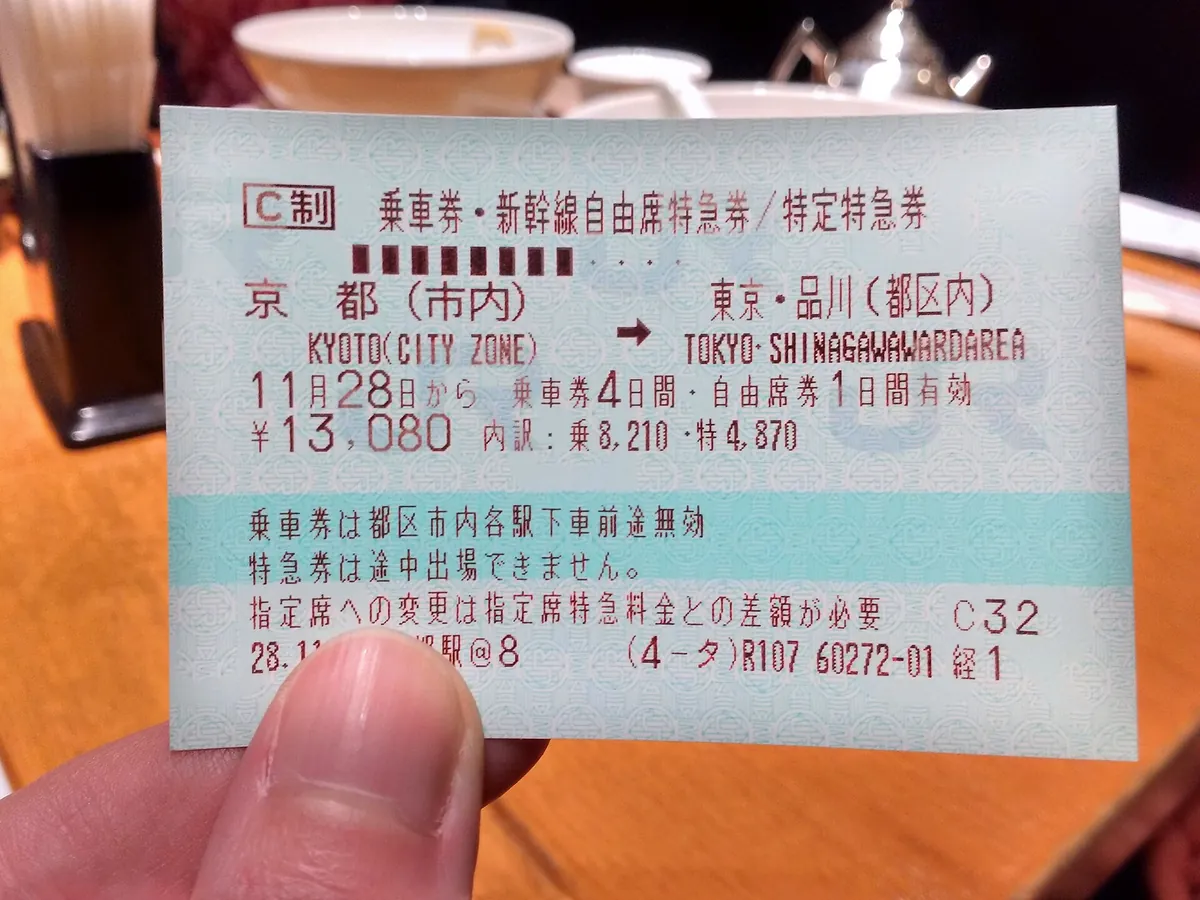
You should calculate your expected train costs using a simple fare calculator before choosing your dates. If you are traveling between Tokyo and Osaka, a return ticket will cost between 28,000 and 30,000 yen; check the official site of JR Central for the most current pricing.
Never rely on a national rail pass without doing the math. Since the major price hike in late 2023, the value proposition for a 7-day or 14-day pass has dropped significantly for those who stay within one or two regions.
Individual tickets are often cheaper if your itinerary is focused on a single corridor. Use Amazon to check for any specialized regional rail passes that might be cheaper than the national version.
These smaller passes, such as those for the Kansai region or the Hokuriku Arch, provide deep discounts if you restrict your travel to specific geographic zones.
If you find that your chosen week is unexpectedly expensive, prioritize your spending on transit over lodging. A slightly cheaper hotel outside the city center is manageable, but failing to secure a seat on a long-haul train can derail your entire schedule.
FAQ
QIs summer too hot for a first-timer?
July and August are very humid, but it is manageable if you visit early in the morning. Stay in the cities and plan your outdoor activities for before 10:00 AM.
QWhen does the rainy season officially start?
It typically begins in early June and lasts until mid-July. It is not constant rain, but rather humid, overcast days with sudden downpours.
QAre prices higher on weekends?
Yes, hotel rates in cities like Osaka and Tokyo spike significantly on Friday and Saturday nights. Try to shift your long-distance travel to Tuesday or Wednesday to save.
QDo I need a JR Pass if I visit in the off-season?
Whether the pass pays off depends on your route; add up the individual ticket fares on the official site first. Never assume it saves money without doing the math for your specific 14-day trip.
QCan I visit in December?
Early December is excellent. The autumn foliage often lingers in the southern parts of the country, and the Christmas market lights in cities are quite beautiful without being over-crowded.
Deciding when to go is the biggest hurdle to feeling confident about your Japan trip.
Forget the endless cycle of re-reading generic blogs and lock in one realistic window to move your planning forward.
Keep planning
- ① Install and test your eSIM before take-offAiralo and Ubigi eSIMs activate on arrival, but the install itself needs Wi-Fi. Do it at home and confirm the profile shows up in your phone settings.
- ② Save your first hotel’s address in JapaneseTaxi drivers and station staff read Japanese addresses far faster than romanised ones. Copy it from the booking confirmation into your notes app.
- ③ Set aside cash for day oneMany small restaurants, temples and rural buses are still cash-only. Airport ATMs at 7-Eleven and the post office accept most foreign cards.
Skip these and your first hour in Japan goes on finding Wi-Fi at the station instead of getting to your hotel.
🔍 How to sanity-check any price you read online
Blogs (including this one) go out of date. The official page always wins over a screenshot from two years ago.