- Go outdoors before about 10 a.m. and after about 5 p.m.; stay indoors in between
- At 5 p.m. the night before, check tomorrow’s Heat Stroke Alert
- Kyoto and Osaka average 33.7°C highs in August, 2.4°C above Tokyo
- Drink before you feel thirsty, and add salt on heavy-sweat days
- Sapporo’s August average high is 26.4°C: the cool stop on a usual route
- In trouble: 119 for an ambulance, 050-3816-2787 for English help, 24 h
Is Kyoto in August really as hot as people say?
By the official numbers, yes, and Osaka is no cooler. This guide is for first-timers going in July or August, and the plan that works is simple.
Do the outdoor part of each day before about 10 a.m. and after about 5 p.m., keep the middle of the day indoors, and check the government heat alert at 5 p.m. the night before. Everything below explains how to build a trip around those three rules.
It is not about what to pack. That is covered in our Japan summer packing list. This one is about how to run the days: which city is hottest, what the alerts mean, what opens early and who to call if someone gets sick.
- Hottest months
- July and August
- Kansai Aug high
- 33.7°C average (1991–2020)
- Alert check
- 5 p.m. the day before, 5 a.m. on the day
- Alert season
- Late April to late October
- English help
- 050-3816-2787, 24 hours
- Checked
- October 2026
Climate averages, alert rules and opening hours checked in October 2026; confirm on the official site before you go.
How Hot Tokyo, Kyoto, Osaka and Fukuoka Get in August
Start with real numbers, not with how a heatwave looked on the news. The Japan Meteorological Agency publishes 30-year averages (1991–2020) for every major city. Here is August, the hottest month on a standard route.
← Swipe to see the full table →
| City | August average high / low | Humidity |
|---|---|---|
| Tokyo | 31.3°C / 23.5°C | 74% |
| Kyoto | 33.7°C / 24.7°C | 66% |
| Osaka | 33.7°C / 25.8°C | 66% |
| Fukuoka | 32.5°C / 25.4°C | 72% |
| Sapporo | 26.4°C / 19.1°C | 75% |
Plan your trip: the tools we use
Our pick: plan Kyoto and Osaka days as the hardest of the trip, and use Sapporo if you need a break.
These are averages over 30 years. Recent summers have often run hotter than this table, so treat it as the floor of what to expect, not the ceiling. You can read the source tables on the JMA site for Kyoto and the other cities.
- Your trip falls in July or August
- Kyoto or Osaka is on the route
- You plan to start sightseeing around 10 a.m.
- You have never heard of WBGT
- You will move between cities with a suitcase
- You do not know who to call if someone feels ill
- Hokkaido is not on your list yet
Two or more ticks? The 16 numbered items below are written for you.
1. Treating Tokyo’s number as Japan’s number
Most heat warnings that reach travellers quote Tokyo. But Kyoto and Osaka both average 33.7°C by day in August, 2.4°C above Tokyo’s 31.3°C. Fukuoka sits between them at 32.5°C.
That gap matters because Kyoto days usually mean long walks outside. Temple grounds, shrine gates on a hillside and long queues outside all sit in Kyoto, which is the hottest stop on most routes.
Plan your hardest walking for Tokyo, not Kyoto.
2. Counting on the nights to cool down
Many people expect relief after sunset. Osaka’s normal August low is 25.8°C and Fukuoka’s is 25.4°C, so the air stays above 25°C all night. Kyoto’s low is 24.7°C and Tokyo’s is 23.5°C.
In practice, an evening walk is cooler than noon but still warm. Your hotel room’s air conditioner does real work here, so think about where you sleep as part of the plan, not only where you sightsee.
Lower humidity in Kyoto and Osaka does not mean comfortable. At 66%, with highs over 33°C, it is still heavy air.
The 2 Heat Alerts to Check at 5 p.m. the Night Before
Japan has a national system for heat warnings, run by the Ministry of the Environment and the Japan Meteorological Agency. It is the single most useful tool for a summer trip, and most visitors never open it.
The ministry has an English heat illness site with the alerts and the forecast maps. Bookmark it before you fly.
3. Ignoring the Heat Stroke Alert
The Heat Stroke Alert is announced when the heat index, called WBGT, is forecast at 33 or higher. Japan is split into 58 regions for it, so the alert for Kyoto can differ from the one for Tokyo.
Timing is the useful part. The alert is announced at 5 p.m. the day before and again at 5 a.m. on the day itself. The system runs every year from the fourth Wednesday of April to the fourth Wednesday of October.
The ministry’s advice for an alert day is plain: avoid going out as much as possible, keep the room cool with an air conditioner, and avoid exercising as a general rule.
The 2026 alert season ended on October 21, 2026, so the alert pages show no live data until late April next year.
4. Not knowing the Special Heat Stroke Alert exists
There is a second, higher level. Under the rules the ministry set out in 2024, a Special Heat Stroke Alert goes out when tomorrow’s WBGT is forecast to reach 35 at every measuring point in a prefecture.
It is announced around 2 p.m. the day before, and it is shown in black. The regular alert is shown in purple. If you see black on the map for where you will be tomorrow, rebuild the whole day.
Black means stay in.
5. Reading the thermometer instead of the WBGT
A WBGT of 33 is not 33°C on a thermometer. The ministry describes WBGT as an index of the heat stress a person is exposed to, and it is the number the alerts use. Here is the ministry’s own guidance by band:
- WBGT 31 or higher: exercise prohibited
- WBGT 28–31: heavy exercise prohibited
- WBGT 25–28: rests should be provided often
- WBGT 21–25: water should be replenished often
A long day of walking and climbing temple steps counts as exercise in this sense. Over 31, the ministry’s wording is clear enough to plan by.
The Japanese version of the site updates its maps on a fixed schedule: “today” at 5:00, and “tomorrow” at 14:00 and 17:00. Those three times are the only checks you need.
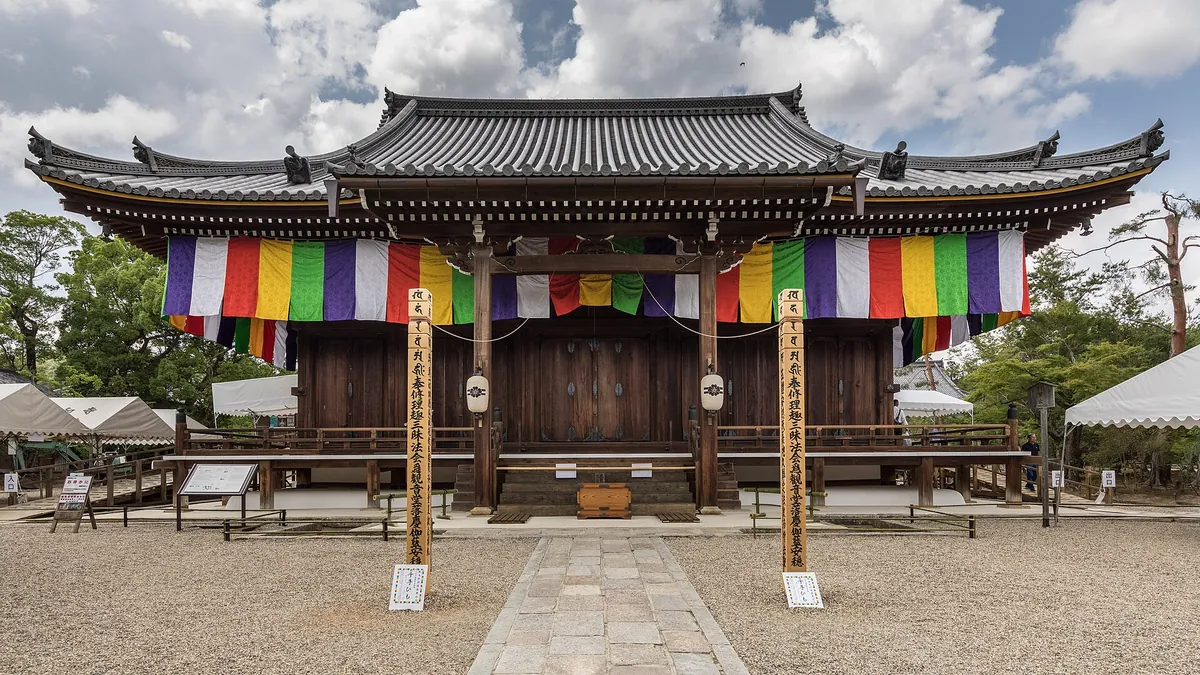
Rebuilding a Sightseeing Day Around 5 and 6 a.m. Openings
A spring trip can start at 10 a.m. and finish at dinner. In August that puts your longest walks in the hottest hours. The fix is to move the outdoor sights to the very start of the day, and several big ones open far earlier than visitors expect.
Here is the shape of a summer day that works:
- Early morning, outdoors: shrines, temples, gardens, viewpoints
- About 11 a.m. to 4 p.m., indoors: museums, department stores, lunch, a rest
- Evening, outdoors again: shopping streets, river walks, dinner
- Back at the hotel early enough to sleep before the next early start
6. Starting at 10 a.m. like a spring trip
Meiji Jingu in Tokyo opens at 5:00 a.m. in July and August. It closes at 6:20 p.m. in July and 6:00 p.m. in August, as of the shrine’s own visitor page.
That means you can walk the long gravel approach under the trees before the city heats up, then be on a train to an indoor stop before 9 a.m. Outdoors first, indoors by mid-morning.
Set the alarm. It is the cheapest fix on this list.
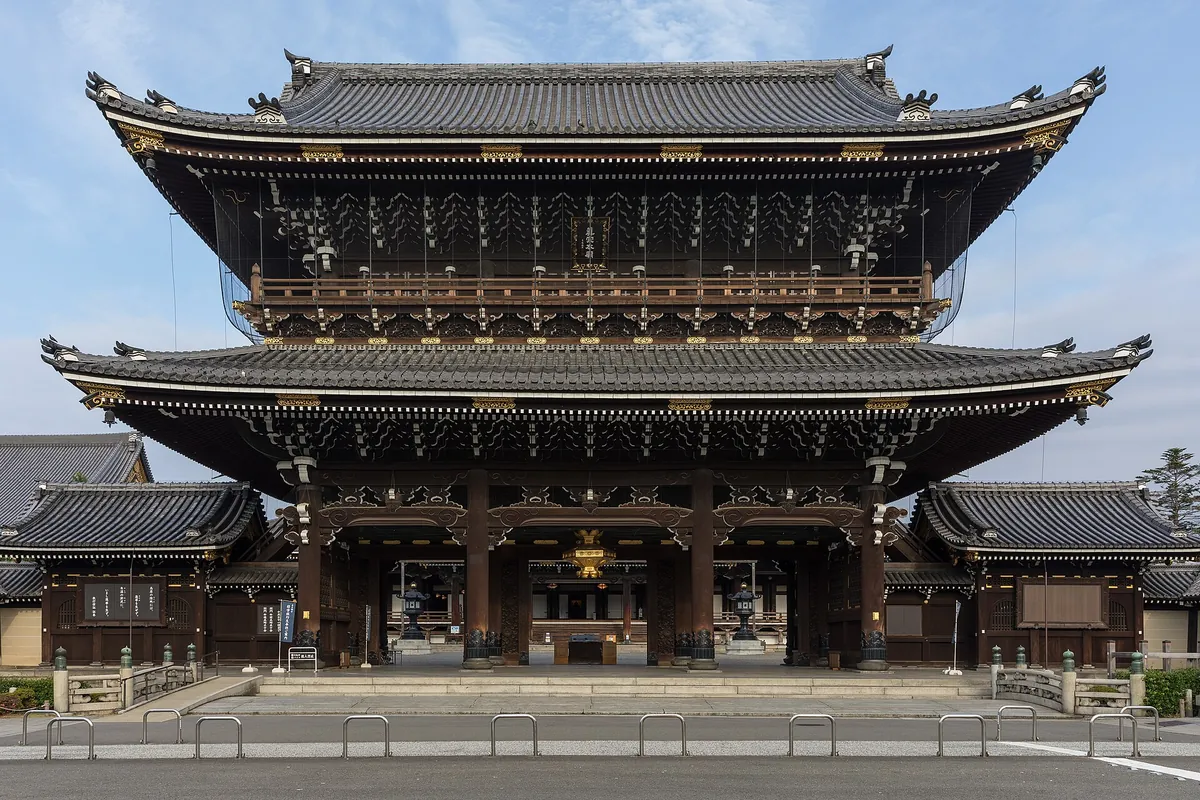
7. Saving Asakusa for the afternoon
Senso-ji is often planned as an afternoon stop, combined with shopping on the street in front. The temple’s official page lists the main hall as open from 6:00 a.m. to 5:00 p.m. from April to September, and from 6:30 a.m. from October to March.
In summer, go at opening, see the main hall and the gate area while it is still mild, and come back to the shops later if you want them. Asakusa in the afternoon heat has little shade.
8. Doing Kyoto’s east side at noon
Kiyomizu-dera opens at 6:00 a.m.; its closing time changes with the season, so check the temple’s page. The walk up to it is a steady climb, which is exactly what you do not want at midday in a city averaging 33.7°C.
Fushimi Inari is the other early-morning favourite. The shrine sits right next to JR Inari Station, two stops and about 5 minutes from Kyoto Station, according to the shrine’s access page. It is also a 5-minute walk from Keihan Fushimi-inari Station.
- Kyoto Station
- JR Nara Line · 2 stops · about 5 min
- Inari Station
- Right next to the station
- Fushimi Inari Taisha
Two more ways to cut the midday walking. Early-morning walking tours on Klook and GetYourGuide let someone else plan the route; check the start time before you book. And a hotel a few minutes from a station, found on Booking.com or Agoda, means a short walk back for an afternoon rest.
Short walks at noon add up.
Planning your visit?
Water, Salt and Kyoto’s 800 Free Water Spots
Kyoto’s official tourism site published heat advice for visitors in August 2026. It is short and practical, and it applies anywhere in Japan in summer. You can read it on kyoto.travel.
9. Drinking only when thirsty
Kyoto’s advice is direct: “Drink water even before you start to feel thirsty.” It also says to take frequent breaks and avoid intense exercise.
Refilling is easier than many think. Kyoto City has more than 800 free drinking water sources, according to the same page, so a refillable bottle is worth carrying there. Convenience stores and vending machines fill any gaps.
Drink on a schedule, not on a feeling.
10. Plain water on heavy-sweat days
The second half of Kyoto’s advice is easy to miss: “If you are sweating a lot, be sure to take in plenty of sodium.” Water alone does not replace the salt you lose on a long, hot walk.
Japanese convenience stores and drugstores sell the basics for this, and you do not need to bring them from home:
- Electrolyte and sports drinks in the drinks fridge
- Salt tablets and salty candies, often near the checkout
- Neck cooling towels for the walk between sights
- Handheld fans, sold in summer at many shops
- A parasol or umbrella for shade at bus stops
If you would rather sort a cooling towel or a light parasol before you go, Amazon lists both. For clothing and shoes, see our summer packing list rather than this page.
Moving Between Cities in July Without Overheating
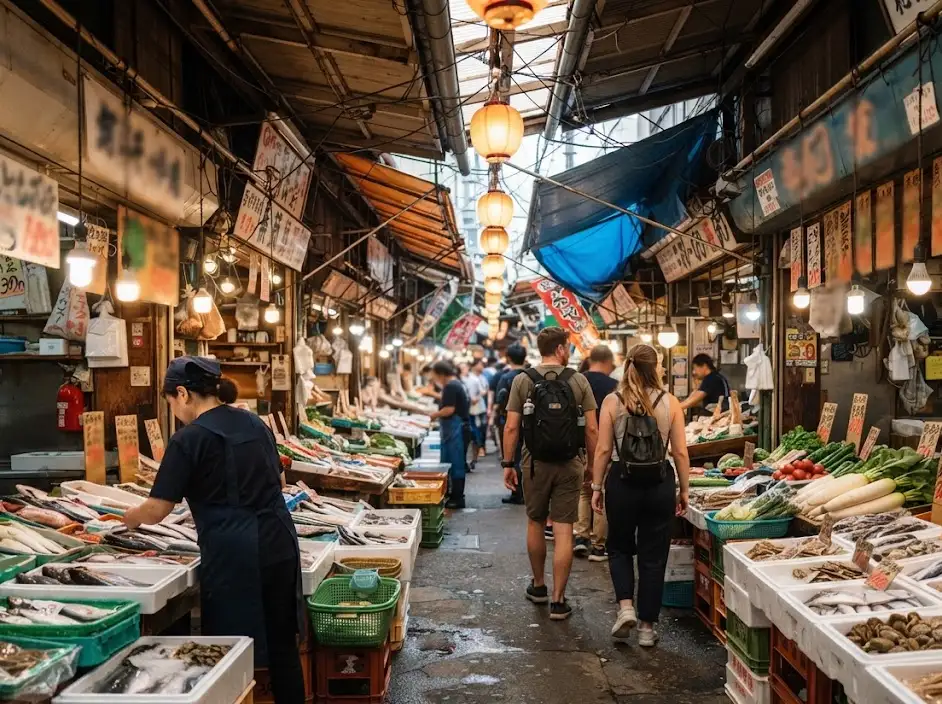
Travel days are where the heat catches people out. You check out at 10 or 11 a.m., then spend the hottest part of the day walking to stations, changing trains and finding the next hotel with luggage.
What most first-timers do
- Start sightseeing at 10 a.m.
- Pull a suitcase through midday streets
- Check the thermometer, not the WBGT
- Do Tokyo, Kyoto and Osaka only
- Wait out a dizzy spell on a bench
What actually works
- Start outdoors at 5 or 6 a.m. openings
- Send the bag ahead and travel light
- Check the alert at 5 p.m. and 5 a.m.
- Add a Sapporo leg for a cooler break
- Get inside, cool down, and call for help
None of the right-hand column costs much. It costs planning, done a day ahead.
11. Dragging a suitcase through midday streets
A suitcase turns a 10-minute walk into hard work, and in August it turns it into a heat risk. Luggage forwarding, such as Yamato luggage forwarding, sends the bag ahead to your next hotel so you travel with a day bag.
Our guide to luggage forwarding in Japan explains how it works and when it pays off. In summer, the case for it is stronger than in any other season.
If you do carry the bag, time the walk to the new hotel for the evening. Put the train in the afternoon, wait in the station or a museum, and arrive after the worst of the heat.
12. Assuming July is past the rain
The rainy season does not end in June. The JMA’s rainy season page puts the normal end around July 19 for Kanto-Koshin (Tokyo’s region), Kinki (Kyoto and Osaka) and northern Kyushu (Fukuoka).
Years vary. For 2026, the JMA’s preliminary dates were around July 20 for Kanto-Koshin and around July 8 for Kinki and northern Kyushu.
What comes right after the rain is heat with high humidity. Tokyo’s normal July humidity is 76%. Plan July days the same way as August ones.
An eSIM from Airalo or Ubigi lets you check the alert map and the weather on the go, which is what makes the 5 a.m. check practical.
Going North: Sapporo’s 26.4°C August as a Heat Break
If the heat is the thing you dread most, the strongest move is geographic. Sapporo’s normal August high is 26.4°C, 7.3°C below Kyoto and Osaka, and its average low is 19.1°C.
That is the only big city on a common first-trip route where August nights drop below 20°C on average.
13. Doing only Tokyo, Kyoto and Osaka in August
A classic Tokyo, Kyoto and Osaka loop puts you in the two hottest cities in the table for most of the trip. Adding a few days in Hokkaido breaks that up.
It is not a full escape. Sapporo’s August humidity is 75%, close to Tokyo’s, and the July average high is 25.4°C. But a high in the mid-20s is a very different walking day from one over 33°C.
Put the cool leg in the middle of the trip, not at the end, so it gives you a real rest. If you are thinking about a rail pass for this kind of route, whether it pays off depends on your route; add up the individual fares first.
14. Booking the cool leg last
Sapporo is a summer holiday destination for people in Japan too. We have no official figures on how fast rooms go, so the honest advice is simple: book once your dates are fixed, and pick a free-cancellation rate.
Booking.com, Agoda and Rakuten Travel all list Sapporo hotels. A room near Sapporo Station keeps the walk short on arrival day. For day trips from the city, Klook and GetYourGuide list tours worth a look.
Partner link.
Heat Illness on the Road: 119, #7119 and the English Hotline
Nobody plans to get sick on holiday, which is exactly why the numbers below belong in your phone before you land. Save them now. It takes a minute.
15. Waiting it out on a bench
When someone feels dizzy in the heat, the instinct is to sit down outside and wait. The Ministry of the Environment’s first-aid steps (a Japanese page) start the other way: move the person to a cool place.
Get the person indoors, into air conditioning. A station, a department store or a convenience store is usually close by in a Japanese city.
Kyoto adds one more option. When a Special Heat Stroke Alert is issued, cooling shelters open across Kyoto City, according to its tourism site. The list is in Japanese only, so ask at a hotel or tourist office.
If someone is confused or not responding normally, call 119. If they cannot drink by themselves, they need medical care: call 119, or #7119 in Tokyo for advice. The full flow is on the ministry’s first-aid page (in Japanese).
16. Not knowing who to call
These numbers cover most situations. Keep them on your phone and on paper.
- 119: fire and ambulance, anywhere in Japan
- 110: police
- #7119 in Tokyo (23 wards and Tama): 24-hour advice on whether to go to hospital
- 03-3212-2323: the alternative number for Tokyo’s #7119 line
- 050-3816-2787: Japan Visitor Hotline, 24 hours, in English
Tokyo’s #7119 line is run by the Tokyo Fire Department, 24 hours a day, 365 days a year. It helps you decide whether to go to hospital or call an ambulance.
For English help, use the Japan Visitor Hotline run by JNTO. From outside Japan the number is +81-50-3816-2787. It runs 24 hours a day, 365 days a year, in English, Chinese and Korean, and covers accidents and illness.
Save the hotline before you fly.
The One Habit: A 5 p.m. Check That Decides Tomorrow
If you keep one rule from this guide, keep this one: at 5 p.m. every day, look at tomorrow’s heat alert and decide the shape of tomorrow.
The alert timetable makes this work. The Special alert comes out around 2 p.m., the regular alert at 5 p.m., and the regular alert is issued again at 5 a.m. So the evening check sets the plan, and a quick look at breakfast can still change it.
Step 1: At 5 p.m., check tomorrow’s alert
Open the ministry’s English site and find your region. Note whether there is an alert, and whether it is purple or black.
Step 2: If there is an alert, move the outdoor sights
Push them before about 9 or 10 a.m., or swap the day for museums, shopping or a trip north.
Step 3: Make the earliest opening your first stop
Meiji Jingu at 5:00, Senso-ji’s main hall or Kiyomizu-dera at 6:00. Set the alarm to match.
Step 4: Look again at 5 a.m.
The alert is announced again that morning. If it has changed, adjust before you leave the hotel.
That is the whole habit. Two checks a day, five minutes each, and the rest of the trip stays flexible.
For the wider first-trip basics, see our first time in Japan guide.

FAQ
QIs August too hot for a first trip to Japan?
Not if you plan around it. Expect averages of about 31–34°C by day on the main route, start early, rest indoors at midday and use the alerts. If you can move your dates, our guide to the best time to visit Japan compares every season.
QIs Kyoto hotter than Tokyo in summer?
Yes, by the JMA’s 1991–2020 averages. Kyoto’s August high averages 33.7°C against Tokyo’s 31.3°C. Osaka matches Kyoto by day and is warmer at night.
QWhat is WBGT?
It is the heat index the Ministry of the Environment uses for its alerts. The ministry describes it as an index of the heat stress a person is exposed to. It is not the same as air temperature.
QWhen does the heat alert season run?
Every year from the fourth Wednesday of April to the fourth Wednesday of October. The 2026 season ended on October 21.
QIs the rainy season over by late July?
Usually, in the main cities. The normal end is around July 19 for the Tokyo, Kyoto and Osaka, and Fukuoka regions, but it varies by year. Expect heat and humidity right after it ends.
Summer heat can make a first trip to Japan feel risky to plan, especially when every headline sounds worse than the last.
You could keep re-reading heat warnings, or lock in two decisions now, early starts and a daily 5 p.m. check, and adjust the rest as you go.
Keep planning
- ① Install and test your eSIM before take-offAiralo and Ubigi eSIMs activate on arrival, but the install itself needs Wi-Fi. Do it at home and confirm the profile shows up in your phone settings.
- ② Save your first hotel’s address in JapaneseTaxi drivers and station staff read Japanese addresses far faster than romanised ones. Copy it from the booking confirmation into your notes app.
- ③ Set aside cash for day oneMany small restaurants, temples and rural buses are still cash-only. Airport ATMs at 7-Eleven and the post office accept most foreign cards.
Skip these and your first hour in Japan goes on finding Wi-Fi at the station instead of getting to your hotel.
🔍 How to sanity-check any price you read online
Blogs (including this one) go out of date. The official page always wins over a screenshot from two years ago.