
Day eight of a 14-day itinerary usually hits like a wall.
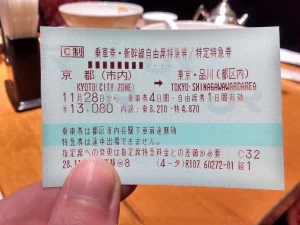
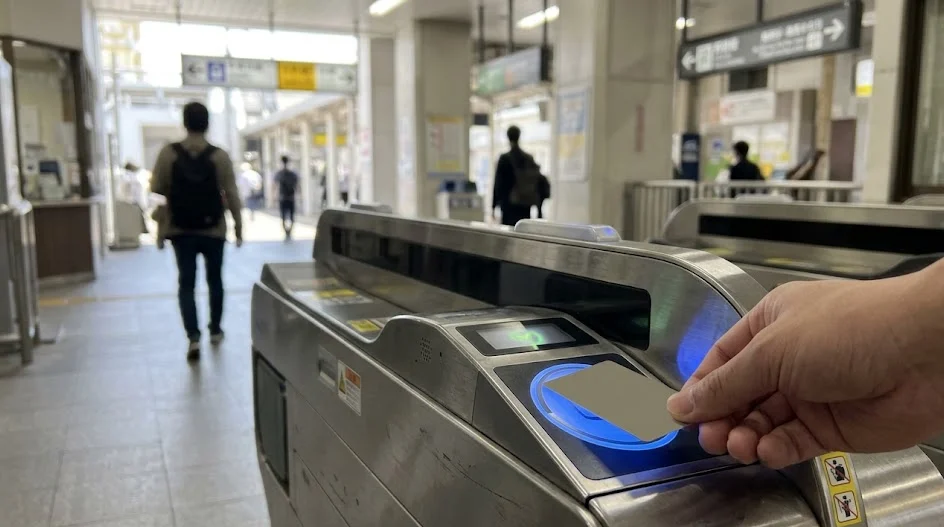
You pack your suitcase again, navigate the Shinkansen gates, and lose half a day to transit. Since most first-timers visit both cities anyway, the real struggle is deciding how many nights to allocate to each.
Reframing this as a night-allocation strategy prevents burnout. Instead of splitting your time evenly, we suggest anchoring heavily in one city. For most travelers, a 70/30 split favoring the capital works best.
- Time needed
- 10–14 days total
- Typical cost
- ¥15,000–25,000 per night
- Base
- Tokyo or Kansai region
- Booking
- Hotels 3–6 months ahead
Top picks
Where we would book this
Booking.com
Largest inventory in Japan for English-speaking travellers
- Best for
- Hotels, business hotels, ryokan and apartments in every city
- Checked
- September 2026
Official site. Same price for you.
Where we would book this
Klook
One account for passes, tickets and transfers
- Best for
- JR Pass and regional rail passes, theme-park tickets, airport…
- Checked
- September 2026
Official site. Same price for you.
Some links are affiliate links (marked “Partner link”). Prices are ranges checked in 2026; confirm on the official site before you book.
What drives the night split strategy
Many visitors assume a standard Golden Route trip means an equal division of days. This looks clean on a spreadsheet. In reality, it often leads to deep exhaustion.
Every time you change hotels, you lose prime sightseeing hours. You have to pack, check out by 10 AM, drag your luggage through transit, and wait for a 3 PM check-in.
That is the whole trick.
By shifting your nights into one primary anchor, you gain a stable base. You can do laundry easily. You can take spontaneous day trips without moving your luggage.
- You want to eat dinner or explore after 9 PM
- You prefer walking over taking crowded local buses
- You plan to take multiple regional day trips
- You want to avoid packing your suitcase repeatedly
- You have a strong preference for Haneda vs Narita
Because Kyoto shuts down early, you actually need more days to see it properly without rushing. Tokyo operates on a 24-hour cycle, letting you cram three days of activities into two.
The Tokyo-heavy strategy: Best for night owls
Spending seven to nine nights in the capital is our preferred approach for first-timers. The sheer scale of the city rewards a longer stay.
You can structure your days to hit major sights in the morning, rest in your room during the afternoon, and explore late into the evening. Nightlife and late dining are where this base truly shines.
Shinjuku and Shibuya
These western hubs are ideal if you want maximum evening entertainment. The streets remain active well past midnight. You will never struggle to find a meal at 11 PM.
Expect to pay roughly ¥20,000–30,000 a night for a standard business hotel here. Check Agoda for flash sales in these specific wards. The trade-off is navigating massive, confusing stations daily.
Skip Shinjuku if you hate crowds. The Yamanote line rush hour here is intense.
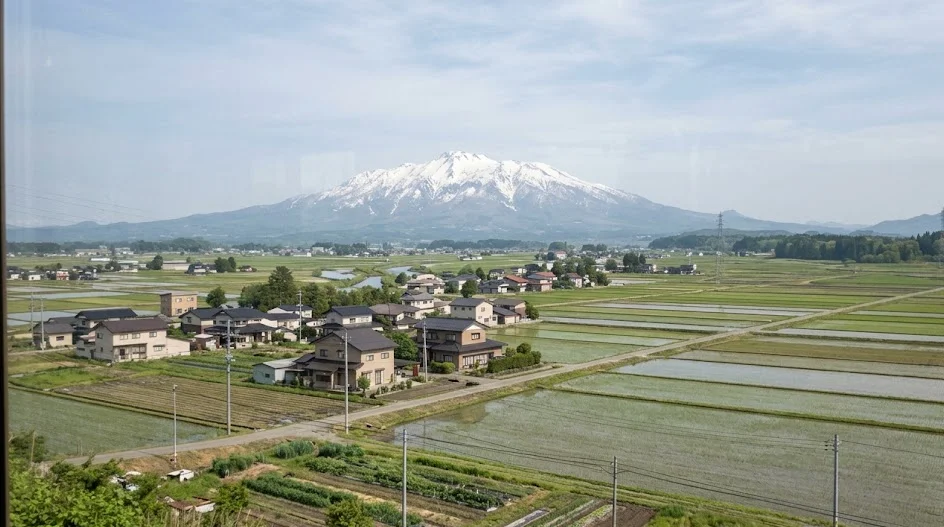
Ueno and Asakusa
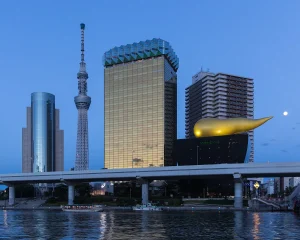
For a calmer Tokyo base, look east. Ueno offers direct access to Narita Airport via the Keisei Skyliner. Asakusa provides a traditional atmosphere at a lower price point.
Rooms here generally range from ¥12,000–22,000 a night. You can frequently find excellent deals on Rakuten Travel for local business hotel chains.
If you land at Narita late in the evening, booking your first few nights in Ueno saves you from navigating complex subway transfers while jet-lagged.
Managing Tokyo day trips
A longer anchor here allows for flexible day trips. You can visit Kamakura, Yokohama, or Nikko without dragging your bags along.
Booking a Hakone free pass via Klook makes a day trip to the mountains entirely frictionless. You simply tap your phone at the Odakyu line gates.
The Kyoto-heavy strategy: Best for slow mornings
Flipping the script and staying seven nights here is a completely different kind of trip. It forces you to slow down. It rewards early risers who want to beat the temple crowds.
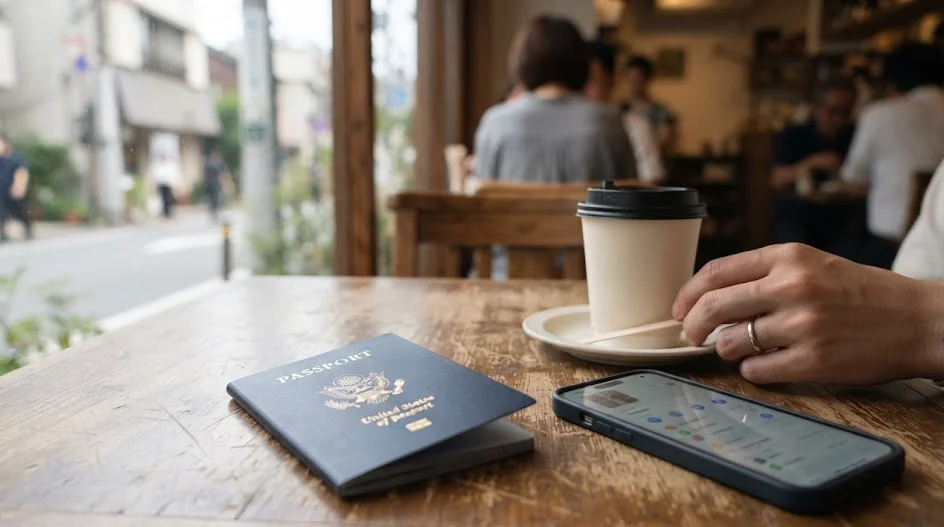
Many shrines open by 6 AM. Conversely, retail and local dining often close by 8 PM. If you anchor here, you must adapt to this older, quieter rhythm.
The Kyoto Station area
Basing near the bullet train terminal is a purely logistical choice. It lacks traditional charm, but it makes regional transit incredibly easy.
You can find reliable hotels on Booking.com starting around ¥15,000–25,000 a night. This location is perfect if you plan to use the local rail networks daily.
Karasuma and Kawaramachi
This is the downtown core. Staying here puts you within walking distance of the Kamo River, Nishiki Market, and hundreds of restaurants.
It is far superior for evening strolls compared to the station area. However, you will rely heavily on buses or the subway to reach the major temples.
Temple fatigue is a real risk with a long stay here. Break up your itinerary by dedicating full days to secular activities like shopping or hiking.
Regional day trips
A long stay makes day trips to Nara and Uji effortless. You can jump on the Kintetsu or JR lines without strict advance planning.
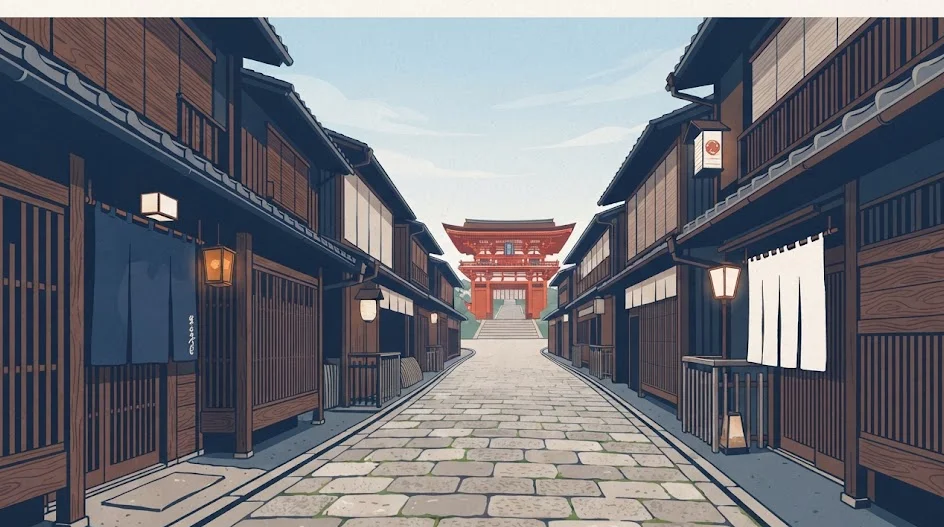
If you want a structured experience, consider a walking tour via GetYourGuide. A local guide can contextualize the history far better than a plaque.
Side by side: Comparing the pacing
Deciding your anchor comes down to how you want your evenings to feel. Here is how the two bases stack up.
← Swipe to see the full table →
| Feature | Tokyo Anchor | Kyoto Anchor |
|---|---|---|
| Evening vibe | Late night dining, neon | Quiet streets, early closures |
| Daily pacing | Fast, dense, flexible | Slow, morning-focused |
| Transit style | Massive subway network | Local buses and walking |
Plan your trip: the tools we use
Our pick: The Tokyo anchor, unless you strictly prefer quiet mornings and traditional architecture.
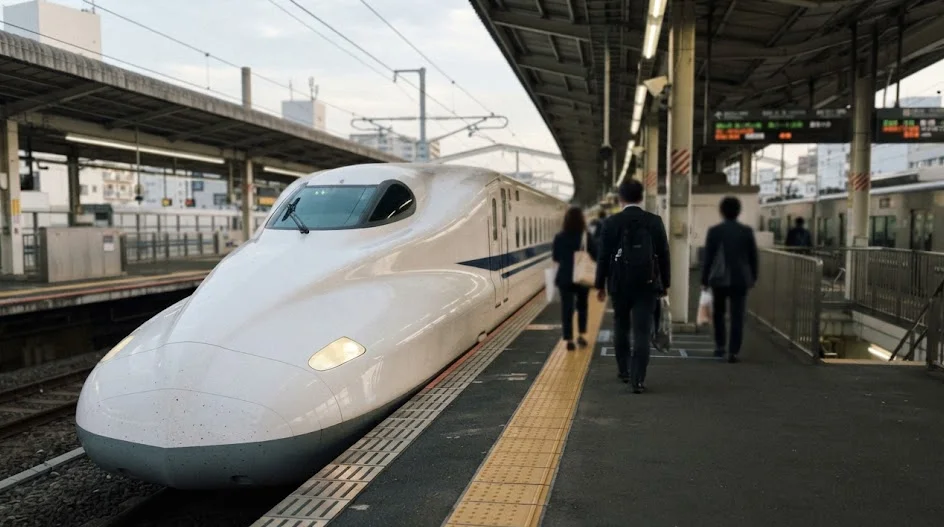
Keep in mind that neither city is inherently cheaper. Your hotel tier and dining choices dictate the budget far more than the geography.
The alternatives: Osaka and rural stays
You do not have to limit yourself to a strict binary choice. Many travelers find better value by looking slightly outside the standard dual-city setup.
What most first-timers do
- Split nights exactly 50/50
- Change hotels every two days
- Carry heavy bags on local buses
- Burnout from temple fatigue
What actually works
- Base in Osaka for the Kansai region
- Forward luggage via Yamato transport
- Book a single luxury ryokan night
- Anchor heavily in one major city
Basing in the Kansai region
Osaka is only 15 minutes from Kyoto by Shinkansen. It offers a gritty, food-focused nightlife that rivals the capital.
Many experienced visitors use Osaka as their sole Kansai base. Hotel prices are often 15–20% lower, making it a very cost-effective anchor.
The single ryokan night
Instead of staying in traditional inns for a whole week, book just one night. A high-end ryokan in Hakone or Arashiyama costs ¥45,000–80,000 per person.
Treat this single night as an event, not just lodging. Arrive right at 3 PM check-in and do not leave until the 10 AM checkout.
Setting up your itinerary split
Once you decide on your anchor, you need to lock in the logistics. Do not leave this until the last minute.
Step 1: Pick your primary anchor
Decide whether you want the 24-hour convenience of the capital or the morning calm of the Kansai region.
Step 2: Book your rooms early
Secure your primary base at least four months in advance. Kyoto accommodations sell out faster during fall foliage and cherry blossom seasons.
Step 3: Sort out connectivity
Download a travel eSIM before you board your flight so you can navigate the transit networks immediately upon landing.
In our experience, failing to plan luggage movement ruins more trips than bad weather. Use Yamato luggage forwarding to send large suitcases between your anchors.
Download Airalo or Ubigi while you are still at home. Having immediate data at the airport saves you from hunting for physical SIM counters.
Consider picking up a basic travel adapter on Amazon before you fly. Japanese outlets are two-pronged and ungrounded.
- Tokyo Station
- Tokaido Shinkansen · 2 h 15 min · reserved seat
- Kyoto Station
- Subway Karasuma Line · 5 min
- Karasuma Oike Station
The bullet train journey is heavily utilized. Booking large luggage space in advance is now mandatory on the Tokaido line if your bag exceeds standard dimensions.
How we evaluated these allocations
We based these pacing suggestions on typical hotel check-in times and official rail schedules. A standard transition day consumes roughly four to five hours of usable daylight.
We factored in the operating hours of major attractions. The 5 PM closure time for most temples severely limits how much you can accomplish in the Kansai region.
Prices were checked in early 2026 across major booking platforms. We looked specifically at business hotels near major transit hubs to ensure accurate baseline costs.
Which split strategy suits your trip
Couples looking for nightlife: Go heavy on the capital. Stay in Shinjuku or Shibuya and enjoy the late-night dining scene.
Families with small children: Anchor in Osaka or Ueno. You want easy airport access and proximity to family-friendly parks or universal studios.
Photography enthusiasts: Lean heavily into the Kansai region. The early morning light on the temples is worth the quiet evenings.
If you only want to make one major decision today, book your primary anchor city.
How seasonality shifts the balance
If you travel in mid-summer or peak autumn, the climate should dictate your anchor city. Japan experiences aggressive humidity from late June through August.
Kyoto sits in a geographical basin that traps heat and moisture. Walking between temples in August often feels like navigating a sauna.
This changes the equation entirely.
In contrast, Tokyo offers an endless underground network of air-conditioned malls and subway tunnels. You can easily spend an entire summer day exploring indoors without ever breaking a sweat.
The massive department stores in Ginza and Shinjuku offer hours of comfortable shelter. This structural advantage makes the capital far more survivable during a heatwave.
Managing the peak foliage crowds
Autumn turns the Kansai region into the most popular domestic destination in the country. The temple gardens look stunning, but the crowds are severe.
You might wait an hour just to board a local bus to Kiyomizu-dera. Hotel rates in November frequently spike to ¥30,000–60,000 per night for basic rooms; check the official site of your chosen brand for seasonal variations.
If you must visit during late November, strongly consider the capital as your primary base. Booking a room on Agoda six months out is mandatory for autumn travel.
- Tokyo has wider sidewalks and handles peak season foot traffic efficiently
- Kyoto relies heavily on narrow historic lanes that bottleneck by 9 AM
- Regional day trips let you see the leaves without paying premium local room rates
- Bullet trains remain frequent enough to commute for a single day of foliage viewing
Winter travel and early closures
Winter brings a different set of logistical hurdles for your itinerary. The sun sets around 4:30 PM in December and January.
Because traditional gardens lose their natural light early, a Kansai-heavy trip feels much shorter in winter. The urban density of the capital ensures your evenings remain productive and bright long after the sun goes down.
You can book indoor observation decks via Klook to maximize those long winter nights. The seasonal illuminations in Roppongi and Marunouchi add significant value to evening walks.
Furthermore, snow is extremely rare in the capital, meaning your transit plans will rarely face weather delays. The cold is dry and manageable with basic layers.
Dining styles and booking realities
Your eating habits are just as important as your sightseeing preferences when picking a base. Both locations offer world-class food, but the logistics of getting a table differ completely.
The capital operates heavily on a walk-in culture for mid-tier dining. You can wander into an alleyway near Shinbashi and find a dozen open yakitori counters.
The sheer density of commercial real estate means you never have to walk far to find an excellent meal. This flexibility removes a massive mental burden from your daily schedule.
You eat when you are hungry.
The Kansai anchor requires far more proactive planning. Many independent restaurants close their doors by 8 PM, and spontaneous late-night dining is mostly limited to chain pubs near the station.
Local family-run spots often serve a fixed number of meals and shut down once they run out of ingredients. This strict timeline forces you to structure your day around dinner.
The kaiseki experience
Traditional multi-course dining is the culinary highlight of the old capital. These meals take two to three hours and demand strict punctuality from diners.
A standard dinner course typically runs ¥15,000–35,000 per person, though lunch seatings offer better value. Always check the official site to confirm if a reservation requires a hotel concierge.
If you plan to book multiple traditional dinners, anchoring locally makes sense so you never miss a seating due to train delays. Dressing appropriately and arriving early is part of the expected etiquette.
Modern conveniences and food tours
If your priority is sampling diverse street food, the eastern metropolis holds a clear advantage. The volume of quick, high-quality meals available at all hours is staggering.
You can book neighborhood food tours through GetYourGuide to navigate the overwhelming choices. Independent local guides know exactly which alleyway stalls welcome foreign tourists without a language barrier.
- Late night ramen options remain open until 4 AM in major entertainment wards
- High-end sushi reservations often require booking months in advance via specialized platforms
- Convenience stores provide high-quality backup meals when travel fatigue hits hard
- Department store basement food halls offer premium takeout for tired evenings in your room
If you hate planning meals in advance and prefer eating on a whim, heavily favor the eastern capital as your home base. It caters perfectly to an unstructured appetite.
FAQ
QShould I buy the JR Pass for a Tokyo to Kyoto trip?
Whether the pass pays off depends on your route — add up the individual fares first. A simple round trip rarely justifies the current national pass cost. Check regional passes instead.
QCan I just do Kyoto as a day trip?
It is technically possible via the bullet train, but highly discouraged. You will spend five hours in transit and only see the most crowded areas during peak afternoon hours.
 ReaderYuki
QDo I need cash in both cities?
Card acceptance is high in both, but you still need coins for local temples, small eateries, and coin lockers. Keep roughly ¥10,000 in cash on hand.
QWhich airport is better for this itinerary?
Haneda is much closer to central Tokyo than Narita. If your flight options are equal, Haneda saves you an hour of transit time upon arrival.
QAre booking platforms like KKday and Viator reliable for day tours?
Yes, both platforms contract with legitimate local operators. Just read the recent reviews to ensure the specific tour guide meets your expectations.
ReaderYukiWe know staring at a blank itinerary can feel incredibly overwhelming.
Stop trying to balance everything perfectly; lock in your primary anchor city today and figure out the day trips later.
Keep planning
- ① Install and test your eSIM before take-offAiralo and Ubigi eSIMs activate on arrival, but the install itself needs Wi-Fi. Do it at home and confirm the profile shows up in your phone settings.
- ② Save your first hotel’s address in JapaneseTaxi drivers and station staff read Japanese addresses far faster than romanised ones. Copy it from the booking confirmation into your notes app.
- ③ Set aside cash for day oneMany small restaurants, temples and rural buses are still cash-only. Airport ATMs at 7-Eleven and the post office accept most foreign cards.
Skip these and your first hour in Japan goes on finding Wi-Fi at the station instead of getting to your hotel.
🔍 How to sanity-check any price you read online
Blogs (including this one) go out of date. The official page always wins over a screenshot from two years ago.
Cover Photo: Basile Morin, CC BY-SA 4.0, via Wikimedia Commons