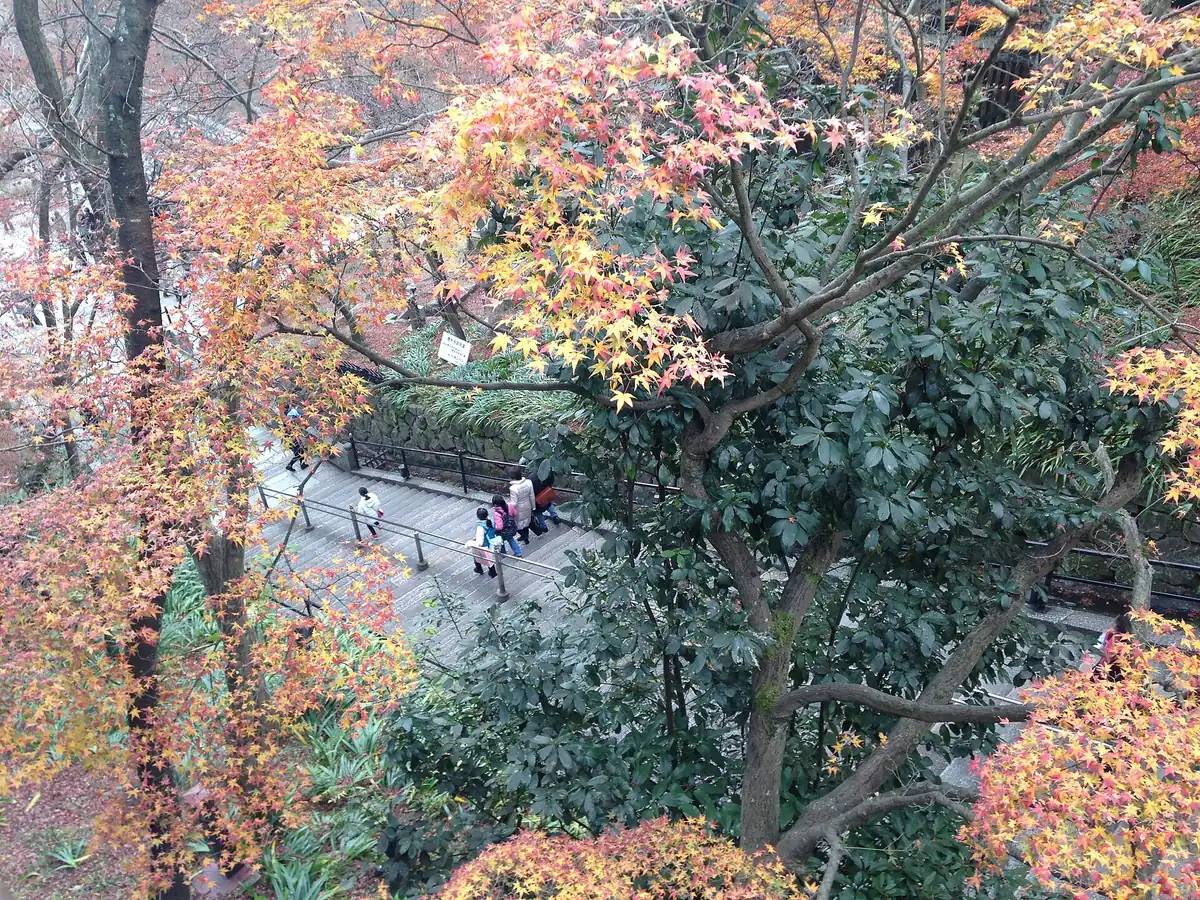

A Japan autumn packing list is a modular strategy for managing a twelve-degree Celsius temperature shift, not a collection of individual items.
You are balancing humid, rain-prone September afternoons against the biting, dry wind of November temple visits. This approach keeps your load light enough to navigate station stairs and crowded trains.
Your goal is to pack nothing larger than a medium-sized suitcase, leaving space for the souvenirs you will inevitably buy. For a 14-day trip, the secret is bringing fewer clothes than you think and relying on the ubiquity of coin-operated laundry machines in every city neighborhood.
Some links are affiliate links (marked “Partner link”). Prices are ranges checked in 2026; confirm on the official site before you book.
- Trip length
- 14 days
- Avg. daily cost
- ¥15,000–¥25,000
- Packing focus
- Layering
- Luggage rule
- Carry-on preferred
- Booking
- Check sites early
| Category | Price Range |
|---|---|
| Packable down vest | ¥5,000–¥10,000 |
| Travel toiletries | ¥500–¥1,000 |
| Smart-casual outfit | ¥5,000–¥15,000 |
Plan your trip: the tools we use
Autumn weather: The September to November swing
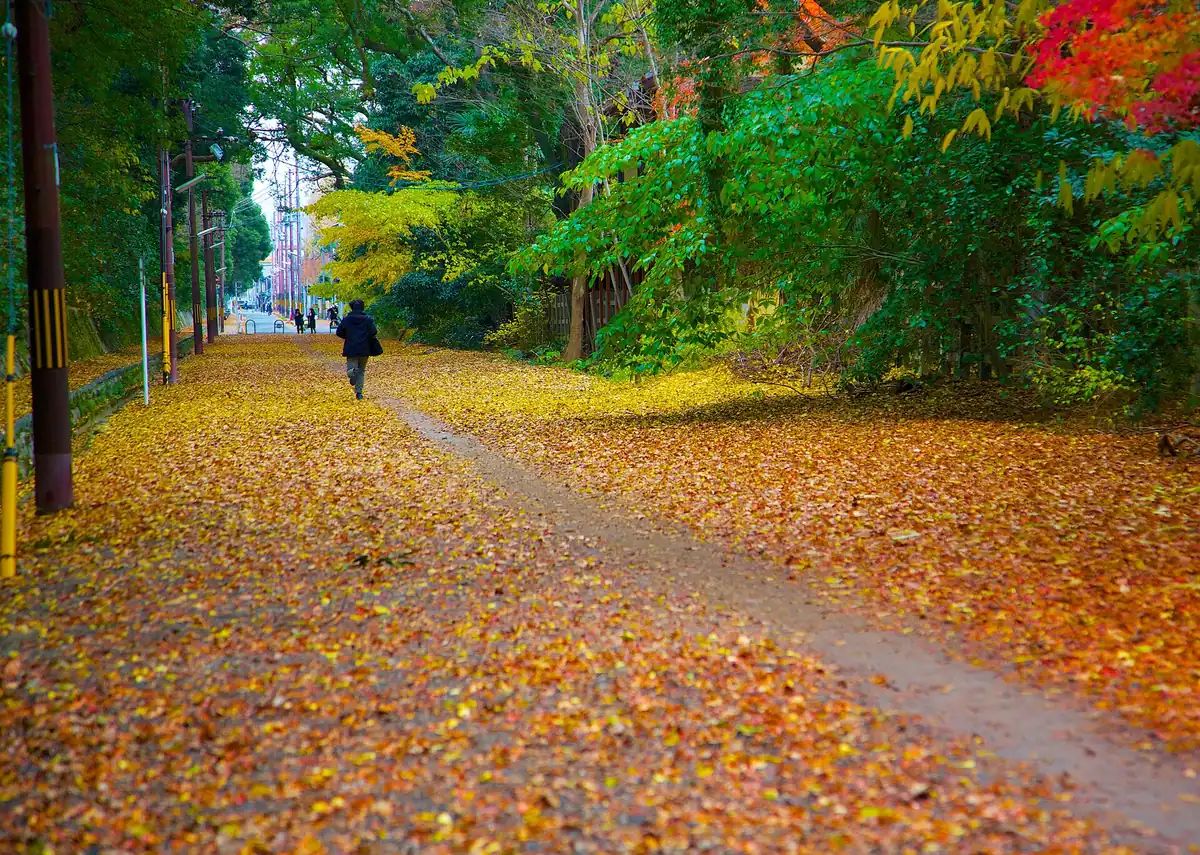
The weather in Japan during autumn acts like a pendulum. September frequently sees lingering heat and humidity, often accompanied by the final typhoons of the season.
You might experience days where temperatures hover around 25 degrees Celsius, making heavy clothing an immediate liability.
By late October, the air shifts. You will find crisp mornings in Kyoto and Hakone that require a sweater, followed by sunny afternoons that warrant short sleeves.
November is the true test of your packing, as temperatures can drop near freezing at night in northern regions or high-altitude temple areas.
Handling the temperature extremes
Indoor heating in Japan is often set at levels that feel stifling to visitors accustomed to cooler homes. You need a base-layer strategy that allows you to shed or add warmth instantly in a crowded train station or a warm cafe.
Avoid thick, bulky sweaters that cannot be easily stowed in a daypack. Carry a light waterproof shell for unexpected downpours, which are common in the early part of the season.
If you are visiting in late November, a thin, packable down jacket is the only outer layer you should need for your entire trip.
Clothing strategy: Mastering the art of layering
Stick to a neutral color palette that lets every shirt match every pair of pants. This prevents the need to pack outfit combinations, allowing you to maximize the utility of every item you bring.
Focus on breathable fabrics like merino wool or synthetic tech blends that dry quickly.
For tops, use a combination of long-sleeve tees and a single, high-quality fleece or cardigan. This structure covers you from a hot afternoon in Osaka to a cool, misty morning at a mountain shrine in Nikko.
If you find yourself cold, you can easily purchase extra layers at Uniqlo or GU, both of which are found at almost every major station like Shinjuku or Umeda.
The bottom half
Bring two pairs of versatile trousers and one pair of comfortable, casual bottoms. Avoid heavy denim, which is difficult to dry if you get caught in rain.
Lightweight travel pants that offer some stretch are ideal for long days of exploring crowded city streets. If you plan on visiting upscale districts in Tokyo, one pair of slightly more refined chinos or dark trousers will keep you from looking like an obvious tourist.
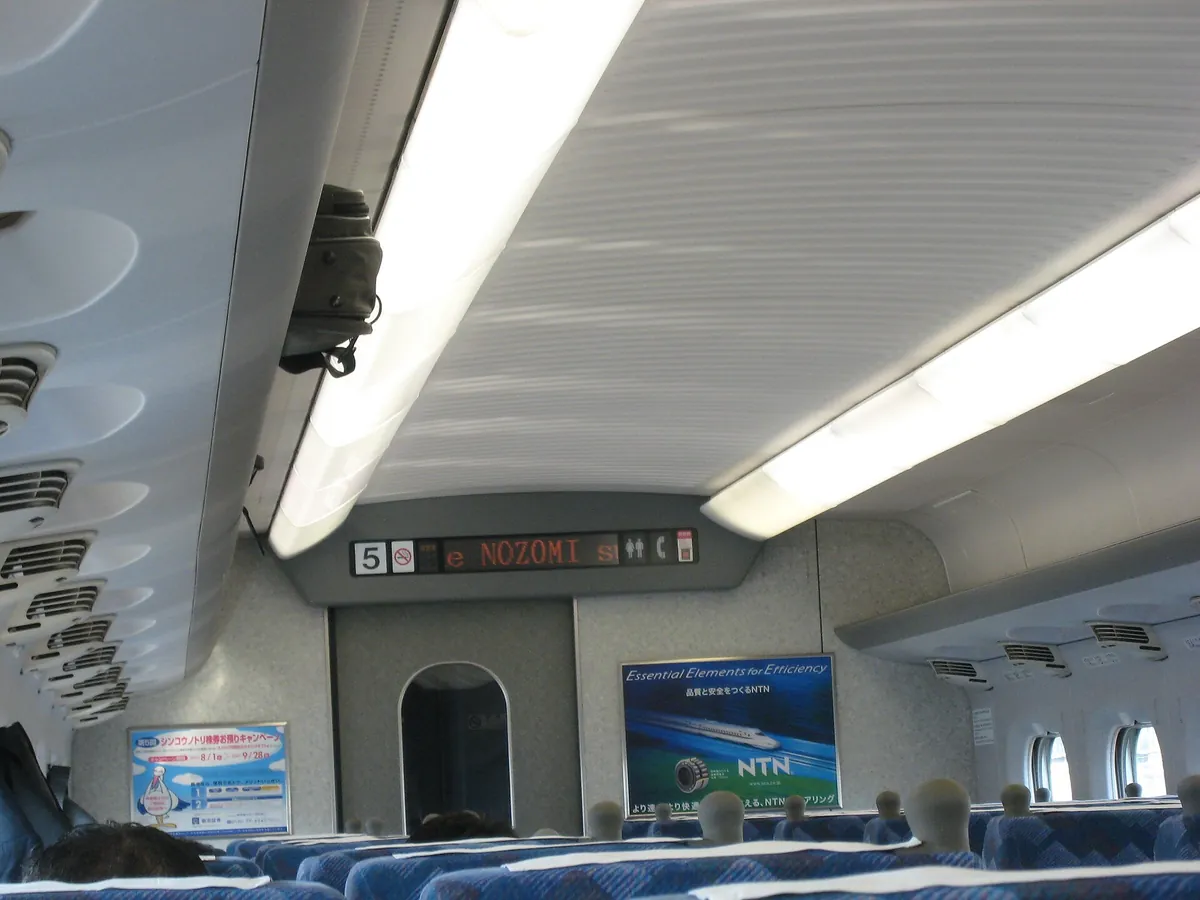
Keep everything loose enough for comfort but structured enough for a nice dinner.
Footwear for 14 days of walking
The biggest packing error I see is visitors bringing brand new boots for a trip that requires 20,000 steps a day. You will destroy your feet long before you reach the temple gates.
Bring shoes that have been tested on long walks at home for at least two weeks before your departure. Slip-on shoes are a massive advantage, as you will frequently take your shoes off at traditional restaurants, temples, and ryokan.
Laces can become a genuine frustration when you are in a rush to exit a crowded entryway. Choose a pair that is comfortable, supportive, and easy to remove.
Rainy day preparedness
Japan experiences significant rain in autumn. Ensure your primary walking shoes are water-resistant or treated with a protective spray before you arrive.
If you must bring a secondary pair, keep it lightweight and stow it in a shoe bag to save space in your luggage.
Comprehensive packing list by category
Organization is the key to maintaining sanity when you are moving between hotels. Use packing cubes to group your items, which makes shuffling through your suitcase on a small business hotel bed much easier.
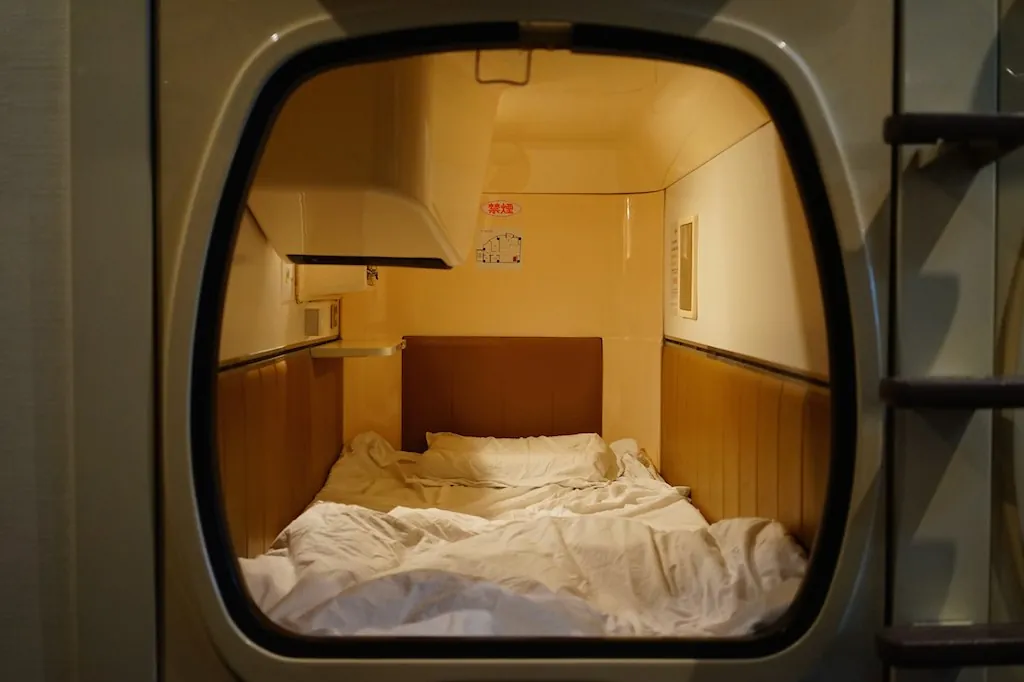
You can find these essentials on Amazon if you need to upgrade your gear.
- Clothing: 5 shirts, 3 trousers, 7 sets of underwear, 5 pairs of wool socks.
- Electronics: Universal power adapter, portable battery, phone charger.
- Documents: Passport, printed rail pass vouchers, hotel confirmations.
- Toiletries: Toothbrush, deodorant, essential skincare (keep liquids under 100ml).
- Misc: A small microfiber towel, a compact umbrella, and a reusable water bottle.
For connectivity, use an eSIM from Airalo or Ubigi. They are much easier to manage than physical SIM cards and keep your home phone number active. You can set these up before you even land at Narita or Haneda.
Where we would book this
Amazon
Readers already have an account
- Best for
- Travel adapters (Type A plugs), luggage, packing cubes, travel…
- Checked
- September 2026
Official site. Same price for you.
What to leave at home for a 14-day trip
First-time travelers often over-prepare by bringing supplies for scenarios that never occur. Japanese business hotels are legendary for providing everything you need, including high-quality shampoos, soaps, razors, and pajamas.
You can buy anything you forget at a local convenience store, known as a konbini, which are everywhere in cities like Osaka and Kyoto. Do not worry about being caught without a specific item.
Luggage: Navigating trains and lockers
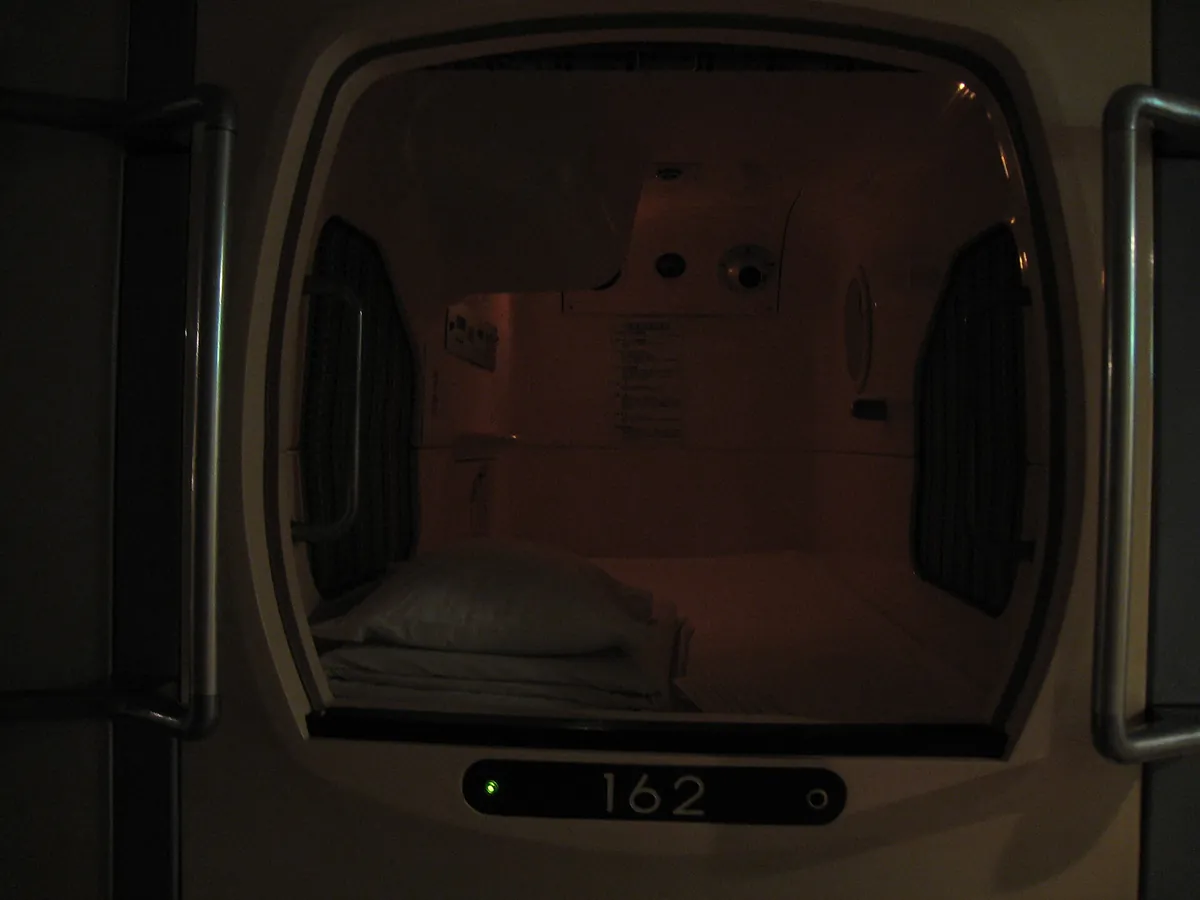
The Shinkansen has strict rules regarding “oversize” luggage, which applies to bags with total dimensions over 160 centimeters. If your bag is larger, you must book a seat with extra storage space in advance.
Avoid this headache entirely by sticking to a standard carry-on size. If you find yourself with too many bags, use the Yamato luggage forwarding service.
It is a lifesaver for travelers moving between cities like Tokyo, Kyoto, and Osaka without wanting to drag suitcases onto crowded subway cars.
Step 1: Ask the front desk
Most hotel staff will provide the shipping slips for Yamato or a similar service.
Step 2: Fill the slip
Write your destination hotel name, address, and phone number clearly on the form.
Step 3: Pay and send
You typically pay at the desk; ensure you check the expected delivery date.
Step 4: Collect at the next hotel
Your bag will usually arrive by the next morning at your next destination.
Laundry culture: How to pack for 14 days
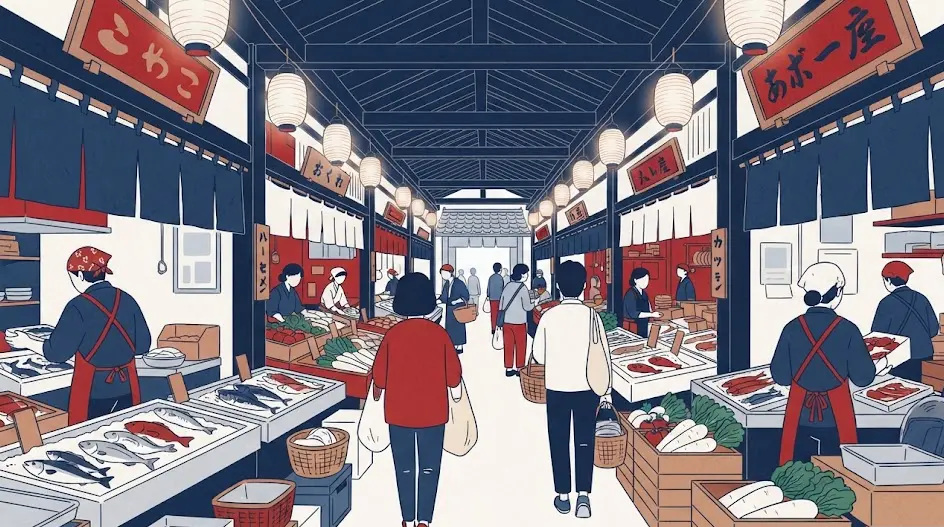
You do not need 14 outfits for a 14-day trip. Almost every business hotel chain, like APA or Dormy Inn, features coin-operated laundry machines on-site.
These machines are efficient and usually cost around ¥300–¥500 per wash and dry cycle, checked as of 2026. Pack for five days of clothing and plan to do laundry once halfway through your trip.
This lightens your load significantly, making it much easier to use coin lockers at stations like Kyoto or Shinjuku. If your hotel lacks a machine, use a search map to find the nearest local “coin laundry” shop.
 ReaderYuki
Outfit examples for your 2026 trip
For a day exploring temples, wear comfortable trousers, a long-sleeve base layer, and your most supportive shoes. Bring a light shell jacket that fits in your bag, as mountain temple areas can be cooler and unexpectedly breezy.
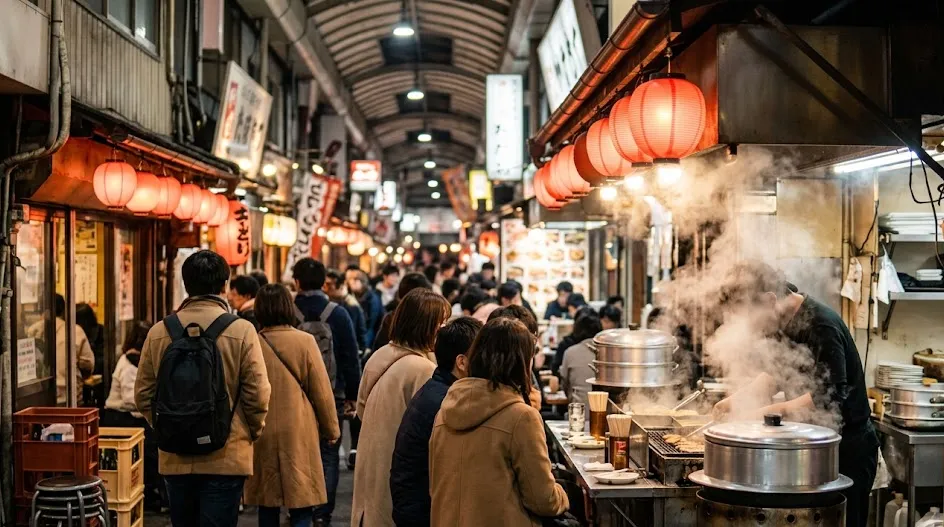
For a city evening, switch into your refined chinos and a sweater. Layering remains the focus here; even nice restaurants in Japan can sometimes be kept at quite warm temperatures, so you want to be able to remove your outer layer easily.
The art of the capsule: A minimalist 7-day approach
Many travelers fall into the trap of packing for every possible weather event in the 90-day autumn window. This results in a suitcase that is nearly impossible to lift onto overhead train racks.
By adopting a strict 7-day capsule system, you can easily manage a two-week trip through Japan without ever feeling under-dressed or overloaded.
The goal is to bring only items that serve three functions: walking, temple touring, and dinner. If an item cannot be worn in at least two of these categories, leave it behind.
Focus on a color palette of black, navy, and charcoal, which hides the dust of travel and looks polished in any Tokyo cafe or Osaka izakaya.
The capsule breakdown
- Two pairs of trousers: One technical fabric for hiking, one structured chino for dining.
- Four shirts: Two short-sleeved moisture-wicking tees, one long-sleeve merino base, and one button-down.
- Two outer layers: A thin cashmere or synthetic sweater and one lightweight, wind-resistant outer shell.
- Undergarments: Seven days of socks and underwear.
- Two pairs of shoes: One pair of dedicated walking shoes and one pair of clean-looking, comfortable loafers.
Avoid the temptation to pack specialized clothing for specific activities like hiking Mount Takao or attending a theater performance. You can always rent gear for specialized excursions or buy a simple accessory from an Uniqlo shop to adapt your look. Stick to the principle of modular warmth.
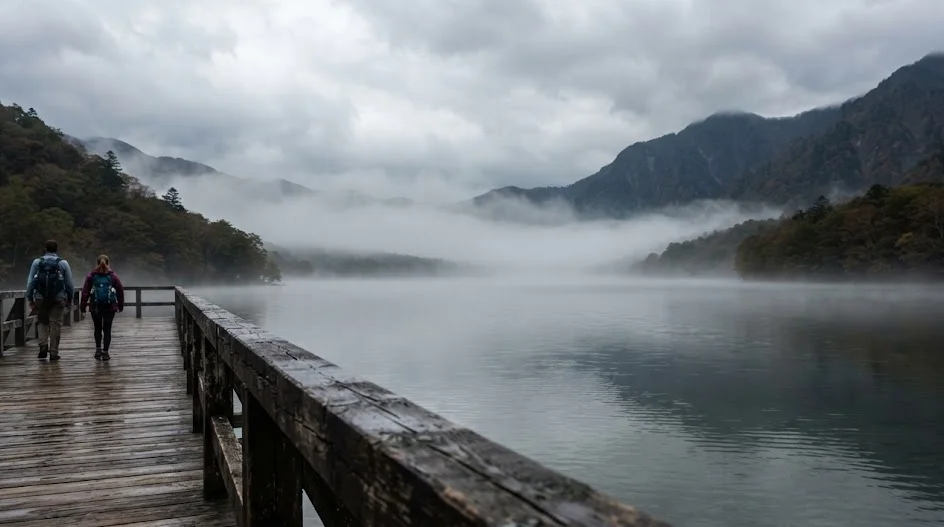
When you arrive, use your packing cubes to keep this capsule compressed. If you find your bag is still too full, you have packed too many heavy items like denim or thick hoodies.
Remember that the goal of a capsule is to make getting ready in the morning a non-event, leaving you more time to grab coffee and head to the station before the morning rush.
If you find that your chosen clothes are not enough for a specific cold snap in November, visit a local GU or Uniqlo. You can often find high-quality heat-retaining innerwear for ¥1,000 to ¥2,500; check the official site for current pricing.
This approach is much cheaper and more space-efficient than lugging a heavy winter coat from home.
Rainy day prep: Adapting for the autumn typhoons
While autumn in Japan is generally pleasant, the early part of the season can be hit by lingering typhoon moisture, leading to intense, sudden downpours. Packing specifically for unpredictable precipitation will save you from spending precious travel time drying socks in your hotel room.
The secret is not bringing heavy rain boots, which are bulky and uncomfortable for the thousands of steps you will take daily. Instead, prioritize a lightweight, water-resistant outer shell with a proper hood.
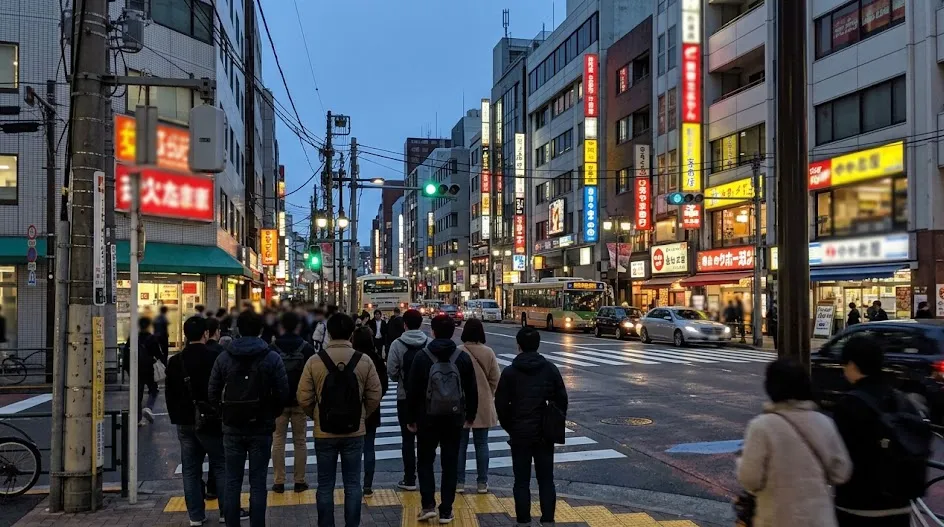
A DWR-coated windbreaker is far superior to a heavy raincoat, as it breathes better while still keeping the worst of the moisture off your base layers.
Essential rain-readiness kit
- Packable waterproof shell: Must be able to fold into its own pocket.
- Shoe waterproofing spray: Apply a thorough coat to your sneakers two days before your departure.
- Small umbrella: Buy a sturdy, clear vinyl one at a 7-Eleven or Lawson for about ¥600 to ¥1,000 upon arrival.
- Microfiber cloth: Essential for wiping down your camera, phone, and glasses after walking in the mist.
- Ziploc-style bags: Keep your electronics and documents safe inside your daypack.
If you get caught in a heavy storm, do not panic. Most Japanese urban areas are built with covered shopping arcades, known as shotengai.
You can walk for kilometers in cities like Kyoto, Osaka, and Kanazawa without ever stepping foot into the rain. These arcades are usually packed with restaurants and shops, making them perfect for rainy-day sightseeing.
If your shoes do get soaked, use the hairdryer provided in your hotel bathroom to gently warm the insides. Never place leather shoes directly against a heater, as the dry, artificial heat of Japanese hotels can cause the material to crack and warp.
For truly wet days, consider swapping your daily activities; use the time to visit a museum or a multi-level department store where you can stay dry while browsing.
If you are planning to travel extensively by rail, remember that umbrellas are a common accessory. Do not feel the need to bring a high-end travel umbrella from home.
The convenience of being able to purchase a high-quality, lightweight umbrella at any station konbini for a low cost means you should prioritize luggage space for items you cannot easily replace.
FAQ
QIs it necessary to pack formal wear?
Not at all, even for most upscale restaurants. Smart-casual attire is perfectly acceptable, and most travelers find a single collared shirt or a nice blouse is more than enough.
QHow do I handle the Shinkansen luggage rules?
If your suitcase total dimensions exceed 160cm, you must reserve a seat with oversized luggage storage. Staying within standard carry-on size removes this restriction entirely.
QAre toiletries provided in Japanese hotels?
Yes, business hotels typically supply high-quality shampoo, conditioner, body soap, toothbrushes, and even pajamas. You can leave your full-sized bottles at home.
QCan I find laundry facilities if my hotel doesn’t have them?
Absolutely, use Google Maps to search for “coin laundry” near your location. Most Japanese neighborhoods have accessible 24-hour facilities available for public use.
QHow much cash should I carry?
While digital payments are growing, carrying ¥20,000–¥30,000 in cash is smart for small shops and shrines. You can withdraw more at any 7-Eleven ATM if needed.
Deciding what to pack for a Japan autumn trip feels like you are trying to predict the future of the weather.
Stop worrying about every possible scenario, pack the versatile base layers that actually work for you, and trust that you can buy anything else you might need once you arrive.
Keep planning
- ① Install and test your eSIM before take-offAiralo and Ubigi eSIMs activate on arrival, but the install itself needs Wi-Fi. Do it at home and confirm the profile shows up in your phone settings.
- ② Save your first hotel’s address in JapaneseTaxi drivers and station staff read Japanese addresses far faster than romanised ones. Copy it from the booking confirmation into your notes app.
- ③ Set aside cash for day oneMany small restaurants, temples and rural buses are still cash-only. Airport ATMs at 7-Eleven and the post office accept most foreign cards.
Skip these and your first hour in Japan goes on finding Wi-Fi at the station instead of getting to your hotel.
🔍 How to sanity-check any price you read online
Blogs (including this one) go out of date. The official page always wins over a screenshot from two years ago.
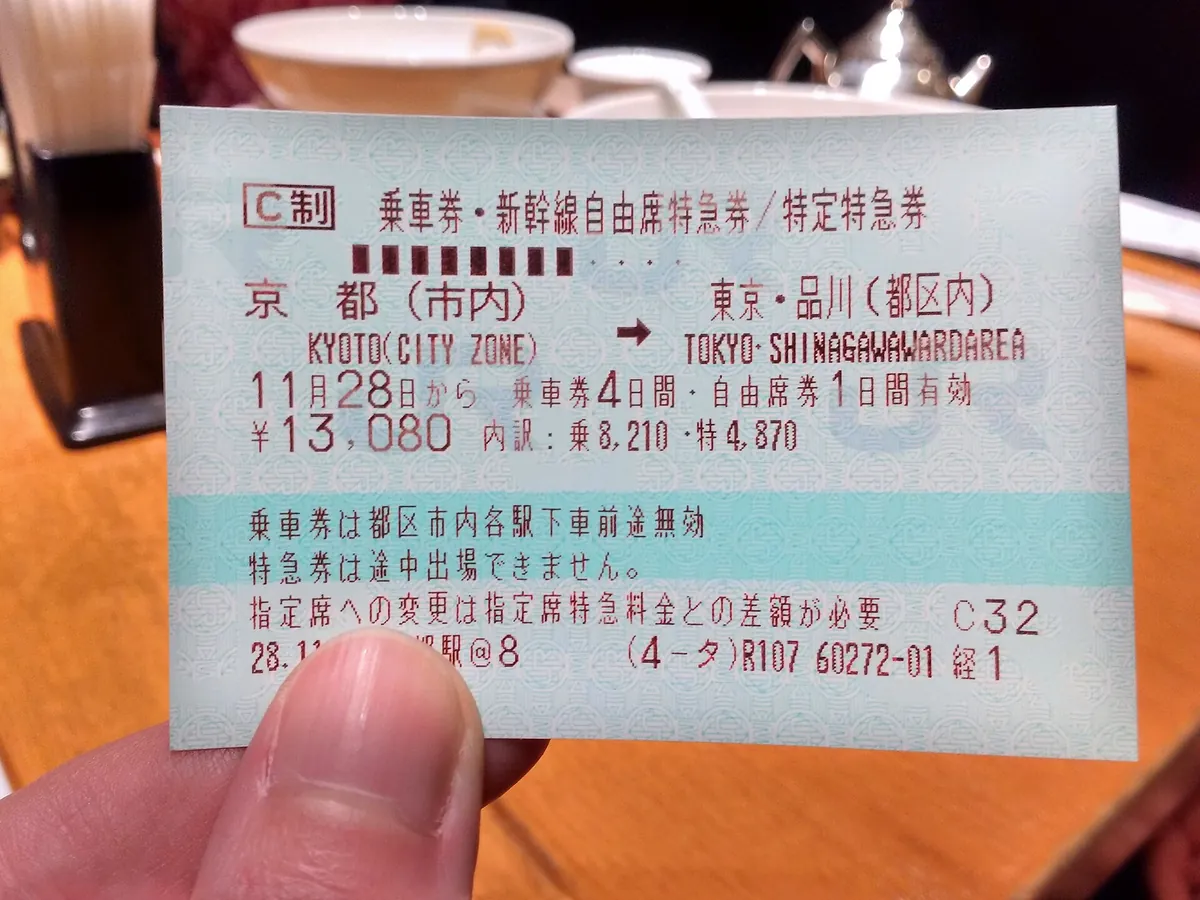
Cover Photo: そらみみ, CC BY-SA 3.0, via Wikimedia Commons