
Some links are affiliate links (marked “Partner link”). Prices are ranges checked in 2026; confirm on the official site before you book.
Every guide suggests you need a massive suitcase to handle the extreme temperature shift between sub-zero Hokkaido and the mild coastal cities of Honshu. It did not hold up on our trip; lugging a heavy bag through narrow train carriages and up temple stairs quickly ruins the experience.
You can manage a 14-day trip from Honshu to Hokkaido using only a carry-on by mastering the art of layering and using Japan’s courier services. If you are only doing Tokyo, close this and read the Tokyo-only plan instead.
- Time needed
- 14 days
- Typical cost
- ¥10,000–¥20,000 in gear
- Base
- Osaka
- Booking
- Hotels only
- Best season
- January to February
Winter weather: What to expect in Japan
Winter in Japan is not a uniform freeze. In Osaka, Kyoto, and Tokyo, you might see temperatures between 2°C and 12°C, which feels quite manageable if you are moving.
Hokkaido is an entirely different story. Expect consistent negatives and heavy snowfall that can reach waist-high levels in cities like Sapporo.
The indoor heating trap
The biggest challenge is not the outside temperature, but the aggressive heating in trains and department stores. You will likely walk from a -5°C street into a 25°C shopping mall.
If you are wearing a bulky sweater under a heavy parka, you will be sweating profusely within minutes. This rapid temperature change is how you catch a cold, not from the snow itself.
The layering formula that keeps you comfortable
The foundation should be a high-quality, moisture-wicking base layer. We prefer thin thermal tops that fit snugly against the skin, as these are easy to wash and quick to dry in a business hotel.
Over this, wear a light sweater or a merino wool cardigan. These are easier to remove than a hoodie when you get on a packed subway train in Osaka or Tokyo.
Why mid-layers matter
Stick to materials like fleece or synthetic down vests that pack down to the size of a soda can. You can pick these up at any local Uniqlo if you find your current selection is not enough.
Always keep a scarf and gloves in your outer coat pockets. You will constantly be pulling them on and off while moving between outdoor temples and indoor transit hubs.
Footwear for 14 days of walking
Your biggest enemy in winter isn’t the cold, it’s the lack of friction on icy temple paths. Bring shoes with deep-tread rubber soles, not just “warm” boots with flat bottoms.
I once wore stylish leather boots with smooth soles to a shrine in Kyoto after a light dusting of snow. I spent the entire afternoon clinging to handrails to avoid sliding down the stone steps.
The slip-on factor
You will also be taking your shoes off constantly at ryokan, temples, and even some traditional restaurants. Avoid high-laced boots unless you want to be the person holding up the line at the entrance.
Look for waterproof, slip-on shoes with good traction. We typically buy these on Amazon before leaving, ensuring they are broken in with a few days of walking around home first.
The full packing list for a 14-day winter loop
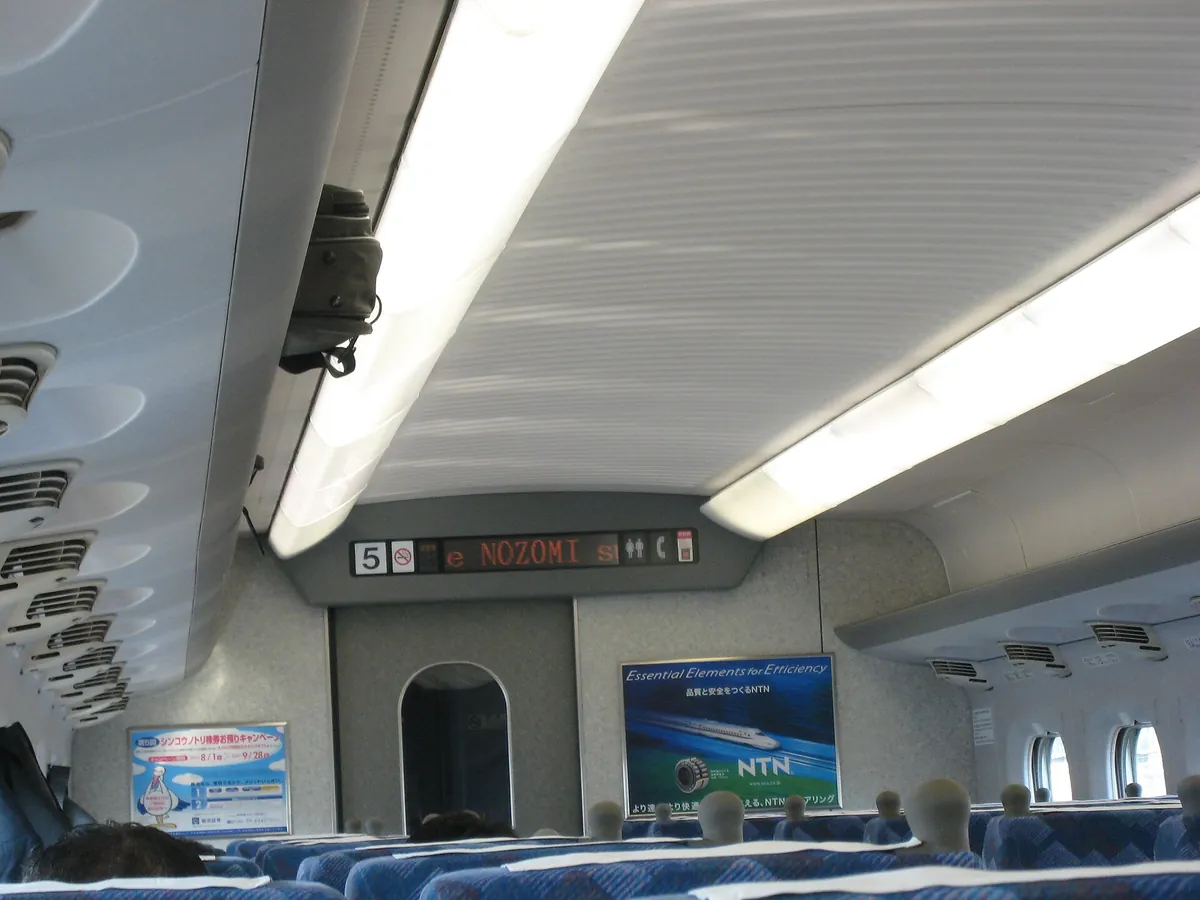
Packing light is a survival skill when navigating the Shinkansen network. You should be able to lift your bag onto the overhead rack without asking for help from a stranger.
For your electronics, bring one universal travel adapter (Amazon). Japanese outlets are two-pronged and do not handle three-pin plugs, so verify your cords before you arrive.
Clothing and gear
- 3x thermal base layer tops
- 2x comfortable wool trousers
- 5x pairs of merino wool socks
- 1x light, packable down jacket
- 1x waterproof windbreaker
- Portable power bank (Amazon)
- eSIM for data (Airalo)
Where we would book this
Amazon
Readers already have an account
- Best for
- Travel adapters (Type A plugs), luggage, packing cubes, travel…
- Checked
- September 2026
Official site. Same price for you.
Items to leave behind for your winter trip
Leave it at home
- Heavy bulky sweaters
- More than two pairs of jeans
- Giant umbrella
- Expensive hair dryers
Bring this instead
- Thin, breathable layers
- Lightweight technical pants
- Compact travel umbrella
- Use the hotel provided dryer
It is tempting to pack for every possible weather event, but most hotels provide basic toiletries and high-quality hair dryers. Save that space in your suitcase for souvenirs instead.
Luggage: Managing space on trains
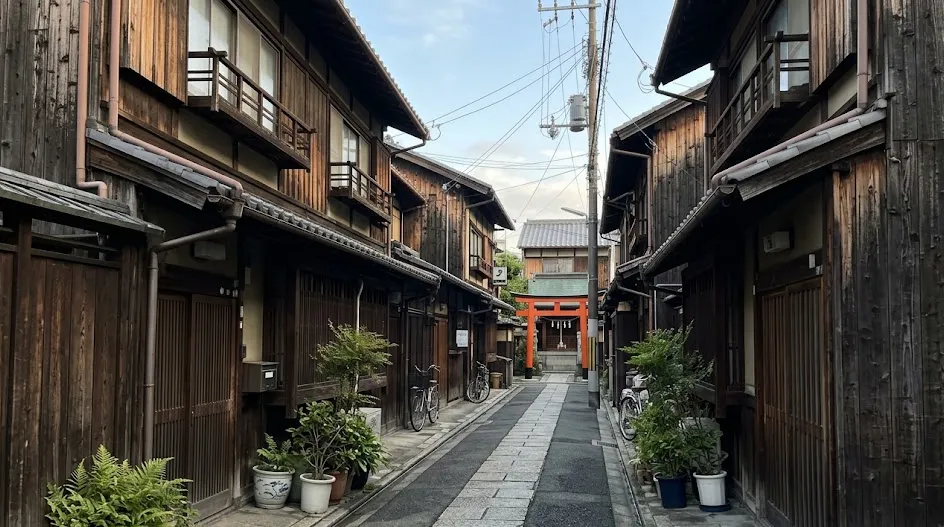
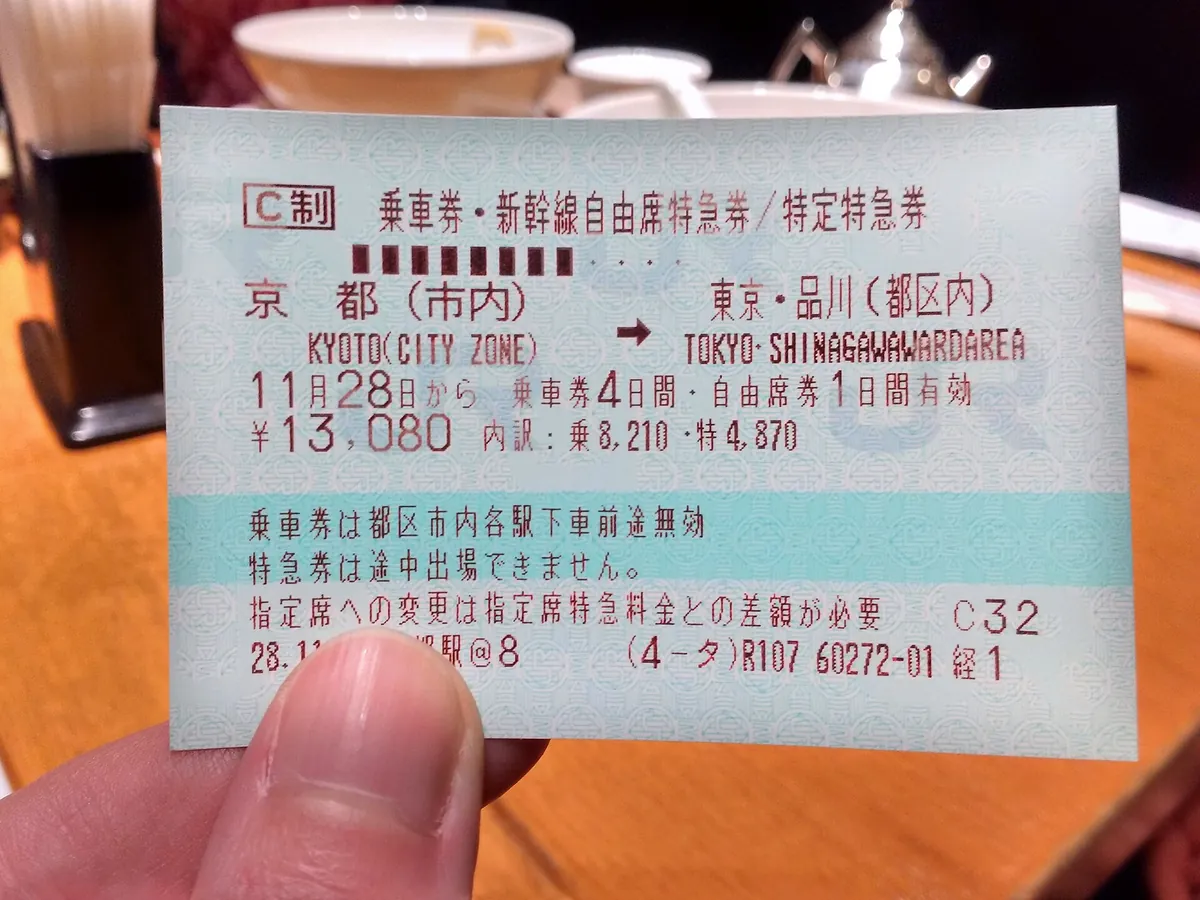
The best way to travel on the Shinkansen is with a standard carry-on and a backpack. If you have larger luggage, be aware that seat reservations for oversized items are now strictly enforced on the Tokaido line.
If your bag exceeds the size limit, you must book a designated “oversized baggage” seat at the end of the carriage. It is much easier to just use the luggage forwarding system instead.
Using the Takkyubin service
Step 1: Ask the front desk
Most hotels in Japan offer a service to ship bags to your next stop for a reasonable fee, often arriving the next day.
Step 2: Fill the slip
The staff will give you a form. You just need the address and phone number of your next hotel.
Step 3: Pay and collect
Expect to pay around ¥2,000–¥3,000 per bag. It will be waiting at the front desk of your next hotel when you arrive.
Outfit examples for your winter transit
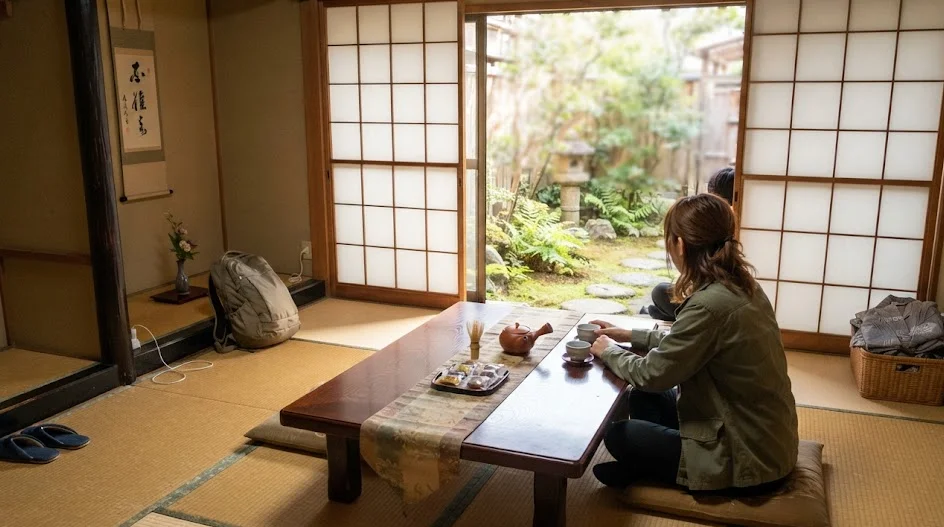
For a day exploring a city like Kanazawa, prioritize mobility. Wear your thermal base, a light sweater, and your waterproof jacket with deep-tread boots.
If you encounter a rainy day, ensure you have a light shell over your layers. Carrying a small umbrella is standard, but a hooded coat is often more convenient when your hands are full.
Partner link.
Mastering the coin laundry culture
You do not need to pack fourteen days of clothing to survive a fourteen-day trip. In fact, doing so will likely make your luggage impossible to manage on crowded local trains.
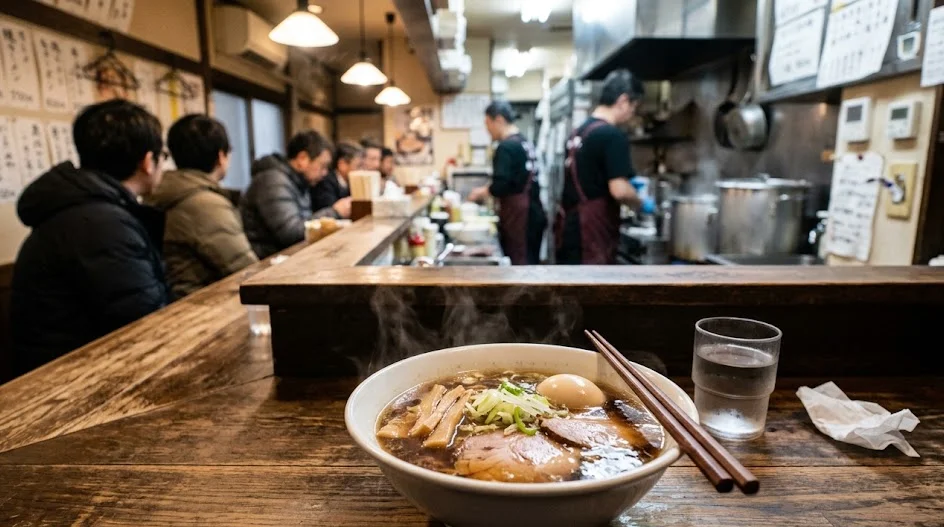
Most business hotels—chains like APA, Dormy Inn, or Toyoko Inn—feature in-house coin laundry machines on guest floors. These units usually combine washing and high-heat drying in a single cycle, allowing you to finish a load in about ninety minutes.
Expect to pay roughly ¥300 to ¥600 per load depending on the size and cycle time, so keep a small stash of 100-yen coins in your wallet at all times. Most of these machines automatically dispense detergent, so you do not even need to pack heavy liquids or pods.
The strategy for light packing
- Pack for seven days and wash mid-trip to save space.
- Check your hotel website on Booking.com or Agoda to verify if laundry exists before you hit “book.”
- Use the mesh laundry bag provided in your room to organize your dirty items.
- Avoid bringing cotton garments if possible, as they take significantly longer to dry than synthetic or merino wool blends.
If your specific hotel lacks a laundry room, search for a local “coin laundry” on Google Maps. These standalone shops are everywhere in residential neighborhoods. They are often larger than hotel units and feature dedicated dryers that can handle bulky winter items if you get caught in a downpour.
Pro tip: Most modern Japanese laundry units require you to enter a PIN code or select a specific setting to lock the door while in use. Take a photo of the control panel if you cannot read the kanji, or use a translation app to ensure you have selected the drying cycle rather than just the wash cycle.
Leaving your clothes to sit in a damp, cold machine for six hours is the fastest way to lose a day of your trip to laundry maintenance. Always double-check that the “Dry” setting is active before you walk away.
Winter survival: What to buy locally instead
Many travelers waste precious luggage weight by bringing heavy winter accessories from home, only to realize they are insufficient for the specific climate. Japan produces high-tech winter gear that is often more effective, cheaper, and more compact than western equivalents found in department stores.
The most important purchase you will make upon arrival is a pack of Kairo heat packs. These are small, disposable chemical warmers available at any convenience store like 7-Eleven, FamilyMart, or Lawson.
They come in two varieties: adhesive versions that stick to your undershirt and pocket versions designed to be held in your hands. When you are walking through the snowy streets of Hokkaido or waiting for a train in rural Nagano, these packets are indispensable.
They generally cost between ¥200 and ¥500 for a multi-pack, which is a fraction of the cost of high-end specialized thermal gloves.
Smart local purchases
- Heat-Tech gear: Uniqlo is the undisputed king of winter layering in Japan, and you will find stores on almost every major city block.
- Umbrellas: If you did not pack one, clear plastic umbrellas are available at any convenience store for about ¥500 to ¥800.
- Face masks: Even if you are not sick, locals use masks in winter to trap moisture and keep the nose warm; they are sold in bulk everywhere.
- Toiletries: Do not lug full-sized shampoos; Japanese drugstores like Matsumoto Kiyoshi offer travel-sized kits that are far superior to hotel-brand amenities.
Leave the heavy, oversized winter boots at home. Unless you are planning a dedicated skiing expedition, the bulky boots sold in western outdoor shops are often too stiff for walking through urban subway stations.
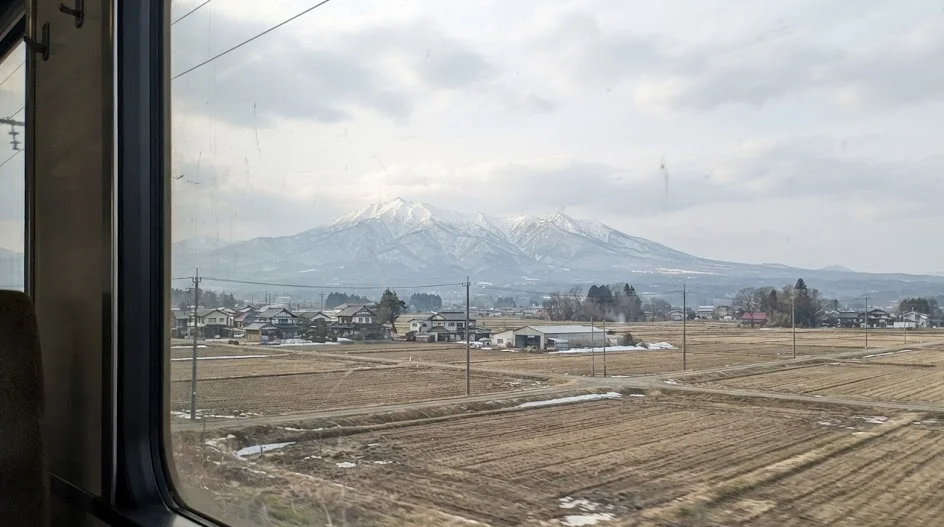
You are better off buying a pair of lightweight, water-resistant sneakers or walking boots in Japan if you find your current footwear is not gripping the ice.
By opting to buy these items locally, you turn a chore into an opportunity to interact with local retail culture. Plus, you arrive with an empty suitcase that is ready to be filled with authentic souvenirs rather than bags of heavy gear you hauled halfway across the world for nothing.
Tech and gear: Charging through the cold
Digital fatigue is a real risk when traveling in winter. Low temperatures drain lithium-ion batteries significantly faster than in summer, turning your reliable phone into a paperweight before you finish a morning of temple-hopping.
Carry a high-capacity power bank that supports fast charging. We recommend one with at least 10,000mAh capacity, but ensure it is carry-on safe according to airline regulations.
Keep your phone or camera in an inner pocket close to your body heat rather than in an outside jacket pocket. This simple step prevents the battery from dipping into the “emergency” zone while you are navigating snowy streets.
Connectivity essentials
- Download offline maps on Google Maps for your specific regions.
- Install a secondary eSIM from Ubigi or Airalo as a backup for when you travel between rural prefectures.
- Pack a short, durable lightning or USB-C cable that does not tangle in your jacket.
Japan is well-prepared for tech-reliant travelers, but outlets can be scarce in old cafes or mountain transport. Ensure your gear is fully juiced before leaving your hotel room each morning.
If you find yourself stranded without a charge, look for convenience stores or station platforms that often provide temporary power outlets or cheap charging cables for sale. Always verify the voltage requirements for any specialized equipment you bring.
While most modern electronics are dual-voltage, double-checking your adapter compatibility saves you from fried circuitry and a ruined vacation. Keep your tech in a dedicated, padded sleeve inside your main carry-on backpack.
Winter skincare: Defending against the dry climate
The Japanese winter is notoriously dry, particularly in the northern regions and in cities with aggressive central heating. You will likely find your skin cracking or your lips chapped within the first forty-eight hours of your trip.
Do not waste space bringing full-sized bottles of lotion or heavy moisturizers. These are heavy, take up precious volume in your carry-on, and are subject to security liquids policies at the airport.
The drugstore solution
- Japanese pharmacies offer high-end, travel-sized moisturizers that are perfectly suited for the local climate.
- Lip balms with SPF protection are sold at every convenience store and are often cheaper than Western brands.
- Sheet masks are available in every supermarket and are a great way to rehydrate after a long-haul flight.
Visit a local Matsumoto Kiyoshi or Welcia store upon arrival to restock your kit. These retailers stock high-quality skincare lines that are often formulated specifically for the harsh, low-humidity winters found on Honshu.
Their products are usually priced between 500 yen and 2,000 yen; confirm the latest prices on their official sites or through the apps for these stores. Focus on products labeled with “hyaluronic acid” or “ceramide,” which are ubiquitous in Japanese beauty aisles.
By purchasing these locally, you minimize the risk of liquid spills in your luggage and ensure you have exactly what the environment demands. You will be surprised at how much better your skin feels after switching to a routine that matches the local conditions.
Keep a small tube of hand cream in your coat pocket at all times; you will be touching many metal railings, turnstiles, and coins, which can lead to dry, irritated hands before your week is out.
← Swipe to see the full table →
| Item Category | Estimated Yen Price |
|---|---|
| Disposable Heat Packs | ¥200–¥500 |
| Local Toiletries/Skincare | ¥500–¥2,000 |
| Laundry (Per Load) | ¥300–¥600 |
Plan your trip: the tools we use
FAQ
QShould I bring an extra suitcase for gifts?
No. You can easily purchase a cheap, lightweight duffel bag at any Don Quijote store in Japan if you end up with too many souvenirs.
QIs the Japan Rail Pass worth it for a winter trip?
Whether the pass pays off depends on your route; add up the individual fares first on a site like Klook. For most winter trips involving only two or three major cities, buying individual tickets is often cheaper.
QWhat if it snows heavily while I am traveling?
Trains in Japan are incredibly resilient, but delays can happen. Always keep a portable charger and an eSIM (Ubigi) active to check real-time updates on your phone.
QAre hotel rooms very cold at night?
Most modern Japanese hotels have individual climate control units that allow you to set the exact temperature. If you feel chilly, almost all provide an extra blanket in the closet.
QCan I find vegetarian food in convenience stores?
It can be challenging, but look for items like onigiri (rice balls) with pickled plum, plain steamed buns, or salads. Always check labels, as hidden fish stock is common in many Japanese soups and sauces.
QDo I need to carry cash everywhere?
While Japan is becoming more card-friendly, small shops, temples, and coin laundries still rely heavily on cash. Always carry at least ¥10,000 in yen coins and bills for these smaller transactions.
 ReaderYuki
You probably feel overwhelmed by the need to be prepared for both freezing winds and heated trains.
Stop re-reading blogs and lock in the one or two base layer decisions that matter, then adjust the rest of your kit as you go.
Keep planning
- ① Install and test your eSIM before take-offAiralo and Ubigi eSIMs activate on arrival, but the install itself needs Wi-Fi. Do it at home and confirm the profile shows up in your phone settings.
- ② Save your first hotel’s address in JapaneseTaxi drivers and station staff read Japanese addresses far faster than romanised ones. Copy it from the booking confirmation into your notes app.
- ③ Set aside cash for day oneMany small restaurants, temples and rural buses are still cash-only. Airport ATMs at 7-Eleven and the post office accept most foreign cards.
Skip these and your first hour in Japan goes on finding Wi-Fi at the station instead of getting to your hotel.
🔍 How to sanity-check any price you read online
Blogs (including this one) go out of date. The official page always wins over a screenshot from two years ago.
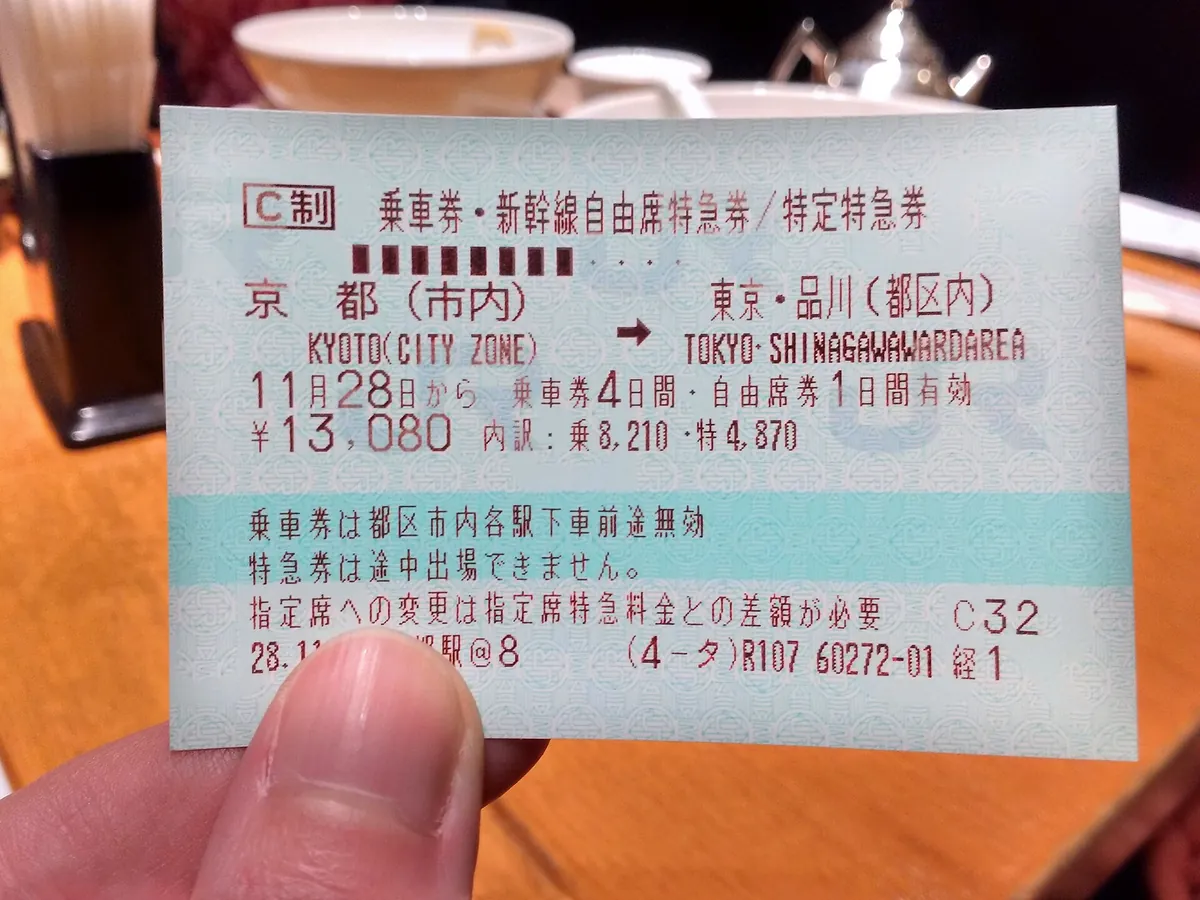
Cover Photo: 京浜にけ at Japanese Wikipedia, CC BY-SA 3.0, via Wikimedia Commons