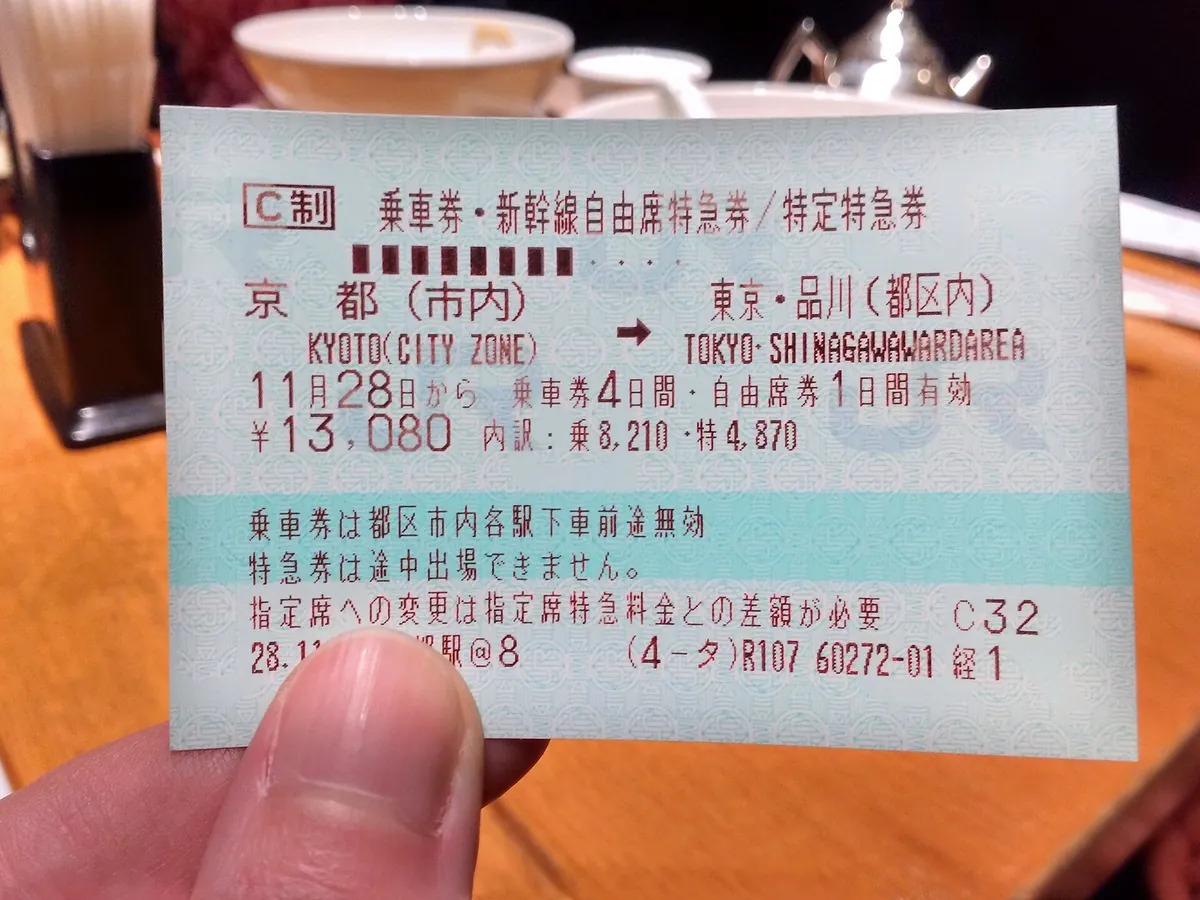

- Only a few manners carry a fee or fine; most are requests or plain custom
- Trains: phone on silent, no calls, let people off first, mind priority seats
- Tokaido Shinkansen bag over 160 cm? Reserve a baggage seat, or you’ll be charged ¥1,000
- Onsen: wash with soap first, keep the towel out of the water, ask about tattoos
- Shrines: 2 bows, 2 claps, 1 bow. Temples: hands together, no clapping
- Kyoto: littering fines in 43 areas; bamboo carving is a crime (up to ¥300,000)
- Gion bans chasing or photographing maiko without permission
- Fee to know
- ¥1,000 Shinkansen bag fee
- Biggest fine
- Up to ¥300,000, Kyoto bamboo
- Tipping
- Not expected
- Tax-free
- Refund at the airport from 1 Nov 2026
- Checked
- November 2026
Tokaido Shinkansen platform, big suitcase at your side: measure it before you buy the ticket, not at the train door. Bags over 160 cm in total need a seat with an oversized-baggage area on that line, or you pay a ¥1,000 fee.
Few manners in Japan have a price like that. The short answer: keep your phone on silent on trains, let people off before you board, and take your shoes off where slippers are set out.
Wash before you get into an onsen, don’t tip, and clap only at shrines, never at temples. In Kyoto, add the city’s own rules for Gion and Arashiyama, and know that littering and carving bamboo can mean real fines.
This guide is for first-time visitors who want to know which manners are rules and which are custom, so you can stop worrying about the second kind. Each point says what backs it, taken from JR, Japan Tourism Agency, JNTO and Kyoto city pages checked in November 2026.
Links go to official pages and to the services named. Fees and rules were checked in November 2026; confirm on the official site before you go.
Rule, request or custom? The 3 kinds of etiquette in Japan
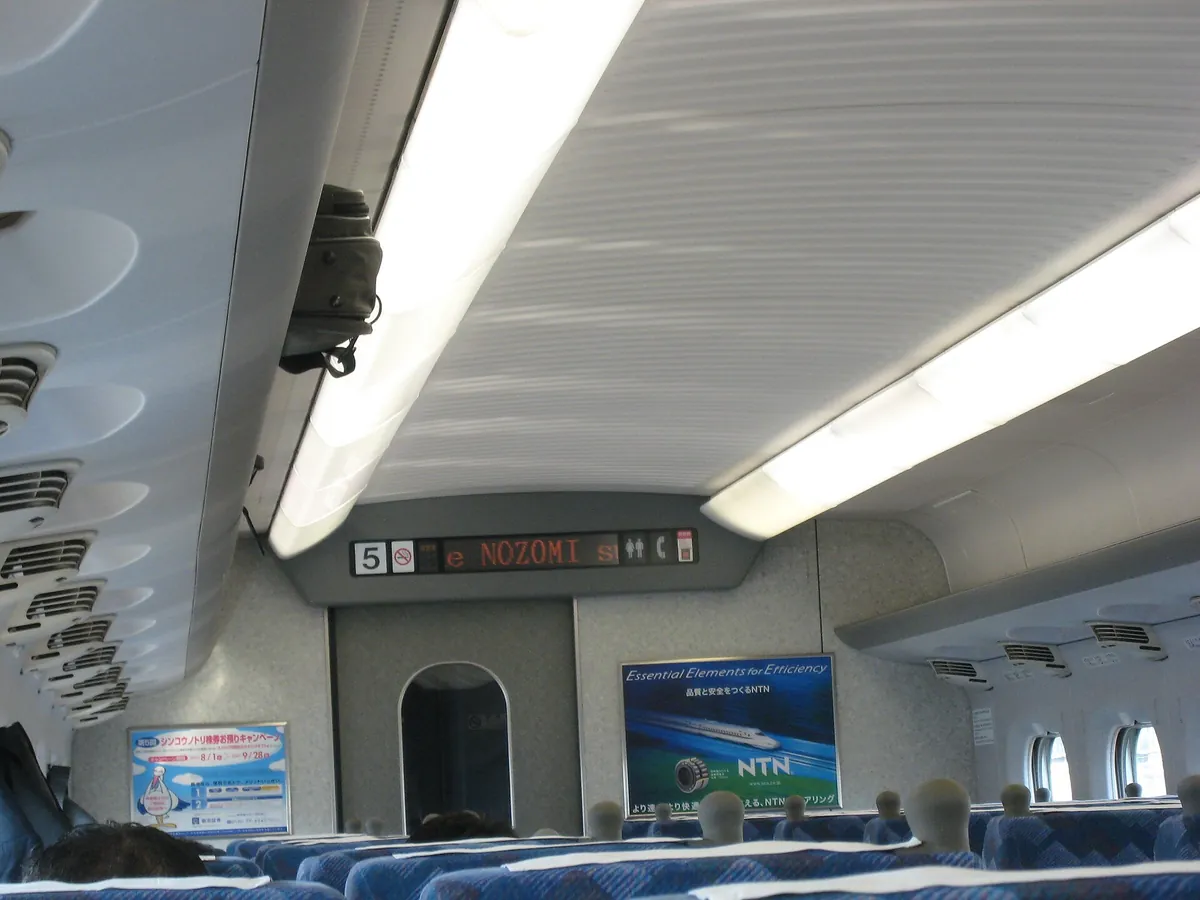
Japanese manners usually get described as one long list of things not to do. That is not how they work in practice. A few points are written rules with a fee, a few are city ordinances with fines, some are requests with no penalty, and most are plain custom.
The difference changes how much you need to worry.
A rule with a fee, like JR Central’s oversized baggage charge, is applied at the train. A custom, like not clapping at a temple, simply marks you as a visitor if you get it wrong. Nobody fines you for it.
The table sorts the common points by what backs them as of November 2026, using the official pages linked in each section below. Yen amounts are fees or maximum fines, so check the official site before you rely on them.
← Swipe to see the full table →
| What you do | What backs it | What can happen |
|---|---|---|
| Suitcase over 160 cm on the Tokaido Shinkansen, no baggage seat | JR rule | ¥1,000 fee; over 250 cm not allowed |
| Carving bamboo in Arashiyama | Criminal law | Fines up to ¥300,000 |
| Littering in Kyoto’s 43 marked areas | City ordinance | Fines up to ¥30,000 |
| Smoking while walking | Local ordinances | May incur a fine |
| Chasing or photographing maiko without permission | Kyoto city rules | Listed as prohibited |
| Eating while walking in Nishiki Market | Market rule (Kyoto official tourism site) | Strictly prohibited |
| Eating while walking in crowded Kamakura | Ordinance, no penalty | Polite request only |
| Phone call on a train | Railway request | Frowns; no penalty |
| Tattoo at an onsen | Each facility’s own rule | May be refused; ask first |
| Tipping, clapping at a temple | Custom | An awkward moment |
Plan your trip: the tools we use
Our pick: if you learn only three, learn the Shinkansen bag rule, the onsen wash and Kyoto’s Gion rules.
- You’re taking a large suitcase on the Shinkansen
- You plan to snack your way through Nishiki Market
- You want photos of maiko in Gion
- You have a tattoo and want to try an onsen
- You’re not sure whether to clap at a temple
- You tip in restaurants at home without thinking
- You’ll shop tax-free during the trip
Ticked two or more? The numbered points below will save you an awkward moment. Each one covers what people do, why it backfires and what to do instead.
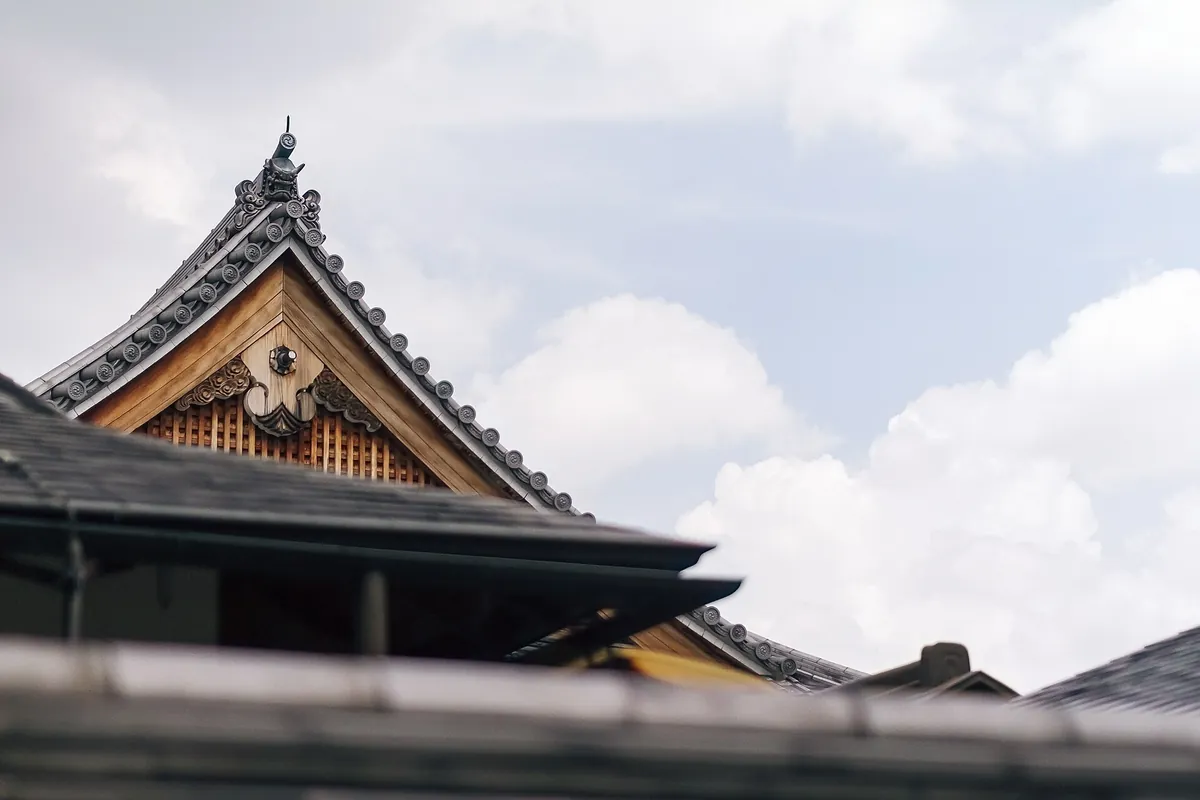
4 habits that matter on Japan’s trains and the Shinkansen
Trains are where visitors spend the most time close to locals, so this is where manners show most. JR West’s English manners page and JNTO’s etiquette guide cover the same ground.
1. Taking a phone call between stations
A quick call on a bus or train is normal in many countries. JR West asks passengers to set phones to silent mode and to refrain from making or taking calls on the train.
JNTO goes further: speaking at any volume on your phone is generally frowned upon on trains and buses. Texting is fine. If a call can’t wait, answer it on the platform after you get off.
Keep conversations low, too.
2. Pushing on before people get off
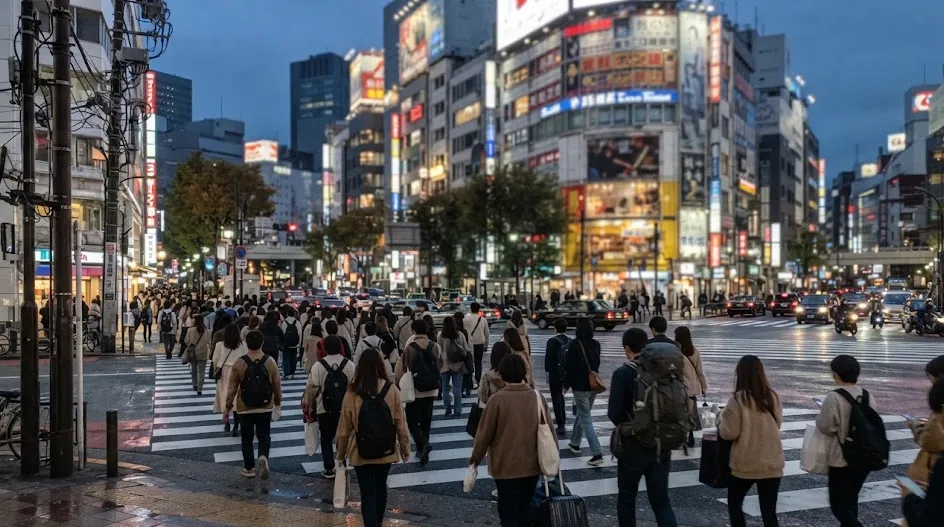
Crowds at Shinjuku or Umeda tempt you to rush the door. JR West asks passengers to form a line and board in order, and JNTO describes lining up to the side of the train so passengers can get off first.
Where the platform has queue markings, stand beside them, not in front of the door. Wait until the flow out stops, then step on.
3. Sitting in priority seats and the wrong car
Priority seats are reserved, in JR West’s words, for expectant mothers, nursing mothers, people with disabilities, the elderly and other passengers who need them. If you take one on a quiet train, give it up the moment someone who needs it gets on.
Some lines also run cars marked with a “Women Only” sticker. JR West says those cars are for female passengers only, so men should check the sticker and use the next car.
- Put food and drink waste in the bins at the station or on the train
- Wear a backpack on your front in a packed car (custom, not a rule)
- Keep bags off the seats next to you
4. Rolling a big suitcase onto the Tokaido Shinkansen
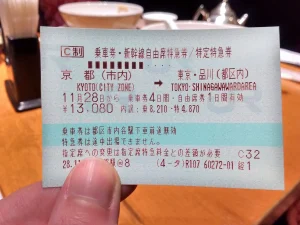
This is the one with a price tag. On the Tokaido, Sanyo, Kyushu and Nishi-Kyushu Shinkansen, a bag whose length, width and height add up to 161–250 cm needs a reserved seat with an oversized-baggage area. Over 250 cm, it cannot come on the train at all.
The reservation itself costs nothing extra; JR Central says those tickets are the same price as regular reserved seats. Without one, you can be charged a baggage fee of ¥1,000 including tax, as of November 2026.
Sports equipment, musical instruments, wheelchairs and strollers in their bags or cases are exempt. The full rule is on JR Central’s oversized baggage page; check the official site before you book.
The easier fix is not to carry the bag at all. Yamato luggage forwarding sends suitcases between hotels and airports, and the Japan Tourism Agency itself suggests a courier, a locker or luggage storage to free your hands. Our luggage forwarding guide explains how to book it.
Eating, trash and smoking on Japanese streets
Street food in Japan is made to be eaten on the spot, from Nishiki skewers to Komachi-dori crepes. That is why the rules on eating while walking confuse people. They differ by place, and they are not equally strict.
5. Eating while walking in Kamakura and Nishiki Market
Kamakura passed a manners ordinance that took effect on 1 April 2019. It lists eating and drinking while walking in narrow or crowded places, in a way that could soil other people’s clothes, as a nuisance.
The text has no penalty clause. Residents and visitors are asked to make an effort not to do it. The same ordinance also asks people not to stop traffic on roads or near the railway tracks to take photos.
Kyoto’s Nishiki Market is firmer. The city’s official tourism site says walking around the market while eating or drinking what you bought there is strictly prohibited. Eat where you bought it, then move on.
Same snack, two very different levels of rule.
6. Looking for a bin that isn’t there
Can’t find a trash can? The Japan Tourism Agency’s travel etiquette page keeps it simple: use bins where they exist, or take your waste with you and throw it away later.
Kyoto adds teeth. The city has 43 Beautification Promotion Areas where people who litter can face fines of up to ¥30,000. Check the official site for the current details; a small plastic bag in your day pack solves the whole problem.
7. Lighting up as you walk
JNTO states that smoking while walking on the street, or dropping butts on the ground, is prohibited and may incur a fine. The rules come from local ordinances, so the amount depends on the area.
Kyoto’s tourism site lists street smoking in Arashiyama as strictly prohibited. Smoke only in designated smoking areas, and carry a pocket ashtray if you smoke at all.
What most first-timers do
- Eat a skewer while walking through Nishiki
- Leave a can on a wall when no bin is in sight
- Smoke while walking between sights
- Take a call on a crowded train
- Push on before others get off
What actually works
- Finish food at the stall where you bought it
- Carry a small bag for trash until the hotel
- Use a designated smoking area
- Text, or call back from the platform
- Stand to the side and board after them
Planning your visit?
Shops, cafes and restaurants: tips, slippers and the tax-free refund
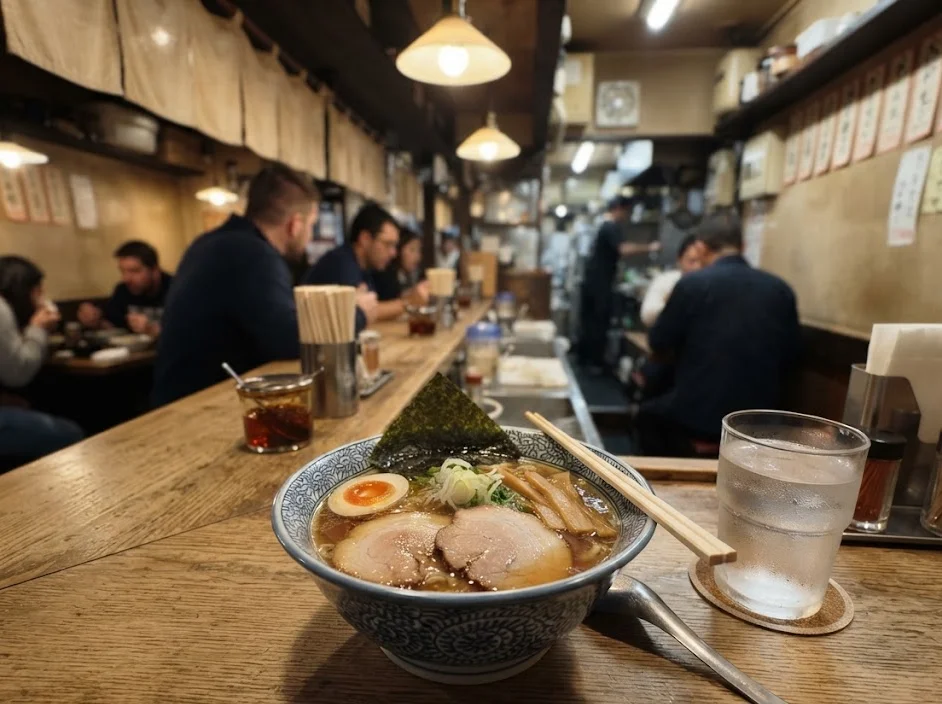
Indoors, the custom gap is smaller than people fear. Three points come up again and again: what to do with a tip, when to take your shoes off, and how tax-free shopping now works.
8. Leaving a tip on the table
JNTO is clear: tipping is not common for services in bars, cafes, restaurants, taxis or hotels. Pay the bill as shown and say thank you. That is all that is expected.
The exception JNTO’s tipping page mentions is a private guide or interpreter. If you want to give something, put it in an envelope and hand it over discreetly. It stays optional.
 ReaderYuki
At the till itself, many shops set out a small tray. Put your cash or card there rather than in the clerk’s hand. Prices are fixed, so haggling is not part of shopping here; both points are custom, not rules.
9. Walking indoors in your shoes
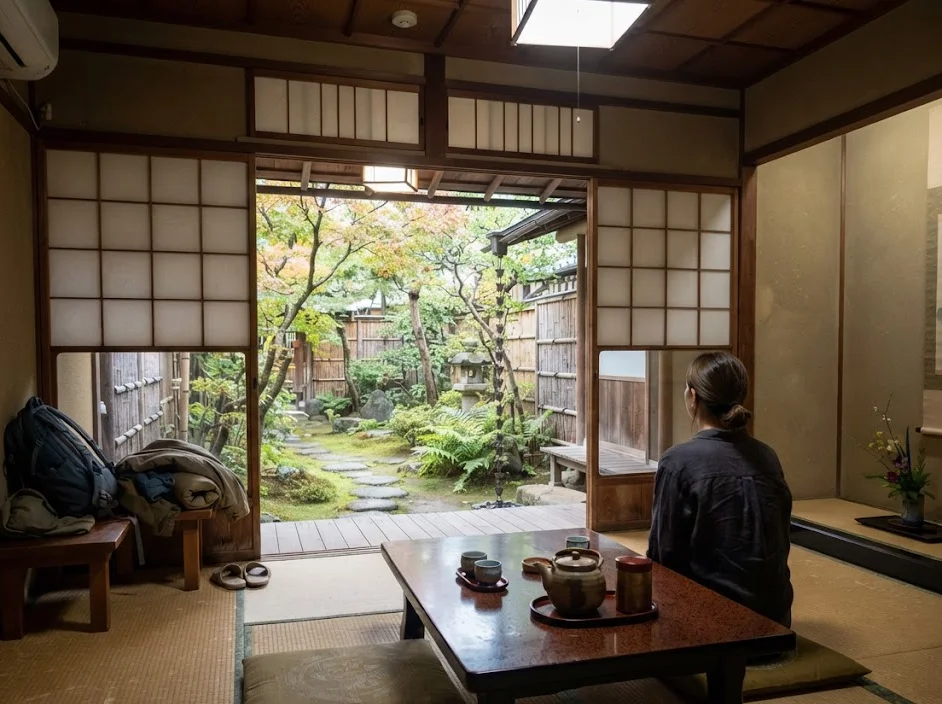
JNTO’s guidance: take your shoes off at the entrance area inside the doorway and slip on the indoor slippers provided. If you see slippers set out at an entrance, that is your cue.
Wear socks without holes and shoes that slip off fast. A day of ryokan, temple halls and small restaurants can mean several shoe changes.
10. Expecting tax off at the till (that ended on 1 November 2026)
Tax-free shopping in Japan has switched to a refund. For purchases on or after November 1, 2026, the Japan Tourism Agency says you pay the tax-inclusive price in the shop. You then claim the tax back at a tax-free procedure terminal at the airport or seaport when you leave.
- Bring your passport to the terminal
- Do it within 90 days of the purchase date
- Find the kiosk before you check in your baggage
- Keep the goods easy to reach until then
The timing is the trap. The agency says you cannot complete the procedure after checking in your luggage. Details are on the Japan Tourism Agency’s refund page; check it before a big purchase, since the system is new.
Shrines vs temples: 2 bows, 2 claps, but only at one of them
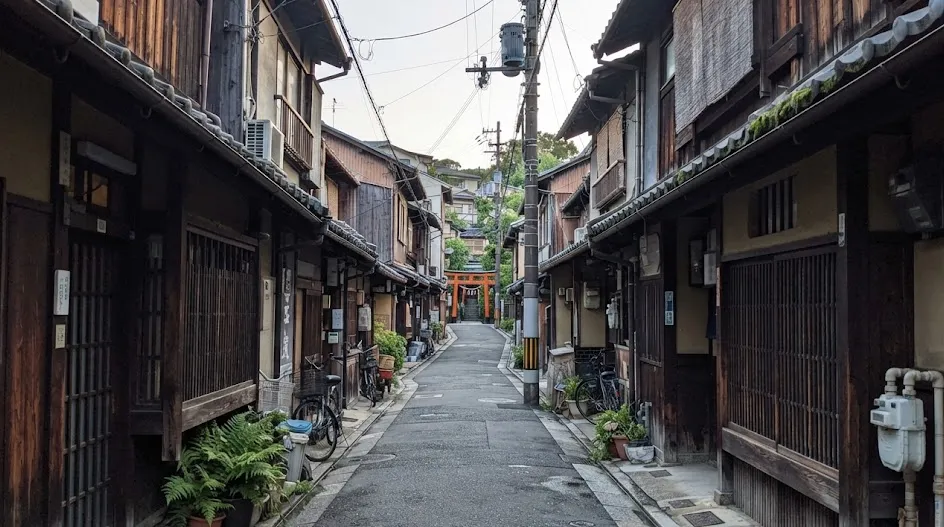
Shrines are Shinto and temples are Buddhist, and a sightseeing day often takes in both. The prayer differs between them, and clapping in the wrong place is the most common giveaway.
11. Clapping at a Buddhist temple
At a shrine, Kumano Taisha’s English guide gives the sequence: bow deeply twice, clap twice, then make one more deep bow.
At a temple, the Aichi Prefecture travel guide says clapping is not a practice, so avoid it. Instead, join your hands quietly in the gassho pose.
Clap at shrines. Fold your hands at temples.
Don’t stress about angles. Nippon.com notes that the two-bow, two-clap, one-bow form was promoted by the Association of Shinto Shrines after the Second World War, and that for both shrines and temples there are no hard-and-fast rules.
12. Skipping the water basin, or drinking from the ladle
Before praying at a shrine, rinse at the chozuya, the water basin in the grounds. Kumano Taisha gives this order:
- Hold the ladle in your right hand and wash your left
- Switch hands and wash your right
- Pour water into your left hand and rinse your mouth
- Wash your left hand again
- Stand the ladle up so the water runs down and cleans the handle
The water goes into your hand, then to your mouth; the ladle never touches your lips. Take your time; nobody is timing you.
Where photos are allowed, the Aichi guide asks visitors not to take pictures during rituals with priests and guests, in front of the offertory box, or while someone is praying. Inside halls, follow the posted signs.
Not sure if you are at a shrine or a temple? Watch the person ahead of you at the offering box and copy what they do.
Onsen etiquette: wash first, towel out, and the tattoo question
A hot spring bath is a highlight of many trips, and the rules fit in one breath. JNTO lists them plainly, and they apply to public bathhouses as well as onsen.
13. Getting into the bath before washing
JNTO says to wash your body with soap before entering the baths. Sit at the washing area, rinse off fully, and only then step into the shared water.
Your small towel stays out of the bath. JNTO asks bathers not to put towels or other items in the water, and to set them to the side instead.
- Wash with soap at the washing area first
- Rinse off every bit of soap before you get in
- Put your towel to the side, not in the water
- Leave phones and other items out of the bath
14. Assuming a tattoo means no onsen
JNTO says tattoos are generally not permitted in hot springs, public bathhouses, pools or gyms. In 2016, though, the Japan Tourism Agency told hotel, ryokan and onsen associations that refusing someone solely because of a tattoo is not appropriate. It is guidance, not a law, so each place still decides.
The agency’s examples give you options: a cover sticker, nothing at all for a small (around palm-size) tattoo, quieter hours, a private kashikiri bath, or a room with its own bath. Ask the front desk before you go.
On Booking.com or Agoda, check that the room listing mentions a private bath; cover patches are sold on Amazon. Our tattoo-friendly onsen and ryokan guide covers the details, and Is a Ryokan Worth It? explains private baths.
Partner link.
Kyoto’s Gion and Arashiyama: city rules, and the 2 that carry fines
Kyoto is the one city where custom and rule meet. The city has published specific rules for its busiest areas, plus a manners page for Kiyomizu, Arashiyama and Gion. Two points carry fines: littering in the city’s 43 marked areas and carving bamboo, which is a criminal offense.
15. Following maiko down a side lane in Gion
Kyoto city lists these as prohibited in Gion: touching, chasing or photographing geiko and maiko without permission, entering private property, and blocking the streets or walking in large groups.
Signs at the private lanes off Hanamikoji say no entry. Treat them as final, even when the lane looks empty and photogenic.
The city also asks visitors to skip tripods, not to touch the lanterns outside tea houses and not to lean on fences. Want a photo of a maiko? Ask first, and accept a no.
A guided evening walk booked through Klook or GetYourGuide is one way to see Gion with someone who knows which streets are public.
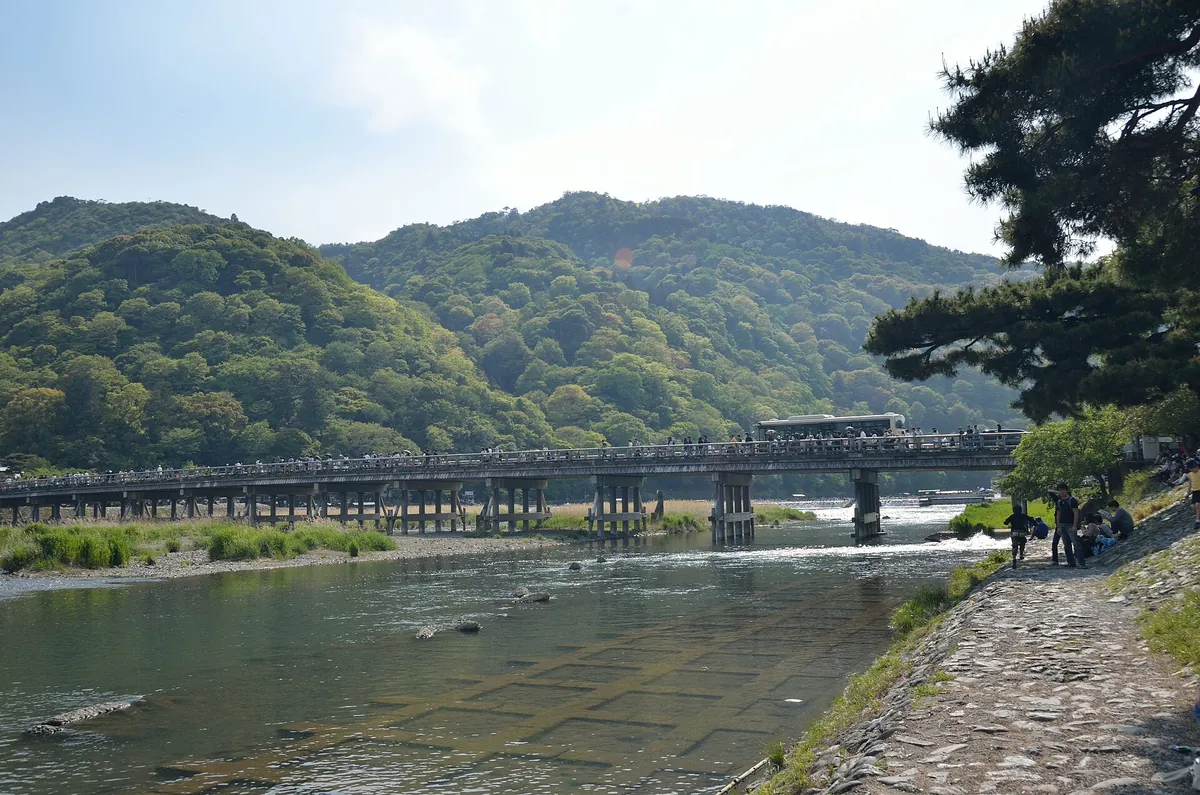
16. Carving a name into Arashiyama’s bamboo
Kyoto city spells it out anyway: carving on bamboo is property damage and a criminal offense, with fines of up to ¥300,000. The Japan Tourism Agency makes the same point for all cultural assets: graffiti or marks cause damage that can’t be undone.
In Arashiyama, the city also lists walking onto the train tracks and smoking on the street as strictly prohibited. Across Kyoto, large luggage on city buses is discouraged; the city points visitors to its Hands-Free Travel luggage services instead.
Three points in this guide come with a set amount of money: JR’s ¥1,000 baggage fee, Kyoto’s littering fines of up to ¥30,000, and fines of up to ¥300,000 for carving bamboo under criminal law. These are maximums or fees as of November 2026; check the official site.
Read the sign at the door: a 4-step habit for trains, shrines and onsen
Almost every point above comes with a sign, a marking or a person ahead of you showing what to do. Platforms, shrine basins, onsen changing rooms and Kyoto’s lanes all give you the house rules before you step in.
Pause at the entrance and look for two seconds.
Look at where the rules with money attached actually bite. JR’s ¥1,000 baggage fee catches people who bought a ticket before measuring the suitcase. Kyoto’s fines catch people who didn’t notice they were in a marked area. Both are fixed by checking before, not during.
Step 1: Before the trip, measure your bag
Add up length, width and height. Over 160 cm on the Tokaido or Sanyo Shinkansen means reserving a baggage seat, or sending the bag with Yamato luggage forwarding.
Step 2: At each entrance, read the sign
Slippers, a water basin or a no-photos sign tell you what the place expects before you go in.
Step 3: Inside, copy the person ahead
On a platform, at an offering box or in an onsen washing area, the local next to you is the best guide to the custom.
Step 4: If unsure, ask first
A front desk can answer the tattoo question before you pay. A polite question is never bad manners.
For the planning side of a first trip, see our 11 Japan travel mistakes to avoid. For safety questions, read Is Japan Safe for Tourists?
FAQ
QWhich side of the escalator should I stand on?
It varies by city, and there is no official rule we can point to. Stand on the side where the people ahead of you stand. JR West only asks passengers to use escalators safely and responsibly.
QDo I need to bow to people?
No one expects a visitor to bow perfectly. A small nod with a thank you, when you pay or check in, is a polite custom. It is not a rule, and nobody will mind if you forget.
QCan I take photos inside temples and shrines?
Where photos are allowed, avoid rituals, the offertory box and people praying, as the Aichi Prefecture guide asks. Inside halls, follow the posted signs, which often say no photos at all.
QAre women-only cars a strict rule?
JR West says cars with the “Women Only” sticker are for female passengers only. Check the sticker on the car before you board, and move along the platform if you need a different car.
Japanese etiquette can feel like a test you didn’t study for, and it really isn’t one.
You could keep re-reading lists of dos and don’ts, or lock in the two decisions that matter, your suitcase and your onsen plan, and pick up the rest from the people around you.
Keep planning
- ① Install and test your eSIM before take-offAiralo and Ubigi eSIMs activate on arrival, but the install itself needs Wi-Fi. Do it at home and confirm the profile shows up in your phone settings.
- ② Save your first hotel’s address in JapaneseTaxi drivers and station staff read Japanese addresses far faster than romanised ones. Copy it from the booking confirmation into your notes app.
- ③ Set aside cash for day oneMany small restaurants, temples and rural buses are still cash-only. Airport ATMs at 7-Eleven and the post office accept most foreign cards.
Skip these and your first hour in Japan goes on finding Wi-Fi at the station instead of getting to your hotel.
🔍 How to sanity-check any price you read online
Blogs (including this one) go out of date. The official page always wins over a screenshot from two years ago.
Cover Photo: Marek Ślusarczyk (Tupungato) Photo portfolio, CC BY 3.0, via Wikimedia Commons