- Route: 2 nights in Fukuoka, based near Hakata Station or in Tenjin
- Day 1: Hakata old-town temples, Kushida Shrine, Ohori Park, yatai after 6 pm
- Day 2: Dazaifu Tenmangu at opening time, then an Itoshima sunset or a city afternoon
- Getting around: subway 1-day pass on Day 1, Nishitetsu train to Dazaifu on Day 2
- Best for: first-timers arriving by plane or Shinkansen who want one easy day trip
- Time needed
- 2 days, 2 nights
- Base
- Hakata Station or Tenjin
- Dazaifu train
- About ¥480 each way (Oct 2026)
- Booking
- Hotel; a car only for Itoshima
- Watch for
- Monday closures at two sights
- Prices checked
- October 2026
“The total trip takes around 30 minutes.” That short line sits on Dazaifu Tenmangu’s own access page, and it describes the train ride from Tenjin to the shrine.
Half an hour each way changes the whole plan. It means Day 1 stays in Hakata and Tenjin, and Day 2 starts at Dazaifu before the tour buses, with the afternoon left open.
That open afternoon is the fork. Go west to the Itoshima coast for the Futamigaura sunset if a car or the bus times line up, or stay in the city if they don’t.
Prices are ranges or fares checked in October 2026; confirm on the official site before you book.
Why Hakata Comes First, Dazaifu Early and Itoshima Last
Fukuoka is a rare Japanese city where the airport is almost downtown. The official Go Fukuoka access page lists about 5 minutes by subway from the airport to Hakata Station and about 10 minutes to Tenjin.
That short hop is why Day 1 works even on an arrival day. Drop your bag at the hotel, buy a subway 1-day pass, and the old temples near Gion Station are a few stops away.
Coming by Shinkansen instead? Go Fukuoka lists about 2 hours 30 minutes from Shin-Osaka and about 1 hour 10 minutes from Hiroshima, so a morning train still gives you most of Day 1.
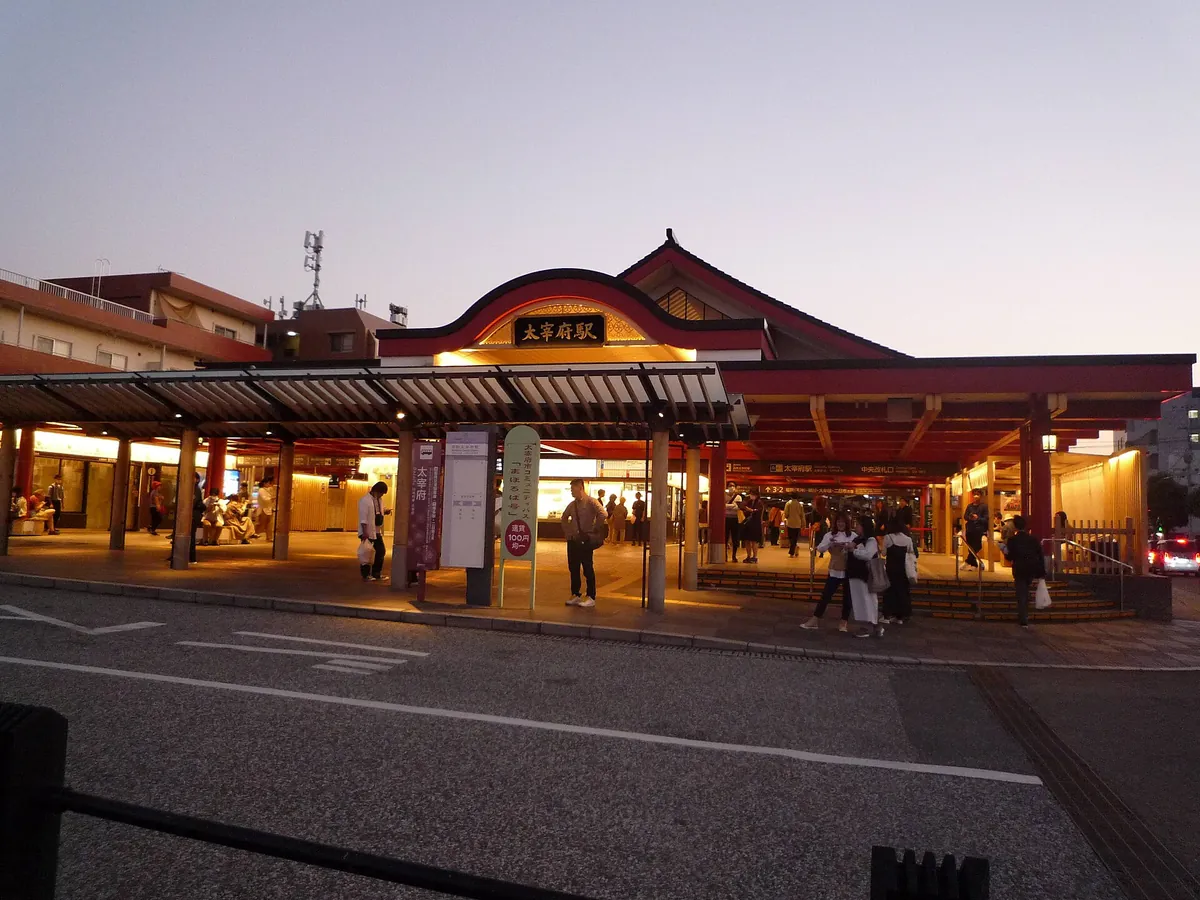
Day 2 is built around one fact: Dazaifu Tenmangu’s grounds open by 6:30 a.m., and morning prayers start at 8:30. The Kyushu National Museum next door opens at 9:30. Arrive around 8:30 and you see the shrine at its quietest.
Itoshima goes last because of the light. The reason most people go is the pair of “wedded rocks” at Sakurai Futamigaura, and the show is the sunset behind them.
Put those three together and the order almost writes itself.
Fukuoka Airport → Hakata, about 5 min
Subway Airport Line. Hakata is two stops from the airport, so your hotel is close whichever base you pick.
Hakata → Gion and Tenjin, a few stops
Same Airport Line: Hakata, Gion, Nakasu-Kawabata, Tenjin, then Ohorikoen. One 1-day pass covers all of Day 1.
Tenjin → Dazaifu, about 30–35 min
Nishitetsu: either a direct express (about 29 min) or a change at Nishitetsu-Futsukaichi to the short Dazaifu Line.
Tenjin → Chikuzen-Maebaru, about 35–45 min
Subway trains run through onto the JR Chikuhi Line via Meinohama, so you stay in your seat.
Chikuzen-Maebaru → Futamigaura, about 30 min
Local bus from the station’s north exit, or drive. Buses are infrequent, so check the timetable first.
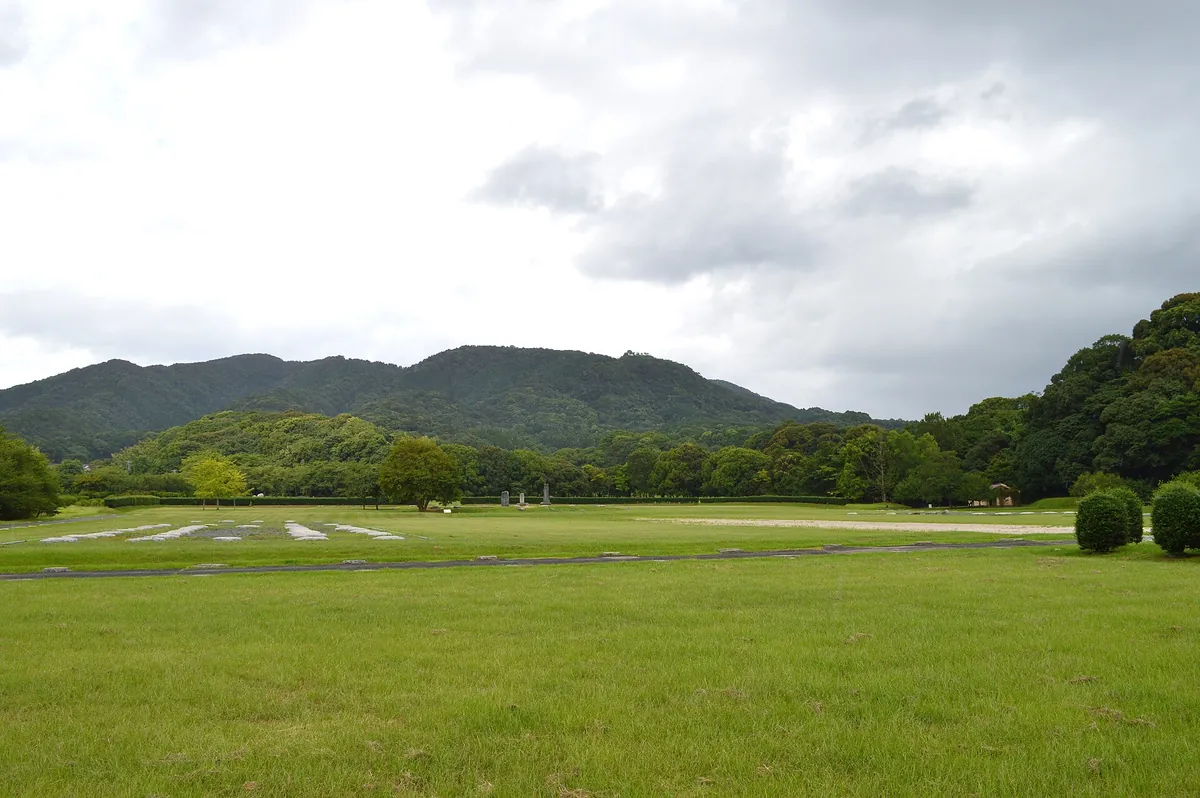
Bookings and Checks to Sort Before You Land in Fukuoka
A 2-day Fukuoka trip needs very little booked ahead. Trains to Dazaifu and the subway need no reservation, and the shrine has no entrance fee.
What does need attention is the second afternoon. The Itoshima half of Day 2 depends on a car or on bus times you should look up before you travel, not on the day.
- Hotel near Hakata Station or in Tenjin, via Booking.com or Agoda
- Rental car for Day 2 afternoon, only if you want Itoshima
- eSIM installed before you fly (Airalo or Ubigi)
- IC card added to your phone, or a plan to buy one
- Itoshima bus timetable (April 2026 edition) saved offline
- Day of the week checked: is either day a Monday?
- Sunset time for your date written down
Rental cars can be compared on Klook or Rakuten Travel, and Klook and GetYourGuide also list Fukuoka tours if you would rather not drive at all.
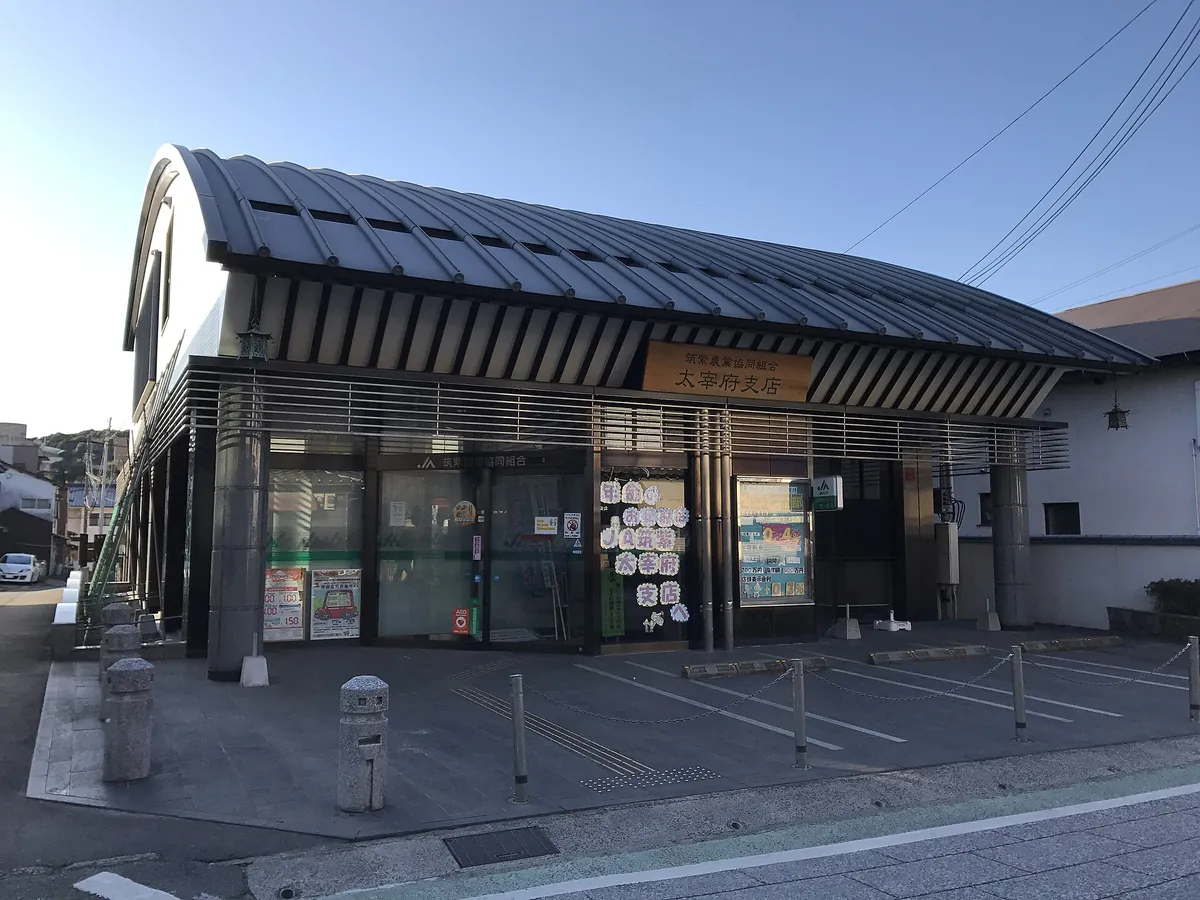
The bus timetables live on Itoshima City’s bus page. Download the current one; older blog directions use a stop that no longer exists.
That Monday check matters more than it looks.
Ohori Park Japanese Garden and the Kyushu National Museum both close on Mondays. If one of your two days is a Monday, make that the day with fewer indoor stops, as the FAQ below explains.
Day 1: Hakata Temples, Kushida Shrine, Ohori Park and Yatai
Day 1 starts in the Hakata old town around Gion Station and ends at a food stall by the river. Everything in between sits on one subway line, so a Fukuoka City Subway 1-day pass keeps it simple.
The city subway lists that pass at about ¥640 for adults and ¥320 for children (October 2026), sold at every ticket machine. Check the official page for the current price.
Morning: Tochoji, Jotenji and Kushida Shrine near Gion
Start at Gion Station. Tochoji is a 1-minute walk away and opens at 9:00, according to the city subway’s own old-town walking course.
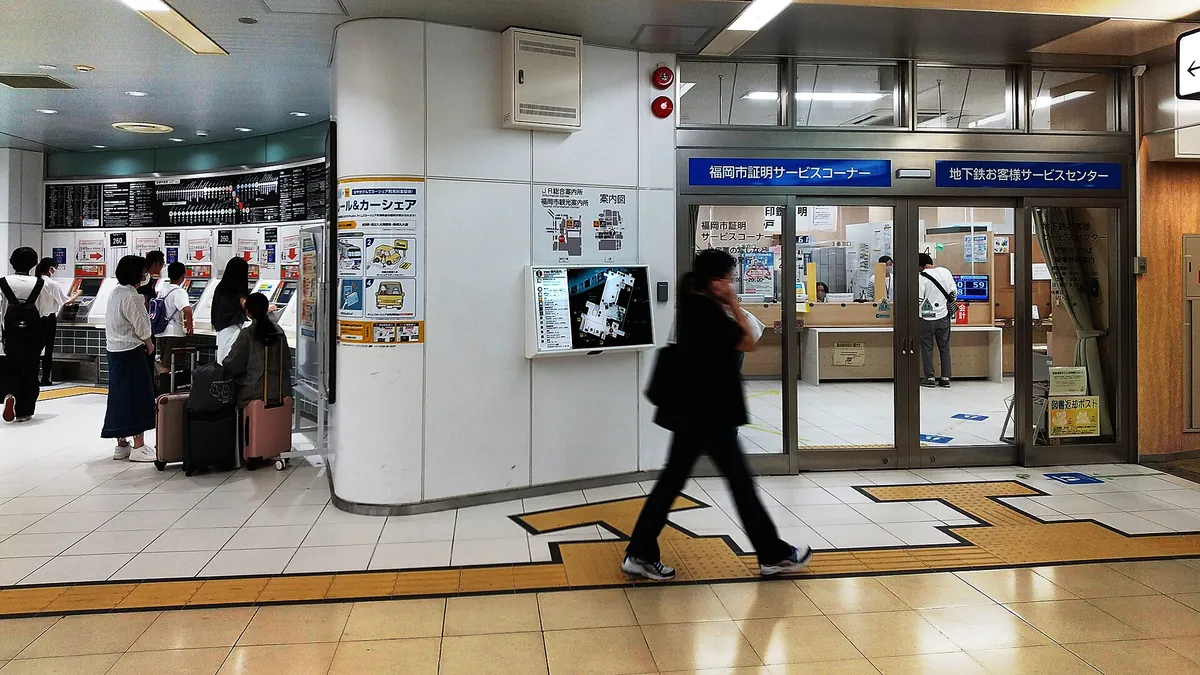
Its draw is the Fukuoka Great Buddha, a seated wooden figure about 10.8 m tall and around 30 tonnes. Viewing ends at 16:45, so the morning is the easy slot.
From there, walk about 5 minutes to Jotenji, listed as open 8:30 to 16:30, though hours may change. Ryuguji, right by Gion Station, opens earlier, from 7:00.
Finish the morning at Kushida Shrine. The grounds open from 4:00 to 22:00 with no closing day, and the walk is about 6 minutes from Gion or Nakasu-Kawabata.
Look for the giant decorated float.
Kushida keeps a 13 m Yamakasa festival float on display all year except June. It is the one thing in Hakata that tells you how seriously this city takes its summer festival.
- Tochoji: 1 min from Gion, Great Buddha viewing until 16:45
- Jotenji: about 5 min from Gion, 8:30–16:30 (may change)
- Ryuguji: by Gion Station, 7:00–18:00
- Kushida Shrine: grounds 4:00–22:00, about 6 min from Gion
Afternoon: Tenjin to Ohori Park and the Japanese garden
Ride the Airport Line west from Nakasu-Kawabata through Tenjin to Ohorikoen Station. Lunch in Tenjin fits neatly on the way, since it is the stop in between.
Ohori Park is a big pond with a path around it and the castle ruins beside it. The paid part worth your time is the Ohori Park Japanese Garden.
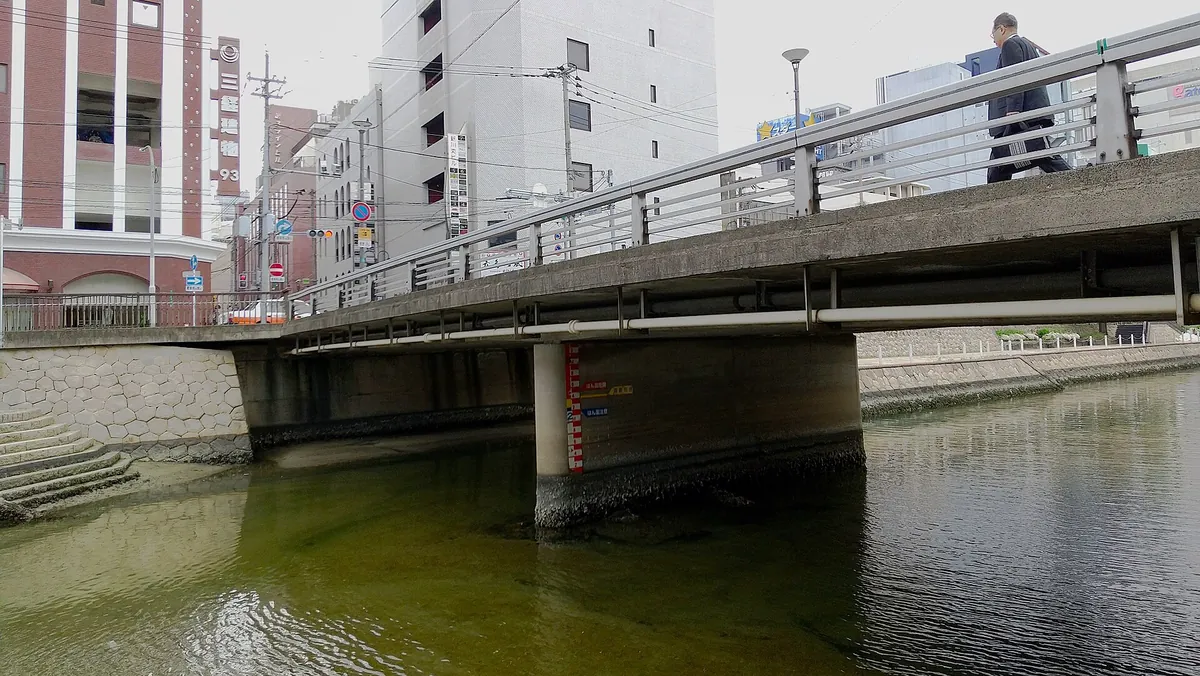
From October to April it opens 9:00 to 17:00 with last entry at 16:45; from May to September it runs to 18:00. Entry is about ¥250 for adults. It closes on Mondays and over the New Year break.
Is the garden worth it on a short trip? For a quiet half hour after a morning of temples, yes. If it is a Monday, walk the pond instead.
Have energy left? Fukuoka Tower is open 9:30 to 22:00, and its top deck sits at 123 m. Adult entry is about ¥1,000. The tower’s access page lists about 15 minutes by bus from Tenjin, or about 25 from Hakata.
Evening: a yatai stall in Nakasu or Tenjin after 6 pm
Fukuoka’s yatai are open-air food stalls, and Go Fukuoka counts “over 100” across the city. They open from 6 pm, so head back toward Nakasu-Kawabata or Tenjin as the light goes.
Rules are simple but real. Most stalls fit no more than about 10 people, the basic rule is one order per customer, and there is nowhere to keep luggage.
Go in a pair or a small group, eat, and give up your stool.
Weather is the catch. Go Fukuoka notes that a stall may not open if the weather is stormy or the owner is unwell. Bring cash to be safe; payment options vary by stall.
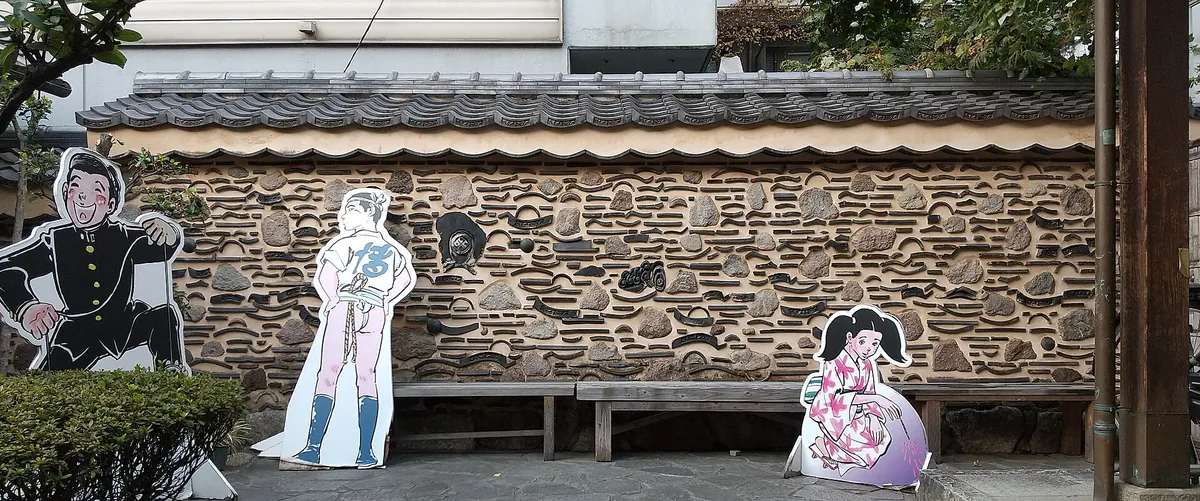
For the longer version of yatai manners and which area suits you, see our Fukuoka first-timer guide. This plan only needs you to know the opening time.
If it rains on Day 1
Swap Ohori Park for Kushida Shrine’s covered float and the indoor halls around Tenjin, then go up Fukuoka Tower only if the cloud is high.
Skip the garden in heavy rain.
A wet evening can also mean fewer yatai. In that case, eat indoors in Tenjin and keep the stalls for Day 2 night if the forecast clears.
Where we would book this
Booking.com
Largest inventory in Japan for English-speaking travellers
- Best for
- Hotels, business hotels, ryokan and apartments in every city
- Checked
- September 2026
Official site. Same price for you.
Day 2: Dazaifu Tenmangu Before the Tour Buses, Then West
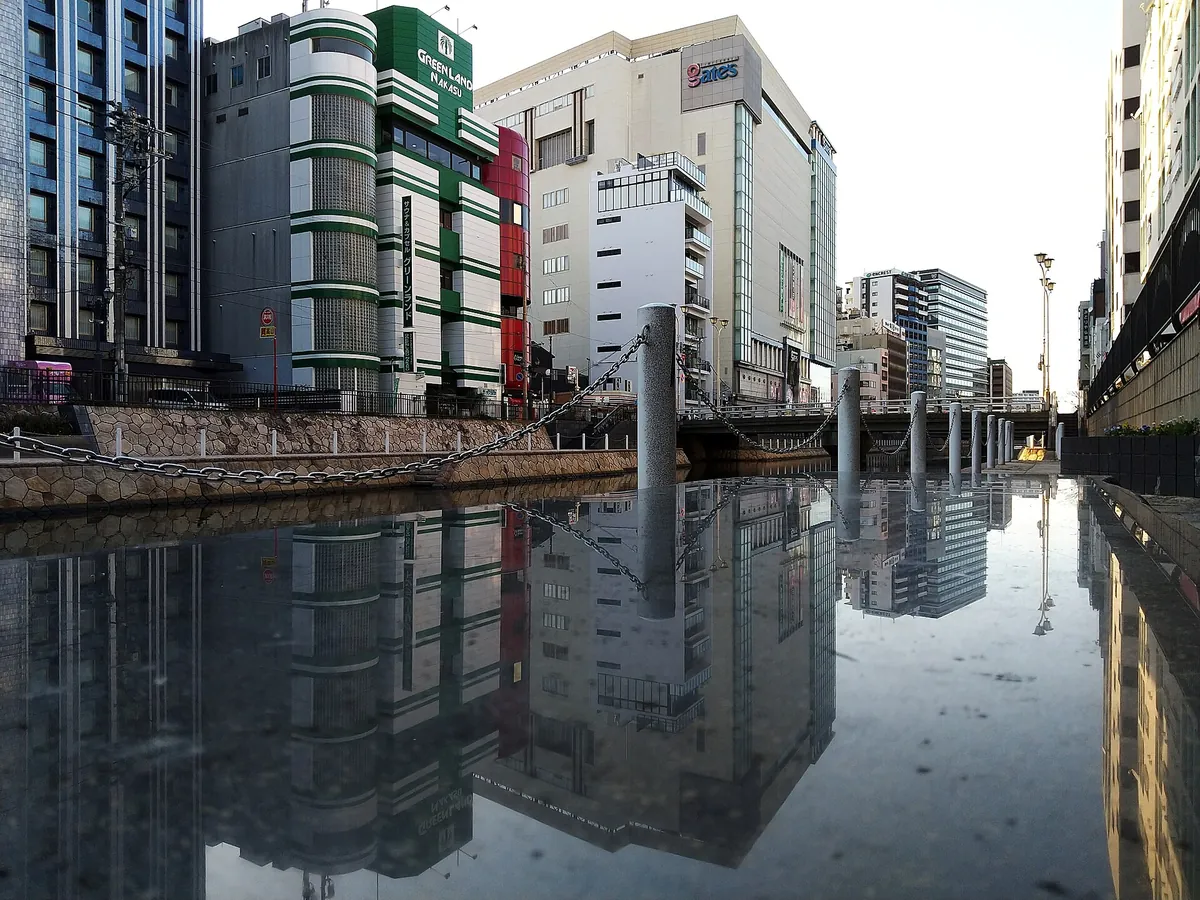
Dazaifu Tenmangu is the main shrine to the god of learning, with about 6,000 plum trees and a main hall built in 1591 that is listed as an Important Cultural Property.
The shrine charges no entrance fee. Its grounds open by 6:30 a.m., or 6:00 at the earliest times of year, so the only real question is how early you want to leave.
Aim to arrive around 8:30.
Getting there: Nishitetsu from Tenjin or the Tabito bus from Hakata
From Tenjin, take the Nishitetsu Tenjin-Omuta Line toward Futsukaichi and change to the Dazaifu Line. The shrine’s page says about 30 minutes in total, then a 5-minute walk.
Nishitetsu’s own route search for a Saturday in late October showed 28 minutes and about ¥480: a limited express to Futsukaichi in 15 minutes, a 7-minute wait, then 6 minutes to Dazaifu.
About half of the daytime departures in that search were direct expresses, taking about 29 minutes with no change. Check the route search for your time; trains are frequent, so you do not need to book.
Nishitetsu raised its fares on 1 April 2026, so fares in older blog posts are out of date. Use the official route search.
Staying at Hakata Station? The Dazaifu Liner bus “Tabito” leaves Hakata Bus Terminal (1F, stop 11) and takes about 40 minutes. Nishitetsu lists ¥800 in cash or ¥780 with an IC or credit card.
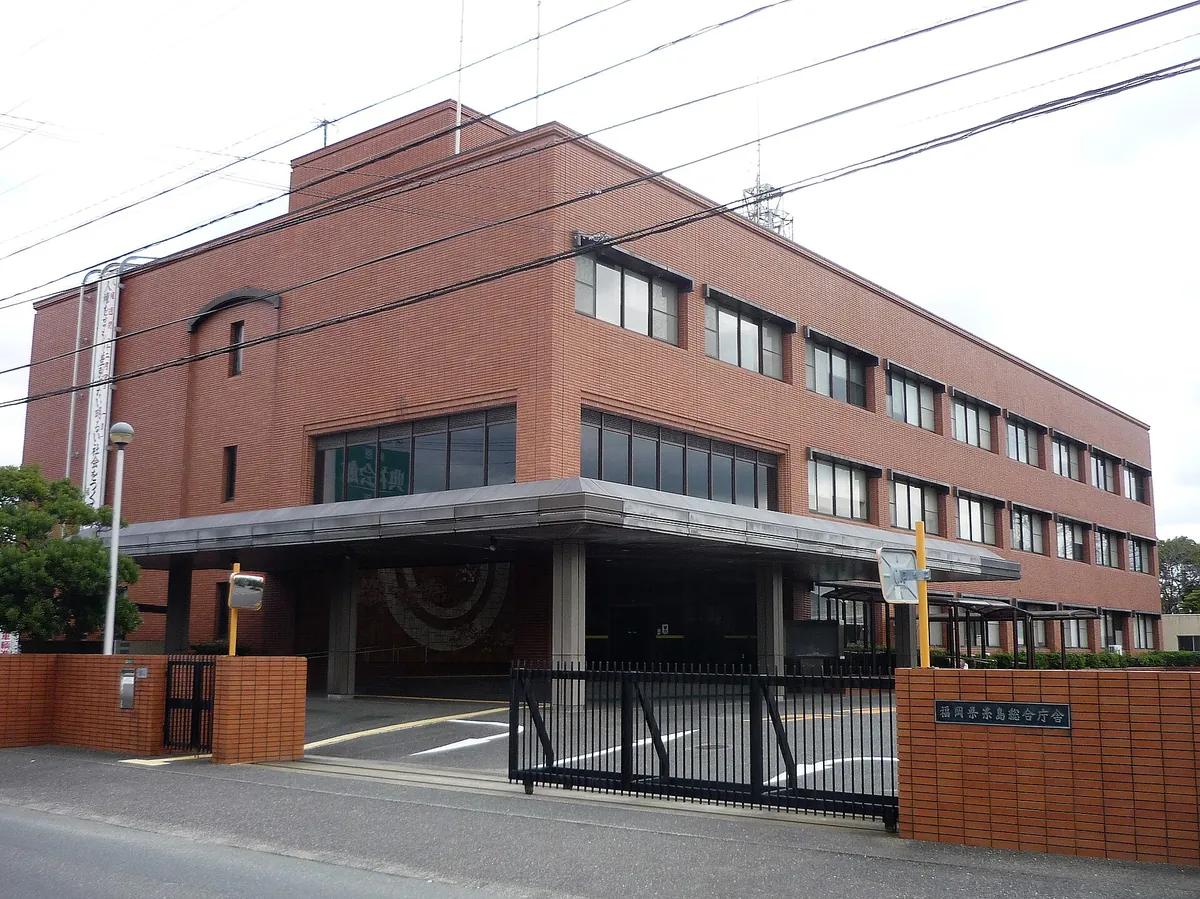
There are 28 buses on weekdays and 36 on weekends and holidays. No reservation is taken, but a bus may be full, which is one more reason to go early.
Which is better? From Tenjin, the train is cheaper and faster. From Hakata, the bus saves the subway ride to Tenjin, and it also runs from the airport’s international terminal in about 25 minutes.
The shrine, Komyozenji and the Kyushu National Museum
Walk the approach from Dazaifu Station to the shrine in about 5 minutes. In late January to early March this is plum blossom season, and the shrine’s famous Tobiume plum tree is the one to find.
Amulet counters take cash only, according to the shrine’s FAQ. Keep some coins and small notes ready if you want a charm.
Komyozenji is tucked quietly right behind the shrine. After the main grounds, it is the calm stop of the morning, and it takes only minutes to reach.
Then walk about 5 minutes to the Kyushu National Museum. It opens 9:30 to 17:00 with last entry at 16:30, and the permanent exhibition costs about ¥700 for adults.
Remember it closes on Mondays.
- 8:30 arrive at Dazaifu Station, walk the approach
- 8:30 morning prayers begin at the shrine
- 9:30 Komyozenji, then the museum as it opens
- 11:30 umegae-mochi on the approach, then back to the station
Back in Tenjin by early afternoon
Plan to leave Dazaifu around noon. The ride back to Tenjin takes the same 30 minutes or so, which puts you in the city by about 12:30 to 13:00.
That timing is what makes the afternoon fork possible.
The Dazaifu Sansaku Ticket covers the Tenjin–Dazaifu round trip plus one umegae-mochi coupon for about ¥1,040. It only beats two single fares if you would buy the mochi anyway.
The paper ticket is sold at Nishitetsu Fukuoka (Tenjin) Station only, and it is valid for two days. Stopovers are allowed at a few stations on the way, including Futsukaichi and Dazaifu.
The Afternoon Fork: Itoshima’s Futamigaura Rocks at Sunset
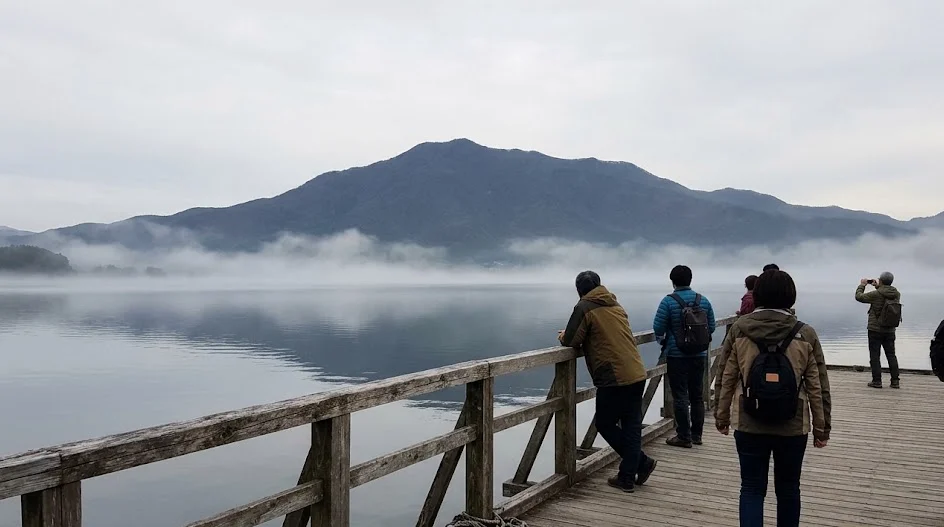
Sakurai Futamigaura is a pair of rocks about 150 m offshore, tied together with a 30 m rope that weighs about a tonne. The male rock is 11.8 m high and the female 11.2 m.
Itoshima’s tourism site says the sun sets right between them around the June solstice. In other months it drops to one side, but the coast at dusk is still the reason to come.
How late is sunset? Japan’s national observatory lists Fukuoka sunset at 18:04 on 1 October, 17:35 on 24 October and 17:28 on 31 October 2026.
So in late autumn you need to be there by about 17:00.
Without a car: subway, JR and an infrequent bus
From Tenjin, a subway train running through onto the JR Chikuhi Line reaches Chikuzen-Maebaru in about 35 minutes, according to Itoshima’s guide map. From Hakata it is about 40 minutes.
JR Kyushu lists about ¥640 from Hakata to Chikuzen-Maebaru, which includes the subway part. The subway machines sell through tickets onto the Chikuhi Line, so you can buy one ticket.
From the station’s north exit, a bus on the Nogita–Futamigaura line takes about 30 minutes. Get off at “Futamigaura Tsuki to Taiyo Itoshima Sabo-mae”, about a 4-minute walk from the rocks.
The old “Futamigaura Meoto-iwa-mae” stop was abolished on 4 April 2026. Use the April 2026 timetable on Itoshima City’s site, not older directions.
Here is the honest part. Itoshima’s tourism site warns that buses are infrequent and should be checked in advance. This guide cannot confirm the last bus back after sunset, so do not count on it until you have seen the timetable.
If the return bus leaves before sunset, you have two choices: watch the coast in afternoon light, or switch to Plan B in the city.
A highway bus called the West Coast Liner also runs from Hakata and Tenjin, which Itoshima lists at about 60–90 minutes. Its timetable is on the Showa Bus site.
With a car: Imajuku IC and the coast
With a car, the tourism site lists about 30 minutes from the Imajuku interchange to Futamigaura. That turns the afternoon into a relaxed drive instead of a bus puzzle.
Parking at the rocks is paid, at about ¥300 an hour, with around 47 spaces. On a clear weekend evening, plan to arrive early so you are not circling as the sun drops.
Rental cars are easiest to pick up in the city or at the airport; compare them on Klook or Rakuten Travel.
Cycling is the third option. Itoshima lists rental bikes at Chikuzen-Maebaru, with 11 to 13 km to the rocks, about 50 to 60 minutes each way.
Plan B: Ohori Park and Fukuoka Tower at dusk
Plan B is not a consolation prize. If the bus times do not fit, the sky is grey, or you are simply tired, stay in the city and watch the sun go down from Fukuoka Tower.
The tower is open until 22:00 with last entry at 21:30, and the deck sits 123 m up. Arrive about half an hour before sunset.
Walk the Ohori pond on the way if you skipped it on Day 1, then take a bus or taxi to the tower. Dinner and a second yatai night are back in Tenjin or Nakasu afterwards.
Which way should you go?
- Car booked and clear forecast: Itoshima, arrive by about 17:00
- No car, but a return bus after sunset on the timetable: Itoshima by bus
- No car and no late bus: Itoshima in daylight, or Plan B
- Cloud, rain or tired legs: Plan B in the city
Where to Stay for 2 Nights: Hakata Station or Tenjin
Both bases work for this plan. The choice comes down to which day you want the shorter commute.
For a deeper comparison of the two areas, our first-timer guide to Fukuoka covers it in detail. Here is the short version for a 2-day itinerary.
Hakata Station area: best if you arrive or leave by Shinkansen
Hakata Station puts you on top of the Shinkansen, the airport subway and the bus terminal where the Tabito bus to Dazaifu leaves. Arrival and departure days get easier.
Expect mostly business hotels and large station hotels, with compact rooms and quick check-in. Search Booking.com or Agoda by “near Hakata Station” and filter by walking distance.
Sumiyoshi Shrine is about a 10-minute walk from the station area, which is a handy early stroll on Day 1.
Tenjin and Nakasu: best for the yatai nights and the Dazaifu train
Tenjin is where the Nishitetsu train to Dazaifu starts, and where the subway trains toward Itoshima pass through. It also puts the yatai within walking distance at night.
Hotels here range from business hotels to newer design hotels. Both Booking.com and Agoda list plenty of each; compare the same dates on both before you choose.
Prices swing a lot on weekends and festival dates, so book once your dates are fixed.
Partner link.
What 2 Days in Fukuoka Cost: Fares, Tickets and Passes
The fares on this route are low, and that changes the pass question. Here are the verified fares and entry fees as of October 2026; totals are estimates, so check each official site.
← Swipe to see the full table →
| Item | Pay as you go | Tourist City Pass |
|---|---|---|
| Day 1 subway | 1-day pass about ¥640 | City pass about ¥2,500 |
| Day 2 Dazaifu train | About ¥480 each way | Dazaifu pass about ¥2,800 |
| Hakata → Dazaifu bus | About ¥780 by IC card | Not valid on Tabito |
| Hakata → Chikuzen-Maebaru | About ¥640 each way | Not confirmed |
| Ohori garden + museum | About ¥250 + ¥700 | Same |
| Fukuoka Tower | About ¥1,000 | Same |
Plan your trip: the tools we use
Our pick: pay as you go with the subway 1-day pass and single Nishitetsu fares, unless you plan many bus rides in one day.
The Fukuoka Tourist City Pass is a one-day pass for buses, trains, the subway and ferries. Go Fukuoka lists about ¥2,500 for the city version and about ¥2,800 with Dazaifu.
For this plan, add it up. Day 2 to Dazaifu and back is roughly ¥960 on the train, plus about ¥640 if you also ride the subway all day. That is well under ¥2,800.
The pass also has rules: it is only for overseas visitors on short-stay status, you need your passport, and the Dazaifu version is not valid on the Tabito bus.
What about the Japan Rail Pass? The subway, the Nishitetsu train and the Tabito bus are not JR, so a JR Pass does not help with most of this plan. Whether the pass pays off depends on your whole route, so add up the individual fares first. Our JR Pass verdict walks through the math.
Not in the table: hotels, food and a rental car. Hotel rates vary too much by date to give a fair range, so compare your dates on Booking.com or Agoda.
- Subway pass plus Dazaifu round trip: roughly ¥1,600 (estimate)
- JR round trip Hakata–Chikuzen-Maebaru: about ¥1,280, plus the bus
- Paid sights (garden, museum, tower): roughly ¥2,000 (estimate)
- Itoshima by bus or car: check the bus fare or rental price
Tips That Keep the 2-Day Fukuoka Plan on Schedule
This itinerary is short, so small delays cost more than they would on a long trip. Most of them come from luggage, phone data and the calendar.
Luggage, lockers and the arrival day
Go to the hotel first, even before check-in, and ask them to hold your bags. Yatai stalls have no space for a suitcase.
Moving on to another city after Fukuoka? Yamato luggage forwarding can send a big case ahead, so you ride to Dazaifu or Itoshima with only a daypack.
Our luggage forwarding guide explains when it is worth the fee.
Phone data, IC cards and timing
You will check timetables on the move, so set up data before you fly. Airalo and Ubigi both sell Japan eSIMs; our eSIM picks compare them.
An IC card on your phone saves time on single rides and gives the cheaper ¥780 Tabito fare. Not sure which card? See Suica vs Pasmo vs Icoca.
Keep cash anyway.
- Check whether either day is a Monday before you fix the order
- Leave Tenjin for Dazaifu by about 8:00 to beat the crowds
- Look at the Itoshima return bus before you leave the city
- Check the weather after lunch on Day 2, then pick Itoshima or Plan B
- Keep cash for yatai and for shrine amulets
If you have a bit more time, book Klook or GetYourGuide activities only after the Day 2 fork is decided, so a cloudy sky does not leave you holding a ticket you cannot use.

FAQ
QIs 2 days enough for Fukuoka?
For the city plus one day trip, yes. Two days covers Hakata, Tenjin, the yatai and Dazaifu comfortably. Add a third day if you want Itoshima without rushing, or a full day on the coast.
QCan I do Dazaifu and Itoshima on the same day without a car?
Yes, but only if the bus times fit. Dazaifu by about noon and Chikuzen-Maebaru by about 13:30 is realistic; the weak link is the infrequent Futamigaura bus, so check the April 2026 timetable first.
QWhat if one of my days is a Monday?
Ohori Park Japanese Garden and the Kyushu National Museum both close on Mondays. If that Monday is a public holiday, they close the next weekday instead. Make the closed day the Dazaifu (shrine only) and Itoshima day, and keep the city sights for the other day.
QWhen is the best season for this route?
Late January to early March brings Dazaifu’s plum blossoms. For the sunset framed between the rocks, aim for around the June solstice. Autumn gives earlier sunsets, about 17:30 in late October.
Two days can feel too short for a city with this much food and a coast on its doorstep.
Instead of reading one more blog, lock in your base and the Day 2 fork tonight, and let the rest adjust to the weather.
Keep planning
- ① Install and test your eSIM before take-offAiralo and Ubigi eSIMs activate on arrival, but the install itself needs Wi-Fi. Do it at home and confirm the profile shows up in your phone settings.
- ② Save your first hotel’s address in JapaneseTaxi drivers and station staff read Japanese addresses far faster than romanised ones. Copy it from the booking confirmation into your notes app.
- ③ Set aside cash for day oneMany small restaurants, temples and rural buses are still cash-only. Airport ATMs at 7-Eleven and the post office accept most foreign cards.
Skip these and your first hour in Japan goes on finding Wi-Fi at the station instead of getting to your hotel.
🔍 How to sanity-check any price you read online
Blogs (including this one) go out of date. The official page always wins over a screenshot from two years ago.
Cover Photo: Hirho, CC BY-SA 4.0, via Wikimedia Commons