
Ninety minutes from Shin-Osaka, or around four hours from Tokyo. That one gap in shinkansen time, published on Japan’s official tourism site, decides most of whether Hiroshima earns a place on your route.
So here is the short answer for first-timers on a Tokyo–Kyoto–Osaka trip: yes, Hiroshima is worth adding on most trips of 8 days or more, ideally as one night between Kansai and the end of your trip. On a 7-day trip it only works as a long day trip from Osaka or Kyoto, and it never works as a day trip from Tokyo.
The rest of this guide covers how many nights to give it, where it fits on your route, and what it adds to your train bill, with the fares taken from JR’s own price sheets.
- Worth it on most trips of 8+ days; on 7 days, only as a day trip from Kansai
- Never plan it as a day trip from Tokyo: about 4 hours each way
- One night beats a rushed day; two nights suit a 14-day trip
- A one-way leg through Hiroshima costs less than an Osaka round trip
- Add up single fares before buying the JR Pass or a regional pass
- From Shin-Osaka
- About 90 min by shinkansen
- From Tokyo
- Around 4 hours by shinkansen
- Time to give it
- 1 night (day trip on short trips)
- Extra train cost
- About ¥16,000–22,000 one adult
- Booking
- Museum early/late slots online
- Prices checked
- October 2026
Some links are affiliate links (marked “Partner link”). Prices are ranges checked in 2026; confirm on the official site before you book.
Does Hiroshima Fit Your Trip? 8 Quick Checks
Before you compare passes or hotels, answer a few plain questions about the trip you already have. Hiroshima is not a hard place to reach, but it sits west of everything else on a classic first route.
That means it costs you hours and yen that come out of Kyoto, Osaka or Tokyo. The checks below tell you quickly whether the trade makes sense.
- Your trip is 8 days or longer
- You already have at least 2 nights in Kyoto or Osaka
- You care about the history of 1945, not just sights
- You want to see Miyajima and its shrine gate
- You are fine with a 7 am start on one day
- You fly out of Kansai, or can route back via Tokyo
- You would rather drop a second temple day than a city
- You plan to ride the shinkansen at least twice
Five or more ticks? Add Hiroshima. Three or four means it can work, but probably as a day trip from Osaka rather than a night.
Two or fewer usually means your days are better spent in Kansai, or on Nara and a slower Kyoto. That is not a judgment on the city. It is simply a question of time on a short trip, and nobody enjoys a museum they had to sprint through to catch a train.
Not sure about one line? Count it as a no.
How Many Days Hiroshima Needs on a 7-, 10- or 14-Day Trip
The right amount of Hiroshima depends far more on your total trip length than on the city itself. The three most common trip lengths each have a clear answer.
1. Seven days: a day trip from Osaka or Kyoto, or skip it
On a week in Japan, Tokyo and Kyoto already compete for every day. A day trip from Shin-Osaka works because the ride is about 90 minutes, which leaves room for the Peace Park and a short Miyajima visit.
Moving hotels for one night on a 7-day trip rarely pays off. You lose half a morning to check-out, luggage and a new check-in. If you have only 2 nights in Kansai, skip Hiroshima this time.
2. Ten days: one night, Peace Park plus Miyajima
Ten days is where one night in Hiroshima starts to make sense. You can arrive in the afternoon, see the Peace Park before dinner, and give Miyajima the next morning without watching the clock.
A business hotel near Hiroshima Station is the practical base: it is next to the shinkansen platforms and the JR line toward Miyajimaguchi. Compare the rates on Booking.com and Agoda for that area. Our 10-day Japan route shows how the other nine days can be shaped around it.
3. Fourteen days: two nights, at an easy pace
With two weeks, give Hiroshima two nights. One full day goes to the Peace Memorial Park and museum, the other to Miyajima, with no early alarm needed for either.
A day-by-day 2-day Hiroshima plan is coming soon on this site. Until then, the decision is simply this: two nights, one theme per day.
← Swipe to see the full table →
| Trip length | What to do | Why |
|---|---|---|
| 7 days | Day trip from Osaka or Kyoto, or skip | A hotel move costs too much time |
| 10 days | 1 night near Hiroshima Station | Peace Park and Miyajima without rushing |
| 14 days | 2 nights | One unhurried day for each half |
Plan your trip: the tools we use
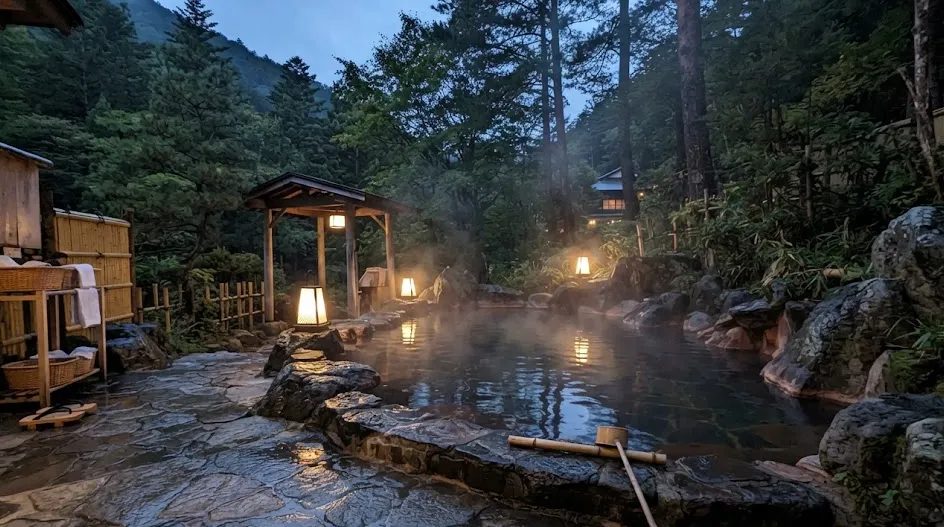
Our pick: one night on a 10-day trip, the best balance of time and cost for most first-timers.
Day Trip or Overnight: Three Timing Mistakes
Most trouble with Hiroshima is not the city. It is the clock. These are the three planning errors that waste the most time, each one visible on the official timetables and museum pages.
4. Planning Hiroshima as a day trip from Tokyo
JNTO puts the Tokyo to Hiroshima shinkansen at around four hours. Two of those rides in one day is about eight hours on a train for maybe five in the city.
The fare is heavy too: about ¥19,000–20,500 each way on a Nozomi booked through smartEX, checked October 2026. If Tokyo is your only base, either move to Kansai for part of the trip or leave Hiroshima for next time.
Want it badly anyway? Fly. JNTO lists Haneda to Hiroshima Airport at about 90 minutes in the air, though the airport is outside the city.
5. A day trip that rushes the museum or drops Miyajima
The Peace Memorial Museum is not a stop to rush between trains, and the Peace Park around it deserves time too. Pair that with Miyajima and a day from Kansai fills up fast.
So decide before you go: both halves at a fair pace, or one half done properly. Our Hiroshima and Miyajima day trip from Osaka or Kyoto covers the route order, the ferries and the tides in detail.
6. Missing the museum’s online reservation rule
The museum opens at 7:30 and closes between 18:00 and 19:00 for most of the year, a little later in August, as listed on its own hours page. Admission is ¥200 for adults, and free for junior high students and younger.
The catch: to enter the permanent exhibition between 7:30 and 8:30, or in the late slots, you need an online reservation made in advance. An early train from Shin-Osaka can put you at the door right in that window.
Check the museum’s official hours and reservation page before your date. Hours change by season, and it closes on December 30 and 31.
Where Hiroshima Sits on a Tokyo–Kyoto–Osaka Route
Once you know how long to stay, the bigger question is where Hiroshima goes in the order of your trip. There are three shapes, and each one suits a different pair of flights.
7. Side trip from Osaka or Kyoto, there and back
This is what most people plan by default. You keep one hotel in Kansai, ride to Hiroshima, then come back the same night or the next day.
It is simple, and it works for a day trip on a 7-day trip. The cost is a full return ride of about three hours, plus the most expensive shinkansen bill of the three shapes.
8. One-way through-route: Tokyo, then Hiroshima, then Kyoto or Osaka
If you fly into Tokyo and out of Kansai (often called open-jaw), put Hiroshima on the way. Ride from Tokyo to Hiroshima, stay a night, then head back east to Kyoto or Osaka for the rest of the trip.
No ride is wasted, because every leg moves you forward. Search the flights both ways before you lock this in; an open-jaw ticket is not always the same price as a return.
- Tokyo Station
- Shinkansen · around 4 h · reserved seat
- Hiroshima Station (1 night)
- Shinkansen east · about 90 min to Shin-Osaka
- Shin-Osaka or Kyoto, then fly home from Kansai
9. Last stop, then one long ride back to Tokyo
Flying home from Tokyo? Then make Hiroshima the end of your western loop. Go Tokyo, Kyoto, Osaka, Hiroshima, and ride straight back to Tokyo on your last full day or the morning of your flight.
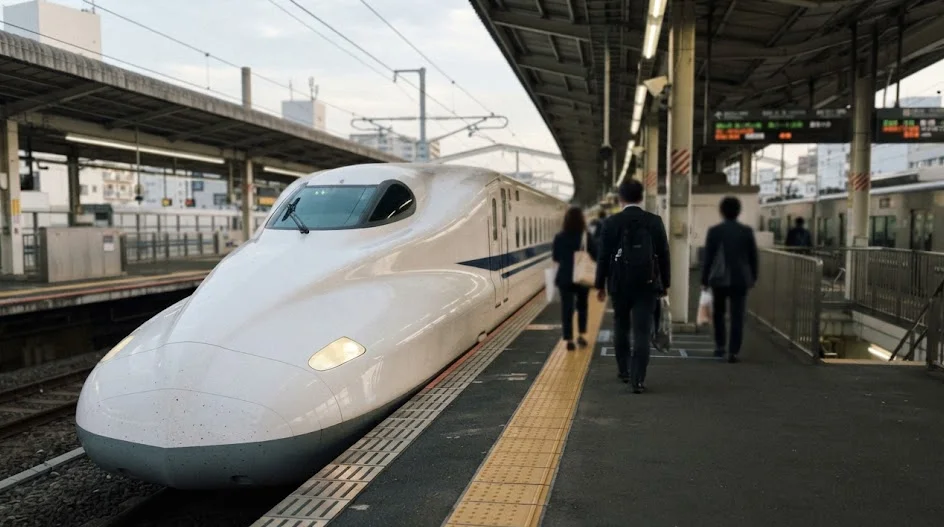
That final ride is around four hours, so never put it on the morning of a midday flight. Sleep in Tokyo the night before you fly, or pick an evening departure.
What most first-timers do
- Plan a day trip from Tokyo
- Add an Osaka round trip at the very end
- Buy a rail pass before fixing the route
- Squeeze museum and Miyajima into 5 hours
What actually works
- Base in Kansai for any day trip
- Put Hiroshima on a one-way leg
- Add up single fares, then compare passes
- Give it one night on trips of 10+ days
Where we would book this
Booking.com
Largest inventory in Japan for English-speaking travellers
- Best for
- Hotels, business hotels, ryokan and apartments in every city
- Checked
- September 2026
Official site. Same price for you.
What Hiroshima Adds to Your Train Bill in 3 Route Shapes
Here is the comparison you will not find on the pass sellers’ pages. Using JR Central’s smartEX fare sheet (dated 1 April 2025, and still the one linked in October 2026; Nozomi, reserved seat, regular season, one adult), we added up the shinkansen legs for a Tokyo–Kyoto–Osaka trip with and without Hiroshima.
The base trip with no Hiroshima is Tokyo to Kyoto, then Osaka back to Tokyo: about ¥28,000–29,000 in shinkansen fares. Every total below is an estimate built from that sheet.
← Swipe to see the full table →
| Route shape | Shinkansen total (est.) | Extra for Hiroshima (est.) |
|---|---|---|
| Side trip from Shin-Osaka, return | About ¥49,000–51,000 | About ¥21,000–22,000 |
| Last stop, then back to Tokyo | About ¥44,000–45,500 | About ¥15,500–17,000 |
| One-way Tokyo to Hiroshima to Kyoto | About ¥30,500–32,000 | About ¥17,000–18,000 |
Our pick: the one-way through-route, if your flights let you land in Tokyo and leave from Kansai.
The third row needs one note. It compares against a one-way Tokyo to Kyoto ride, because open-jaw travellers never ride back to Tokyo at all.
Both one-way shapes cost about ¥4,000–6,000 less than the side trip, and they also save you a return ride of about three hours. Seasonal pricing shifts every leg by a few hundred yen, up in peak weeks and down off-peak.
The single legs used: Shin-Osaka to Hiroshima about ¥10,500–11,000, Kyoto to Hiroshima about ¥11,500–12,000, and Tokyo to Hiroshima about ¥19,000–20,500. Check the current figures on the smartEX booking page before you decide.
smartEX opens bookings from 5:30 am a year before travel, but seats are only confirmed one month ahead. Our guide to booking shinkansen tickets online vs at station machines walks through it.
Japan Rail Pass Math With a Hiroshima Day Trip
Adding Hiroshima is the moment many travellers start looking at the Japan Rail Pass. The answer is closer than you might expect. Whether the pass pays off depends on your route — add up the individual fares first.
10. The 7-day pass vs a Kansai loop plus Hiroshima
The 7-day Ordinary pass was about ¥50,000 for an adult bought on the official reservation site in October 2026 (a little more through overseas agents). Check the official Japan Rail Pass price page before you buy.
Now look back at the table. The side-trip shape totals about ¥49,000–51,000 on smartEX. In other words, a 7-day Tokyo–Kyoto–Osaka trip with one Hiroshima day trip lands almost exactly at break-even on shinkansen fares alone.
Local JR rides, such as trains around Kansai or the JR ferry to Miyajima, can tip it slightly in the pass’s favour. Our JR Pass calculator for 5 Japan routes and our JR Pass verdict run the same sums for other routes.
11. Nozomi trains need a special ticket on the pass
The pass does not cover Nozomi or Mizuho trains, according to the official conditions page. Hikari, Sakura and Kodama trains are covered, so you can reach Hiroshima on the pass without paying more.
If you want the faster Nozomi anyway, pass holders can buy a separate Nozomi Mizuho ticket. As of 2026 it is about ¥4,200 from Shin-Osaka or Kyoto to Hiroshima, and about ¥6,500 from Tokyo, the same for reserved, non-reserved or Green Car seats.
See the Nozomi Mizuho ticket page for every route.
12. The 7 days must cover every long ride
The pass runs for consecutive days. If your Tokyo to Kyoto ride is on day 1 and your ride back to Tokyo is on day 9, a 7-day pass cannot cover both.
That is where the break-even falls apart. Lay out your long rides on a calendar first, then see which ones fit inside one 7-day window. You can compare pass sellers like Klook and GetYourGuide with the official Japan Rail Pass site, but price is only half the question.
- Pass covered: Hikari, Sakura, Kodama shinkansen
- Pass covered: JR West Miyajima Ferry (visitor tax extra)
- Extra ticket needed: Nozomi and Mizuho
- Not helpful: any long ride outside the 7-day window
Partner link.
Kansai-Hiroshima Area Pass: Often the Cheaper Fit
JR West sells a regional pass that matches the side-trip shape far better than the national pass does. For many travellers it is the cheapest way to add Hiroshima.
13. What the Kansai-Hiroshima Area Pass covers, and what it does not
JR West lists the pass at about ¥17,000 for an adult and about ¥8,500 for a child, valid for 5 consecutive days. The page notes its prices date from 2024, so check the official Kansai-Hiroshima Area Pass page before buying.
- Covered: Sanyo Shinkansen reserved seats, Shin-Osaka to Hiroshima
- Covered: JR West local and rapid trains in the area
- Covered: the HARUKA airport express and the JR West Miyajima Ferry
- Not covered: Tokaido Shinkansen between Shin-Osaka and Tokyo
- Not covered: Sanyo Shinkansen west of Hiroshima to Hakata
Staying in Kyoto? The pass does not include the Tokaido Shinkansen, so plan on a JR local or rapid train to Shin-Osaka first.
14. When it beats buying two shinkansen tickets
A Shin-Osaka to Hiroshima round trip on smartEX is about ¥21,000–22,000, checked October 2026. The pass is about ¥17,000 and also covers the JR ferry to Miyajima and local JR trains, including the HARUKA from Kansai Airport.
Add that to the two Tokyo legs bought singly, about ¥28,000–29,000, and the whole trip comes to roughly ¥45,000–46,000. That is less than the 7-day national pass, as long as you have no other long JR rides. Our regional rail passes vs JR Pass guide compares the other options.
That is the quiet winner for a Kansai base.
What the Time Buys You: Peace Park, Miyajima, Okonomiyaki
All the fare math only matters if the place is worth the hours. JNTO names three reasons to come, and they explain why Hiroshima earns a slot that a fourth Kyoto day often does not.
15. Peace Memorial Park and museum
The Peace Park is filled with memorials to the people who died in the atomic bombing of 1945. It is a place to slow down, not a box to tick, and the museum asks for your full attention.
In our view it is the strongest reason to come at all. Give it a morning or an afternoon on its own, and do not plan a busy evening straight after.
Visiting with children? Junior high students and younger enter the museum free. The subject is heavy, so talk it through with them before you go.
16. Miyajima and Hiroshima-style okonomiyaki
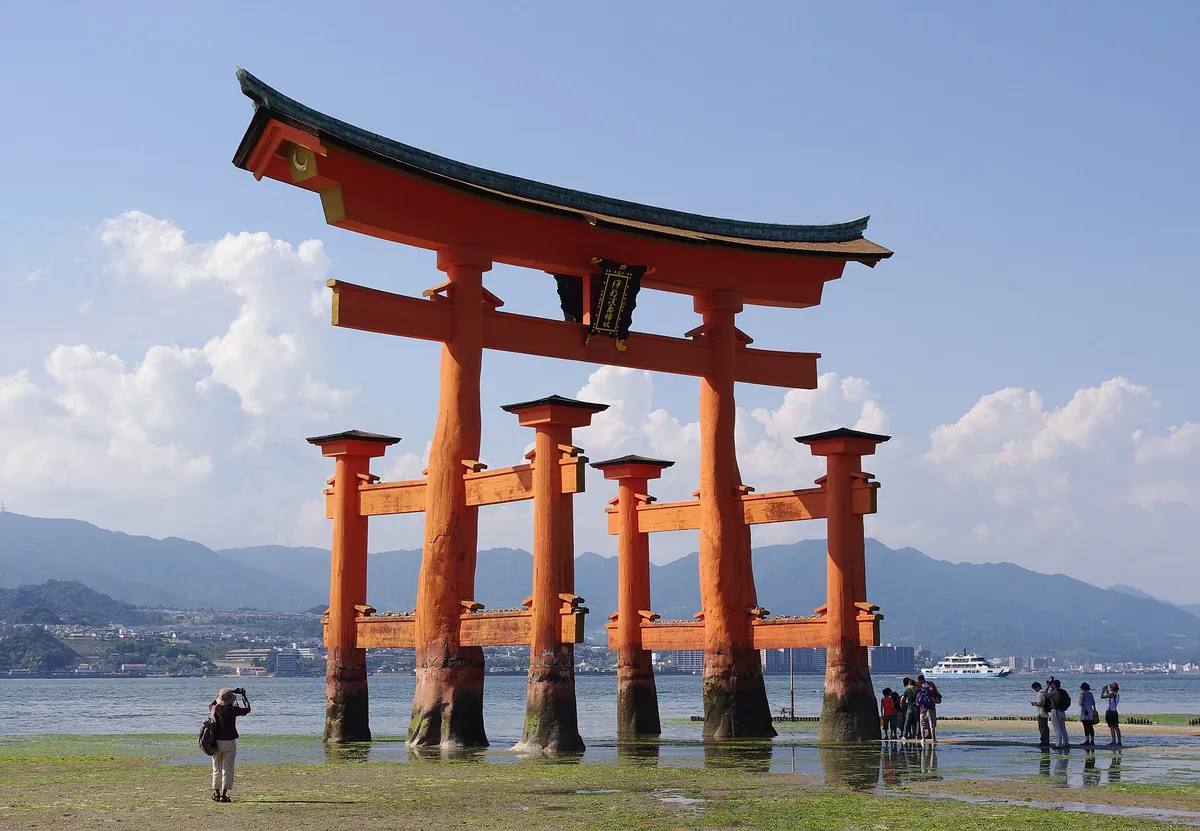
Miyajima is a short trip from the city, known, in JNTO’s words, for its deer and the much-photographed floating shrine. The JR West Miyajima Ferry is ¥200 each way for an adult (¥100 for children), plus a ¥100 visitor tax for the island, as of 2026.
The ferry is covered by the Japan Rail Pass, as the Japan Rail Pass conditions page confirms. Booked tours on Klook or GetYourGuide can bundle the trip if you prefer not to plan it.
Then there is dinner. Hiroshima-style okonomiyaki is a savoury pancake layered with noodles, pork and cabbage, different from the Osaka version you may have tried a few days earlier. Eat it on your night in town.
The One Habit: Fix the Route Shape Before Any Pass
Every mistake in this guide traces back to one order of decisions. People buy a pass, then build the trip around it. The JR timetable and price sheets show why that is backwards.
The common version goes like this: someone buys a 7-day pass, then finds their Hiroshima day lands on day 8. That Hiroshima ride now costs full fare on top of the pass.
Decide in this order.
Step 1: Fix your arrival and departure airports
Into Tokyo and out of Kansai opens the one-way route. A return to Tokyo points to Hiroshima as the last stop.
Step 2: Place Hiroshima on a one-way leg if you can
It saves about three hours of riding and roughly ¥4,000–6,000 against a side trip from Osaka.
Step 3: Add up the single fares on smartEX
Write down each long ride, its date and its fare. This is your number to beat.
Step 4: Only then compare the passes
Check the 7-day JR Pass and the Kansai-Hiroshima Area Pass against that number and your dates.
Book your hotels last, through Booking.com or Agoda, once the nights in each city are fixed. Need to move bags between cities? Yamato luggage forwarding sends a suitcase ahead so you ride light.
FAQ
QCan I visit Hiroshima from Tokyo in a day?
Technically yes, but it is about four hours each way by shinkansen, according to JNTO. That leaves little time in the city, so base yourself in Osaka or Kyoto, or stay one night.
QIs Miyajima covered by the Japan Rail Pass?
The JR West Miyajima Ferry is covered by the Japan Rail Pass and by the Kansai-Hiroshima Area Pass. The island’s ¥100 visitor tax is charged separately.
QShould I base a day trip in Kyoto or Osaka?
Osaka is the easier base, because Shin-Osaka is where the Sanyo Shinkansen to Hiroshima starts. From Kyoto, smartEX also sells direct shinkansen tickets to Hiroshima for about ¥11,500–12,000, checked October 2026.
QIs Hiroshima worth it on a 5-day trip?
Usually not. Five days barely covers Tokyo and Kyoto, and a Hiroshima day would cost you a full Kansai day. Save it for a longer trip of 8 days or more.
 ReaderYuki
Deciding whether to stretch a trip west, with all those fares and nights in play, can feel like a puzzle with too many pieces.
You do not need to keep re-reading blogs; lock in your flights and the route shape now, and adjust the rest later.
Keep planning
- ① Install and test your eSIM before take-offAiralo and Ubigi eSIMs activate on arrival, but the install itself needs Wi-Fi. Do it at home and confirm the profile shows up in your phone settings.
- ② Save your first hotel’s address in JapaneseTaxi drivers and station staff read Japanese addresses far faster than romanised ones. Copy it from the booking confirmation into your notes app.
- ③ Set aside cash for day oneMany small restaurants, temples and rural buses are still cash-only. Airport ATMs at 7-Eleven and the post office accept most foreign cards.
Skip these and your first hour in Japan goes on finding Wi-Fi at the station instead of getting to your hotel.
🔍 How to sanity-check any price you read online
Blogs (including this one) go out of date. The official page always wins over a screenshot from two years ago.
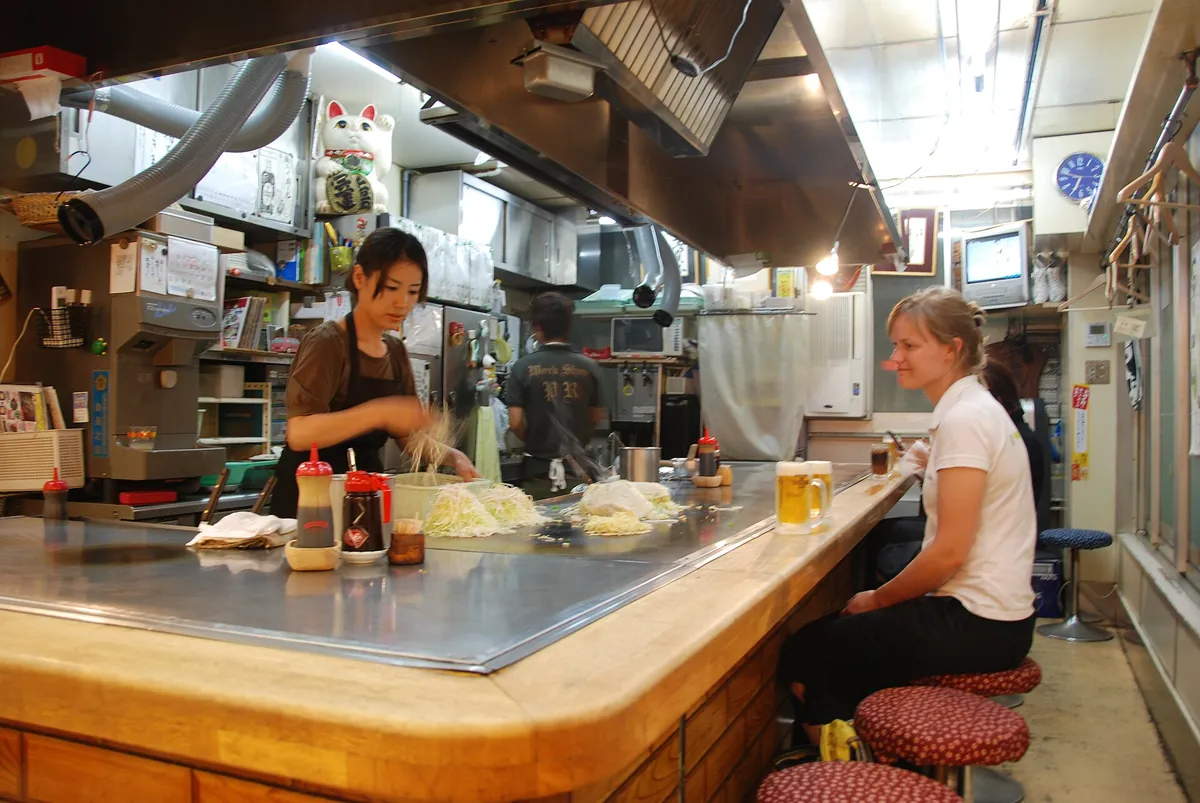
Cover Photo: Jakub Hałun, CC BY-SA 4.0, via Wikimedia Commons