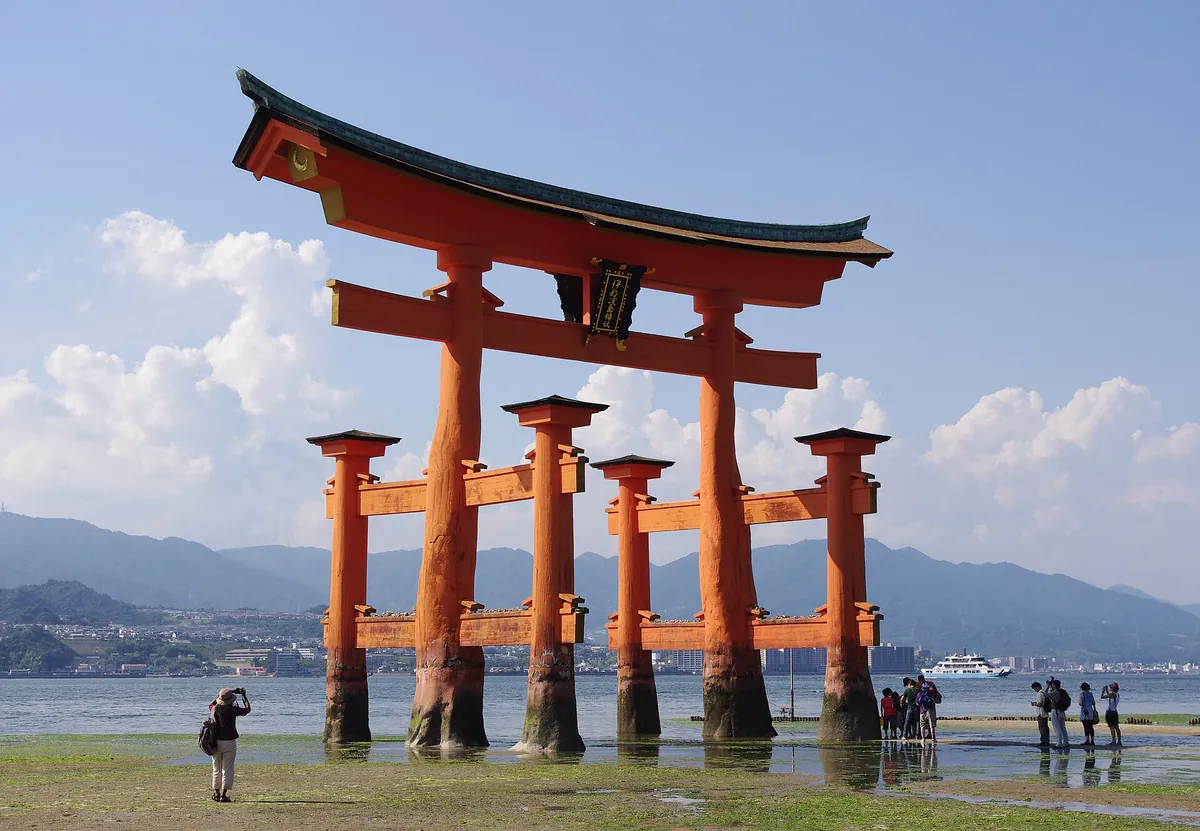

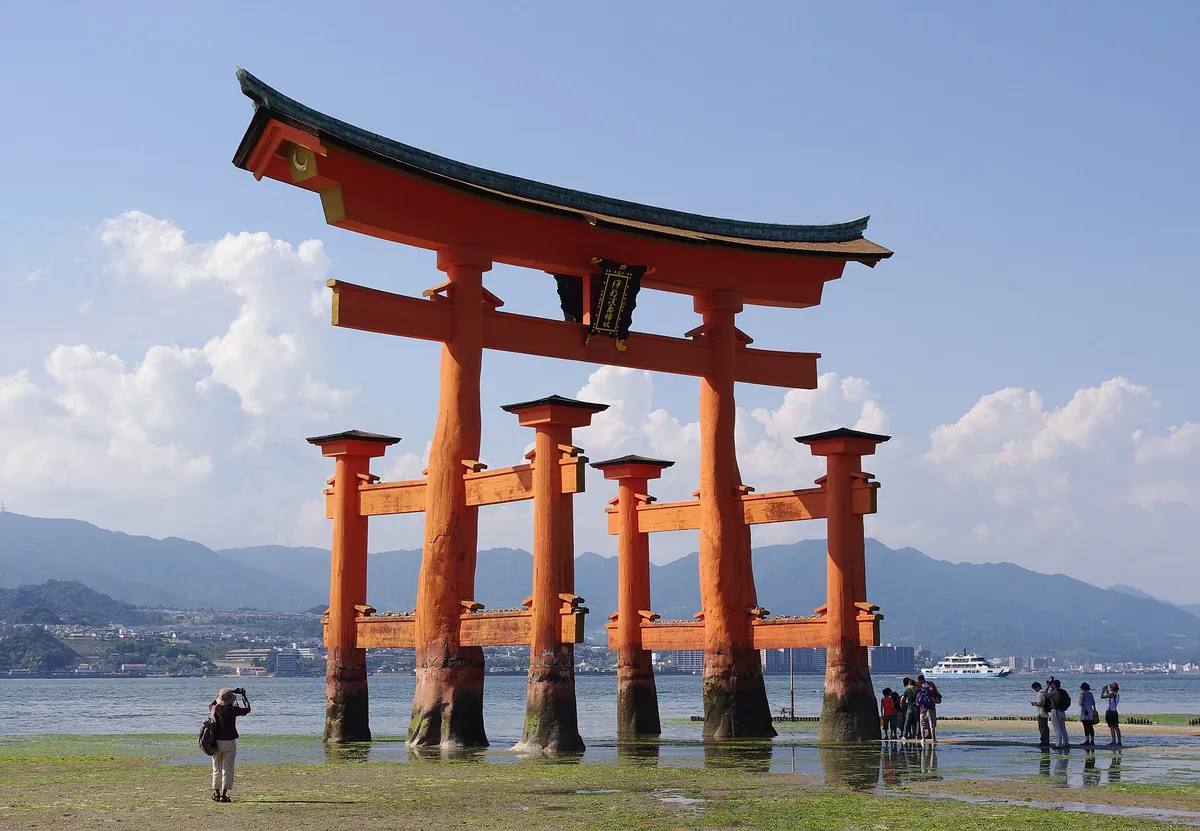
Picture the Great Torii of Miyajima and you probably see it standing in the sea, all day long. The official tide table for a sample autumn date tells a different story: water around the gate until about 10:30, then open sand that people could walk across from 13:30 to 15:15.
That gap is why a 2-day Hiroshima itinerary works best with one night in the middle. Give Day 1 to the Atomic Bomb Dome, Peace Memorial Park, the museum’s quiet evening slot and okonomiyaki in Shintenchi. Give Day 2 to Miyajima, timed so you see the torii both floating and on dry sand.
Only have one day? Our Hiroshima and Miyajima day trip from Osaka or Kyoto picks a single tide and moves fast. This plan uses the overnight to catch both tides and to see the museum outside the midday crush.
- Route: Hiroshima city 1 night, then Miyajima on Day 2 (or 1 night on the island)
- Day 1: Atomic Bomb Dome, Peace Memorial Museum at 17:30, okonomiyaki
- Day 2: Itsukushima Shrine at high tide, then the walk to the torii at low tide
- Local transport and entries: about ¥2,000–11,000 per adult, before trains and hotel
- JR legs may be covered by a JR Pass or the Kansai-Hiroshima Area Pass
- Time needed
- 2 days, 1 night
- Base
- Hiroshima Station or Hondori
- Local costs
- About ¥2,000–11,000 per adult
- Book ahead
- Museum web slot, boat, hotel
- Key tool
- Miyajima tide table for your date
- Prices checked
- October 2026
Some links are affiliate links (marked “Partner link”). Prices are ranges checked in 2026; confirm on the official site before you book.
Why This 2-Day Hiroshima Order Works: Tides and Museum Slots
Two timetables shape this plan. The first is the tide at Miyajima. The Miyajima Tourist Association tide page shows, for any date, a window when the torii looks like it floats and a separate window when you can walk out to it.
Those windows sit about six hours apart. On the sample date of October 24, 2026, the page listed “floating” from 6:00 to 10:30 and again from 18:00 to 22:30, with the walk-out window from 13:30 to 15:15. A day-tripper who lands on the island at 11:00 usually gets one of the two.
Stay one night and you can be on the first ferries of the morning.
The second timetable is the crowd at the Hiroshima Peace Memorial Museum. Its own web-ticket flyer marks 11:00 to 15:00 as the most crowded hours and recommends early morning or evening. From September to November, the 7:30–8:30 and 17:30–19:00 slots are open only to visitors holding a web ticket.
Put those two facts together and the order falls out. Arrive in Hiroshima around midday, see the Dome and the park outdoors in the afternoon, and walk into the museum at 17:30. Then spend Day 2 on Miyajima, starting early enough to catch high tide at the shrine.
Is the boat worth it? The Aqua Net “World Heritage Sea Route” runs straight from Peace Memorial Park to Miyajima in 45 minutes, and its return tickets are valid for two days. That suits this plan well: ride out on Day 2 morning, or ride out on Day 1 evening if you sleep on the island.
What a one-day visit usually gets
- One tide state at the Great Torii
- The museum between 11:00 and 15:00
- No time for the evening boat to the lit shrine
- A rushed okonomiyaki before the last train
What one night adds
- High tide and low tide in the same visit
- The quiet 17:30 web-ticket slot
- Room for the night cruise if you stay on Miyajima
- Dinner in Shintenchi with no train to catch
Here are the legs, in the order this itinerary uses them. Times are from the operators; the shinkansen times are rounded, so check your own train on smartEX.
Shin-Osaka or Tokyo → Hiroshima
About 1.5 hours from Shin-Osaka or about 4 hours from Tokyo by shinkansen. Nozomi trains are reserved-only in peak periods.
Hiroshima Station → Genbaku Dome-mae, 15–25 min
Hiroden streetcar Line 2 or Line 6. The ride itself is about 13 minutes; the museum allows about 25 minutes door to door.
Peace Park → Miyajima, 45 min by Aqua Net
The direct boat leaves from beside Peace Memorial Park. First sailing 8:30, last 17:10 on the current timetable.
Miyajima → Miyajimaguchi → Hiroshima, about 40 min
JR Miyajima Ferry or Matsudai ferry for about 10 minutes, then the JR Sanyo Line for about 30 minutes.
Hiroshima → your next city
Back on the shinkansen. Pick up any forwarded bag or locker luggage at the station first.
Before You Go: 7 Things to Book for 2 Days in Hiroshima
Most of this trip needs no booking. Seven things do, and three of them have deadlines that catch people out: the museum’s web slot, the Aqua Net boat (online sales close the day before) and the night cruise (book at least 2 hours ahead).
- Looked up the Miyajima tide table for your Day 2 date
- Museum web ticket for the 17:30 (or 7:30) slot
- Aqua Net boat booked by the day before, if using it
- Night cruise booked, if sleeping on Miyajima
- Hotel or ryokan night reserved
- Shinkansen seats on smartEX, or a pass decided
- eSIM installed so the tide page loads on the go
The museum’s individual web ticket is sold through a Klook page linked from the museum’s own site. Web tickets can sell out before the last entry, so buy yours once your arrival time is fixed.
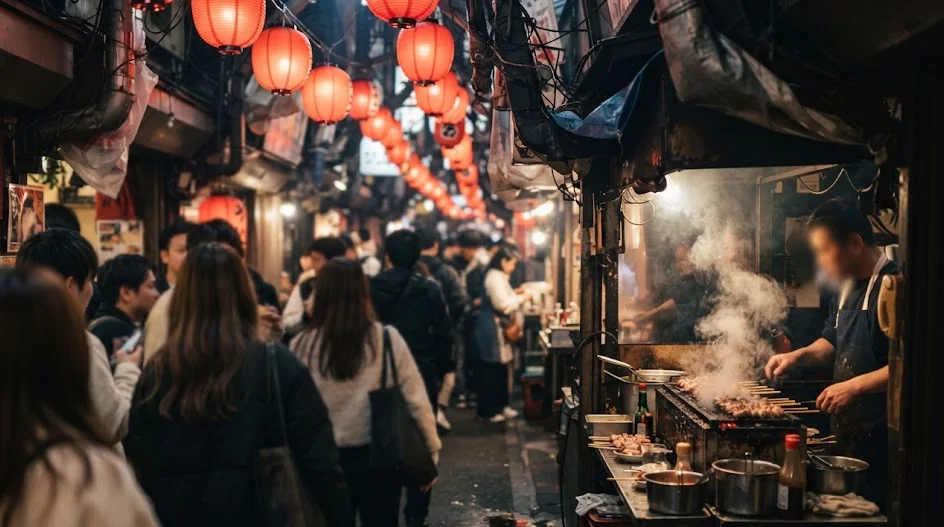
The Aqua Net World Heritage Sea Route booking page takes reservations until the day before; on the day, you buy at the ticket office. Seats are unreserved either way.
Book the hotel early.
For the night itself, compare Booking.com and Agoda for Hiroshima Station or Hondori, and look for a ryokan on Miyajima if you want the island at night.
For trains, use smartEX for single tickets, or the official Japan Rail Pass site and JR West’s page if a pass fits your wider route.
If you would rather walk the park with a paid guide, compare what Klook and GetYourGuide list for Hiroshima and check what each includes.
Day 1: Atomic Bomb Dome, the Peace Museum and Okonomiyaki in Shintenchi
Day 1 starts at Hiroshima Station and ends in Shintenchi, the eating and shopping district near the Hondori arcade. It works whether your train arrives at 11:00 or 14:00, because the museum’s evening slot runs until 19:00 (last entry 18:30) from September to November.
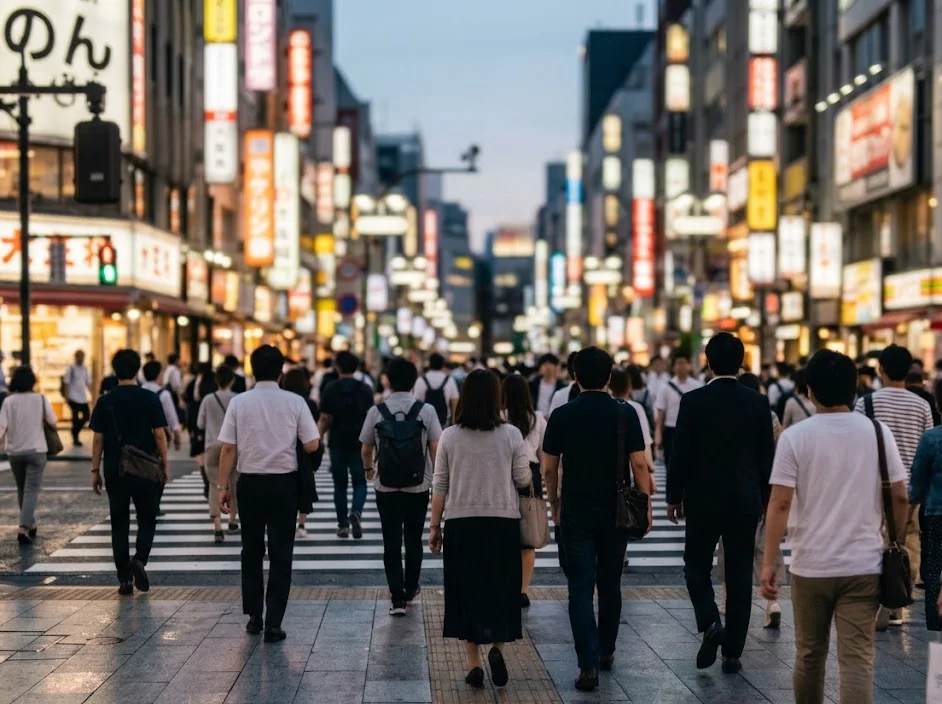
Midday: Hiroshima Station to the Atomic Bomb Dome by streetcar
Leave your bag at the hotel or in a station locker first. Then take Hiroden streetcar Line 2 (towards Miyajima) or Line 6 (towards Eba) and get off at Genbaku Dome-mae.
The fare is a flat ¥240 for adults and ¥120 for children, paid when you get off, as of October 2026. Plan on 15–25 minutes from the station, depending on traffic and the wait for a car.
The Atomic Bomb Dome is right by the stop.
It was built in 1915, became a World Heritage Site in December 1996, and is seen from outside only; there is no admission fee.
- Tram: Line 2 or 6 to Genbaku Dome-mae, ¥240 adult
- Atomic Bomb Dome: free, outside view only
- Then: cross the bridge into Peace Memorial Park
Afternoon: Peace Memorial Park, then Shukkeien or the Orizuru Tower
Cross into Peace Memorial Park and give the monuments an unhurried hour. The museum offers free volunteer guides for both the exhibits and the park monuments, which helps if you want context beyond the plaques.
Have more time before 17:30? Choose one extra stop, not three.
Shukkeien, a traditional landscape garden, costs ¥350 for adults and is open 9:00–17:00 from mid-September to mid-March, with last entry at 16:30. It is the calm choice, and a good one if you arrived early and want a break from heavy subject matter.
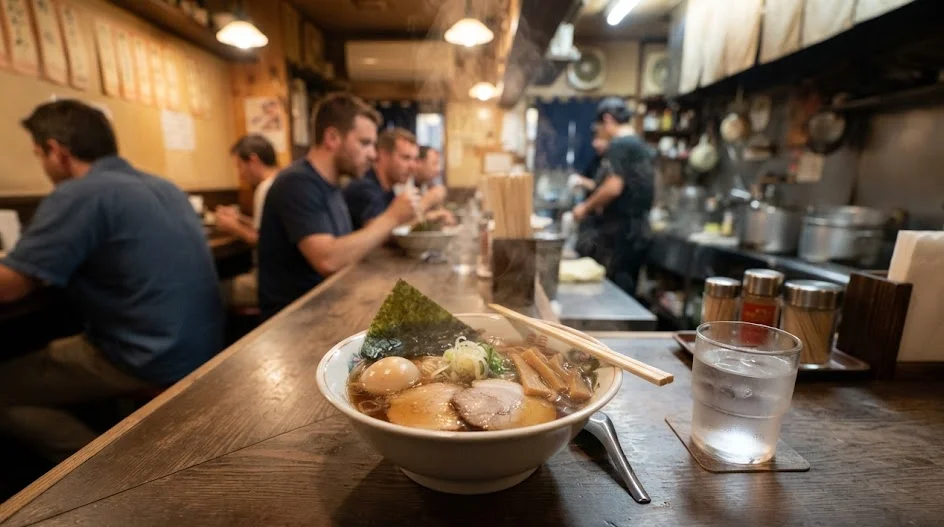
The Orizuru Tower observation deck costs ¥2,200 for adults and opens 10:00–18:00 on regular days, with tickets sold until 30 minutes before closing. It gives you a high view over central Hiroshima. Is that worth ¥2,200? For most first-timers on a two-day plan, the garden is the better use of the hour.
Hiroshima Castle’s main keep closed in March 2026 because of concrete deterioration. You can still view it from outside, and the Ninomaru buildings are free (9:00–16:30 from October to March).
Many guides still list the castle keep as a museum, so skip it as an indoor stop. If it rains or you feel tired, drop the garden and the tower, and wait for your museum slot around the Hondori arcade instead.
17:30: Peace Memorial Museum in the evening web-ticket slot
Adult admission is ¥200 (high school students ¥100, junior high and younger free), as of October 2026. The museum’s official site lists September to November hours as 7:30–19:00, with last entry 30 minutes before closing.
The 17:30–19:00 slot is web-ticket only, which keeps numbers down. The museum’s flyer also flags autumn school-trip season, cherry blossom season, holidays, August 5–6 and Obon as busy times, so the slot matters most then.
Rent the audio guide.
It costs ¥500, comes in 15 languages, and is handed out on the first floor of the East Building. Do not rush it. The exhibits are dense and hard, and many visitors want a quiet moment afterwards before dinner.
Arrived the night before instead? Use the 7:30–8:30 morning slot and shift the Dome and park to after the museum. The rule is the same either way: avoid 11:00 to 15:00 if you can.
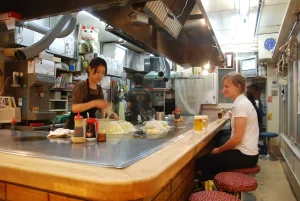
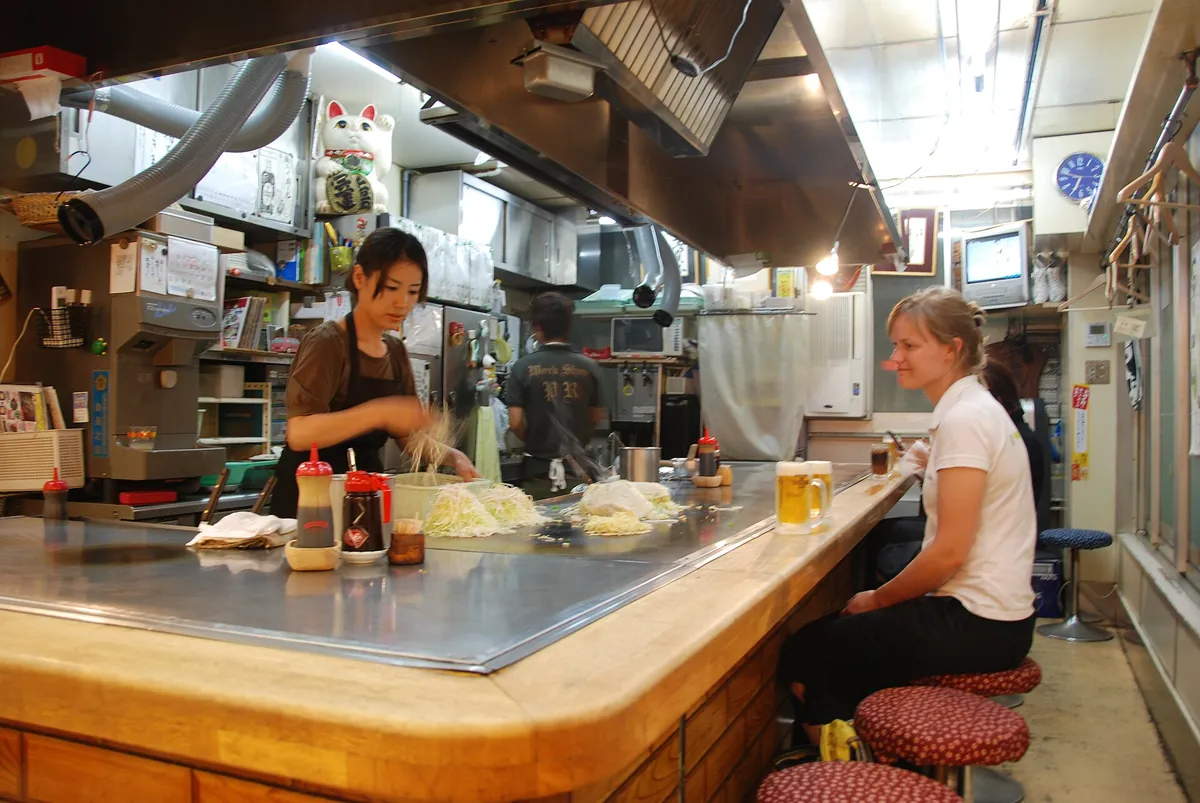
Evening: Hiroshima-style okonomiyaki at Okonomimura
From the museum, walk or take a short tram ride to Shintenchi. Okonomimura is a building with okonomiyaki counters on the second, third and fourth floors, 25 shops in all on its own list.
Hiroshima style is different from Osaka’s. Japan’s official tourism site describes it as layered rather than mixed, with noodles cooked on the griddle under the cabbage and batter. Expect a taller, heavier plate than the Osaka version.
How do you pick a counter? Look for an English menu, since some shops have one, and check prices on the board before you sit down; Okonomimura does not publish opening hours or prices on its site.
If the building is full, the streets around Hondori have more okonomiyaki counters, and you are a short walk from most city-centre hotels.
Where we would book this
Booking.com
Largest inventory in Japan for English-speaking travellers
- Best for
- Hotels, business hotels, ryokan and apartments in every city
- Checked
- September 2026
Official site. Same price for you.
Day 2: Miyajima by the Tide Table, Floating Torii and Low-Tide Walk
Day 2 starts in central Hiroshima and ends back at Hiroshima Station (or on the island, if you stay there). Before anything else, open the tide table for your date and write down two windows: when the torii floats, and when you can walk to it.
Then build the day around them.
Getting there: JR and the ferry, or the direct Aqua Net boat
The cheapest and most flexible way is JR. Take the Sanyo Line from Hiroshima to Miyajimaguchi (about 30 minutes, a few hundred yen, covered by JR passes), then a ferry for about 10 minutes.
- Hiroshima Station
- JR Sanyo Line · about 30 min
- Miyajimaguchi
- JR or Matsudai ferry · about 10 min
- Miyajima pier
Two ferry companies cross. The JR Miyajima Ferry runs from 6:25 to 22:42 from Miyajimaguchi, mostly every 15 minutes. Its “Great Torii” sailings, from 9:10 to 16:10, pass closest to the gate.
The JR ferry’s Japanese fare page lists about ¥200 for adults one way, while its English page still shows an older figure, so check before you go.
The JR ferry takes IC cards and accepts the Japan Rail Pass and JR-West Rail Pass. The Matsudai ferry charges ¥200 one way and takes cash, IC cards and contactless credit cards.
Add the Miyajima Visitor Tax: ¥100 per person per visit, collected with the ferry or boat fare.
The faster option is the Aqua Net boat from Peace Memorial Park: 45 minutes, ¥2,400 one way or ¥4,400 round trip for adults, plus the ¥100 tax, as of October 2026. The first boat leaves the park at 8:30. That is late for a 6:00 high tide, so on early-tide days JR wins.
Aqua Net can cancel or reroute when the tide is very high, because the boat cannot pass under a river bridge; the alternative route does not pass the Dome. Check its site on the morning.
High tide: Itsukushima Shrine from 6:30
The shrine opens at 6:30 for most of the year. From October 15 to November 30 it closes at 17:30, so the evening high tide is something you watch from outside or from a boat, not from inside the corridors.
Admission is ¥300 for adults; a combined ticket with the Treasure Hall is ¥500 and is sold only at the shrine entrance, as of October 2026 (see the shrine’s admission page). The Treasure Hall opens 8:00–17:00, and Senjokaku hall costs ¥100.
Wear flat shoes.
The shrine itself warns that high heels can get stuck in the gaps between the boards. Inside a floating window, the corridors sit over the water, and that is the view the postcards show. Arrive early and you share it with fewer people.
- Shrine: ¥300 adult, opens 6:30
- Shrine plus Treasure Hall: ¥500, entrance only
- Closes 17:30 from mid-October to the end of November
- Flat shoes, and an umbrella if rain is forecast
Low tide: walk out to the Great Torii, then lunch on the island
Fill the gap between tides with a slow lunch and a wander, rather than a rushed climb. Then walk back to the shore as the walk-out window opens. On the sample date it began at 13:30 and ended at 15:15, so the window can be shorter than you expect.
Will the sand be dry? Not completely. Go in shoes you do not mind getting damp, and keep to the window the tide page gives.
Mt. Misen and its ropeway are the big optional add-on. The ropeway’s official site was down for maintenance when this guide was checked, and the tourism page only says hours vary by season. Check the ropeway before you go, and skip it if it rains, if the clouds are low, or if you are tired from Day 1.
If you sleep on Miyajima: the evening tide and the night cruise
Staying on the island flips the plan. Take the Aqua Net boat from Peace Memorial Park after your Day 1 museum visit (the last boat leaves at 17:10, so use the 7:30 morning slot instead) and you reach Miyajima for the evening high tide.
The Aqua Net Night Cruise leaves Miyajima’s No. 3 Pier for about 30 minutes on the water in front of the shrine. It costs ¥2,000 for adults and ¥1,000 for children, with six departures between 17:55 and 21:15.
Booking rules are strict.
You must book at least 2 hours before departure, and online sales close at 16:00. A sailing may be cancelled if nobody has booked it by 17:00 the day before. Book it with the night cruise reservation page once your ryokan night is fixed.
The next morning, you are at the shrine at 6:30 while day-trippers are still on trains. The last JR ferries back to the mainland leave Miyajima after 22:00, so a city hotel guest can also stay for the evening tide; only the cruise is easier from the island.
Where to Sleep for 2 Days in Hiroshima: Station, Hondori or Miyajima
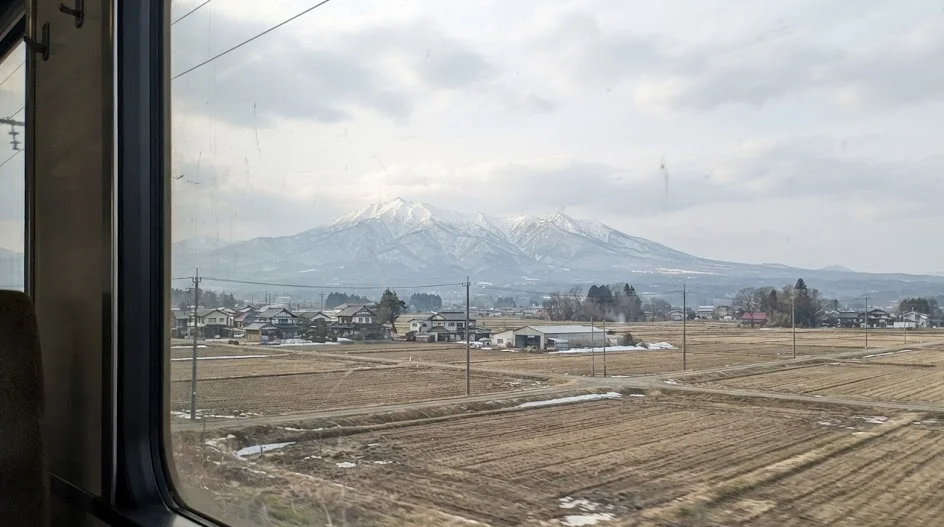
There is one night in this plan, so the choice is simple: stay where Day 1 ends or where Day 2 begins. Nightly rates move a lot with dates and events, so we do not quote a fixed price; compare Booking.com and Agoda for your exact night.
Hiroshima Station: easiest for trains and an early JR start
Business hotels around Hiroshima Station suit anyone arriving by shinkansen with a big bag. Your walk from the platform is short, and on Day 2 the JR Sanyo Line to Miyajimaguchi leaves from the same station.
Pick this if your high tide is early, because the first JR ferries leave Miyajimaguchi at 6:25. Booking.com and Agoda both list plenty of chain business hotels here.
Peace Park and Hondori: best for dinner and the Aqua Net boat
The streets around the Hondori arcade and Shintenchi put you a short walk from Okonomimura and close to Peace Memorial Park. That means no tram after dinner, and a short walk to the Aqua Net pier for an 8:30 boat.
Mid-range city hotels and smaller business hotels are the usual types here. Check room size on Agoda or Booking.com; rooms in central Japanese business hotels can be small.
A ryokan on Miyajima: the island after the day crowds leave
Sleep on Miyajima if the night cruise and a 6:30 shrine visit matter more to you than a late okonomiyaki dinner. Many ryokan plans include dinner and breakfast, which changes how you plan Day 1 evening.
Not sure a ryokan is for you? Read our guide to whether a ryokan is worth it first. Then search Booking.com and Agoda for Miyajima, since there are far fewer rooms on the island than in the city.
Partner link.
What 2 Days in Hiroshima Costs (Estimate, October 2026)
The table below covers one adult and uses fares from the operators’ own pages, checked in October 2026. Treat every total as an estimate and check the official sites before you go. Hotel and food are left as ranges you fill in, because there is no official price to quote.
← Swipe to see the full table →
| Item | Budget | Mid-range |
|---|---|---|
| Shinkansen Shin-Osaka round trip (smartEX) | About ¥21,500 | About ¥21,500 |
| City trams | ¥240 × 2 = ¥480 | ¥700 day pass |
| To and from Miyajima, incl. ¥100 tax | About ¥980 (tram + Matsudai) | About ¥4,500 (Aqua Net return) |
| Museum and audio guide | ¥200 | ¥700 |
| Shrine (and Treasure Hall) | ¥300 | ¥500 |
| Extras | Shukkeien ¥350 | Night cruise ¥2,000 or Orizuru ¥2,200 |
| Hotel, food, eSIM | Check your dates | Check your dates |
| Estimated total before hotel and food | About ¥23,800 | About ¥29,900–30,100 |
Plan your trip: the tools we use
Our pick: JR plus the ferry for most people, and the Aqua Net boat only on a late-tide day.
The boat is the most direct ride from Peace Park, and costs about ¥3,500 more per round trip than the tram and Matsudai ferry. That is a fair trade if the tide is late and your hotel is near Peace Park; it is poor value if you need to be on the island by 7:00.
Coming from Tokyo? A smartEX Nozomi reserved seat from Tokyo to Hiroshima was ¥19,560 one way in the regular season (fare table as of April 1, 2025), so the round trip alone is close to ¥39,000. Seasonal changes of a few hundred yen apply.
Now the pass question.
From Osaka, two smartEX tickets total about ¥21,500. The Kansai-Hiroshima Area Pass is ¥17,000 for five days in a row and also covers the JR line to Miyajimaguchi and the JR ferry. It is only for foreign visitors on temporary-visitor status, it does not cover the Tokaido Shinkansen, and JR West says prices can change.
With a Japan Rail Pass from Tokyo, you need a separate Nozomi ticket (¥6,500 from Tokyo or Shinagawa to Hiroshima) bought at JR machines or counters before boarding. Whether a pass pays off depends on your route, so add up the single fares first. Our regional rail passes vs JR Pass comparison walks through that math.
Tips That Keep Two Days in Hiroshima on Schedule
Small things break this plan more often than big ones: a bag that does not fit on a crowded tram, a phone with no data when you need the tide page, or a pass that is not valid on the boat you chose. Here is how to avoid each.
Moving your luggage between the city and the island
Streetcars and ferries are awkward with a large suitcase. If you stay in the city, leave the big bag at the hotel or in a station locker on Day 2 and collect it before your train.
If you move to Miyajima for the night, consider sending the big case ahead with Yamato luggage forwarding and carrying a day bag. Our guide to luggage forwarding in Japan explains how to arrange it at a hotel desk or convenience store.
Tickets, IC cards and the one-day passes
Both ferries take IC cards, and the Matsudai ferry also takes contactless credit cards. Hiroden’s English pages do not say clearly which cards work on streetcars, so carry some coins for the ¥240 fare.
Hiroden sells a 1 Day Streetcar Pass for ¥700 and a 1 Day Streetcar and Ferry Pass for ¥1,000, including the visitor tax, as of October 2026. Read the small print on the Hiroden 1-day pass page:
- The ferry part is valid on Matsudai only, not the JR ferry
- Neither pass is valid on JR trains
- The tram to Hiroden-miyajima-guchi takes about 66 minutes from the station
- Single tickets for the same trip cost about ¥980
So the ferry pass only makes sense if you also ride city trams that day. A JR Pass or Kansai-Hiroshima Area Pass holder should take JR and the JR ferry instead, and pay just the ¥100 tax.
Phone data and the tide habit
The tide page, the Aqua Net timetable and the night cruise booking all live online. Install an eSIM from Airalo or Ubigi before you fly, so the pages load on the tram or the pier.
Check the tide table twice: once when you plan, and again the evening before Day 2. If the walk-out window is short, put it first and fit lunch around it.
On the tide page, write down the walk-out window, not the low-tide time. The window is what the Miyajima Tourist Association says is walkable.
Questions About a 2-Day Hiroshima Trip
Is 2 days enough for Hiroshima and Miyajima?
Yes, for the main sights. Two days covers the Atomic Bomb Dome, the park, the museum, Itsukushima Shrine and the Great Torii at both tides. It does not leave room for Mt. Misen on a short tide window, or for side trips to Iwakuni or Kure.
Should I stay in Hiroshima city or on Miyajima?
Stay in the city for dinner choices, more hotels and easy trains. Stay on Miyajima if you want the night cruise, the evening tide and the shrine at 6:30 without an early ferry. With only one night, the city is the safer default for most first-timers.
Can I add Iwakuni or Kure?
Only by cutting something. A third day is the honest answer; on two days, adding a third town means skipping either the museum’s evening slot or one of the two tides, and the tides are the reason for this plan.
What is the best season for this itinerary?
Any season works if you plan around the tide table and the museum’s busy periods. Autumn and spring are mild, but the museum’s flyer lists autumn school trips and cherry blossom season as busy, so the web-ticket slots matter more then. The museum also closes on December 30–31 and for several days in mid-February.
Fitting a whole city and an island into two days can feel like too much to get right from a phone.
Rather than re-reading more blogs, check your tide windows and book the museum slot, then let the rest of the plan bend around them.
Keep planning
- ① Install and test your eSIM before take-offAiralo and Ubigi eSIMs activate on arrival, but the install itself needs Wi-Fi. Do it at home and confirm the profile shows up in your phone settings.
- ② Save your first hotel’s address in JapaneseTaxi drivers and station staff read Japanese addresses far faster than romanised ones. Copy it from the booking confirmation into your notes app.
- ③ Set aside cash for day oneMany small restaurants, temples and rural buses are still cash-only. Airport ATMs at 7-Eleven and the post office accept most foreign cards.
Skip these and your first hour in Japan goes on finding Wi-Fi at the station instead of getting to your hotel.
🔍 How to sanity-check any price you read online
Blogs (including this one) go out of date. The official page always wins over a screenshot from two years ago.
Cover Photo: Jakub Hałun, CC BY-SA 4.0, via Wikimedia Commons