
- Start in Tenjin or Nagahama at opening time, around 6–7 pm, not 9 pm in Nakasu
- Carry cash: the city guide says only about 10% of stalls take cards
- Order at least one drink and one dish each, then give up your seat
- Check the day of week and the weather: stalls close on their own days and in rain
- Get a full shop bowl of Hakata ramen early; Ichiran HQ adds a surcharge from 10 pm
- Time needed
- One evening, from about 6:30 pm
- Food cost
- ¥1,400–¥2,900 + drinks (estimate)
- Base
- Tenjin, Nagahama or Nakasu
- Payment
- Cash; about 10% of stalls take cards
- Booking
- Check each stall’s own page
- Pages checked
- October 2026
A Fukuoka yatai night is a short, cash-heavy crawl: one drink and one dish at a counter that seats about ten, then you pay, stand up and walk to the next stall. It is not a long dinner. Treat it as one, and you end up queuing in the wrong place at the wrong hour.
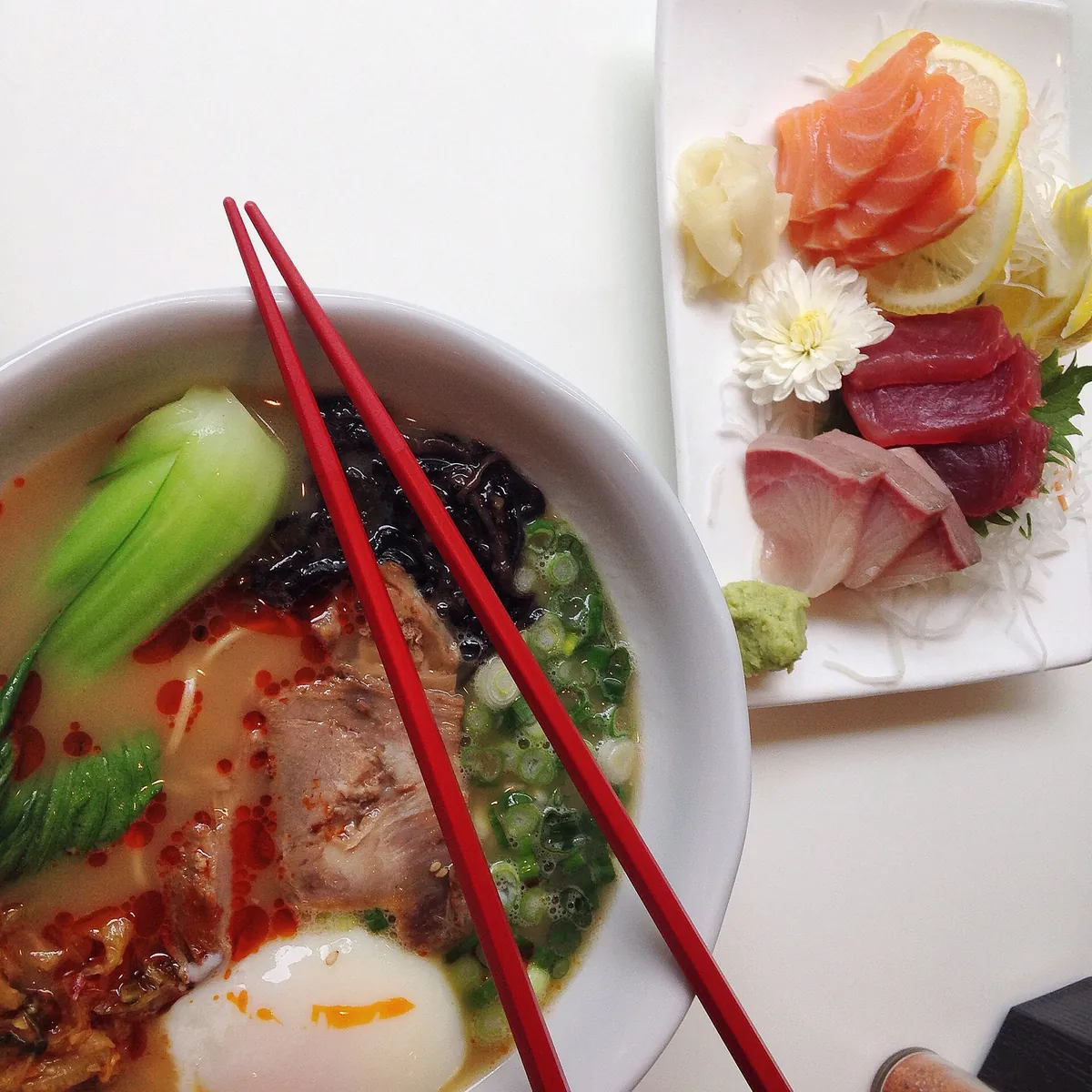
The plan that works for most first-timers is simple. Pick Tenjin or Nagahama for your first stall, arrive near opening time, carry cash, and order one drink and one dish each. Get your main bowl of Hakata ramen at a ramen shop or a stall that lists ramen, and use the yatai for the snacks and the atmosphere.
This guide covers 17 common mistakes, from noodle firmness words to rain closures, and ends with a four-step evening circuit.
Every hour and price below comes from Fukuoka City, the prefecture’s tourism site or the shop’s own page, and we checked those pages in October 2026.
Stall prices come from different dates: Kogane-chan’s and Nakasu Juban’s as their official pages listed them in December 2023, Mentai Chudoku’s as its official page showed them in April 2026, and Yatai no Tamachan Bekkan’s ¥750 and ¥600 from Go Fukuoka’s August 2026 article.
Hours are as listed on official pages checked in October 2026, and stall prices are from the official pages of Kogane-chan and Nakasu Juban (December 2023) and Mentai Chudoku (April 2026), and from Go Fukuoka’s August 2026 article for Tamachan Bekkan; confirm on the official site before you go.
Hakata ramen basics before you sit at a Fukuoka stall
Ramen and yatai get searched together for a reason. Many stalls list ramen, and most visitors want a bowl the same night. Knowing what Hakata ramen is, and how people order it, saves you from a few awkward moments at the counter.
- You have one free evening in Fukuoka
- You want ramen and a yatai, not a sit-down dinner
- You were planning to pay by card
- You were going to start in Nakasu at around 9 pm
- You have not checked the weather or the day of week
- You are carrying a day bag or a suitcase
If you ticked two or more, read the numbered items in order.
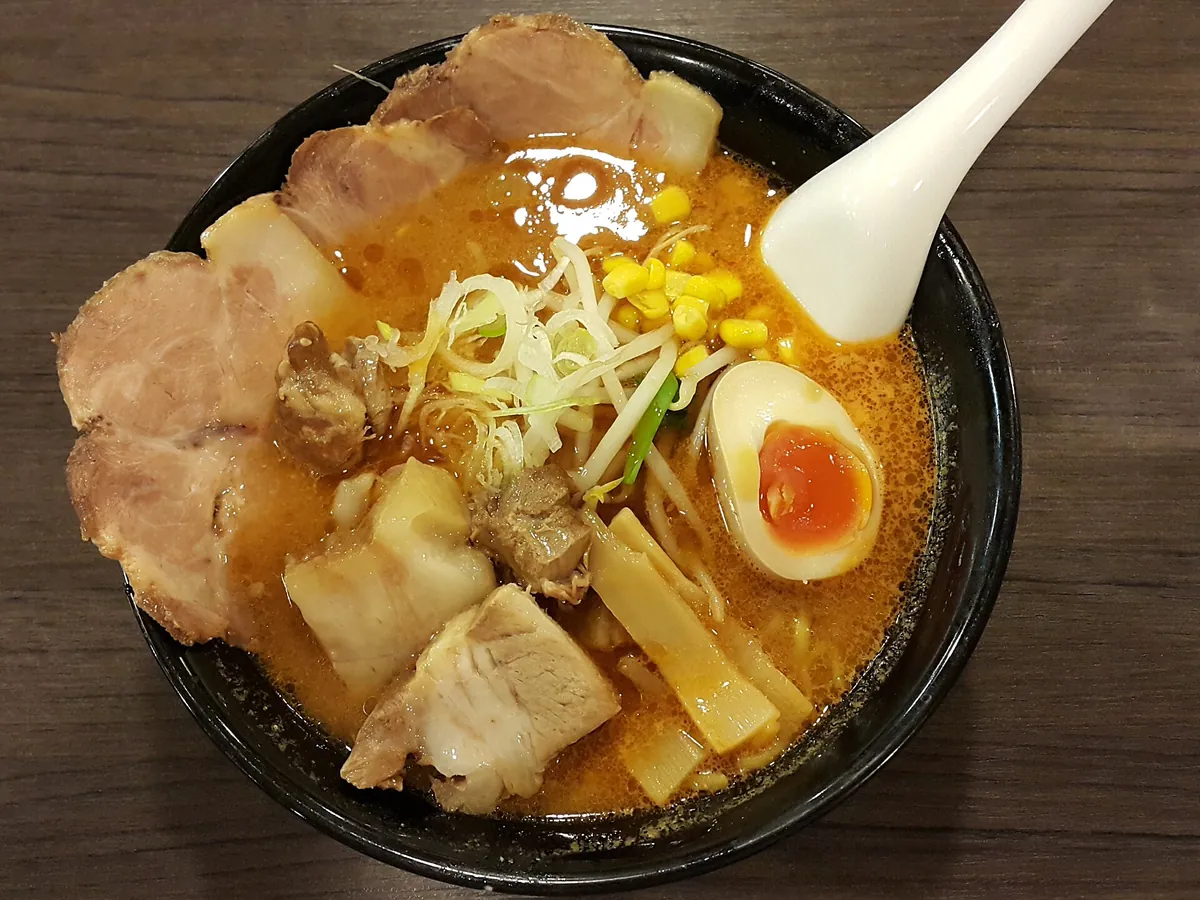
1. Expecting thick noodles in a light broth
Crossroad Fukuoka, the prefecture’s tourism site, describes Hakata ramen as a cloudy tonkotsu (pork bone) broth with thinner, straight noodles. The usual toppings are chashu pork, green onion and red pickled ginger.
The same page traces the style back to Kurume, south of the city. So if you picture the curly noodles and clear soy broth of a Tokyo bowl, reset that now. The bowl is rich, the noodles are fine, and they soften fast.
2. Not knowing the noodle firmness words
Because the noodles are thin, shops ask how firm you want them. The choice runs from soft to very firm. A Go Fukuoka ramen feature notes that locals tend to favour barikata (very firm).
Not sure? Ask for normal firmness on your first bowl and go firmer on the refill.
3. Ordering a huge first bowl instead of using kaedama
Hakata shops have a custom called kaedama: when your noodles are gone, you order extra noodles to drop into the remaining broth, as Go Fukuoka explains. That is why a standard bowl can look small.
Ordering the biggest size up front means soggy noodles by the end. Start with a regular bowl, keep the broth, and ask for kaedama if you are still hungry. On a yatai night, you may find you skip the refill so you have room for the second stall.
Nakasu, Tenjin or Nagahama: the 3 yatai areas compared
Fukuoka City’s tourism site says there are about 100 yatai in the city, and its official yatai list showed 98 stalls as of October 2026. Crossroad Fukuoka groups them into three main areas, each with a different feel.
← Swipe to see the full table →
| Area | What the official guides say | Nearest station (walk) |
|---|---|---|
| Nakasu | Riverside stalls popular with visitors | Nakasu-Kawabata, about 10 min to Nakasu Juban |
| Tenjin | Many locals, calmer, good for solo drinking | Tenjin, 2 min to Kogane-chan |
| Nagahama | Known for Nagahama ramen, revived in 2023 | Akasaka, about 10 min |
Plan your trip: the tools we use
Our pick: Tenjin for your first stall, then Nagahama or Nakasu for the second.
4. Going only to the Nakasu riverside at peak time
Nakasu is the photo everyone has seen, so it is where most visitors head. That is fine, but a stall seats about ten, so a late arrival often means standing in line rather than eating.
Nakasu also has some useful facts on its side. Hakata Yatai Nakasu Juban lists hours of 18:00 to 2:30, accepts credit cards and e-money, and issues receipts. Its listing shows ramen at ¥935 and yaki ramen at ¥1,078, as its official page listed them in 2023. It makes a good second stop later in the evening.
5. Skipping Tenjin because it looks less scenic
Tenjin’s stalls sit among offices and department stores, and Crossroad Fukuoka describes the area as the local choice. One example: Kogane-chan, open since 1968, which says it created yaki ramen (fried ramen noodles).
Its official listing shows yaki ramen at ¥820, dote-yaki at ¥730 and a mentaiko omelette at ¥750, as listed in 2023. It is cash only and two minutes on foot from Tenjin Station Exit 1. The catch: it is closed on Thursdays and Sundays.
6. Not knowing Nagahama is back
Older blog posts may say the Nagahama stalls are gone. Go Fukuoka’s Nagahama yatai article says they were revived in 2023, at 3-14 Nagahama in Chuo Ward. The official listing for Mentai Chudoku, one of the Nagahama stalls, puts it about ten minutes on foot from Akasaka Station.
Go Fukuoka’s article lists dishes such as tonkotsu ramen at Yatai no Tamachan Bekkan for ¥750, or ¥600 for a half bowl. Mentai Chudoku, a stall that serves only mentaiko dishes, lists 18:00 to 1 am, takes cards and prices most dishes from ¥700 to ¥1,000.
A half bowl is the quiet trick here.
Fukuoka yatai timing: 6 pm openings, days off and rain
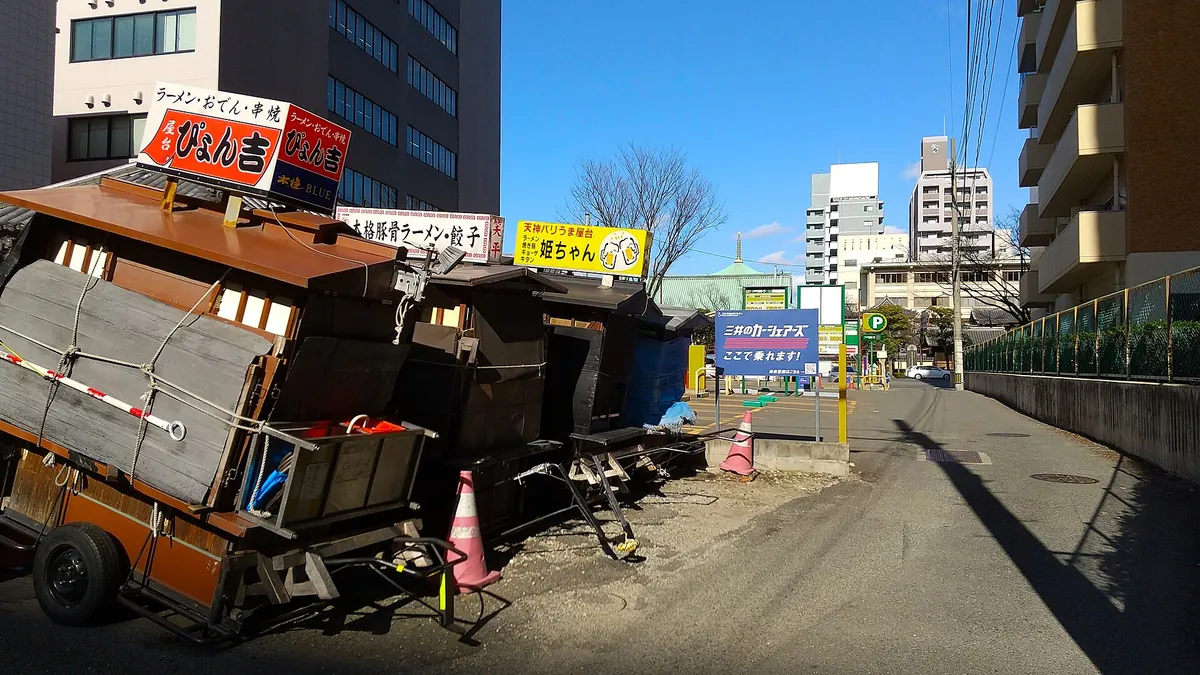
Most planning mistakes with yatai are about time, not food. The stalls are built up on the street each evening and taken down at night, so “open” is never a given. Here is what the official pages say, as of October 2026.
7. Arriving at 9 pm and wondering why there is a line
The Go Fukuoka yatai guide says some stalls open as early as 6 pm, but most open between 6:30 and 7 pm, and most close around midnight. The city’s own rules allow trading from 5 pm to 4 am, and that window includes setting up and packing away.
So 5 pm on the clock does not mean 5 pm service. Plan to arrive between 6 and 7 pm, when most stalls have just opened.
8. Assuming every stall opens every night
Go Fukuoka is blunt about this: yatai have no fixed holidays, many close irregularly, and some do not open in rain or storms. On top of that, some stalls do have set days off, like Kogane-chan on Thursday and Sunday.
The Nagahama article suggests checking each stall’s Instagram for days off. Have a second stall in mind in a different area, so one closure does not end your night.
If rain is forecast, expect fewer stalls open.
9. Not using the FUKUOKA GUIDE LINE account
Fukuoka City runs a LINE account called FUKUOKA GUIDE. You can search stalls by six conditions, including area, type of food and payment method, and ask questions in an AI chat.
The useful part on the day is the open status. Participating stalls have a small connected light bulb, and the account shows whether they are open right now. Not every stall takes part, so treat it as a strong hint. You can add the account from this link.
Where we would book this
Booking.com
Largest inventory in Japan for English-speaking travellers
- Best for
- Hotels, business hotels, ryokan and apartments in every city
- Checked
- September 2026
Official site. Same price for you.
Cash, cards and what a 2-stall night costs
Money is where yatai differ most from a restaurant. Most stalls take cash only, and the price list at the counter is your guide. Here is how to avoid surprises.
10. Bringing only a card
Go Fukuoka states that most yatai only accept cash, and only about 10% take credit cards. Two of the stalls in this guide, Nakasu Juban and Mentai Chudoku, list card payment. Kogane-chan in Tenjin does not.
Carry yen in small notes and coins. Our guide to how much cash to bring to Japan covers the rest of your trip.
11. Sitting down before checking the price list
Crossroad Fukuoka advises checking the menu, the prices and the payment method before you take a seat. Prices are part of how the city regulates stalls, so look for them at the counter or on the stall’s sign.
It takes ten seconds and avoids the one awkward moment that can sour a stall: finding out at the end that your card is no good.
12. Budgeting a yatai like a restaurant meal
Dish prices on the official listings named in this guide run from ¥600 to ¥1,078. A two-stall night is a few small plates, not a set course.
The table below is an estimate built from those listed prices, food only. Check the stall’s page before you go.
Kogane-chan’s and Nakasu Juban’s prices are as their official pages listed them in December 2023, Mentai Chudoku’s as its official page showed them in April 2026, Tamachan Bekkan’s from Go Fukuoka’s August 2026 article, and Ichiran’s from its page checked in October 2026.
← Swipe to see the full table →
| Stop | Example from the official listing | Food per person (estimate) |
|---|---|---|
| Stall 1, Tenjin | Kogane-chan yaki ramen | about ¥820 |
| Stall 2, Nagahama or Nakasu | Tamachan half ramen, a Mentai Chudoku dish or Nakasu Juban ramen | about ¥600–¥1,000 |
| Optional shop bowl | Ichiran HQ ramen, before 10 pm | about ¥1,080 |
| Estimated food total | Two stalls, with or without the shop bowl | about ¥1,400–¥2,900 |
Our pick: two stalls and no shop bowl, if you already had ramen at lunch.
Add your drinks on top. Each stall expects at least one per person, and we did not find official drink prices to quote, so check the board when you sit down.
Yatai etiquette that matters at a ten-seat counter
Most yatai manners come from one fact: a stall seats about ten people, says Go Fukuoka, and JNTO describes the same. Every rule below makes sense once you picture that tiny counter with a line behind you. For the wider picture of the city, see our Fukuoka guide for first-timers.
What most first-timers do
- Share one bowl between three people
- Arrive with a group of five or six
- Bring a day bag or a suitcase
- Stay for two hours after eating
What actually works
- Order one drink and one dish each
- Go as two or three, or alone
- Leave bags at the hotel or a locker
- Eat, pay and move to the next stall
13. Sharing one dish and watching
Go Fukuoka says it is polite to order at least one drink and one dish per person, and Fukuoka City’s own tourism site states the same one-item-per-person rule. A seat is the stall’s whole income for that slot.
Want to taste more? Order different dishes and share those.
14. Arriving with big bags or a big group
The city limits a stall to 3 m wide and 2.5 m deep. There is no space for luggage, and Go Fukuoka recommends groups of two to three, adding that going alone is fine.
Drop bags at your hotel or a coin locker first. If you are still choosing where to stay, a hotel near Tenjin or Nakasu-Kawabata keeps every stall in this guide within a short subway ride. You can compare those on Booking.com or Agoda.
Partner link.
15. Lingering, asking for takeaway, looking for a toilet
The city tourism site sums up yatai manners as drink quickly, eat quickly and leave quickly. The city’s rules also ban takeaway and delivery, so you eat at the counter or not at all.
Stalls have no toilets, so use one before you sit down; Crossroad Fukuoka gives the same advice. It also notes that standing and drinking outside the yatai is not allowed.
 ReaderYuki
Shop ramen vs yatai ramen: where to get your Hakata bowl
Here is the honest split. Yatai are great for the setting and for dishes like yaki ramen or mentaiko plates. A ramen shop is where you get a full bowl, a firmness choice and kaedama without holding up a line of ten people.
16. Assuming yatai ramen is the only real bowl
Fukuoka’s ramen shops are a big part of the story, and two of the best-known chains started here. Go Fukuoka notes that Ichiran dates from 1960 and Ippudo was founded in Daimyo in 1985. Hours below are as listed in October 2026; check the shop’s page on the day.
- Ichiran Honsha Sohonten: Nakasu, open 24 hours, ramen ¥1,080
- Ippudo Daimyo: 11:00–23:00, multilingual menu
- Hakata Ramen Nidai-me Kennosuke, Tenjin: 11:00–24:30
- Canal City Ramen Stadium: 9 shops, 11:00–23:00, last order 22:30
Canal City’s ramen floor is handy if you want to compare. The prefecture’s listing notes mini-ramen portions, so two small bowls are possible in one visit.
Ichiran HQ is also an easy pick for a mixed group. Crossroad Fukuoka lists it as taking cards, e-money and IC cards, a useful backup on a cash-heavy night.
17. Paying the late-night surcharge by accident
Ichiran’s page for its HQ shop in Nakasu says a late-night surcharge applies from 10 pm to 6 am. It is a fair rule for a shop open around the clock, but it catches people who finish their yatai crawl at 11 pm and walk over for a bowl.
Eat there before 10 pm, or go for a shop bowl at lunch instead. Kennosuke and Ippudo Daimyo both open at 11:00, which makes a ramen lunch and a yatai dinner an easy pairing.
Ramen at noon, stalls at seven.
The 4-step evening circuit from Tenjin to Nagahama
If there is one habit that fixes most of the mistakes above, it is this: decide your area by 5 pm, based on the day of week and the weather. Everything else follows from that choice.
Look at Kogane-chan. It is the clearest example of a Tenjin stall, and it is shut on Thursdays and Sundays. Plan a Thursday night around it and the whole first stop is gone, which is exactly the sort of detail that sinks an evening.
Step 1: By 5 pm, check the day, the weather and LINE
Rule out stalls closed that weekday, and check FUKUOKA GUIDE LINE for open status at participating stalls.
Step 2: Get cash and drop your bags
Most stalls take cash only. Leave bags at the hotel or a coin locker.
Step 3: Be at stall one between 6:30 and 7 pm
Tenjin works well early. One drink and one dish each, then pay and move on.
Step 4: Ride to stall two in Nagahama or Nakasu
Nakasu Juban lists hours to 2:30 and Mentai Chudoku to 1 am, so stall two can come later.
Here is how the stops connect. Tenjin, Akasaka and Nakasu-Kawabata are all on the subway Airport Line, so the hops are short. The walking times below are from each stall’s official listing.
- Tenjin Station, Exit 1
- 2 min walk
- Kogane-chan (stall 1)
- Subway Airport Line to Akasaka, then about 10 min walk
- Nagahama yatai (stall 2)
- Or: subway to Nakasu-Kawabata, Exit 1, about 10 min walk
- Hakata Yatai Nakasu Juban
Riding three times or more that day? The Fukuoka City Subway 1 Day Pass is listed at ¥640 for adults as of October 2026. Tickets bought from a machine are valid only on the day you buy them.
If the weather turns, switch to Canal City Ramen Stadium or a ramen shop, and save the stalls for another night.
Prefer someone else to plan the route? Food tours of Fukuoka’s stalls are listed on Klook, GetYourGuide and KKday; compare what each includes before you book. And if you have two days, our 2-day Fukuoka itinerary shows where a yatai night fits.
Fukuoka yatai questions: rain, solo seats and takeaway
Can I go to a yatai alone?
Yes. Go Fukuoka recommends groups of two to three but says going on your own is fine. A single seat is often easier to find than three together, which helps at busy stalls.
Are yatai open when it rains?
Some are, many are not. Go Fukuoka says some stalls do not open in rain or storms, and closures are irregular. Check the FUKUOKA GUIDE LINE account for participating stalls before you head out.
Do yatai serve raw fish or sashimi?
No. Fukuoka City’s rules ban raw food at yatai, and dishes must be heated well just before serving. Expect grilled, fried and simmered food, plus ramen.
Can I take yatai food back to my hotel?
No. The city’s rules do not allow takeaway or delivery. If you want a late snack in your room, a ramen shop or a convenience store is the answer; our guide to eating cheaply in Japan has more ideas.
Why are the rules so strict?
Fukuoka was the first city in Japan to pass a yatai ordinance, in force since 1 September 2013. The rules require the owner to be present while open, and new stalls are added through public recruitment, including 13 from 2023 and 6 from 2025.
Fitting ramen and yatai into one evening can feel like a lot to plan when the stalls change night by night.
Rather than reading more reviews, lock in your area, your cash and your arrival time, and let the rest of the night adjust around them.
Keep planning
- ① Install and test your eSIM before take-offAiralo and Ubigi eSIMs activate on arrival, but the install itself needs Wi-Fi. Do it at home and confirm the profile shows up in your phone settings.
- ② Save your first hotel’s address in JapaneseTaxi drivers and station staff read Japanese addresses far faster than romanised ones. Copy it from the booking confirmation into your notes app.
- ③ Set aside cash for day oneMany small restaurants, temples and rural buses are still cash-only. Airport ATMs at 7-Eleven and the post office accept most foreign cards.
Skip these and your first hour in Japan goes on finding Wi-Fi at the station instead of getting to your hotel.
🔍 How to sanity-check any price you read online
Blogs (including this one) go out of date. The official page always wins over a screenshot from two years ago.
Cover Photo: Lizette Carrasco lizivonne, CC0, via Wikimedia Commons