Disclosure: Japan Travel Notes has no paid partnerships at the moment. Links go to each company’s official site and we are not paid for them. If that changes we will say so here.
Prices and conditions were checked on the official sites on 2026-09-11 and may have changed — always confirm before you book.

- Best for a simple Tokyo–Kyoto–Osaka trip: individual Shinkansen tickets on smartEX.
- Best for Kansai loops: the JR West Kansai WIDE Area Pass (5 days, ¥12,000).
- Best for Kansai plus Hiroshima: the Kansai-Hiroshima Area Pass (5 days, ¥17,000).
- Best for Tokyo side trips: a JR East pass, such as the JR TOKYO Wide Pass or the JR EAST PASS, listed on JR East’s pass page (check prices there).
- Best for long-distance, multi-region trips: the Japan Rail Pass (7 days, ¥50,000 online).
- Time needed
- 10–14 days
- JR Pass, 7 days
- ¥50,000 (online, adult)
- Kansai WIDE, 5 days
- ¥12,000 (adult)
- Base
- Osaka or Tokyo
- Booking
- Official sites, app or station
- Checked
- November 2026
Top picks
Where we would book this
Klook
One account for passes, tickets and transfers
- Best for
- JR Pass and regional rail passes, theme-park tickets, airport…
- Checked
- September 2026
Official site. Same price for you.
Where we would book this
Japan Rail Pass official site
The only source of the current pass price and rules
- Best for
- Official conditions, eligibility and the current price of the…
- Checked
- September 2026
Official site. Same price for you.
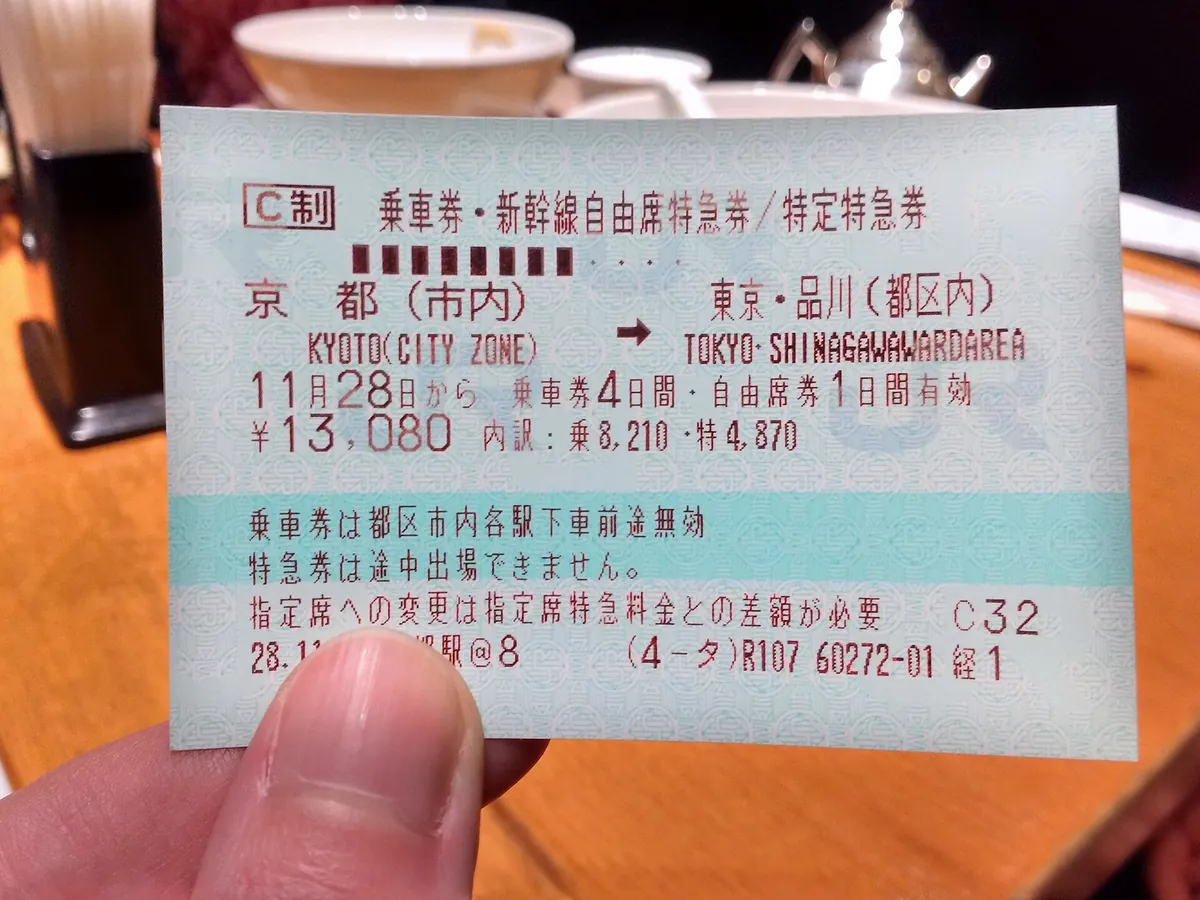
Most travelers save money by skipping the national Japan Rail Pass and buying individual tickets or a JR regional pass instead. The big exception is Tokyo to Osaka: no regional pass covers that trip on the Tokaido Shinkansen.
The numbers make the case. A 7-day JR Pass bought online costs ¥50,000. smartEX lists a Hayatoku 21 early-booking Nozomi fare of ¥12,980 from Tokyo to Shin-Osaka, and JR West’s Kansai WIDE Area Pass is ¥12,000 for 5 days.
Unless you plan a long cross-country zigzag in a short window, the national pass is rarely the cheapest choice.
How to decide on a rail strategy
Choosing the right ticket depends on your total distance and how often you move between cities. Price each long leg before committing to a pass, because a pass can push you into extra trips just to “get your money’s worth”.
- Are you visiting more than three major regions?
- Do you travel long distances every 2–3 days?
- Is your total fare over ¥50,000 per person?
- Do you prefer the freedom of last-minute changes?
- Are you exploring a single region extensively?
- Is your trip under 10 days?
The importance of regional concentration
Focusing on one area, like Kansai or Kyushu, lets you use a regional pass that covers local and limited express trains, not just the bullet trains. That adds value beyond the fare on your longest ride.
Why distance is your main metric
If your trip is only Tokyo to Kyoto and back, individual tickets bought on smartEX are usually cheaper. Do not pay for a national pass if your travel stays on one or two main corridors. Our JR Pass calculator costs five common routes if you want to check yours.
Does any regional pass cover Tokyo to Osaka?
No. No JR regional pass covers Tokyo to Osaka on the Tokaido Shinkansen. JR West’s pages for the Kansai WIDE, Kansai-Hiroshima, Kansai-Hokuriku, Sanyo-San’in and JR-WEST All Area passes, and for the Hokuriku Arch Pass, all list “TOKAIDO SHINKANSEN (Shin-Osaka⇔Tokyo)” among the trains you cannot use.
Only the national Japan Rail Pass covers that line. Even then, the Nozomi needs a special ticket that only JR Pass holders can buy: ¥4,960 for Tokyo–Shin-Osaka, and the same for Tokyo–Kyoto.
There is one roundabout option. The Hokuriku Arch Pass (7 days, ¥35,000) joins Tokyo and Kansai the long way: the Hokuriku Shinkansen from Tokyo to Tsuruga via Kanazawa, then the Thunderbird limited express into Kyoto and Osaka. It is a good fit if you want Kanazawa on the way, not if you want the fastest route.
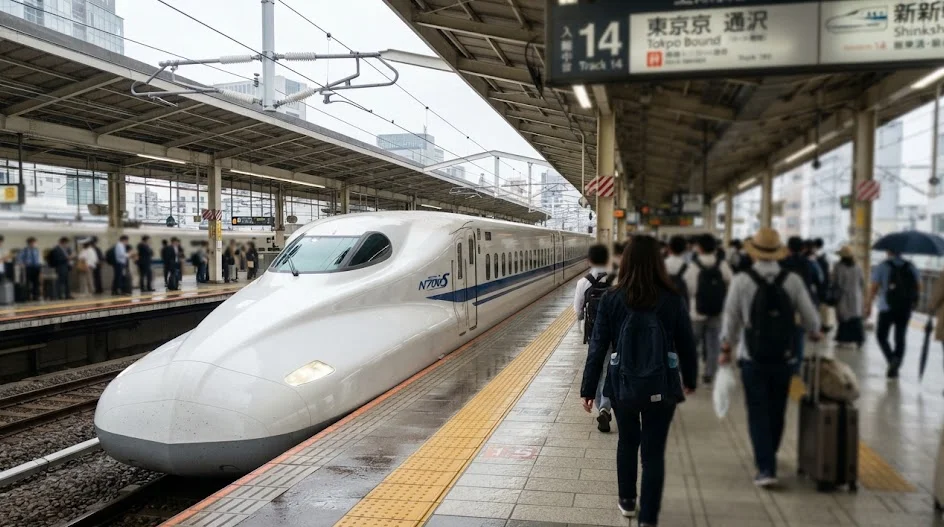
For most people the answer is simpler: buy one Tokaido Shinkansen ticket for Tokyo–Osaka, then a regional pass for the days you spend in the west. The cost table further down shows how that compares with the JR Pass. If you are weighing a flight for that leg, see fly or train from Tokyo to Kyoto.
Major regional passes compared (prices checked November 2026)
Adult ordinary-car prices from each rail company’s own pass page. Child prices are half. Click a pass name for its official page.
← Swipe to see the full table →
| Pass | Days | Adult price | Area and key trains | Tokyo–Osaka by Tokaido Shinkansen? |
|---|---|---|---|---|
| Japan Rail Pass (national) | 7 / 14 / 21 | ¥50,000 / ¥80,000 / ¥100,000 online (¥53,000 / ¥84,000 / ¥105,000 via overseas agents) | JR lines nationwide; Nozomi and Mizuho need a special ticket | Yes (+¥4,960 for the Nozomi) |
| Kansai Mini Pass | 3 | ¥3,000 | JR West rapid and local trains around Kyoto, Osaka, Kobe and Nara; Haruka needs a separate ticket | No |
| Kansai WIDE Area Pass | 5 | ¥12,000 | Kansai out to Okayama, Takamatsu, Kinosaki Onsen, Amanohashidate, Tottori and Shirahama; Sanyo Shinkansen Shin-Osaka–Okayama | No |
| Kansai-Hiroshima Area Pass | 5 | ¥17,000 | Sanyo Shinkansen Shin-Osaka–Hiroshima; JR West Miyajima Ferry included | No |
| Kansai-San’in Area Pass | 7 | ¥18,000 | Kansai plus Tottori, Shimane and Okayama; Sanyo Shinkansen Shin-Osaka–Okayama | No |
| Kansai-Hokuriku Area Pass | 7 | ¥19,000 | Sanyo Shinkansen Shin-Osaka–Okayama; Hokuriku Shinkansen Tsuruga–Joetsu-Myoko | No |
| Hokuriku Area Pass | 4 | ¥7,000 | Toyama, Ishikawa and Fukui; non-reserved Hokuriku Shinkansen within the area | No |
| Sanyo-San’in Area Pass | 7 | ¥23,000 | Sanyo Shinkansen Shin-Osaka–Hakata | No |
| JR-WEST All Area Pass | 7 | ¥26,000 | Sanyo Shinkansen Shin-Osaka–Hakata; Hokuriku Shinkansen Tsuruga–Joetsu-Myoko | No |
| Hokuriku Arch Pass | 7 | ¥35,000 | Hokuriku Shinkansen Tokyo–Tsuruga (reserved seats), Thunderbird between Kansai and Tsuruga, Tokyo Monorail to Haneda | No (Tokyo to Kansai via Kanazawa) |
| All Kyushu Pass | 3 / 5 / 7 | ¥22,000 / ¥24,000 / ¥26,000 | Kyushu Shinkansen Hakata–Kagoshima-Chuo; Nishi Kyushu Shinkansen Takeo-Onsen–Nagasaki | No |
| Northern / Southern Kyushu Pass | 3 / 5 (Northern); 3 (Southern) | ¥15,000 / ¥17,000; ¥12,000 | One half of Kyushu each | No |
| Hokkaido Rail Pass | 5 / 7 / 10 | ¥22,000 / ¥28,000 / ¥37,000 bought in advance (¥1,000 more at the station) | JR Hokkaido; area passes also exist, such as Sapporo-Noboribetsu (4 days, ¥10,000 in advance) and Sapporo-Furano (4 days, ¥11,000 in advance) | No |
| ALL SHIKOKU Rail Pass | 3 / 7 | ¥12,000 / ¥20,000 | All JR Shikoku lines plus Tosa Kuroshio Railway and others; not valid on the Sunrise Seto | No |
| JR East passes (JR TOKYO Wide Pass, JR EAST PASS and others) | Varies | Check JR East | Tokyo region, Nagano, Niigata, Tohoku | Check JR East |
Plan your trip: the tools we use
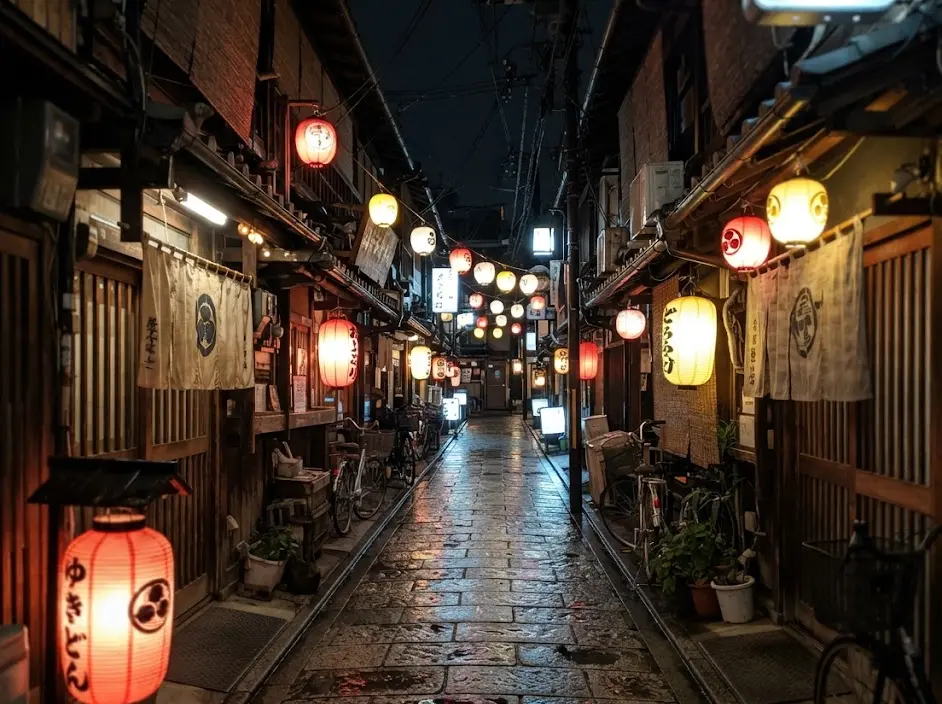
Our pick: the Kansai WIDE Area Pass for a Kansai-based week, the Kansai-Hiroshima Area Pass if Hiroshima and Miyajima are on your list, and the national JR Pass only if you are also going to Kyushu, Tohoku or Hokkaido in the same week.
A few details from the official pages change the math:
- Shikoku: from 1 October 2026, the ALL SHIKOKU Rail Pass comes in 3-day and 7-day versions only. The 4-day and 5-day passes ended, and the Shodoshima ferry and bus were dropped from coverage.
- Kyushu: JR Kyushu passes do not cover the Shinkansen between Hakata and Kokura, because that stretch is part of JR West’s Sanyo Shinkansen. JR Kyushu also notes that its online booking can show different prices.
- Miyajima: the Kansai-Hiroshima pass includes the JR West Miyajima Ferry, but the ¥100 Miyajima visitor tax is paid when you board.
- JR East: we could not confirm current JR East prices for this update, so they are not listed. Check the JR East page before you plan around one.
JR West keeps all its passes on one official pass list, which is the easiest place to compare coverage maps.
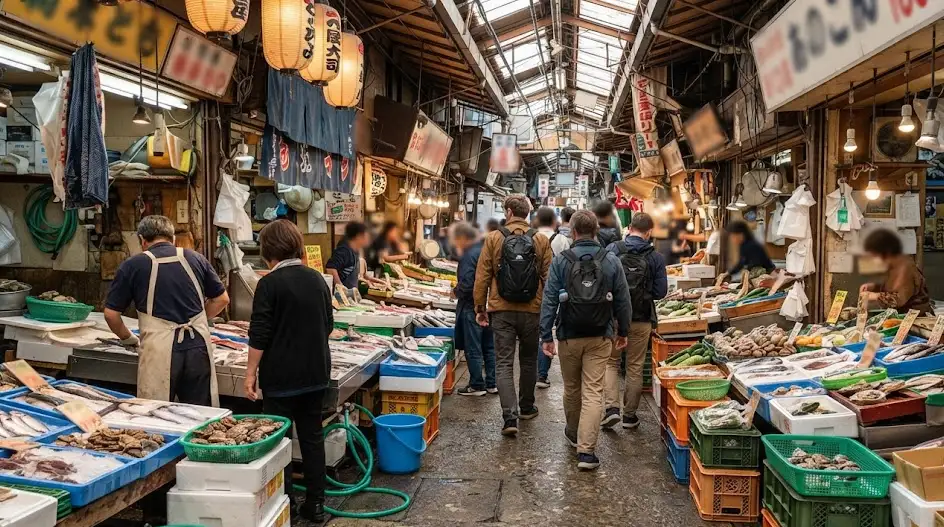
Individual tickets and the smartEX app
When to buy point-to-point
Most first-time visitors have simple routes. smartEX sells seats on the Tokaido, Sanyo and Kyushu Shinkansen, and for trips with 2–4 major intercity rides it is often the cheapest and most flexible method.
The Hayatoku 21 fares are the ones to look at if you can book early. smartEX lists Tokyo–Shin-Osaka at ¥12,980, Tokyo–Kyoto at ¥12,430 and Tokyo–Hiroshima at ¥15,390 one way (adult, reserved ordinary seat, same price on all days).
Seats at that price are limited and come with booking conditions, so read the Hayatoku 21 page before you count on it.
Avoiding the one-way trap
Many people assume they must return to their starting city. If you fly into Tokyo and out of Osaka, you remove the return leg, which often makes a rail pass unnecessary.
Regional passes: JR West versus JR East
The value of the JR West Kansai WIDE Area Pass
The Kansai WIDE Area Pass costs ¥12,000 for 5 days and reaches from Kansai to Okayama, Kinosaki Onsen, Amanohashidate, Takamatsu, Tottori and Shirahama. It includes reserved seats on the Sanyo Shinkansen between Shin-Osaka and Okayama, which makes it a strong pick for a 5-day loop in western Japan.
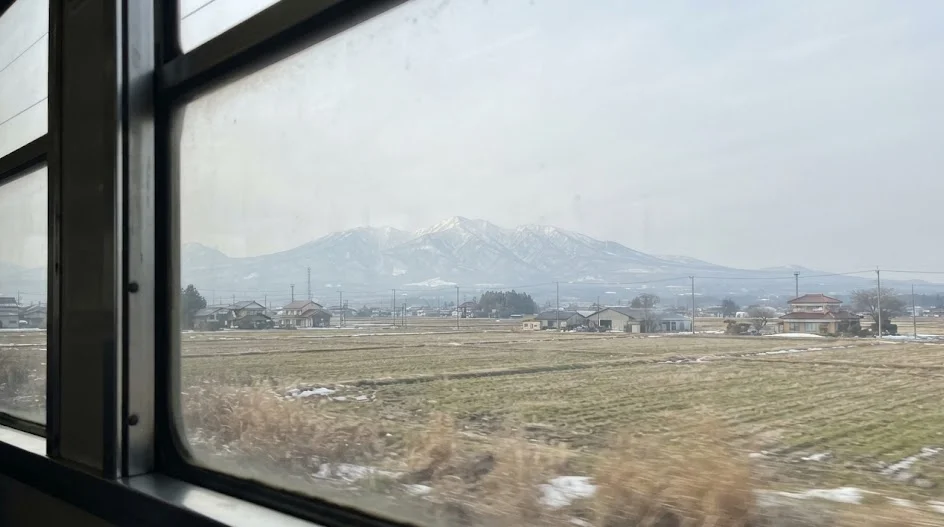
If Hiroshima is on the list, compare it with the Kansai-Hiroshima Area Pass: ¥17,000 for 5 days, with the Sanyo Shinkansen to Hiroshima and the Miyajima ferry. Our Hiroshima and Miyajima day trip covers what to do once you arrive.
Exploring with the JR EAST PASS
If you are based in Tokyo and want a few days in the Japanese Alps, on the Sea of Japan coast or in Tohoku, look at the JR EAST PASS. In March 2026 JR East merged its separate Nagano-Niigata and Tohoku area passes into this one expanded pass, so older guides that name the Nagano Niigata Area Pass are out of date.
For shorter trips close to Tokyo, the JR TOKYO Wide Pass is the other one to compare. We could not confirm current JR East prices for this update, so check them on JR East’s pass page and compare them with the fares for the trips you actually plan.
Comparing your transport options
Here is the most common case: Tokyo first, then Kansai, adult ordinary seats, using the official prices above.
← Swipe to see the full table →
| Plan | What you pay | Notes |
|---|---|---|
| A. 7-day JR Pass (online) | ¥50,000, plus ¥4,960 per Nozomi ride if you want the Nozomi | Covers Tokyo–Shin-Osaka on the Tokaido Shinkansen |
| B. Hayatoku 21 Tokyo→Shin-Osaka one way + Kansai WIDE (5 days) | ¥12,980 + ¥12,000 = ¥24,980 | Works if you fly home from Kansai |
| C. Hayatoku 21 round trip + Kansai WIDE (5 days) | ¥12,980 × 2 + ¥12,000 = ¥37,960 | Still ¥12,040 under the 7-day JR Pass |
| D. Hayatoku 21 Tokyo→Shin-Osaka + Kansai-Hiroshima (5 days) | ¥12,980 + ¥17,000 = ¥29,980 | Adds Hiroshima and the Miyajima ferry (+¥100 visitor tax) |
| E. Hokuriku Arch Pass (7 days) | ¥35,000 | Tokyo→Kanazawa→Tsuruga→Kyoto/Osaka; no Tokaido Shinkansen |
Our pick: plan B or C. For a Tokyo plus Kansai trip, one early-booked Tokaido ticket plus a Kansai regional pass costs about half of a 7-day JR Pass. The national pass only wins when you add long legs such as Kyushu or Tohoku.
For more routes costed the same way, see JR Pass vs individual tickets and our JR Pass verdict.
See all JR West passes
Alternatives to the rail pass
Highway buses for tight budgets
If Shinkansen prices seem steep, look at highway buses. They take longer, but they are usually cheaper and often stop in the city centers of Kyoto or Osaka.
Local train hopping
For short hops, like Osaka to Nara or Kyoto to Kobe, a pass rarely pays off. Tap through with an IC card like Suica or ICOCA on your phone and pay the single fare.
Practical setup and common mistakes

Step 1: Install smartEX
Set up the app before leaving home and register your credit card early, so any card problem shows up while you can still fix it.
Step 2: Verify regional pass coverage
Check the coverage map on the pass’s official page, such as JR West’s pass list, to see whether your destination stations are included.
Step 3: Test your IC card
Add an IC card to your digital wallet so you can tap through local gates without buying paper tickets.
A common coverage mistake
JR passes cover JR trains. The Kansai Mini Pass, for example, is valid on JR West rapid and local trains only, so a leg on Hankyu, Keihan or Kintetsu is extra. Check which company runs the train to your hotel before you assume the pass covers it.
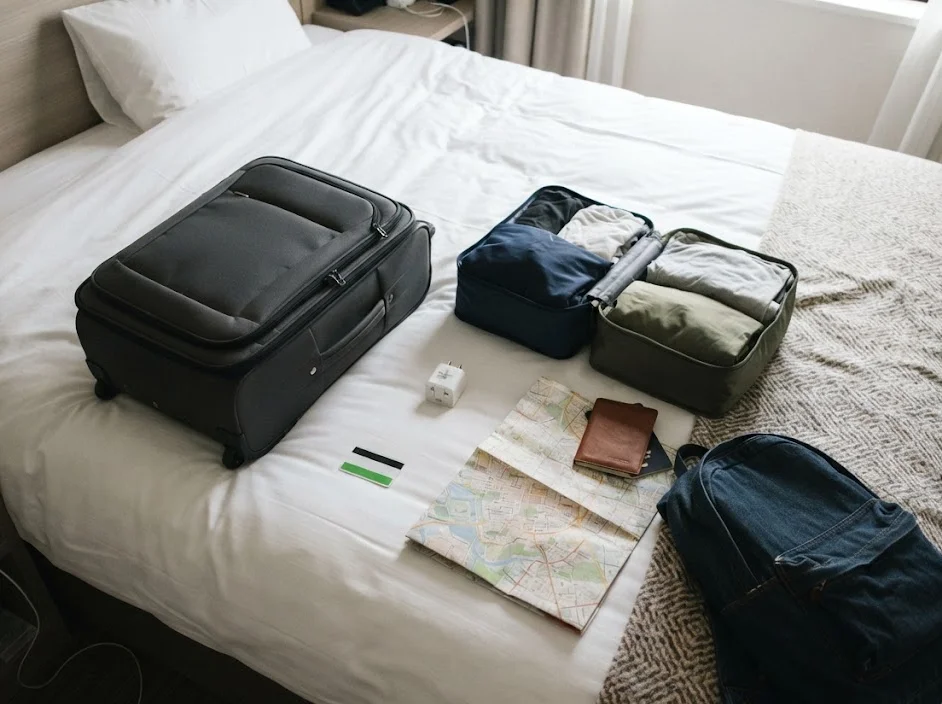
Tips for smooth travel
Keep your digital tickets in one folder on your phone. If you use paper tickets, keep them in a dedicated pocket; losing one in a busy station like Shinjuku is a real headache.
How we chose these recommendations
We compared the official price pages of Japan Rail Pass, JR West, JR Kyushu, JR Hokkaido, JR Shikoku and smartEX, checked in November 2026. We looked for options that balance easy booking with real savings for mid-range travelers.
We could not confirm JR East and JR Central tourist pass prices for this update, so we left them out rather than guess. Private railway connections also change from time to time, so check the operator’s own page before you rely on one.
Options by traveler profile
- smartEX tickets: best for people who want flexibility and do not have a packed, high-speed itinerary.
- JR West passes: ideal for travelers based in Osaka or Kyoto who want Okayama, Kinosaki Onsen, Hiroshima or the San’in coast.
- JR East passes: for travelers who want mountains and northern landscapes from a Tokyo base.
- Kyushu, Hokkaido and Shikoku passes: for a trip focused on one of those islands.
- National JR Pass: only for those who truly plan to cross much of the country in a short window.
Compare your planned stops against the cost of individual tickets before buying any pass.
Strategic timing and the pre-departure setup
Rail travel in Japan goes much more smoothly when the digital setup is done before you fly. Do not wait until you land at Narita or Kansai International Airport to work out your tickets.
The biggest mistake is assuming connectivity and payment problems can be solved on the fly. Sort them out before your flight so you are not stuck at a station ticket machine.
Download smartEX and any railway apps you need once your flights are booked. Check that your main credit card works in them, as some banks block overseas transit payments.
If you plan to use an IC card, add it to your mobile wallet before you leave. Then you can tap into the local network as soon as you clear customs, instead of working out ticket machines while jet-lagged.
Checklist for digital readiness
- Confirm your phone’s NFC is switched on for transit.
- Bookmark the official JR Pass and regional pass pages you plan to use.
- Save all QR codes and reservation numbers in one offline folder.
- Check your credit card’s international travel settings.
If your bank declines a rail pass purchase, do not keep retrying the same card, as repeated attempts can trigger a security block. Try a second card instead; carrying a backup card in your digital wallet is a sensible precaution.

Finally, keep your phone’s operating system up to date. Rail apps often need recent updates to work properly, and you do not want to find that out at a ticket gate.
Managing transit logistics when plans change
Even well-planned trips face disruptions. Weather, delays or a simple change of mind can leave a pre-bought pass or ticket badly matched to your trip if you do not know how to adjust.
Understanding the refund and change rules of your ticket matters more than finding the cheapest fare. A discounted fare might save money but lock you into a schedule that does not survive real life.
On smartEX, change rules depend on the fare type, and discounted fares like Hayatoku 21 come with their own conditions. Read them on the smartEX page when you book, not when you need to change.
What to do if your first choice fails
- Check regional lines as an alternative to the Shinkansen.
- Use Google Maps transit directions to find other trains, including non-JR lines.
- Look for highway bus alternatives to bypass sold-out train routes.
- Ask station staff early if a major delay hits your planned connection.
If a severe storm or earthquake disrupts service, check your ticket app before joining the queue at the counter. Some changes can be handled on your phone.
Check the status of your route on the operator’s website before heading to the platform. Station screens show live updates, but your phone is the best tool for finding an alternative route.
Remember that a JR Pass’s validity starts on the date you choose and keeps counting, so a day lost to bad weather is still a day of the pass used up. Individual tickets mean you only pay for what you actually ride.
The hidden cost of station-to-station navigation
Many travelers fixate on the ticket price and ignore the hidden logistics costs of moving between rail lines. In Tokyo or Osaka, a station is rarely one building; it is often a network of connected terminals run by different companies.
With a JR pass you are limited to JR lines. That sounds fine until a private line stops right by your hotel while the JR station is a long walk away with luggage.
You end up paying for a taxi or a separate subway ticket anyway.
Factoring in local transfers
Before buying a pass, map your hotel address and find the nearest stations. If your hotel is on a private line like Hankyu or Kintetsu in Kansai, your pass will only take you part of the way, so budget for the last leg.
An IC card like Suica or ICOCA is the easy fix. It works across JR and most private and subway lines, so switching operators costs you no extra effort.
Keep some balance on your IC card even if you have a rail pass, to cover these short connections.
Do not force every trip onto JR just because you have a pass. The time spent walking between distant platforms or through huge JR interchanges can outweigh the small fare you save.
Your travel time is limited, and sometimes the fastest route is a private train no pass covers.
Consider a “hub-and-spoke” plan. A base hotel within walking distance of a major JR station gets the most out of a rail pass.
If you pick a hotel on a private line, expect to use your pass and an IC card together every day. That is simply how Japanese cities are laid out.
Managing sold-out Shinkansen and peak season surges
A common myth is that a rail pass gives you priority access to bullet trains. In reality, at peak times like Golden Week, Obon and New Year, reserved seats can sell out, and a pass does not get you around that.
With a JR Pass you still need a seat reservation at busy times. Leave it to the last minute and the reserved seats may be gone, leaving the non-reserved cars.
If those are full too, you stand for the whole ride, whatever you paid for your pass.
Strategies for peak travel windows
- Book your seats as soon as your travel dates are fixed.
- Use the smartEX app to watch availability for your dates.
- If you are flexible, look at regional routes on limited express trains as an alternative.
- Travel mid-morning or mid-afternoon rather than at rush hour.
When everything is sold out, look at highway buses or domestic flights as a backup. A bus that runs parallel to the Shinkansen is slower, but it gets you there when the trains are full.
Keep a Plan B route saved on your phone. If the direct Shinkansen is full, check whether changing at a smaller city works. Two shorter trains can get you past a bottleneck.
The goal is to keep moving, even if the method changes. A slower train still keeps your itinerary alive when the express services are full.
FAQ
QIs there a JR regional pass for Tokyo to Osaka?
Not on the Tokaido Shinkansen. JR West’s passes all exclude the Tokaido Shinkansen between Shin-Osaka and Tokyo; only the national JR Pass covers it (plus ¥4,960 for the Nozomi). The Hokuriku Arch Pass (¥35,000, 7 days) links Tokyo and Kansai the long way, via Kanazawa and Tsuruga.
QIs a regional pass cheaper than the JR Pass?
For a Tokyo plus Kansai trip, usually yes. A Hayatoku 21 ticket from Tokyo to Shin-Osaka (¥12,980) plus a Kansai WIDE Area Pass (¥12,000) comes to ¥24,980, about half of a 7-day JR Pass at ¥50,000. The JR Pass wins only when you add long legs to other regions.
QDo I need a rail pass for a 10-day trip?
Probably not. Most 10-day trips focus on 2–3 major hubs, where individual tickets plus one regional pass are enough.
QIs the national pass worth it for a Tokyo–Kyoto loop?
Generally, no. Two Hayatoku 21 tickets between Tokyo and Kyoto (¥12,430 each) come to ¥24,860, about half of a 7-day JR Pass at ¥50,000.
QCan I use my phone for all these tickets?
smartEX tickets are booked and managed in the app. For regional passes, check each official pass page for how you buy and receive the pass before you travel.
QWhat if my pass gets lost?
Check the replacement rules on the pass page before you buy. Treat a paper pass like cash.
QAre regional passes easier to use than the national one?
They cover a smaller area, so planning is simpler. But each one has its own list of trains you cannot use, so read that list on the official page.
QIs smartEX only for the Shinkansen?
It is for the Tokaido, Sanyo and Kyushu Shinkansen, which covers the main route for most first-time visitors.
Rail planning in Japan can feel like an endless math puzzle.
Lock in the one or two tickets that cover your longest legs, then add a regional pass for the region where you spend the most days.
Keep planning
- ① Install and test your eSIM before take-offAiralo and Ubigi eSIMs activate on arrival, but the install itself needs Wi-Fi. Do it at home and confirm the profile shows up in your phone settings.
- ② Save your first hotel’s address in JapaneseTaxi drivers and station staff read Japanese addresses far faster than romanised ones. Copy it from the booking confirmation into your notes app.
- ③ Set aside cash for day oneMany small restaurants, temples and rural buses are still cash-only. Airport ATMs at 7-Eleven and the post office accept most foreign cards.
Skip these and your first hour in Japan goes on finding Wi-Fi at the station instead of getting to your hotel.
🔍 How to sanity-check any price you read online
Blogs (including this one) go out of date. The official page always wins over a screenshot from two years ago.
Cover Photo: Marek Ślusarczyk (Tupungato) Photo portfolio, CC BY 3.0, via Wikimedia Commons