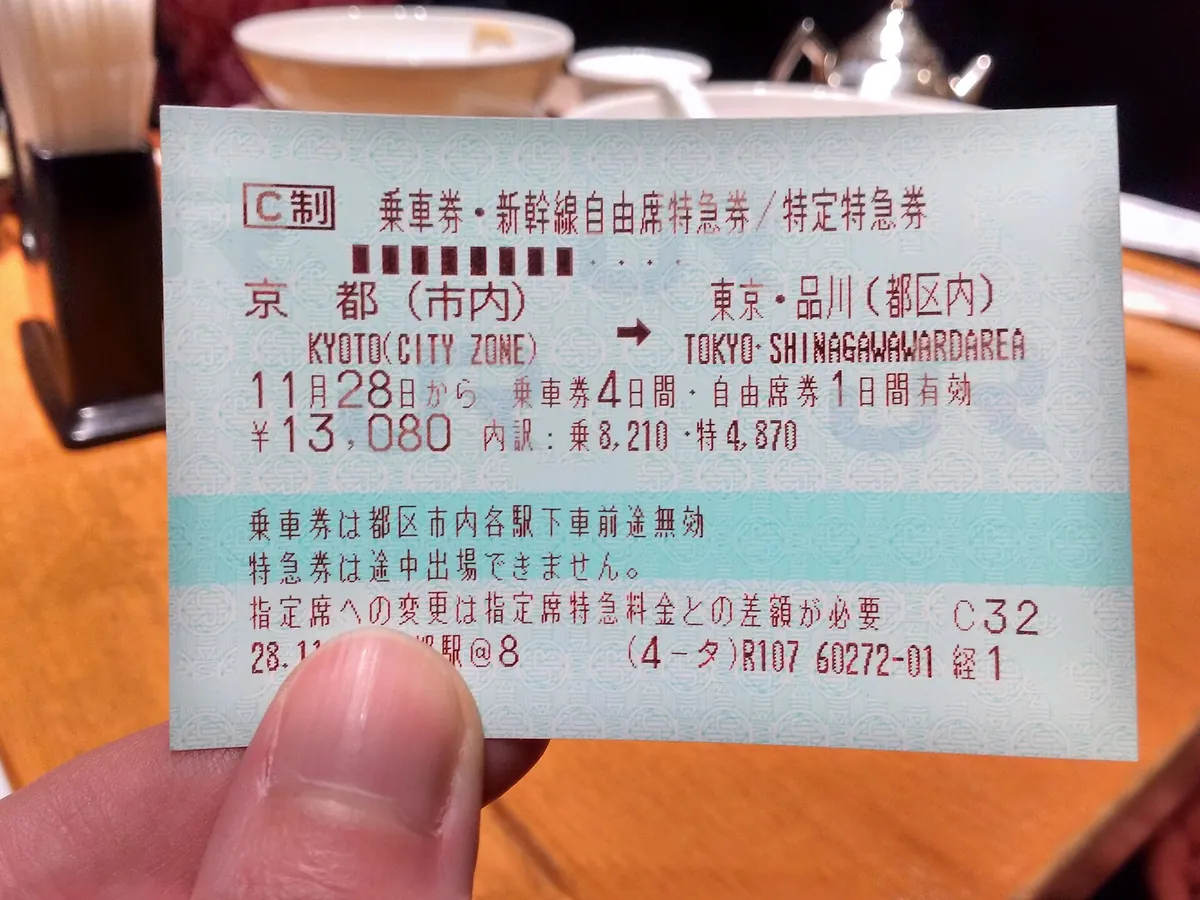

- Purchase directly from the official Japan Rail website to manage seats online.
- Third-party vouchers often require physical exchange and complicate refunds.
- Calculate your individual route costs before buying any national pass.
- Many travelers overpay for a national pass when regional ones work better.
- Always finalize your itinerary before purchasing any rail product.
- Time needed
- 10–14 days
- Typical cost
- ¥30,000–80,000
- Base
- Tokyo or Osaka
- Best season
- Year-round
- Booking
- Optional
- Checked
- 2026
Some links are affiliate links (marked “Partner link”). Prices are ranges checked in 2026; confirm on the official site before you book.
One hour of research and four distinct station stops are all it takes to realize that buying your Japan Rail Pass through the official government website is the only way to avoid unnecessary headaches.
While many third-party resellers offer convenience, they often force you to visit a ticket office in person to redeem your voucher before you can even reserve a seat.
I have spent years riding the Shinkansen and regional lines across the country, and I have learned that the safest way to buy a pass is to cut out the middleman entirely. By purchasing through the official site, you gain the ability to book your seats online weeks before you arrive at Haneda or Narita.
Why I stopped recommending third-party rail pass agents
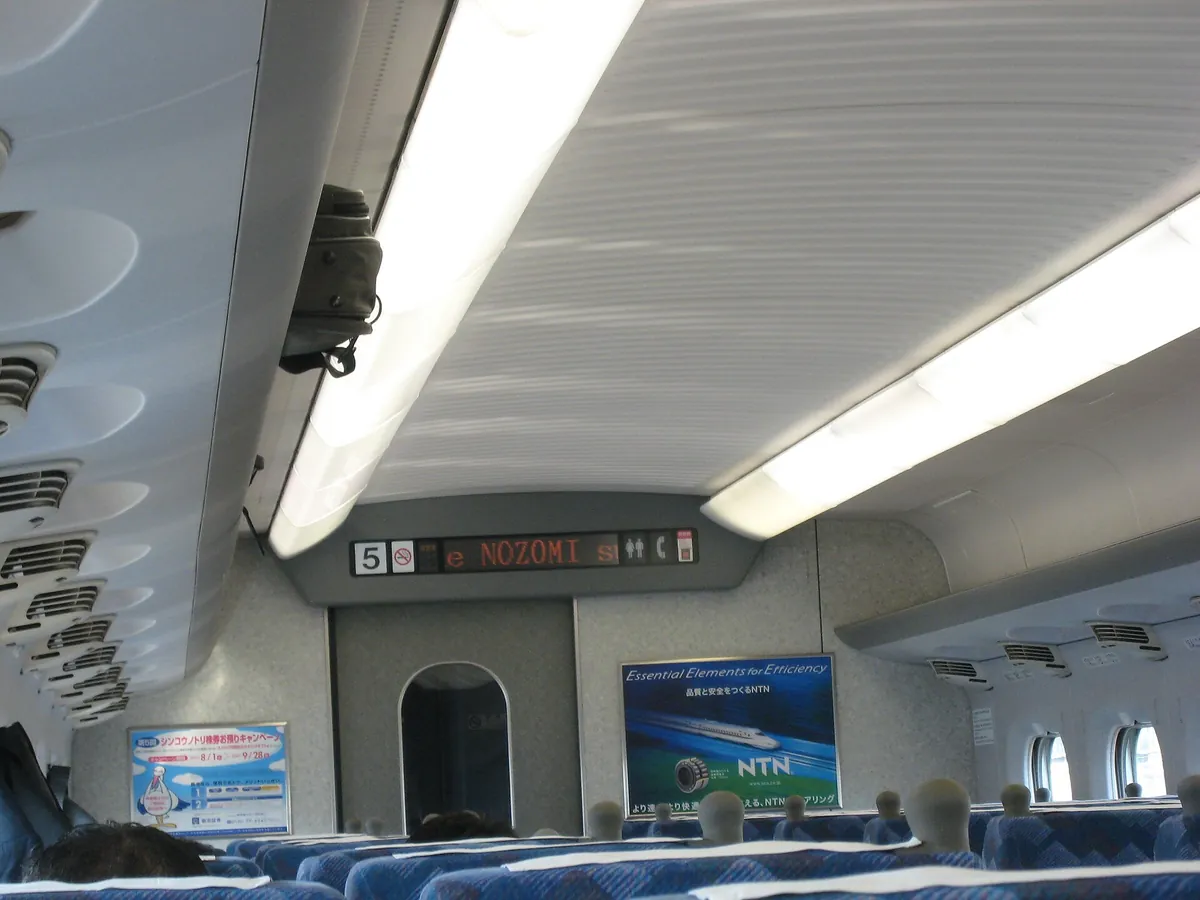
Most travelers assume that buying a voucher from a popular travel platform is safer, but it actually adds a layer of complexity to your trip. When you buy from a reseller, you are essentially purchasing a paper slip that must be exchanged at a station machine or counter.
If you encounter a transit strike, a typhoon, or a sudden schedule change, these third-party vouchers become a significant liability. Because the agent owns the contract until you exchange it, the station staff at a local counter often cannot assist you with refunds or modifications.
1. The risk of delayed exchange
Arriving at Tokyo Station after a long flight and facing a 45-minute queue just to exchange a voucher for a real pass is a terrible way to start a trip. I have seen families stand in those lines while their reserved train leaves the platform without them.
2. Limited control over reservations
Third-party vouchers do not always sync with the official seat reservation system immediately. You might find yourself locked out of popular train times until you have physically held the pass in your hands.
- You prefer managing bookings on your smartphone.
- You are worried about long queues at stations.
- You want to modify your travel dates on the fly.
- You value direct customer support over minor discounts.
- You need to reserve seats for a large group or family.

Method 1: The official Japan Rail website (Recommended)
The official website is the only platform that allows you to link your passport directly to your travel identity. This enables a seamless experience where you can log in, select your seat, and simply walk through the gate using your registered pass.
You can purchase your pass, reserve seats for the entire trip, and adjust those seats if your plans change. This level of flexibility is unmatched by any third-party travel agency.
3. Using the official booking portal
Visit the official Japan Rail Pass website and create your account well before your departure. Ensure your passport details match exactly what is written on your travel documents, or the gate scanners will fail to recognize you.
4. Managing seat reservations online
Once your pass is active, you can use the portal to browse train schedules. We suggest booking your Shinkansen seats at least 48 hours in advance if you are traveling during peak holiday periods like Golden Week or Obon.
Method 2: Authorized overseas travel agents
If you prefer using a platform like Klook or GetYourGuide because you have reward points or want to bundle your rail pass with other activities, be aware of the trade-offs. While these platforms are legitimate, they remain resellers in the eyes of the rail companies.
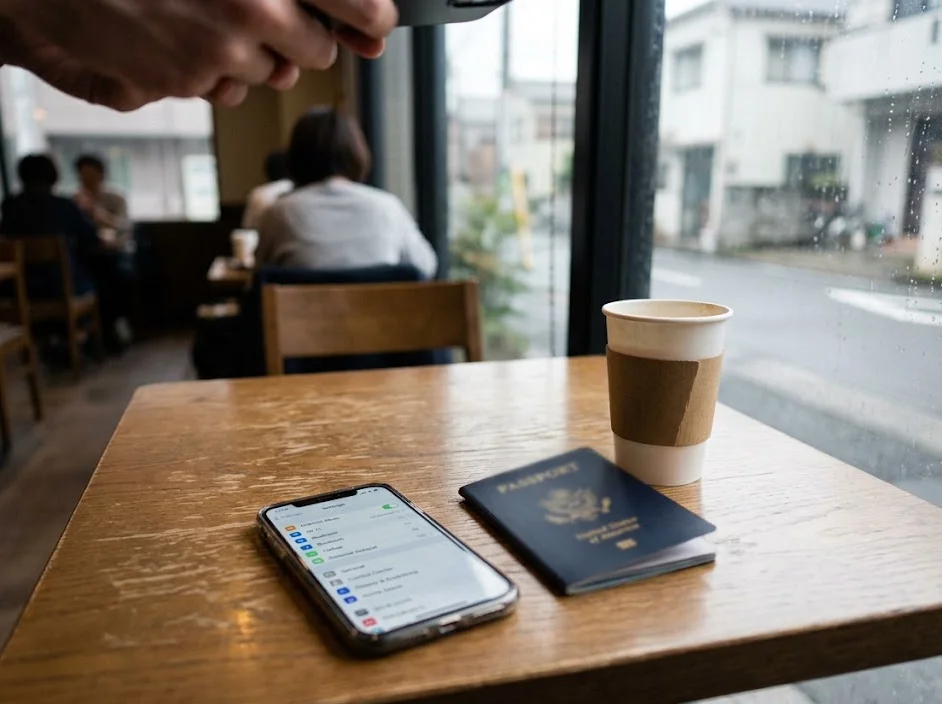
You will receive an exchange order via email. This is not your ticket, and it holds no value for riding the train until you have completed the exchange process at a staffed machine or a JR office.
5. Dealing with paper vouchers
You must keep the printed exchange order safe during your flight. If you lose this piece of paper, replacing it is an incredibly difficult process that can involve hours of calling customer support lines in a different time zone.
6. The lack of direct modification
If your plans change, you cannot simply log into an app and update your ticket. You have to contact the travel agency, wait for them to contact the rail operator, and hope that your request is processed before your train departure.
Where we would book this
Klook
One account for passes, tickets and transfers
- Best for
- JR Pass and regional rail passes, theme-park tickets, airport…
- Checked
- September 2026
Official site. Same price for you.
The mistake of buying your pass before finalizing your itinerary
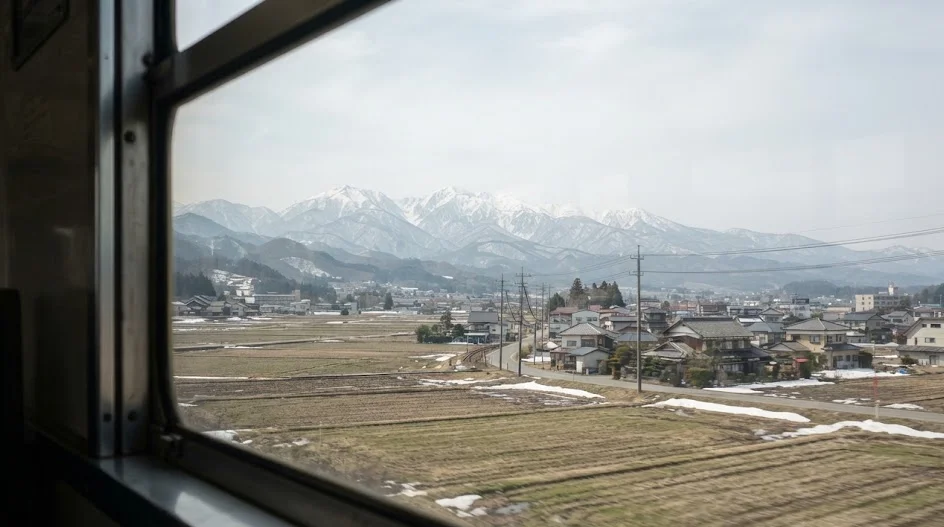
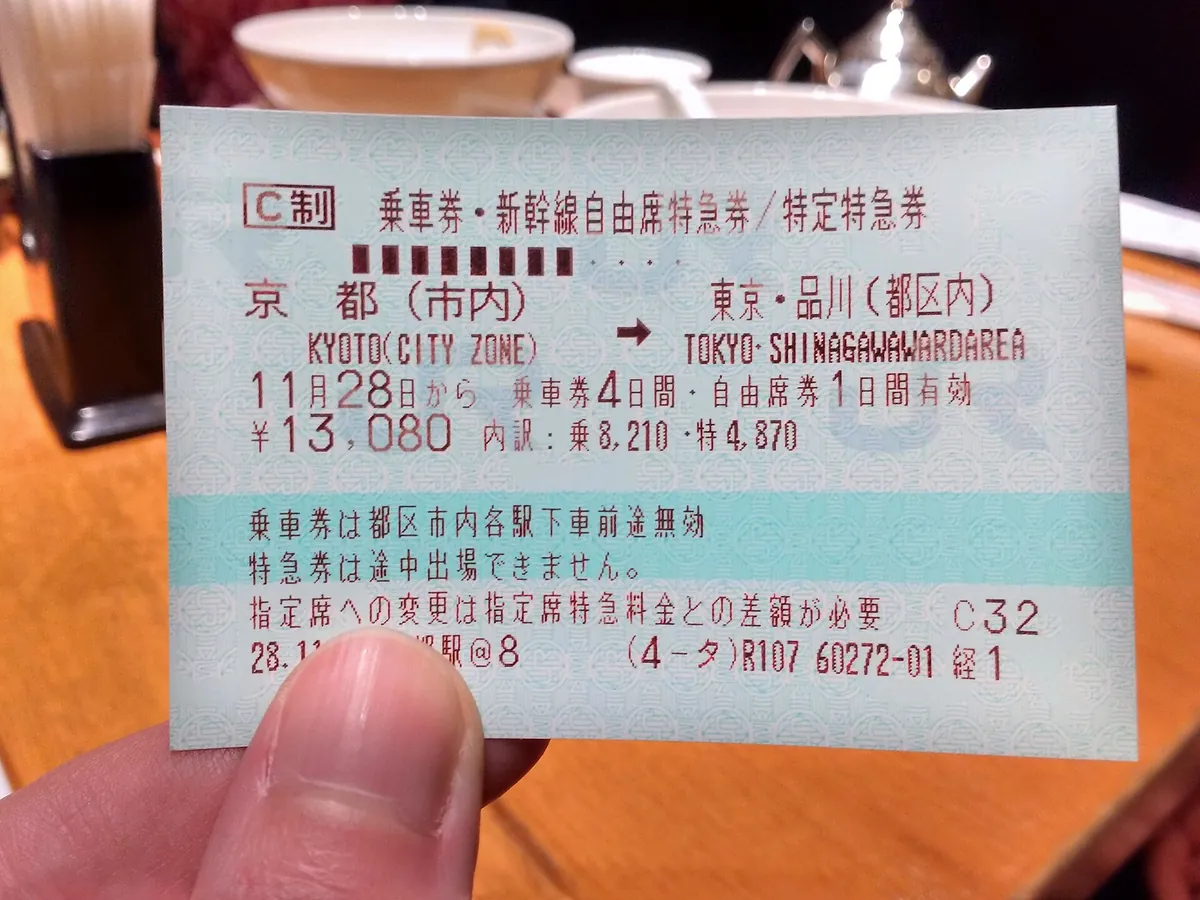
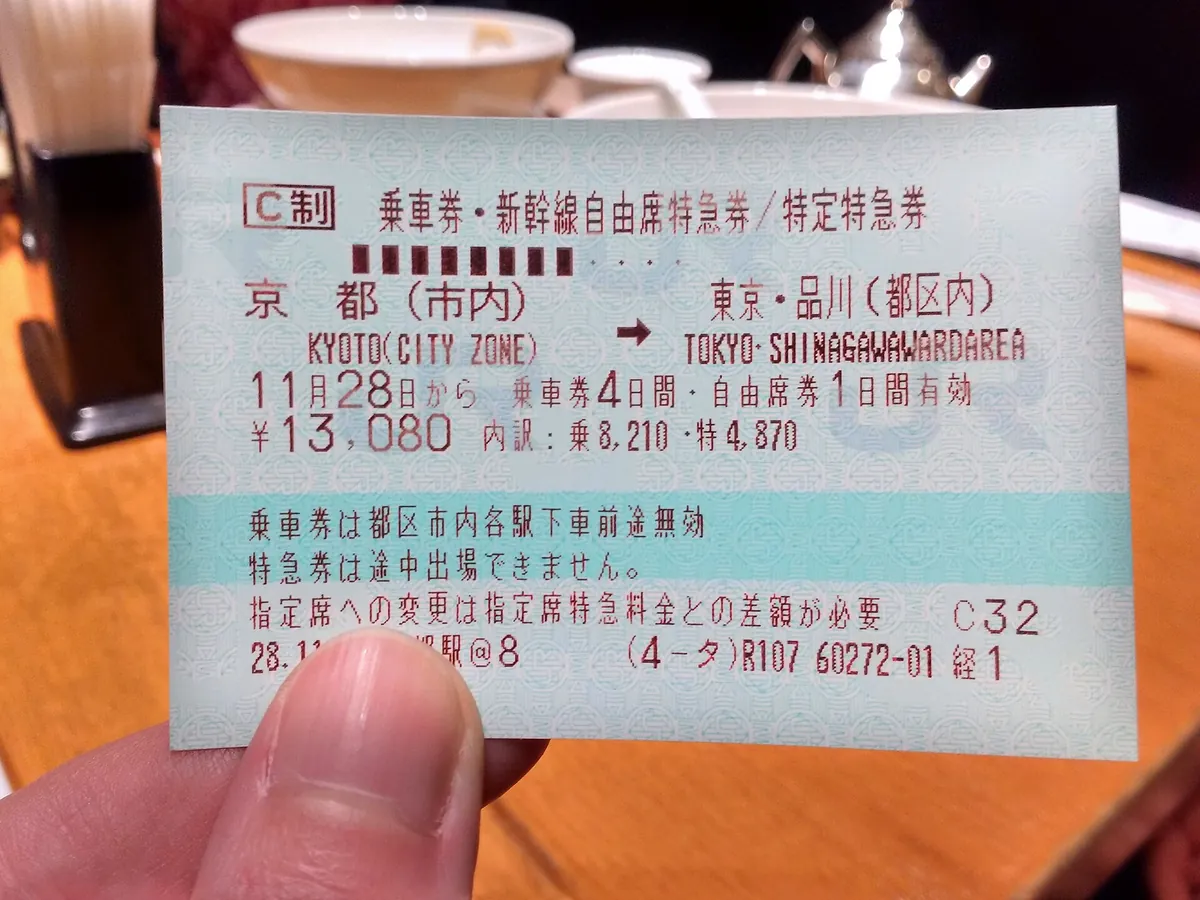
A common trap is buying a 7-day or 14-day national pass before realizing your actual travel route. Many travelers assume they need a national pass to go between Tokyo and Kyoto, ignoring the fact that individual tickets might be cheaper if you stay in one region.
I always map out my route on a simple spreadsheet before even looking at the rail pass pricing pages. If you are only traveling between two major cities, a round-trip ticket is often the most cost-effective choice.
7. Underestimating regional options
Explore regional passes like the JR West Kansai Area Pass or the JR East Tokyo Wide Pass. These are often much cheaper and offer better value if you are focusing your trip on a specific geographic area rather than hopping between the north and south.
8. The “unlimited” travel myth
Just because a pass covers unlimited travel does not mean you will have the time to use it. A 14-day pass is wasted if you spend eight of those days in a single city like Osaka or Fukuoka, where local transport costs are very low.
What most first-timers do
- Buy a national pass for every trip.
- Assume long-distance trains are always included.
- Ignore regional transit costs.
What actually works
- Calculate exact route costs first.
- Use local IC cards for city travel.
- Combine regional passes for specific areas.
| Pass Type | Cost Range |
|---|---|
| Regional Pass | ¥5,000 – ¥25,000 |
| National Pass | ¥30,000 – ¥80,000 |
Plan your trip: the tools we use
Our pick: Regional passes combined with an IC card, which works best for most mid-range travelers.
How to exchange your exchange order at the station
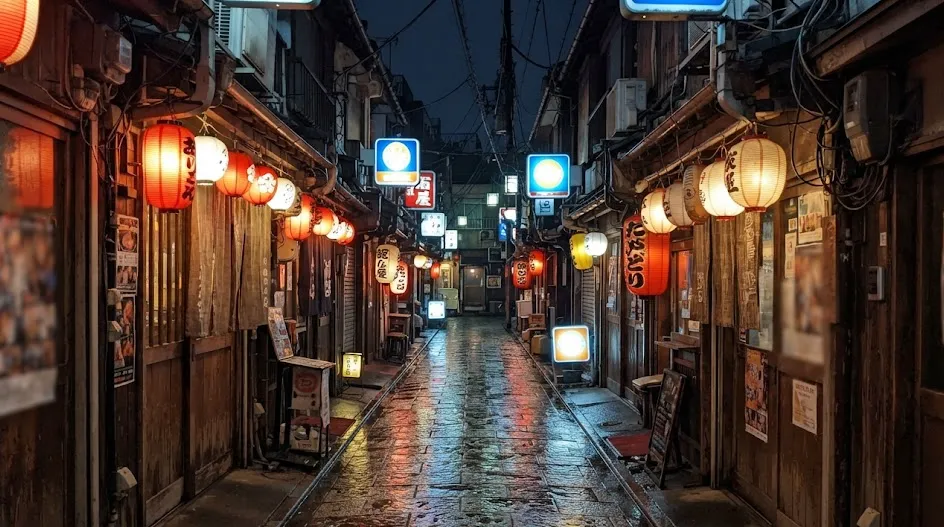
If you do end up with a voucher from a reseller, the exchange process happens at major stations like Shinjuku, Osaka, or Kyoto. You must find the machines marked with the green rail pass icon or visit the travel service center.
You will need your original passport and the exchange order code. The machine will scan your passport, verify the document, and print your pass, which you must keep until your final departure.
9. Finding the right machine
Look for machines that have a passport reader slot. Not all ticket machines are capable of processing exchange orders, so check the station signs carefully for the specific rail pass service area.
10. Peak time considerations
During the busy morning rush from 8:00 AM to 10:00 AM, these offices are often crowded with commuters. Try to arrive at the station during the mid-afternoon if you need to exchange a voucher or deal with a complex booking.
- Arrival at JR Station
- Locate the exchange machine
- Scan passport and voucher
- Collect your physical pass
- Board your train
Are you actually saving money? The break-even reality
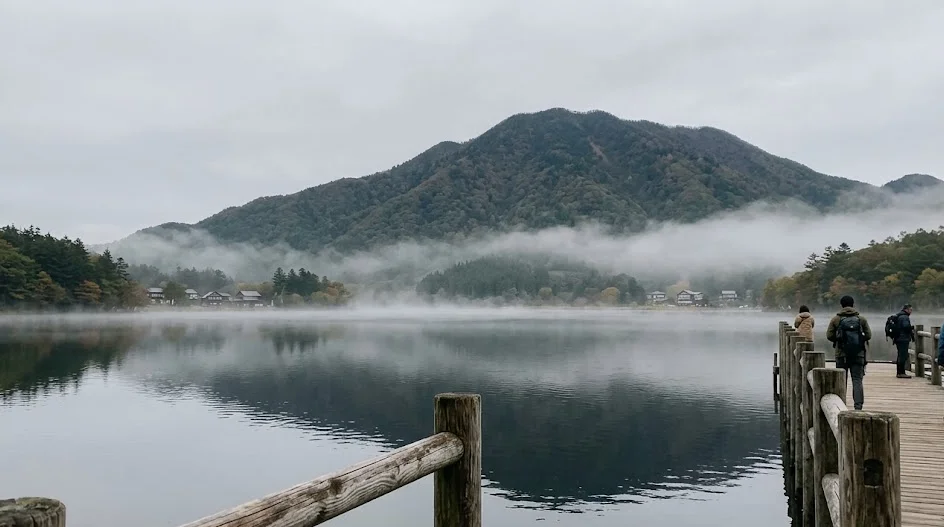
To determine if you are saving money, list every major train trip you plan to take. Use a site like Navitime to check the standard price for those individual segments, and then compare that total to the price of the pass.
The “break-even” point is usually met only if you are taking multiple long-distance Shinkansen trips within a short, consecutive timeframe. If you have a few days of local sightseeing in between, those are “dead days” where the pass is not paying for itself.
11. Accounting for local transport
Remember that the national pass covers only JR lines. If you are staying in a neighborhood like Asakusa in Tokyo or Gion in Kyoto, you will likely be using subway lines or buses that are not covered by the rail pass.
12. The hidden cost of convenience
When you account for the time spent queuing and the restrictions on seat reservations, the “savings” of a pass often vanish. For many travelers, buying individual tickets is actually cheaper and offers the freedom to choose faster train lines.
Understanding the difference between the pass and seat reservations
A rail pass is simply your ticket to board the train. It does not automatically guarantee you a seat on a specific Shinkansen, especially during high-traffic times when trains are packed with commuters and tourists.

Always distinguish between your pass and your seat reservation. You can use your pass to ride non-reserved cars, but that is a gamble during peak hours when you might end up standing for a two-hour trip.
13. Reserving seats in advance
Use the official portal to reserve your seat as soon as you have your pass details. This gives you peace of mind that you will have a place to sit, especially if you are traveling with large luggage that needs extra floor space.
14. The “no-seat” risk
If you wait until you are at the station to book a seat, you risk the train being sold out. I have seen many people end up in the non-reserved section only to find there are no seats left, forcing them to wait for the next train.
What happens if your train is cancelled or delayed?
Trains in Japan are reliable, but extreme weather can cause major interruptions. If your train is cancelled, head immediately to a ticket office at any JR station to see your options for rebooking.
If you purchased your pass through the official site, the station staff can often help you rebook your seat on the next available train without penalty. If you used a third-party voucher, you may be limited by what their specific terms and conditions allow.
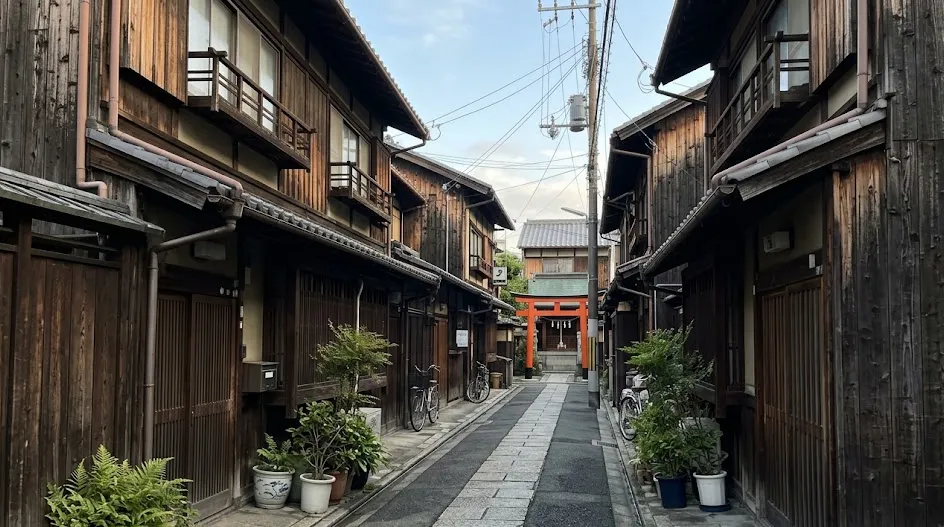
15. Staying informed with apps
Download the official JR app or keep an eye on the digital displays at the station. These will show you real-time delays and platform changes so you can react quickly to disruptions.
16. Dealing with major cancellations
In the event of a typhoon or earthquake, do not wait at the station for hours if the lines are long. Check if you can rebook online through the official portal or visit a smaller station nearby which might be less crowded.
Step 1: 1. Calculate your route
List every train trip you plan to take and check the cost of single tickets on a booking site.
Step 2: 2. Compare the pass
Total the costs and see if the pass price is actually lower. If it is within ¥5,000, buy individual tickets.
Step 3: 3. Use the official site
Book directly through the official JR portal to keep control over your seat reservations.
 ReaderYuki
FAQ
QIs the JR Pass refundable if my plans change?
Yes, if purchased through the official site, you can usually process a refund for an unused pass minus a service fee, provided you request it before the start date.
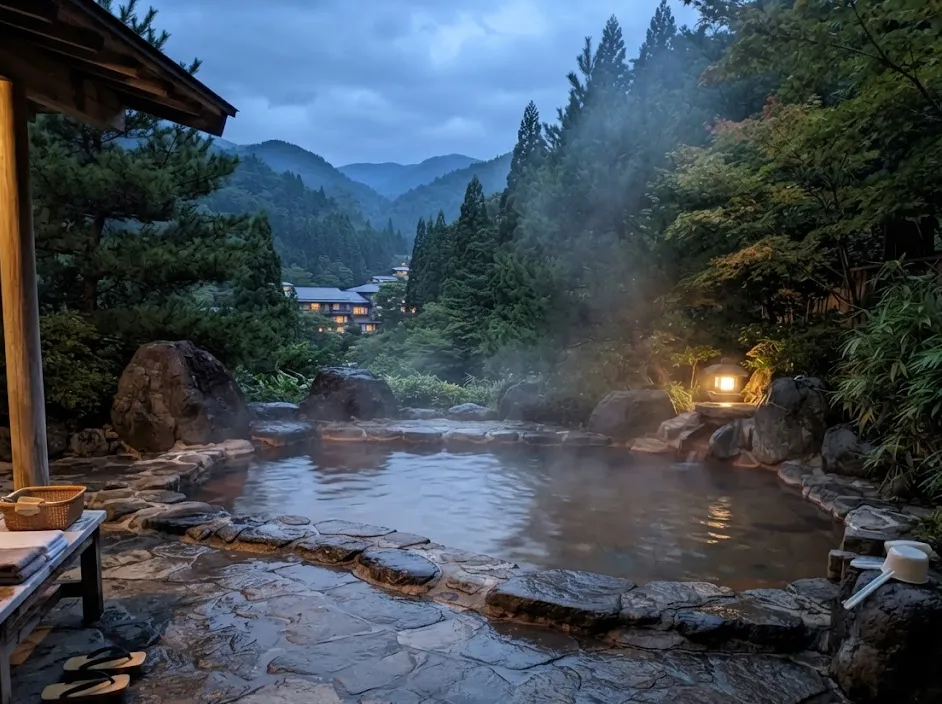
QCan I use the pass for the Nozomi Shinkansen?
The standard national Japan Rail Pass does not cover Nozomi or Mizuho trains unless you purchase an additional supplement fee locally at the station.
QDo children need their own passes?
Children aged 6 to 11 are eligible for a child-rate pass, which is typically half the price of an adult pass, while children under 6 travel for free if they do not occupy a seat.
QHow do I check my train seat reservation?
If you used the official portal, you can log in to your account at any time to view, change, or cancel your specific seat assignments for upcoming legs of your journey.
QCan I transfer my pass to another traveler?
No, Japan Rail passes are non-transferable and are tied strictly to the passport number of the individual who purchased them; photo ID checks are common.
QIs there a limit to how many seats I can reserve?
When using the official online booking system, there is no strict limit on the number of reservations, though you are encouraged to only book seats you intend to use.
Planning for train travel often feels like trying to solve a puzzle with moving pieces.
It is better to calculate your core route costs now and save the extra time for walking around your first destination.
Keep planning
- ① Install and test your eSIM before take-offAiralo and Ubigi eSIMs activate on arrival, but the install itself needs Wi-Fi. Do it at home and confirm the profile shows up in your phone settings.
- ② Save your first hotel’s address in JapaneseTaxi drivers and station staff read Japanese addresses far faster than romanised ones. Copy it from the booking confirmation into your notes app.
- ③ Set aside cash for day oneMany small restaurants, temples and rural buses are still cash-only. Airport ATMs at 7-Eleven and the post office accept most foreign cards.
Skip these and your first hour in Japan goes on finding Wi-Fi at the station instead of getting to your hotel.
🔍 How to sanity-check any price you read online
Blogs (including this one) go out of date. The official page always wins over a screenshot from two years ago.
Cover Photo: Marek Ślusarczyk (Tupungato) Photo portfolio, CC BY 3.0, via Wikimedia Commons