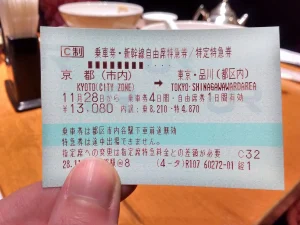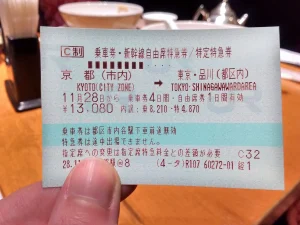
- Best overall: a contactless Visa or Mastercard for shops, chains and most Tokyo subways
- Best for JR trains and kids: an IC card, or Welcome Suica Mobile on an iPhone
- Best for temples, rural inns and top-up machines: a small stack of yen
- Best ATM for foreign cards: 7-Eleven, open 24 hours for Visa and Mastercard
- On a “yen or dollars?” screen: pick yen unless the shown rate beats your bank’s
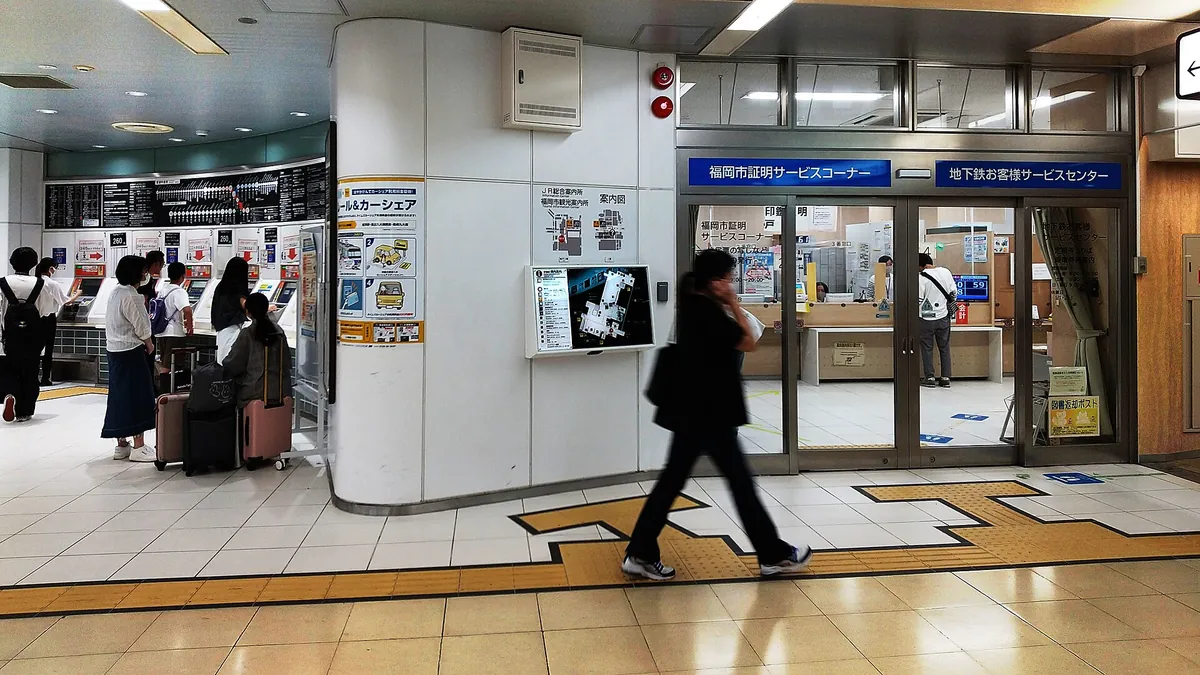
“Cash vs card” in Japan is not really one choice. It is four ways to pay, a contactless card, an IC card, a QR app and yen notes, and every counter, gate and ticket machine accepts its own mix of them.
So carry three of the four. Tap a contactless card where you can, keep an IC card for JR lines and children, and hold a small cash buffer for temples, small eateries, rural stays and station top-up machines. If you only want to know how many yen to withdraw, read our guide to how much cash to bring to Japan instead.
What follows is a map: which method to reach for at each place you will actually stand, built from the rail operators’ and banks’ own pages.
- Cashless share 2025
- 58.0% by value (METI)
- Card tap, Tokyo area
- 11 rail operators, not JR East
- Top card brands
- Visa, JCB, Mastercard (JNTO)
- ATM cap per go
- ¥50,000–100,000, by bank
- Cash still needed
- Temples, rural inns, top-up machines
- Rules checked
- November 2026
Top picks
Where we would book this
Booking.com
Largest inventory in Japan for English-speaking travellers
- Best for
- Hotels, business hotels, ryokan and apartments in every city
- Checked
- September 2026
Official site. Same price for you.
Where we would book this
Klook
One account for passes, tickets and transfers
- Best for
- JR Pass and regional rail passes, theme-park tickets, airport…
- Checked
- September 2026
Official site. Same price for you.
Fees, limits and rules checked in November 2026; confirm on the official site before you travel.
Card, IC Card, QR App or Yen: 5 Questions That Decide Which
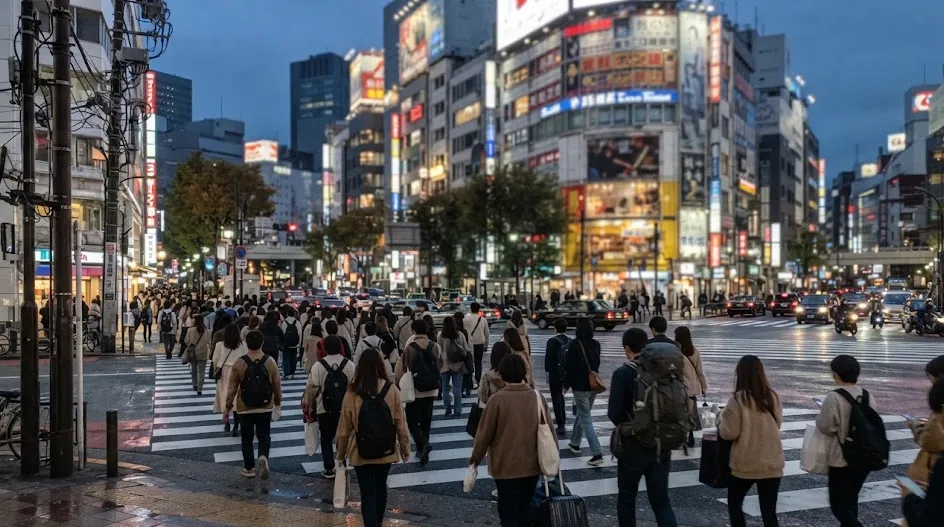
Start with the big number. Japan’s Ministry of Economy, Trade and Industry puts the 2025 cashless payment ratio at 58.0%, or ¥162.7 trillion.
That is a share of money spent, not a share of shops. A department store bill counts for far more than a ¥500 bowl of noodles, so a small counter can still be cash only while the national figure rises.
Inside that 58.0%, credit cards made up 82.7%, QR code payments 10.2%, electronic money 3.7% and debit cards 3.4%. The government’s goal is 65% by 2030.
Cards dominate. Cash has not gone.
Five questions decide which of the four you use at any given counter:
- Where is it accepted? Shops, train gates, temples and machines all differ.
- What does it cost you? Your bank’s foreign fee and the exchange rate you get.
- What must you set up before landing? Phone wallets need a compatible phone.
- What happens to leftover money? Some visitor cards give no refunds.
- What is your backup? A second card brand, or yen, when a terminal says no.
Answer those for your own trip and the choice mostly makes itself. A week in Tokyo with an iPhone and a Visa card needs very little yen. Three nights in a mountain town with an Android phone needs a lot more.
- You stay only in Tokyo, Osaka or other big cities
- You have a night at a rural inn or onsen town
- You use an iPhone rather than an Android phone
- Your card shows the contactless wave symbol
- Your card charges no foreign transaction fee
- You travel with children who pay child fares
- You plan to ride JR lines such as the Yamanote Line
- Your main card is Amex, Diners or Discover
Each tick points to a section below. The last three are the ones that catch people out.
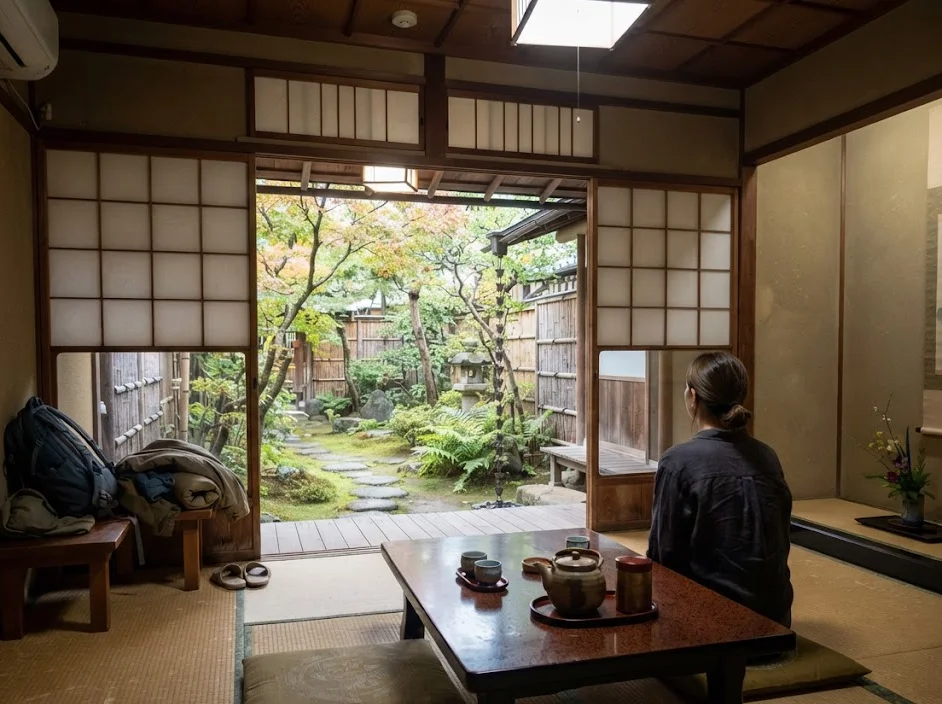
Contactless Cards: Shop Terminals, Tokyo’s 11 Rail Operators, Fukuoka
A contactless credit or debit card is the closest thing to a single answer. It now works at shop counters and, since March 2026, at the gates of most private railways and subways around Tokyo.
Tapping a card at shops, chains and convenience stores
Who it suits: almost everyone. JNTO’s guide to cashless payments in Japan names Visa, JCB and Mastercard as the most widely accepted card brands.
What it does well: hotels in cities, department stores, chain restaurants and convenience stores, with nothing to top up and nothing to refund later. It also fixes the exchange rate on your bank’s side rather than at a counter.
The honest drawback is the brand. If your main card is Amex, Diners or Discover, JNTO’s list does not put them in the top three, so pack a Visa, Mastercard or JCB as well.
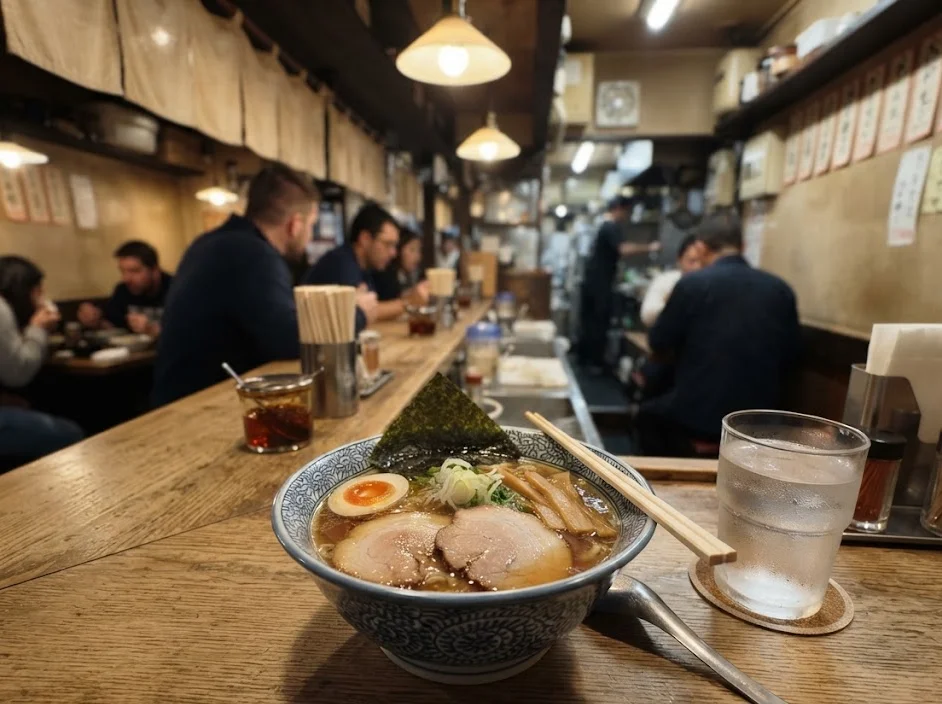
The second drawback is a screen. Some terminals offer to charge you in your home currency; the section on that choice comes further down.
Cost: there is no card fee on the Japanese side in the pages we checked. The cost to look up is your own bank’s foreign transaction fee, which varies from bank to bank; some cards charge none, so check your bank’s site.
Tapping a card at Tokyo-area train gates
This is the newest change, and the one most older guides miss. From the first train on 25 March 2026, a joint Tap to Ride release by Keio and ten other operators lets you tap one card across 54 lines and 729 stations.
The eleven operators are:
- Tokyo Metro and Toei Subway
- Odakyu, and Odakyu Hakone (Hakone Tozan Line Odawara–Gora and the Cable Car)
- Keio, Keikyu, Tokyu and Sotetsu
- Seibu and Tobu (part of each network)
- Yokohama Minatomirai Line
JR East is not on the list.
That means the Yamanote Line, the Chuo Line between Shinjuku and Tokyo, and other JR East trains still need an IC card or a ticket. The release says only the eleven named operators are covered.
Credit, debit and prepaid cards with a tap function all work, and so do phones with such a card loaded. You pay the standard ticket fare, with ¥70 off when you change between a Tokyo Metro line and a Toei line. No other discounts apply.
Three exceptions from the release, as of November 2026:
- Adult fares only: a child can tap only a card in their own name, and pays the adult fare
- Boarding at Nakano Station is not covered
- Sotetsu has it at only some automatic gates; Seibu plans all lines by March 2027
Riding the subway all day? Compare tap fares with our Tokyo Subway Pass guide before you decide.
Fukuoka City Subway and Nankai in Osaka
Outside Tokyo, two networks stand out in the pages we checked. The Fukuoka City tourist guide says card tap works at all 36 subway stations, with a daily cap of ¥640 when you use the same card.
Once your taps reach the cap, the rest of the day’s rides cost nothing extra. The brands listed are Visa, JCB, Amex, Diners, Discover and UnionPay. Check the page before you rely on a particular brand.
Nankai, the line from Namba toward Kansai Airport and Wakayama, also takes card taps, but its touch payment guide says it works only at supported stations.
Nankai’s Q&A adds that fares are always charged at adult rates, even for children.
Families keep the IC card.
Japan Travel Card: Where to Buy Welcome Suica, TOURIST PASMO, ICOCA
An IC card is a prepaid transport card you tap at gates and many shops. JNTO’s IC card page says the special visitor cards, Welcome Suica and TOURIST PASMO, need no deposit, while standard IC cards carry a ¥500 deposit.
Which card fits your route is a separate question, covered in our Suica vs Pasmo vs Icoca guide. Here is only where to get each one, and the catch with each.
Welcome Suica Mobile on iPhone, and the physical card
Who it suits: iPhone users riding JR East lines. Welcome Suica Mobile is JR East’s app on the App Store and needs iOS 17.2 or later.
It has no deposit and no issue fee. You top it up in Japan with a card stored in Apple Pay, so the station cash-machine rule does not touch you.
The drawbacks are firm. The balance expires 180 days after issue, and refunds are not available, so top up in small amounts near the end of your trip.
Since 1 October 2025, JNTO reports, the app has been linked with JR-EAST Train Reservation for ticketless Shinkansen and limited express rides.
For the plastic Welcome Suica, we could not confirm the current rules or sales points, so check JR East’s Welcome Suica page before you fly.
TOURIST PASMO at Narita and Haneda
Who it suits: visitors landing in Tokyo, especially Android users. TOURIST PASMO went on sale in May 2026 and is sold at Haneda Airport and Narita Airport.
PASMO’s April 2026 notice gives the details, as of November 2026:
- Valid for 28 days from the date of issue
- No deposit, and no refunds
- Narita: sold at ¥2,000
- Haneda: amounts from ¥1,000 to ¥10,000
- Ticket windows and machines at the airport stations
It replaces the old PASMO PASSPORT, which ended entirely on 11 October 2024. Any guide still telling you to buy one is out of date.
Not sure which airport you will use? Our Narita vs Haneda guide covers the trains into the city.
ICOCA and KANSAI ONE PASS for Osaka and Kyoto
Who it suits: anyone starting in Kansai. JR West’s ICOCA page lists it at ¥2,000, including a ¥500 deposit, sold at the JR ticket office at Kansai Airport station.
It works on railways and buses across Japan and as e-money in shops. JR West also lists an ICOCA version for Apple Pay.
The visitor version is KANSAI ONE PASS, an ICOCA-based card with extra benefits for international visitors. It costs ¥3,000, including the ¥500 deposit, at Osaka Metro information counters such as Shin-Osaka.
Its drawback: Osaka Metro warns it may sell out. Prices as of November 2026; check both pages before you go.
Where Yen Is Still the Only Option, and Which ATM to Use
JNTO puts it plainly: “Many places, especially in rural areas, may still only accept cash, even hotels.” Here are the four spots where yen does the job a card cannot.
Temples, shrines and small counters
Offering boxes take coins, not taps. Small amulet counters, a family-run noodle bar in a side street, a festival stall: these are the places where a card reader is least likely to appear.
We could not find an official list of which temples accept cards, and policies vary, so check each temple’s own site. Keep a few ¥100 and ¥500 coins in a separate pocket for the day.
Coins are the point here, not notes.
Topping up an IC card at a station machine
This one surprises people. JNTO says that when you buy or recharge an IC card at a vending machine, only cash can be used.
So a plastic Suica, PASMO or ICOCA needs yen notes to refill at the machine. The workaround is a phone version: Welcome Suica Mobile and ICOCA on Apple Pay top up with a card inside the phone.
Rural inns and small-town hotels
The JNTO line above names hotels on purpose. A guesthouse in a mountain village or a small inn in an onsen town may want the whole bill in cash at checkout.
Ask when you book, or read the payment line on the booking page. If it says cash at the property, withdraw before you leave the city, because a village may have one ATM or none you can use.
7-Eleven vs post office ATMs for foreign cards
Two networks are the safe bets, and they differ more than most guides say. Figures below are from each bank’s own page, as of November 2026.
Seven Bank (in 7-Eleven stores), per its overseas card page:
- Takes Visa, Mastercard, UnionPay, Amex, JCB, Discover and Diners
- Visa and Mastercard: 00:00–24:00
- Amex 00:05–23:50; JCB, UnionPay, Discover 00:10–23:50
- Up to ¥100,000 per withdrawal; menus in 10 languages
Japan Post Bank (post offices and FamilyMart), per its overseas card ATM page:
- Takes Visa, PLUS, Mastercard, Maestro, Cirrus, JCB, UnionPay, Discover
- Amex and Diners are not on the list
- Up to ¥50,000 per transaction
- A ¥220 fee per use may apply for certain overseas cards
- Post office ATMs 7:00–23:00 weekdays and Saturdays, 7:00–21:00 Sundays and holidays
Seven Bank says a fee may apply per transaction but does not state the amount on that page. Your own bank may add its fees on top.
Seven Bank caps magnetic-stripe withdrawals at ¥30,000, so use a chip card if you have one.
For amounts, cash budgets and how to split your stash, our cash guide goes deeper.
What to Pay With in Japan, Situation by Situation
Here is the whole map in one table, built only from the operator, bank and JNTO pages linked above. It is the part to screenshot before your flight.
← Swipe to see the full table →
| Situation | Pay with | Why |
|---|---|---|
| Tokyo Metro, Toei, Odakyu, Keio, Keikyu, Tokyu gates | Contactless card or IC card | Tap to Ride since 25 March 2026 |
| JR East lines, e.g. Yamanote Line | IC card or Welcome Suica Mobile | JR East is not one of the 11 operators |
| Hakone Tozan Line and Cable Car | Contactless card or IC card | Odakyu Hakone is in Tap to Ride |
| Fukuoka City Subway | Contactless card | All 36 stations, ¥640 daily cap per card |
| Train fares for children | IC card | Card tap charges adult fares only |
| Convenience stores and chains | Card or IC card | Visa, JCB, Mastercard most accepted |
| IC card top-up at a station machine | Cash; or Apple Pay card on iPhone | JNTO: machines take cash only |
| Temple offering box, small stall | Coins | No official card list exists |
| Rural inn or small-town hotel | Cash | JNTO: may be cash only, even hotels |
| ATM, any card brand | 7-Eleven | Amex and Diners taken; ¥100,000 per go |
| ATM, Visa or Mastercard, daytime | 7-Eleven or post office | Post office: ¥50,000 per go, ¥220 may apply |
| Screen asks “yen or home currency?” | Yen, unless the shown rate is better | Visa: the choice is yours |
Plan your trip: the tools we use
Limits and caps as of November 2026; check each official page before you rely on them.
Our pick: a contactless Visa or Mastercard plus an IC card covers every row except temples, rural inns and machine top-ups.
The last row needs a word. Visa’s page on dynamic currency conversion says a merchant or ATM offering your home currency must show both currencies, the rate and any fees, and that the choice to accept or decline is yours.
So compare the rate on screen with your own card’s rate. If you cannot tell, choosing yen leaves the conversion to your bank, which is the rate you agreed to when you got the card.
 Reader
 Yuki
Beyond Card and Cash: QR Apps, No-Fee Cards, Exchange Counters
The four main methods cover nearly every situation, but three alternatives come up in every forum thread. Here is what the official pages say about each, and what they do not.
PayPay, Rakuten Pay and other QR apps
QR code payments made up 10.2% of Japan’s cashless spending in 2025, per METI. JNTO lists PayPay, Rakuten Pay and MerPay among the common apps.
The drawback is the phone. JNTO warns that some mobile payment systems are not compatible with non-Japanese phones, and that Apple Pay and Google Pay sometimes cannot be used.
We could not confirm how a visitor registers for PayPay, so we cannot recommend it as your main method. Treat a QR app as an extra, not a plan.
A no-foreign-fee debit or credit card
This is not a separate way to pay in Japan. It is a better version of the card you tap anyway, and it changes the cost of every row in the table above.
Look for two things on your bank’s site: no foreign transaction fee, and low or no fees on overseas ATM withdrawals. We did not verify any specific provider’s fees, so compare them yourself before you apply.
Apply weeks ahead.
Airport and city exchange counters
Exchanging notes at a counter is the old way, and it still works for a first small amount. We did not verify current counter rates, so we give no numbers here.
What is clear from the bank pages is that a 7-Eleven ATM gives you yen at your bank’s rate, any time of day for Visa and Mastercard. For most visitors that removes the need to carry large amounts of home currency at all.
What most first-timers do
- Exchange a big pile of cash before the flight
- Bring only an Amex card
- Tap a card for a child at the gate
- Top up a plastic IC card with a credit card
What actually works
- Withdraw a first batch at a 7-Eleven ATM
- Pack a Visa, Mastercard or JCB as well
- Give children an IC card
- Keep yen notes for machine top-ups
Setting Up Your Payments Before You Land in Japan
Most payment trouble in Japan is solved at home, a week before the flight. These four steps take less time than reading another forum thread.
Step 1: Check your cards for the tap symbol
Look for the contactless wave on the front. Tell your bank you are travelling so it does not block the first tap at a Tokyo Metro gate.
Step 2: Sort your IC card plan
On an iPhone, install Welcome Suica Mobile. On Android, plan to buy TOURIST PASMO at Narita or Haneda, or ICOCA at Kansai Airport.
Step 3: Withdraw a first batch at a 7-Eleven
Choose yen on the screen. If you use a post office ATM instead, remember its ¥50,000 per-transaction cap.
Step 4: If a card fails, switch brand, then cash
Try your second card brand first. If the reader still refuses, pay in yen and move on.
A few practical points from the official pages:
- Phone wallets assume mobile data; if you use an eSIM from Airalo or Ubigi, install it before you fly
- Spend down a Welcome Suica Mobile balance; refunds are not available
- TOURIST PASMO has no refunds either, so do not overload it
- Mobile PASMO generally does not work on Android phones bought outside Japan
One detail on the Japan Post Bank page changes the maths. Its single withdrawal is capped at ¥50,000, and the ¥220 fee, where it applies, is per use. Taking ¥100,000 there means two transactions and possibly two fees.
Seven Bank allows ¥100,000 in one go.
PASMO’s visitor page says Android phones bought outside Japan are generally not compatible with Mobile PASMO, so Android users should buy a physical card.
How We Built This Map, and Who Each Option Is For
What we checked, and what we could not
We judged each method on the five questions in the first section: where it works, what it costs, setup, leftover money and backup. Pages checked in November 2026: METI, JNTO, PASMO, JR West, Osaka Metro, Seven Bank, Japan Post Bank, the eleven-operator Tap to Ride release, Fukuoka City, Nankai and Visa.
We could not verify Seven Bank’s fee amount, JR East’s own Welcome Suica pages, current card-tap coverage on Osaka Metro, Nankai’s station list, or which temples take cards. Where those matter, the text above says so.
No method was tested by us; every figure comes from the linked page.
Who each option suits
- Contactless Visa or Mastercard: everyone, as the main way to pay in cities
- Welcome Suica Mobile: iPhone users riding JR East lines around Tokyo
- TOURIST PASMO: Android users and families landing at Narita or Haneda
- ICOCA or KANSAI ONE PASS: trips that start in Osaka or Kyoto
- Yen: temples, rural inns, small stalls and station top-up machines
- QR apps: an extra only, if your phone and account allow it
Final recommendation: tap a Visa or Mastercard where you can, keep an IC card for JR and children, and carry enough yen for the places the table marks as cash.
For the bigger budget picture, see our Japan trip cost guide.
FAQ
QIs Amex accepted in Japan?
Often, but it is not among the brands JNTO calls most widely accepted, which are Visa, JCB and Mastercard. Seven Bank ATMs take Amex; Japan Post Bank’s list does not include it. Bring a second brand.
QCan I tap my credit card on JR trains?
Not on JR East, as of November 2026. JR East is not among the eleven Tap to Ride operators, so use an IC card or Welcome Suica Mobile on the Yamanote Line and other JR East trains.
QIs Japan still a cash-based country?
Less than before. METI puts the 2025 cashless ratio at 58.0% of spending, but JNTO notes that many rural places, even hotels, may still accept only cash.
QWhere do I buy Welcome Suica or TOURIST PASMO?
Welcome Suica Mobile is an iPhone app on the App Store. TOURIST PASMO is sold at Narita and Haneda airports. For the plastic Welcome Suica, check JR East’s page for current sales points.
QShould I pay in yen or my home currency?
Visa says the terminal must show the rate and fees, and the choice is yours. Pick yen unless the shown rate clearly beats your own card’s rate.
QDo I need coins in Japan?
Yes, a few. Temple offering boxes and small stalls are coin territory, and station machines take only cash for IC card top-ups, per JNTO.
QCan I use a phone wallet for transport on a foreign Android?
PASMO says Android phones bought outside Japan are generally not compatible with Mobile PASMO. Plan on a physical card such as TOURIST PASMO or ICOCA instead.
Worrying about being stuck at a gate or a till with the wrong card is a very normal part of planning a first trip to Japan.
You do not need to keep reading payment threads; set up one card and one IC card now, take a little yen, and sort out the rest when you land.
Keep planning
- ① Install and test your eSIM before take-offAiralo and Ubigi eSIMs activate on arrival, but the install itself needs Wi-Fi. Do it at home and confirm the profile shows up in your phone settings.
- ② Save your first hotel’s address in JapaneseTaxi drivers and station staff read Japanese addresses far faster than romanised ones. Copy it from the booking confirmation into your notes app.
- ③ Set aside cash for day oneMany small restaurants, temples and rural buses are still cash-only. Airport ATMs at 7-Eleven and the post office accept most foreign cards.
Skip these and your first hour in Japan goes on finding Wi-Fi at the station instead of getting to your hotel.
🔍 How to sanity-check any price you read online
Blogs (including this one) go out of date. The official page always wins over a screenshot from two years ago.
Cover Photo: Hirho, CC BY-SA 4.0, via Wikimedia Commons