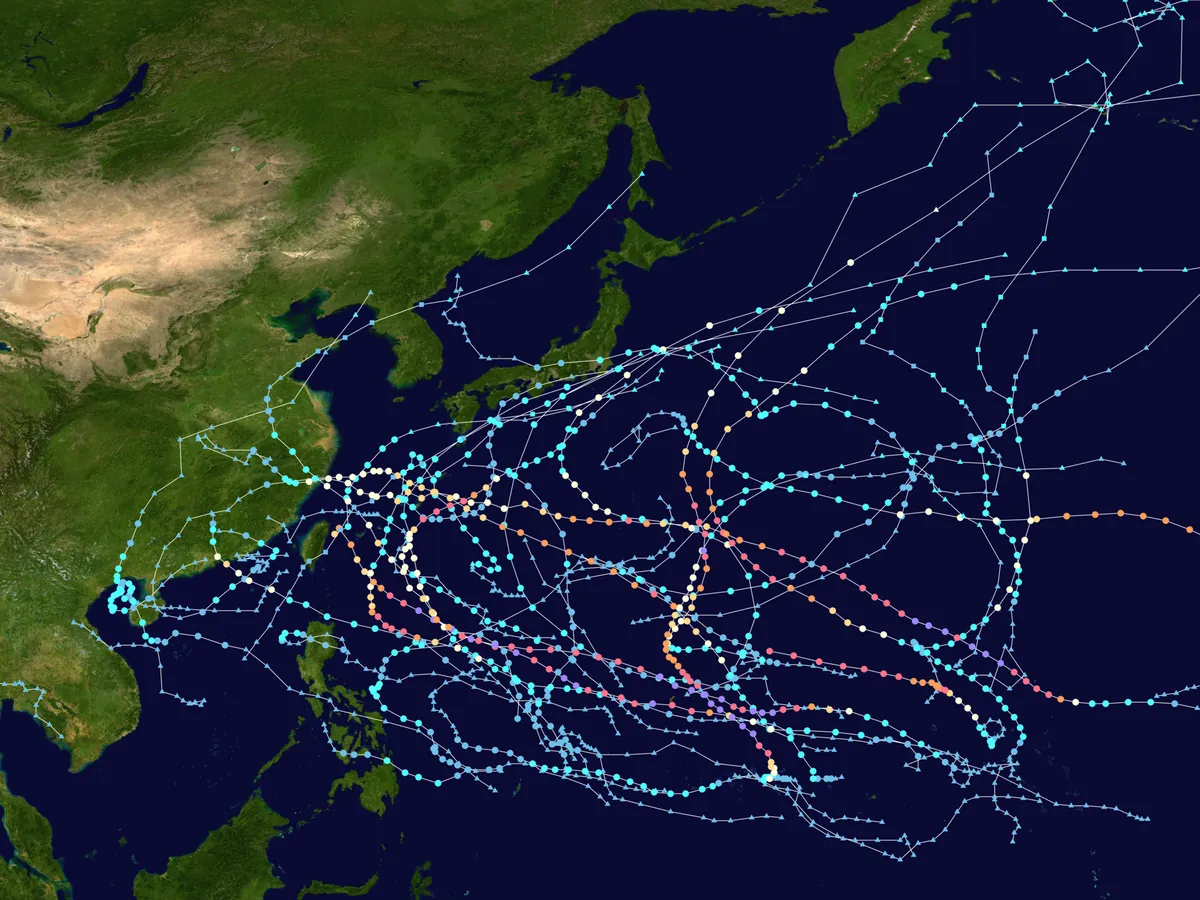

- The rainy season runs roughly early June to late July on Honshu; Okinawa’s ends in late June.
- Hokkaido is not on JMA’s rainy-season list and gets far less June rain.
- On average, Tokyo’s wettest months are October and September, not June.
- Typhoons come near Japan most in August and September: 3.3 a month on average.
- JR Central refunds a cancelled ride in full; Smart EX may refund free in a typhoon.
- Keep one flexible day and never put a long move on the day before your flight.
Five weeks of rainy season in Kyoto and Osaka (4 June to 8 July in 2026), then about 3.3 typhoons a month passing near Japan in August and September. Those two numbers are the wet half of the Japanese year.
The short answer: June is grey but easy to work around, and the real disruption risk is late August to October. Keep a June trip as it is and add indoor backups. For a typhoon-season trip, keep one flexible day and never put a long train ride on the day before your flight.
Below are 14 common mistakes. Each one is checked against Japan Meteorological Agency (JMA) climate data or the rail operators’ own refund pages, and the last sections cover English warnings and a plan that can lose a day.
- Tokyo rainy season
- About 7 Jun to 19 Jul (normal)
- Kyoto/Osaka season
- About 6 Jun to 19 Jul (normal)
- Peak typhoon months
- Aug and Sep, 3.3 approaches each
- Tokyo wettest month
- October, 234.8 mm (normal)
- Flexible days
- At least one per trip
- Checked
- October 2026
Weather data and refund rules checked in October 2026; confirm on the official site before you travel.
Rainy Season Dates by Region: 2026 vs the 30-Year Normal
Japan’s rainy season, called tsuyu, does not start and end on the same day everywhere. It moves from south to north over about two months. Before the dates, a quick self-check.
- Your trip falls somewhere between June and October
- You have a fixed Shinkansen day between two cities
- You plan beach days in Okinawa
- Your flight home leaves the day after a long train ride
- Your rooms are non-refundable
- You want to take a ferry to an island
- You don’t read Japanese weather sites
If two or more are true, the sections below will save you the most trouble. Here is the original data. The normal column is JMA’s 1991–2020 average; the 2026 column is from the JMA rainy season page, and those dates are still preliminary.
← Swipe to see the full table →
| Region | Normal start → end | 2026 start → end |
|---|---|---|
| Okinawa | 10 May → 21 Jun | 4 May → 29 Jun |
| Southern Kyushu | 30 May → 15 Jul | 1 Jun → 13 Jul |
| Kinki (Kyoto, Osaka) | 6 Jun → 19 Jul | 4 Jun → 8 Jul |
| Kanto-Koshin (Tokyo) | 7 Jun → 19 Jul | 7 Jun → 20 Jul |
| Hokuriku (Kanazawa) | 11 Jun → 23 Jul | 20 Jun → 4 Aug |
| Northern Tohoku | 15 Jun → 28 Jul | 21 Jun → 4 Aug |
| Hokkaido | Not listed | Not listed |
Plan your trip: the tools we use
1. Assuming June means rain everywhere in Japan
It doesn’t. Okinawa’s rainy season normally ends around 21 June, so late June there is often past it. In 2026 it ended about a week later, around 29 June.
At the other end, Hokkaido is not on JMA’s list of rainy-season regions at all. Japan’s tourism board says Hokkaido gets significantly less rain than the rest of the country in June. JMA’s normals back that up: Sapporo averages 60.4 mm in June, against 167.8 mm in Tokyo.
Got a June trip and hate rain? Add Hokkaido.
2. Treating the start date as an on/off switch
A rainy season start date looks precise, but JMA writes every date as “about”. It also notes that the change in and out of the season takes around five days on average.
The dates are first issued as preliminary values and finalised later from how the weather actually went. In 2026 the gap from the normal was large in places. Kinki’s season ended about 11 days early, while Hokuriku’s ran about 12 days late, into August.
So the “mid-July end” rule of thumb can be off by nearly two weeks either way. Plan on the normal, and treat the edges as soft.
Why September and October Out-Rain June in Tokyo
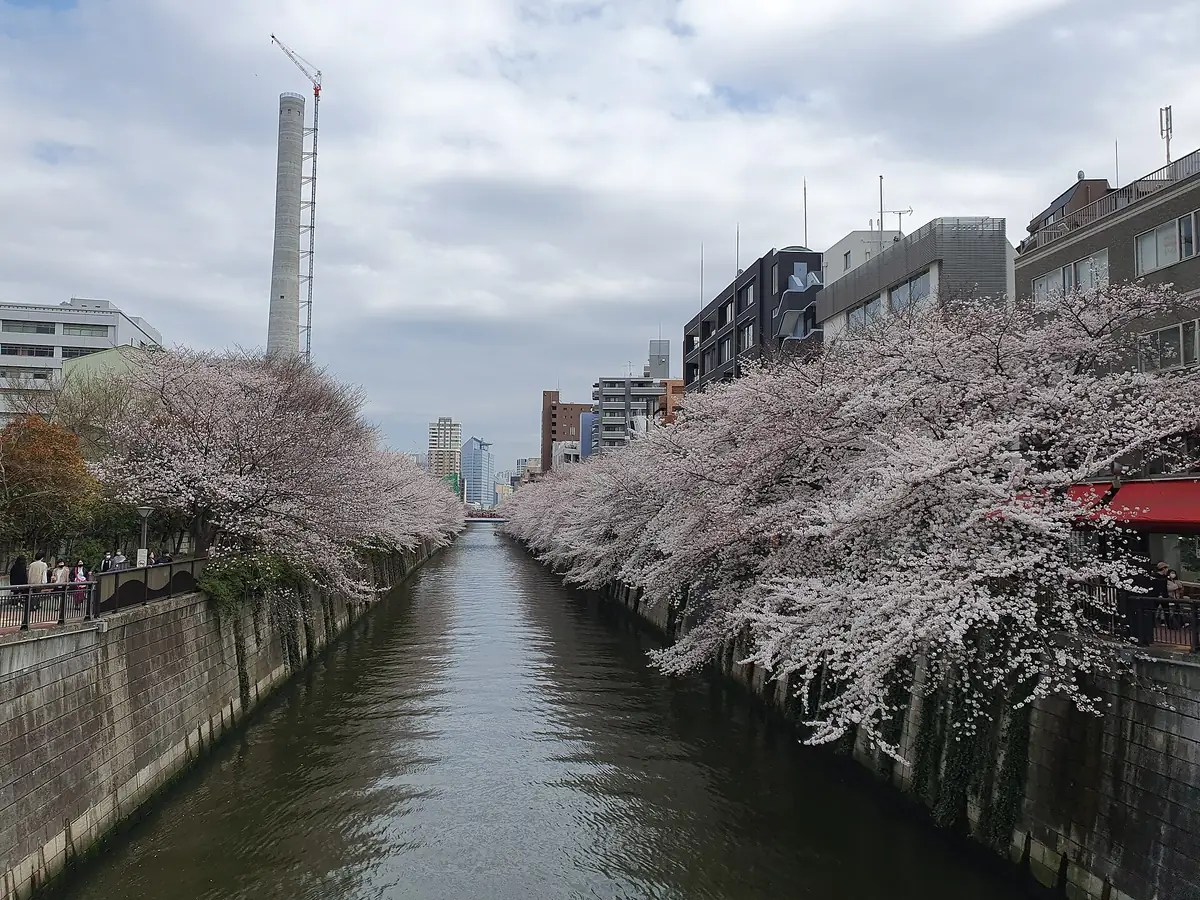
Many visitors move a trip from June to September to avoid rain. In Tokyo that can backfire. JMA’s 1991–2020 normals show more rain in autumn than in the rainy season itself:
← Swipe to see the full table →
| Month | Tokyo rain (mm) | Osaka rain (mm) |
|---|---|---|
| June | 167.8 | 185.1 |
| July | 156.2 | 174.4 |
| August | 154.7 | 113.0 |
| September | 224.9 | 152.8 |
| October | 234.8 | 136.0 |
Sources: JMA normals for Tokyo and Osaka. These are monthly averages, not a forecast for your dates.
3. Planning only around the rainy season
Tokyo’s two wettest months are September and October, the tail of typhoon season. September is also, with August, the peak month for typhoons coming near Japan (3.3 each); October still averages 1.7.
Osaka is different. There, June is the wettest of these five months, and August is the driest. If your trip is Kyoto and Osaka only, June really is the wetter choice.
Heat matters as well. Osaka’s mean temperature is 23.6 °C in June but 29.0 °C in August, so a dry August day is not always a comfortable one. If you are still choosing the season itself, read the best time to visit Japan first.
4. Moving an Okinawa beach trip from June to September to dodge rain
In Naha, the swap barely changes the numbers. JMA’s normals show 284.4 mm in June and 275.2 mm in September, which is almost the same.
September also brings an average of 2.0 typhoons near Okinawa and Amami, against 0.6 in June. Of June to September, July has the least rain, at 188.1 mm, though typhoon approaches rise to 1.5 that month.
No month is risk-free here. Pick by heat, school holidays and price instead.
Typhoon Odds by Month: What 11.7 a Year Means for a 10-Day Trip
JMA counts a typhoon as “approaching” Japan when its centre comes within 300 km of any of its weather stations. A “landfall” means the centre reaches the coast of Hokkaido, Honshu, Shikoku or Kyushu. These are the 1991–2020 averages from JMA’s typhoon statistics:
← Swipe to see the full table →
| Month | Approaching Japan | Landfalls (4 main islands) |
|---|---|---|
| June | 0.8 | 0.2 |
| July | 2.1 | 0.6 |
| August | 3.3 | 0.9 |
| September | 3.3 | 1.0 |
| October | 1.7 | 0.3 |
Our pick: if you can shift a late-summer trip, October averages about half the approaches of August or September, though Tokyo’s rain peaks then.
5. Reading “typhoon season” as dangerous all summer
On average 25.1 typhoons form each year. About 11.7 come near Japan, and about 3.0 make landfall on the four main islands. The rest stay at sea or pass by.
Here is the rough maths for a 10-day trip. Ten days is about a third of a month. In September, with 3.3 approaches a month, that works out to about one approach somewhere in Japan in an average 10-day window.
For landfalls on the main islands, the September average is 1.0 a month, so a 10-day trip averages about a third of one. These are averages, not odds for a given year, but they point to the same plan: one flexible day, not a cancelled trip.
JNTO’s September guide says the same in plain words. Typhoons are most frequent from late August through much of September, so leave some flexibility.
6. Forgetting that Okinawa and Amami take more of them
JMA splits the approach count by area. Okinawa and Amami average 7.9 approaches a year; the main islands average 5.8. In August, the figures are 2.3 and 1.6.
One more catch: typhoons that hit Okinawa are not counted as landfalls, because the definition only covers the four main islands. A low landfall number does not mean a quiet season for the islands.
Recent years sit close to the average. JMA counted 13 approaches and 3 landfalls in 2025, and 12 approaches in 2026 as of 28 October (provisional).
If a typhoon is heading for your area, follow official warnings and local instructions over any travel plan, including this one.
Shinkansen on Typhoon Days: Suspensions, Delays and Refunds
A typhoon can delay or stop the Shinkansen on the day you planned to move. The good news is that the money side is clear, at least for JR Central’s lines.
7. Turning up at the station to find out
The worst place to learn about a suspension is a packed ticket hall on the morning of travel. Check the rail operator’s service notices the evening before and again before you leave your hotel. JR Central has an English service status page for the Shinkansen.
If your line stops, a route app helps you find another way round. Our guide to Google Maps vs Navitime for trains covers which one handles reroutes better.
Check the night before, not at the gate.
8. Leaving a refund unclaimed
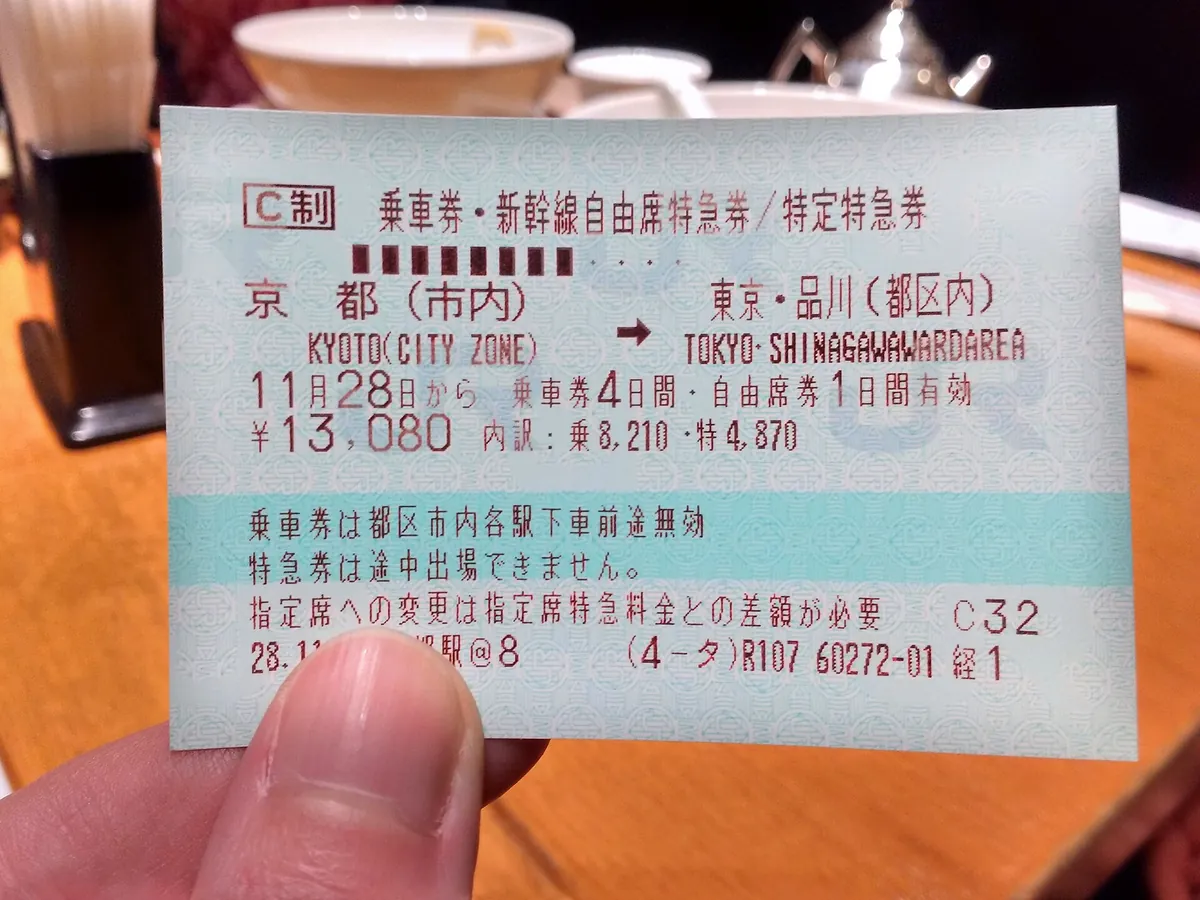
JR Central’s page on suspensions and delays says the full fare and charges are refunded when a ride is cancelled. If a limited express or express train is more than two hours late, the limited express charge is refunded too.
Booked on Smart EX? Its cancellation page says that if you cancel when a typhoon is approaching or threatening landfall, you may be able to get a refund at no charge on your own. Look for the emergency notice at the top of the screen.
If you have already picked up paper tickets, Smart EX says they can be refunded at the station within one year of the boarding date. You do not have to sort it out on the day.
Want to cancel early, before any suspension is announced? Then the normal rules apply. JR Central’s changes and refunds page lists a small fee (¥340 as of 2026) until two days before, and 30% from the day before. One free change before departure is often the better move.
9. Counting on a JR Pass extension
Whether a Japan Rail Pass pays off depends on your route, so add up the individual fares first. What we could not confirm on an official page is what happens to pass days lost to a suspension.
Do not count on a pass extension. Read the terms on the official Japan Rail Pass site before you travel, and plan as if a lost day stays lost.
What most first-timers do
- Go to the station to see if trains run
- Wait in the ticket queue to cancel
- Pay a cancellation fee in a panic
- Assume the JR Pass will be extended
What actually works
- Check service notices the night before
- Use Smart EX’s free typhoon refund online
- Use the free change before departure
- Read the official pass terms first
Planning your visit?
Flights and Hotels When a Typhoon Is Forecast

Trains are only half the problem. A domestic flight or a hotel night can cost you more than a lost ticket.
10. Calling the airline before reading its weather notice
Domestic airlines and island ferries set their own rules for weather changes. We could not confirm the current ones on official pages, so we won’t quote them here.
What you can do is simple. When a typhoon is forecast for your route, check your airline’s or ferry operator’s own site for a weather notice first, then phone only if you still need to.
Island trips need the most slack. If a ferry or short flight is the only way back, put it early in the trip, not near the end.
11. A non-refundable room on the night you change cities
A cheap non-refundable rate looks smart when you book. It looks less smart when your Shinkansen is cancelled and you are stuck in the city you meant to leave.
On Booking.com or Agoda, pick a rate whose own terms show free cancellation for the nights around each move day, and note the deadline. Policies differ by room and property, so read that room’s terms rather than the site’s general pages.
Insurance is the other half of this. Our guide to travel insurance for a first Japan trip covers what to look for on weather delays.
Partner link.
English Warnings and Japan’s New 4-Level System From May 2026
In May 2026 JMA started a new set of disaster weather warnings. They cover river flooding, heavy rain, landslides and storm surge, and they run from Level 2 to Level 5:
- Level 2: advisory
- Level 3: warning
- Level 4: danger warning (new in 2026)
- Level 5: special warning
JMA’s maps show each level in its own colour. The higher the number, the more serious the situation, and Level 4 is the new step between a warning and a special warning.
12. Relying on social media for warnings
Social posts are fast, but they are often old, wrong or about a different town. Use official sources that work in English:
- Safety tips app by the Japan Tourism Agency: 15 languages
- The app pushes earthquake, tsunami and other weather warnings
- JMA’s English site: follow the Heavy Rain/Typhoon link
- JNTO Safe Travel: points to JMA for Level 4 and lower
- Japan Visitor Hotline: 050-3816-2787, 24 hours, 365 days
The hotline answers in English, Chinese and Korean, and covers natural disasters. From a foreign phone, dial +81-50-3816-2787.
Push alerts need data. An eSIM such as Airalo or Ubigi keeps the Safety tips app working once you leave hotel Wi-Fi.
Install the Safety tips app and set the language before you fly, not during the storm.
A June or September Itinerary That Can Lose a Day
You don’t need to cancel a trip to plan for weather. You need an order of days that can absorb one bad one. These rules do most of the work:
- Put long city-to-city moves in the middle of the trip
- Keep one day with nothing booked
- Book refundable rooms around each move day
- Do island ferries and short flights early
- Put outdoor highlights on the first possible day
Fixed tours are the hardest part. If you book a day tour on Klook or GetYourGuide for August or September, check its own weather and cancellation terms before you pay.
13. Taking the Shinkansen to your airport city on departure day
This is the most expensive mistake on this list. If your flight leaves from Tokyo and you ride in from Kyoto that morning, one suspension can cost you the flight itself.
Sleep in your departure city the night before you fly. In typhoon season, two nights is safer still.
The train refund is easy. A missed international flight is not. For booking the train leg, see Shinkansen tickets online vs in person.
Rainy-Day Fallbacks in Tokyo, Kyoto and Osaka
Most rainy-season days are not storms. They are grey, damp and warm, and you can still have a good day if you plan for it.
14. Writing off a wet day
In the big cities, much of the day can be spent under a roof. A few ideas that work in Tokyo, Kyoto and Osaka:
- Museums and galleries, best on weekday mornings
- Department store food halls (depachika) for lunch
- Underground shopping streets around major stations
- A cooking class or other indoor activity
- Covered shopping arcades between sights
June also has its own upside. Japan’s tourism board names Meigetsu-in in Kamakura for hydrangeas, which peak in mid-June. A soft drizzle suits them.
Opening hours and prices change, so check the official site of anywhere you plan to go. For rain gear and the heat that follows, see our summer packing list.
 ReaderYuki
Rain alone is rarely the problem.
The One Habit: Check the Forecast 5 Days Out and the Night Before
Nearly every mistake above comes from finding out too late. The fix is a short routine before each day you change cities.
Step 1: Five days out, look at JMA’s typhoon information
Use JMA’s English site. If a typhoon may reach your route, move to the backup plan early.
Step 2: Swap your flexible day with the move day
Use JR Central’s free change before departure, and shift refundable rooms to match.
Step 3: The evening before, check service notices
Read the operator’s notices and the Safety tips app for warnings at your stops.
Step 4: If trains stop, claim the refund later
Smart EX may refund for free online; paper tickets can go back at the station.
Why five days? Because you need time to move a hotel night, and a free change is only free before departure.
The averages explain the rest. With about 3.3 approaches a month in August and September, an average 10-day window holds about one approach somewhere in Japan. A plan that can slide one day handles both.
FAQ
QDoes it rain every day in June?
No. The rainy season is a stretch of frequent grey and wet weather, not rain all day every day. There is no official count of rainy days to quote, so plan indoor backups rather than a cancelled trip.
QIs Hokkaido rainy in June?
Much less than the rest of Japan. Hokkaido is not on JMA’s list of rainy-season regions, and Sapporo averages 60.4 mm in June. August (126.8 mm) and September (142.2 mm) are wetter there.
QWill my JR Pass be extended if a typhoon stops the trains?
We could not confirm the rule on an official page. Read the terms on the official Japan Rail Pass site, and don’t count on an extension.
QShould I buy travel insurance for a typhoon-season trip?
Think about it if you have non-refundable flights, tours or rooms. Our travel insurance guide explains what to check for weather delays.
Planning around weather you can’t control can make every date feel like a gamble.
Instead of re-reading forecasts for weeks, lock in a flexible day and a safe last night, and let the five-day forecast decide the rest.
Keep planning
- ① Install and test your eSIM before take-offAiralo and Ubigi eSIMs activate on arrival, but the install itself needs Wi-Fi. Do it at home and confirm the profile shows up in your phone settings.
- ② Save your first hotel’s address in JapaneseTaxi drivers and station staff read Japanese addresses far faster than romanised ones. Copy it from the booking confirmation into your notes app.
- ③ Set aside cash for day oneMany small restaurants, temples and rural buses are still cash-only. Airport ATMs at 7-Eleven and the post office accept most foreign cards.
Skip these and your first hour in Japan goes on finding Wi-Fi at the station instead of getting to your hotel.
🔍 How to sanity-check any price you read online
Blogs (including this one) go out of date. The official page always wins over a screenshot from two years ago.
Cover Photo: Meow, Public domain, via Wikimedia Commons