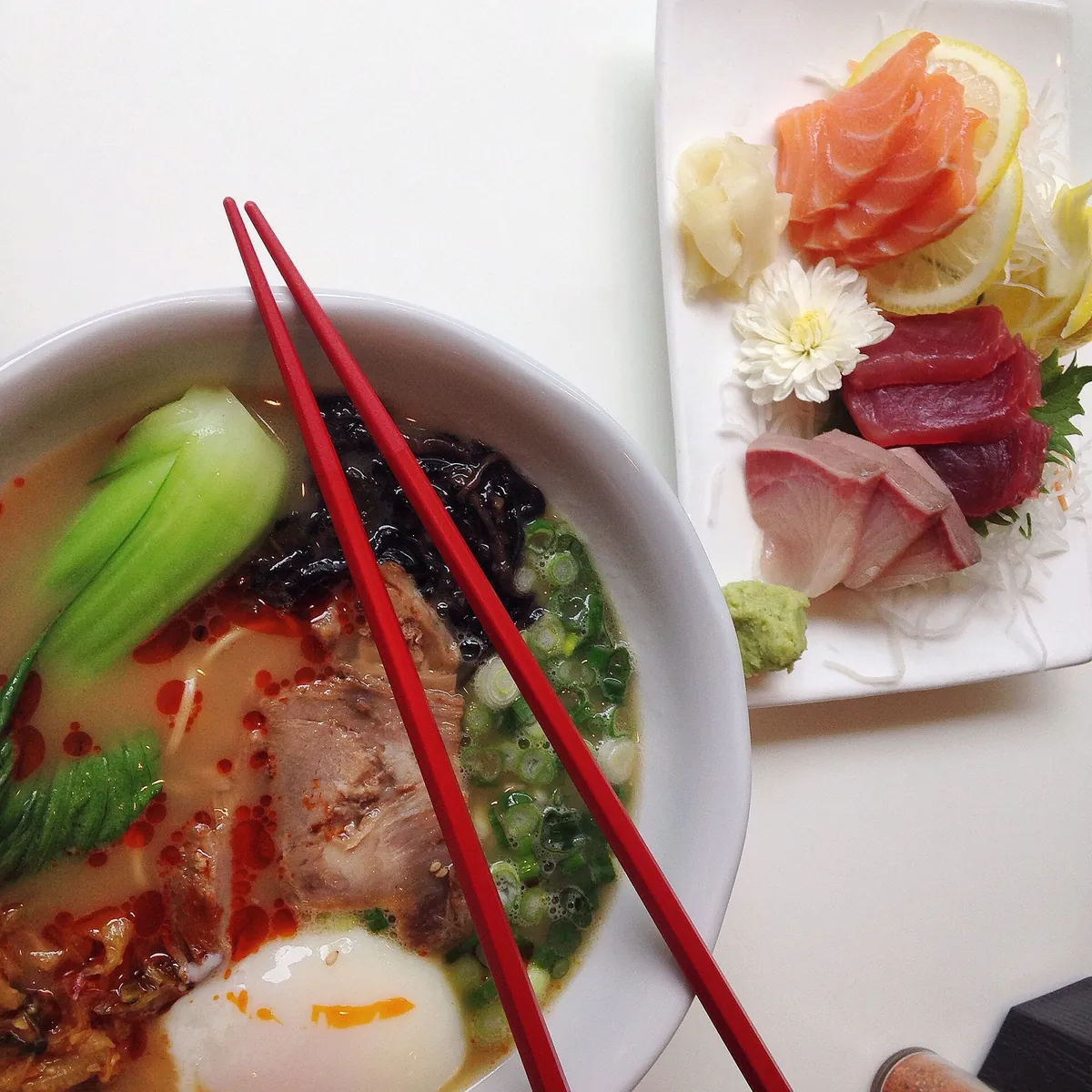
- Rokurinsha, Tokyo Station: morning-only tsukemen from 7:30 a.m.
- Fuunji, Shinjuku: a tsukemen counter where the bowl is ¥1,000
- Kikanbo, Kanda: spicy miso, with FastPass slots at its Lab next door
- Soranoiro NIPPON, Tokyo Station: vegan tantanmen, open every day
- AFURI Ebisu: yuzu shio until 5 a.m., bookable, no cash taken
- Bowls covered
- 10 shops, 9 styles (2 are tsukemen)
- Main base
- Marunouchi Line (7 of 10 shops)
- Earliest bowl
- 7:30, Rokurinsha (plus 24-hour shops)
- Latest bowl
- 24 hours: Nagi, Ichiran Shinjuku
- Bookable
- Hachigou, AFURI Ebisu, Kikanbo Lab
- Checked
- 28 October 2026
Leave aside the two 24-hour counters, and 7:30 a.m. is when the ramen day starts in Tokyo Prefecture, central Tokyo: that is the minute Rokurinsha, under Tokyo Station, begins its morning-only tsukemen. The clock runs out at 5 a.m., when AFURI Ebisu stops serving.
That clock matters more than any ranking. The best ramen in Tokyo is one bowl per style, eaten at the right hour: Fuunji for tsukemen, Kikanbo for spicy miso, AFURI for light yuzu shio, Mutekiya for a late, heavy tonkotsu-shoyu, and Soranoiro NIPPON if you eat vegan.
The mistake most visitors make is planning from old “top ramen” lists. Hours, prices and payment rules change, so we checked every shop below on its own page on 28 October 2026: hours, how you pay, and whether you can book.
Ten shops, nine styles, most of them on one subway line.
If your ramen night is in Fukuoka rather than Tokyo, close this page and read our Fukuoka ramen and yatai guide instead.
Prices are ranges or figures checked in October 2026; confirm on the official site before you go.
Reaching Tokyo’s 4 ramen districts
The ten shops here sit in four clusters: Tokyo Station and Ginza, Shinjuku, Ikebukuro and Akasaka, plus two outliers in Kanda and Ebisu. Each one is near a train or subway station, so you will not need a taxi.
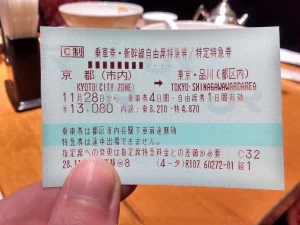
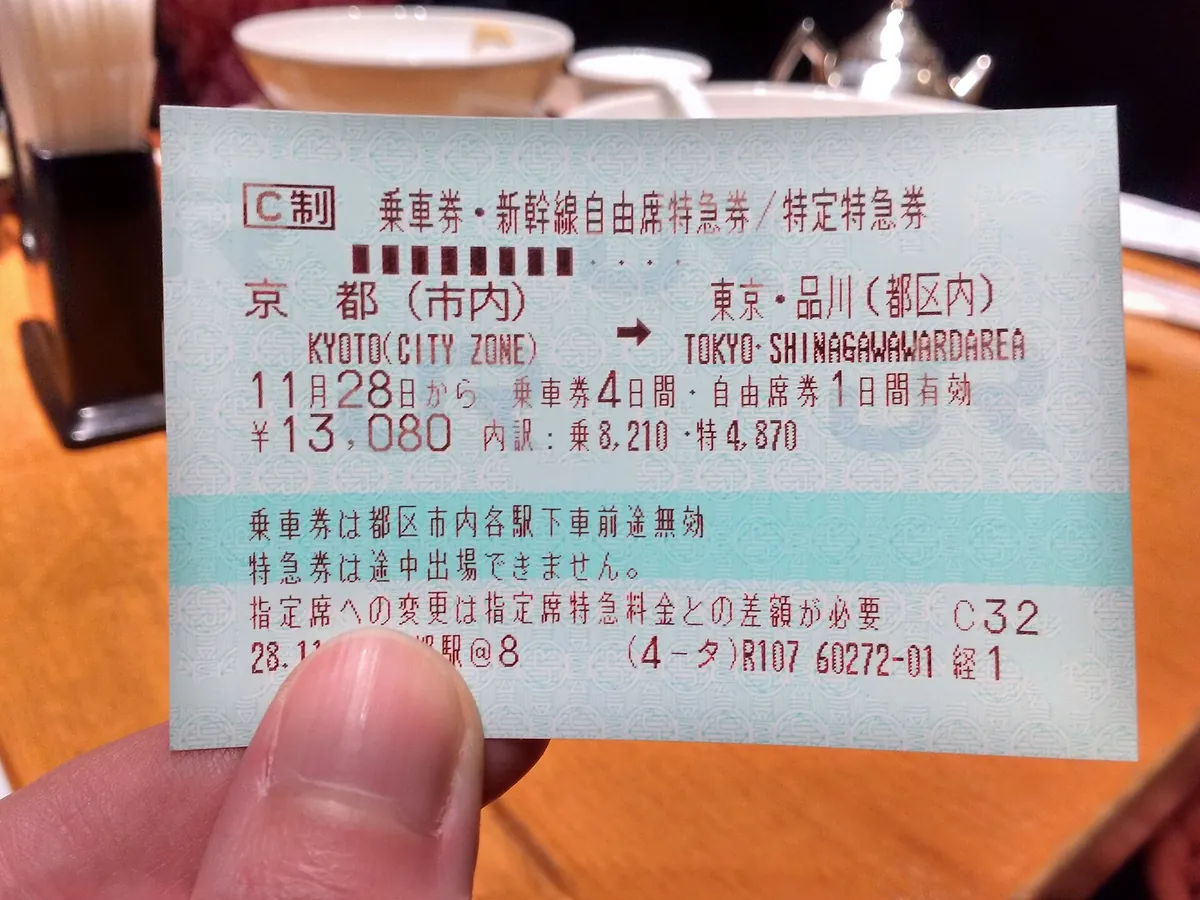
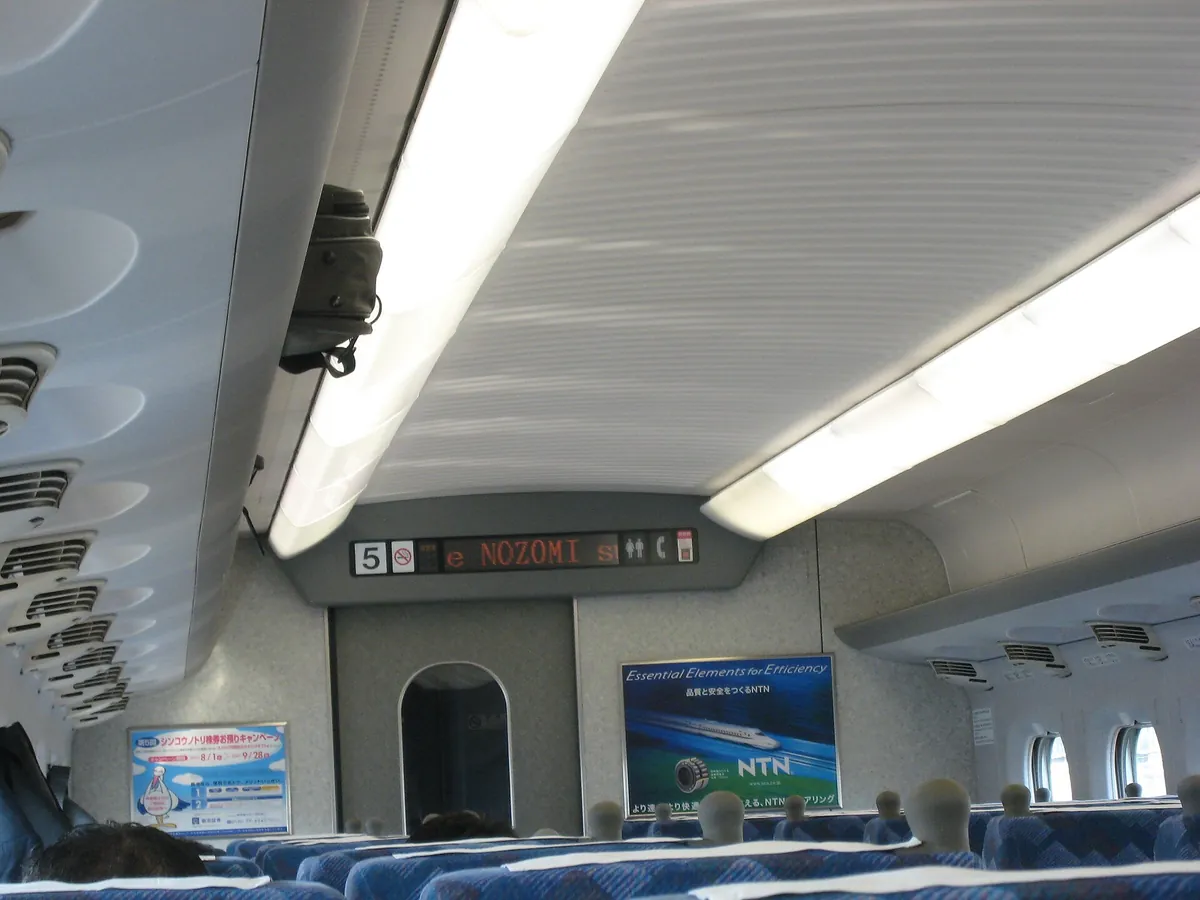
Coming from Kyoto? JR Central says the Tokaido Shinkansen reaches Tokyo in about 130 minutes. Tokyo Ramen Street is inside the same station, outside the ticket gates and right by the Yaesu Underground Central Gate.
Flying in? Narita and Haneda give very different first hours in the city, so compare them in our Narita vs Haneda guide. For the Kyoto leg, our Tokyo to Kyoto shinkansen vs flight comparison runs the numbers.
← Swipe to see the full table →
| How | Time | Rough cost |
|---|---|---|
| Tokaido Shinkansen, Kyoto to Tokyo Station | About 130 min (JR Central) | Check JR Central’s fare page |
| Flight into Narita or Haneda | Depends on the airport; see our airport guide | Varies by airport and route |
| Tokyo Metro between ramen districts | No change of train on the Marunouchi Line | ¥178–¥324 per IC ride (as of October 2026) |
Plan your trip: the tools we use
Our pick: arrive at Tokyo Station by shinkansen and eat at Ramen Street before you leave the building.
Once you are in the city, one line does most of the work. The Marunouchi Line links Ikebukuro, Tokyo, Ginza, Akasaka-mitsuke, Shinjuku-sanchome and Shinjuku, and seven of our ten picks sit near those stations.
Tokyo Metro lists adult IC fares of ¥178 to ¥324 a ride, and paper tickets of ¥180 to ¥330, as of October 2026. Check the fare page for your exact trip.
- Ikebukuro (M25): Mutekiya
- Marunouchi Line · same train, no change
- Tokyo (M17): Rokurinsha, Soranoiro NIPPON
- Marunouchi Line · next stop
- Ginza (M16): for Ginza Hachigou, check the map for the walk
- Marunouchi Line · same train, no change
- Akasaka-mitsuke (M13): Tokyo Aburagumi
- Marunouchi Line · same train, no change
- Shinjuku-sanchome (M09) and Shinjuku (M08): Nagi, Ichiran, Fuunji
Kikanbo in Kanda and AFURI in Ebisu are the two that need another line.
Tokyo ramen rules: tickets, payment, queues
Ramen shops run on a few house rules, and none of them are hard. JNTO’s ramen guide says that in most shops you pay in advance at a ticket vending machine, hand the ticket over, and wait for your bowl. GO TOKYO describes the same kind of machine, one that accepts cash.
Slurping is fine. Both guides say so, and both add the other half of the rule: ramen shops are not places to linger. Eat, put your bowl up on the counter if there is a ledge, and give up the stool to the next person in line.
Payment is where readers get caught, in both directions.
- Mutekiya: cash only, per its own site.
- Rokurinsha and Soranoiro NIPPON: cash and transit IC cards only.
- Ichiran Shinjuku: cash, cards, transit IC, PayPay, Alipay and WeChat Pay.
- AFURI Ebisu: fully cashless, cards and QR payments only, no cash.
- Kikanbo Lab, next to the Kanda shop: cashless only, no cash.
- Fuunji, Nagi, Kikanbo main shop, Aburagumi, Hachigou (in shop): not stated online.
So no single wallet covers all ten. Carry yen, a card and a charged Suica: the yen for Mutekiya, the card for AFURI Ebisu, and the IC card for the two Tokyo Station shops.
Queues are the other rule, and three of the ten give you a way round them. Ginza Hachigou and AFURI Ebisu both take bookings on TableCheck, each with a ¥500 per-person fee as of October 2026. Kikanbo sells FastPass arrival times on TableCheck for its Lab next door.
Fuunji and Mutekiya say plainly that they take no reservations. The other five do not say either way. Fuunji and AFURI Ebisu also close when the soup runs out, so a late arrival can mean a shut door inside the posted hours.
Here is the ramen clock: official hours for all ten, then payment and booking side by side.
| Shop (style) | Hours (official) |
|---|---|
| Rokurinsha (tsukemen) | 7:30–9:45 morning menu; 10:00–23:00 |
| Soranoiro NIPPON (vegan, gluten-free) | 9:00–23:00, open every day |
| Ginza Hachigou (shoyu) | Walk-ins from 11:00; booked guests 12:00–16:00; closed Mon, irregular Tue |
| Fuunji (tsukemen) | 11:00–15:00, 17:00–21:00, all year, until the soup runs out |
| Nagi Golden Gai (niboshi) | 24 hours |
| Ichiran Shinjuku (tonkotsu) | 24 hours; late-night charge 22:00–6:00 |
| Mutekiya (tonkotsu-shoyu) | 10:30–4:00; closed 31 Dec–3 Jan |
| Tokyo Aburagumi Akasaka (abura soba) | Mon–Sat 11:00–5:00; Sun 11:00–22:00 |
| Kikanbo Kanda (spicy miso) | Mon–Sat and holidays 11:00–21:30; Sun 11:00–16:00 |
| AFURI Ebisu (yuzu shio) | 11:00–5:00, seven days, until the soup runs out |
← Swipe to see the full table →
| Shop | Payment (official) | Booking (official) |
|---|---|---|
| Rokurinsha | Cash and transit IC only | Not stated |
| Soranoiro NIPPON | Cash and transit IC only | Not stated |
| Ginza Hachigou | In shop: not stated (card needed to book) | Yes, TableCheck, ¥500 per person |
| Fuunji | Not stated | No reservations |
| Nagi Golden Gai | Not stated | Not stated |
| Ichiran Shinjuku | Cash, cards, IC, PayPay, Alipay, WeChat Pay | Not stated |
| Mutekiya | Cash only | No reservations |
| Tokyo Aburagumi Akasaka | Not stated | Not stated |
| Kikanbo Kanda | Main shop: not stated; Lab next door: cashless only | Lab: FastPass on TableCheck (fee not shown); main shop: queue (TableCheck lists only the Lab) |
| AFURI Ebisu | Cashless only (cards, QR) | Yes, TableCheck, ¥500 per person |
Between 5 and 10 a.m., only the two 24-hour shops, Rokurinsha (from 7:30) and Soranoiro NIPPON (from 9:00) are serving. After 1 a.m., your choices are Nagi, Ichiran, Mutekiya, AFURI Ebisu and, Monday to Saturday, Aburagumi.
New to the city in general? Our Tokyo for first-timers guide covers the basics beyond the bowl.
- Yen in small notes and coins
- A credit card, for cashless shops like AFURI Ebisu
- A transit IC card with some credit on it
- Today’s hours checked on the shop’s own page
- Not arriving in Fuunji’s 15:00–17:00 break
- A TableCheck booking, if you want a set time
- A second shop on the same line as plan B
Tokyo Station and Ginza: 3 bowls
Start here if you have a train to catch. Two of these shops are on Tokyo Ramen Street, inside Tokyo Station but outside the gates, and the third is a walk away in Ginza. The street’s own list has ten shops, so you can switch if one line looks too long.
Rokurinsha: tsukemen from 7:30 a.m.
Rokurinsha’s page on Tokyo Station Ichibangai lists two sittings: a morning menu from 7:30 to 9:45, then the full day from 10:00 to 23:00. The draw is tsukemen, thick noodles you dip into a separate bowl of soup.
The detail most lists miss is that morning bowl. Rokurinsha’s own menu says the special morning tsukemen is sold only at this Tokyo Station shop. If you have an early shinkansen, this is your breakfast.
The menu also offers soup-wari, a splash of broth to thin the dipping soup so you can drink it at the end, and noodles served warm (atsumori) if you ask. Bowl prices are not listed online, so check the menu in the shop.
- Hours: morning menu 7:30–9:45 (last order 9:30), then 10:00–23:00 (last order 22:30); check the official site
- Access: Tokyo Station, by the Yaesu Underground Central Gate, Tokyo Ramen Street, outside the gates
- Notable: 26 seats; cash and transit IC only; booking not stated; prices not listed online
Soranoiro NIPPON: vegan and gluten-free
On the same street, Soranoiro NIPPON is the answer for anyone who usually skips ramen. Its menu lists a Vegan Tantanmen made with no animal ingredients, and a Gluten-free Shio Ramen with all the wheat taken out of the ingredients.
The shop warns that cross-contamination is possible, so the gluten-free bowl is not safe for coeliacs who need a strict gluten-free kitchen.
There are vegan dumplings too, made with rice flour, and the shop says it can make them gluten-free on request. Ask when you order.
The shop’s own page says it is open every day, with no closing day. Tokyo Station Ichibangai’s page notes it was picked for the Bib Gourmand in the Michelin Guide Tokyo 2015. That award dates from 2015; check the current MICHELIN Guide for this year.
- Hours: 9:00–23:00 (last order 22:30), open every day; check the official site
- Access: Tokyo Station, by the Yaesu Underground Central Gate, Tokyo Ramen Street
- Notable: 26 seats; cash and transit IC only; booking not stated; Bib Gourmand 2015; GF shio: cross-contamination possible
Ginza Hachigou: shoyu, booked online
A 2019 Enjoy Tokyo column by ramen writer Tsuyoshi Yamamoto described Ginza Hachigou’s shoyu bowl as a clear soup made without tare, the seasoning sauce most ramen starts from.
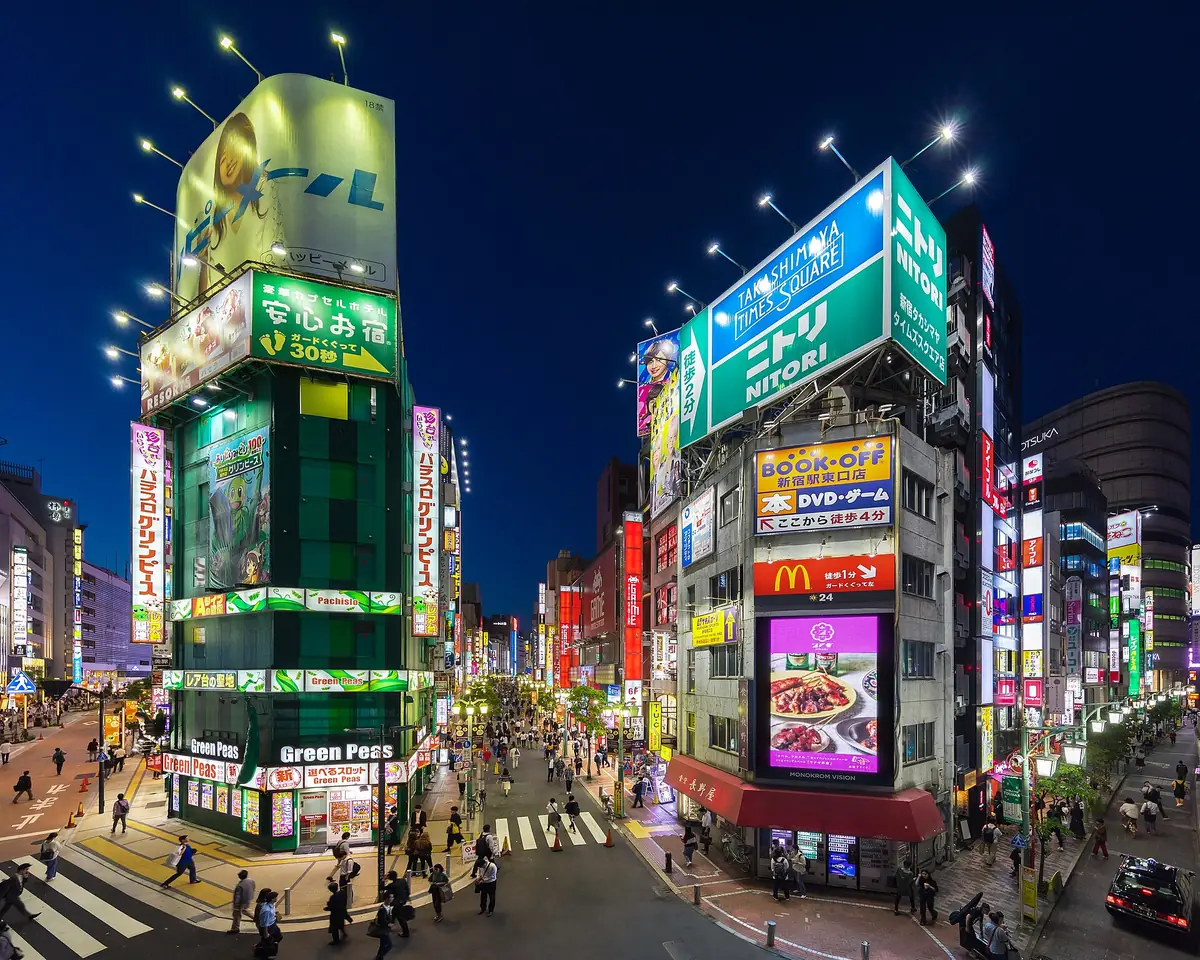
You can book it, and the rules are strict. Reservations go through Hachigou’s TableCheck page, with a ¥500 per-person booking fee that is not refunded, and you need a credit card to book.
Booking opens at 9:00 every Saturday for the following Tuesday to Sunday. Booked guests eat between 12:00 and 16:00; walk-ins are served from 11:00 in order of arrival.
Read the small print before you pay. Each guest gets 30 minutes, ten minutes late counts as a cancellation, children under elementary-school age are not allowed, and a cancel within three hours or a no-show costs ¥2,500 a person.
Families with small kids: skip this one.
- Hours: walk-ins from 11:00; booked seats 12:00–16:00; closed Mondays, irregular Tuesdays; check the booking page
- Access: No. 1 Hanabusa Bldg 1F, 3-14-2 Ginza; check the map for the walk from the station
- Notable: TableCheck booking, ¥500 fee; in-shop payment not stated; 30-minute limit
Shinjuku: 3 bowls near the station
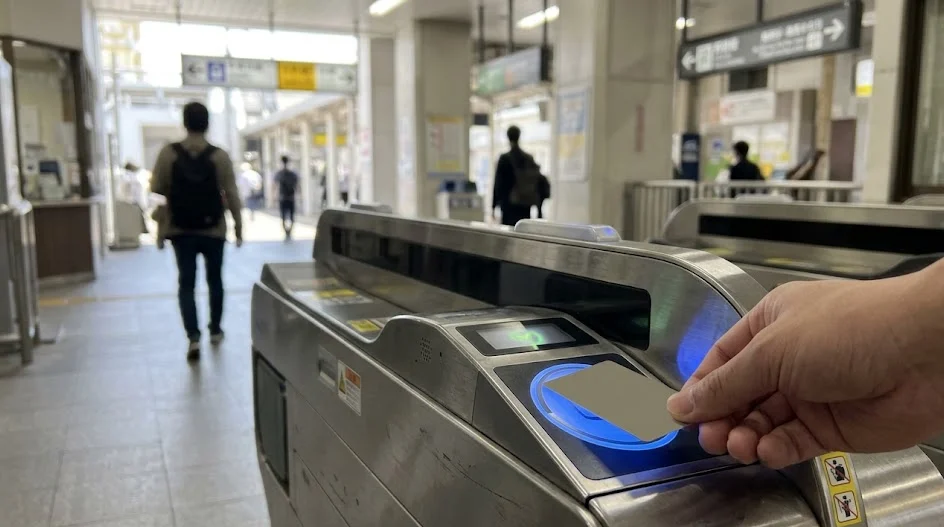
Shinjuku gives you three very different bowls within a few minutes of the station: a tsukemen counter with an afternoon break, a 24-hour sardine-broth bar up a floor in Golden Gai, and a pork-bone chain with solo booths.
Fuunji: Shinjuku’s tsukemen counter
Fuunji’s own site lists tsukemen at ¥1,000, the toku-sei tsukemen at ¥1,300, ramen at ¥950 and toku-sei ramen at ¥1,250, as of October 2026. Those are the clearest prices on this list.
The catch is the clock. The main shop runs 11:00–15:00 and 17:00–21:00 all year, closes for the day when the soup runs out, and takes no reservations. With 15 counter seats, a queue is normal.
One-off changes do happen: on 19 February 2026, the shop closed from 14:00 to 17:30. Check the news page on the site before you go.
Aim for 11:00 or 17:00 sharp.
- Hours: 11:00–15:00 and 17:00–21:00, open all year, ends when the soup runs out; check the official site
- Access: JR Shinjuku Station, South Exit, about 5 min on foot along Koshu-kaido
- Notable: 15 counter seats, non-smoking; tsukemen ¥1,000; payment not stated; no reservations
Nagi Golden Gai: 24-hour niboshi
Niboshi are small dried sardines, and Nagi’s Golden Gai main shop builds its Sugoi Niboshi Ramen from more than 20 kinds of them, according to its menu. Expect dried fish to lead the flavour. There is a tsukemen version too.
The shop is on the second floor of a Golden Gai building and has ten seats around an L-shaped counter. It never closes, which makes it the easy bowl after a night in the bars around it.
Not a fan of fish? Go to Fuunji instead.
- Hours: 24 hours; check the official site
- Access: Shinjuku-sanchome Station, about 3 min on foot; JR Shinjuku Station East Exit, about 8 min
- Notable: second floor; 10 counter seats; payment and booking not stated
Ichiran Shinjuku: solo-booth tonkotsu
Is Ichiran a tourist trap? Not really, but it is not a Tokyo style either. The bowl is Hakata-style pork-bone tonkotsu, and Ichiran’s Shinjuku Central East Exit page lists 28 “flavor concentration” counter seats, with no tables.
Its strengths are practical. The classic ramen is ¥1,180 as of October 2026, the shop is open 24 hours, and it takes cash, credit cards, transit IC cards and QR apps such as PayPay, Alipay and WeChat Pay.
The trade-off is a late-night charge from 22:00 to 6:00. Eat before 22:00 and you avoid it.
- Hours: 24 hours; late-night charge 22:00–6:00; check the official site
- Access: Peace Bldg B1F, Shinjuku 3-34-11; about 3 min from Shinjuku or Shinjuku-sanchome
- Notable: 28 counter seats; ramen ¥1,180; cash, cards, IC, QR; booking not stated
Where we would book this
Booking.com
Largest inventory in Japan for English-speaking travellers
- Best for
- Hotels, business hotels, ryokan and apartments in every city
- Checked
- September 2026
Official site. Same price for you.
Ikebukuro and Akasaka: 2 bowls after midnight
These two sit at the Marunouchi Line’s northern end and in its middle, and both serve long after most of Tokyo has gone to bed. One is the heaviest bowl on this list; the other has no soup at all.
Mutekiya: tonkotsu-shoyu to 4 a.m.
Mutekiya serves tonkotsu-shoyu from 10:30 in the morning until 4:00 the next morning, at 17 counter seats. It closes only from 31 December to 3 January.
It is also one of the few shops that tells you how long the line is. Mutekiya’s FAQ gives rough waits by where you stand: about 10 to 15 minutes near the front, about 45 further back, about 60 at the end.
Mutekiya takes cash only and no reservations. The FAQ adds that it is counter seating only, with no takeout, and that strollers and wheelchairs cannot come inside.
- Hours: 10:30–4:00; closed 31 Dec–3 Jan; check the official site
- Access: Ikebukuro Station East Exit, turn right, about 3 min on foot
- Notable: 17 counter seats; cash only; no reservations; no takeout
Tokyo Aburagumi: soupless abura soba
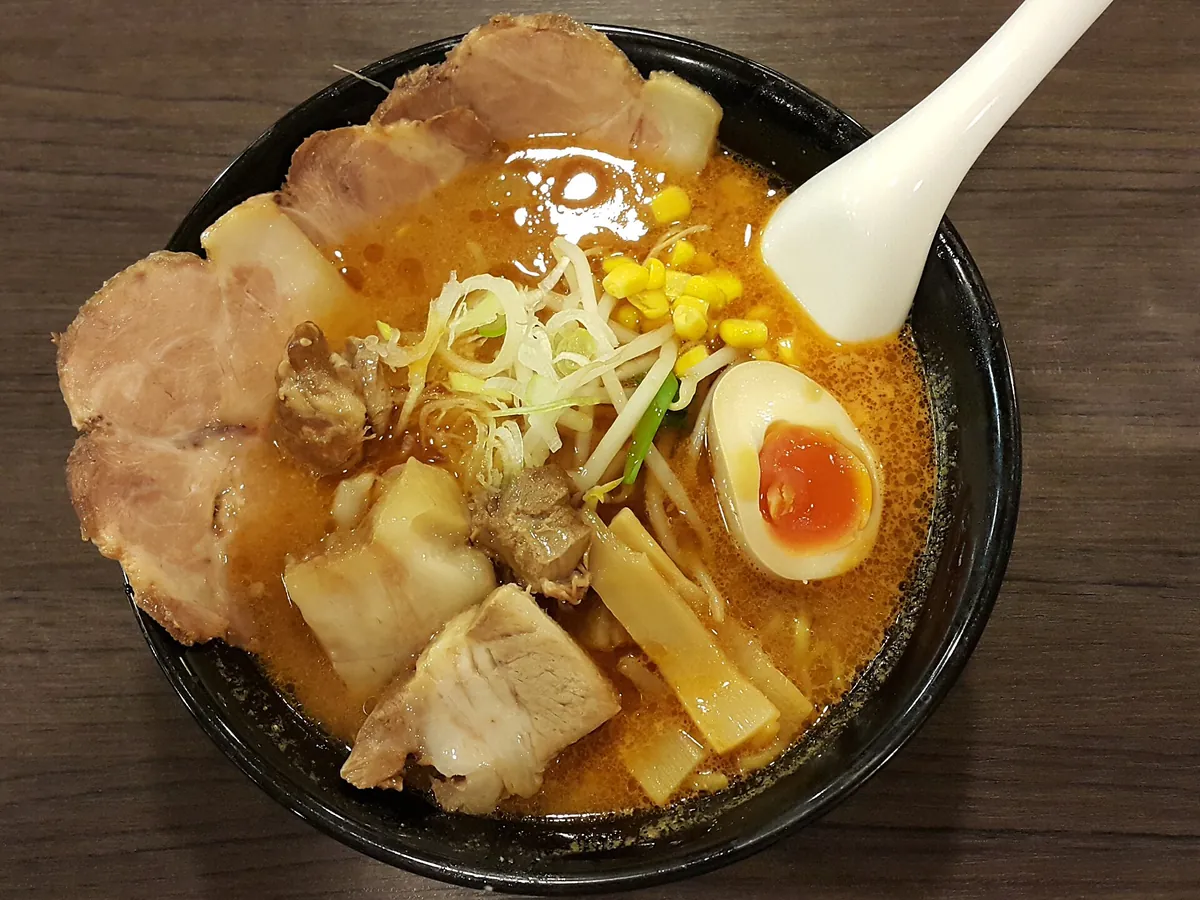
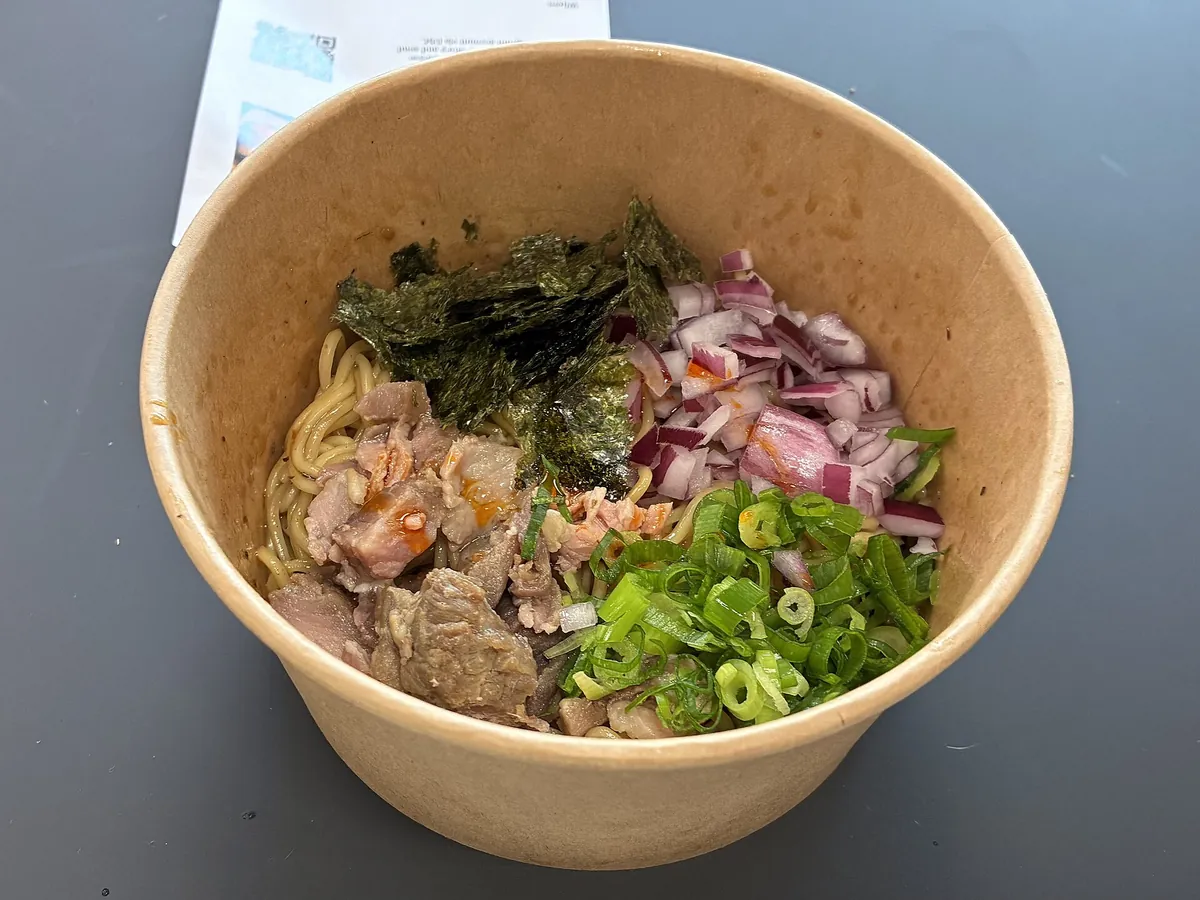
Abura soba is ramen without the soup: noodles tossed in a sauce at the bottom of the bowl. Tokyo Aburagumi lists its abura soba at ¥880 and a spicy miso version at ¥980, as of October 2026.
The size rule is generous. Noodles of 160 g, 240 g and 320 g all cost the same, and grated garlic and yuzu pepper are free to add.
The Akasaka-mitsuke shop is the main branch. It runs until 5 a.m. Monday to Saturday but shuts at 22:00 on Sundays. The Shibuya branch, about 3 minutes from Shibuya’s South Exit, keeps the same hours.
- Hours: Mon–Sat 11:00–5:00, Sun 11:00–22:00; check the official site
- Access: Akasaka-mitsuke Station, Belle Vie exit, about 1 min on foot
- Notable: abura soba ¥880; three sizes, same price; payment and booking not stated
Kanda and Ebisu: 2 bowls off the main line
These are the two picks away from the Marunouchi Line. Both fill gaps the others leave: real chili heat, and a light bowl you can still get at 4 a.m. They are also the two shops here with the most to know about payment and booking.
Kikanbo: spicy miso at your heat level
Kikanbo’s karashibi miso ramen is ¥1,080 on its menu page as of October 2026. Kikanbo revised its prices from 4 January 2026, so older blog prices may be wrong. You choose chili (kara) and sansho pepper (shibi) separately: none, less, normal or extra. An “oni-mashi” top-up is ¥200.
Not sure about sansho? It numbs rather than burns. Start at normal on both and adjust next time.
Kikanbo announced a TableCheck booking site on 22 July 2026. Kikanbo’s notice says the site covers both the main shop and its Lab, but as of 28 October 2026 the TableCheck page lists only Kikanbo Lab, at 2-10-10 Kajicho, next door to the main shop at 2-10-9. Do not mix the two up.
The Lab sells a FastPass: a priority arrival time, not a seat reservation, so you may still wait. Seats are limited to 30 minutes, the booking fee is not refunded (the page does not show the amount), food is paid on the day, and the Lab takes cashless payment only.
Watch the Sunday hours: Kikanbo’s shop page shows the Kanda main shop closing at 16:00. The Ikebukuro branch runs 11:00–21:30 every day, which puts it on the same side of town as Mutekiya.
- Hours: Mon–Sat and holidays 11:00–21:30, Sun 11:00–16:00; check the official site
- Access: Kajicho 2-10-9, Chiyoda-ku, near Kanda Station; check the map for the walk
- Notable: ramen ¥1,080; main shop payment not stated; Lab next door cashless, FastPass
AFURI Ebisu: yuzu shio until 5 a.m.
AFURI’s Yuzu Shio is the lightest bowl here. AFURI’s menu describes a chicken and dashi broth with yuzu, topped with half a seasoned egg, chashu, mizuna, menma and nori.
It also has a Rainbow Vegan Ramen with a 100% vegetable broth and a wheat noodle made with lotus root, with no egg. The vegetables change with the season. That gives vegans a second option on the far side of town.
AFURI’s shop list marks Ebisu as a fully cashless shop: bring a card or a QR payment app, because yen will not work here. It opens every day from 11:00 to 5:00, until the soup runs out.
You can also book. AFURI Ebisu’s TableCheck page charges a ¥500 booking fee per person, says each guest, children included, must order at least one item, and asks groups of five or more to contact the shop.
- Hours: 11:00–5:00, seven days, until the soup runs out; check the official site
- Access: 117 Bldg 1F, 1-1-7 Ebisu, near Ebisu Station; check the map for the walk
- Notable: cashless only (cards, QR); TableCheck booking, ¥500 fee; vegan bowl
5 ramen mistakes first-timers make in Tokyo
Most bad ramen days in Tokyo come from timing and money, not from the bowl. A shop on its break, the wrong way to pay, or an hour in a line you could have booked past can eat the time you meant to spend eating.
Old lists add another problem. Some still send readers to Tsuta, once one of the most famous ramen names in Tokyo. We could not confirm its current dine-in service on an official page, so Tsuta is not on this list.
The same goes for star claims. Older guides call several Tokyo ramen counters starred, but Michelin’s picks change from year to year. Check the current MICHELIN Guide before you plan a day around a star.
What most first-timers do
- Plan around star claims in old blog lists
- Turn up at Fuunji at 15:30
- Bring only a card, or only yen
- Queue for an hour at a shop that takes bookings
- Eat at Ichiran at 23:00
What actually works
- Check each shop’s own page that week
- Arrive at 11:00 or 17:00
- Carry both: Mutekiya is cash, AFURI Ebisu cashless
- Book Hachigou or AFURI Ebisu on TableCheck
- Eat at Ichiran before 22:00
Fix those five and the rest is just choosing a style.
A 5-bowl ramen day on the Marunouchi Line
This route mostly stays on one line, the Marunouchi Line, with one switch at the end if you want Ikebukuro. Each ride costs ¥178–¥324 on an IC card as of October 2026. Five bowls is a lot of soup: most people should pick two or three of these stops, or share bowls.
Step 1: 7:30 Rokurinsha morning tsukemen, Tokyo Station
Be there before the 9:30 last order for the morning-only bowl. Price: check the menu in the shop; cash or transit IC only.
Step 2: Midday: Hachigou in Ginza, or Soranoiro
Ginza is the next stop; check the map for the walk. Booked Hachigou seats run 12:00–16:00 with a ¥500 fee; walk-ins start at 11:00. Soranoiro NIPPON is the no-booking fallback at Tokyo Station.
Step 3: 17:00: Fuunji, Shinjuku
Ride to Shinjuku and be there when the evening session opens. Tsukemen is ¥1,000; the shop is shut 15:00–17:00.
Step 4: Evening: Nagi Golden Gai, Shinjuku-sanchome
Nagi is about 3 min on foot from Shinjuku-sanchome Station and open 24 hours. Payment is not stated, so bring yen and a card.
Step 5: Late night: Mutekiya or Aburagumi
Stay on the Marunouchi Line east to Akasaka-mitsuke for ¥880 abura soba (to 5:00, Mon–Sat). For Mutekiya, take Tokyo Metro’s Fukutoshin Line from Shinjuku-sanchome straight north to Ikebukuro (cash only, open to 4:00).
Fitting this into a food budget? Our Japan food budget per day guide shows where a ramen day sits, and Tokyo local food by district covers what to eat between bowls.
Suica, the 24-hour subway ticket and JR Pass
For a ramen day you need two things: a way to tap through the gates, and a sense of whether a pass beats paying per ride.
A transit IC card such as Suica is the simple answer. It pays Tokyo Metro fares at the IC rate and is also accepted at Rokurinsha and Soranoiro NIPPON. Our Suica vs Pasmo vs Icoca guide explains which card to get.
The Tokyo Subway Ticket is the pass worth checking. Tokyo Metro lists it at ¥1,000 for 24 hours, ¥1,500 for 48 hours and ¥2,000 for 72 hours, valid on all Tokyo Metro and Toei lines. It is sold to overseas visitors and to residents from outside eight prefectures around Tokyo.
Here is the math. With IC fares of ¥178–¥324, the 24-hour ticket pays off somewhere between four rides (if they are long ones) and six (if they are short). The five-stop day above uses four rides, plus the trips to and from your hotel, so it is close.
Add up your rides first.
And the JR Pass? It does not cover the Tokyo subway, so it does nothing for this route; see does the JR Pass cover subways. Whether the pass pays off depends on your longer routes, so add up the individual fares first. For more on the 24, 48 and 72-hour tickets, read our Tokyo subway pass guide.

FAQ
QIs Ichiran worth it in Tokyo?
For a solo bowl late at night, or a wallet with no yen, yes: it is open 24 hours and takes cards, IC and QR apps. If you want a Tokyo style, eat Fuunji, Nagi or Mutekiya instead, and remember Ichiran’s late-night charge from 22:00 to 6:00.
QDo Tokyo ramen shops take credit cards?
It depends on the shop. Mutekiya is cash only, Rokurinsha and Soranoiro NIPPON take cash and transit IC only, Ichiran takes cards, and AFURI Ebisu takes cards and QR only, no cash. Fuunji, Nagi, Kikanbo’s main shop, Aburagumi and Hachigou do not state it online, so bring yen and a card.
QCan I book a ramen shop in Tokyo?
Three of these ten give you a way. Ginza Hachigou and AFURI Ebisu take bookings on TableCheck, each with a ¥500 fee per person. Kikanbo sells FastPass arrival times for its Lab next door, which is not a guaranteed seat.
Kikanbo says its booking site will cover the main shop too, but only the Lab is listed now. Fuunji and Mutekiya take no reservations.
QWhere can vegans eat ramen in Tokyo?
Soranoiro NIPPON at Tokyo Station has a vegan tantanmen and a gluten-free shio ramen, though the shop warns that cross-contamination is possible. AFURI has a Rainbow Vegan Ramen with a vegetable broth. We could not confirm a halal-certified ramen shop on an official page, so we cannot point you to one.
QWhich shops are open after midnight?
Nagi Golden Gai and Ichiran Shinjuku are open 24 hours, Mutekiya until 4:00, AFURI Ebisu until 5:00, and Tokyo Aburagumi Akasaka-mitsuke until 5:00 Monday to Saturday.
QDoes Tokyo ramen have Michelin stars?
Older guides call several ramen counters starred, but Michelin’s picks change, so we have not used star claims here. Soranoiro NIPPON’s Bib Gourmand in the Michelin Guide Tokyo 2015 is on record. Check the current MICHELIN Guide before you plan a day around a star.
QWhat happened to Tsuta?
We could not confirm current dine-in service in Tokyo on an official Tsuta page, so it is not one of our ten.
Choosing ten bowls out of thousands can feel like you will always miss the real best one.
Instead of reading one more ranking, pick the two styles you want most, check those shops’ hours this week, and let the rest of the day follow.
Keep planning
- ① Install and test your eSIM before take-offAiralo and Ubigi eSIMs activate on arrival, but the install itself needs Wi-Fi. Do it at home and confirm the profile shows up in your phone settings.
- ② Save your first hotel’s address in JapaneseTaxi drivers and station staff read Japanese addresses far faster than romanised ones. Copy it from the booking confirmation into your notes app.
- ③ Set aside cash for day oneMany small restaurants, temples and rural buses are still cash-only. Airport ATMs at 7-Eleven and the post office accept most foreign cards.
Skip these and your first hour in Japan goes on finding Wi-Fi at the station instead of getting to your hotel.
🔍 How to sanity-check any price you read online
Blogs (including this one) go out of date. The official page always wins over a screenshot from two years ago.
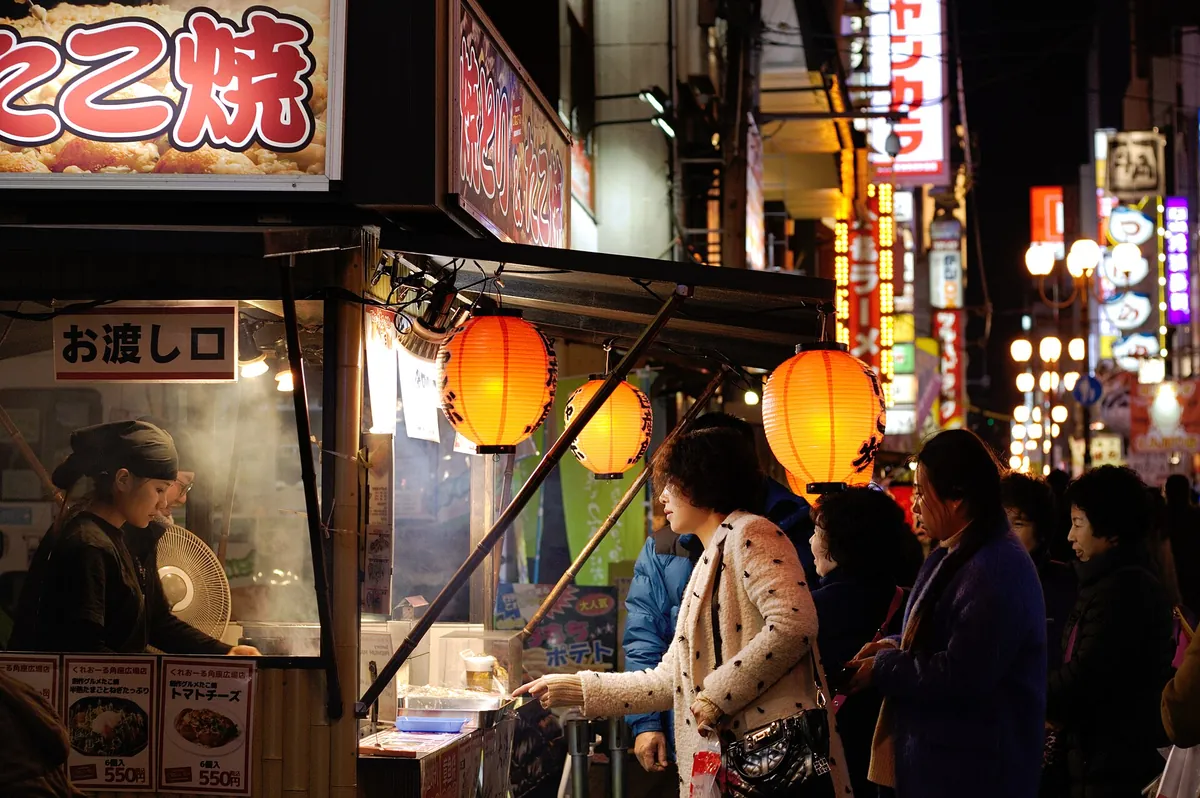
Cover Photo: Lizette Carrasco lizivonne, CC0, via Wikimedia Commons