
- Miyako Yasai Kamo: obanzai buffet from ¥1,360 at weekday lunch
- Nanzenji Junsei: yudofu courses from ¥3,850 in the Nanzenji temple quarter
- Matsuba: the nishin soba first served here in 1882, by Gion-Shijo Station
- Mumokuteki Cafe: fully vegan set meals, ¥1,800–2,500
- Honke Daiichi Asahi: Kyoto ramen near the station, open until 1 am
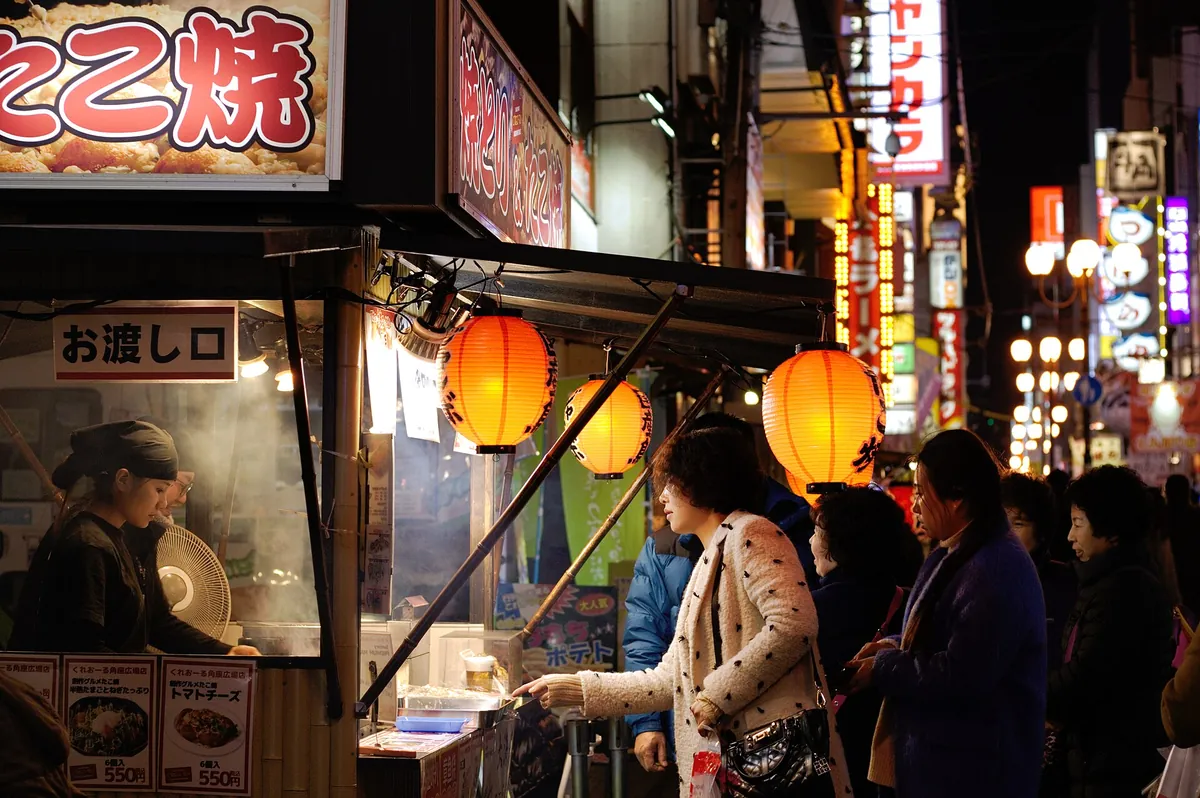
At Nishiki Market in Kyoto Prefecture, Kyoto City, you eat a snack where you bought it: at the shop front, not on the move. The market asks visitors not to eat while walking. That one request sums up how Kyoto eats.
Kyoto’s local food is quiet home cooking built on dashi and Kyoto vegetables: obanzai side dishes, yudofu, nishin soba, udon, clear soy-sauce ramen and matcha. The easiest way in is an obanzai buffet at ¥1,360–2,010, plus one yudofu lunch if your budget stretches to ¥3,850.
The mistake first-timers make is the calendar, not the menu. Several places below close on Wednesday or Thursday, so plan your food day for Friday to Monday. If you want street-food grazing and late-night counters, Osaka does that better.
Every hour, price and closing day here comes from the shop’s own page, Kyoto City’s tourism and transport pages, or (for Matsuba) a listing supervised by the shop. All were checked in October 2026. Menus change, so treat prices as a guide.
- Time needed
- One full day, Friday to Monday
- Typical meal
- ¥1,360–3,850 (shop menus)
- Bases
- Shijo-Karasuma or Kyoto Station
- Spots in this guide
- 9, in 4 areas
- Booking
- Mumokuteki via TableCheck; others vary
- Prices checked
- October 2026
Prices are ranges or fares checked in October 2026; confirm on the official site before you book.
Tokyo or Osaka to Kyoto: 4 Ways In
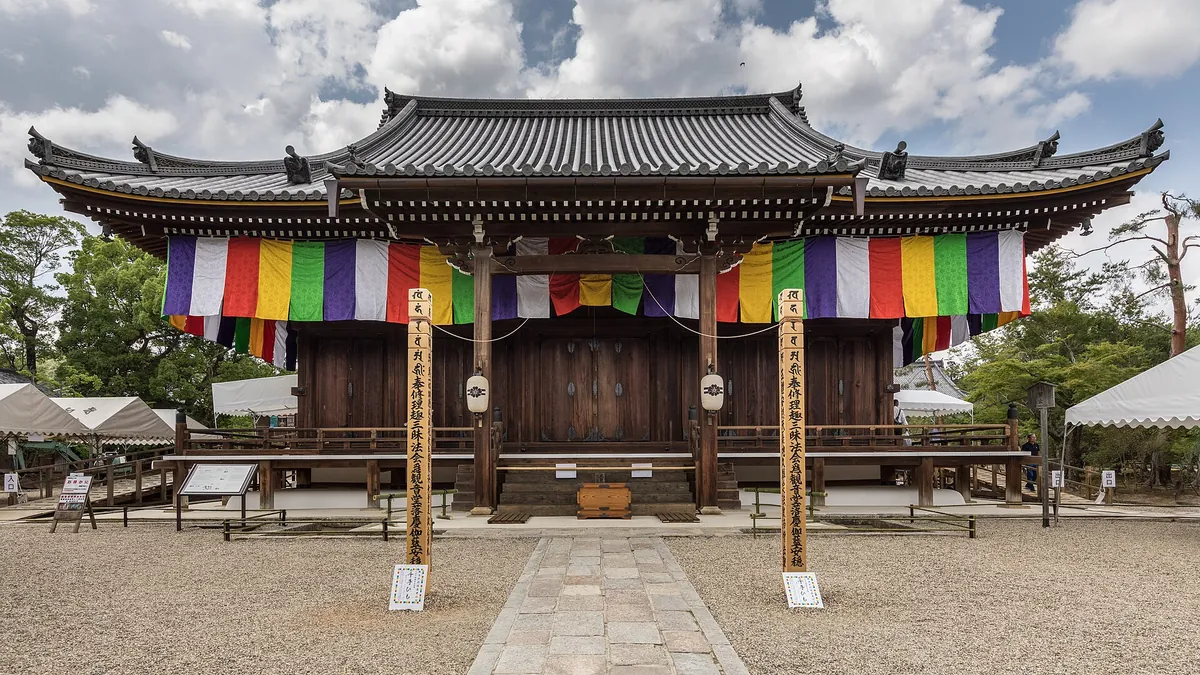
Most food trips to Kyoto start from Tokyo or from a base in Osaka. Kyoto’s official tourism site puts the Nozomi Shinkansen from Tokyo at about 130 minutes. The slower Hikari takes about 170.
On price, the official smartEX fare sheet lists a reserved Nozomi seat from Tokyo to Kyoto at ¥13,970 in the regular season. Off-peak is ¥200 less, peak ¥200 more and super peak ¥400 more.
Flying is possible but rarely faster. Osaka’s tourism site gives the Haneda–Itami flight as 1 hour 20 minutes, and the limousine bus from Itami to Kyoto takes 50–55 minutes on top. Fares change daily, so check the airline.
Here is how the main ways in compare as of October 2026. Check the official site before you book, because fares move with the season.
← Swipe to see the full table →
| How | Time | Rough cost |
|---|---|---|
| Nozomi Shinkansen, Tokyo–Kyoto | About 130 min | About ¥13,770–14,370 reserved (smartEX) |
| Flight Haneda–Itami, then limousine bus | 1 h 20 + 50–55 min | Check the airline and bus |
| Overnight highway bus from Tokyo | Overnight | Check the operator |
| JR Special Rapid, Osaka–Kyoto | About 30 min | Check the official site |
Plan your trip: the tools we use
Our pick: the Nozomi from Tokyo, or the JR Special Rapid if you sleep in Osaka.
Based in Osaka? The private lines work too. Kyoto’s tourism site lists Hankyu at about 45 minutes and Keihan at about 48. The Shinkansen from Shin-Osaka to Kyoto is ¥2,880 reserved on smartEX in the regular season.
Those private lines suit a food day well. Hankyu stops at Karasuma and Kyoto-Kawaramachi, both a few minutes from Nishiki Market, and Keihan runs to Gion-Shijo, right by Matsuba.
Flying into Kansai Airport instead? The Haruka express to Kyoto takes about 80 minutes, according to the same official page. For the full fly-or-train comparison from Tokyo, see our guide to Tokyo to Kyoto by plane or train.
Take the train if you can.
Eating in Kyoto: 4 House Rules to Know
Kyoto City Tourism describes obanzai as everyday dishes passed down through Kyoto households, seasoned with dashi and cooked with minimum waste. That is the backbone of Kyoto’s local food, and it is gentler than the sauce-heavy food Osaka is known for.
The vegetables matter as much as the broth. The same page names Shogoin daikon, Kujo negi (a leek), Kamo nasu (an eggplant) and Horikawa gobo (burdock root) as Kyoto vegetables to look for. You will see Kujo negi again in a bowl of Kyoto ramen.
Two more dishes come up often. Yudofu, tofu simmered at the table and dipped in sauce, is a winter specialty. Shojin-ryori, the Buddhist temple cooking eaten by priests, dates from the Kamakura period (1185–1333).
Four rules decide whether your food day goes smoothly.
Eat at the shop, not on the move
The Nishiki Market association asks visitors to refrain from walking while eating. Enjoy your snack in front of the shop where you bought it, or inside if it has seats.
Plan for that. A market crawl here is a series of short stops, not a stroll with a skewer, and it takes longer than you think.
Wednesday and Thursday closings clash
Closing days are the real trap. Built from each shop’s own page or an official listing, the pattern for the 9 spots in this guide looks like this:
- Mumokuteki Cafe: closed Wednesdays
- Matsuba: closed Wednesdays and Thursdays (open on holidays)
- Omen (both shops): closed Thursdays (irregular)
- Honke Daiichi Asahi: closed Thursdays
- Demachi Futaba: closed Tuesdays and the 4th Wednesday
- Ippodo Kyoto Main Store: closed the 2nd Wednesday
- Nanzenji Junsei: irregular closing days
- Miyako Yasai Kamo: no closing day listed; Nishiki varies by shop
Read it the other way round. Friday, Saturday, Sunday and Monday are the days when every named spot is normally open. Junsei’s closings are irregular, so check its page.
Wednesday is the worst day. You lose Mumokuteki and Matsuba, plus Futaba and Ippodo in some weeks. Thursday loses Matsuba, Omen and Daiichi Asahi.
Treat this as a planning aid, not a guarantee. Shops change their days around holidays and seasons, so check before you go.
Dashi usually means fish
Vegetarians, this one is for you. Kyoto City Tourism’s vegan food guide says dashi typically gets its umami from dried bonito fish.
So obanzai, udon and soba broths are not vegetarian by default, even when the dish looks like vegetables and tofu. Ask at the counter, or eat where the kitchen says it uses no fish at all.
 ReaderYuki
Go at opening, finish before last order
Popular counters queue. Kyoto City Tourism says Demachi Futaba has long lines even on weekday afternoons, and that they are shorter right at the 8:30 opening.
Last orders come early, too. Junsei’s lunch takes its last order at 14:30, and Ippodo’s tearoom takes its last call at 16:30. Build your day around those two times.
Payment methods are not listed on most of these shops’ pages, so carry some cash and check at the counter before you order.
- Your food day falls on Friday, Saturday, Sunday or Monday
- You checked Junsei’s page for irregular closings
- You have some cash as well as a card
- You plan to eat at each Nishiki shop front
- You know dashi usually contains fish
- You will reach Ippodo before the 16:30 last call
- You have an IC card loaded for buses and subway
Downtown: Nishiki, Karasuma and Kawaramachi
Downtown Kyoto is the easiest place to start. Nishiki Market, an obanzai buffet and a vegan cafe sit within a short walk of Shijo and Kyoto-Kawaramachi stations, and all three work for a first meal on arrival day.
Staying near Shijo-Karasuma puts you in the middle of this cluster. Our guide to where to stay in Kyoto compares that area with Kyoto Station and Gion.
Nishiki Market: 390 m of food shops
The market’s own site calls it a 390-meter walk through 400 years of history. JNTO’s Japan travel page describes over 100 vendors along a lane about 3.9 meters wide.
Do not come at 8 am. JNTO notes that business does not start in the early hours and suggests arriving as close to 11 a.m. as possible. Use the market’s shop list by category to pick a few stops before you go.
Is it a tourist trap? It is busy, but it suits anyone who wants to see Kyoto vegetables, pickles and dashi ingredients in one place. Just eat each bite at the shop front, as the market asks.
- Hours: varies by shop; business starts late morning (check the official site)
- Access: Shijo Station (Karasuma Line), about 3 min on foot; Hankyu Karasuma about 3 min
- Notable: about 390 m long; over 100 vendors; no eating while walking
Miyako Yasai Kamo: obanzai buffet
This is the cheapest way to try obanzai properly. The buffet page says it serves Kyoto vegetables delivered that day, plus obanzai made with organic or low-pesticide Kyoto vegetables.
The Karasuma shop lists breakfast at ¥650, lunch at ¥1,360 on weekdays and ¥1,840 on weekends and holidays, and dinner at ¥1,810 on weekdays and ¥2,010 on weekends, tax included. Children pay less.
When it is full, lunch is limited to 60 minutes and dinner to 80. Buffet-only reservations are not accepted, so arrive early at peak times. It suits families, tight budgets and anyone who wants to taste many dishes rather than one.
Starting at Kyoto Station? The Kyoto-ekimae branch is on the 2nd floor of the Ministop building on Omiya-dori, with the same prices but no breakfast.
- Hours: roughly 7:00–9:00, 10:00–16:00 and 16:45–22:00 (check the official site; no closing day listed)
- Access: Higashinotoin-dori Ayanokoji-sagaru, near Shijo-Karasuma
- Notable: lunch ¥1,360–1,840, dinner ¥1,810–2,010 per adult; 60/80 min limit when full
Mumokuteki Cafe: vegan set meals
Mumokuteki Cafe is the straight answer for vegans. The cafe says it uses no eggs, dairy, refined sugar, meat, fish or chemical seasonings.
Sets run from ¥1,800 for the tofu hamburger to ¥2,500 for the Special Trio or the steamed vegetable set. The Trio sits in between at ¥2,200. Bookings go through TableCheck.
Gluten-free diners should note that the kitchen is not dedicated gluten-free. To skip the crowds, Kyoto City Tourism suggests a weekday visit between 2 and 4 pm.
- Hours: roughly 11:30–20:00, last order 19:00 (check the official site; closed Wednesdays)
- Access: Human Forum Building 2F; about 5 min from Kyoto Shiyakusho-mae or Kyoto-Kawaramachi
- Notable: sets ¥1,800–2,500; fully vegan; not a gluten-free kitchen; TableCheck booking
Gion to Nanzenji: Herring Soba and Yudofu
Cross the Kamo River from Kawaramachi and the food changes pace. This side of Kyoto holds two of its oldest dishes: nishin soba on the edge of Gion, and yudofu by the gates of Nanzenji temple.
The two are not next to each other. Matsuba is by Gion-Shijo Station on the Keihan Line, while Junsei is a walk from Keage Station on the Tozai subway line. Pair Matsuba with an evening in Gion and Junsei with a temple morning.
Pick one per day.
Matsuba: nishin soba, est. 1861
Matsuba opened in 1861, and its second generation created nishin soba, soba topped with herring, in 1882. The shop-supervised listing gives the dish at ¥1,870.
Order the nishin soba. It is the reason the shop is famous, and it is the dish most first-timers come for.
The trap is the calendar. The listing says Matsuba closes on Wednesdays and Thursdays, opens on holidays, and may vary by season. Some other sites say Wednesday only, so check before you plan an evening around it.
- Hours: roughly 10:30–21:00, last order 20:30 (check the official site; closed Wednesdays and Thursdays)
- Access: Gion-Shijo Station (Keihan Line), right by the station
- Notable: founded 1861; nishin soba since 1882, ¥1,870; 192 Kawabatacho, Higashiyama
Nanzenji Junsei: yudofu courses
This is where to try yudofu in a garden setting. Nanzenji Junsei includes the Junsei Sho-in, a Registered Cultural Property, and a stroll garden.
The yudofu menu lists three courses, tax included: Hana at ¥3,850, Tsuki at ¥4,950 and Yuki at ¥5,830. Seasonal Shun-sai courses run ¥7,700–9,350, and kaiseki ¥11,000–16,500 plus service.
Start with Hana. It is the cheapest way to try the dish. Arrive well before the 14:30 lunch last order, and check the site for closing days and booking, since both can change.
Junsei does not say on its pages whether its yudofu broth is vegetarian, so vegans should ask before ordering.
- Hours: roughly lunch 11:00–15:30 (last order 14:30), dinner 17:00–21:30 (check the official site; irregular closings)
- Access: Keage Station (Tozai Line), exit 2, about 5 min on foot
- Notable: yudofu courses ¥3,850–5,830; Registered Cultural Property building; garden
Where we would book this
Booking.com
Largest inventory in Japan for English-speaking travellers
- Best for
- Hotels, business hotels, ryokan and apartments in every city
- Checked
- September 2026
Official site. Same price for you.
Ginkakuji and Demachiyanagi: Udon and Mochi
North-east Kyoto gives you two cheap, honest meals: a bowl of udon near the Silver Pavilion, and Kyoto’s best-known mochi shop near the Kamo River.
Both draw lines. Futaba opens at 8:30, and Omen’s Ginkakuji shop opens at 10:30, so a morning in this area lets you eat at both before the queues build.
Going on a Thursday? Omen is closed (irregular), so swap in Junsei or the Kamo buffet.
Omen Ginkakuji: udon at the main shop
Omen’s main shop sits near Ginkakuji. Its menu lists the signature omen udon at ¥1,520, a large size at ¥1,670, a tempura set at ¥2,480 and a saba-zushi set at ¥2,580, all tax included.
Order the plain omen first. Add the tempura set if this is your main meal of the day.
Staying downtown? Omen also runs a Shijo Pontocho shop with lunch from 11:00 to 16:00 and dinner from 17:00 to 21:00. It takes no reservations and lists the Kyo-zanmai omen, with namafu, fresh yuba and fried tofu, at ¥1,820.
- Hours: roughly 10:30–17:00 Mon–Wed; 10:30–16:00 and 17:00–20:30 Fri–Sun (check the official site; closed Thursdays)
- Access: 74 Jodoji Ishibashicho, near Ginkakuji (see the shop page)
- Notable: omen ¥1,520, tempura set ¥2,480; 5 counter and 62 table seats; closed Dec 30–Jan 2
Demachi Futaba: mame-mochi from 8:30
Futaba is the queue Kyoto is famous for. Kyoto City Tourism’s morning feature describes its mame-mochi: soft mochi with smooth koshi-an bean paste and large red peas.
The rice is Shiga habutae and the peas come from Hokkaido, says the same article. Its tip is simple. Lines run long even on weekday afternoons and are shorter at the 8:30 opening.
Go first thing.
The article does not list prices, so check at the shop. It suits early risers and anyone heading on to Ginkakuji or the Kamo River afterwards.
- Hours: roughly 8:30–17:30 (check the official site; closed Tuesdays and the 4th Wednesday)
- Access: Demachiyanagi Station (Keihan and Eizan lines), about 2 min on foot
- Notable: mame-mochi; Shiga rice and Hokkaido red peas; shortest queue at opening
Teramachi and Kyoto Station: Tea and Ramen
The last cluster bookends your day. Ippodo’s tearoom on Teramachi is the calm afternoon stop, and Honke Daiichi Asahi near Kyoto Station is the late one, open well after most of Kyoto has closed.
They are a subway ride apart. Ippodo is near the Tozai and Karasuma lines, and Daiichi Asahi is a short walk from JR Kyoto Station, so the Karasuma Line links them in a few stops.
If you only want the obanzai buffet near the station, the Kamo Kyoto-ekimae branch covered above serves lunch from 11:00 and dinner until 22:00.
Ippodo Kaboku: matcha from ¥972
Ippodo’s Kyoto Main Store has a 44-seat tearoom called Kaboku. It is the easiest place in this guide to sit down with good matcha.
Kaboku lists matcha and gyokuro at ¥972, sencha at ¥864, and hojicha and iribancha at ¥756. That is cheaper than any dinner in this guide, and the tea is the point.
Watch the clock. The store closes at 17:00 and the tearoom’s last call is 16:30. It also closes on the 2nd Wednesday of each month.
- Hours: roughly 10:00–17:00, tearoom last call 16:30 (check the official site; closed the 2nd Wednesday)
- Access: Tozai Line exit 11, about 5 min on foot; Karasuma Line exit 7, about 10 min
- Notable: 44 seats; tea ¥756–972; 52 Tokiwagi-cho
Honke Daiichi Asahi: ramen until 1 am
Honke Daiichi Asahi opens at 6:00 and closes at 1:00, which makes it the one spot here for an early train or a late arrival.
The shop’s own page describes a clear soy-sauce soup and Kujo negi, a traditional Kyoto vegetable. Ramen is ¥980, tax included.
Order the ramen. It is the cheapest hot meal in this guide, and it is closed on Thursdays.
- Hours: roughly 6:00–1:00 (check the official site; closed Thursdays)
- Access: JR Kyoto Station, about 4 min on foot
- Notable: ramen ¥980; clear soy-sauce soup with Kujo negi
5 Kyoto Food Mistakes and What Works
Most bad Kyoto food days come from the same few habits. Plans copied from old lists, a Thursday booked at random, a pass bought because it felt safe.
The fixes are small. They mostly come down to checking a closing day, a last order time or an ingredient before you set off, and every one of them uses facts already in this guide.
One of the old-list problems is worth spelling out. Honke Owariya, a soba shop that still appears in many Kyoto food lists, says on its site that it suspended restaurant service at its main shop for an extended period from January 11, 2026.
Lists age fast.
What most first-timers do
- Walk Nishiki eating a skewer on the move
- Plan the food day for a Wednesday or Thursday
- Assume obanzai and udon are vegetarian
- Head to Honke Owariya from an old list
- Buy a ¥1,100 day pass by default
What actually works
- Eat each bite at the shop front
- Eat on a Friday, Saturday, Sunday or Monday
- Ask about dashi, or go to Mumokuteki
- Go to Matsuba for soba instead
- Count your bus rides first
The day pass point surprises people. The next section shows why four bus rides cost less than the pass.
A Dashi Day in Kyoto, 8:30 to 1 am
This route strings the spots together for one Friday, Saturday, Sunday or Monday. It goes north first, then east, downtown and finally to Kyoto Station. Swap stops freely, but keep the order of the time limits.
The prices are from the shops’ own pages, and the totals are estimates. Check each site on the day.
Step 1: 8:30 Demachi Futaba at opening
Get there for the 8:30 opening, when the line is shortest. It is about 2 min on foot from Demachiyanagi Station. Check the mame-mochi price at the shop.
Step 2: About 11:00 yudofu or udon
Have the Hana yudofu course at Nanzenji Junsei for ¥3,850 (Keage Station, exit 2, about 5 min). On a budget, have omen at Omen Ginkakuji for ¥1,520 instead.
Step 3: Afternoon: Nishiki, then tea
Walk Nishiki and eat at each shop front, then sit down at Ippodo’s Kaboku before the 16:30 last call. Tea is ¥756–972.
Step 4: Evening: soba or obanzai
Eat nishin soba at Matsuba for ¥1,870 (last order 20:30), or the Kamo dinner buffet at ¥1,810 on weekdays and ¥2,010 on weekends.
Step 5: Late: ramen by Kyoto Station
Finish with a ¥980 bowl at Honke Daiichi Asahi, about 4 min from JR Kyoto Station and open until 1:00.
Add up the listed prices and the food comes to about ¥7,400–7,800 per person with Junsei, or about ¥5,100–5,500 with Omen. That is an estimate, before Nishiki snacks and Futaba’s mochi.
Transport is cheaper than people expect. If you make the hops by city bus, four rides at ¥230 cost ¥920, which is less than the ¥1,100 Subway and Bus 1-Day Pass. The pass only starts to pay from the fifth bus ride (5 × ¥230 = ¥1,150).
Subway hops cost ¥220–360 each, so mixing modes changes the sum. Write your route down, add it up, and only then decide.
Buses, Subway and the ¥1,100 Day Pass
Getting between these spots means Kyoto City buses, the two subway lines and the private railways. Kyoto City Transport lists a flat adult bus fare of ¥230 (¥120 for children) and subway fares of ¥220–360 since October 1, 2025.
The passes page covers the options. The Subway and Bus 1-Day Pass is ¥1,100, half for children, and the Subway 1-Day Pass is ¥800. Both are valid on the day you use them, not for 24 hours.
The city’s bus map also lists the Sightseeing Limited Express buses, EX100 and EX101, at ¥500 a ride (weekends and public holidays only). For crowds and route tricks, read our guide to Kyoto for first-timers and bus crowds.
IC cards yes, credit-card tap no
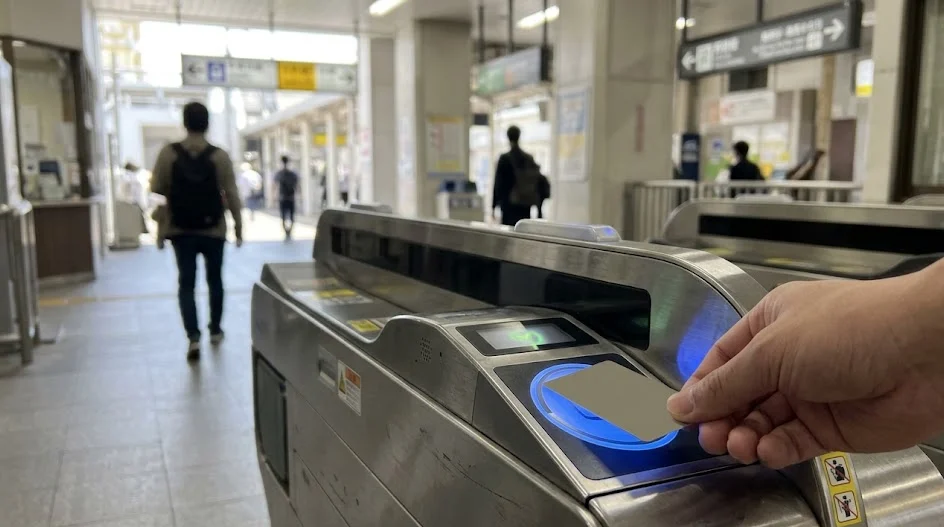
This is where Kyoto differs from what many visitors expect. City Transport accepts IC cards such as ICOCA, Suica, PASMO and PiTaPa on the subway, and says credit and debit cards cannot be used.
The bus and subway map dated March 2026 says the same for the network. You cannot use QR code payment or tap with credit cards on Kyoto’s city buses and subway.
Load your IC card before you leave the station.
That matters on a food day, when you hop on and off many times. Top up at a station machine, and keep the card in the same pocket every time.
Does a JR Pass help on a food day?
Barely. Inside the city, almost every hop in this guide uses city buses, the subway, Keihan or Hankyu, not JR. The pass helps on the trip into Kyoto, if at all.
Whether the pass pays off depends on your whole route, so add up the individual fares first. Our JR Pass vs individual tickets guide walks through that sum. If you do buy one, use the official Japan Rail Pass site.
Kyoto Local Food FAQ
QCan I pay by card at these restaurants?
The shops’ pages mostly do not say, so we cannot promise either way. Carry some cash and check at the counter before you order. Remember that Kyoto’s city buses and subway take IC cards but not credit-card tap.
QHow do I skip the Futaba queue?
Go at the 8:30 opening. Kyoto City Tourism says the lines run long even on weekday afternoons and are shorter at opening. It is closed on Tuesdays and the 4th Wednesday.
QWhere can I eat late near Kyoto Station?
Honke Daiichi Asahi serves Kyoto ramen until 1:00, about 4 min on foot from JR Kyoto Station, and is closed on Thursdays. The Kamo Kyoto-ekimae obanzai buffet serves dinner until 22:00.
QIs Kyoto food safe for vegetarians?
Not by default. Kyoto City Tourism says dashi typically uses dried bonito fish, so obanzai, udon and soba broths may contain fish. Mumokuteki Cafe uses no meat, fish, eggs or dairy, and is the simple choice.
QIs one day enough for Kyoto food?
One full day covers the five-stop route above, if it falls between Friday and Monday. A second day lets you have both Junsei and Omen, add Mumokuteki, and spend longer at Nishiki without rushing between last orders.
QIs Honke Owariya still open for meals?
Its main shop’s restaurant service has been suspended for an extended period since January 11, 2026, according to its own site. For a soba meal, go to Matsuba near Gion-Shijo instead.
Picking where to eat in Kyoto can feel like a puzzle of opening hours and closing days.
You could keep re-reading food lists, or lock in the right weekday and one yudofu lunch now and adjust the rest later.
Keep planning
- ① Install and test your eSIM before take-offAiralo and Ubigi eSIMs activate on arrival, but the install itself needs Wi-Fi. Do it at home and confirm the profile shows up in your phone settings.
- ② Save your first hotel’s address in JapaneseTaxi drivers and station staff read Japanese addresses far faster than romanised ones. Copy it from the booking confirmation into your notes app.
- ③ Set aside cash for day oneMany small restaurants, temples and rural buses are still cash-only. Airport ATMs at 7-Eleven and the post office accept most foreign cards.
Skip these and your first hour in Japan goes on finding Wi-Fi at the station instead of getting to your hotel.
🔍 How to sanity-check any price you read online
Blogs (including this one) go out of date. The official page always wins over a screenshot from two years ago.