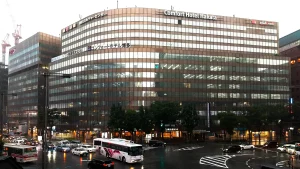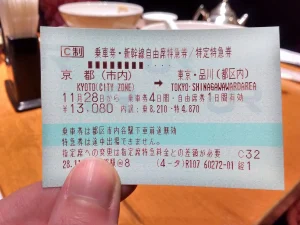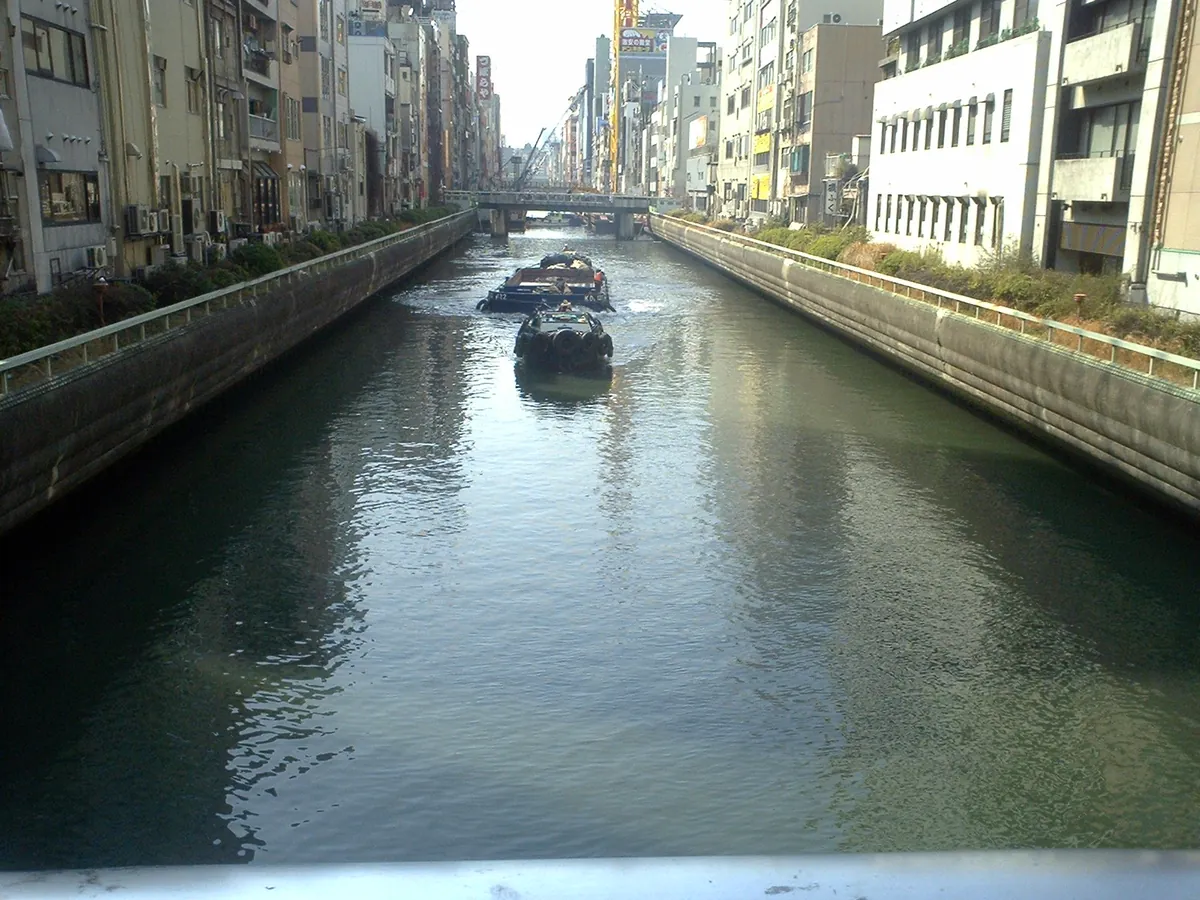

- Best urban hub: Osaka for food and transport convenience.
- Best cultural depth: Kyoto for shrines and quiet morning walks.
- Best for nature: Hakone-Yumoto for mountains and hot springs.
- Best for a quiet escape: Kanazawa to avoid the heavy crowds.
- Trip duration
- 4–10 days
- Primary transport
- Trains (JR and private lines)
- Connectivity
- eSIM or pocket Wi-Fi
- Budget range
- ¥10,000–¥20,000 per day
Top picks
Where we would book this
Booking.com
Largest inventory in Japan for English-speaking travellers
- Best for
- Hotels, business hotels, ryokan and apartments in every city
- Checked
- September 2026
Official site. Same price for you.
Where we would book this
Klook
One account for passes, tickets and transfers
- Best for
- JR Pass and regional rail passes, theme-park tickets, airport…
- Checked
- September 2026
Official site. Same price for you.
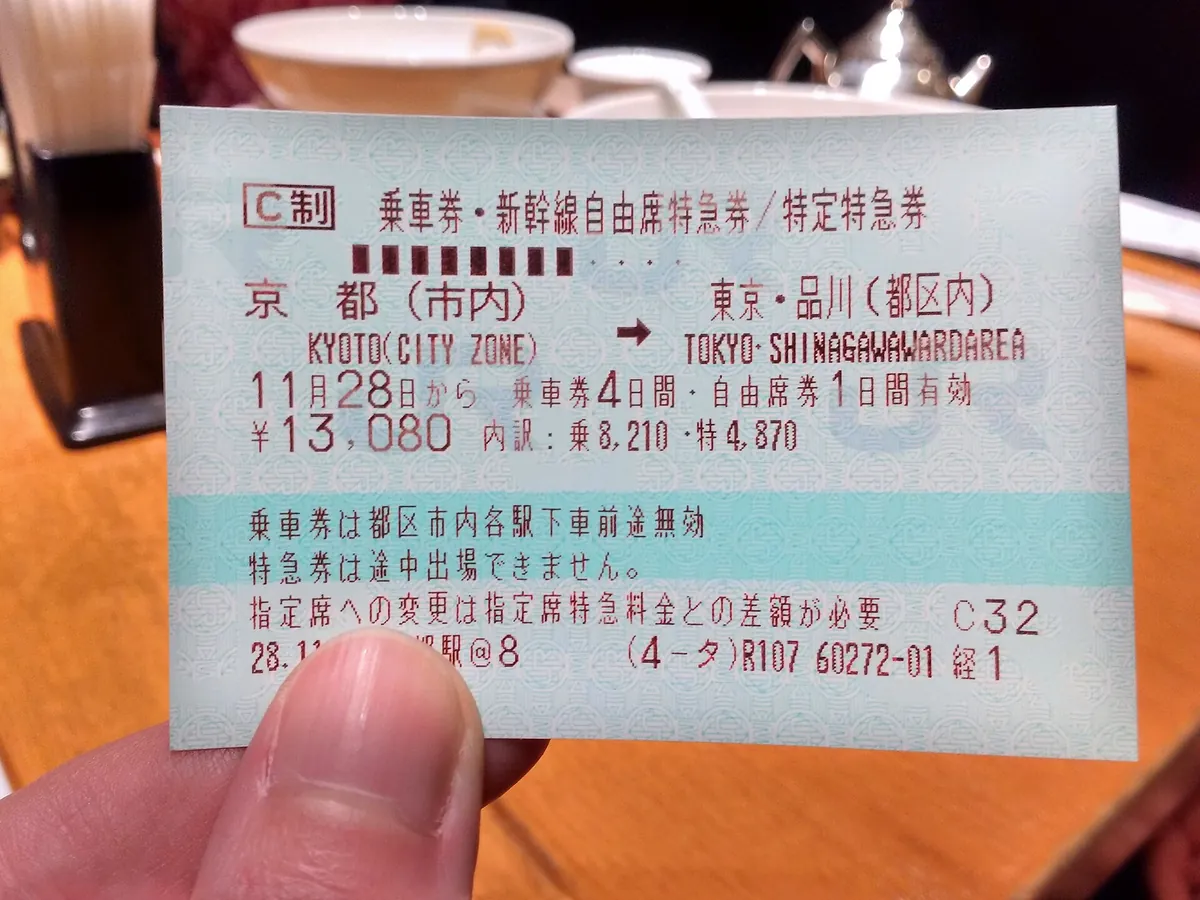
The automatic gate at Kyoto Station clacks rhythmically as the rush-hour crowd pushes past me at 8:15 on a Tuesday morning. I check my train ticket once more, feeling the weight of my daypack against my spine while the scent of fresh melon pan drifts from a nearby stall.
You do not need to pack every hour of your trip to have a meaningful experience, and in fact, the best trips here are those that leave room to wander.
Sound familiar? Only have four days for your first trip?
We may earn a commission if you book through the links in this article, at no extra cost to you. Prices are ranges as of 2026 — check the official sites before you book.
If you are only doing Tokyo, close this and read the Tokyo-only plan.
What matters when choosing your first Japan destination
Planning for Japan feels overwhelming because every social media feed tells you that everywhere is the one place you shouldn’t miss. The reality is that your choice depends on whether you value high-energy urban environments or traditional, slower paces of life.
Consider the friction level of each city. Some spots require hours of queuing just to enter a temple gate, while others allow you to walk through streets undisturbed. If you only have ten days, stick to two base locations to avoid the exhaustion of moving your luggage every morning.
- Easy access to major rail lines
- Budget-friendly food options within walking distance
- Proximity to nature or hiking trails
- Authentic neighborhood atmosphere over malls
- Day trip potential without long travel times
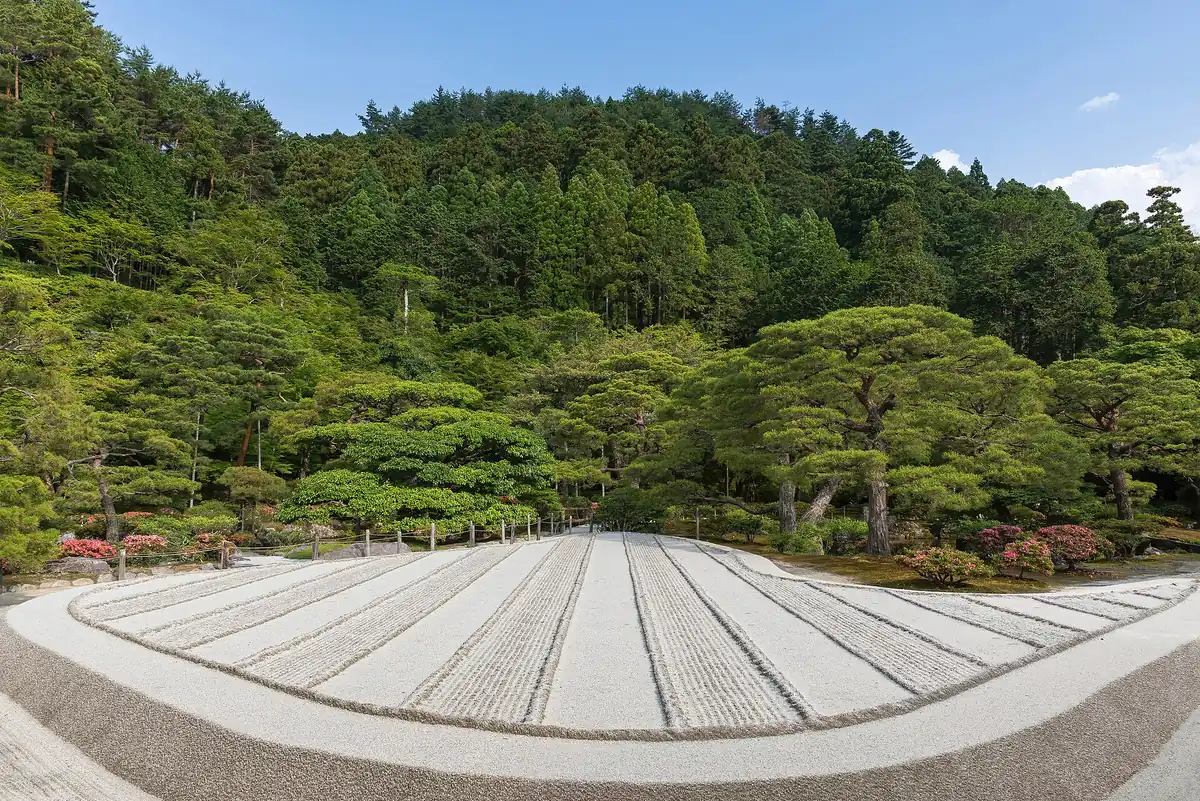
Osaka: The perfect base for the Kansai region
Why choose Osaka for your home base
Osaka sits at the center of the Kansai region, making it an ideal hub for visiting Kyoto, Nara, and Kobe. You avoid the daily stress of hotel check-ins by staying in one place for five or six nights.
The energy here is infectious. You will find small, hole-in-the-wall eateries in Dotonbori that serve local favorites like takoyaki for roughly ¥500–800 per serving. Check Agoda for business hotels near Namba or Umeda stations to keep costs manageable.
Navigating the city like a local
The transit system in Osaka is dense, but the signage is helpful once you find your rhythm. I once spent an hour walking in circles because I missed a colored exit sign at Umeda station, so always keep a map downloaded.
Expect to pay roughly ¥200–400 per subway ride depending on the distance. Use a service like Klook to book your airport express train tickets before you land to save time at the station windows.
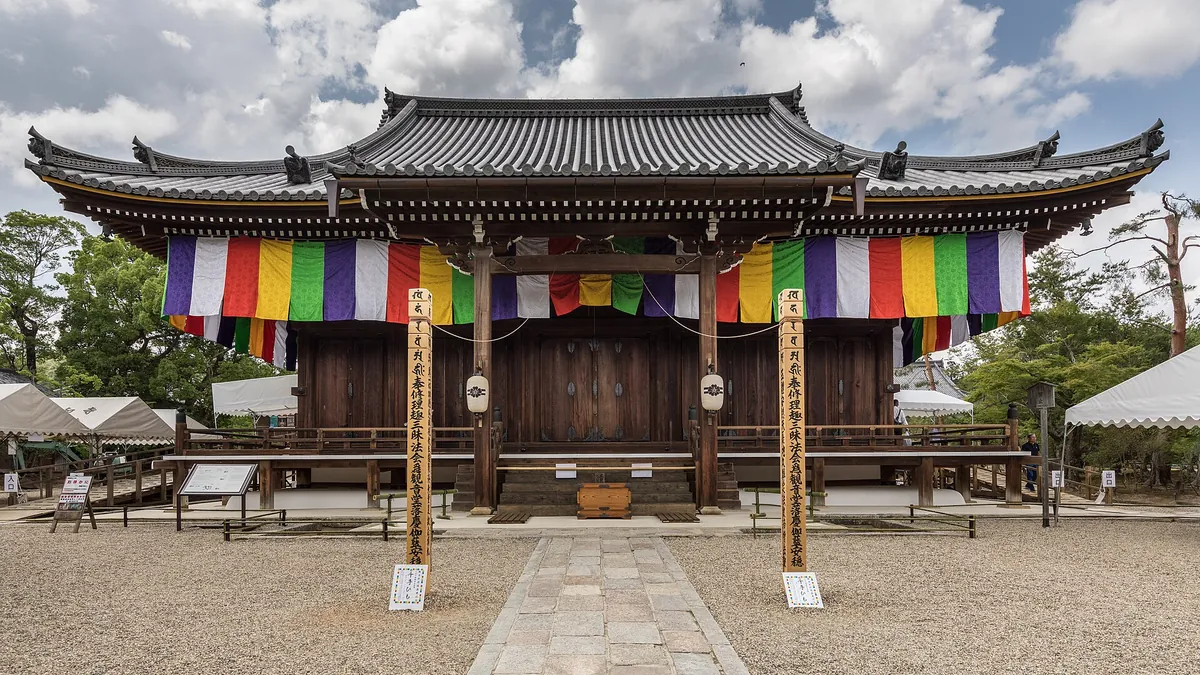
Kyoto: The balance between tourism and tradition
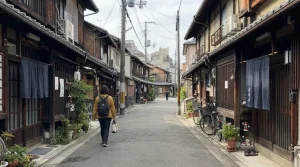
Finding the quiet pockets of the city
Kyoto is undeniably beautiful, but it can be exhausting if you visit only the most famous shrines. The key is to visit the main sites like Kiyomizu-dera right when they open, often before 7:00 in the morning.
For a more peaceful experience, walk through the northern residential districts. You can find quiet tea shops where a set costs around ¥1,200–2,000. Book a stay through Booking.com in a small guesthouse to support the local neighborhood atmosphere.
When to trade a site for a feeling
Instead of standing in a line of hundreds at the Fushimi Inari gates, try walking the Tofuku-ji area nearby. It offers similar architectural beauty with a fraction of the crowd density.
I suggest spending your afternoons in the Gion backstreets. Watching the sunset from the banks of the Kamo River is a memory that sticks with you longer than a crowded photo session.
Hakone-Yumoto: A gateway to mountain air
The transition from city to nature
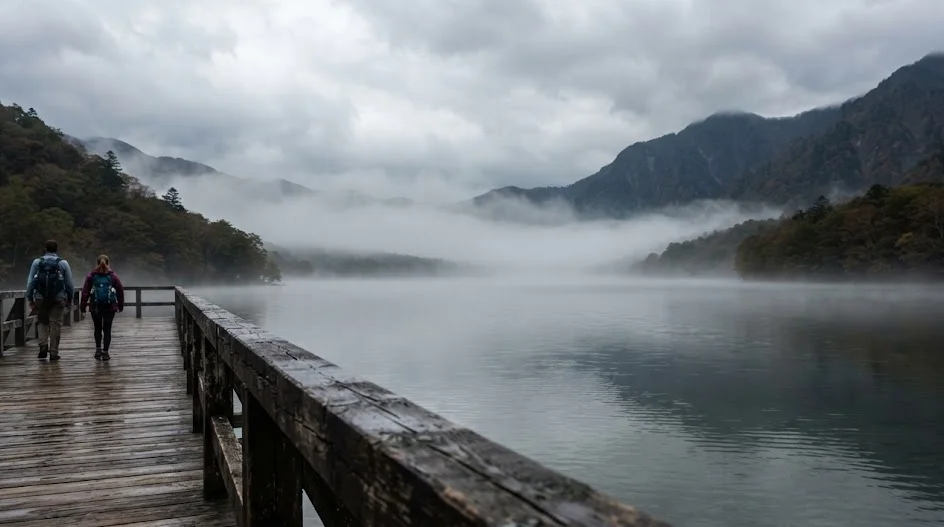
Hakone-Yumoto acts as the perfect relief after a busy spell in Tokyo or Osaka. The mountain air is crisp, and the sight of the steam rising from the hot springs provides an immediate change of pace.
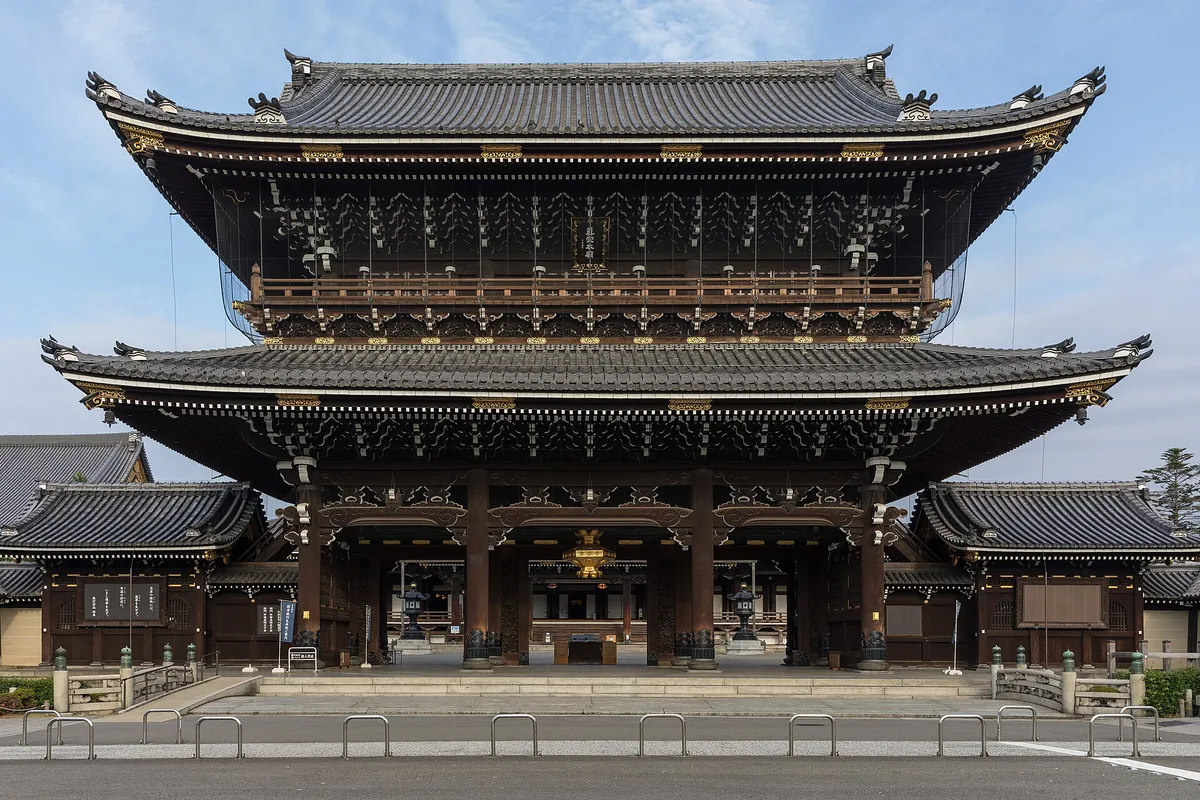
You can reach this area easily via the Romancecar from Shinjuku station. Prices for the round trip typically range from ¥2,500–4,000. Check the official Odakyu site for current timetable changes.
Staying in a traditional ryokan
Staying at a ryokan is a staple experience. Look for places in the Hakone-Yumoto area that include a traditional kaiseki dinner; these packages often cost between ¥15,000–30,000 per person.
Remember that most ryokan have strict check-in times, usually by 18:00. If you arrive late, you might miss the dinner service. That was the mistake.
Kanazawa: The alternative to the Golden Route
Why this city fits the traveler who wants space
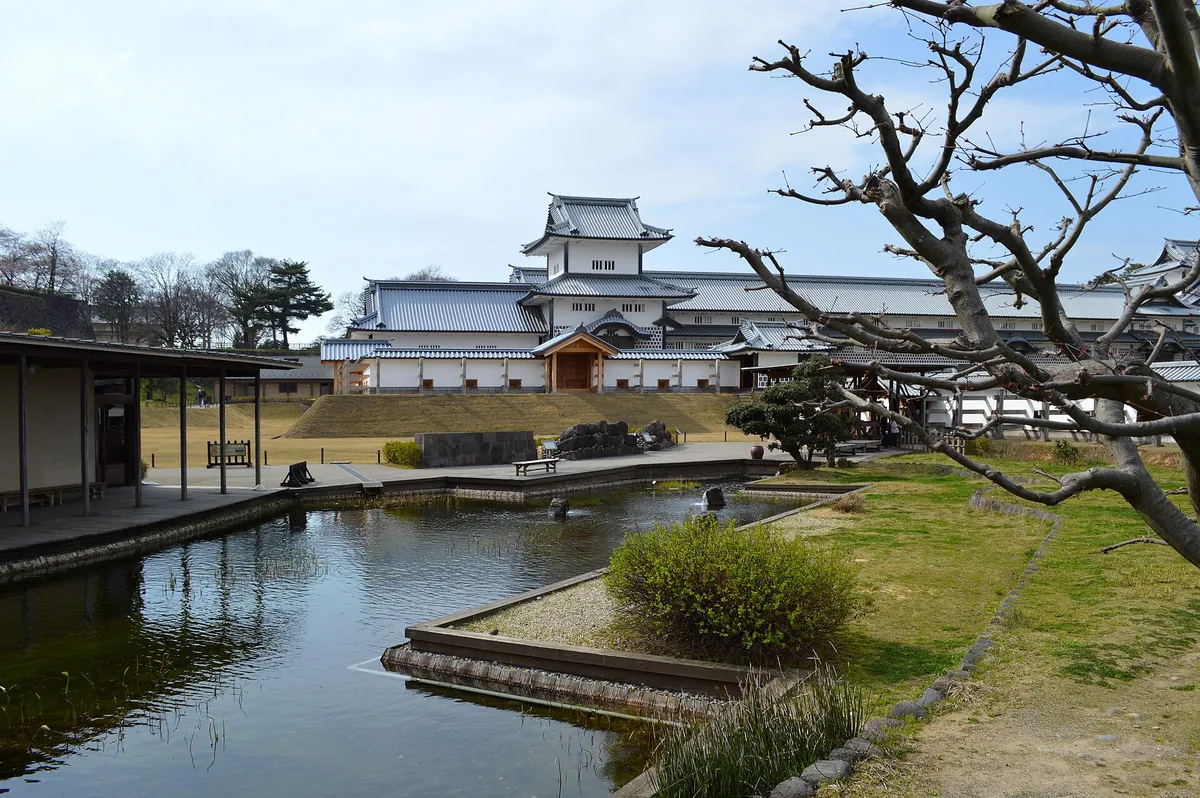
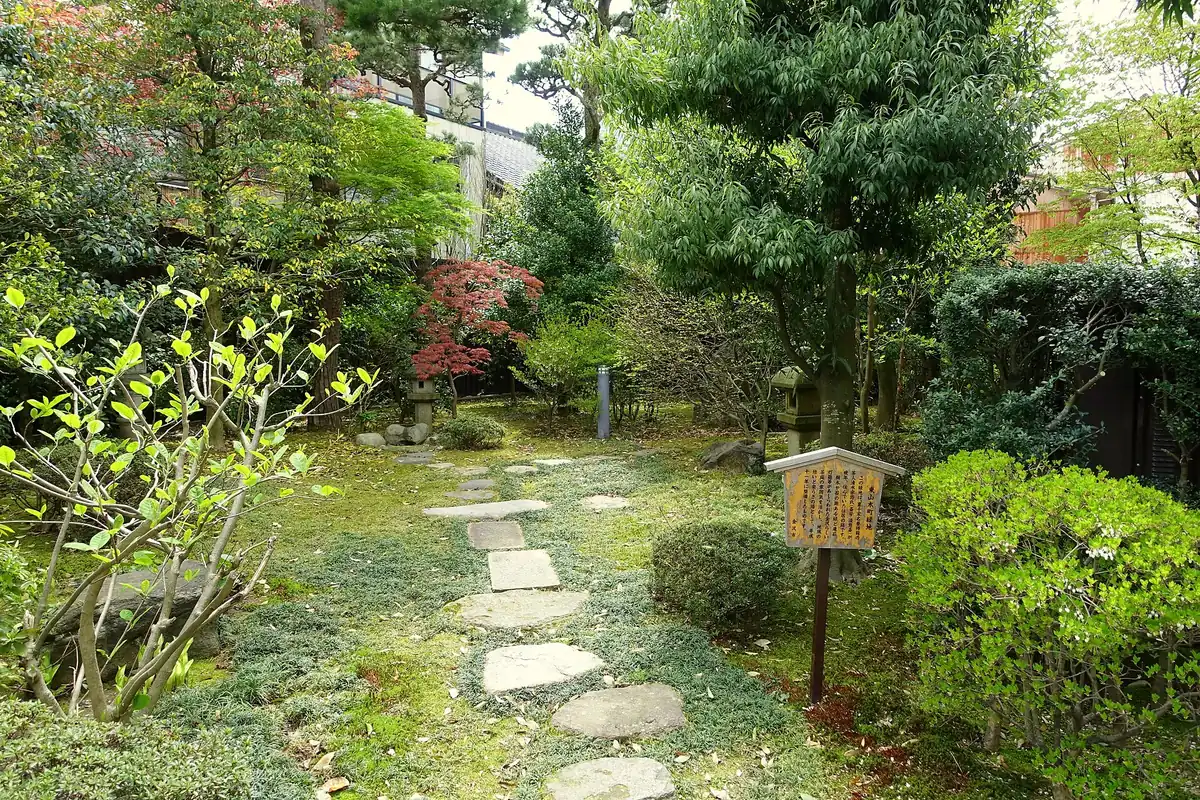
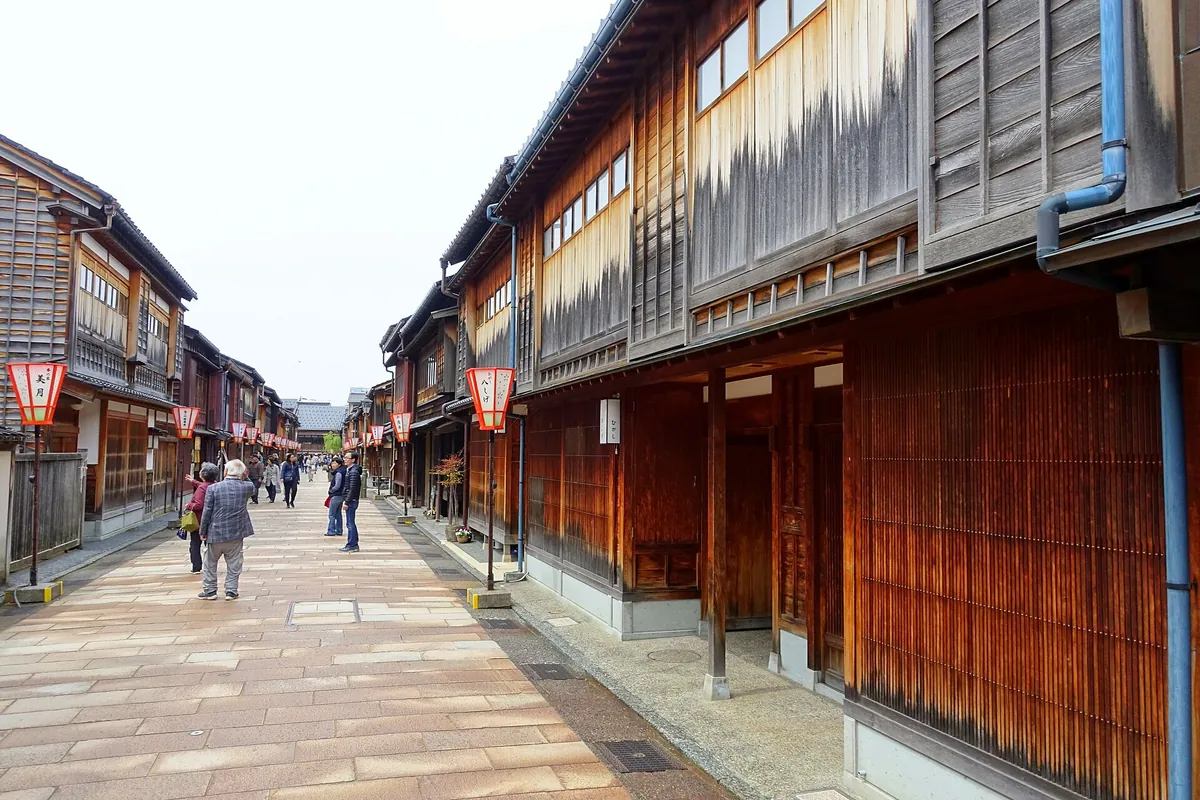
Kanazawa is often overlooked by first-timers who stick to the main rail line. It offers stunning gardens and samurai districts that feel preserved in time without the crushing crowds of Kyoto.
You can walk most of the historic center in a day. It is an excellent place to practice slow travel and enjoy the local seafood, which varies in price based on the season.
Accessing the region without stress
Use the Shinkansen to reach Kanazawa from Tokyo or Osaka. The ride is efficient and comfortable, taking roughly 2–3 hours. Check fares on the official Japan Rail site, as a pass may or may not save you money depending on your total travel distance.
Side by side: Comparing your primary hubs
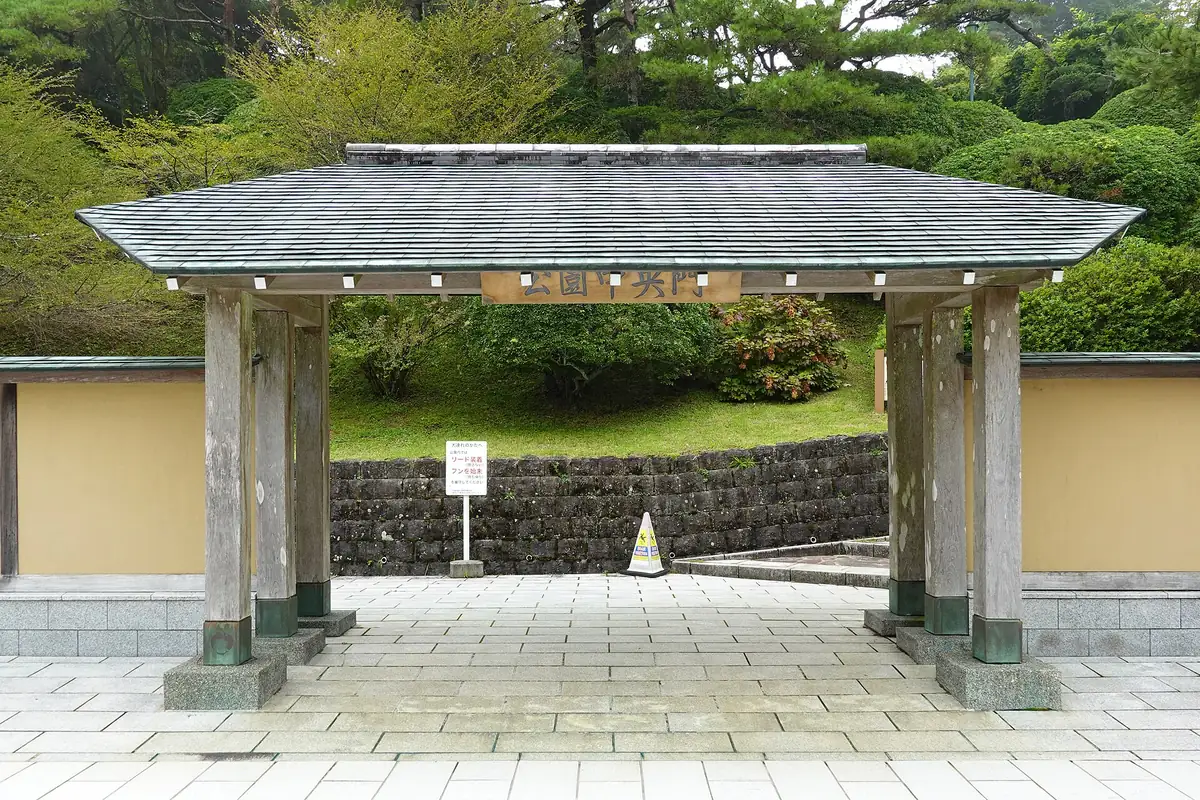
Choosing your main hub changes the entire flow of your vacation. Compare these three to see which aligns with your personal pace.
← Swipe to see the full table →
| City | Best for | Est. daily spend (mid-range) |
|---|---|---|
| Osaka | Food and transport | ¥10,000–15,000 |
| Kyoto | Culture and history | ¥12,000–18,000 |
| Kanazawa | Peace and quiet | ¥9,000–14,000 |
Plan your trip: the tools we use
Partner link.
The alternatives to the standard itinerary
You do not have to stick to the big cities. Many travelers find joy in smaller coastal towns or mountain villages where English is less common but the hospitality is deep.
If you prefer flexibility, consider renting a pocket Wi-Fi via Klook or getting an eSIM from Ubigi. Having constant data helps when you need to change your route on the fly or translate a menu at a small shop.
Tips for getting the most out of your planning
Step 1: Download offline maps
Google Maps works well, but keep an offline version in case you lose signal.
Step 2: Book your transport first
Reserve your major inter-city travel to secure your preferred departure times.
Step 3: Test your connectivity
Install your eSIM before leaving home so you are ready the moment you land.
I once neglected to check my train platform numbers in advance, leading to a frantic run across the station. Always look for the departure screens that alternate between English and Japanese; they are your best friend.
Use luggage forwarding services like Yamato to send your large suitcases between cities. It costs roughly ¥2,000–3,000 per bag, but it saves you from wrestling them onto crowded trains.
Connectivity strategy for seamless navigation
Arriving in a foreign country without a working phone is a recipe for anxiety. Your first mission is to ensure you have reliable data access the moment your wheels touch the tarmac, as finding public Wi-Fi can be a frustrating exercise in failure.
Most travelers today opt for an eSIM because it eliminates the need to swap physical cards or carry extra hardware. Services like Airalo or Ubigi allow you to purchase a data plan on your phone before you even leave your living room. Once you land, you simply switch the connection in your phone settings.
Data usage realities for a week of travel
- Basic map navigation: Expect to use roughly 200MB to 500MB per week for walking directions.
- Social media and photo uploads: This is your primary data drain, often reaching 1GB to 2GB if you are active.
- Translation and web lookups: Minimal impact, usually totaling under 300MB for the duration of a trip.
For most light to moderate users, a 5GB or 10GB plan is more than sufficient for a ten-day stint. If you rely on constant video streaming or video calls, you might want to look for unlimited plans, which typically cost between ¥2,000–4,500 depending on the duration.
Check the official site for any specific carrier restrictions.
If you prefer a physical device, consider a pocket Wi-Fi router. You can pick these up at the airport on arrival by booking in advance through Klook.
While this requires carrying an extra battery and device, it provides a stable connection for multiple travelers simultaneously. Just remember that if you lose the device, the replacement fees can be steep, so always opt for the insurance add-on if available.
Connectivity is not just about convenience; it is a safety tool. Having an active map allows you to pivot your plans if a train line is delayed or a specific attraction is closed for the day. Do not count on hotel Wi-Fi to manage your entire trip; the moment you leave your room, you need to be self-reliant.
The role of local phone numbers in logistics
While data covers your maps and translation apps, you will eventually encounter a situation where a local Japanese phone number becomes necessary. Many travelers realize this too late when they try to book a specific restaurant or arrange a delivery.
Standard data-only eSIMs do not come with a voice number. This lack of a number can prevent you from using certain reservation platforms or contacting a hotel if you are running late.
Most high-end restaurants in Tokyo or Kyoto require a phone number for booking confirmations, and they rarely accept international numbers from abroad.
How to bridge the communication gap
- Use hotel concierges: If you stay at a reputable hotel, ask them to make the booking for you. They have the local numbers required to secure your spot.
- Leverage booking platforms: Services like Tablelog or Omakase often require a local number, but some aggregators like GetYourGuide offer curated dining tours that handle the booking for you.
- Carry a backup: If you are traveling solo and need to be reachable, consider a service that provides a virtual local number.
Expect to pay a premium if you decide to buy a voice-enabled SIM card, often ranging from ¥4,000–7,000. Check the official site of the carrier to see if your phone is unlocked and compatible with their network. Most modern phones handle this easily, but older models may struggle with regional frequency bands.
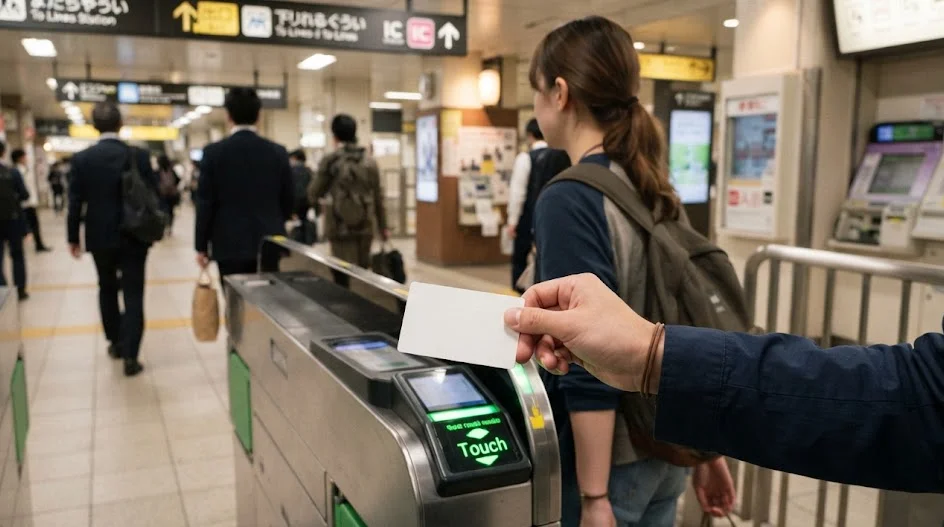
You may also find that certain automated luggage lockers or taxi-hailing apps function more smoothly with a local number. While you can often get by without one by using hotel landlines or public phones, having a direct line of contact significantly reduces the friction of daily logistics.
It is an investment in peace of mind rather than a requirement for every visitor.
Do not let the fear of missing a phone call deter you from exploring. Most of your travel needs, such as rail tickets and entrance fees, are entirely digital and do not require a phone number.
Simply be aware that for specialized bookings, having a backup plan involving your hotel staff will save you from standing outside a closed shop door.
FAQ
QIs the Japan Rail Pass worth it?
It depends entirely on your specific route. Add up the individual point-to-point ticket prices on a planner before deciding. If you are only moving between two cities, buying individual tickets is often cheaper than a pass.
QHow do I avoid long queues?
Visit popular spots before 8:00 or after 17:00. Mid-day is the peak time for tour groups, so plan your transit or meals for those hours instead.
QIs it hard to get around without Japanese?
Not at all. Major stations have signs in English, and you can use translation apps to communicate simple needs. Most locals are patient if you show respect and try to learn a few basic phrases.
QHow many locations should I visit?
Limit yourself to three distinct base areas for a 14-day trip. Moving hotels every two days creates more stress than the travel experience is worth.
QShould I book tours for everything?
Only for specific experiences that require entry, like cooking classes or guided hikes. Most shrines and districts are easy to navigate on your own with a bit of research.
 ReaderYuki
It is natural to worry that your plan might not be perfect for your first time here.
Stop re-reading endless blogs and lock in your base city, then give yourself permission to figure out the rest once you are on the ground.
Keep planning
- ① Install and test your eSIM before take-offAiralo and Ubigi eSIMs activate on arrival, but the install itself needs Wi-Fi. Do it at home and confirm the profile shows up in your phone settings.
- ② Save your first hotel’s address in JapaneseTaxi drivers and station staff read Japanese addresses far faster than romanised ones. Copy it from the booking confirmation into your notes app.
- ③ Set aside cash for day oneMany small restaurants, temples and rural buses are still cash-only. Airport ATMs at 7-Eleven and the post office accept most foreign cards.
Skip these and your first hour in Japan goes on finding Wi-Fi at the station instead of getting to your hotel.
🔍 How to sanity-check any price you read online
Blogs (including this one) go out of date. The official page always wins over a screenshot from two years ago.