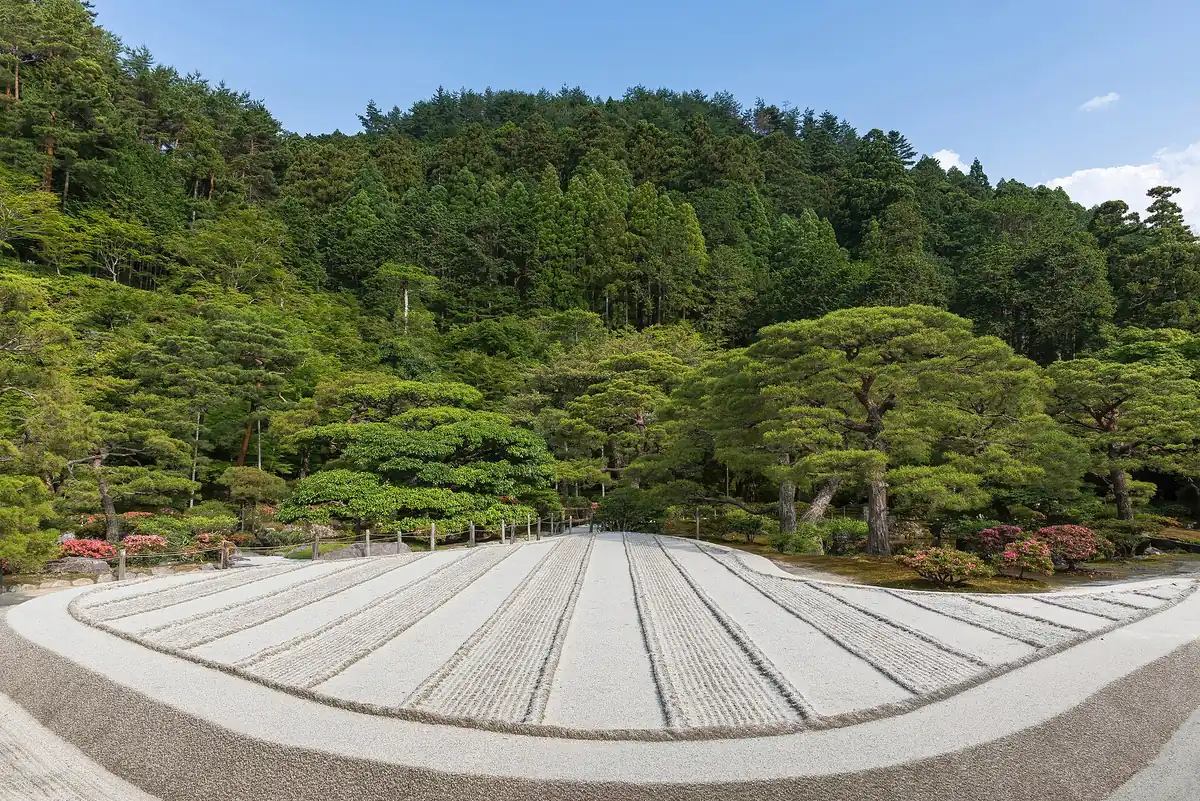

Kyoto Station ticket gates, a phone with twenty map pins on it: pick one side of the city and let the other pins go. Fushimi Inari, Kiyomizu-dera, Arashiyama and Kinkaku-ji sit on different edges of Kyoto, and the city bus between them is where a one-day plan loses its afternoon.
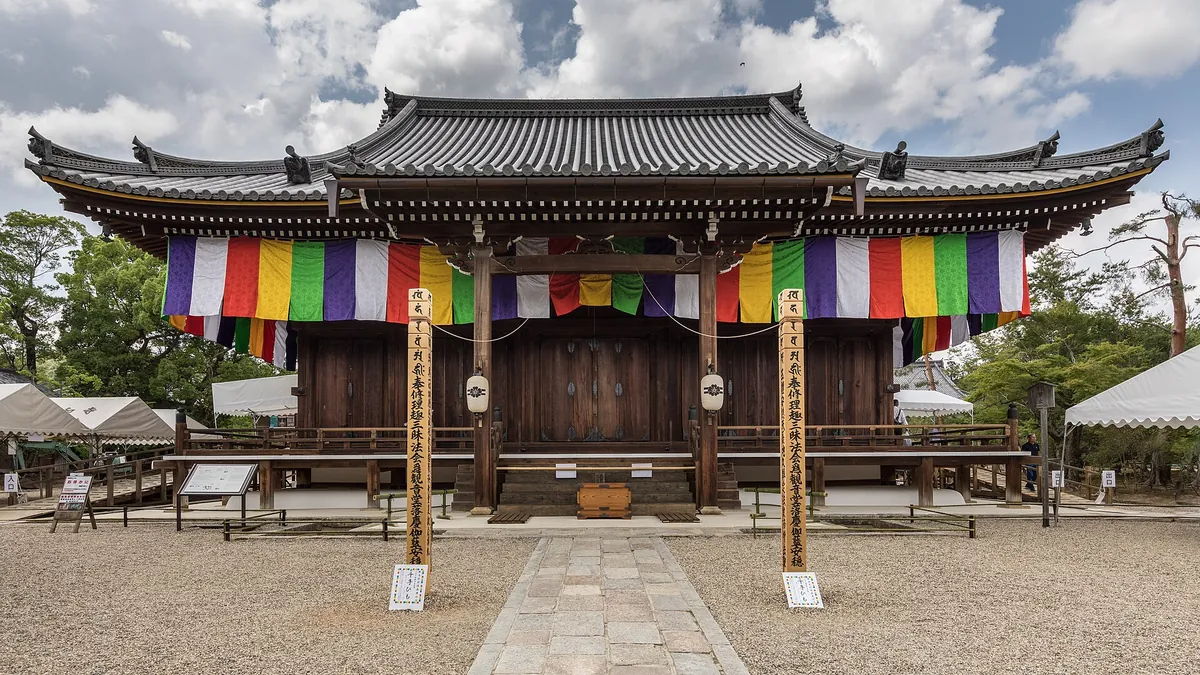
So is one day in Kyoto enough? Yes for one cluster done properly, no for all of Kyoto.
From Osaka, choose the cluster your railway already points at: Keihan for Fushimi Inari and Gion, Hankyu or JR for Arashiyama. From Tokyo, board the 6:00 Nozomi and budget roughly ¥25,000–28,000 for the round trip on smartEX fares (estimate, 2026).
If you have three nights in Kyoto, close this and read our guide on where to stay in Kyoto instead. This page is for the single day.
- One day covers one cluster: Fushimi Inari to Gion, Arashiyama, or Kinkaku-ji
- From Osaka, Keihan leads to Fushimi Inari and Gion; Hankyu leads to Arashiyama
- Skip the Shinkansen from Shin-Osaka: ¥2,880 for a 13-minute ride
- From Tokyo, the 6:00 Nozomi reaches Kyoto at 8:08
- Reach Fushimi Inari and Arashiyama by train, not by bus
- Fix your train home before you choose a single temple
- Time on the ground
- 8:08 to 21:38 if you come from Tokyo
- Tokyo round trip
- About ¥24,900–28,000 (estimate)
- Kyoto day pass
- ¥1,100, subway and city bus
- Earliest gate
- Kiyomizu-dera, from 6:00
- Book ahead
- Shinkansen seats only
- Prices checked
- November 2026
Prices are ranges checked in November 2026; confirm on the official site before you book.
Does a Single Kyoto Day Fit You? 7 Quick Checks
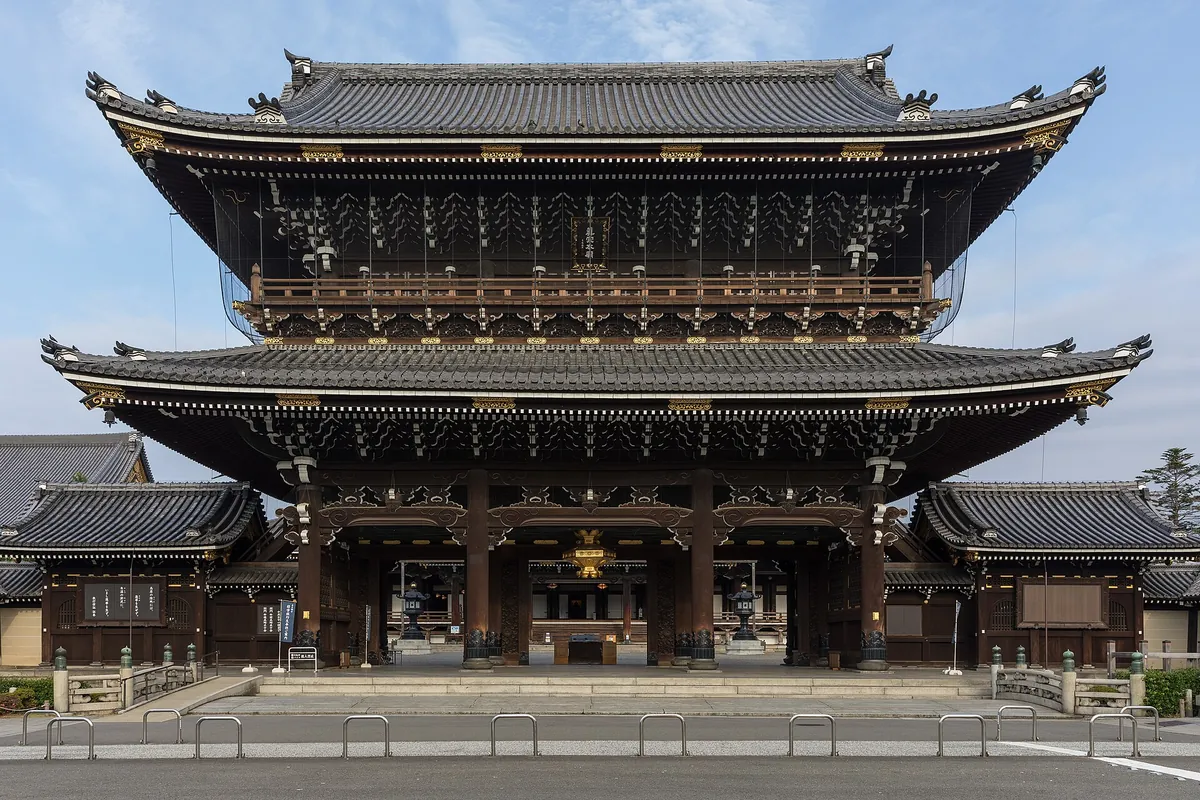
A one-day Kyoto trip works well for some trips and badly for others. Run through these before you plan anything else. The answers decide your cluster, your train and how early the alarm goes off.
- You are based in Osaka or Tokyo, not in Kyoto
- You can be in Kyoto by about 8:30 a.m.
- You know which Osaka railway is nearest your hotel
- You hold a JR Pass, or you have ruled one out
- You prefer temples and gardens to a food crawl
- Your date falls in the late-November leaf season
- You know what time you must be back tonight
Ticked the first three? You are in the easy group. An Osaka base with an early start is the best case for a single Kyoto day.
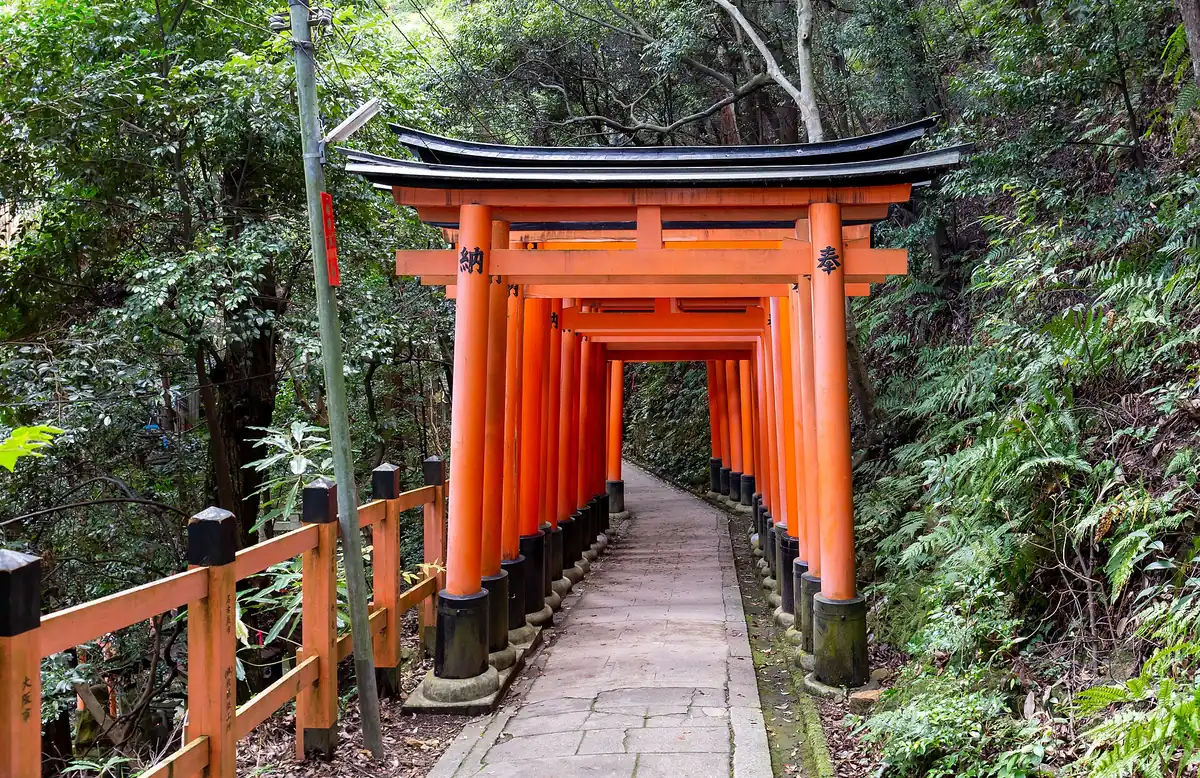
Coming from Tokyo is harder. The ride alone takes about two hours each way, so the last item on the list becomes the most important one.
Leaf season changes the maths too. Late November is the busiest time to try this, and every queue costs you part of a day that has no spare hours. If more than two items made you hesitate, read our verdict on whether Kyoto is worth visiting and how many days it really wants.
Is One Day in Kyoto Enough? The 3-Cluster Answer
One day is enough for one part of Kyoto, seen at a calm pace. It is not enough for the famous checklist. The four names everyone saves sit far apart, and only some of them are on a railway line.
1. Trying to tick all four famous sights
Picture the map. Fushimi Inari is in the south-east, Kiyomizu-dera and Gion are in the east, Arashiyama is out west, and Kinkaku-ji is in the north-west.
Kinkaku-ji is the awkward one. Its temple office lists city buses 12, 59, 205 and M1 to the Kinkakuji-michi stop as the way in, so pairing it with Fushimi Inari means a long bus ride across the city in the middle of your day.
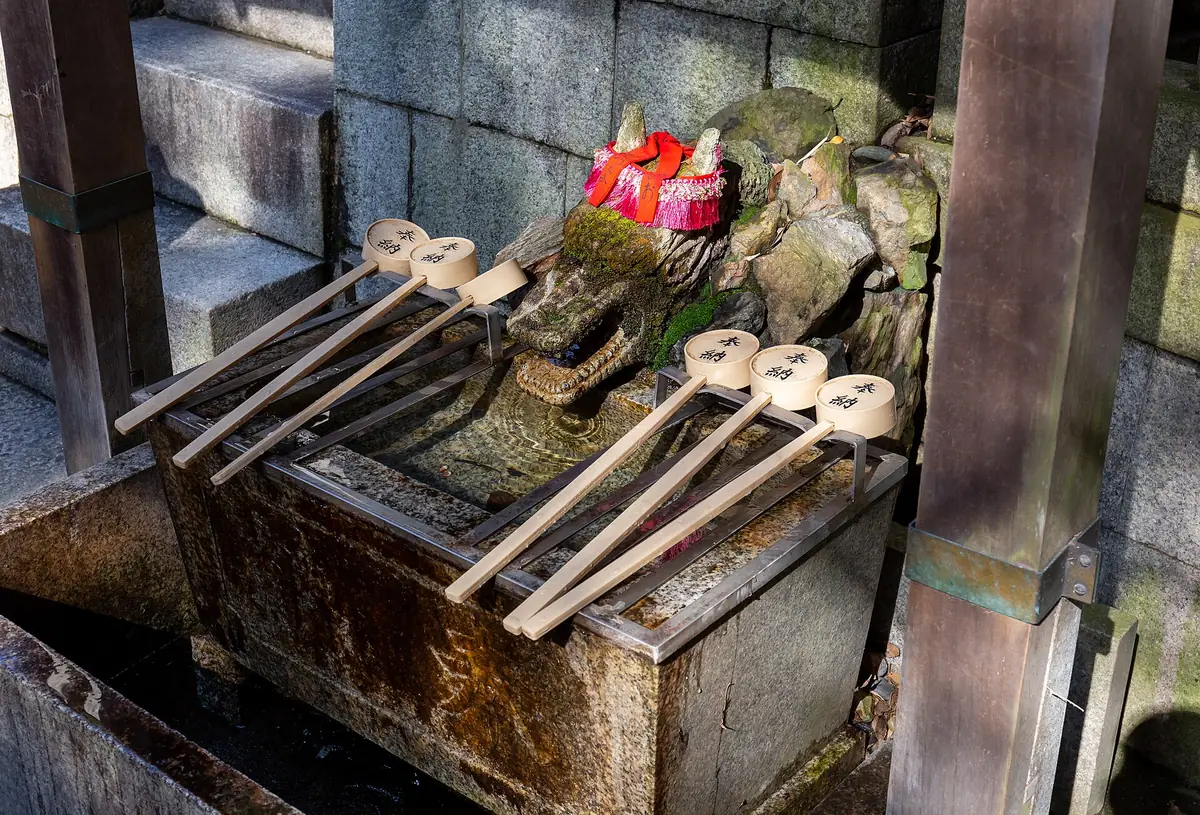
Two clusters is the most a single day can hold.
2. Ignoring the opening times
Opening hours decide your order more than distance does. These are the hours each temple lists for November 2026; check the official pages before you go.
- Kiyomizu-dera opens at 6:00; closing time changes by season
- Tenryu-ji in Arashiyama: 8:30 to 17:00, last entry 16:50
- Ginkaku-ji: 8:30 to 17:00 from March to November
- Ginkaku-ji in December to February: 9:00 to 16:30
- Kinkaku-ji: 9:00 to 17:00
So a Kinkaku-ji plan cannot start before 9:00, while Kiyomizu-dera can be first at dawn. Most temples close by 17:00, which leaves the evening for Gion or the train home.
← Swipe to see the full table →
| Cluster | Best for | First stop by train or bus |
|---|---|---|
| A. Fushimi Inari to Gion | Shrine gates, old streets, dinner | JR Inari or Keihan Fushimi-Inari |
| B. Arashiyama | Gardens and a slower morning | JR Saga-Arashiyama or Hankyu Arashiyama |
| C. Kinkaku-ji | The Golden Pavilion first | Bus 12, 59, 205 or M1 to Kinkakuji-michi |
Plan your trip: the tools we use
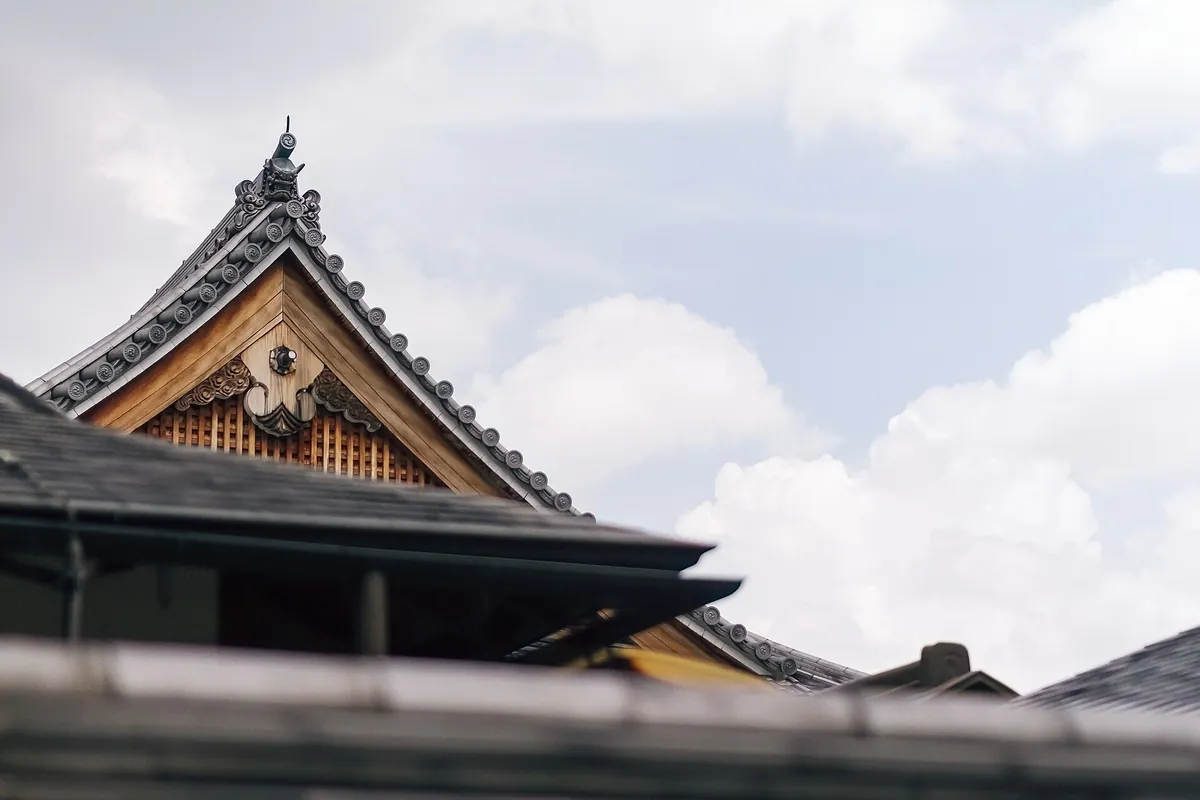
Our pick: Cluster A for a first visit, because trains and your feet cover all of it.
From Osaka: Let Your Railway Pick the Kyoto Cluster
Osaka has three main railways into Kyoto, and each one lands you in a different part of the city. Instead of planning sights first and trains second, flip it. Look at the station nearest your hotel and follow that line.
- Near Yodoyabashi or Kyobashi: Keihan, then Cluster A
- Near Umeda: Hankyu Kyoto Line to Katsura, change for Arashiyama (Cluster B)
- Near Osaka Station or Shin-Osaka: JR to Kyoto Station, then A or B
All three lines charge ordinary fares, not Shinkansen prices. Keihan’s own example puts Yodoyabashi to Demachiyanagi at ¥470 (as of 2026; check the operator’s site for your stations).
3. Taking the Shinkansen from Shin-Osaka
The Nozomi from Shin-Osaka reaches Kyoto in about 13 minutes on JR East’s November timetable. The smartEX fare for that hop is ¥2,880.
That is several times the ordinary fare, and you still end up at Kyoto Station, where most clusters need another train. Unless you hold a JR Pass and are already standing at Shin-Osaka, skip it.
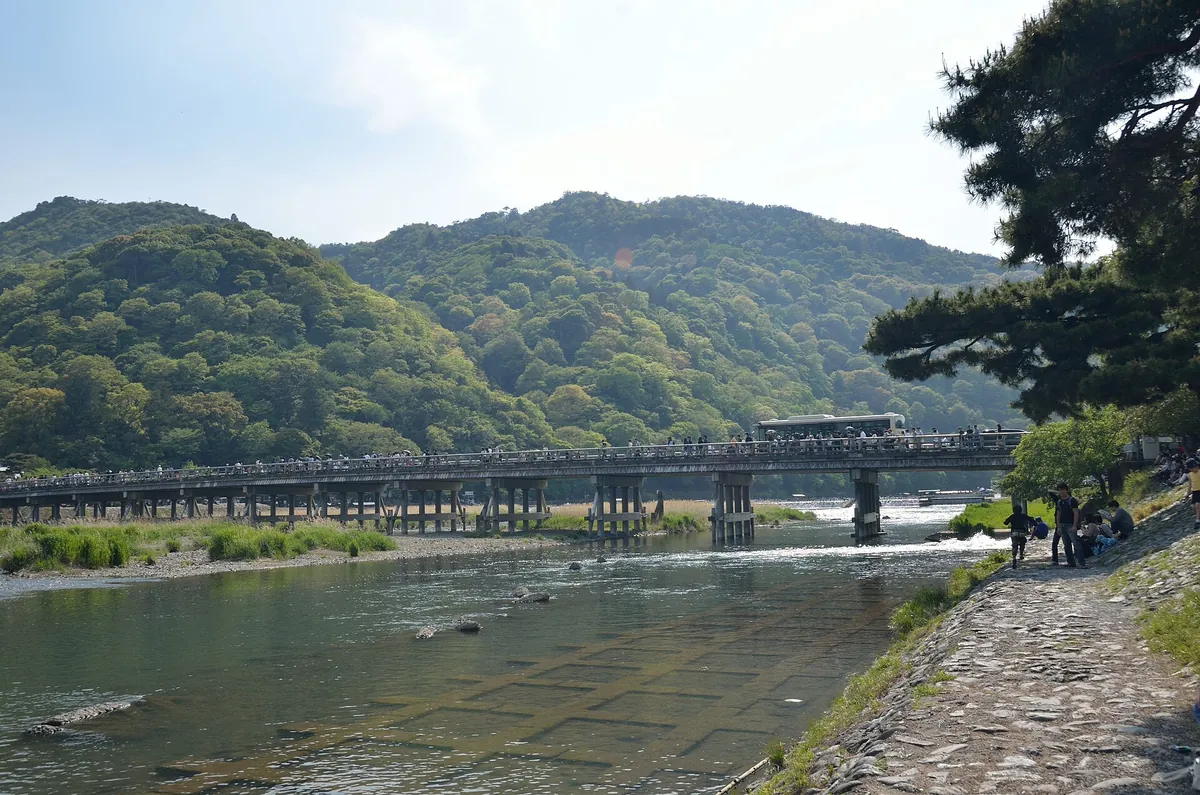
4. Riding a Keihan limited express to Fushimi-Inari
Keihan is the natural line for Cluster A, but there is a catch. Kyoto City’s tourism site says Keihan limited express trains do not stop at Fushimi-Inari Station.
Board a train that stops there, or ride the limited express to a bigger station and change. From Gion-Shijo, the same site puts Fushimi-Inari about 22 minutes away.
- Yodoyabashi or Kyobashi, Osaka
- Keihan Main Line · a train that stops at Fushimi-Inari
- Fushimi-Inari Station
- About 5 minutes on foot, east
- Fushimi Inari Taisha
What about the Keihan Kyoto-Osaka Sightseeing Pass? The 1-day version costs ¥1,650. A Yodoyabashi to Demachiyanagi return is ¥940, so the pass only wins if you add about ¥710 of extra Keihan rides. Add up your own trips first.
5. Taking JR when Hankyu is next to your hotel
Staying near Umeda? Take the Hankyu Kyoto Line toward Kawaramachi, but get off at Katsura on the way in and change there for Hankyu Arashiyama. Katsura comes before central Kyoto, so there is no need to ride on and double back.
That makes Hankyu the cleanest way into Cluster B. Crossing Osaka to catch JR, only to reach Kyoto Station and change again, adds a transfer for no gain.
From Tokyo: the 13-Hour Kyoto Clock and the ¥25,000–28,000 Fare
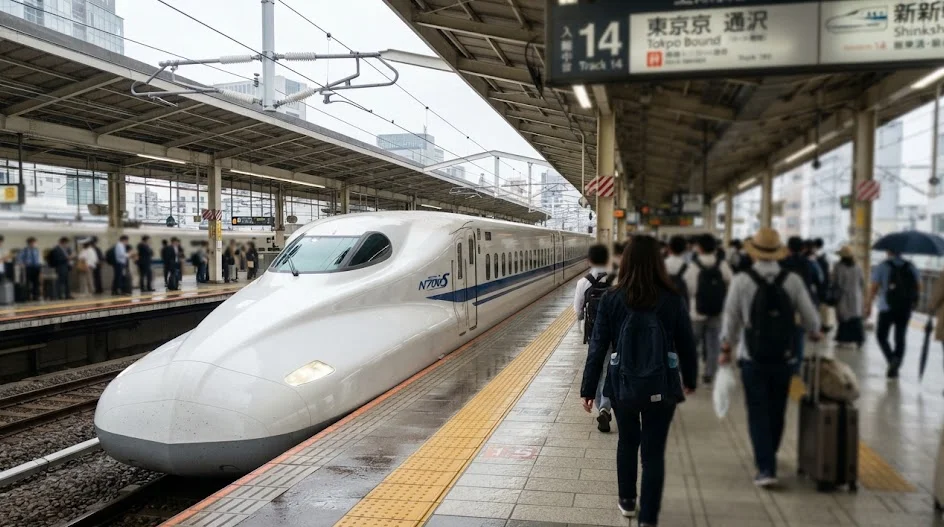
A Tokyo day trip is possible, but the clock is fixed by two trains. On JR East’s November 2026 timetable, Nozomi 1 leaves Tokyo at 6:00 and reaches Kyoto at 8:08.
Going back, Nozomi 64 leaves Kyoto at 21:38 and reaches Tokyo at 23:45. That is the latest Tokyo-bound Nozomi we found on that timetable. It gives you about 13 and a half hours on the ground at most.
A realistic plan aims one or two trains earlier, so a delay does not strand you.
← Swipe to see the full table →
| How you ride | Round trip (estimate) | The catch |
|---|---|---|
| smartEX, Nozomi, regular season | About ¥27,940 | ¥200 less off-peak, more at peak |
| EX Hayatoku 21 | About ¥24,860 | Book 21 or more days ahead |
| JR Pass plus Nozomi ticket | ¥9,920 on top of the pass | Pass value depends on your route |
Our pick: EX Hayatoku 21 if your date is fixed three weeks out; smartEX if not.
All totals are estimates for one adult in reserved seats, based on smartEX fare sheets checked in November 2026. Add ¥1,100 for a Kyoto day pass and entry fees such as Kinkaku-ji at ¥500.
6. Missing the cheaper fare window
EX Hayatoku 21 charges ¥12,430 one way from Tokyo to Kyoto, the same price on all days. The regular smartEX Nozomi fare is ¥13,970.
The rule is simple: reserve up to 21 days before travel, by 23:30. Decide your Kyoto date early and you save about ¥3,000 on the round trip.
7. Boarding a Nozomi on a JR Pass without the extra ticket
JR Pass holders need a separate ticket to ride the Nozomi. JR Central lists the Nozomi ticket for pass holders at ¥4,960 from Tokyo or Shinagawa to Kyoto.
Whether the pass pays off depends on your whole route, so add up the individual fares first. The official Japan Rail Pass site explains what the pass covers.
8. Planning around the very last train
If your plan only works on Nozomi 64, it does not work. One slow bus or a long dinner queue and you are booking a Kyoto room at 22:00. Check the timetable again a week before you travel, because train times change.
For the bigger fly-or-train question, see Tokyo to Kyoto by plane or train.
Where we would book this
Booking.com
Largest inventory in Japan for English-speaking travellers
- Best for
- Hotels, business hotels, ryokan and apartments in every city
- Checked
- September 2026
Official site. Same price for you.
Cluster A, Fushimi Inari to Gion Without a Bus
This is the cluster that rail alone covers best, which is why it suits both Osaka and Tokyo starts. From Kyoto Station, the shrine says JR Inari is 2 stops and about 5 minutes away on the JR Nara Line, and the shrine sits right next to the station.
- Kyoto Station
- JR Nara Line · about 5 min
- JR Inari and Fushimi Inari Taisha
- Keihan north from Fushimi-Inari
- Kiyomizu-Gojo Station
- About 25 min on foot
- Kiyomizu-dera, then down to Gion
9. Climbing the whole of Mount Inari
JNTO says it takes two to three hours to tour the mountain behind the shrine. On a single day, that is a whole cluster’s worth of time spent on one sight.
Walk up through the gates until the crowd thins, then turn back. You keep the best part and save the hours for Kiyomizu-dera and Gion.
What most first-timers do
- Bus from Kyoto Station to every sight
- Climb all of Mount Inari
- Reach Kiyomizu-dera at midday
- Squeeze in Kinkaku-ji before dinner
What actually works
- JR or Keihan to Fushimi Inari, early
- Turn back once the crowd thins
- Keihan north, then walk up to the temple
- Save Kinkaku-ji for another trip
Kiyomizu-dera’s admission is a few hundred yen; check the temple site for the current fee. If the 25-minute walk from Kiyomizu-Gojo is too much, city buses 206 and 100 run from Kyoto Station to Gojozaka, and the temple is about 10 minutes on foot from there.
Those same buses are your way back to Kyoto Station from the Gojozaka side. Leave a margin: in leaf season they fill up.
Cluster B, Arashiyama in a Morning: Trains, Not Bus 11
Arashiyama is the cluster for gardens, the river and a slower pace. It is also the one where the bus trap is worst.
10. Taking the bus from Kyoto Station to Arashiyama
Kyoto City’s own tourism site warns that City Bus No. 11 “tends to be constantly congested” and that the bus from Kyoto Station is “not only crowded but also time-consuming”. That is the city telling you to take the train.
Two lines do the job. JR’s Sagano Line runs from Kyoto Station to Saga-Arashiyama in about 11 minutes. Hankyu reaches Arashiyama from Kawaramachi with a change at Katsura.
Then walk. Tenryu-ji lists these walking times to its gate:
- Keifuku Arashiyama Station: about 5 minutes
- JR Saga-Arashiyama Station: about 13 minutes
- Hankyu Arashiyama Station: about 15 minutes
Tenryu-ji opens at 8:30. Being at the gate when it opens is the simplest way to see the garden before the tour groups. The garden costs ¥500, and entering the buildings adds ¥300 (as of 2026; check the temple site).
Arashiyama fills a morning and lunch well. In the afternoon, either head back to Osaka early or ride into central Kyoto for an evening in Gion.
Getting Around Inside Kyoto: ¥230 Rides vs the ¥1,100 Day Pass
Once you are in Kyoto, the choice is between paying per ride and buying the city’s day pass. The numbers are easy to check.
11. Buying the day pass for two bus rides
A Kyoto City Bus ride costs a flat ¥230 for adults. The Subway & Bus 1-Day Pass is ¥1,100 for adults and ¥550 for children.
The pass pays from about five rides. Four rides cost ¥920, five cost ¥1,150.
The pass covers both subway lines and the city buses, with some exclusions. JR, Keihan and Hankyu trains are separate fares, so a rail-only Cluster A or B day may need no pass at all.
12. Trying to pay the bus with a credit card
The city’s bus guide lists cash, IC cards such as ICOCA, Suica, PASMO and PiTaPa, and the day pass.
As of November 2026, credit and debit cards cannot be used on Kyoto City buses, and the JR Pass is not accepted either.
Carry an IC card with some balance on it. Kyoto City has also said it plans to change bus fares for visitors; check the city’s page before you go.
13. Missing the weekend express buses
On Saturdays, Sundays, Obon and the New Year period, the EX100 and EX101 express buses run from Kyoto Station. EX100 stops at Gojozaka, Gion, Okazaki Park and Ginkaku-ji; EX101 serves the Kiyomizu area.
Each ride costs ¥500, and the 1-day pass is valid on them. For the rest of the bus question, see our guide to getting around Kyoto without bus hell.
Keep maps running all day with an eSIM from Airalo or Ubigi.
Coach Tour, Kiyomizu After Dark, or a Night in Kyoto?
Three other ways to spend the day are worth a look before you commit to the do-it-yourself plan.
14. Booking a 4-sight coach tour and expecting time at each
Klook, GetYourGuide, KKday and Viator all list coach day tours from Osaka that cover four Kyoto sights in one day. The coach solves the transport problem, and that is real value if you dislike changing trains.
The trade-off is time. Four sights spread across the city means a lot of the day on the road and short stops at each. Read the itinerary for how long you get at each place before you book.
Partner link.
Kiyomizu-dera after dark in late November
Kiyomizu-dera holds an autumn evening visit from November 21 to 30, 2026, from 17:30 to 21:30 with last entry at 21:00. No reservation is needed.
From Osaka, the evening visit is an easy add to Cluster A. From Tokyo, it runs into the 21:38 Nozomi, so treat it as a reason to stay the night.
When to switch to an overnight
Want two clusters, or the evening visit from Tokyo? Then one night in Kyoto costs less stress than a 23:45 arrival. Search hotels near Kyoto Station on Booking.com or Agoda, and read where to stay in Kyoto to choose an area. If you are still choosing a base, compare Osaka and Kyoto as bases.
The One Habit: Decide the Last Train Before the First Temple
Most one-day Kyoto plans go wrong at the end of the day, not the start. People pick sights first and look up the train home last. Reverse it.
Here is a case from the timetables. Kiyomizu-dera’s evening visit runs to 21:30, and the latest Tokyo-bound Nozomi on JR East’s November timetable leaves Kyoto at 21:38. Those 8 minutes are not a plan.
Step 1: Pick one cluster
From Osaka, follow your railway. From Tokyo, Cluster A is the simplest from Kyoto Station.
Step 2: Check the first opening time
Kiyomizu-dera opens at 6:00, Tenryu-ji at 8:30 and Kinkaku-ji at 9:00. Build the morning around it.
Step 3: Fix the train home
From Tokyo, book the seat and aim one or two trains before Nozomi 64 at 21:38.
Step 4: Add one extra only if you are early
Ahead of schedule by lunch? Add a stop in the same cluster, never one across town.
Write the return time at the top of your plan. Everything else fits under it.
FAQ
QCan I use a JR Pass on Kyoto city buses?
No. Kyoto City’s bus guide says the JR Pass cannot be used on city buses. Pay with an IC card, cash or the ¥1,100 day pass.
QCan I add Nara to a Kyoto day?
Not on top of a full cluster. Nara needs its own half day; see our Nara half-day from Kyoto.
QIs the Shinkansen from Shin-Osaka to Kyoto worth it?
Rarely. It costs ¥2,880 on smartEX for about 13 minutes and still drops you at Kyoto Station. Keihan, Hankyu and JR ordinary trains cost far less.
QWhat if it rains?
Stay in your cluster and cut the outdoor walking: fewer Inari gates, more time inside Kiyomizu-dera or Tenryu-ji. Rain is a bad day to start hopping between buses.
Squeezing Kyoto into one day can feel like choosing which favourite to leave out.
Rather than re-reading more lists, lock in your cluster and your train home, and let the rest of the day adjust around them.
Keep planning
- ① Install and test your eSIM before take-offAiralo and Ubigi eSIMs activate on arrival, but the install itself needs Wi-Fi. Do it at home and confirm the profile shows up in your phone settings.
- ② Save your first hotel’s address in JapaneseTaxi drivers and station staff read Japanese addresses far faster than romanised ones. Copy it from the booking confirmation into your notes app.
- ③ Set aside cash for day oneMany small restaurants, temples and rural buses are still cash-only. Airport ATMs at 7-Eleven and the post office accept most foreign cards.
Skip these and your first hour in Japan goes on finding Wi-Fi at the station instead of getting to your hotel.
🔍 How to sanity-check any price you read online
Blogs (including this one) go out of date. The official page always wins over a screenshot from two years ago.
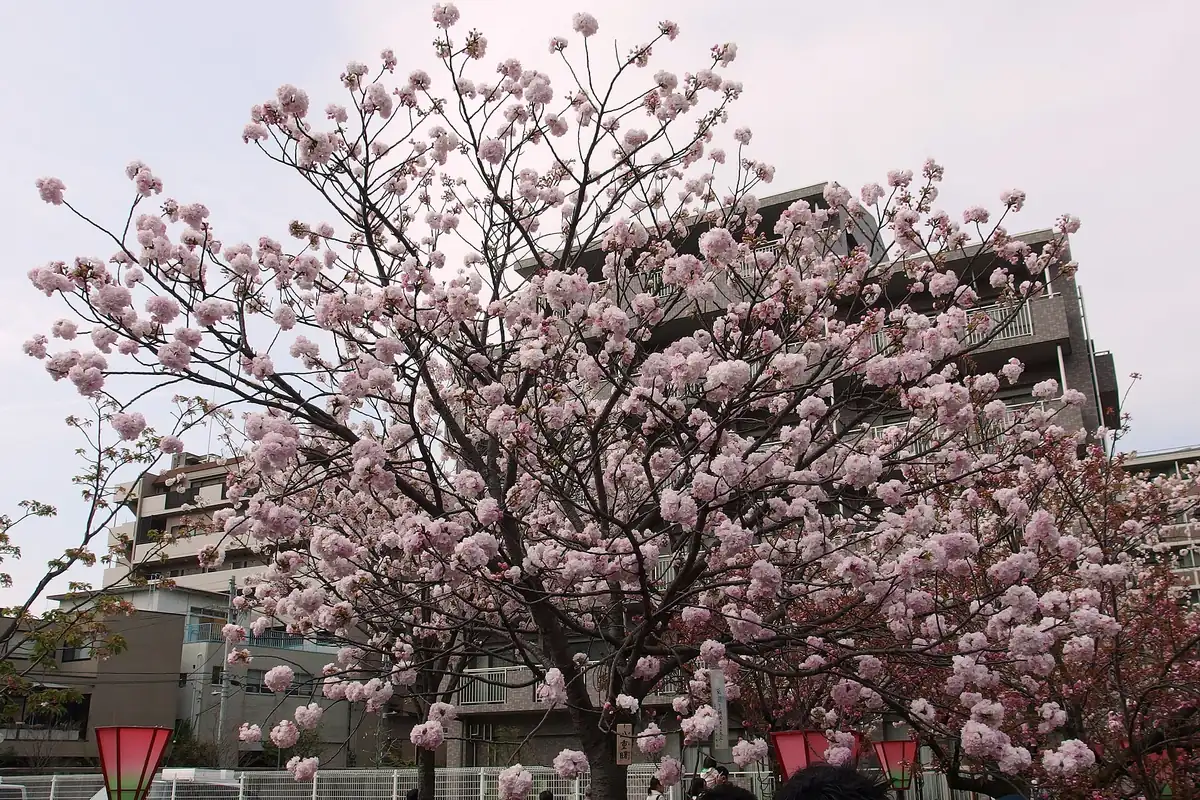
Cover Photo: Basile Morin, CC BY-SA 4.0, via Wikimedia Commons