- Do not tip at restaurants, cafes, bars, taxis or hotels. JNTO says it is not common.
- Price tags shown to shoppers must include consumption tax, so the tag is what you pay.
- Extra lines on a bill are usually a cover charge, a service charge or a local tax.
- Private guides and interpreters may accept a tip. It is still not expected.
- At a ryokan, a gift called kokorozuke is optional. Use an envelope, never loose cash.
- Not sure what was added? Ask before you order, then pay the printed total.
A tip line at the bottom of the receipt is what many visitors expect to see in Japan. What the receipt actually shows is a printed total with the tax already inside, and sometimes a cover charge or a service charge on top.
So here is the short answer. Do not tip in restaurants, bars, cafes, taxis or hotels. The two real exceptions are a private guide or interpreter, and, if you want to, the staff at a ryokan. Even then the money goes in an envelope and is handed over quietly.
The confusing part is not the tip. It is the extra money that is already on the bill, and this guide walks through every line you are likely to meet.
- Tip in restaurants
- No (JNTO)
- Tip in taxis, hotels
- No (JNTO)
- Real exceptions
- Private guide; ryokan (optional)
- How to give one
- In an envelope, discreetly
- Usual bill extras
- Tax, cover, service charge
- Rules checked
- November 2026
Charges and rules checked in November 2026; confirm on the official site before you go.
- You worry that not tipping will look cheap
- An izakaya bill had a charge you never ordered
- A hotel restaurant bill came out higher than the menu
- You are booking a ryokan and wonder about a gift
- You plan to hire a private guide for a day
- You usually say “keep the change” to taxi drivers
- You plan to shop tax-free before you fly home
Ticked even one? Each section below takes one of these and shows what to pay and why.
Why Japan Prices In the Service: No-Tip Rule and Tax-Inclusive Tags
The official line is short. The JNTO page on tipping in Japan says: “In Japan, it’s not common to tip for services such as those provided in bars, cafes, restaurants, taxis, and hotels.”
Good service is part of the price. The waiter, the taxi driver and the hotel porter are not working for a top-up from you, so there is no blank line on the bill to fill in.
That is the whole rule.
The same JNTO page adds a second idea. There is a custom called kokorozuke, which JNTO translates as “coming from the heart”, and it is given “in some situations”. That is a gift, not a tip, and we come back to it in the ryokan section.
The other reason you rarely need to do sums at the till is the law on price tags. Since April 2004, Japan’s Ministry of Finance has required total-price display: when a business shows a price to consumers in advance, the tag has to include consumption tax.
The National Tax Agency gives a style like “11,000 yen (tax included)” as an example. The standard consumption tax rate is 10%. So the number on the menu or shelf tag is normally the number you pay, unless something else is added, such as a cover charge.
Here is every common situation in one table, built only from official pages.
← Swipe to see the full table →
| Situation | What you actually pay | Tip? |
|---|---|---|
| Ramen shop or cafe, eating in | Printed tax-inclusive price; eat-in taxed at 10% | No |
| Takeaway bento or konbini food | Reduced 8% rate on food (not alcohol) | No |
| Izakaya | Cover charge that includes the otoshi snack | No |
| Hotel restaurant | Service charge, e.g. 10% at one listed hotel cafe | No |
| Hotel stay, Tokyo | Accommodation tax ¥100–200 per person per night | No |
| Hotel stay, Kyoto | Accommodation tax ¥200–10,000 per person per night | No |
| Onsen ryokan | Bath tax, ¥150 per person per day in one example city | Optional kokorozuke, in an envelope |
| Taxi, Tokyo | Meter; +20% from 22:00 to 05:00; tolls; dispatch fee | No |
| Private licensed guide | Guide fee | Optional, discreet, in an envelope |
| Tax-free shopping | Price with tax; refund at departure | Not relevant |
Plan your trip: the tools we use
Charges as of November 2026; check the official page for your city before you rely on a number.
Our pick: treat the printed total as final everywhere, and keep two envelopes only if you have a private guide or a ryokan night booked.
Restaurants and Cafes: 3 Lines You May See on the Bill
Restaurants are where most visitors feel the urge to leave something. In practice, a meal in Japan ends at the register by the door, often with the bill you carried there from your table.
1. Leaving coins on the table
Leaving a few coins under a plate is a habit that does not translate. Staff may read it as money you forgot, and you may find someone following you out of the door to give it back.
Pay the total shown, take your change, and say thank you instead. At a ramen counter or a family restaurant near Shinjuku Station, that is the whole exchange.
2. Treating the cover charge as a scam
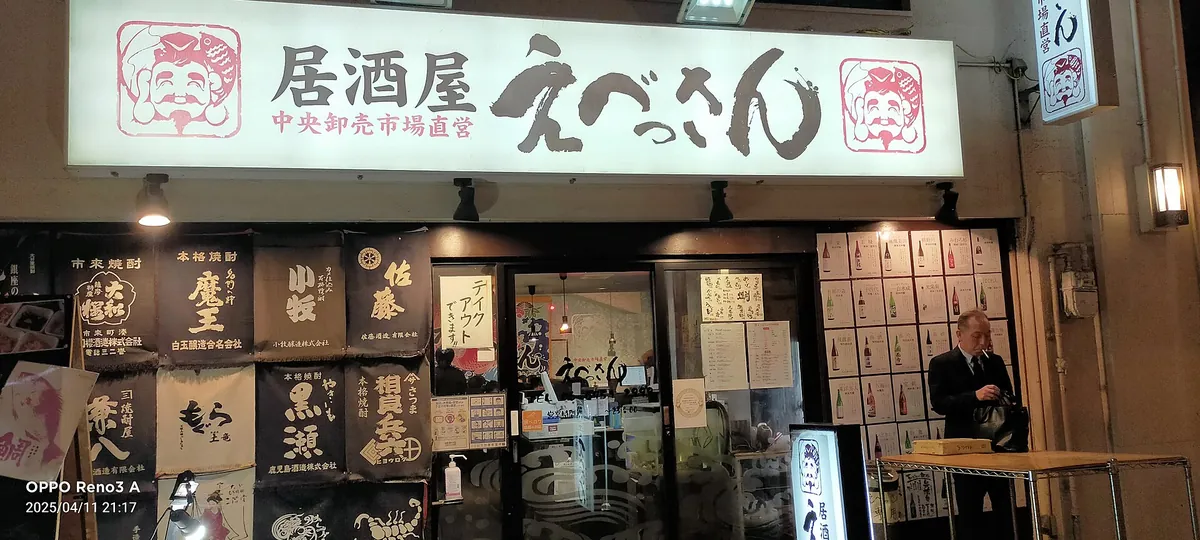
At many izakaya a small dish arrives before you order. It is called otoshi, and Aichi Prefecture’s official guide to izakaya explains that “this dish is included in the cover charge.”
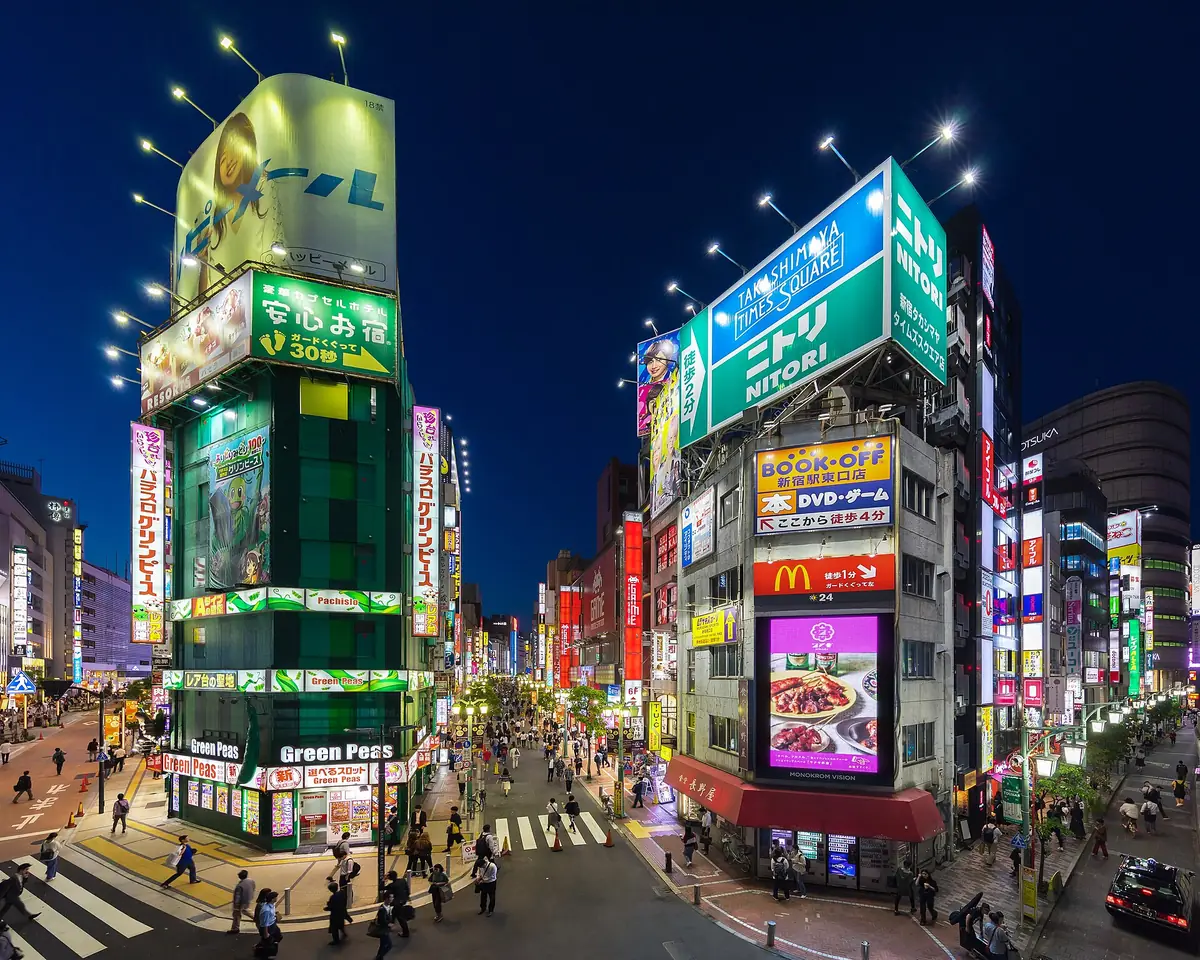
It is a normal charge, not a trick. The same page says some izakaya let you decline the dish and suggests you ask the staff. The amount varies from place to place, so ask the price per person if it matters to you.
3. Missing the service charge at hotel restaurants
Hotel restaurants work differently from street restaurants. The Japan Hotel Association lists the Cafe Couvert at the Imperial Hotel Osaka with the line “A 10% service charge will be added to your bill.”
Some upscale hotels and their restaurants add a service charge like this, often around 10%. Check the menu or listing for that line. If it is there, the service is paid for, and adding a tip on top is not expected.
One more line can move: the tax rate. The National Tax Agency sets a reduced 8% rate for food and drink other than alcohol, but eating in and catering do not get it.
- Eat in at a cafe or restaurant: standard 10%
- Take the same food away: reduced 8%
- Alcohol, eaten in or taken away: standard 10%
That is why a konbini or a bakery near Kyoto Station may ask if you will eat in. Two different totals for the same sandwich are not an error. Rates are as of 2026; check the NTA page for changes.
Izakaya and Bars After 10 p.m.: Cover Charges and a Hotline
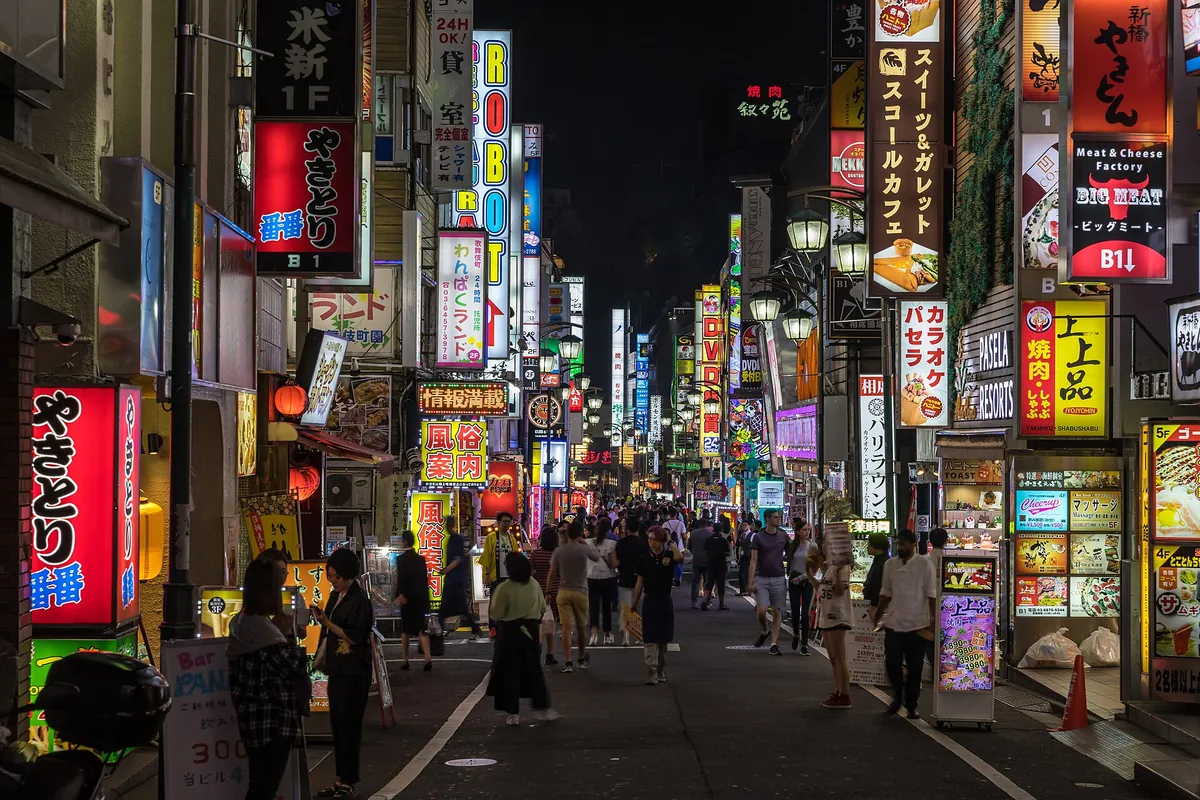
Night-time drinking is where the bill can surprise people most. The cause is rarely a missing tip. It is usually a charge for the seat, the snack or the table that nobody explained.
4. Ordering before asking about the cover or seat charge
Many visitors sit down, point at the drinks list and only look at the extras when the bill comes. A cover charge is normal, but it is easier to accept when you heard about it first.
Ask before the first order. A simple “Is there a cover charge?” or “How much per person for the table?” works in most places that see visitors. In our Osaka izakaya guide we list counter bars where solo drinkers feel at ease.
Want to skip the guesswork entirely? A guided bar evening booked on Klook or GetYourGuide usually states on the listing what the price includes. Read that line before you book.
5. Paying a bill that looks wrong without asking for help
Sometimes a bar bill is far higher than the menu suggests. Japan has a Consumer Hotline for Tourists, and JNTO lists “charged an exorbitant amount at a restaurant or bar” among the cases it covers.
- Phone: 03-5449-0906
- Hours: Monday to Friday, 10:00 to 12:00 and 13:00 to 16:00
- Closed: weekends, holidays and Dec 29 to Jan 3
- Languages: seven, including English
Keep the receipt and a photo of the menu. The hotline is not open late at night, so you call the next weekday. Hours as of November 2026; check JNTO’s page before you rely on them.
What most first-timers do
- Leave coins on the table after dinner
- Refuse the otoshi as an unordered extra
- Add a tip on top of a hotel service charge
- Say “keep the change” to the taxi driver
- Hand loose notes to ryokan staff
What actually works
- Pay the printed total at the register
- Ask about the cover charge before ordering
- Read the service-charge line, then stop
- Pay the meter, tolls included
- Use an envelope, or simply say thank you
None of the right-hand column costs extra money. It only moves the question to before the order, not after the bill.
Hotels: No Tip for Porters, but 2 City Taxes at Checkout
Hotels in Japan are where tipping habits from home kick in most. A porter carries the bag, housekeeping makes up the room, and your hand goes to your wallet.
6. Tipping the porter or housekeeping
JNTO lists hotels among the places where tipping is not common. Money left on the pillow may simply be treated as something you left behind.
A spoken thank-you is enough. If a room service bill has a service charge line, that line already covers the service.
Keep your yen for the taxes.
7. Being surprised by the accommodation tax at checkout
Two big cities charge a per-person, per-night tax that may not be in the room price you saw. It is a tax, not a tip, and it is set by the city or prefecture.
Tokyo, per the Tokyo Metropolitan Government tax page, as of November 2026:
- Under ¥10,000 per person per night: no tax
- ¥10,000 to ¥14,999: ¥100
- ¥15,000 and up: ¥200
- From April 1, 2027: 3%, with stays under ¥13,000 exempt
Kyoto changed its tiers on March 1, 2026. Per Kyoto City’s accommodation tax leaflet, the tax is per person per night, based on the room rate excluding meals and consumption tax:
- Room-only rate under ¥6,000 per person per night: ¥200
- ¥6,000 to under ¥20,000: ¥400
- ¥20,000 to under ¥50,000: ¥1,000
- ¥50,000 to under ¥100,000: ¥4,000
- ¥100,000 and up: ¥10,000
For a couple in a mid-range Kyoto room, that is a few hundred yen each per night, but at the top end it adds up fast. Check your hotel’s breakdown before booking.
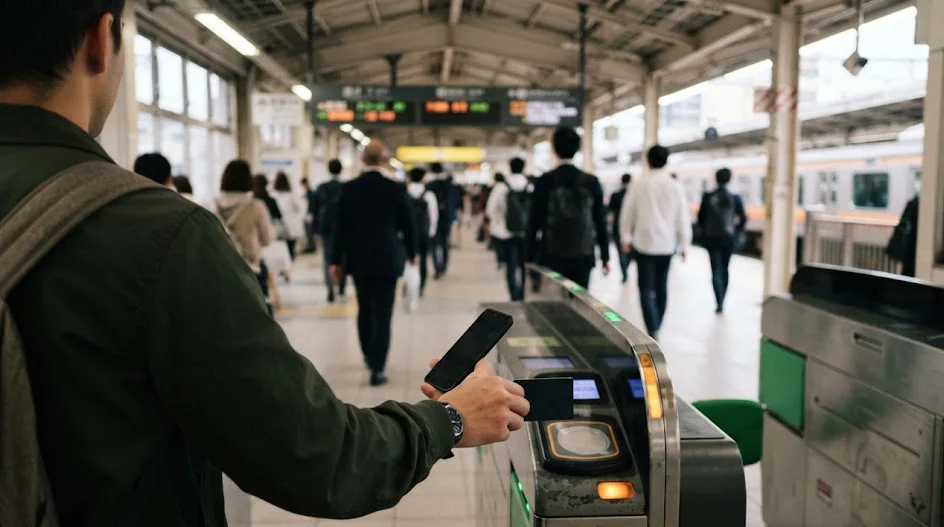
When you compare rooms on Booking.com, Agoda or Rakuten Travel, open the price breakdown. Look for lines such as local tax, accommodation tax or service charge, and see whether they are included or paid at the hotel.
Partner link.
Planning your visit?
Ryokan and Kokorozuke: The One Place an Envelope Is Optional
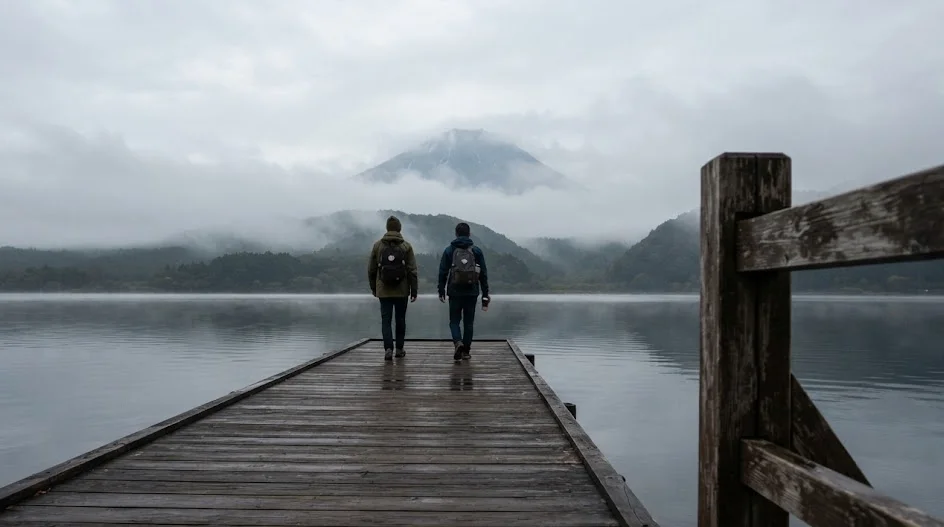
A ryokan night is the situation where the question of a gift comes up most. You have a room attendant, a long dinner, and a sense that this is more personal than a hotel. Our ryokan guide covers whether the stay is worth the price.
8. Handing over loose cash
If you decide to give something, the form matters more than the amount. JNTO says that when a gratuity is given, “it is customary to put it in an envelope.”
You do not need to buy anything special. JNTO notes that small cash envelopes are sold at convenience stores, stationery stores and 100-yen shops, so the konbini or 100-yen shop near your station will do.
Buy the envelope before check-in.
9. Thinking kokorozuke is required
It is not. JNTO describes kokorozuke as a custom given in some situations, and says that “tipping is not expected and should be done discreetly, even in these cases.”
There is no official amount. You will see figures on forums, but no tourism body publishes one, so we will not give you a number. A warm thank-you at checkout is a complete and polite way to end the stay.
What you will often pay at an onsen ryokan is a bath tax, called nyuto-zei. Bunkyo City, for example, sets it at ¥150 per person per day, with exemptions such as children under 12 and public bathhouses. Rules vary by town, so check your ryokan’s booking page.
The bath tax is a local tax set by the town, not a fee for the staff, so it does not replace or require a gift.
Private Guides, Interpreters and Food Tours
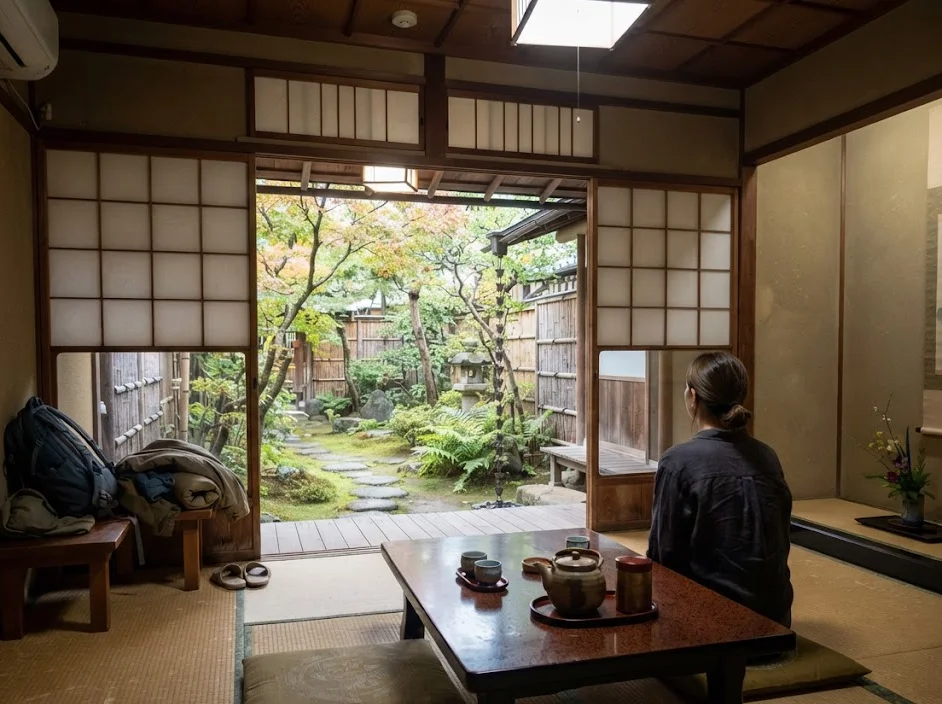
This is the one area where a tip is sometimes accepted. JNTO says that a private guide or interpreter “accustomed to overseas practices” may accept a tip as a gesture of gratitude. Note the word “may”.
10. Treating a group bus guide like a private guide
JNTO’s exception is about a guide you engaged privately. It names no other kind of guide, so for a group bus guide, the safer choice is its general no-tip rule.
For a private guide, it is a choice, not a duty. If you want to give something, use an envelope, hand it over at the end of the day, and do it out of sight of other people.
Tours booked through Klook, GetYourGuide, Viator or KKday vary. Read the listing for any line about tips or gratuities; if there is none, the price shown is the price. Our food tour guide compares a tour with eating on your own.
11. Hiring a guide without checking the licence
Japan has Licensed Guide Interpreters. JNTO’s page on how to book a certified tour guide says they “have passed the national examinations” and work in 10 languages.
JNTO lists three ways to book one:
- Through a travel agency
- Through a national body, such as the Japan Guide Association
- Through a regional guide association in the area you visit
When you book, ask for the full fee and whether the guide expects anything on top. Then you will not need to guess on the day.
 ReaderYuki
Tokyo Taxis: Why the Meter Is the Final Number
Taxis are on JNTO’s no-tip list too. The meter shows what you owe, and the extras that do appear are rules, not gratuities.
12. Rounding up or saying “keep the change”
Rounding up to the next ¥1,000 is a habit many visitors bring with them. In Japan you may find the driver counts out your change anyway, down to the coins.
Take it and say thank you. The extra numbers you should know about come from the Tokyo Hire-Taxi Association price list, as of November 2026:
- Start fare: around ¥500 for the first 1.0 km
- Late night, 22:00 to 05:00: a 20% increase
- Expressway tolls: paid by the passenger
- Calling a taxi: a dispatch fee set by each company
So a ride from Roppongi after midnight costs more than the same ride at noon. That is the late-night rate doing its job, not a tip being added.
Other cities set their own fares. Check the local taxi association or ask your hotel for a rough figure before a long ride.
Taking the expressway to save time? The toll goes on your bill, so ask the driver before you set off if cost matters more.
Tax-Free Shopping Since November 1, 2026: Pay Full, Refund Later
Tax-free shopping is not a tip, but it is the other place where visitors expect a number at the till that they will not see. The system changed on November 1, 2026.
13. Expecting the tax to come off at the register
Under the old system, many stores took the tax off at the till. Per the Japan Tourism Agency’s tax-free page, for purchases on or after November 1, 2026 you buy at the tax-inclusive price and get the tax back later.
- Pay the full price, tax included, in the store
- Spend ¥5,000 or more (before tax) per store, per day
- Clear customs when you leave Japan
- Claim the refund at a terminal at the airport or seaport
The agency also sets a 90-day limit, so read its page for how that applies to your goods. Keep the items and receipts with you until customs.
This changes how much cash and card room you need. You pay the higher figure first. Our guide to how much cash to bring to Japan helps you plan for that.
The refund lands after you leave the shop.
The One Habit: Ask “Is Anything Added?” Before You Order
Look back over the sections above and one pattern repeats. Almost every awkward moment at a Japanese till comes from a charge you did not know about, not from a tip you forgot.
JNTO’s hotline page lists “charged an exorbitant amount at a restaurant or bar” as a case it handles. That is the clearest sign that the risk sits in the bill, not in your manners. Questions about bowing, shoes and trains are a separate topic, covered in our etiquette guide.
Step 1: Read the small print on the menu
Look for words like cover charge, table charge, service charge or tax included, often at the foot of the page.
Step 2: Ask once before the first order
“Is there a cover charge?” takes five seconds and settles the bill in advance, especially at a bar.
Step 3: Pay the printed total at the register
No rounding up, no coins on the table. Take your change and your receipt.
Step 4: Say thank you, envelope only for two cases
Words for everyone; an envelope only for a private guide or, if you wish, ryokan staff.
That is the full routine.
14. Saying thank you in a way that lands
In place of a tip, a few words do the work. They cost nothing and are understood everywhere from a Dotonbori ramen counter to a Hakone ryokan.
- Arigatou gozaimasu: thank you, for anyone at any time
- Gochisousama deshita: thanks for the meal, said as you leave
- Oishikatta desu: it was delicious
Say “gochisousama deshita” at the register or on your way out. It is short, it is warm, and it is the closest thing to a tip that Japan actually uses.
Say it with a small nod.
Tipping in Japan: 4 Quick Questions
Is it rude to tip in Japan?
It is better to think of it as confusing than rude. JNTO says tipping is not common at restaurants, bars, cafes, taxis and hotels, and that even where it is accepted it is not expected and should be discreet.
What if staff run after me with the money I left?
Take it back with a smile and a thank-you. They are most likely returning what they think you forgot, so there is no need to explain or insist.
Is the cover charge at an izakaya a scam?
No. Aichi Prefecture’s official guide says the otoshi snack is included in the cover charge, and some izakaya let you decline it. Ask the price per person before you order if it matters to you.
Should I tip on a food tour booked online?
Check the listing on Klook, GetYourGuide, Viator or KKday for any line about tips. If there is none, the price shown is the price; a tip is not expected, per JNTO’s general rule.
Worrying about looking rude at the till is a very normal part of planning a first trip to Japan.
You do not need to keep reading tipping threads; settle the two envelope cases now, ask about extras before you order, and let the printed total do the rest.
Keep planning
- ① Install and test your eSIM before take-offAiralo and Ubigi eSIMs activate on arrival, but the install itself needs Wi-Fi. Do it at home and confirm the profile shows up in your phone settings.
- ② Save your first hotel’s address in JapaneseTaxi drivers and station staff read Japanese addresses far faster than romanised ones. Copy it from the booking confirmation into your notes app.
- ③ Set aside cash for day oneMany small restaurants, temples and rural buses are still cash-only. Airport ATMs at 7-Eleven and the post office accept most foreign cards.
Skip these and your first hour in Japan goes on finding Wi-Fi at the station instead of getting to your hotel.
🔍 How to sanity-check any price you read online
Blogs (including this one) go out of date. The official page always wins over a screenshot from two years ago.