
For most first-timers staying within central Tokyo, the 24/48/72-hour Tokyo Subway Ticket is rarely worth the investment compared to just using a standard IC card. While the price might seem low, the restriction to only Tokyo Metro and Toei Subway lines often forces you into inconvenient routes.
These routes can actually lengthen your travel time. Only have four days? You might find the pass limits your mobility.
- Skip the pass if you plan to use JR lines like the Yamanote.
- Buy the 72-hour pass only if your hotel is directly on a subway line.
- Use a Suica or Pasmo on your phone for total freedom.
- Time needed
- 3 days of high intensity
- Typical cost
- ¥800–1,500 per day
- Base
- Central Tokyo
- Booking
- Klook or official machines
- Best season
- All year round
Some links are affiliate links (marked “Partner link”). Prices are ranges checked in 2026; confirm on the official site before you book.
What the Tokyo Subway Ticket actually covers
The Tokyo Subway Ticket is a tourist-only pass valid for unlimited rides on all Tokyo Metro and Toei Subway lines. You will see these lines color-coded on the standard subway maps inside every station.
Understanding the network
The system covers 13 major lines, including the Ginza, Marunouchi, and Oedo lines. It connects most major tourist hubs like Shinjuku, Ginza, and Ueno. However, it completely excludes the JR East network.
Lines that are off-limits
You cannot use this pass on the Yamanote line or the Chuo-Sobu line. If you find yourself at a major station like Shinjuku, you might be tempted to jump on the first train you see. Using a non-covered train will result in a separate fare charge from your digital wallet or paper ticket.
Costs and validity in 2026
As of 2026, the cost for these tickets generally falls in the range of ¥800 to ¥1,500 depending on the duration you choose. Check the official site for the current pricing before you finalize your budget.
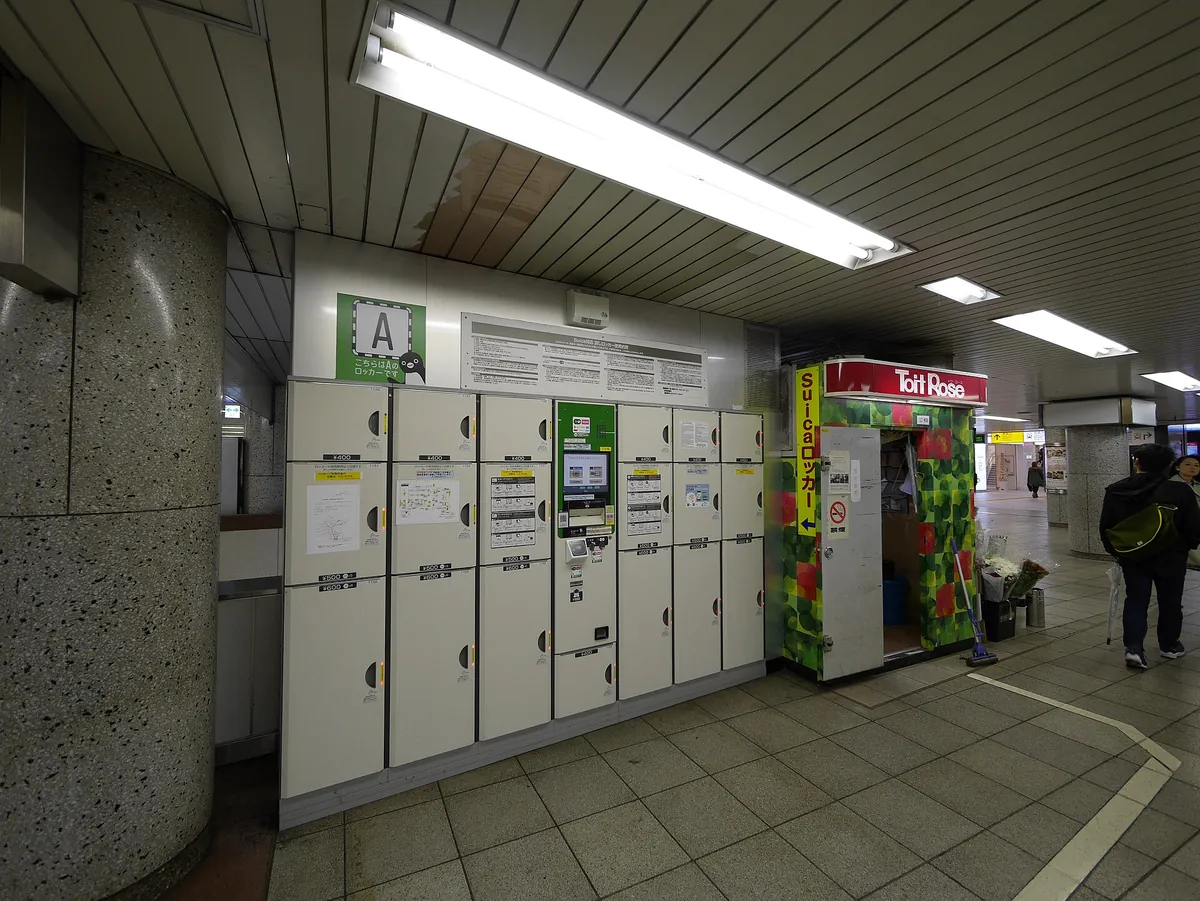
The 24, 48, and 72-hour tiers
- 24-hour pass: Useful for a single day of temple hopping.
- 48-hour pass: Often better for a two-day itinerary.
- 72-hour pass: The most cost-effective option if you travel frequently.
These passes operate on a literal clock-time basis, not a calendar-day basis. If you activate your 72-hour pass on Tuesday at 2 PM, it expires precisely on Friday at 2 PM. This is a common trap for travelers who think a “day” pass covers their evening out until midnight. Sound familiar?
The math: comparing your daily transit spend
To see if you will break even, compare the cost of the pass against a typical day of four to six short trips. In our experience, most visitors spend roughly ¥600 to ¥900 per day on transit.
Unless you are constantly jumping between distant neighborhoods, you will likely spend less than the pass costs.
← Swipe to see the full table →
| Scenario | Pay-as-you-go (Est.) | Pass Cost (Est.) |
|---|---|---|
| 3-day Tokyo trip | ¥2,400 | ¥1,500 |
| 5-day Tokyo trip | ¥4,000 | ¥3,000 |
| Heavy sightseer | ¥5,000 | ¥3,000 |
Plan your trip: the tools we use
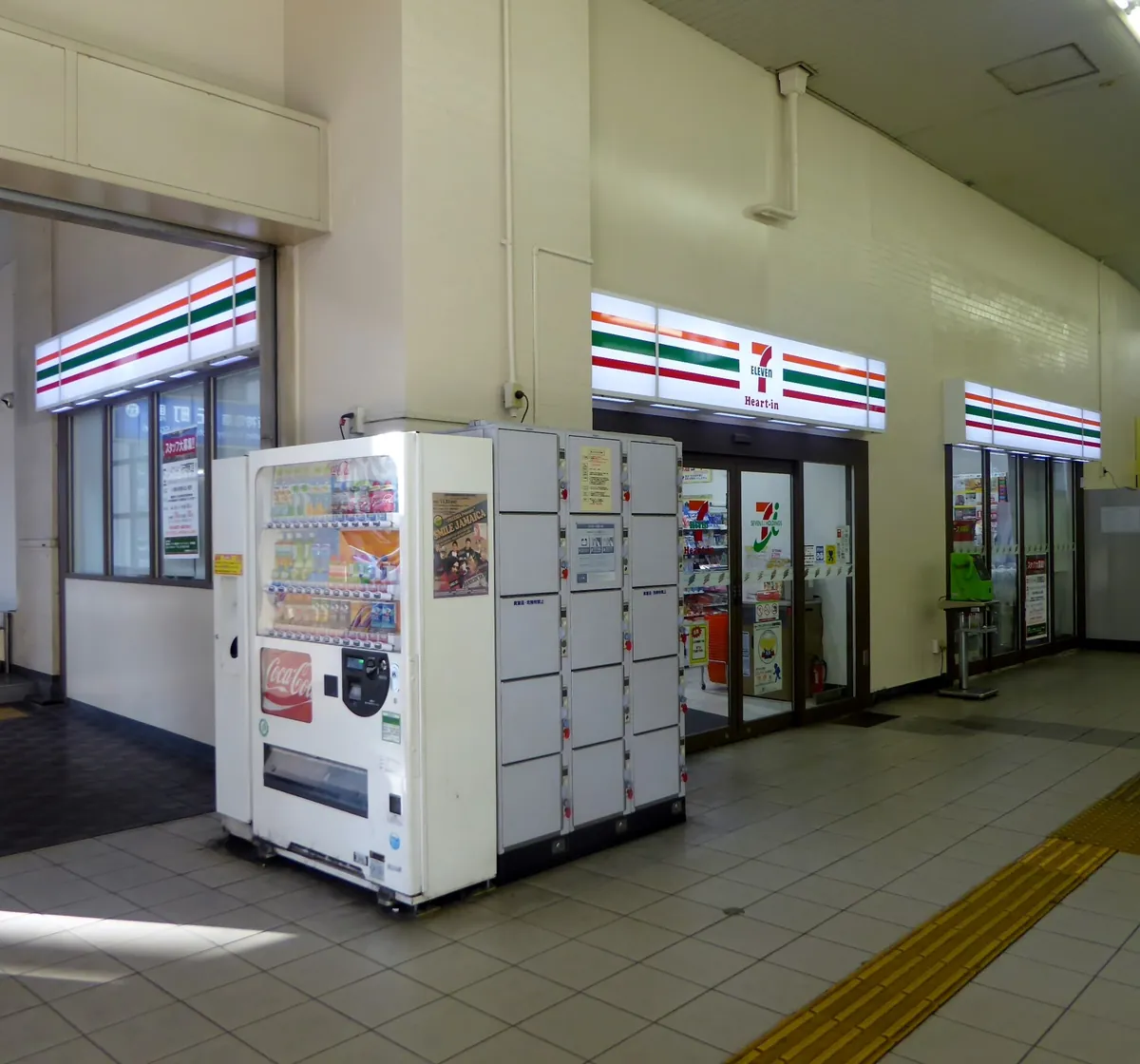
Our pick: An IC card on your phone, unless you have a highly rigid itinerary.
Comparing the Tokyo Subway Ticket to standard fares
The cognitive tax of checking if a train is “covered” by your pass is real. You often find yourself standing on a platform looking at a sign, wondering if you are about to pay an extra fare. Freedom is usually worth the small difference in price.
Skip it if
- You use JR lines frequently.
- You prefer surface buses.
- You value spontaneity.
Buy it if
- Your hotel is on a Metro line.
- You plan 4+ trips per day.
- You love strict budgeting.
Where we would book this
Klook
One account for passes, tickets and transfers
- Best for
- JR Pass and regional rail passes, theme-park tickets, airport…
- Checked
- September 2026
Official site. Same price for you.
The JR catch and why you need an IC card
The Yamanote line circles the heart of Tokyo and is the backbone of the city’s transport. Since the Tokyo Subway Ticket excludes this, you will often find yourself taking a longer, multi-transfer subway route to reach a destination that a single JR train could have reached in minutes.
The convenience of a mobile wallet
Most travelers now use a Suica or Pasmo added to their Apple Wallet or Google Pay. You simply tap and go. No calculating routes, no checking ticket validity, and no rushing to a machine to buy a new pass when the old one expires.
Where to buy and how to use your ticket
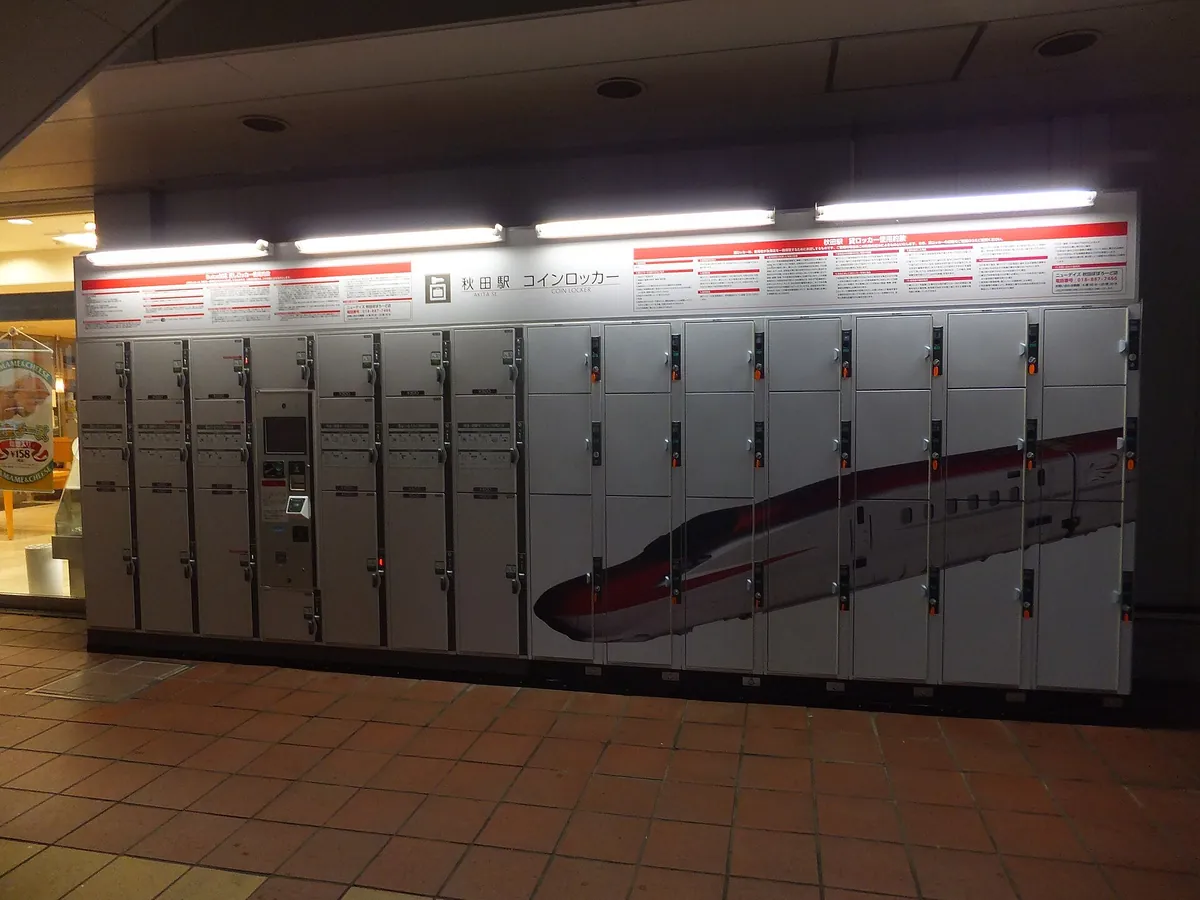
If you decide the math works for you, purchase the ticket ahead of time through platforms like Klook. You will receive a QR code that you must scan at a physical station machine to receive your physical pass.
Step 1: Purchase online
Buy via Klook or another partner and save your QR code.
Step 2: Locate a machine
Find the tourist-designated machines in major subway stations.
Step 3: Activate at the gate
The clock starts the moment you pass through a turnstile.
One mistake I once made was trying to use a subway pass to get from Tokyo Station to a destination serviced only by JR. I ended up paying double because I had to exit the gates and buy a separate ticket anyway. That was the mistake.
Partner link.
Hidden costs: the time lost to subway transfers

Subway stations in Tokyo can be massive, subterranean labyrinths. If you use the pass, you might find yourself walking an extra ten minutes between platforms to avoid a JR-owned transit link.
These minutes add up when you have a tired travel partner or a heavy bag.
The cognitive overhead
When you use an IC card, you pick the best, fastest route. With a pass, you find yourself squinting at maps to find a route that is “free.” This mental energy is better spent enjoying the street-level views of the city.
Navigating Tokyo with kids and heavy luggage
Traveling through Tokyo’s transit network with children or large suitcases changes the math significantly. While a solo traveler might enjoy the flexibility of jumping on any train, families often find that navigating the sprawling JR stations with strollers is exhausting.
It is far more exhausting than using the often quieter, more predictable subway lines. Subway stations in Tokyo are generally smaller and more manageable than the massive hubs like Shinjuku or Tokyo Station.
If you are hauling luggage from your hotel to an airport express train, you will almost certainly be forced onto a JR or private line eventually. However, for your daily sightseeing trips, sticking to a fixed route provided by the subway pass can keep you away from the chaotic crowds.
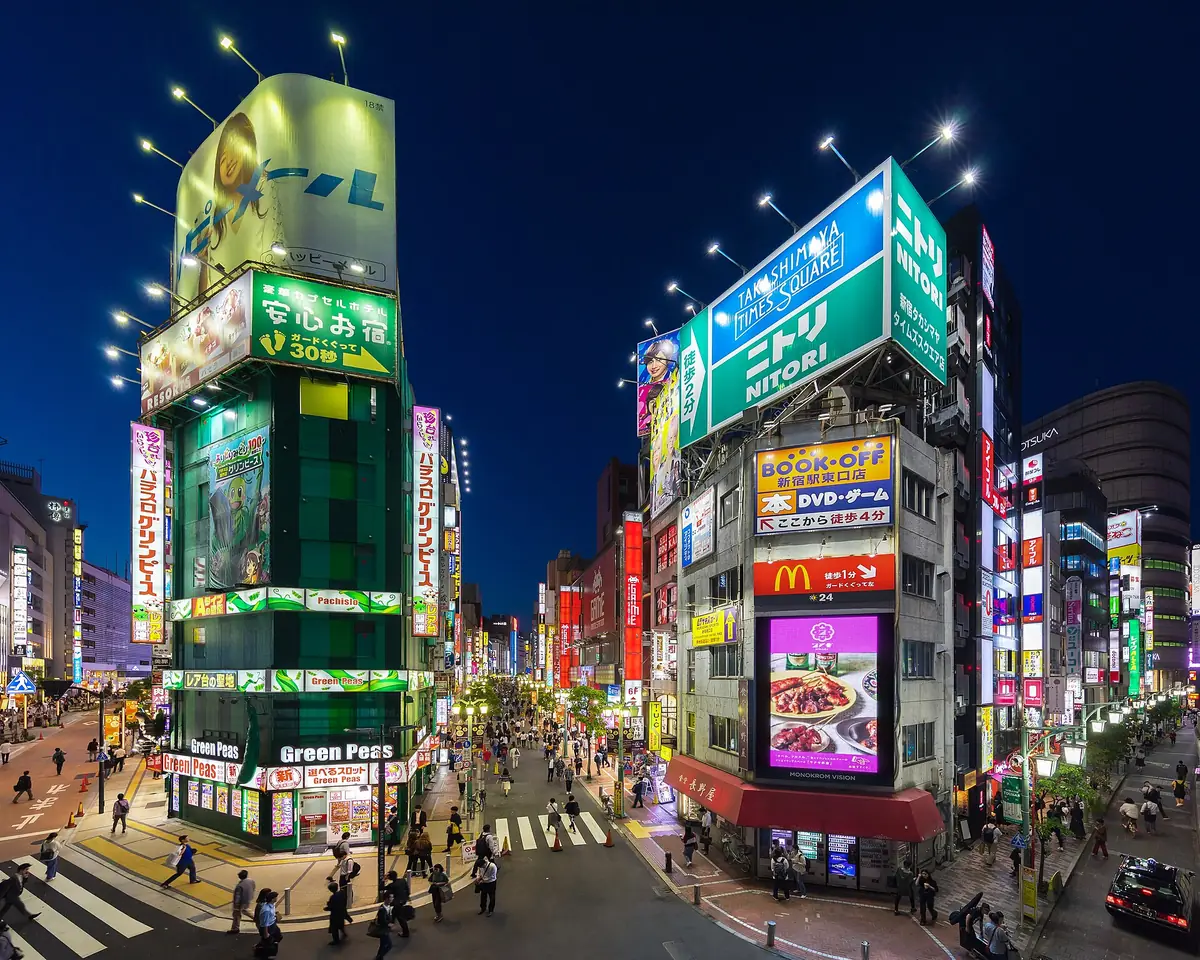
Families with young children should consider the psychological benefit of a prepaid pass. When you are managing bags, tickets, and restless kids, the last thing you want is to stand at a ticket machine trying to navigate complex English menus.
Once you have the subway pass in hand, you simply breeze through the gate, which saves precious minutes and lowers your stress levels significantly.
Strategic planning for families
- Choose hotels within a five-minute walk of a Tokyo Metro or Toei station to maximize pass value.
- Use the Tokyo Subway app to find elevator-accessible routes, which are often easier to locate in subway-only stations.
- Remember that children under six ride for free in Tokyo, so only buy passes for adults and older children.
If you find that your daily itinerary keeps you in areas like Asakusa, Roppongi, or Ginza, the subway pass becomes a much more attractive option. You can navigate these neighborhoods almost entirely on the Metro, avoiding the “JR surcharge” trap entirely.
For families who prefer a slower, more deliberate pace with fewer transfers, the predictability of a single, all-inclusive pass often outweighs the minor cost savings of using a mobile IC card.
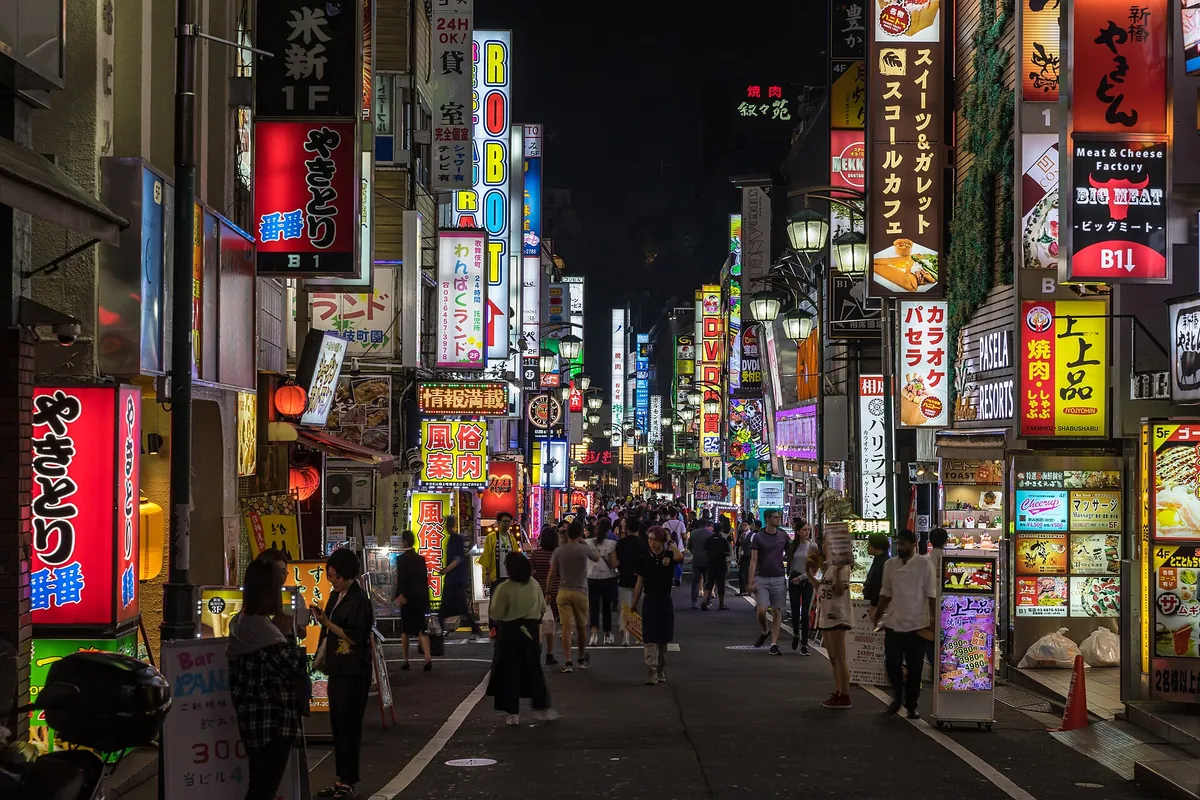
However, if your plan involves frequent trips to the outskirts or long-distance sightseeing, the subway pass will quickly become a burden. You will eventually have to pay for a separate JR ticket, meaning you are essentially paying for two transit systems at once.
Keep a small amount of cash or a topped-up mobile IC card as a backup to avoid being stranded at a gate when your subway pass route fails to reach your final destination.
Managing ticket changes and the reality of refunds
One of the most frustrating aspects of the Tokyo Subway Ticket is its rigid nature once it has been activated. Unlike a standard IC card where your balance stays on your phone indefinitely until you use it, these tourist passes are tied to a strict, non-refundable schedule.
Once you tap through that first turnstile, the countdown begins and there is no pause button. If your travel plans change—perhaps due to sudden rain, a localized train delay, or simply finding a restaurant you want to spend four hours in—the value of your pass diminishes rapidly.
If you paid for a 72-hour pass but only ended up using it for one day, you have effectively wasted your money compared to the pay-as-you-go model. This is the biggest risk for the spontaneous traveler who hates being tied to a specific transit system.
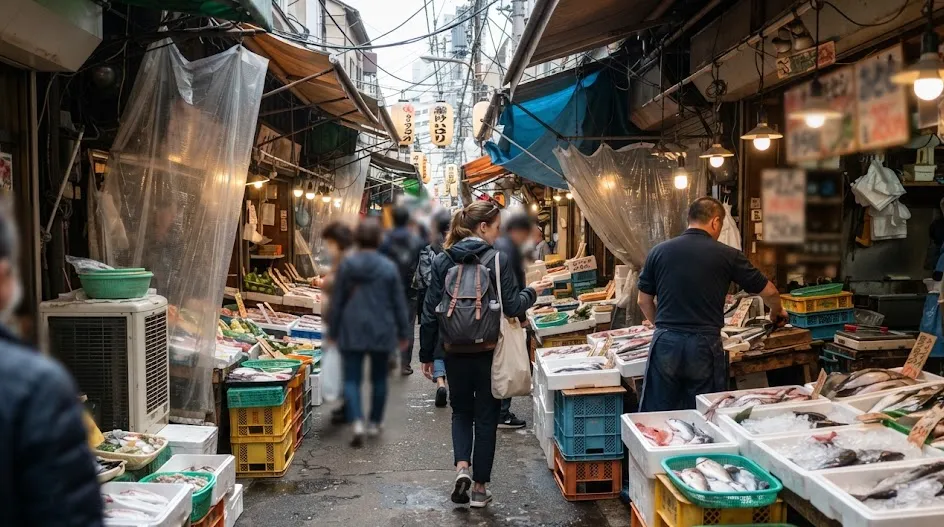
Platforms like Klook or GetYourGuide allow you to purchase your tickets well in advance, which is excellent for budgeting. However, they usually follow a strict cancellation policy regarding these specific transit vouchers.
Once the QR code is issued or sent to your email, getting a refund is rarely straightforward and often impossible. This is why we generally advise against buying the pass until you are physically in Japan or just a day before your arrival.
What to do when plans shift
- Only purchase the pass if you have already confirmed your daily neighborhood list.
- Assume you will lose one day of value to unexpected fatigue or bad weather.
- Compare the cost of a 24-hour pass versus a 72-hour pass if your schedule is not set in stone.
If you prefer to book your entire trip itinerary through sites like Booking.com or Agoda, keep your transit budget separate from your hotel costs. It is much easier to manage your total trip spend if you treat the subway pass as a “fixed cost” rather than a daily variable.
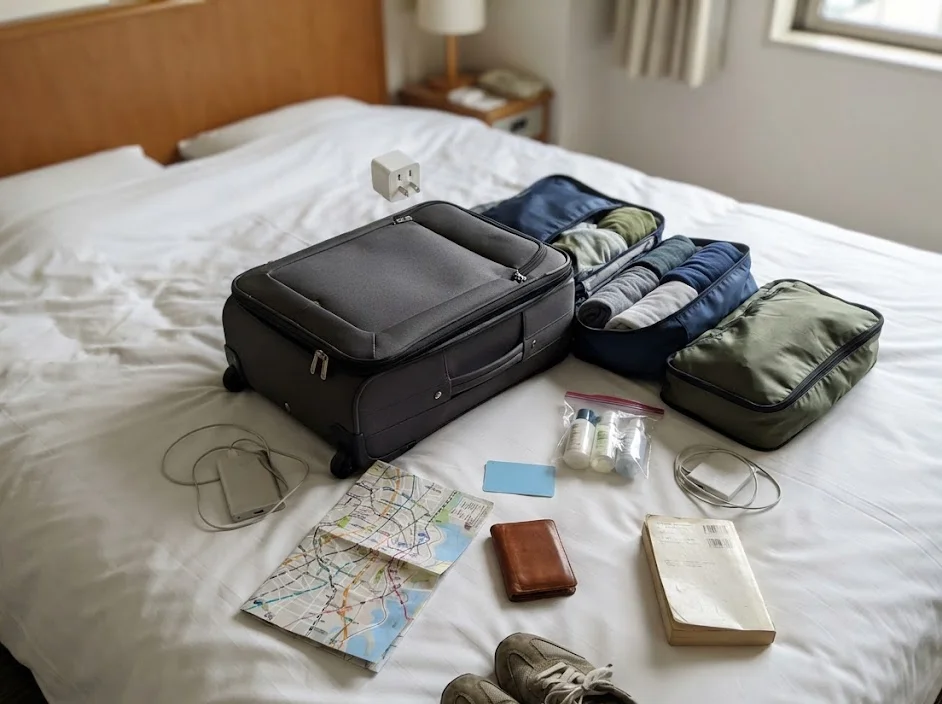
If your itinerary involves a lot of regional travel outside the city, consider the Tokyo Wide Pass instead of the standard subway ticket. While the Wide Pass is more expensive, it covers JR lines and limited express trains that can reach destinations like Nikko or the Izu Peninsula.
Use the Tokyo Subway Ticket as a tool for a specific type of trip. If your goal is to stay within the city center and hit three major landmarks per day, it is a convenient, budget-friendly choice.
If you view Tokyo as a jumping-off point for broader regional exploration, stick to the freedom of an IC card to avoid the headache of complex refund policies or unusable transit vouchers.
FAQ
QIs the Tokyo Subway Ticket valid on the Yamanote line?
No, the ticket is only valid for Tokyo Metro and Toei Subway lines. You will need a separate fare or an IC card to ride the JR Yamanote line.
QDo children need their own subway passes?
Children under the age of six ride public transport for free in Tokyo. You only need to purchase tickets for children aged six and older.

QCan I pause the 72-hour timer?
No, the ticket timer begins the moment you pass through a turnstile for the first time. It runs continuously until the time expires.
QWhat happens if I go to a station not on the subway network?
You will need to pay the fare for that segment using an IC card or a paper ticket. The subway pass does not cover non-subway lines, even if you are mid-journey.
QShould I buy the pass before arriving in Japan?
It is generally safer to buy it right before you arrive or once you are in the city. Since the tickets are often non-refundable, buying them too early poses a risk if your plans change.
 ReaderYuki
So, is it worth it?
For most visitors, the Tokyo Subway Ticket is not worth the slight savings. The freedom to hop on any train, including the fast JR lines, is significantly more valuable than saving a few hundred yen over the course of a trip.
If you are the type of person who loves to optimize every single yen, buy the pass and keep a close eye on your routes. For everyone else, just load a standard IC card onto your phone and focus on the sights rather than the ticket gates.
Deciding between a transit pass and a simple stored-value card can feel like a heavy burden when you just want to get to your next destination.
Lock in your decision to use a mobile IC card today and spend your remaining energy on finding the best ramen spot in your neighborhood instead of debating subway transfers.
Keep planning
- ① Install and test your eSIM before take-offAiralo and Ubigi eSIMs activate on arrival, but the install itself needs Wi-Fi. Do it at home and confirm the profile shows up in your phone settings.
- ② Save your first hotel’s address in JapaneseTaxi drivers and station staff read Japanese addresses far faster than romanised ones. Copy it from the booking confirmation into your notes app.
- ③ Set aside cash for day oneMany small restaurants, temples and rural buses are still cash-only. Airport ATMs at 7-Eleven and the post office accept most foreign cards.
Skip these and your first hour in Japan goes on finding Wi-Fi at the station instead of getting to your hotel.
🔍 How to sanity-check any price you read online
Blogs (including this one) go out of date. The official page always wins over a screenshot from two years ago.

Cover Photo: Marek Ślusarczyk (Tupungato) Photo portfolio, CC BY 3.0, via Wikimedia Commons