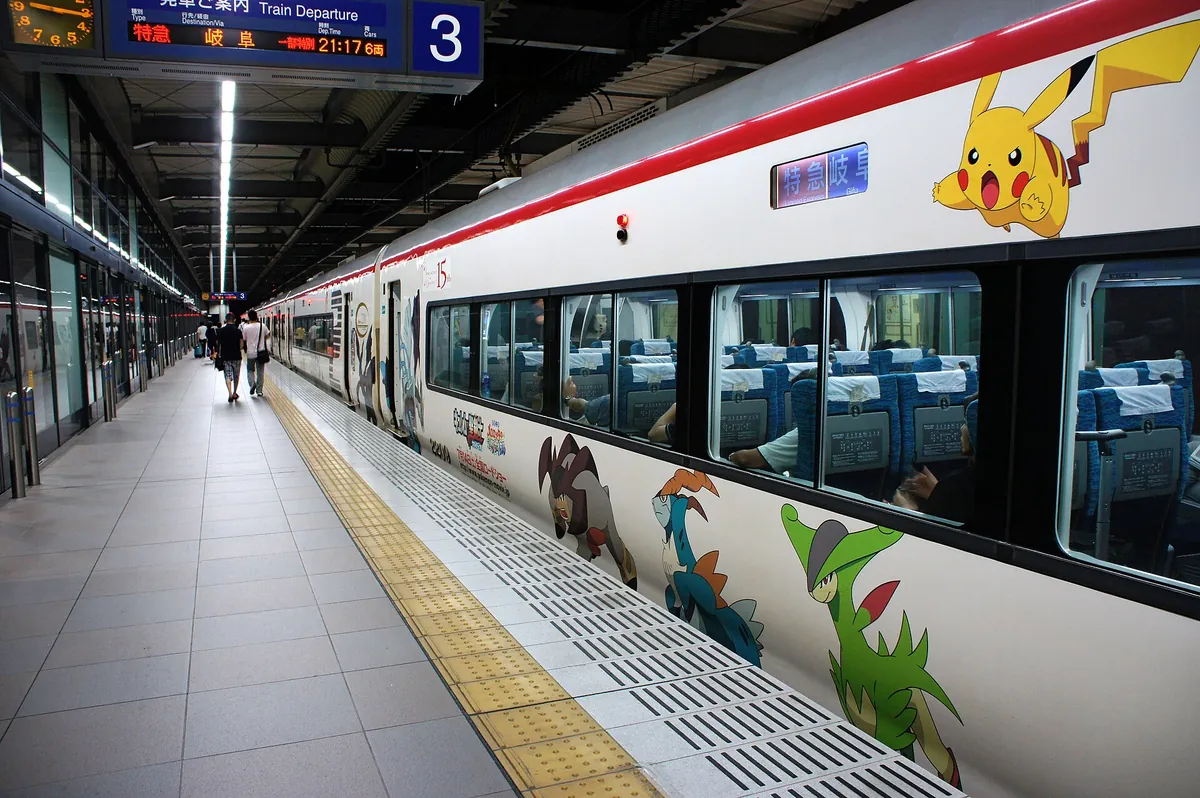

- Best for easy access: Haneda Airport via the Keikyu Line
- Best for Shinjuku/Shibuya: Narita Airport via the Narita Express (N’EX)
- Best for families with luggage: Airport Limousine Bus for door-to-door ease
- Best for budget: Narita Airport via the Keisei Skyliner to Ueno, then a taxi for the final mile
- Primary Airports
- Haneda (HND) and Narita (NRT)
- Common transit time
- 30–90 minutes
- Traveler priority
- Minimizing transfers and stairs
Top picks
Where we would book this
Booking.com
Largest inventory in Japan for English-speaking travellers
- Best for
- Hotels, business hotels, ryokan and apartments in every city
- Checked
- September 2026
Official site. Same price for you.
Where we would book this
Klook
One account for passes, tickets and transfers
- Best for
- JR Pass and regional rail passes, theme-park tickets, airport…
- Checked
- September 2026
Official site. Same price for you.
Forty-five minutes of dragging a suitcase through a crowded transfer tunnel at Tokyo Station is often the moment travelers regret their choice of airport. Getting from Narita or Haneda to your hotel is not about the fastest train speed, but the ratio of stairs to your energy levels.
If you are arriving with a family or heavy luggage, Haneda is almost always the superior choice for saving your sanity. If you land at Narita, the key is choosing a route that deposits you as close to a hotel elevator as possible, even if it costs a few extra hundred yen.
Some links are affiliate links (marked “Partner link”). Prices are ranges checked in 2026; confirm on the official site before you book.
Choosing your path: The luggage-to-staircase ratio
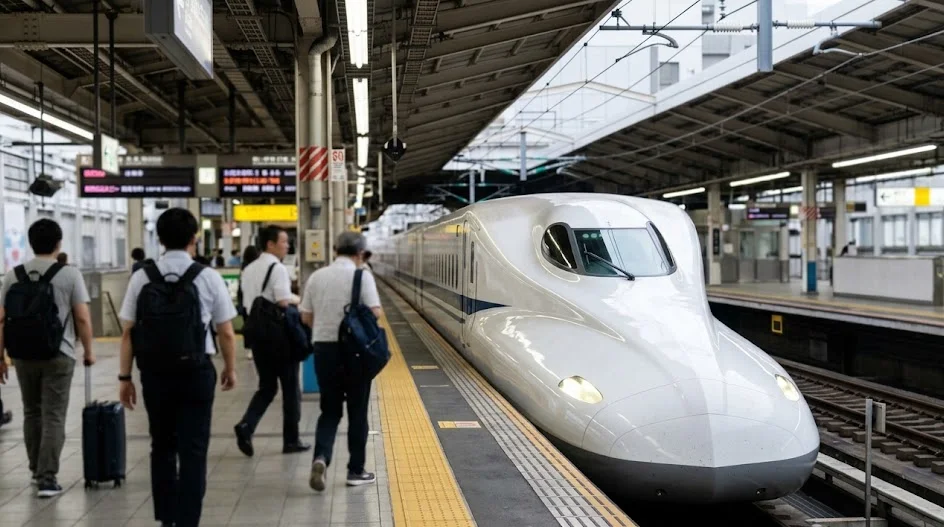
When you are planning your arrival, the distance to your hotel is rarely the biggest stress factor. The real villain is the number of elevators, the length of transfer tunnels, and the sheer volume of commuters during rush hour.
According to official transit guidelines provided by the Tokyo Metropolitan Government, navigating major interchanges during peak hours requires advance planning to avoid overcrowded platforms and inaccessible vertical transfers.
- Do you have more than one suitcase per person?
- Is your hotel located near a major terminal like Shinjuku?
- Are you arriving during the morning or evening rush hour?
- Does your hotel provide a shuttle or is it near an Airport Limousine stop?
- Are you traveling with small children or mobility challenges?
- Are you comfortable navigating multi-level train stations?
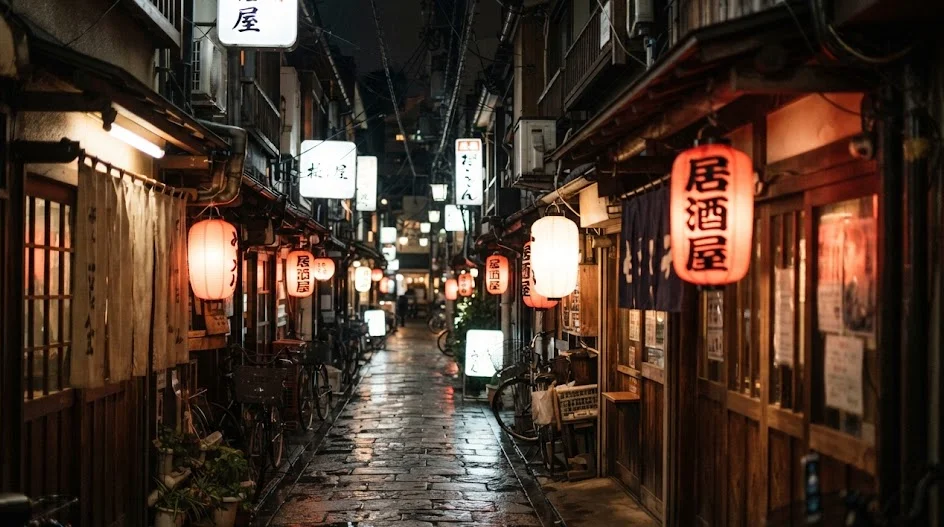
Haneda Airport: The stress-free gateway to central Tokyo
Haneda is significantly closer to central Tokyo than Narita, making it the top pick if you have the luxury of choice. You can often reach the city center in about 30 to 45 minutes, depending on where your hotel is located.
The Keikyu Line to Shinagawa
The Keikyu Line is the most direct train option for anyone staying near Shinagawa or heading toward the Yokohama area. It is efficient and usually less crowded than the major JR lines, which is a massive benefit when you have oversized bags.
The Tokyo Monorail experience
The Monorail is a great option if your hotel is near Hamamatsucho or if you want a scenic entry into the city. It is generally very easy to navigate, though keep in mind that you may have to transfer to the Yamanote line to reach areas like Shinjuku or Shibuya.
Taxi and Limousine Bus alternatives
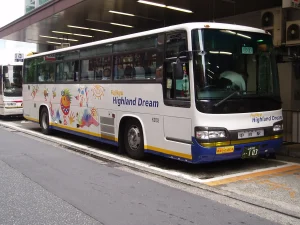
For those who prefer not to touch a train station at all, the Airport Limousine Bus is the gold standard. It drops you off at major hotels or nearby transport hubs, saving you the walk from the station exit to your hotel front door. Check current pricing on Klook.
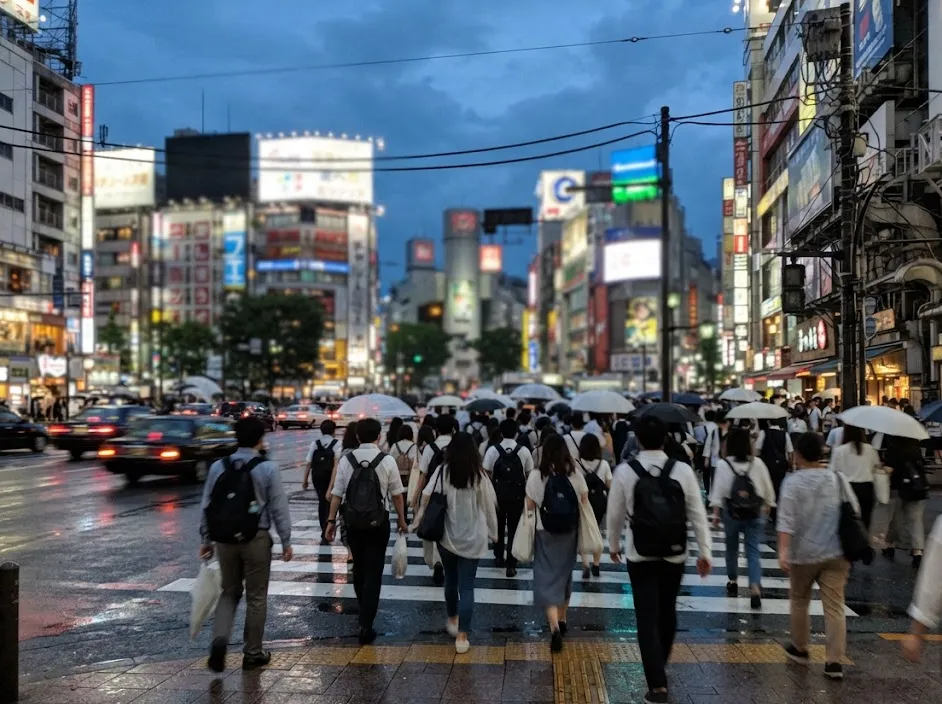
Narita Airport: Managing the long haul into the city
Narita is about 60 to 90 minutes from central Tokyo, meaning you are in for a longer haul. Because of the distance, the comfort of your seat and the number of transfers matter more here than anywhere else.
The Narita Express (N’EX) to Shinjuku or Shibuya
The N’EX is often the most comfortable way to reach the western side of the city. Since it runs directly to major hubs, you avoid the notorious mid-journey train transfers that ruin your day. You can book tickets via the official Japan Rail site or JR East platforms.
The Keisei Skyliner to Ueno
If you are staying on the eastern side of Tokyo, the Skyliner is arguably the fastest and cleanest route. It deposits you at Ueno, where you can either grab a taxi to your final destination or transfer to a local line for a short ride to places like Asakusa.
The cheap local train reality
You might see generic blogs recommending local commuter trains to save money. Official airport transit guides generally advise against this if you have luggage, as these trains fill up with commuters who will not be happy to see your suitcase blocking the aisle.

The luggage trap: Why the cheapest route is often the worst
There is a recurring trap where travelers pick a budget-friendly bus or train that stops at a station three kilometers from their hotel. You think you saved money, but you end up paying for a taxi or an extra transfer that doubles your travel time.
The Limousine Bus is a classic example of this trade-off. While it seems expensive compared to a train ticket, the ability to put your bags in the hold and sit back until you reach your hotel stop is worth the premium. Check schedules on the official Limousine Bus website before you commit.
If you have more than two large bags, use the Yamato Transport luggage forwarding service from the airport to your hotel. It is standard practice in Japan and costs roughly ¥2,000–¥3,000 per bag.
Side by side: Comparing your transfer options
← Swipe to see the full table →
| Option | Best for | Rough Cost |
|---|---|---|
| N’EX | Shinjuku/Shibuya | ¥3,000–¥4,000 |
| Keikyu Line | Shinagawa/South Tokyo | ¥500–¥1,000 |
| Limousine Bus | Hotel-to-door comfort | ¥3,000–¥4,500 |
Plan your trip: the tools we use
Our pick: The Limousine Bus is best for first-timers with heavy luggage who want to avoid the Tokyo train map.
Partner link.
Tips for getting the most out of your arrival
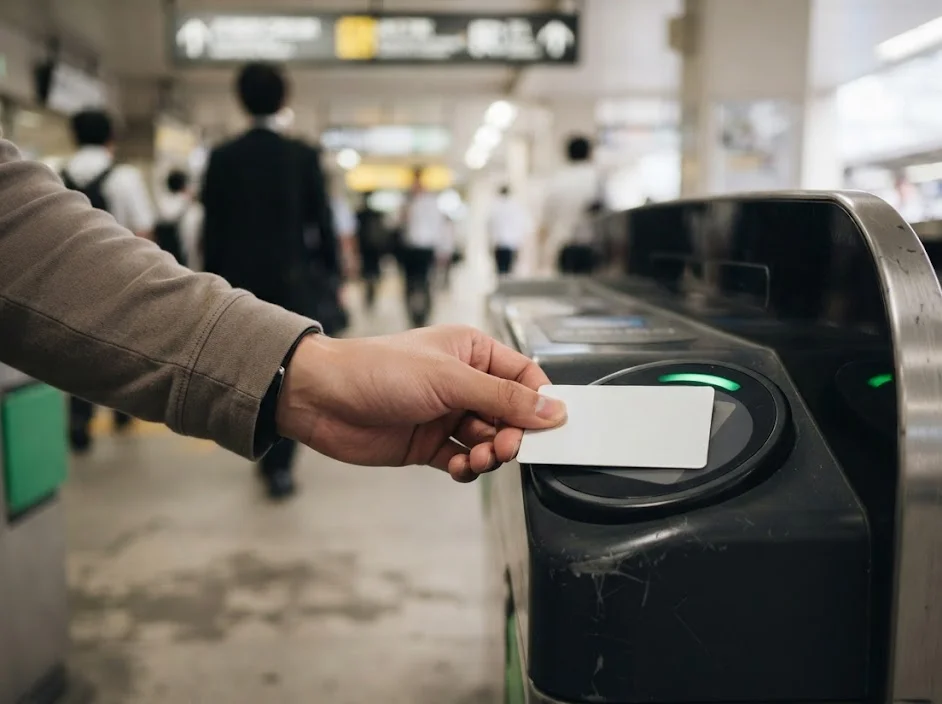
Step 1: Book your hotel near a transit hub
Choose a hotel that is within 5 minutes of a major station to minimize walking with bags.
Step 2: Check the elevator locations
Look at your station map online before you arrive so you know which exit has an elevator.
Step 3: Use a taxi for the final mile
If the station exit is not connected to your hotel, grab a taxi for the last few hundred meters.
Wait times for station elevators during peak travel periods can frequently exceed 20 minutes due to high passenger volume.
How we chose these recommendations
These recommendations are based on our experiences riding these routes during various times of the day, including peak morning rush hours. We checked current fare ranges as of early 2026 on official carrier websites like JR East and Keisei Electric Railway.
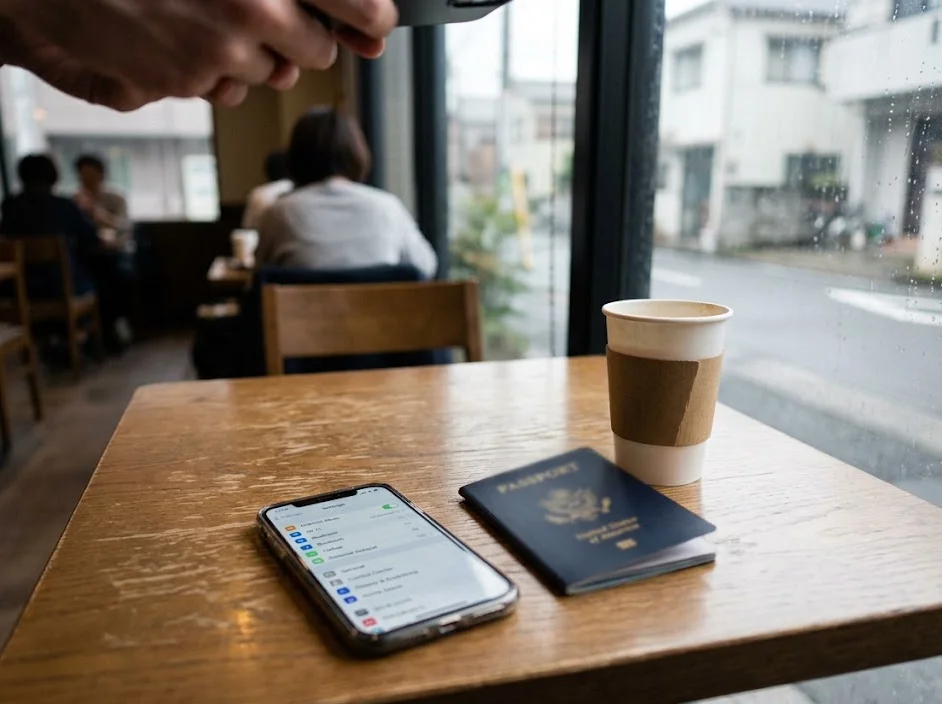
We prioritized ease of movement over raw speed, as most travelers are more concerned with their physical comfort than saving ten minutes. Please note that prices fluctuate based on currency changes and seasonal fare adjustments.
Options based on traveler needs and location
- Haneda/Keikyu: For travelers who want to hit the city in under 45 minutes without breaking the bank.
- Narita/N’EX: For those staying in West Tokyo who want to avoid carrying heavy bags through central transfers.
- Limousine Bus: For anyone who wants a seat from the airport curb to the hotel door, regardless of the price.
Choose the method that reduces your total number of stairs, not the one that saves the most yen.
Digital connectivity: Why you need your data before the train arrives
Navigating the complex maze of Tokyo’s stations requires more than just a paper map. Whether you are checking the latest train delays on your phone or using a translation app to ask an attendant where the nearest elevator is, you need stable data the moment you step off the plane.
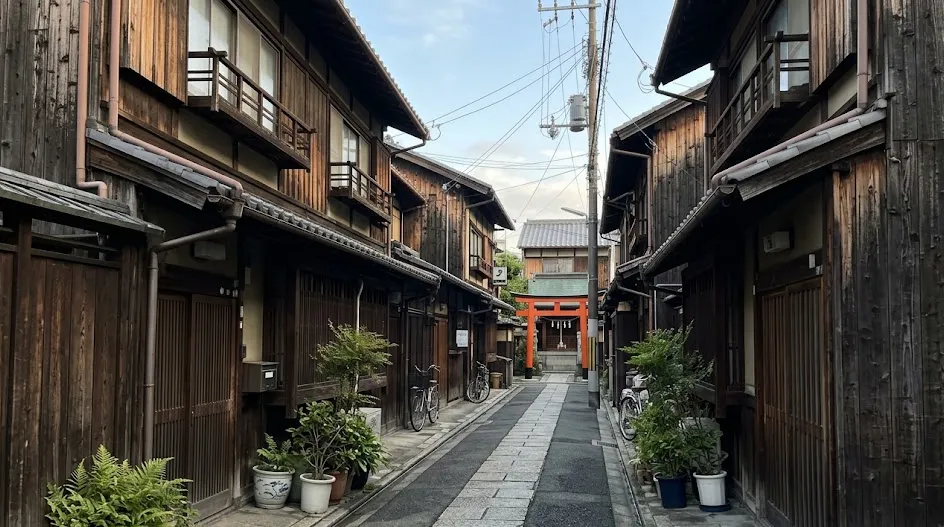
If you wait until you arrive in the city to figure out your internet, you will likely find yourself standing in the middle of a crowded terminal without the ability to load a ride-sharing app or contact your accommodation. Reliability is your primary goal here.
For most modern travelers, eSIMs are the most efficient way to stay connected without having to swap out your physical SIM card or carry a bulky pocket Wi-Fi device in your pocket. You can set these up before you even leave your home country, ensuring your phone activates as soon as you touch down on the tarmac.
Choosing the right data provider
- Airalo: Often the easiest for quick, app-based activation with various regional plans.
- Ubigi: Highly reliable with good coverage across major transit hubs like Narita and Haneda.
- Local Providers: Physical SIM pickup counters exist at both airports, but lines can be long during peak arrival hours.
When choosing your data package, consider that you will likely use more data on your first day than any other. Between checking train routes in real-time, refreshing your hotel’s check-in instructions, and using Google Maps to find the best station exit, you will burn through data faster than a typical tourist day.

Budget roughly 1GB to 2GB per day if you plan on using high-intensity apps for navigation. Most providers offer plans ranging from ¥1,500 to ¥4,000 for a week, though prices fluctuate based on your total data allowance; always check the official site of your chosen provider for the most recent rates before purchasing.
Avoid relying solely on public airport Wi-Fi to book your train tickets. These networks often require complicated logins that fail during high-traffic periods, leaving you stranded at the gate while everyone else boards their express train. Have your data plan ready before you reach immigration.
What to do when your first-choice arrival plan fails
Even the most seasoned travelers encounter unexpected hurdles upon landing. Perhaps your flight was delayed by three hours, meaning you missed your reserved Narita Express slot, or maybe the specific Limousine Bus service you wanted is completely sold out for the evening.
The most important rule in Japan is to remain flexible rather than panicked. If your primary train or bus option is unavailable, the transit network is redundant enough that a secondary route almost always exists to get you into the city, even if it adds a little time to your journey.
If you find that the limited express trains are fully booked, do not feel pressured to wait two hours for the next one. Look for the “Rapid” or “Local” train alternatives on the same line. These are often cheaper and only marginally slower, though they lack the dedicated luggage racks of the express services.
Emergency strategies for transit disruptions
- Move to a different transit type: If the train is sold out, walk over to the bus counter; the two modes of transport rarely sell out at the exact same time.
- The taxi fallback: If you are traveling in a group of three or four, a taxi from a local station to your hotel might actually be cheaper than paying for individual train tickets when you account for the time saved.
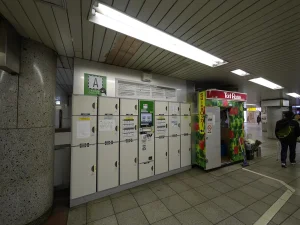
- Use a station locker: If you are stuck waiting for a later train, store your heavy bags in a coin locker at the station and grab a coffee rather than hauling them around the terminal.
For those arriving late at night, your options shift drastically. Once the clock passes midnight, the rail system essentially shuts down for the night. If you land after the final train, your realistic options are limited to late-night shuttle buses, taxis, or staying at an airport-adjacent hotel.
Budget an extra ¥5,000–¥10,000 in your travel fund just for these unexpected “Plan B” situations. Whether it is a taxi to a hotel that is slightly further away or an emergency storage fee, having a cash buffer prevents a transit headache from turning into a ruined vacation evening.
Always verify the “last train” time for your specific destination on apps like Navitime or Google Maps immediately after landing. If you see you have less than 45 minutes to get to the platform, prioritize a taxi or bus immediately rather than gambling on a complex, multi-transfer train route.
FAQ
QIs it cheaper to take a taxi from the airport?
Generally no, a taxi from either airport to central Tokyo will cost you significantly more than a train or bus, often in the range of ¥15,000–¥25,000. Use taxis only for the final leg from the station to your hotel.
QCan I use my IC card for airport trains?
Yes, you can use Suica, Pasmo, or Icoca cards for local trains and the Keikyu or Keisei main lines. However, limited express trains like the N’EX usually require a separate reserved seat ticket.
QWhat if my flight arrives after midnight?
Most trains stop running around midnight, meaning you will need a taxi or an expensive late-night shuttle bus. If you land this late, prioritize a hotel at or very close to the airport and move into the city the next morning.
QAre there elevators at every Tokyo station?
Most major stations have elevators, but they can be hidden or require long detours from the main path. Always look for the wheelchair-accessible signage, as these will lead you to the elevators.
QIs the Japan Rail Pass useful for airport transfers?
It can cover the Narita Express, but whether the pass pays off depends on your wider route—add up the individual fares first. Do not buy it just for the airport ride, as it will be significantly more expensive than a standalone ticket.
Planning your arrival feels daunting when you are staring at a complex rail map from a distance.
Instead of trying to find the perfect route, choose the one with the fewest transfers and focus your energy on your first dinner in Tokyo.
Keep planning
- ① Install and test your eSIM before take-offAiralo and Ubigi eSIMs activate on arrival, but the install itself needs Wi-Fi. Do it at home and confirm the profile shows up in your phone settings.
- ② Save your first hotel’s address in JapaneseTaxi drivers and station staff read Japanese addresses far faster than romanised ones. Copy it from the booking confirmation into your notes app.
- ③ Set aside cash for day oneMany small restaurants, temples and rural buses are still cash-only. Airport ATMs at 7-Eleven and the post office accept most foreign cards.
Skip these and your first hour in Japan goes on finding Wi-Fi at the station instead of getting to your hotel.
🔍 How to sanity-check any price you read online
Blogs (including this one) go out of date. The official page always wins over a screenshot from two years ago.
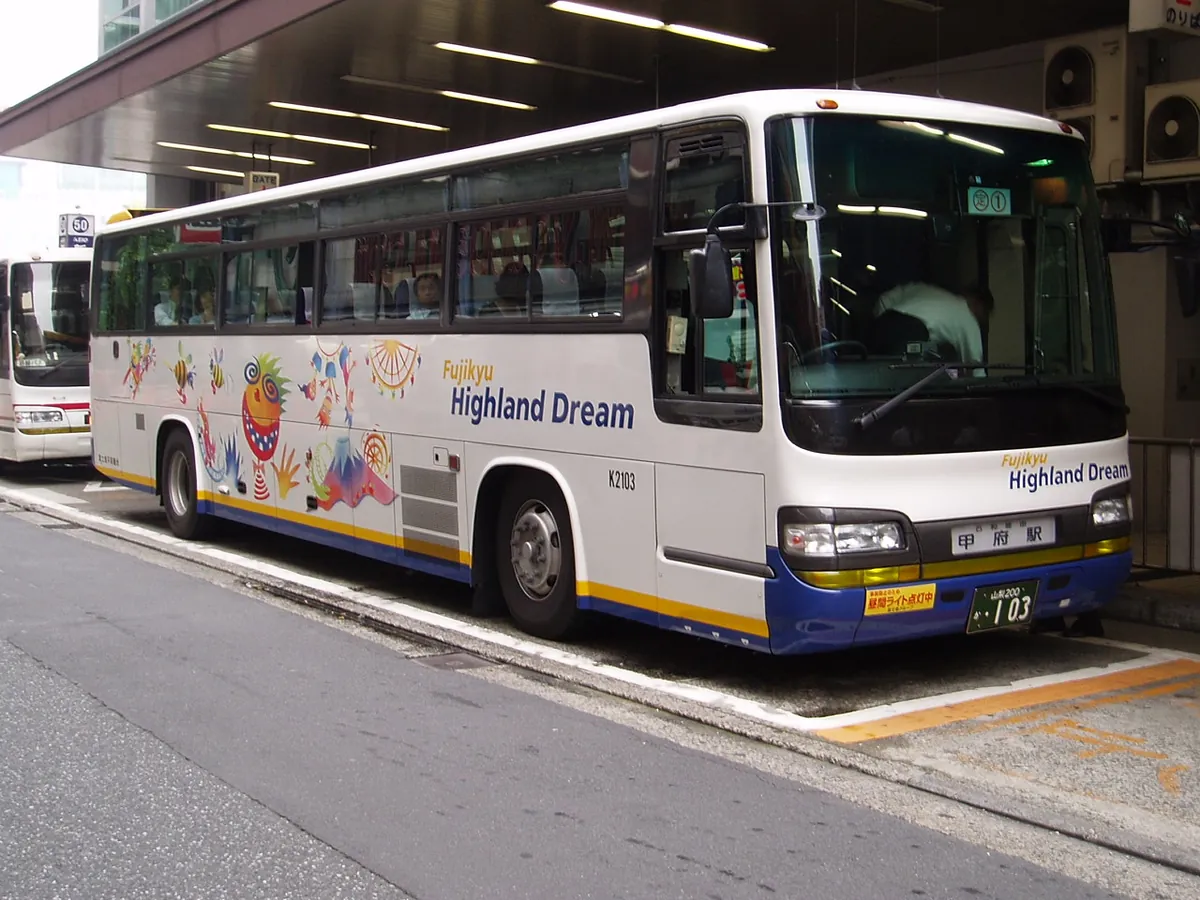
Cover Photo: 663highland, CC BY 2.5, via Wikimedia Commons